Roses Without Chemicals

rosesAuthor Peter E. Kukielski used to be in charge of the Abby Aldrich Rockefeller Rose Garden at the Brooklyn Botanic Garden, and before that he ran a rose garden design business, so he knows what he is talking about.  (Plus, Martha Stewart blurbs this on the cover.)

This book focuses on what he calls “millennial roses,” that is, roses that reflect the new millennium’s interest in gardening without chemical sprays and poisons.  He offers a good overview of rose care, but even better is the list of 150 roses that meet his criteria of disease resistance and good flowering.

Each entry features a gorgeous photo, plus a rating for blooms, disease resistance, and fragrance. He also indicates where they are best sited (front or back of border, in a container, etc.) and what other roses work well with the rose in question.

All this info, combined with a list of roses for various areas of the country, make this a go-to book when selecting roses.

As for me, I never can decide and, more to the point, have no place to put one unless I move some things around or expand the sunny bed.  BUT if I ever get to the decision point, this is the book I’ll look for.

Hiking the Lakes

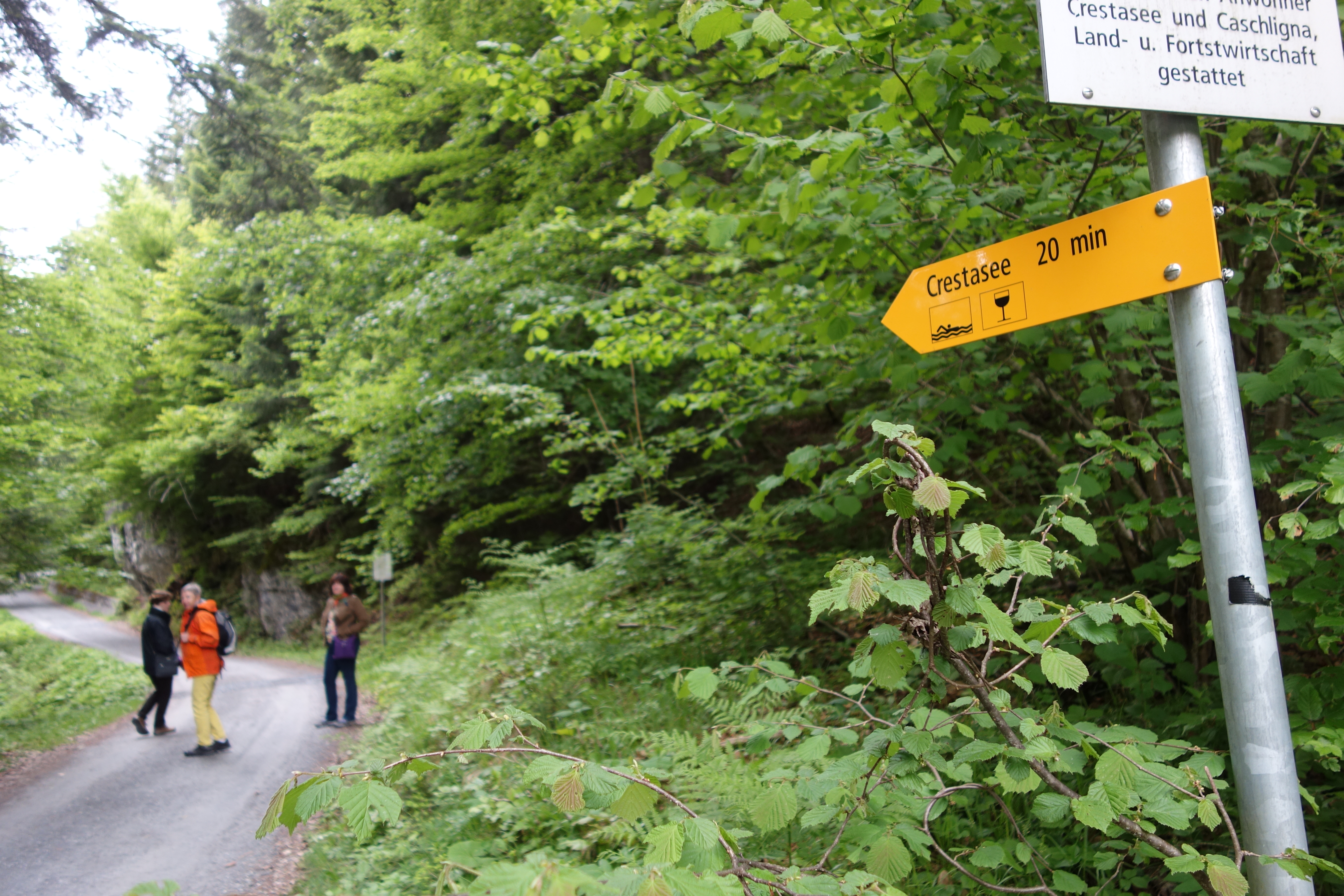
On our way to a day of hikingToday was again cloudy and cool, but perfect hiking weather.  We set out towards Flims and parked at an area around two lakes.  There are lots of trails here, and we started by making our way to Lake Cresta and around.

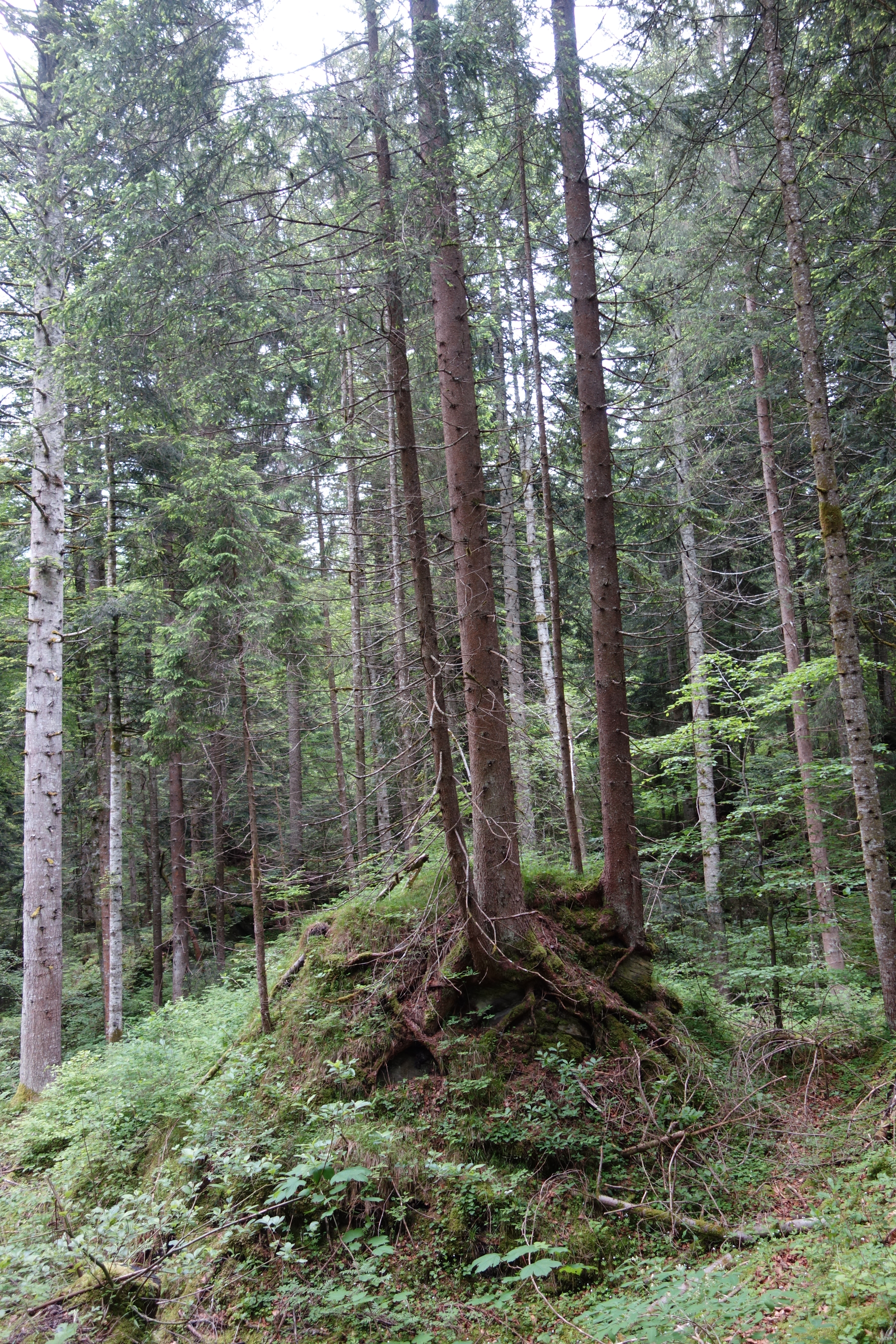
It was a short walk along a wide path through firs and moss, reminiscent of Middle Earth, or more mundanely of Ellen’s and my hike near Lake Superior.

moss and firs

moss and firs

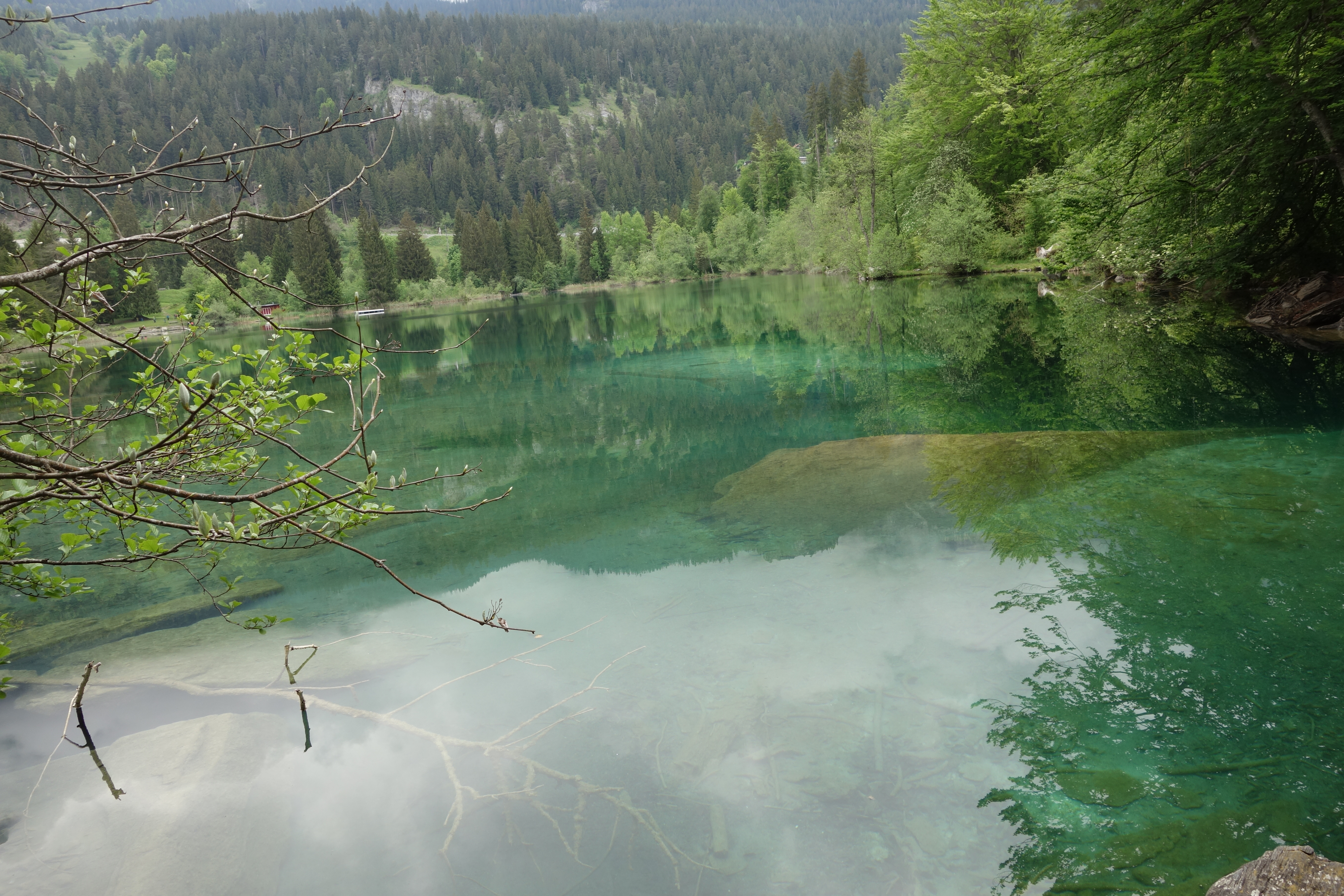
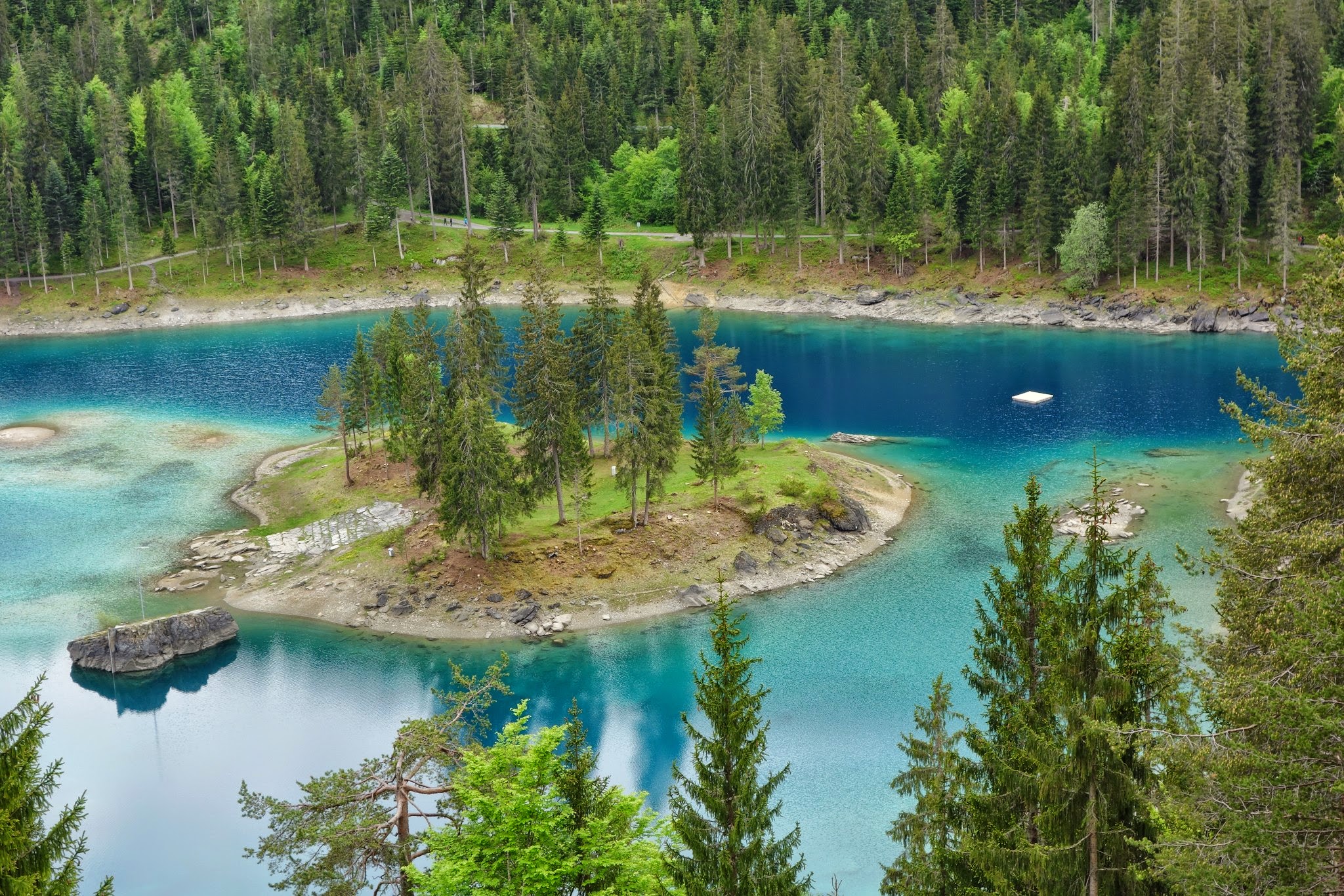
We skidded down the path to the lake, which is an unearthly blue-green.

getting closer to Lake Cresta

getting closer to Lake Cresta

The water is so still and clear that you can see right down to the shallow bottom, covered with rock slabs and ghostly dead fir trees.

blue-green water

blue-green water

Halfway around we came to a little cafe where we veered off towards Conn and Lake Cauma.  It was an interesting place, with these sculptures on display.  DSC05527This path was also filled with moss, firs, rocks and meadows.  We could hear cow bells clinking but couldn’t be sure if they were somewhere just beyond view or if they were from the cows we could spot dotting the meadows across the valley.

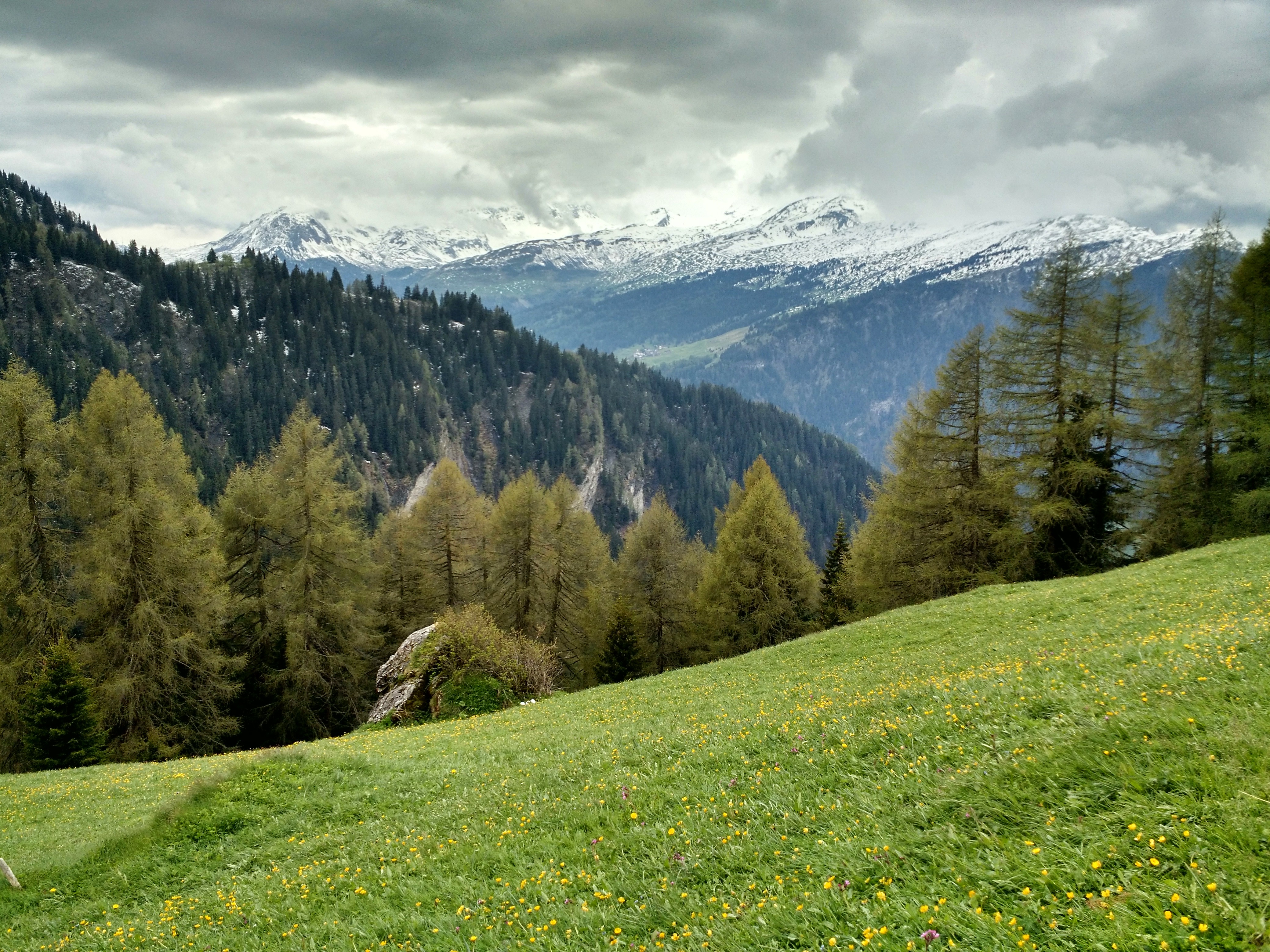
meadow, first, mountains

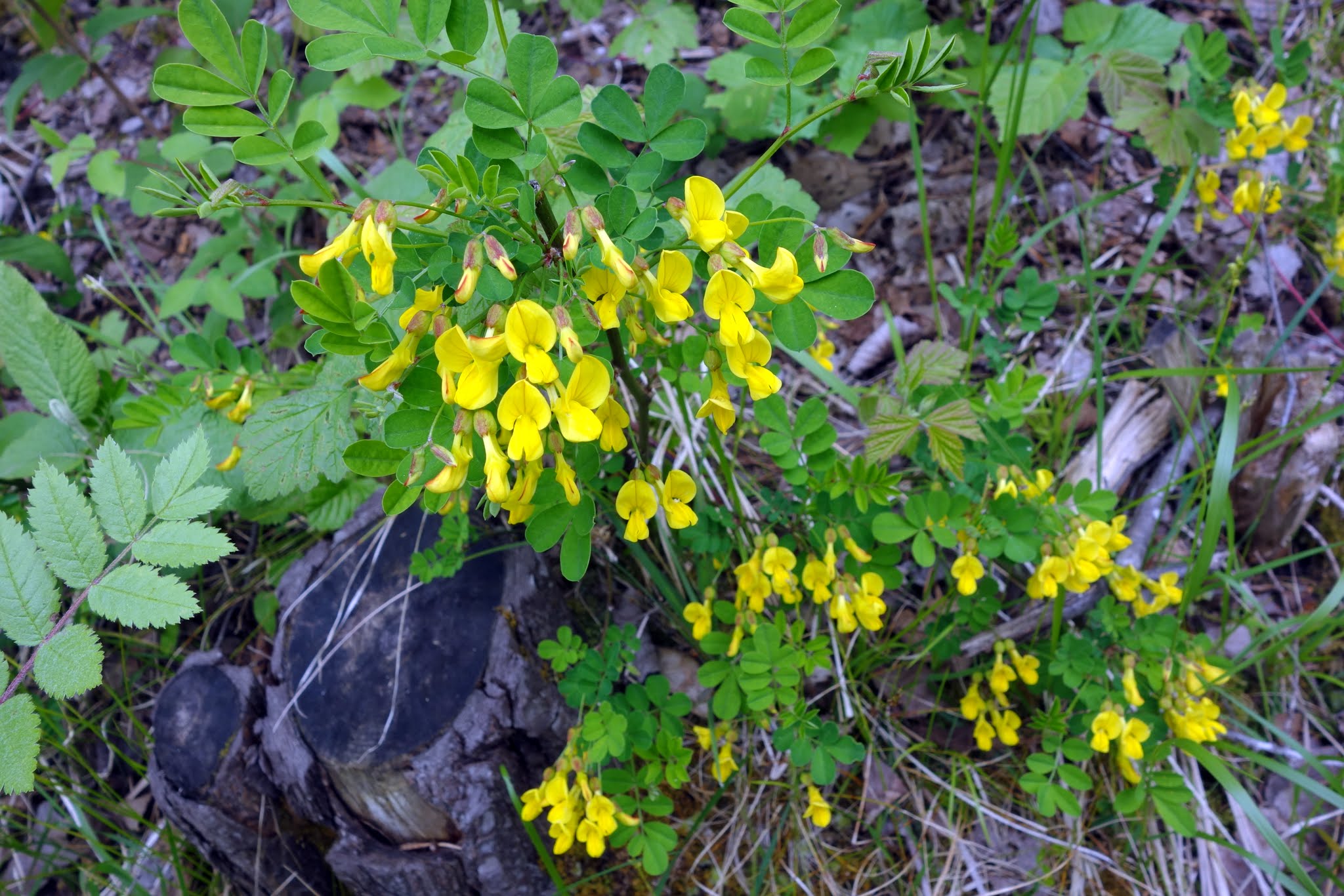
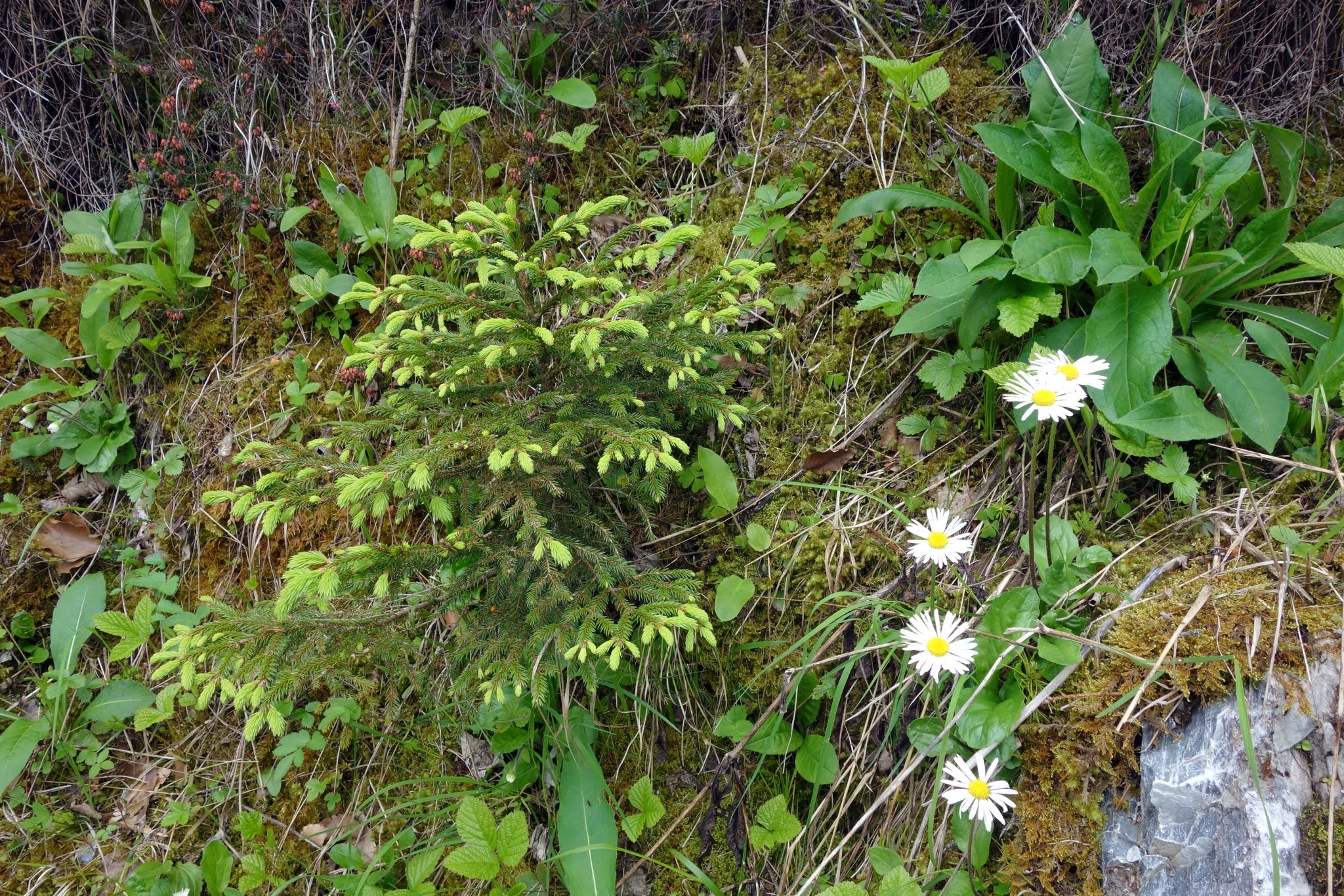
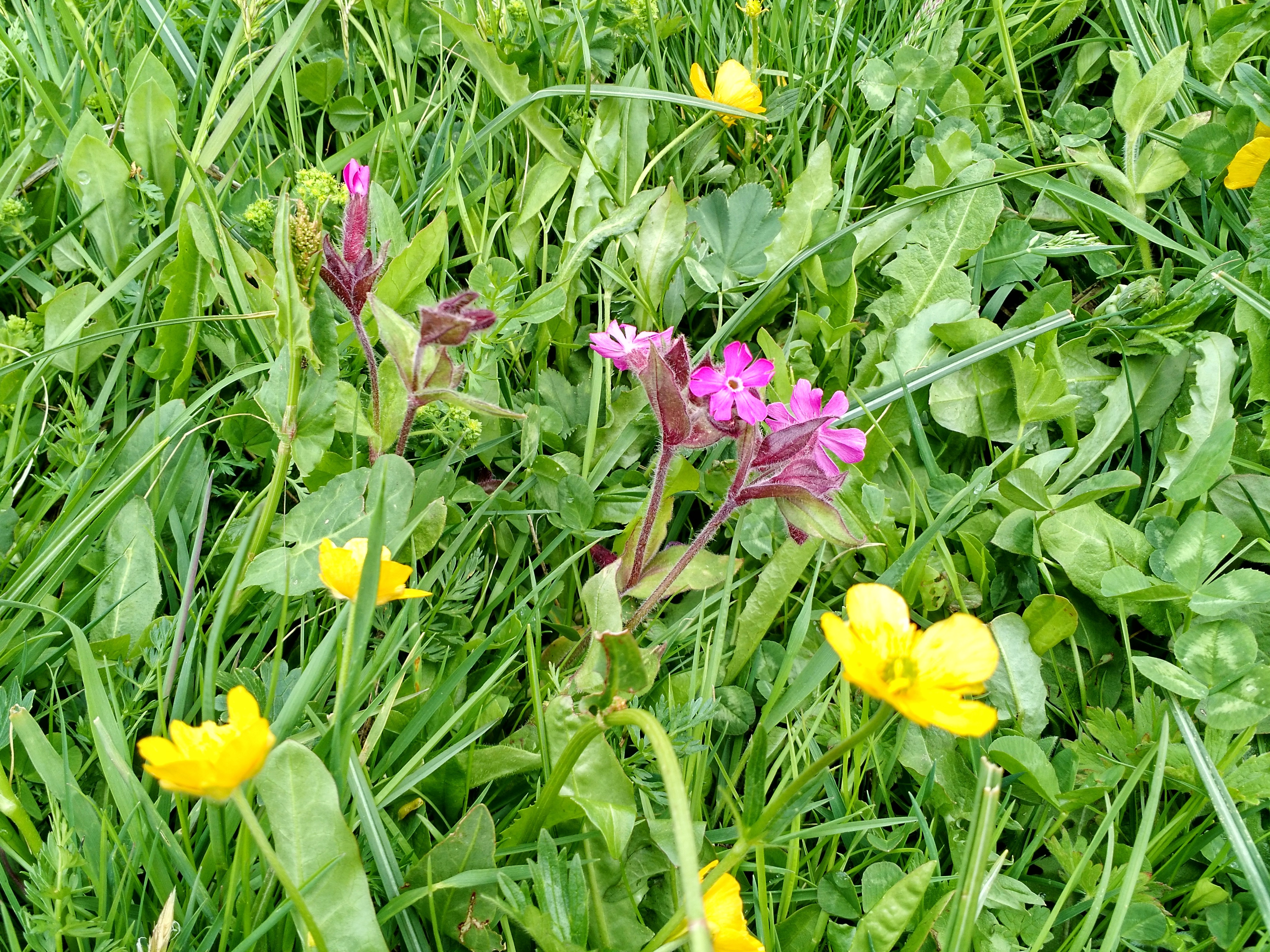
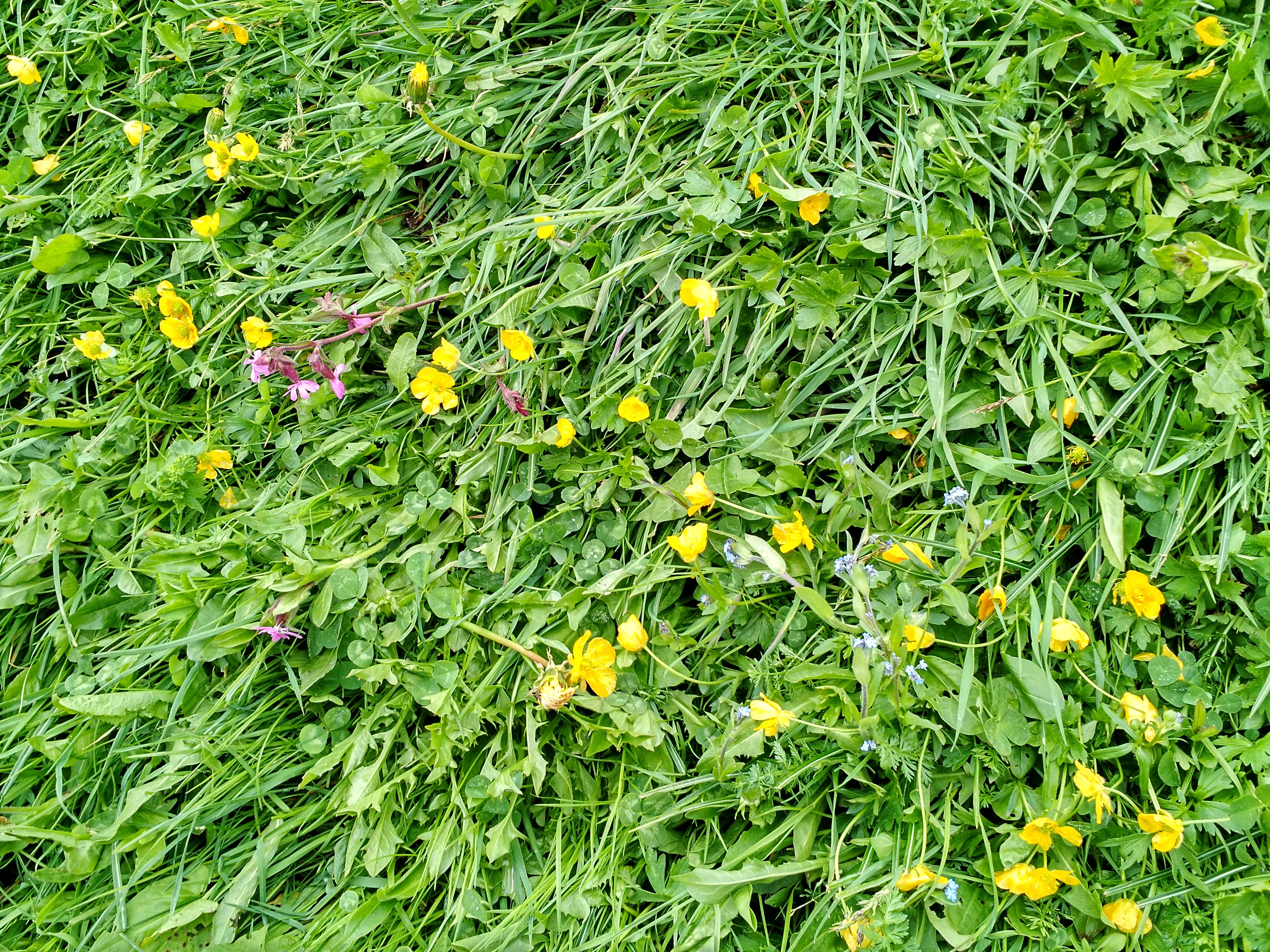
We stopped for many wildflower shots:

yellow wildflowers

yellow wildflowers

daisies and little fir

daisies and little fir

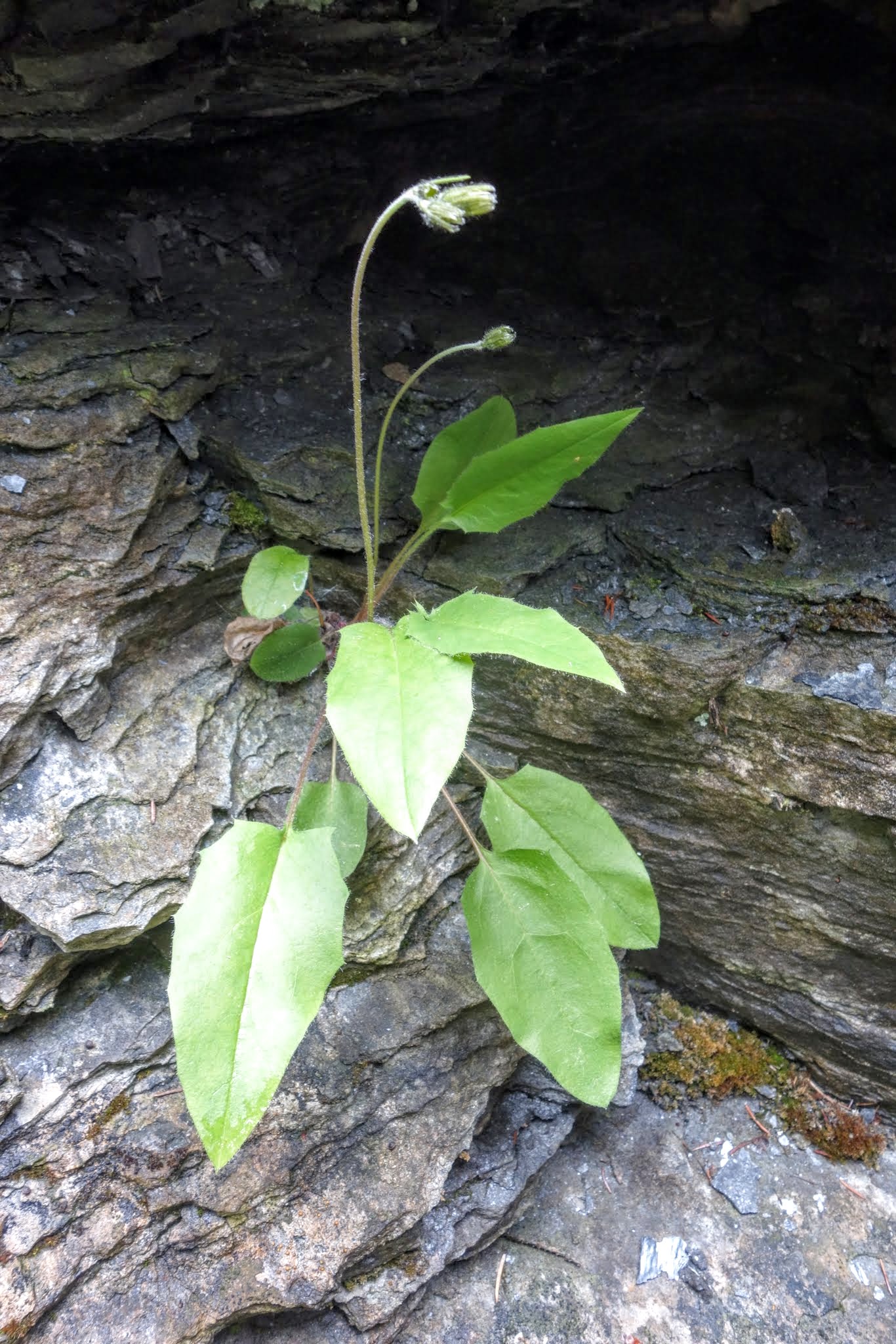
possible orchid

possible orchid

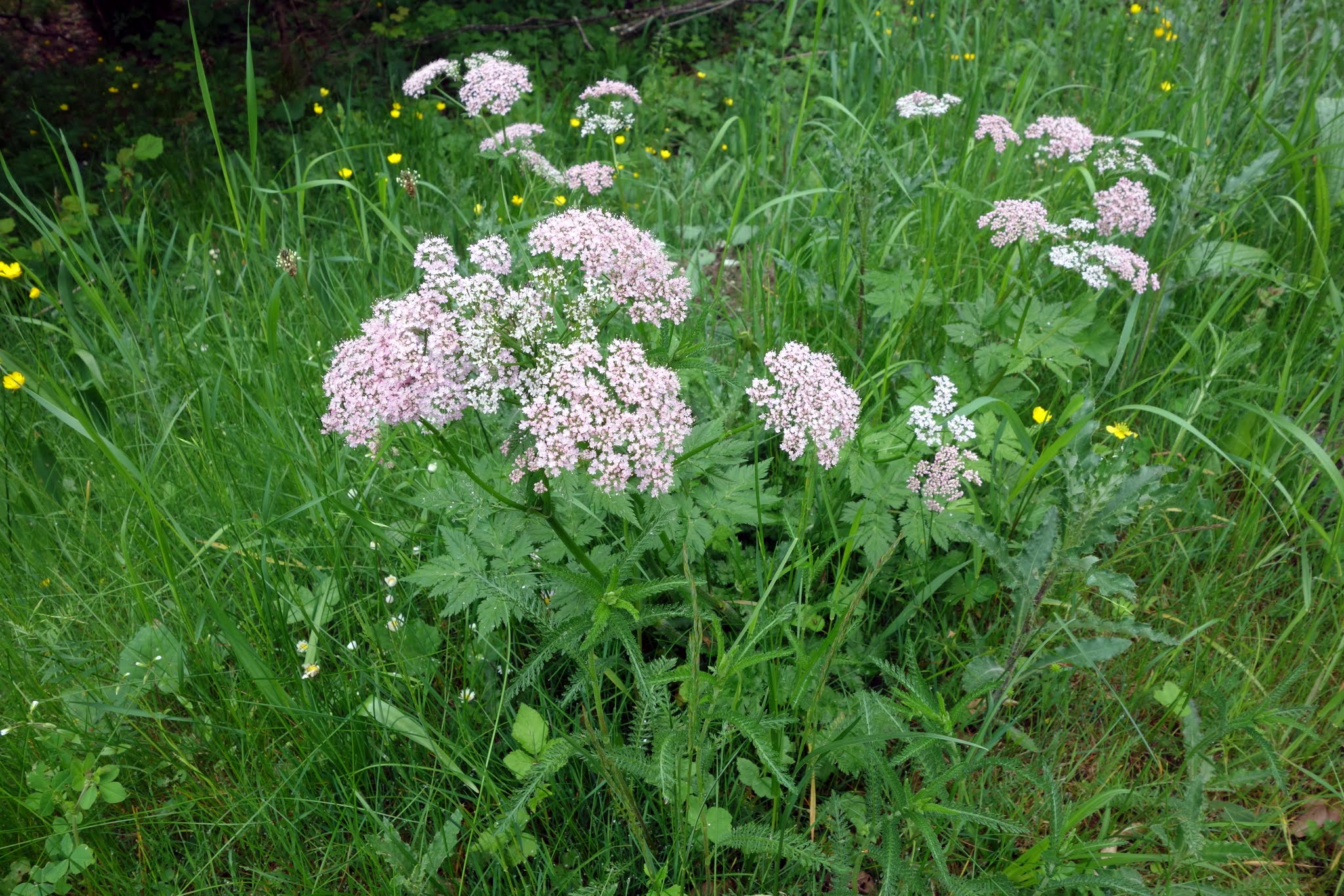
cow parsley?

cow parsley?

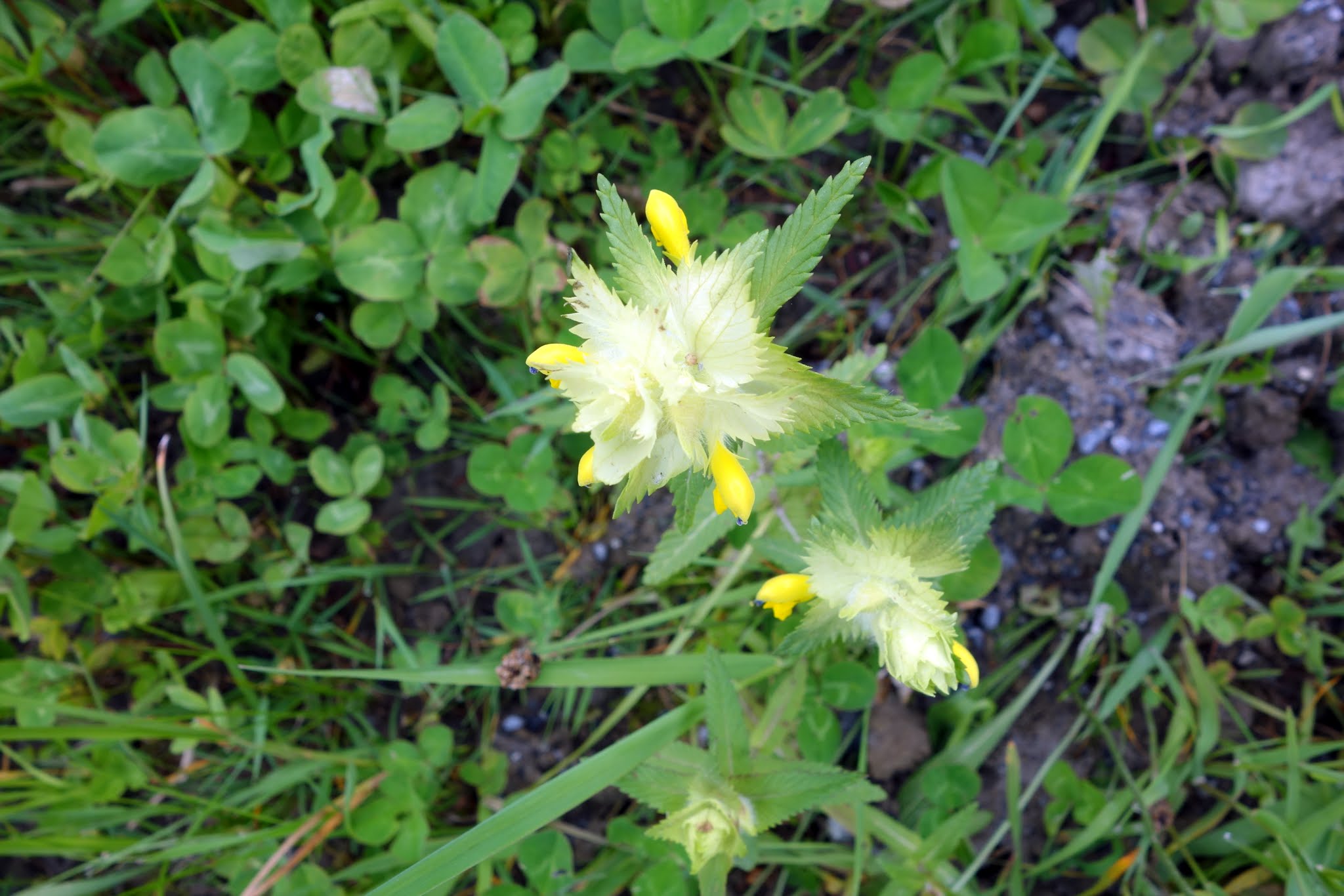
close-up

close-up of yellow clover

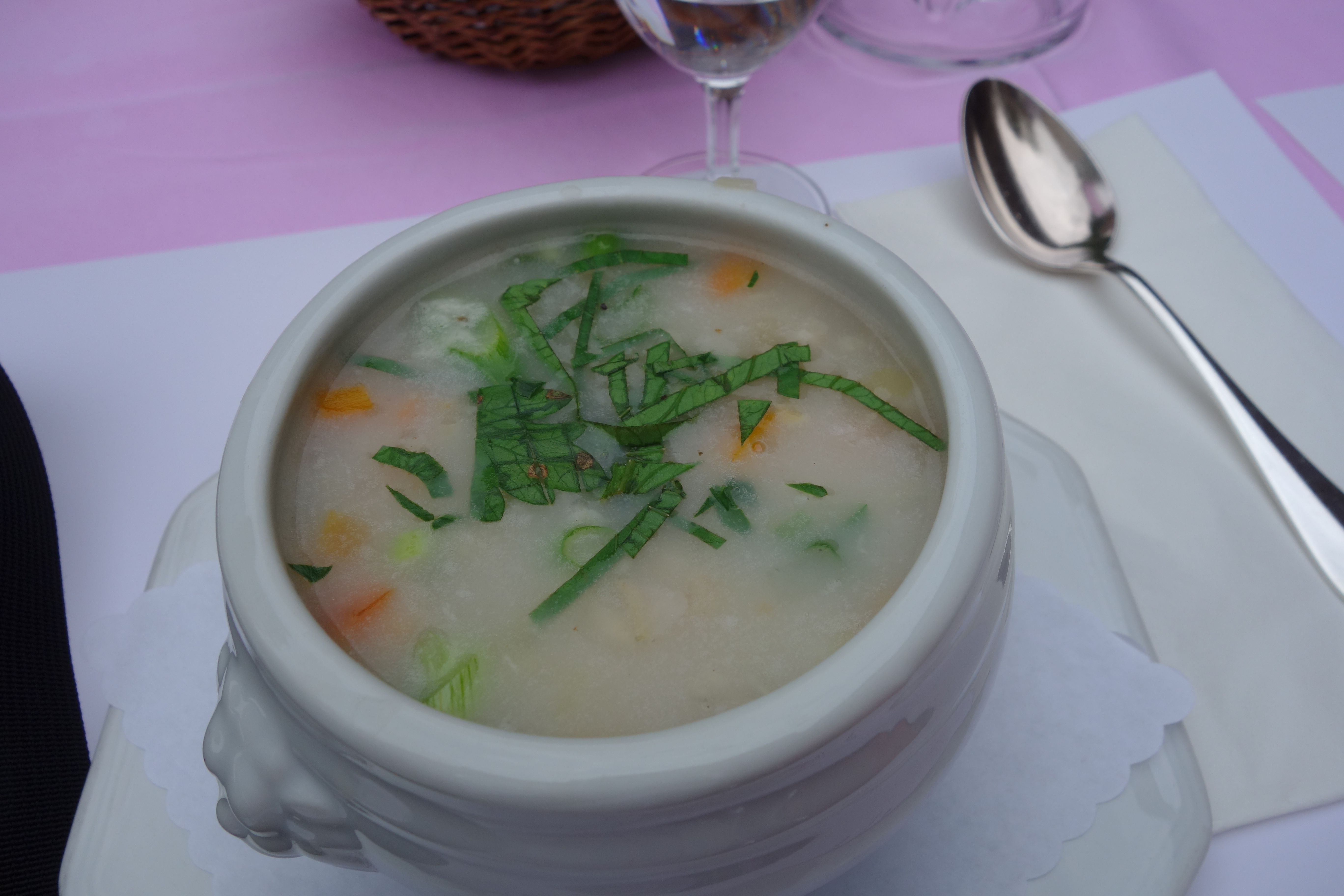
and once for a bit of chocolate before continuing on our way.  After a while we came to a restaurant filled with walkers, where we stopped for a delicious bowl of  Gerstensuppe, barley soup.

barley soup

barley soup

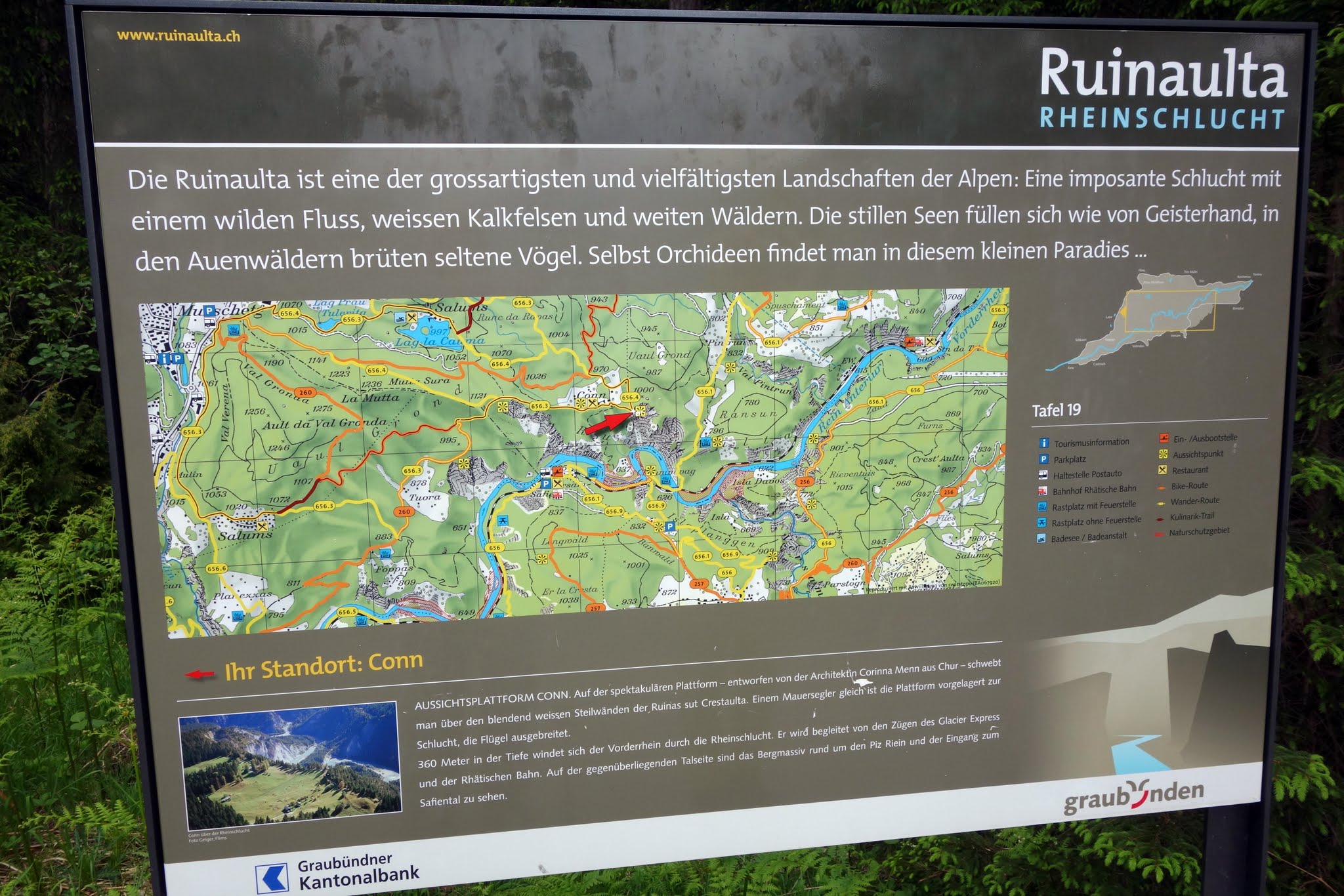
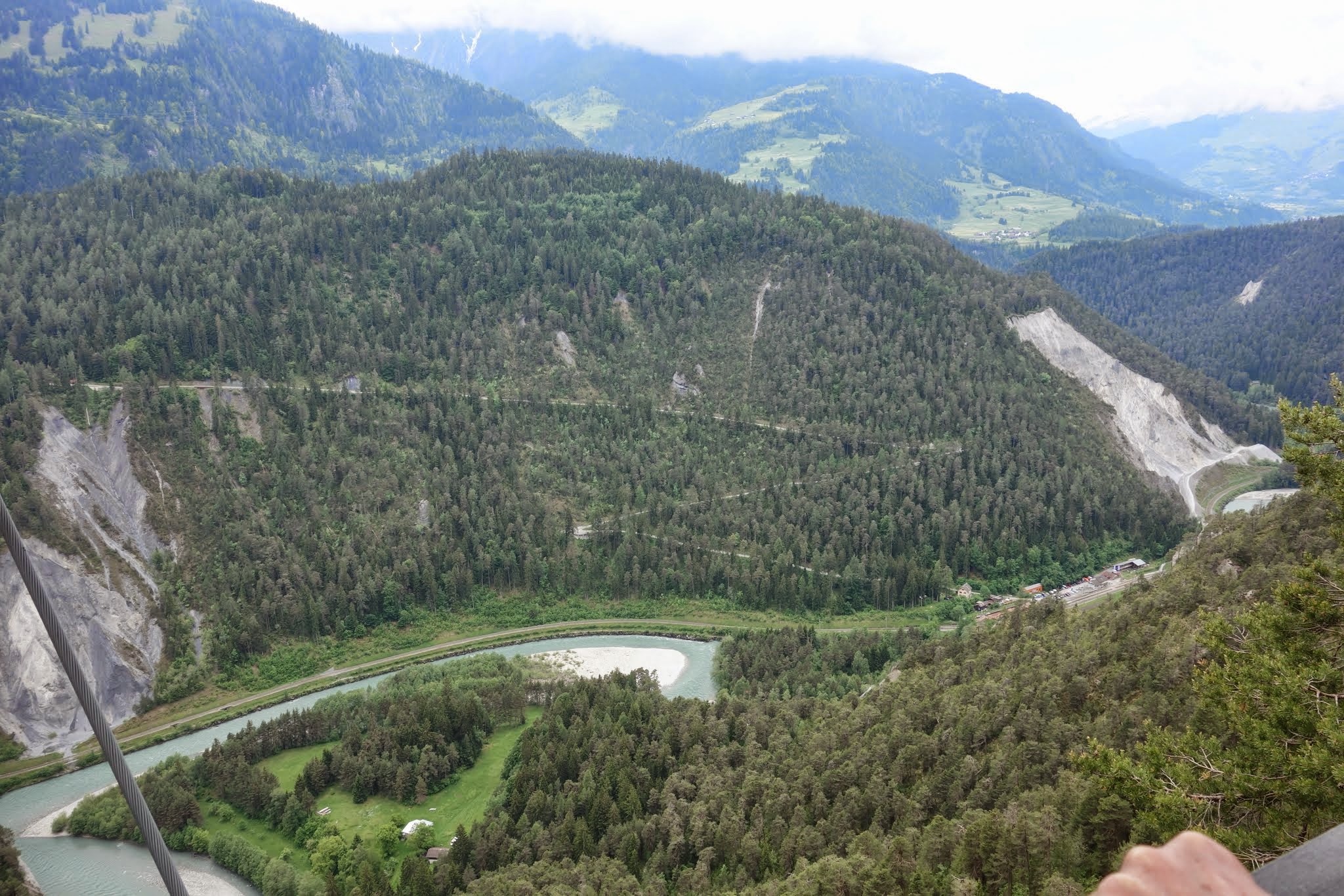
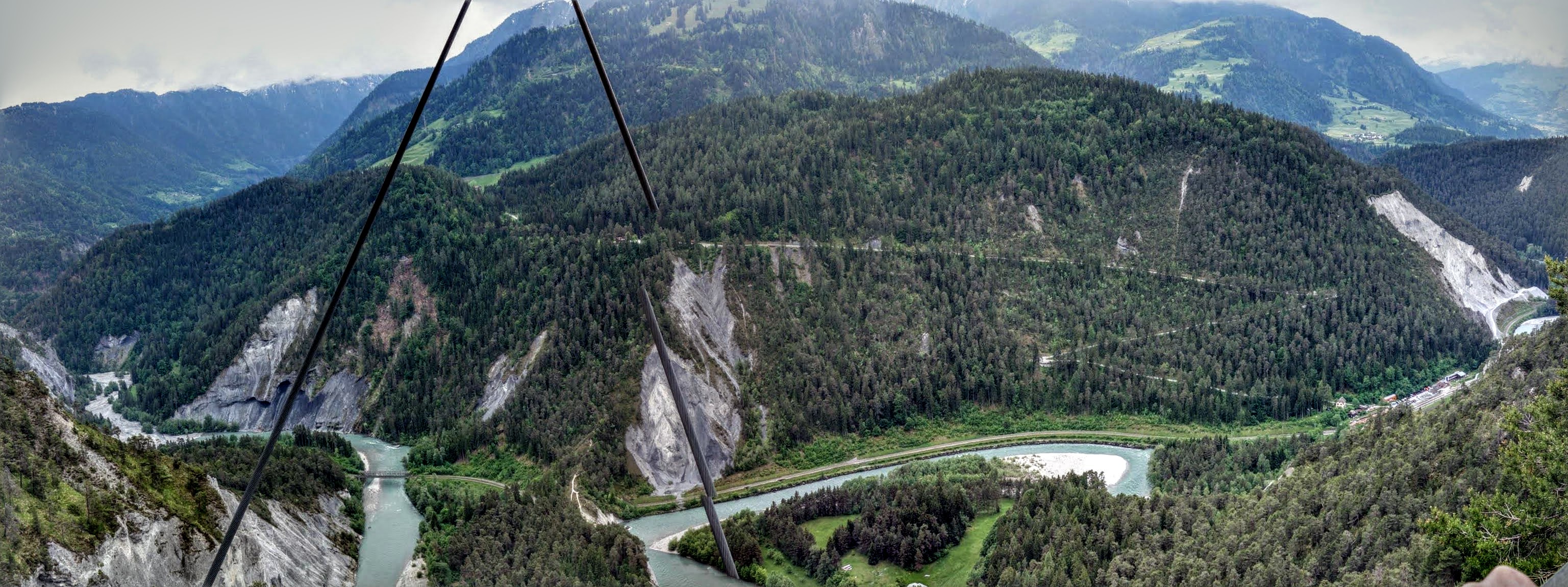
Here we were above the Rhine, looking down into an enormous gorge,

The Rhine gorge

The Rhine gorge

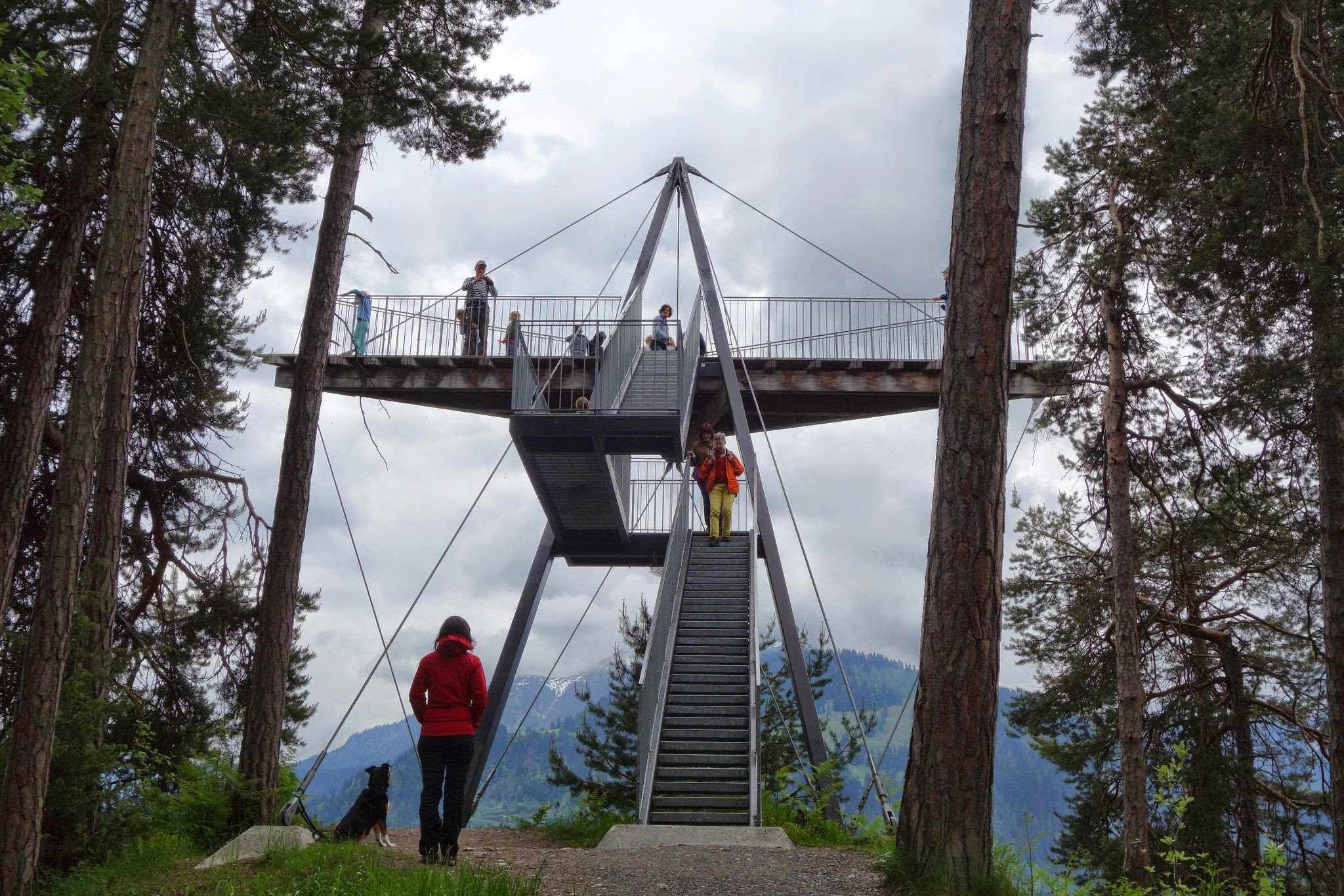
and a spectacular viewing structure beckoned to some of us.   DSC05563

Biffy and I stopped after the first set of steps, where I took a picture that clearly shows the white-knuckle grip on the railingDSC05556 and quickly made our way back down, where we could take pretty good pictures from a less scary vantage point.  DSC05555-PANOBrave Silla and Judy lingered at the top and returned with wonderful views which I plan to steal to illustrate this blog.

We continued on through firs, moss, rocks, meadows and Alpenblicks.  Every now and then we would raise our eyes and more often than not see snow-covered peaks across the way.

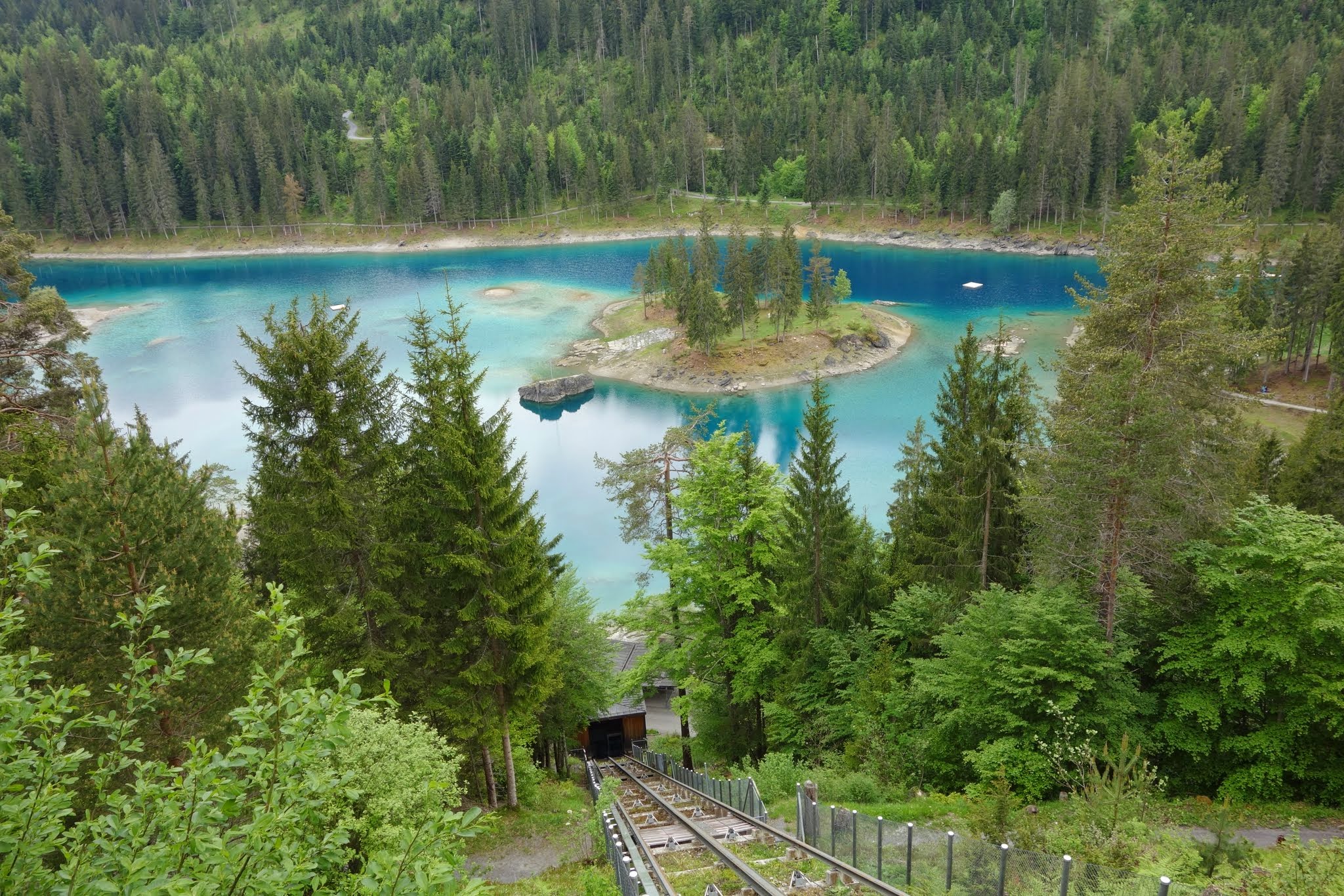
Soon enough we were at Lake Cauma, another clear, blue-green expanse, DSC05570this one a bit more touristy as it is a popular swimming spot in summer.  The most fun was taking the funicular back up the steep mountainside (shades of Ljubljana!).DSC05569 From here we wended our way back to the car.

More than six miles, 18,000 steps, and spectacular country.  Who could ask for more?

Oh, my, Obbermutten!

IMG_20150524_172739(2)

Judy, Biffy and Silla at Obermutten

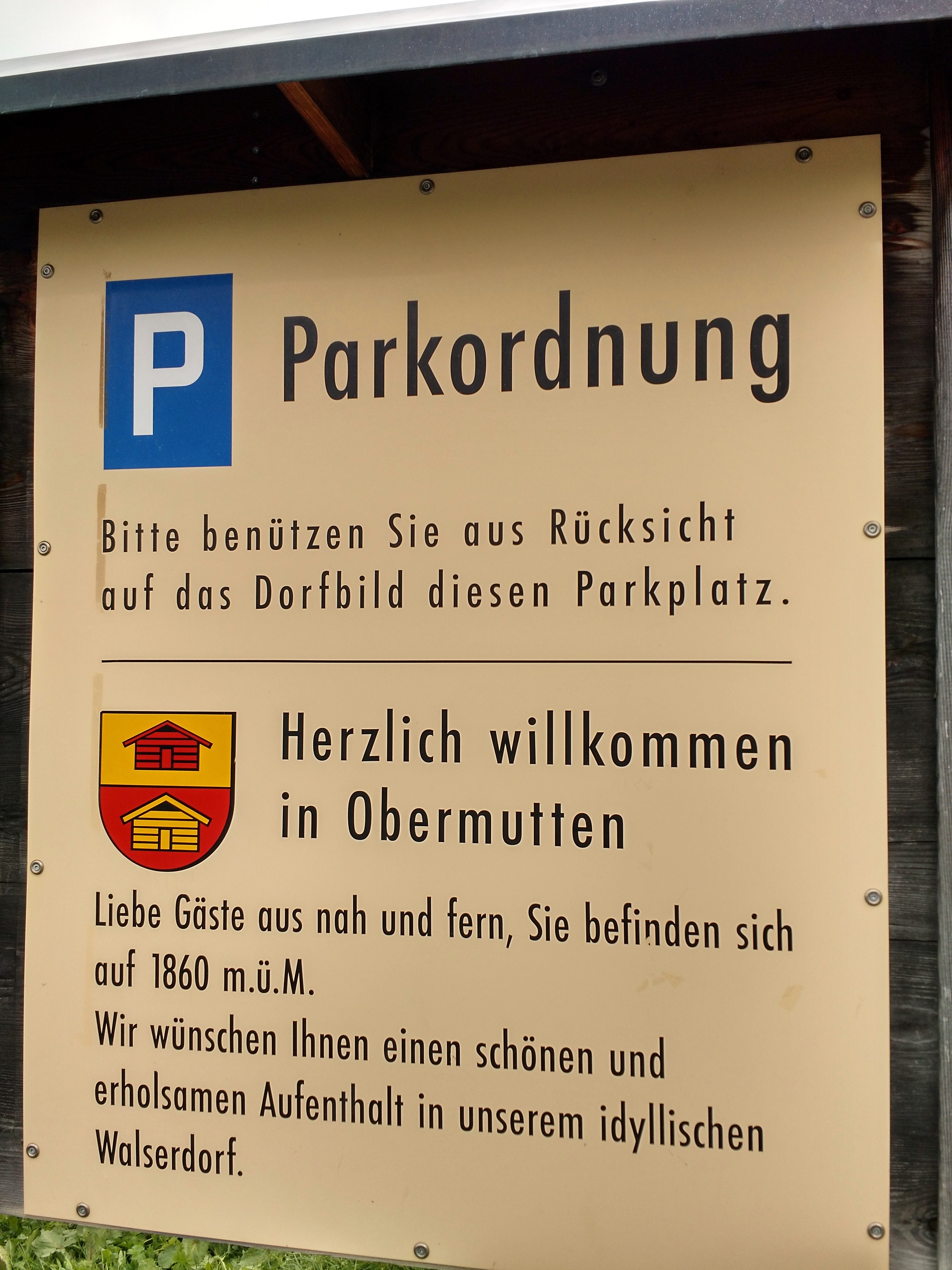
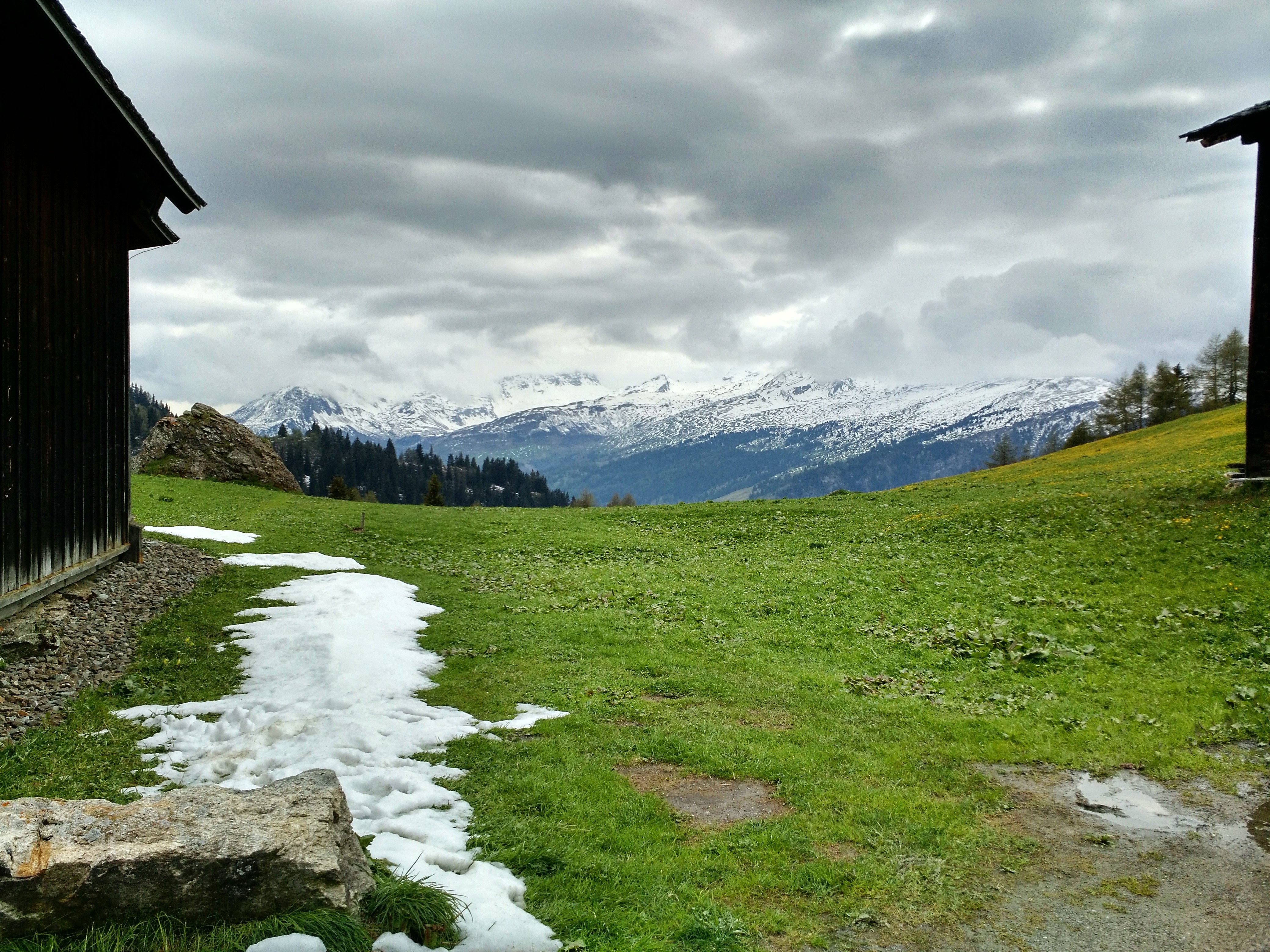
From here we had one more stop, but what a stop it was!  Silla turned the car to the left off the main road and we began a steady ascent up the side of a mountain. We went up switchback after switchback, always thinking we must be there but always going farther up.  Finally the paved road became a dirt road, and still we went up.  We came to Mutten, but no, we were heading to Obermutten, so still we went upward. At LONG last, we reached the top. IMG_20150524_172615 IMG_20150524_173116It was chilly up here, and         we even found some snow nestled in a few low spots.
IMG_20150524_173151

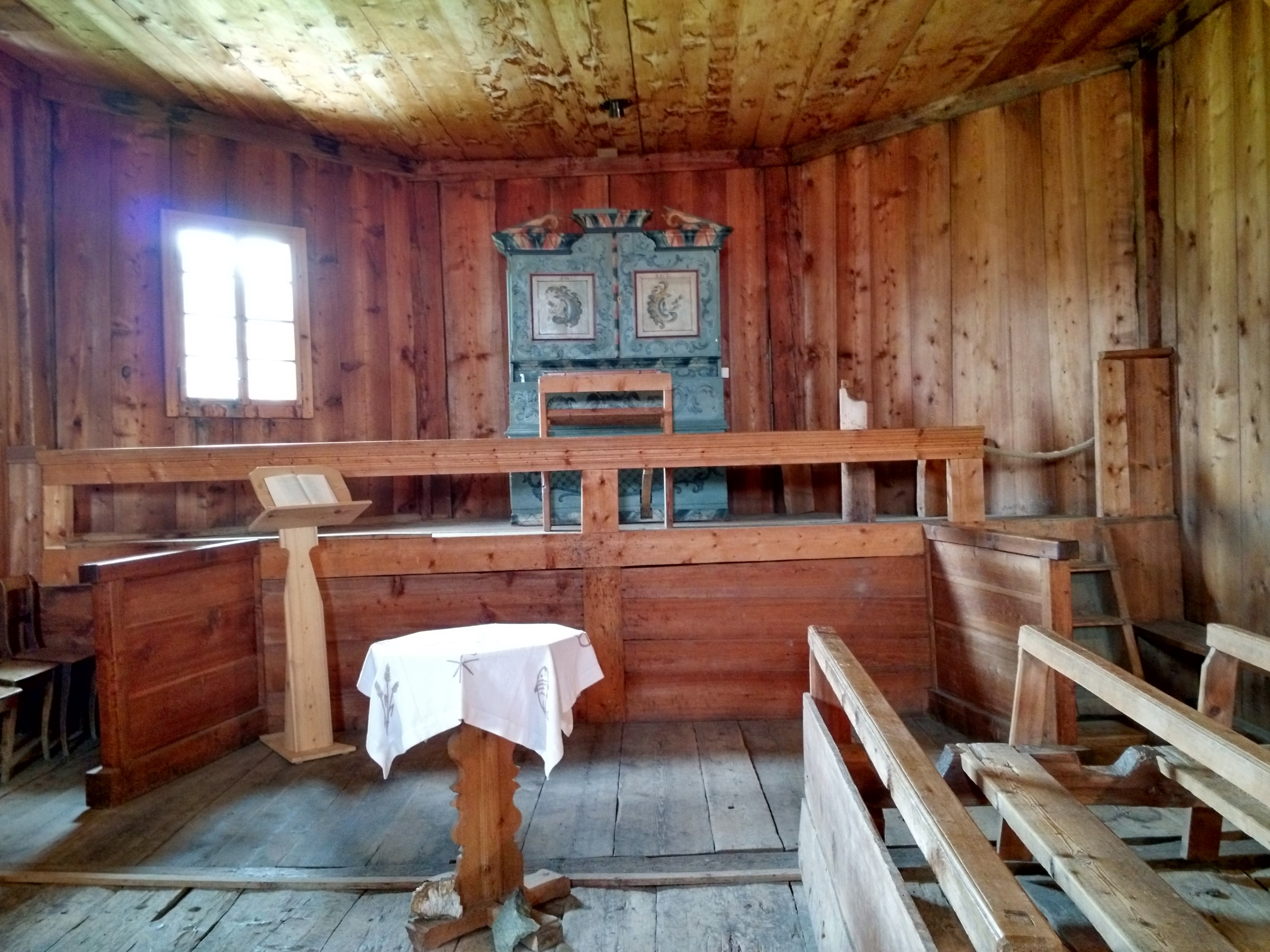
We entered the small wooden church IMG_20150524_173128and enjoyed its simple interior.

IMG_20150524_173254We took in the views and the fresh, cold air and walked down the hill a bit to see whether we could see the valley where we started from – almost! IMG_20150524_173724

The grass was sprangled with wildflowers growing despite the snow.  IMG_20150524_173707 IMG_20150524_173650

This was an amazing experience.  Silla was a sure-footed driver who never lost her nerve (though I would have many times over).  Here are a couple videos to give you a sense of the height, the views, and the bends.  Wow.

Geology! Waterfalls! Wildflowers!  History! Danger! 

still going down

still going down

The Via Mala had it all.

The churches made a wonderful start to the day, and it continued to be quietly spectacular. We drove along to the Via Mala, a path through a deep gorge carved by the Rhine.  IMG_20150524_122601                                                                                                                                This was one of the routes the Romans took through the Alps, so it has been in use for centuries.  But it’s not an easy path.

The way down to the gorge was punctuated by signage telling stories of disasters that overtook previous visitors.  Note to self:  a carriage hauling wine barrels + a driver too fond of his cargo + bad weather and nervous horses = the Rhine turned red from the wine (and perhaps from the blood of the injured as well).  We marveled at this enormous boulder DSC05456wedged between the gorge walls,           not just its size but its swirling markings.

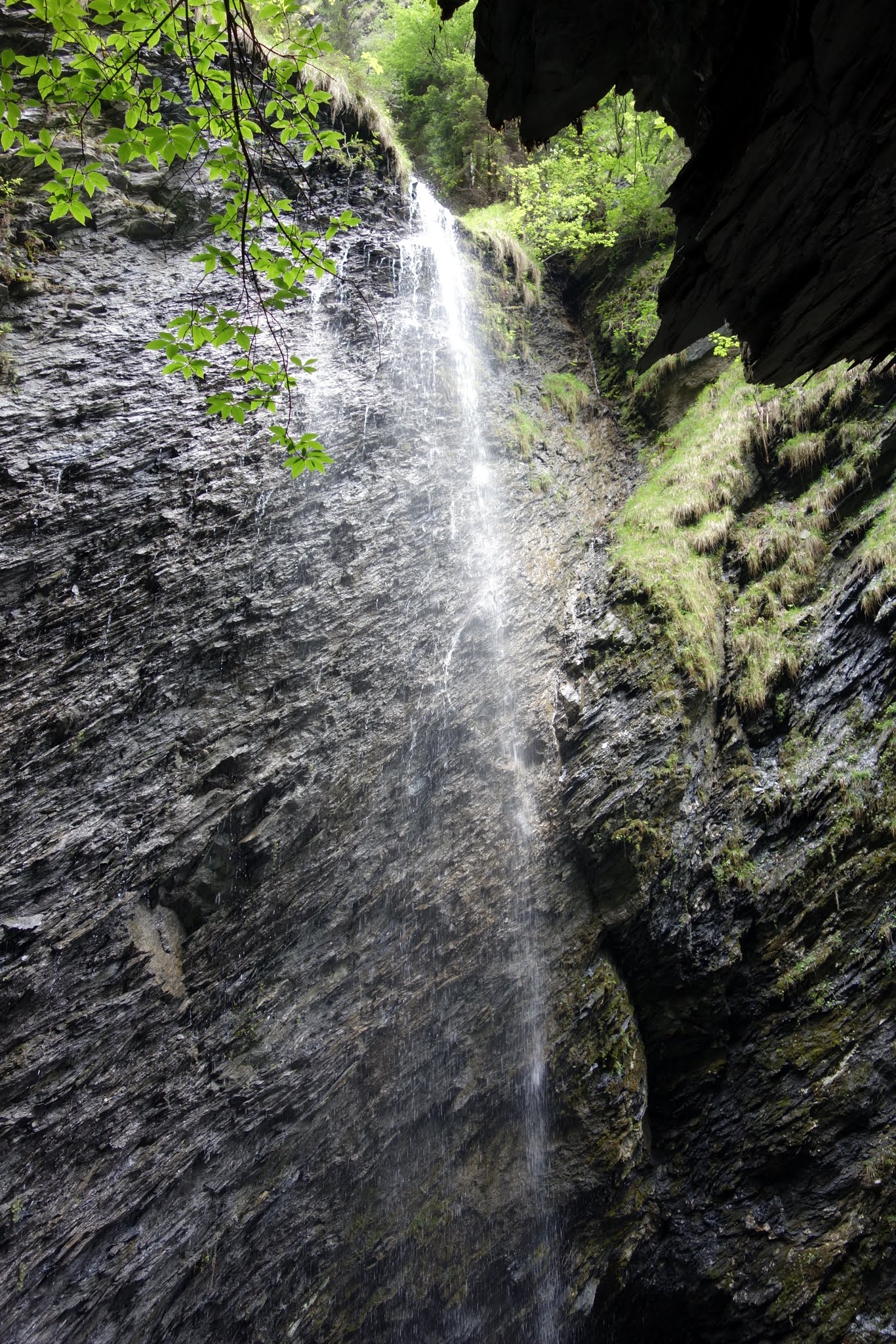
We stopped to take pictures of wildflowers, DSC05463                                                               DSC05462played Pooh sticks at a bridge (Judy won), and marveled at the waterfalls.

waterfall

waterfall

and here is the waterfall in action:

I hope that gives you a sense of the scale of this place.

Though there are few danger signs in Switzerland, we were advised in five languages not to play in the river at the bottom of the gorge.  DSC05455                                    Only imagine what it was like for the people who traversed the gorge before the advent of bridges and paths.  All hail the Romans!

A Rich, Full Day, part eins

first view of the Rhine

first view of the Rhine

Today could not have been more glorious.  Ancient, quiet churches, high mountains, lunch at an old mountain hotel, lovely walks – all was wonderful.

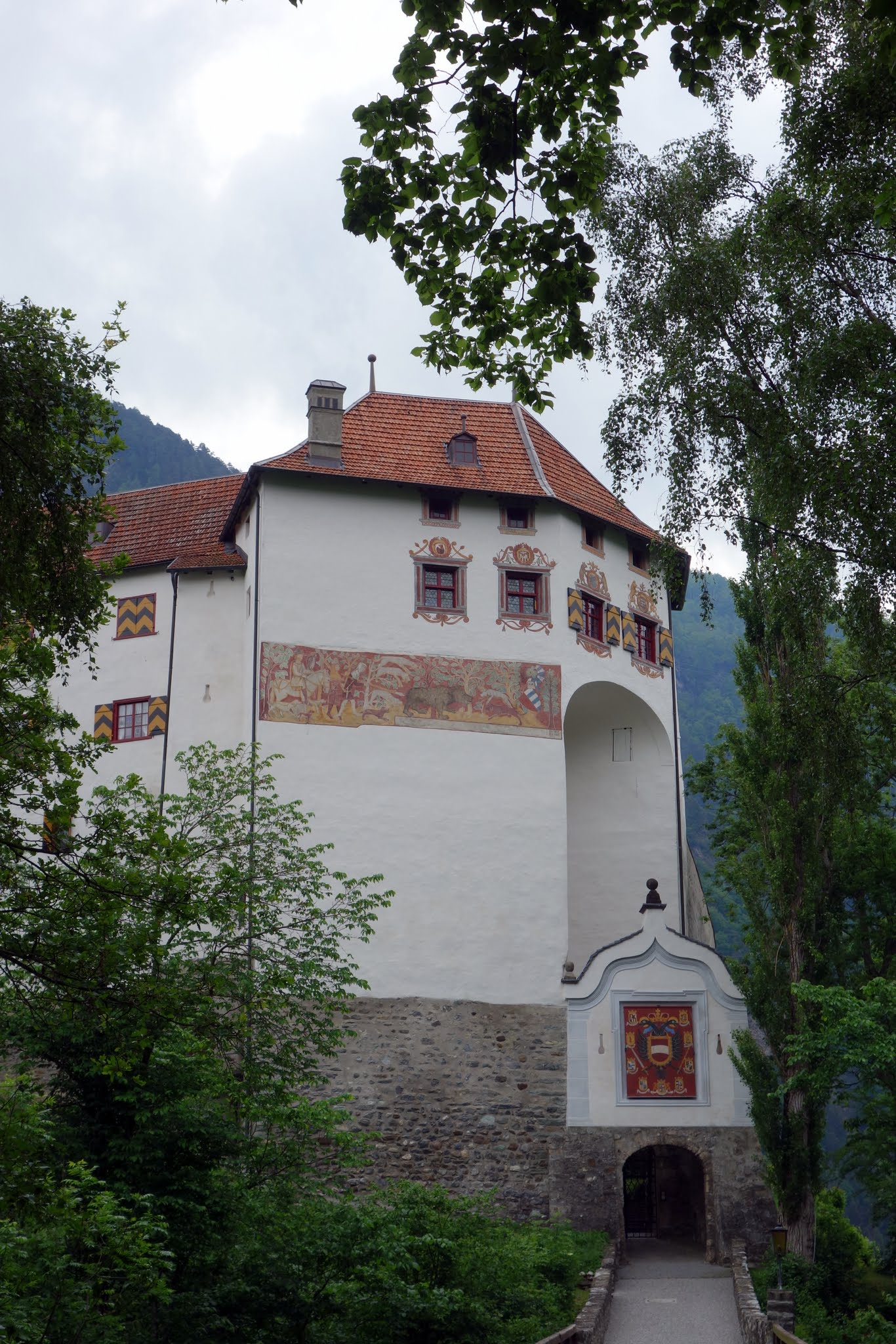
We started out leaving Chur and going up the road to Rothenburn, where a painted castle stands high up on an outcrop overlooking the tiny village.

another view of the castle

We walked up to the gate so that we could see it up close.  It’s now owned by an unpopular politician who just uses it for meetings.

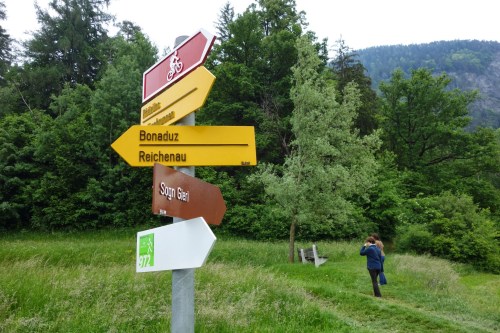
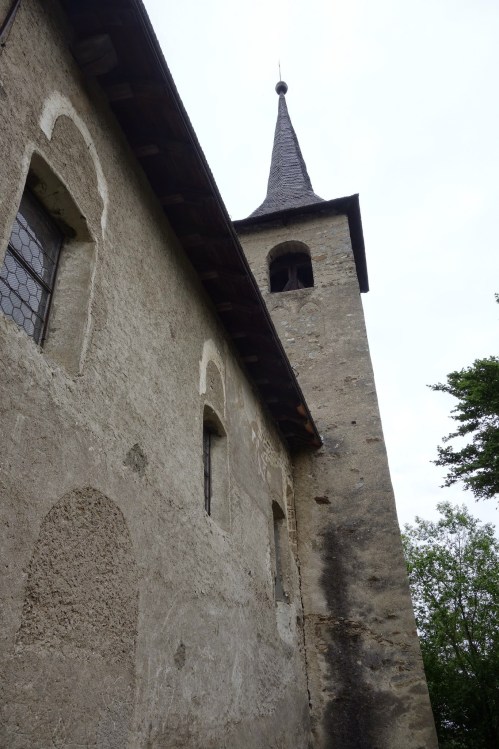
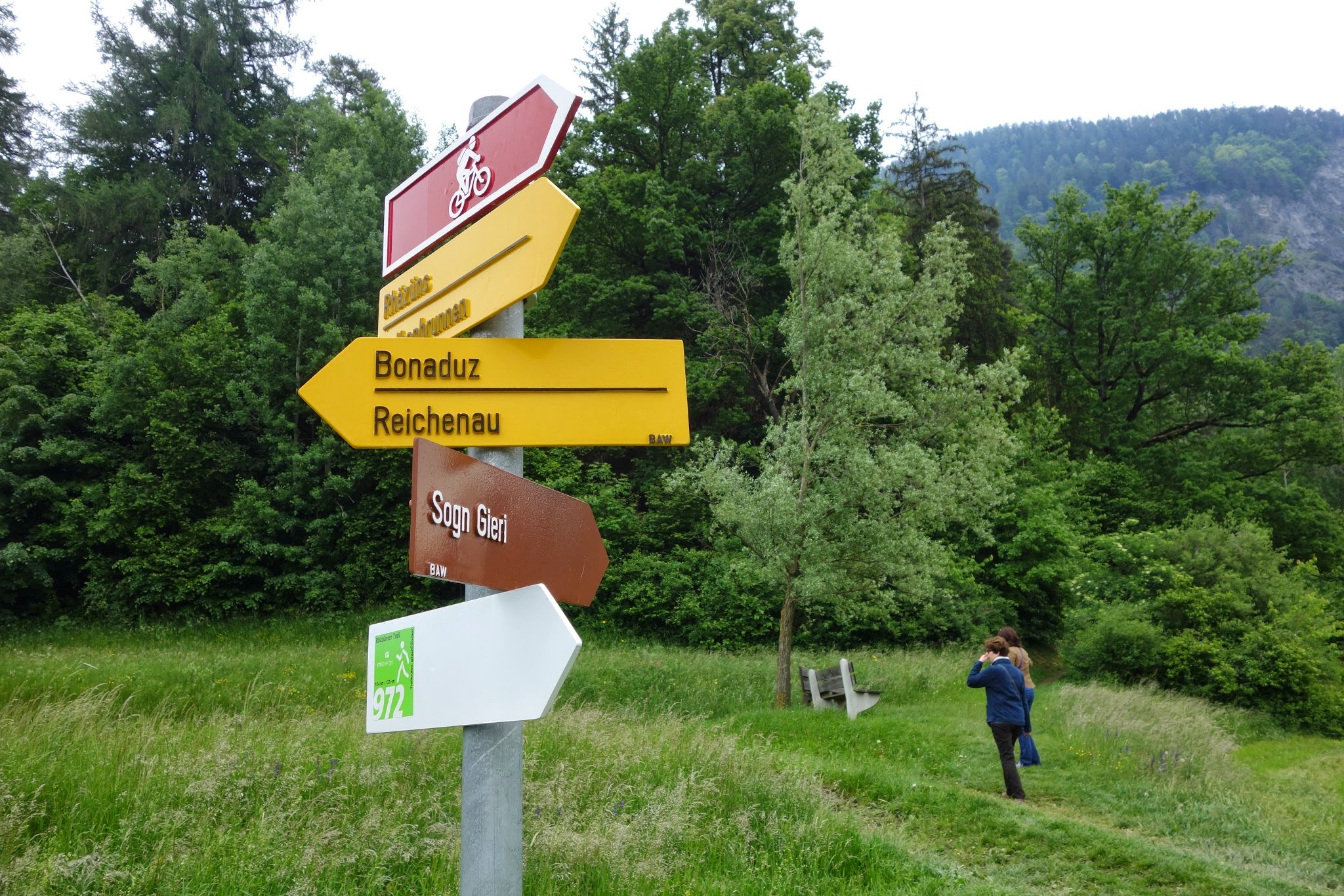
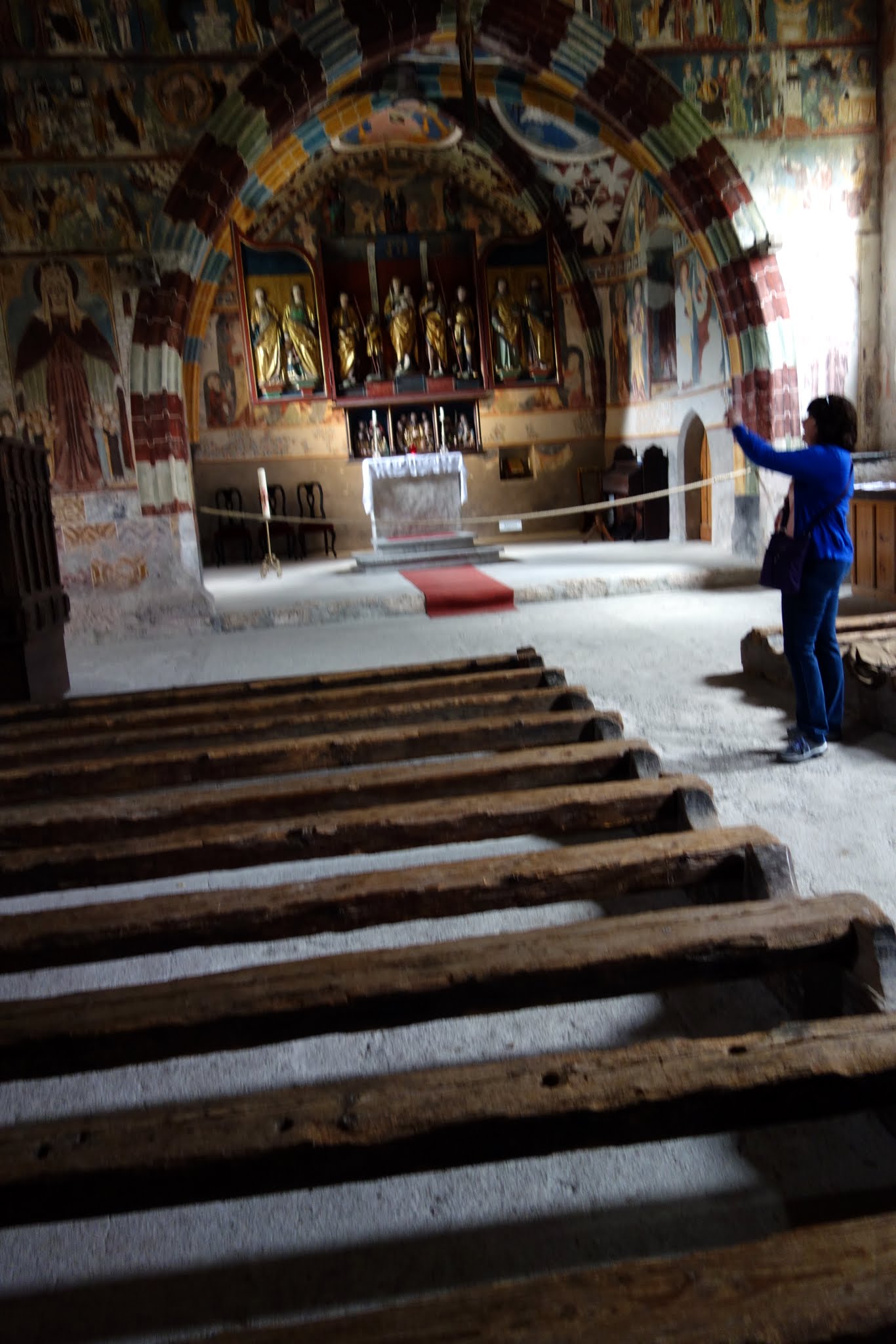
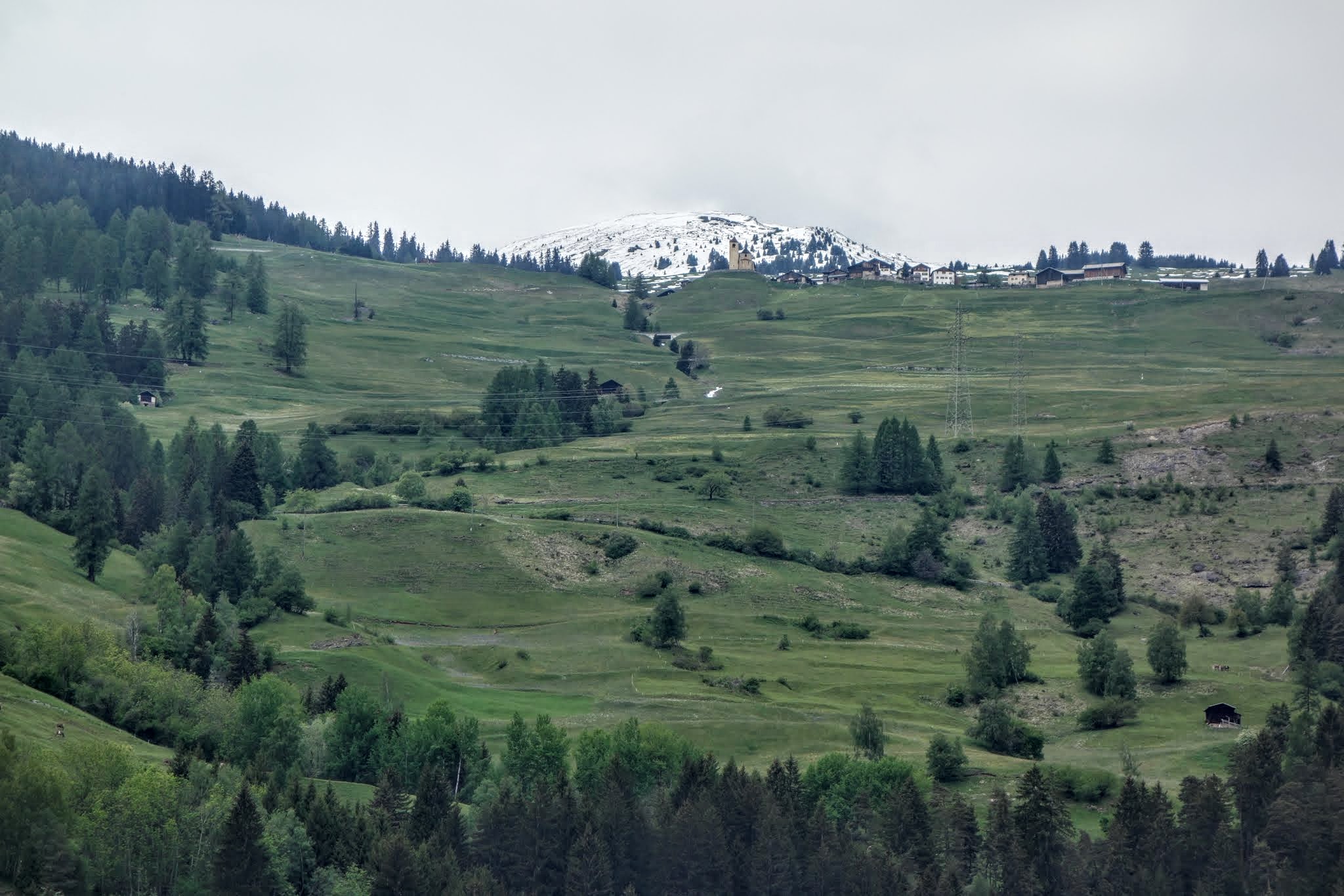
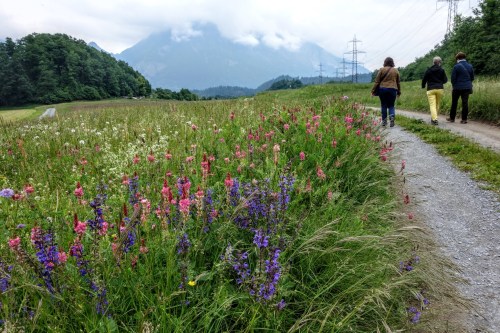
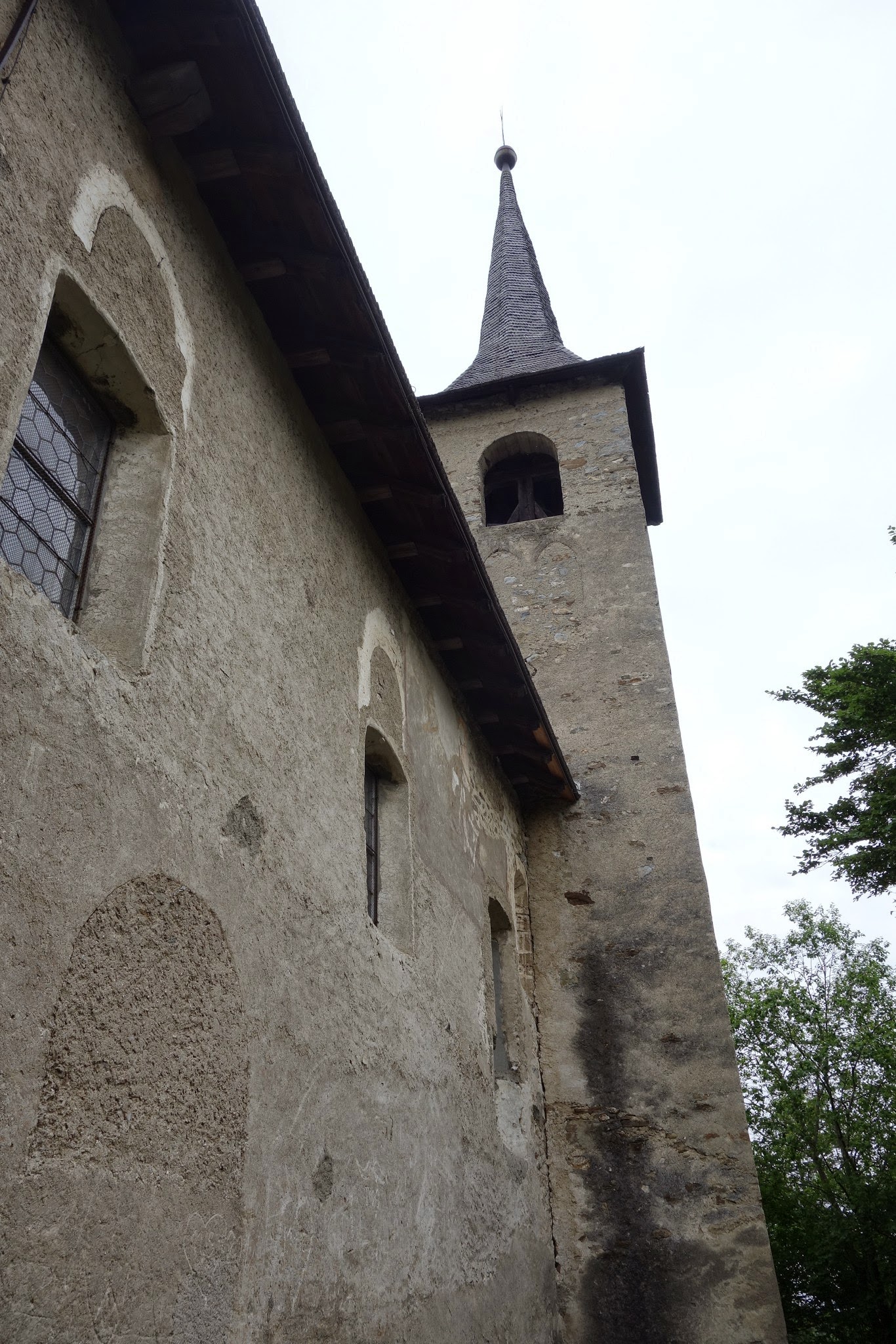
From here a path between meadows wound its way up a small hill to the church. DSC05428 St. George’s, Sogn Gieri in Romansh, DSC05432is unassuming from the outside, DSC05441but inside is a riot of color.
another view

another view

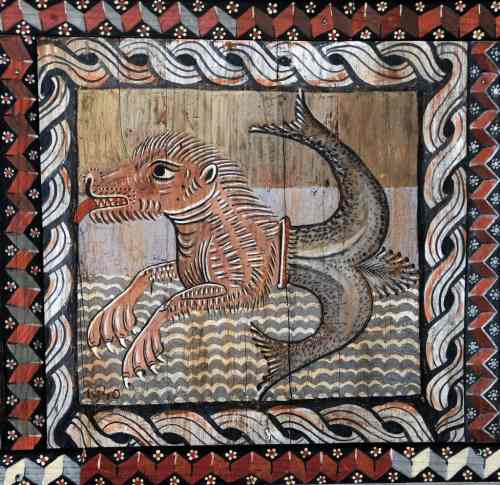
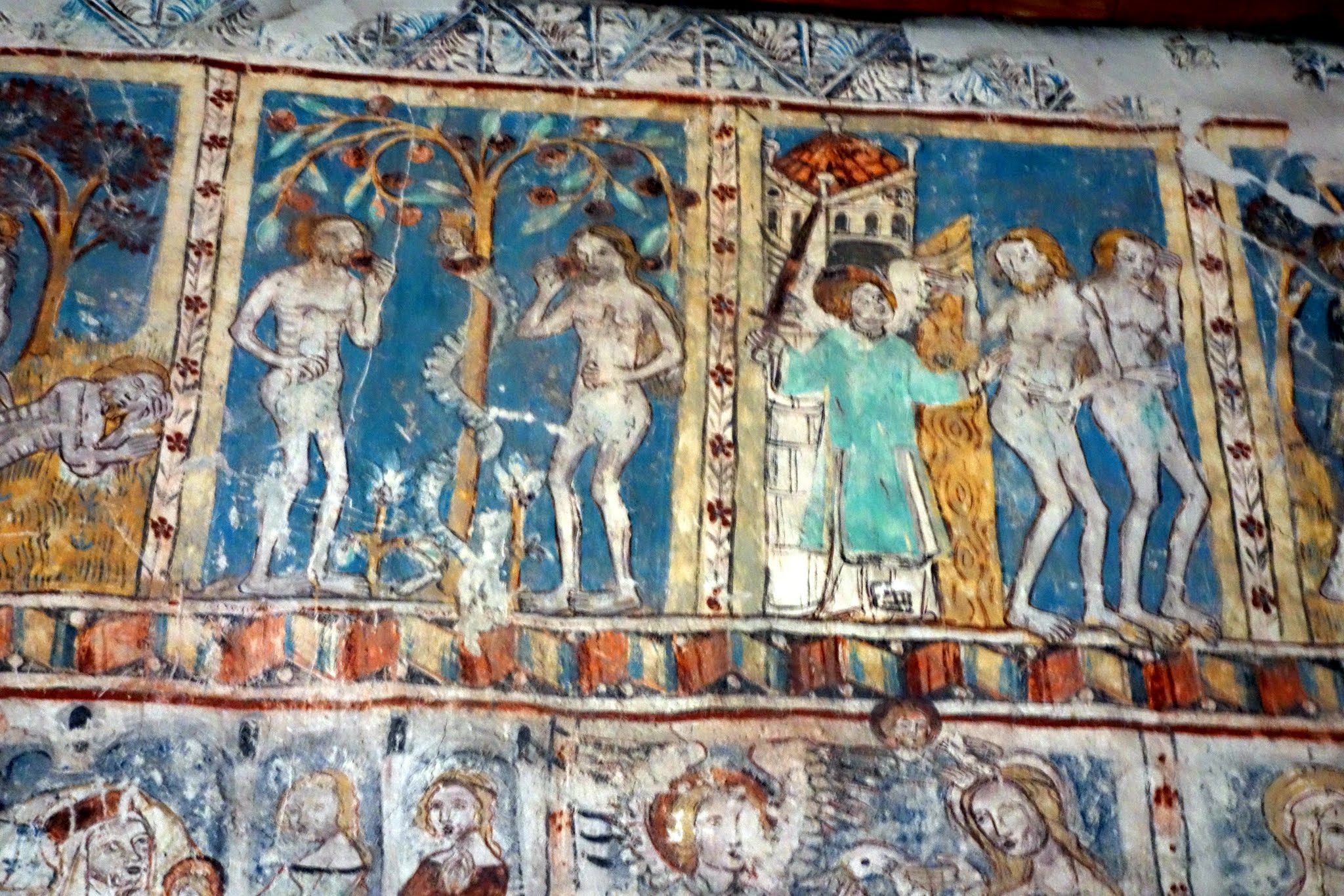
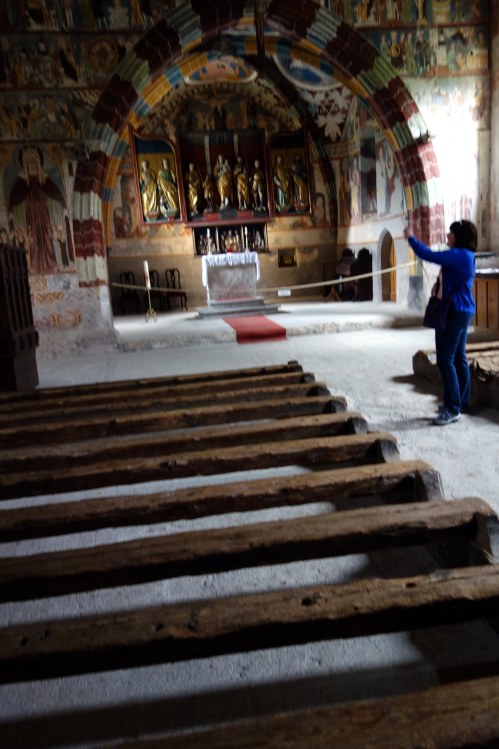
St. George and his dragon are painted on the flat wooden ceiling, while the walls are covered with paintings depicting Bible stories.  I always like to see how Adam and Eve are portrayed.

In Adam's fall, we sinned all

In Adam’s fall, we sinned all

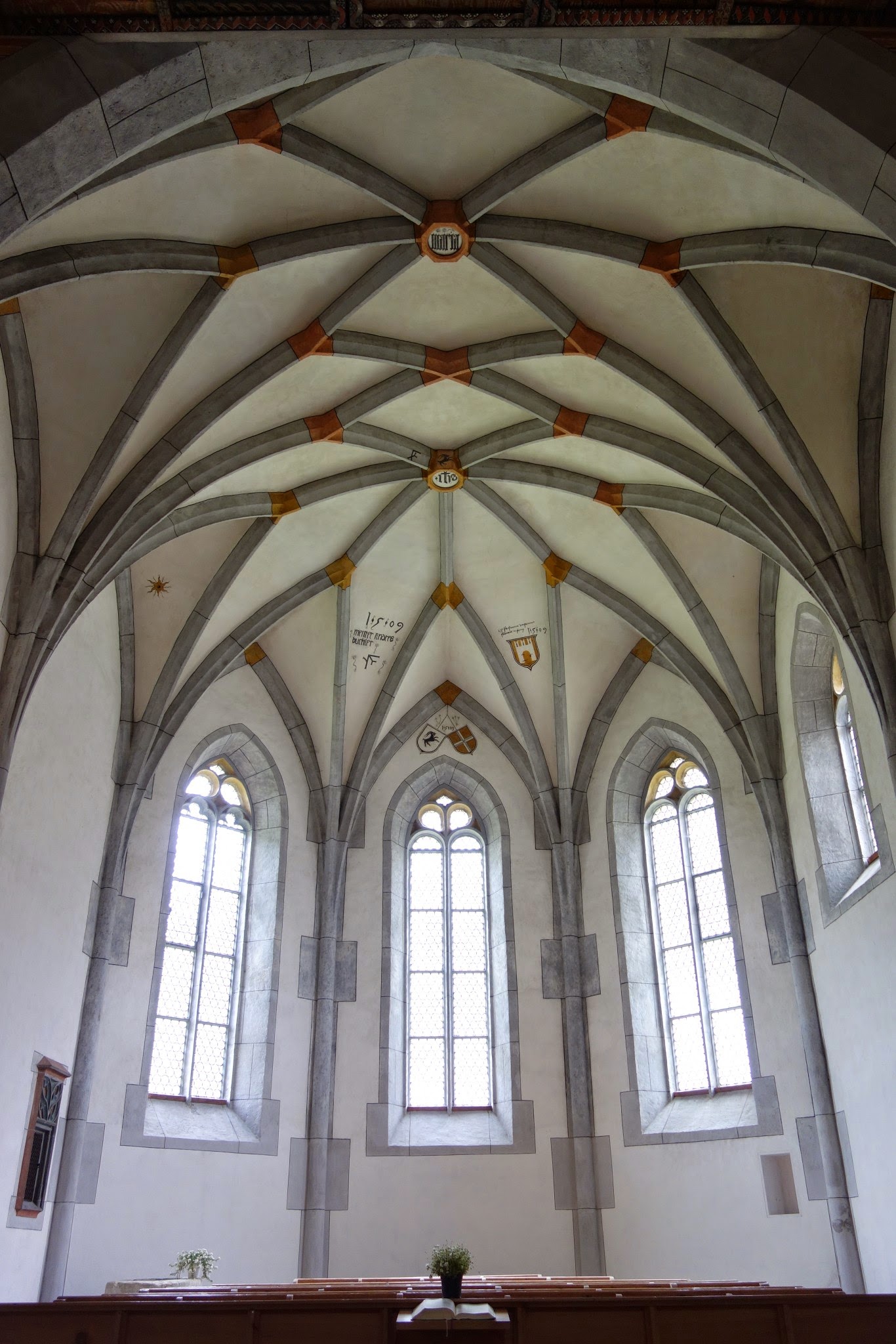
The apse paintings have been well restored and are charming to behold.
inside the church

inside the church

We were very struck by the pews.  Silla suggested that they were designed to have additional seating on top but we weren’t sure how that would work.

another view

another view

1741 is not so old in this part of the world, but it was a good period for graceful, simple architecture.

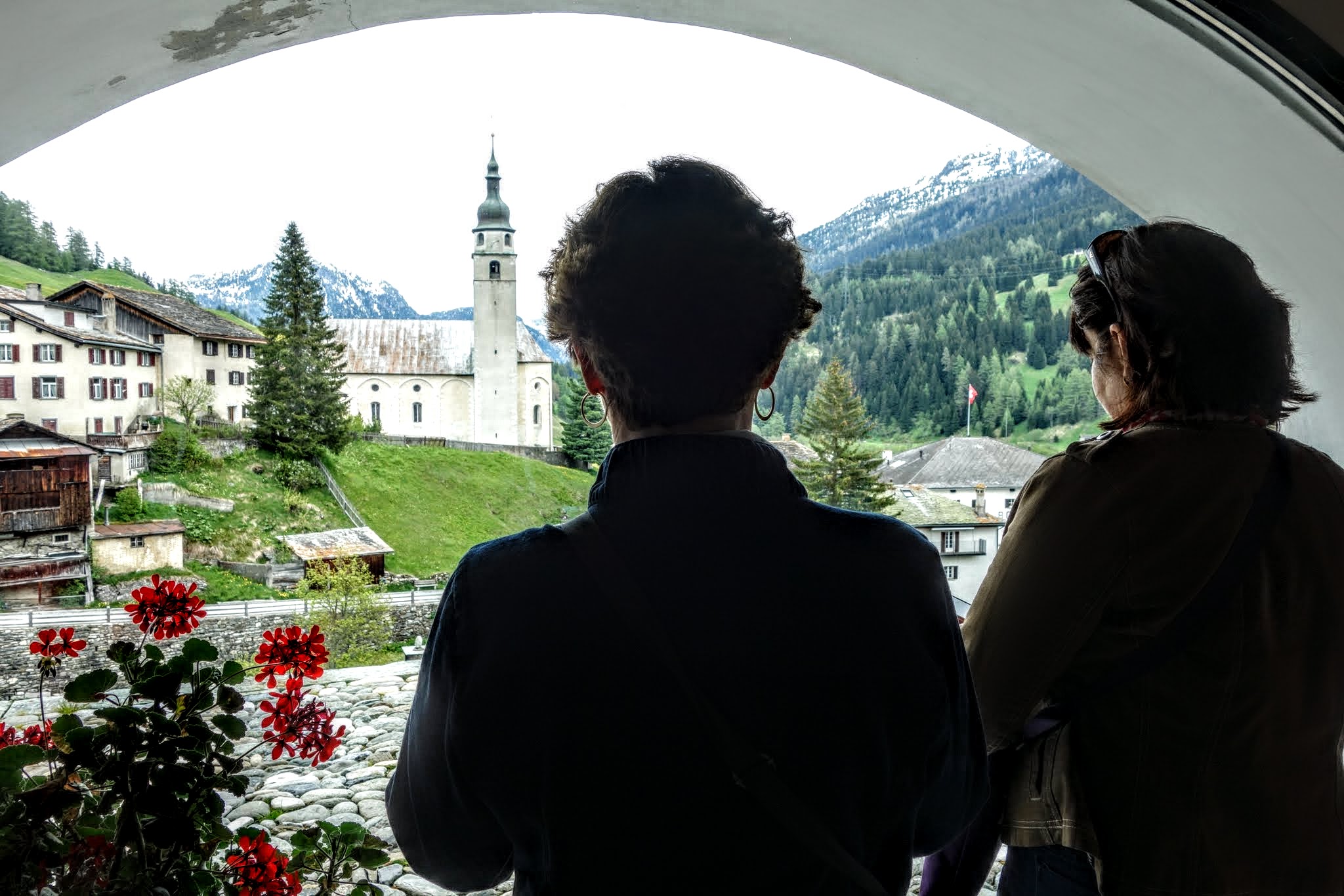
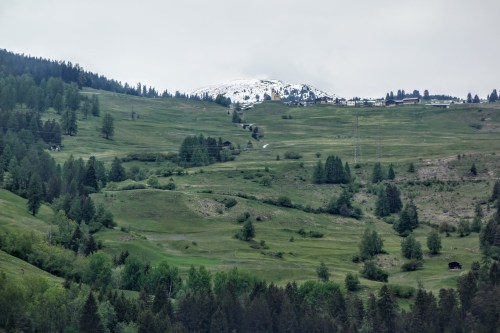
From here we went to the Via Mala (see following post). But first, a stop in Zillis to the famous St. Martin’s church.  DSC05468This was one of my clear memories from my year in Chur because of the mirrors you use to view the painted ceiling.  I had forgotten the gorgeous setting:  a valley set between high mountains (like most of this part of the world), with small villages dotting the landscape and snow on top of the mountains. DSC05472But the church!
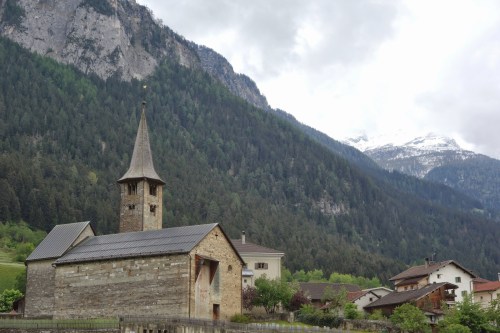
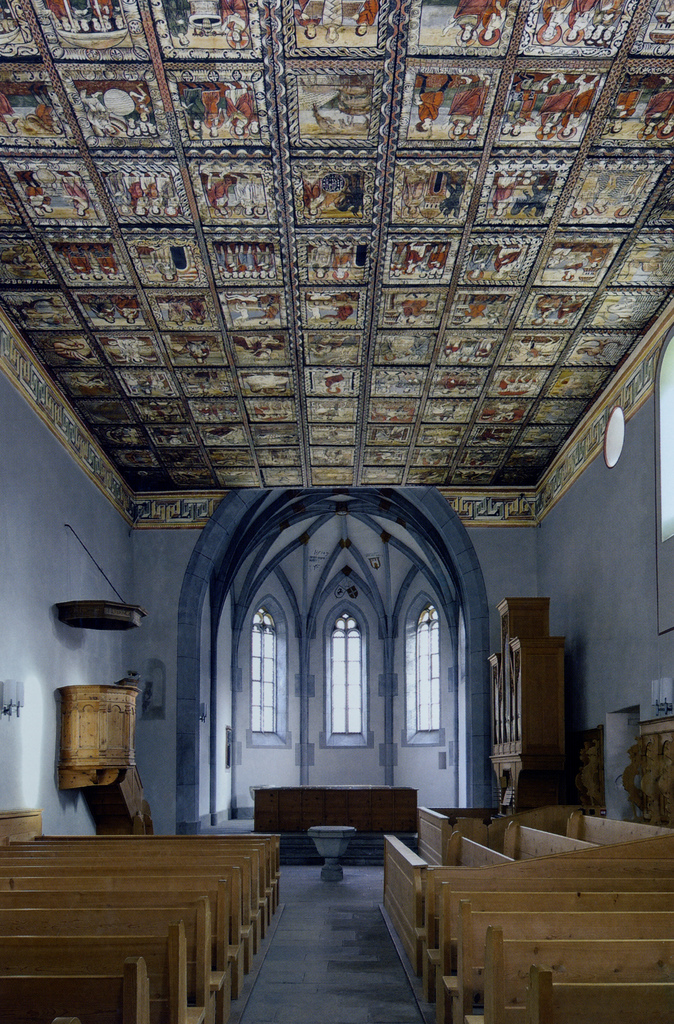
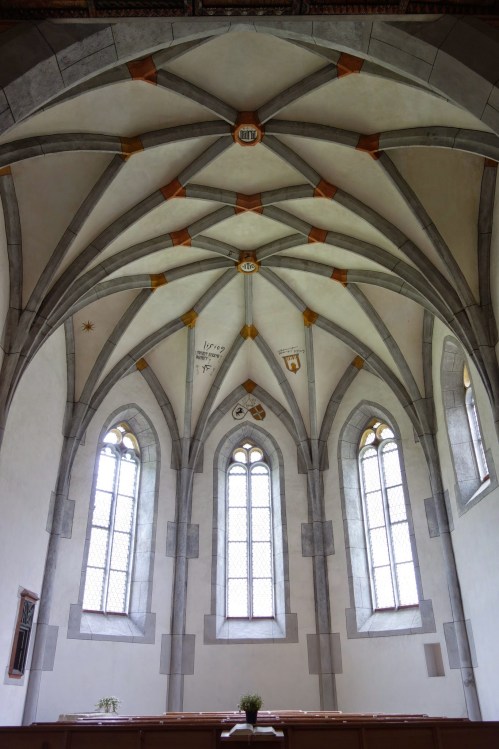
The exterior features an enormous painting of St. Christopher with the baby Jesus,DSC05470 although the church itself is dedicated to St. Martin. The nave/apse is painted in shades of cream, grey and red, simple and beautiful.  DSC05475But turn your eyes upwards to see the most amazing painted flat ceiling.  I took no pictures, but here’s someone else’s photo.
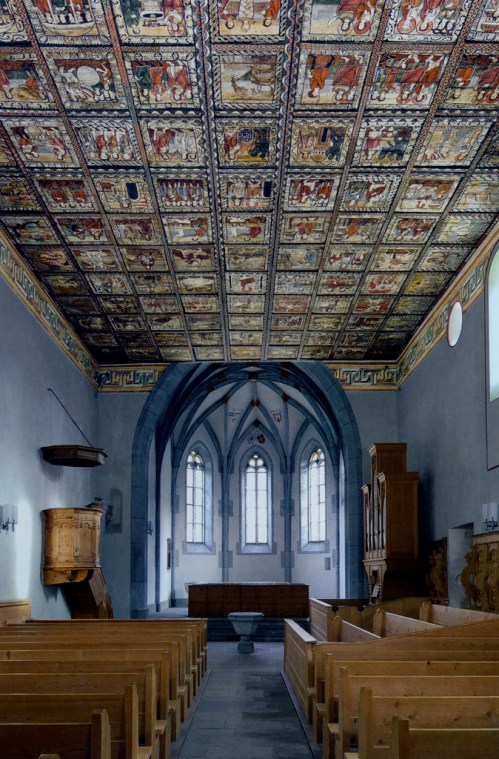
Zillis

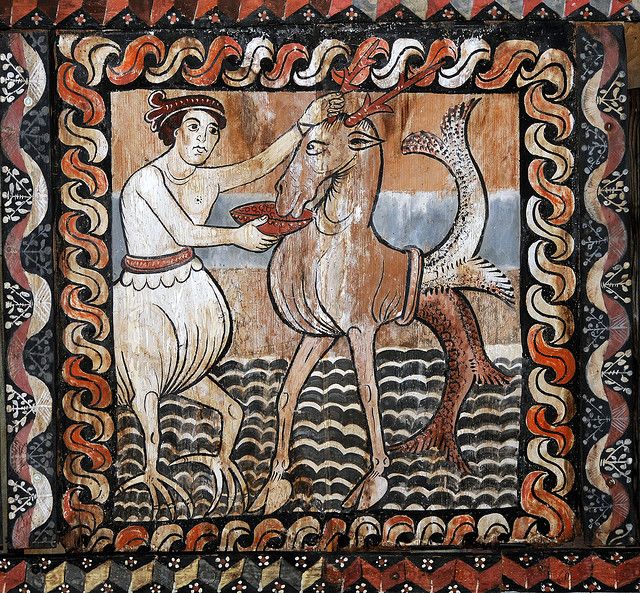
Around the perimeter are pictures of fantastic half-land, half-sea creatures (fishy unicorn, swimmy wolf), Zillis monstersifhybut the rest depict stories from the life of Christ, from the Annunciation to Christ crowned in thorns.jesus

We followed up with a visit to the nearby museum, featuring an informative slideshow about the history of the church and the provenance of the paintings.

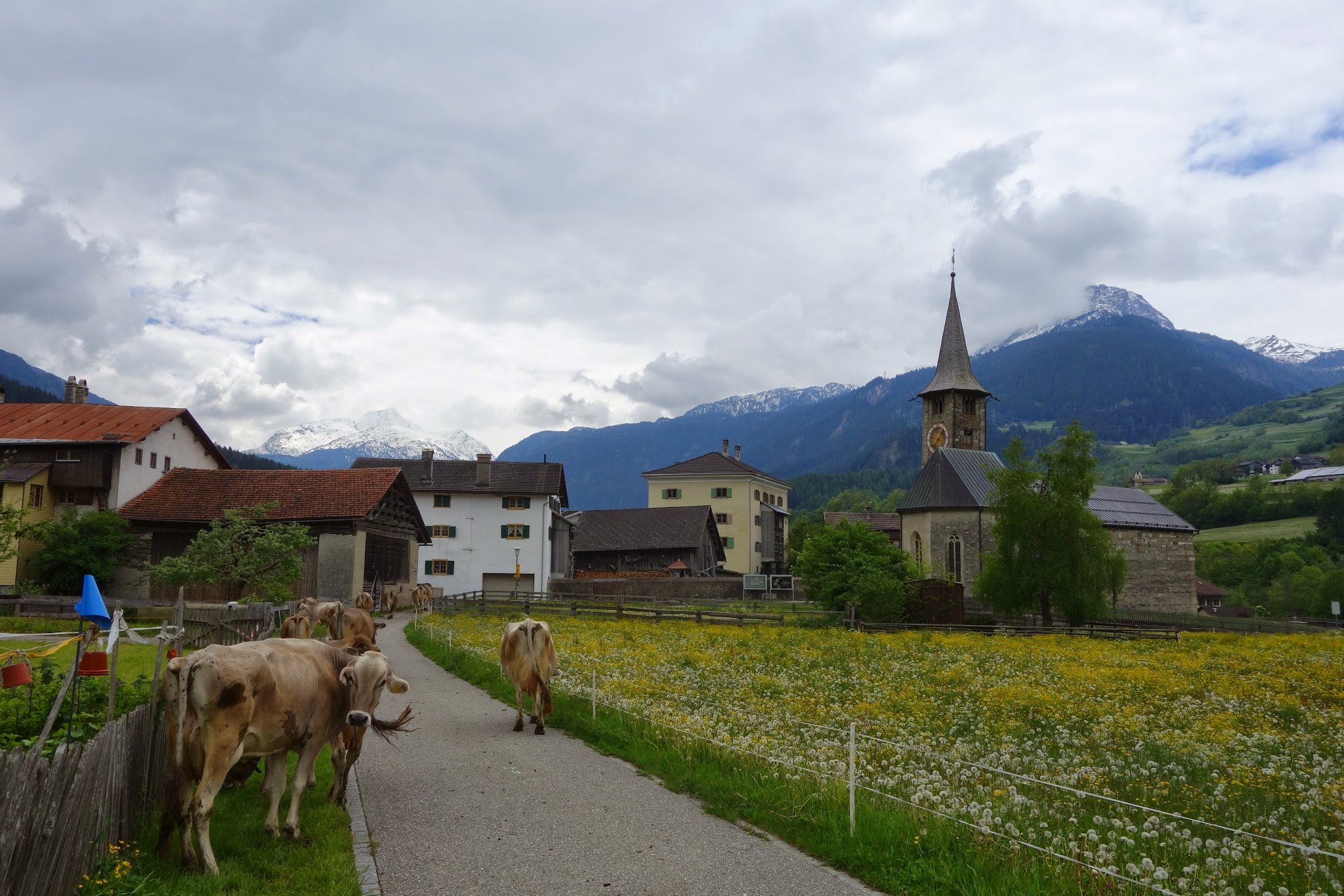
A bonus on our way back – a herd of Swiss milk cows being moved through the village.DSC05483We got to be up close and personal with them.  DSC05482
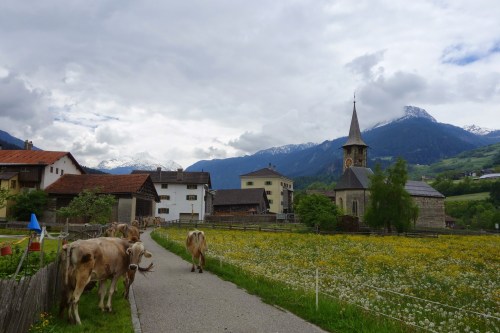
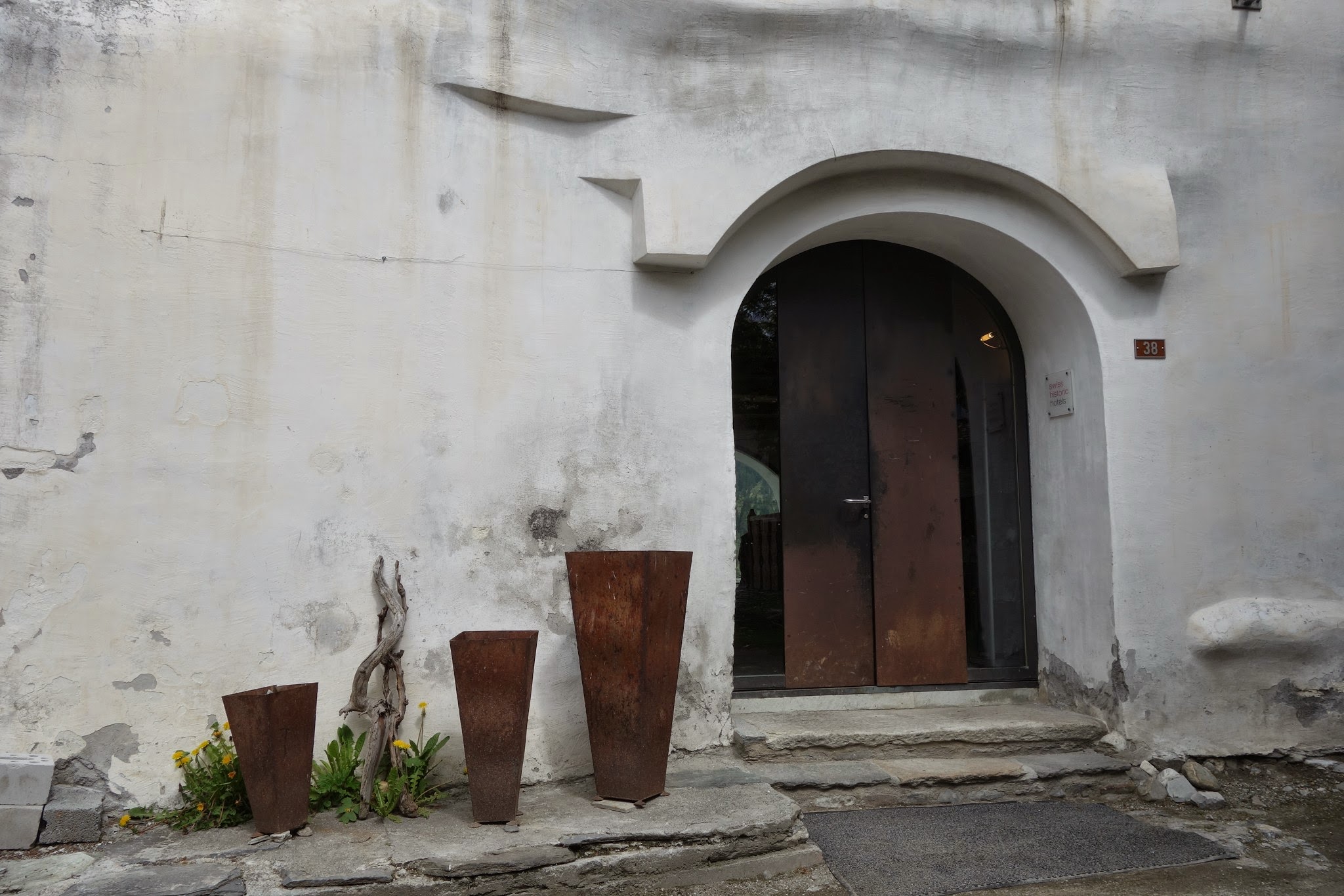
From here to  Spluega.  We parked by a big old hotel but Silla had another place  in mind. We walked up and up through the village, DSC05488encountering roadwork that made the route a bit confusing.  Finally Silla found the little path around to the hotel, a Swiss Heritage hotel no less.DSC05496
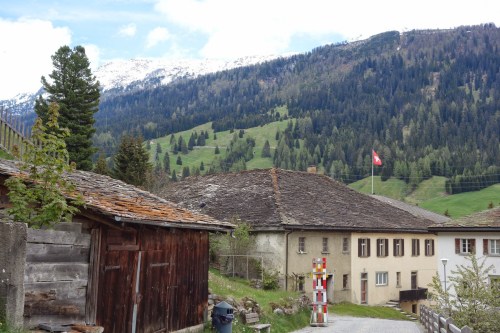
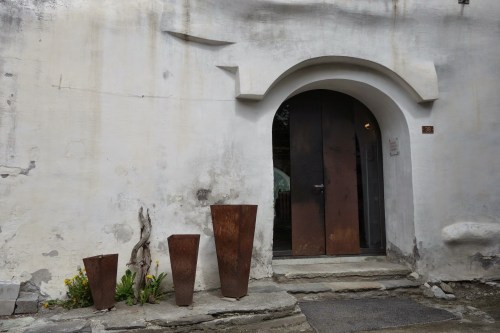
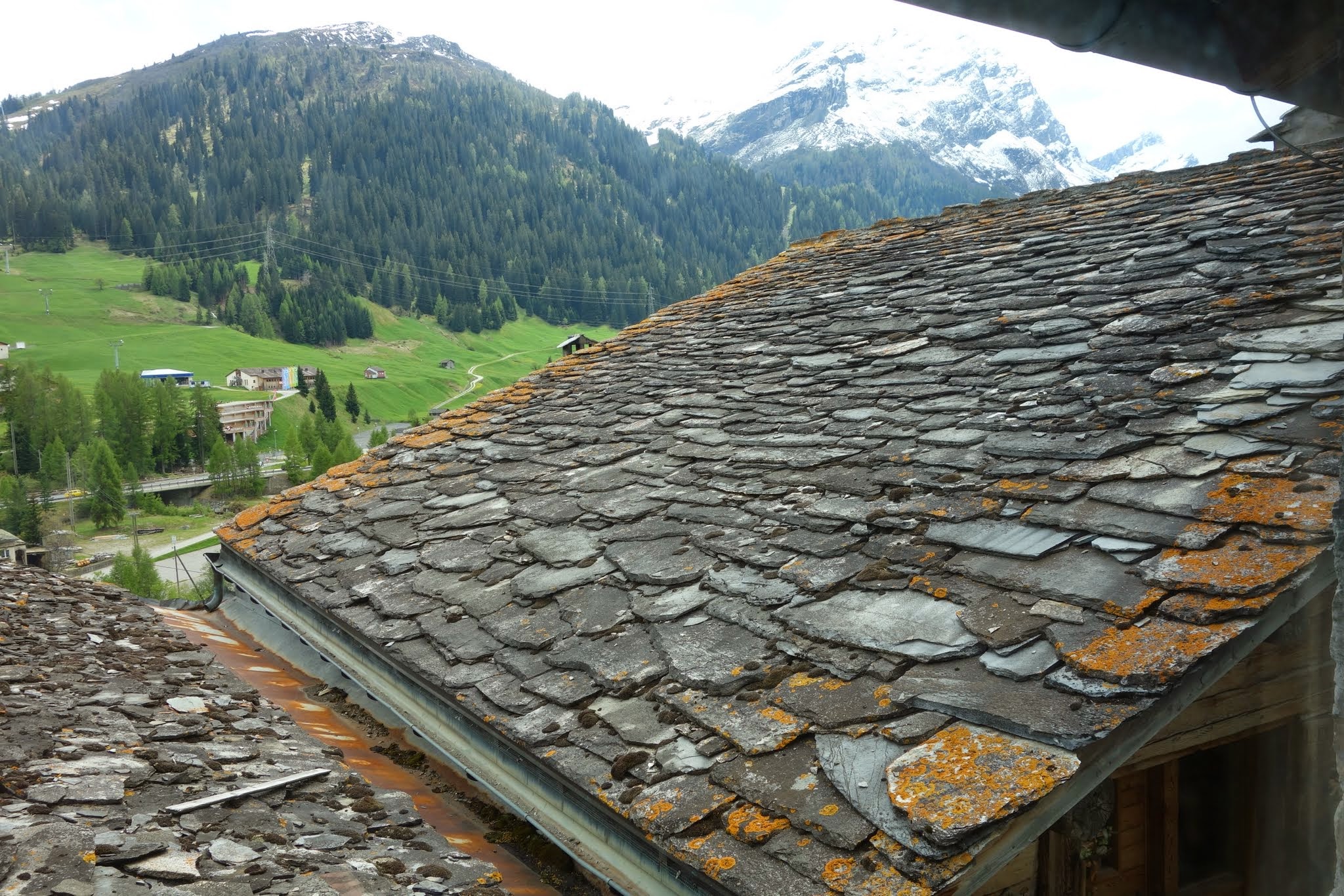
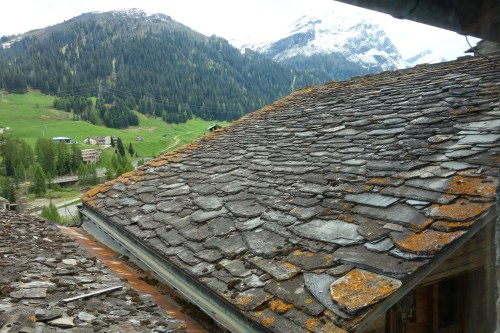
Inside was a very Swiss mixture of old and new, the old being the stone and wood structure – here is a view of the roof – DSC05493
and the new a set of elegant, simple steps, and these beautiful windows showing off the view of the meadows and mountains beyond. DSC05491 Glorious.  We had a simple lunch of dried meat and cheese and bread, and then we left this spectacular place for an even more amazing one.


First Day in Chur

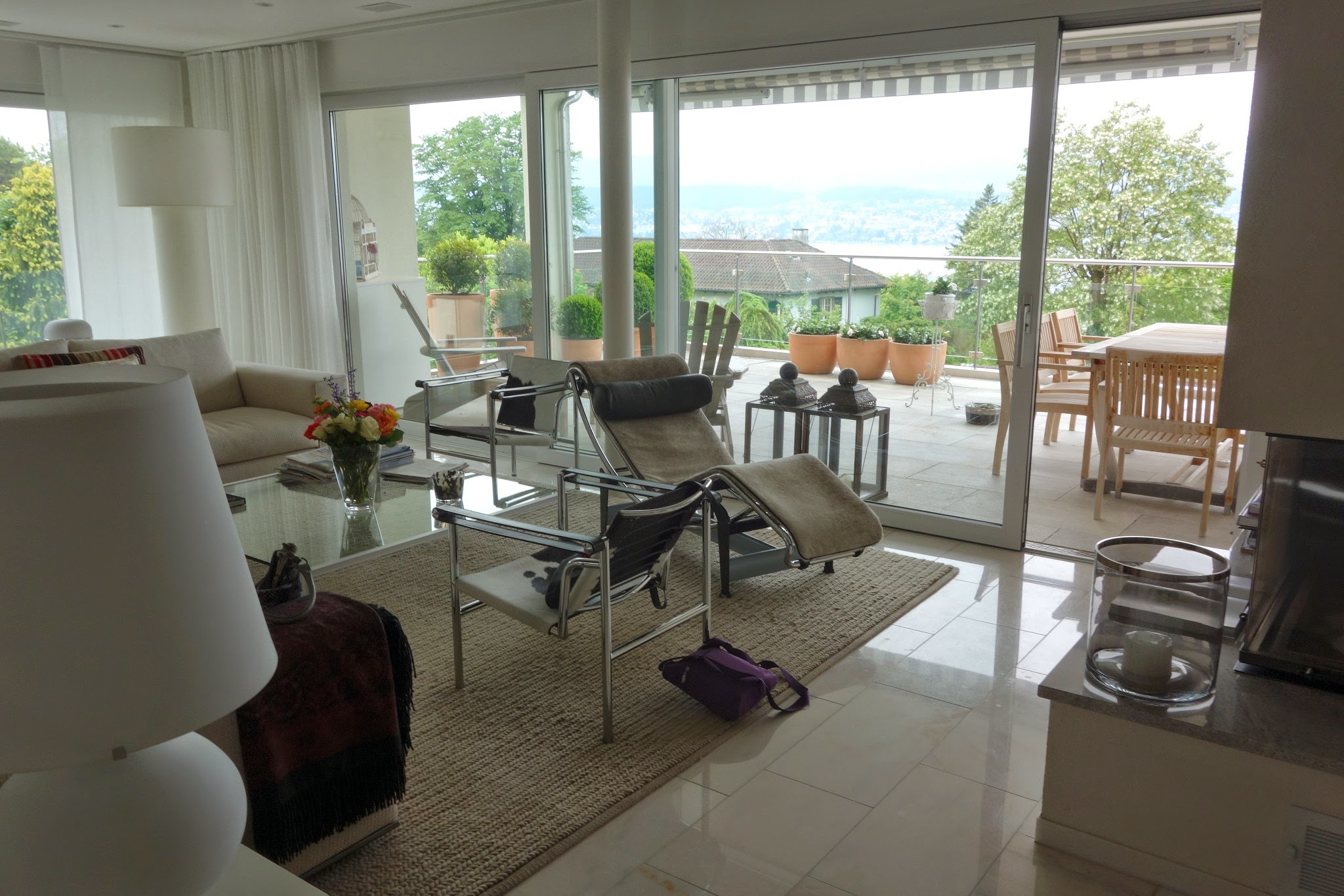
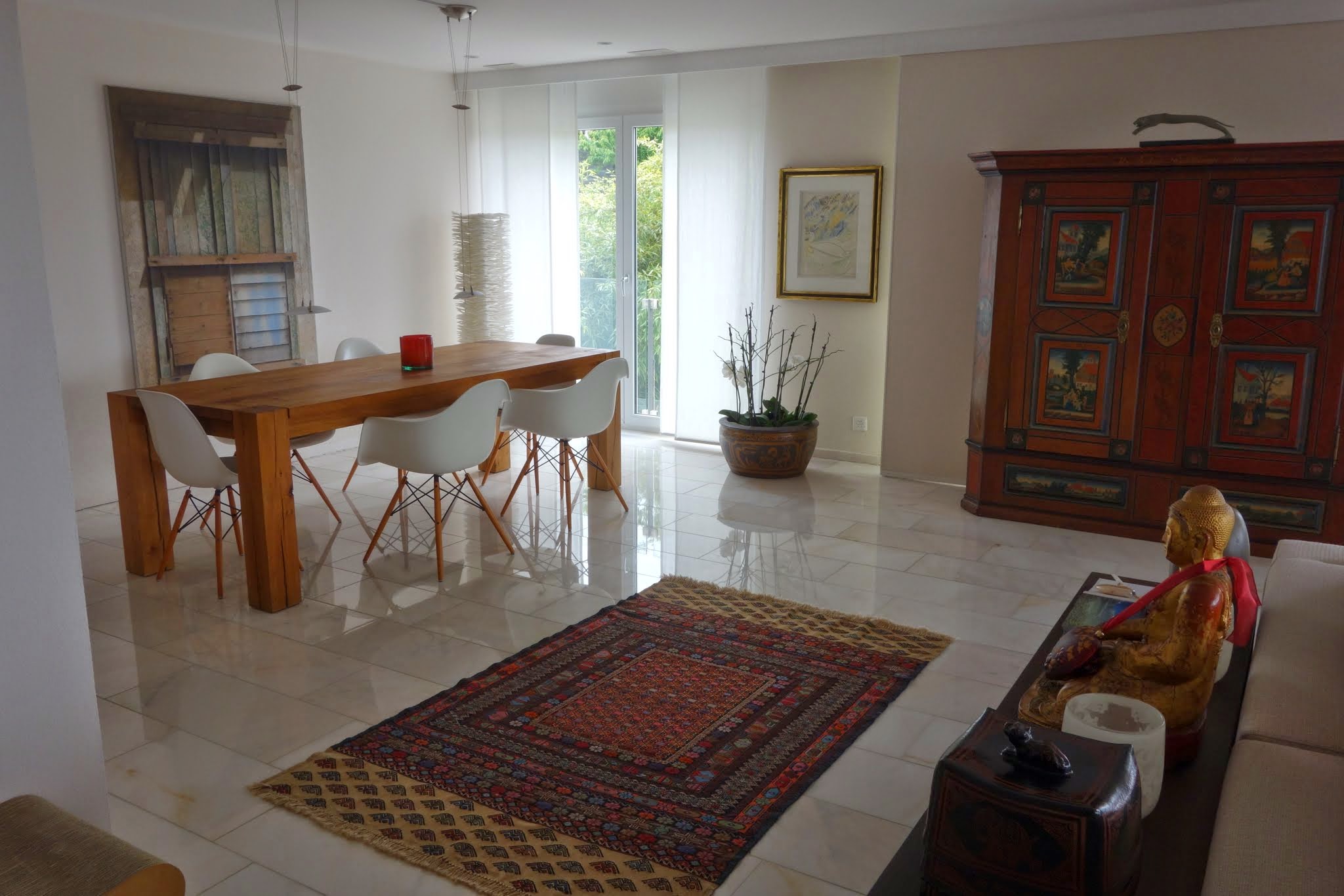
Biffy and Judy were on one flight, and I was on another.  When we landed in Zurich, there we were, standing right next to each other in the passport control line and didn’t even know it! Great hugs all around, then found Silla with great joy.  She drove us through Zurich to Juerg’s elegant apartment overlooking the lake.  DSC05386He and his wife, Nelly, gave us coffee and croissants and we caught up just a bit.

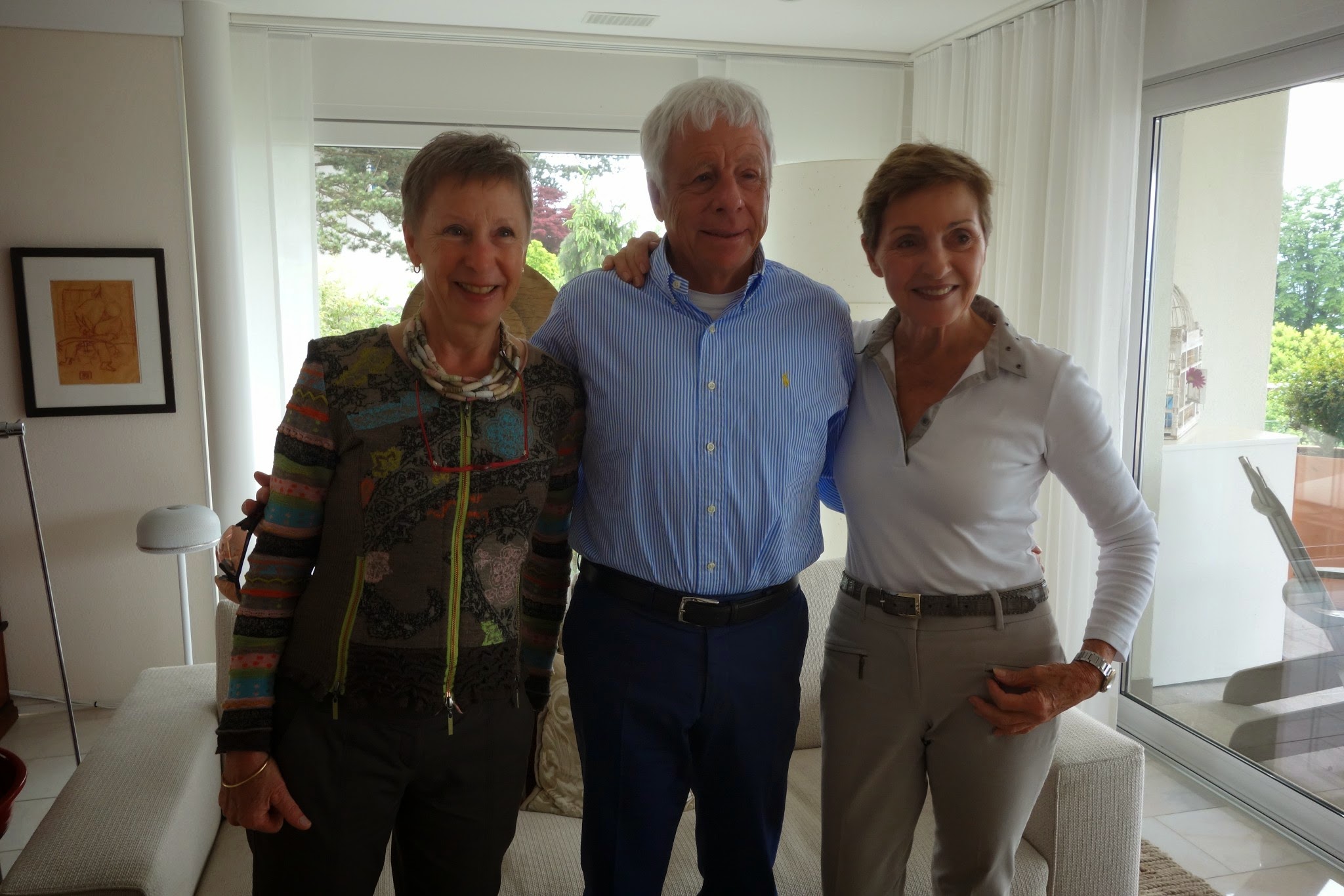
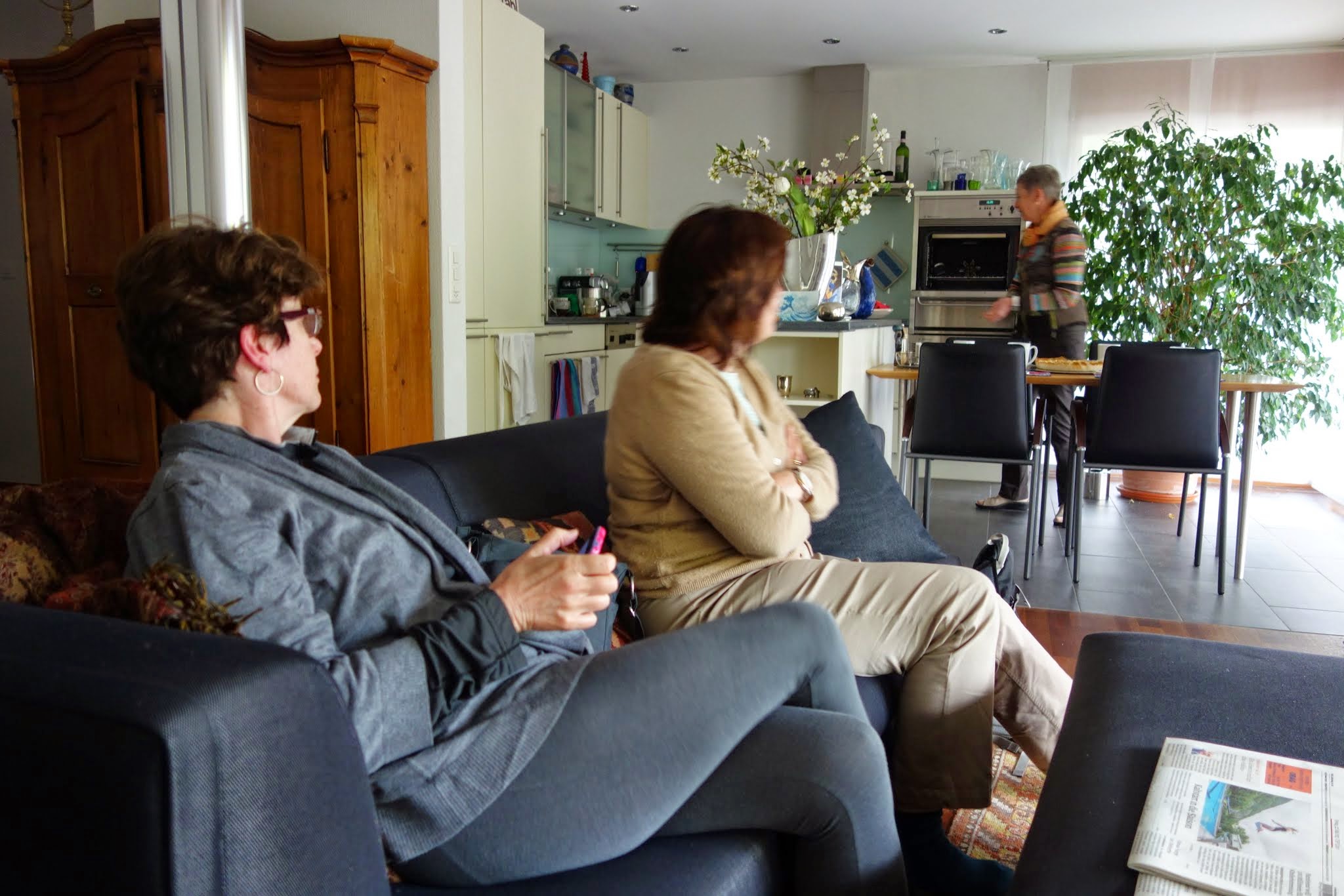
The apartment was so lovely that I had to take pictures of it -the clean lines,DSC05387 the oversized art, and even the people.  DSC05390It was lovely to see Juerg again after so long and to meet his wife.  Cheek kisses all around and we were off.

Silla and Biffy talked about this and that as she drove us the two hours to Chur.  Judy and I dozed in the back seat, waking up only to see one of the things I remember best from my year in Switzerland:  steep mountainsides dotted with farms, and the lake or valley below, then the mountains rising up just as steeply on the other side.  Wisps of cloud, fog and occasional rain obscured the view but just made it all the more magical.

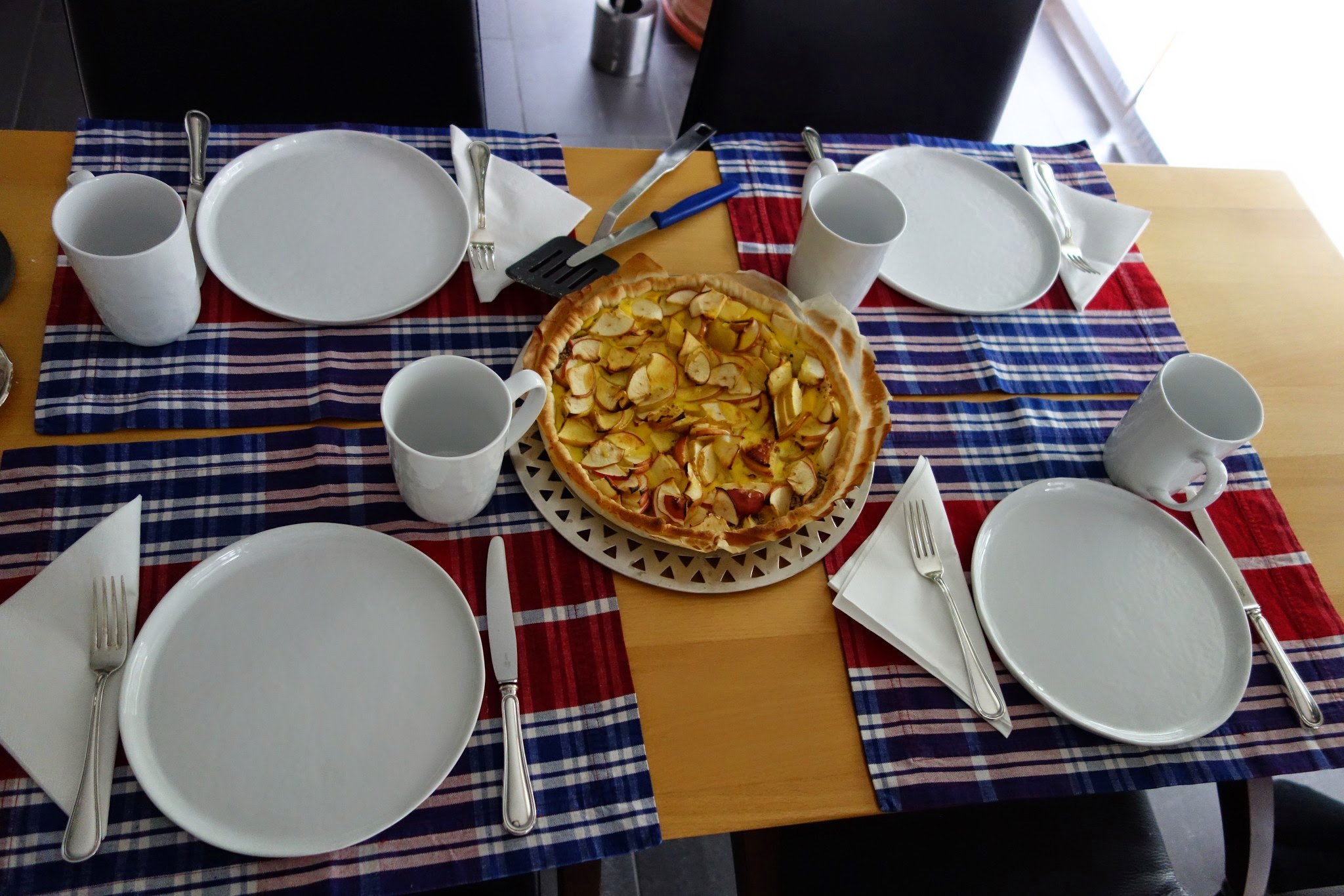
Silla’s equally elegant apartment is just around the corner from Ottoplatz, where she grew up and I spent a year back in 1967-68. DSC05391 We were so jet-lagged that just about all we could do was pull out the sofabed and fall on it like wounded soldiers.  A two-hour nap restored us, as did a big slice of a delicious apple nut tart and a cup of tea.DSC05392

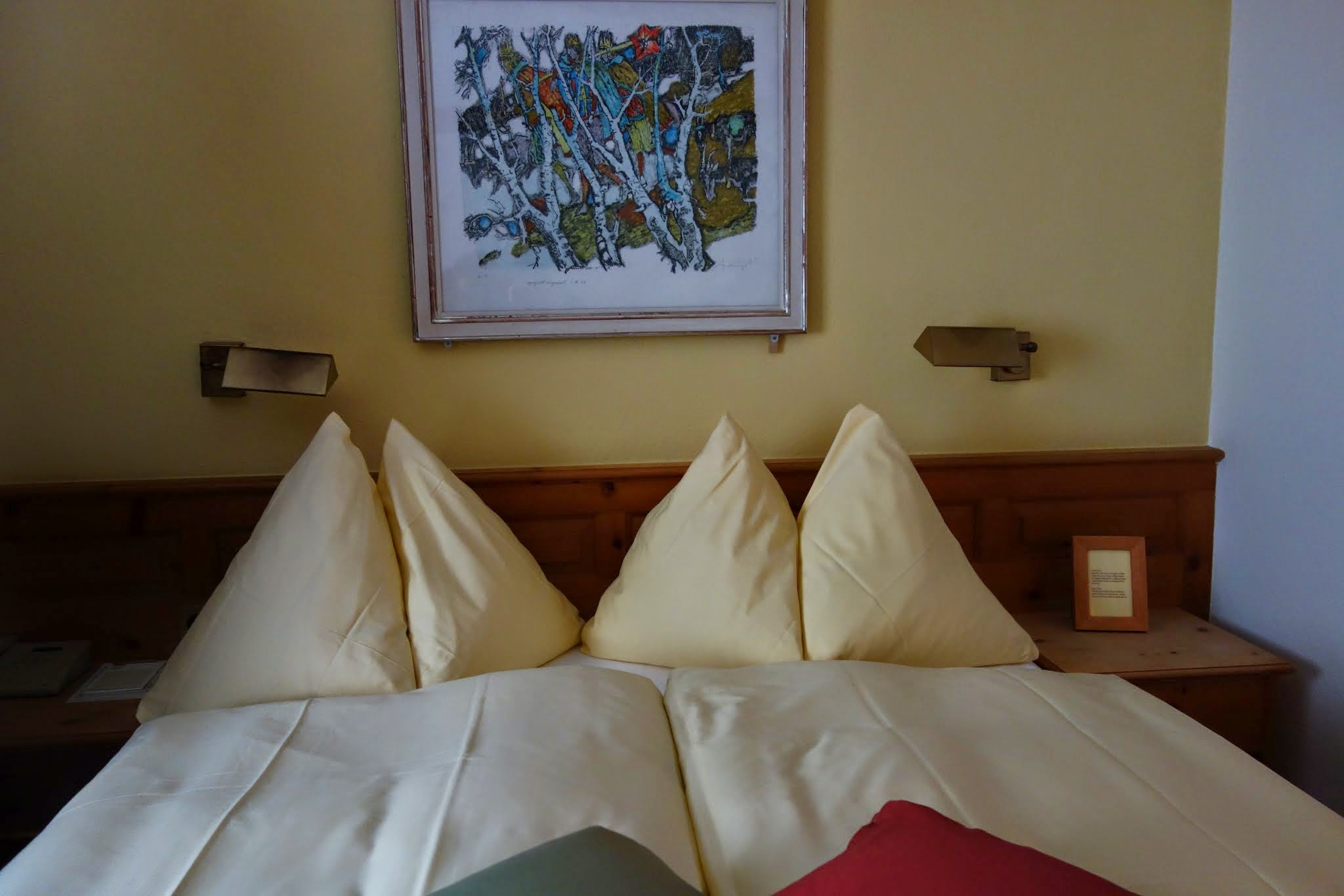
With renewed vigor, we set out to walk around Chur. We started off at the Hotel Stern where Biffy and Judy will be staying. DSC05396 It is a charming old hotel with Carigiet paintings on the walls, knotty pine and beautiful stonework, and these delightful pillows.DSC05395

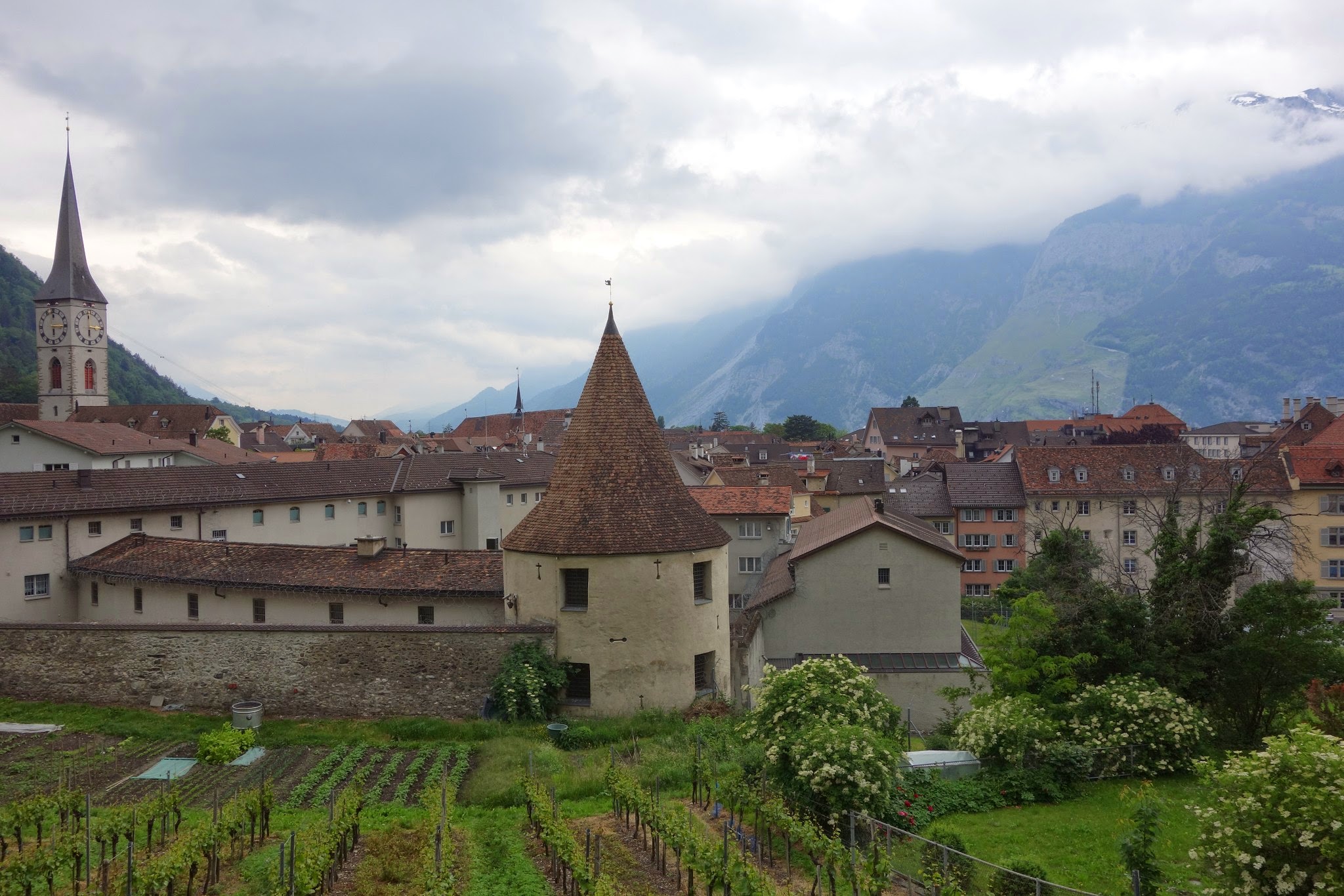
Although many memories have vanished over the last almost 50 years (can it be???), I absolutely remember the walk up a steep path to the CantonsSchule. DSC05400 The school itself, with its courtyard shaded by enormous trees, has long since been replaced by a new building, but the steep sidewalk and the bishop’s vineyards are still there, as is the lovely view down to the city, with the mountains all around.DSC05402

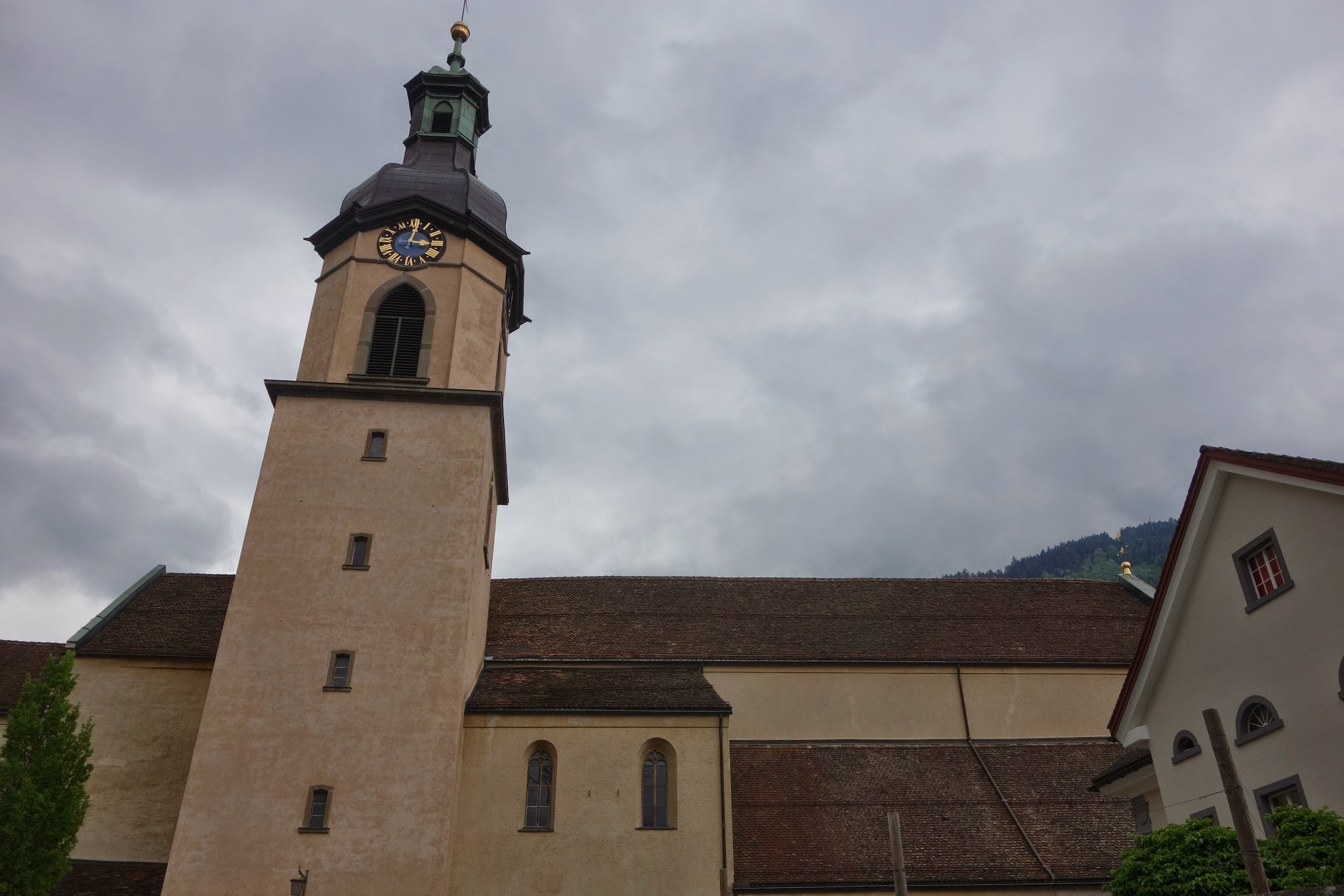
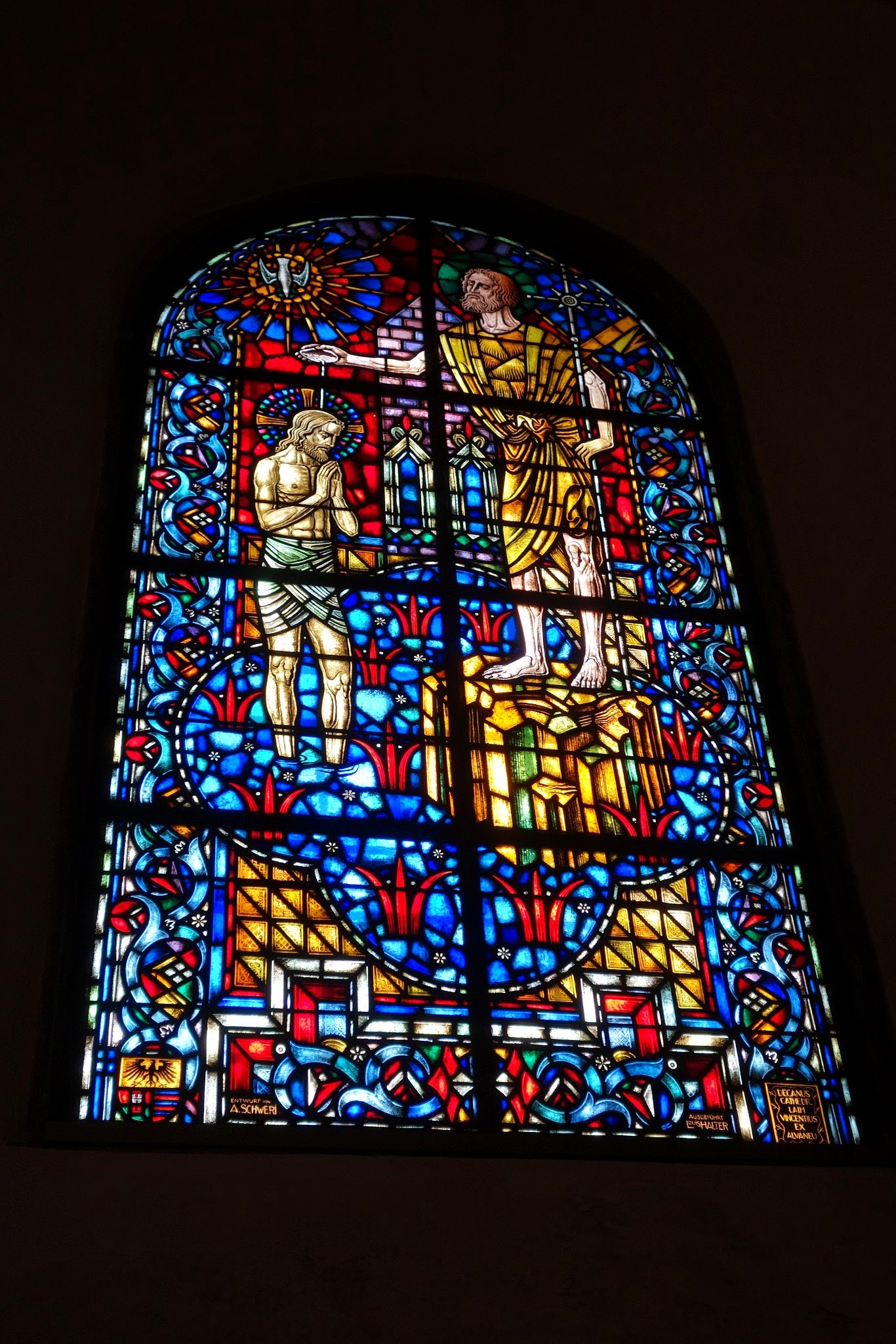
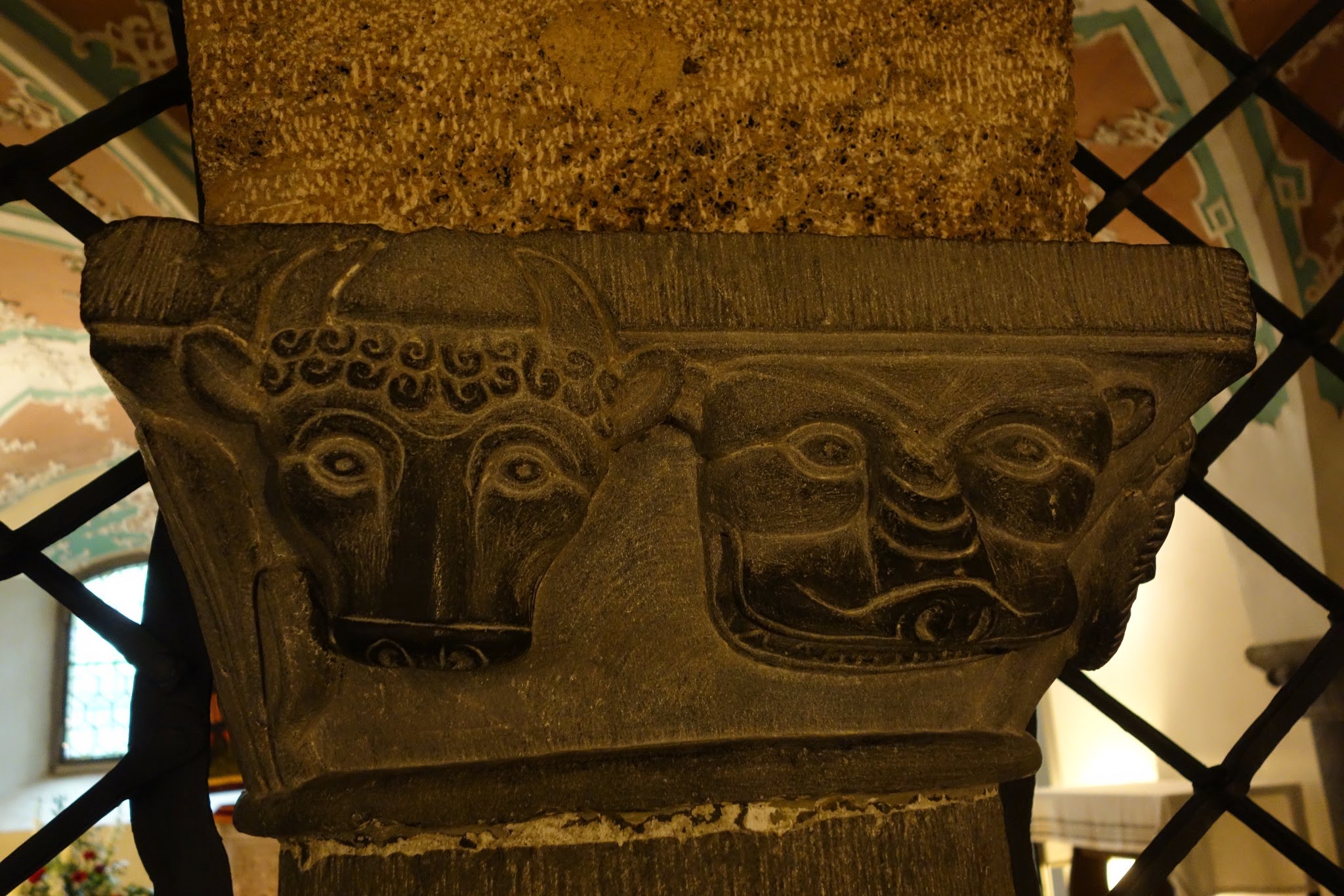
We went into the Catholic cathedral, built on a site that has been home to a church since the 800s.  DSC05405It’s fairly austere for a Catholic church, but the beautiful altar and some stained glass windows brightened the interior.DSC05413(I am much more aware of stained glass from following Jane Brocket’s blog.)   We also liked these Celtic-looking animals,DSC05410and the entrance arch is lovely.DSC05407
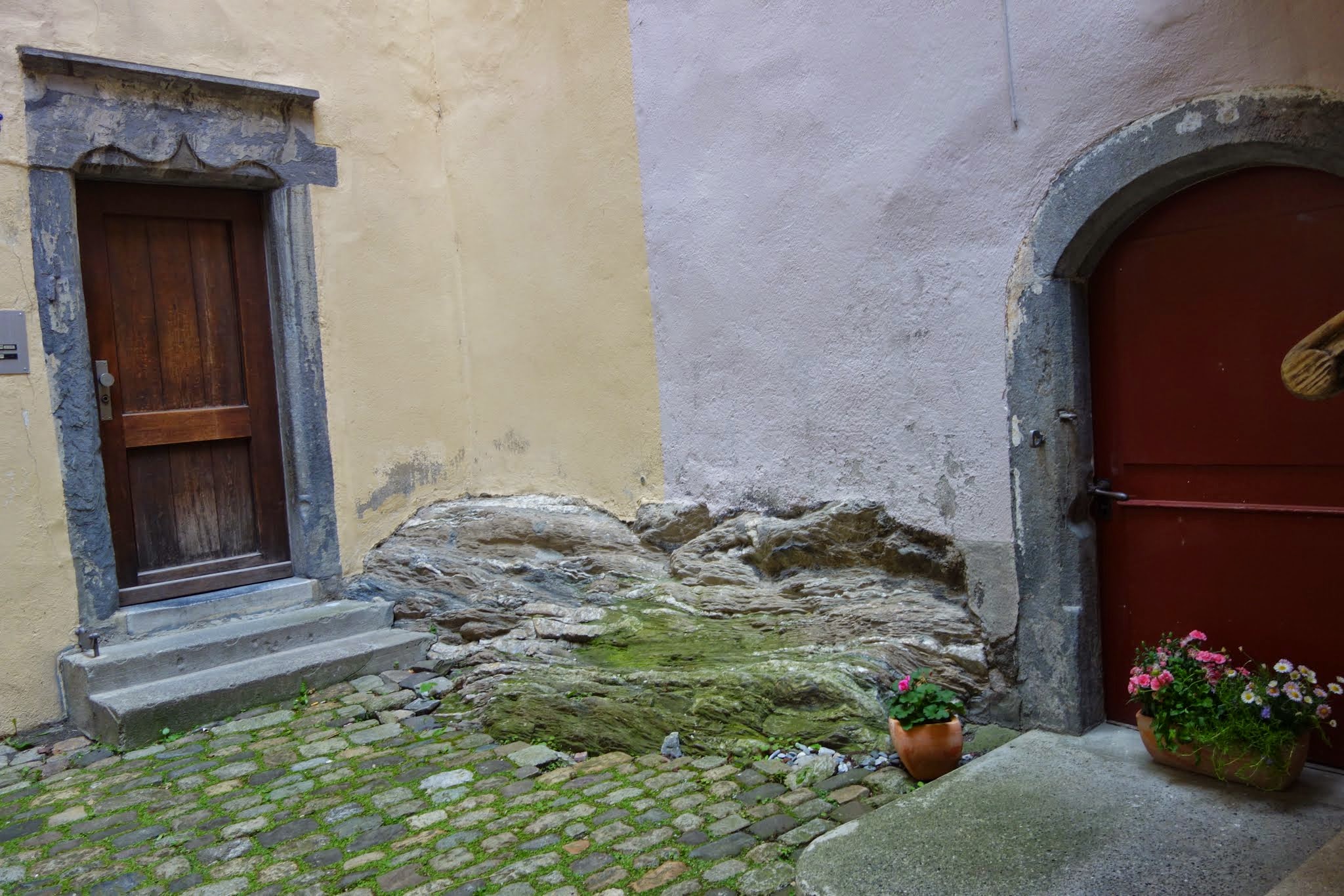
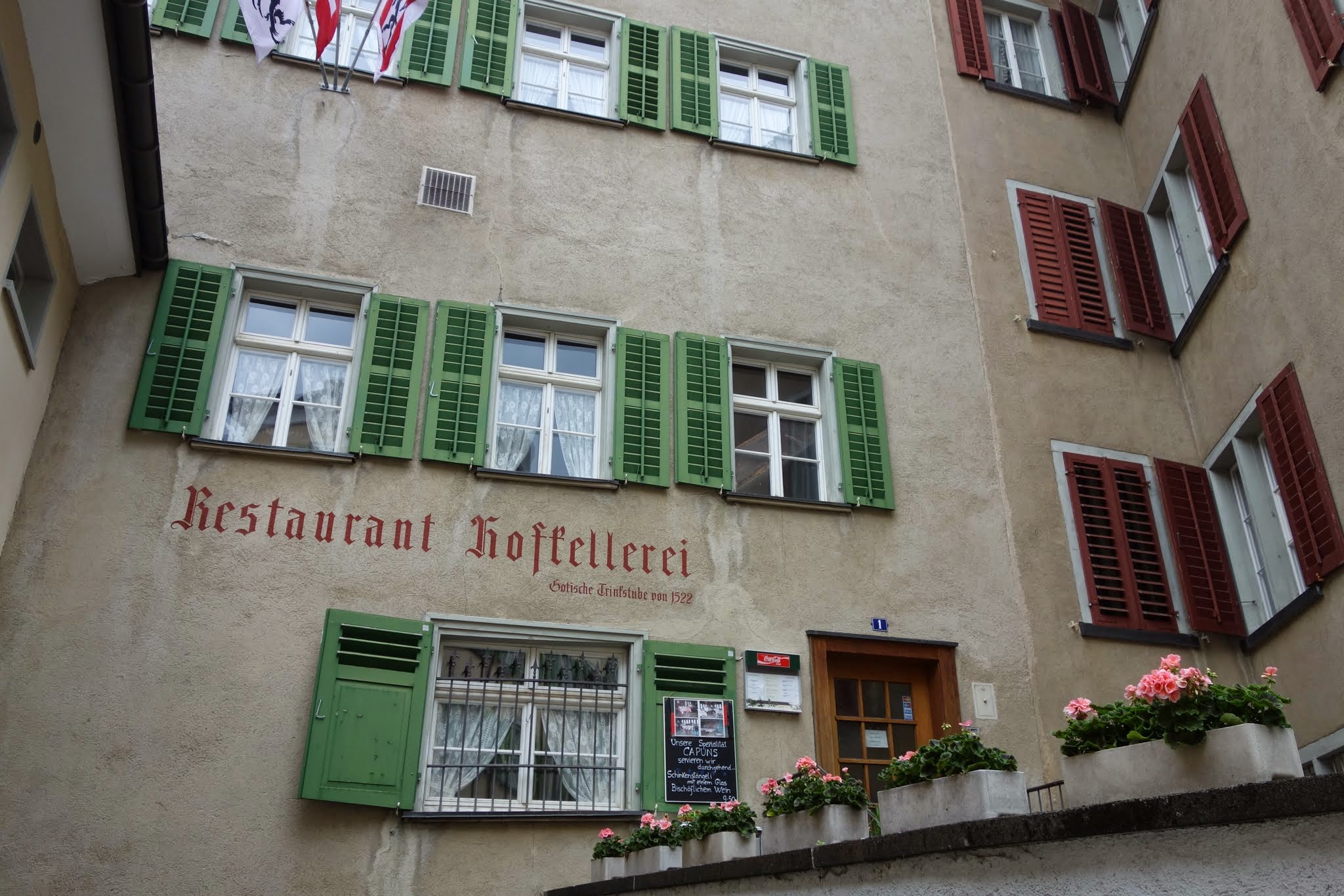
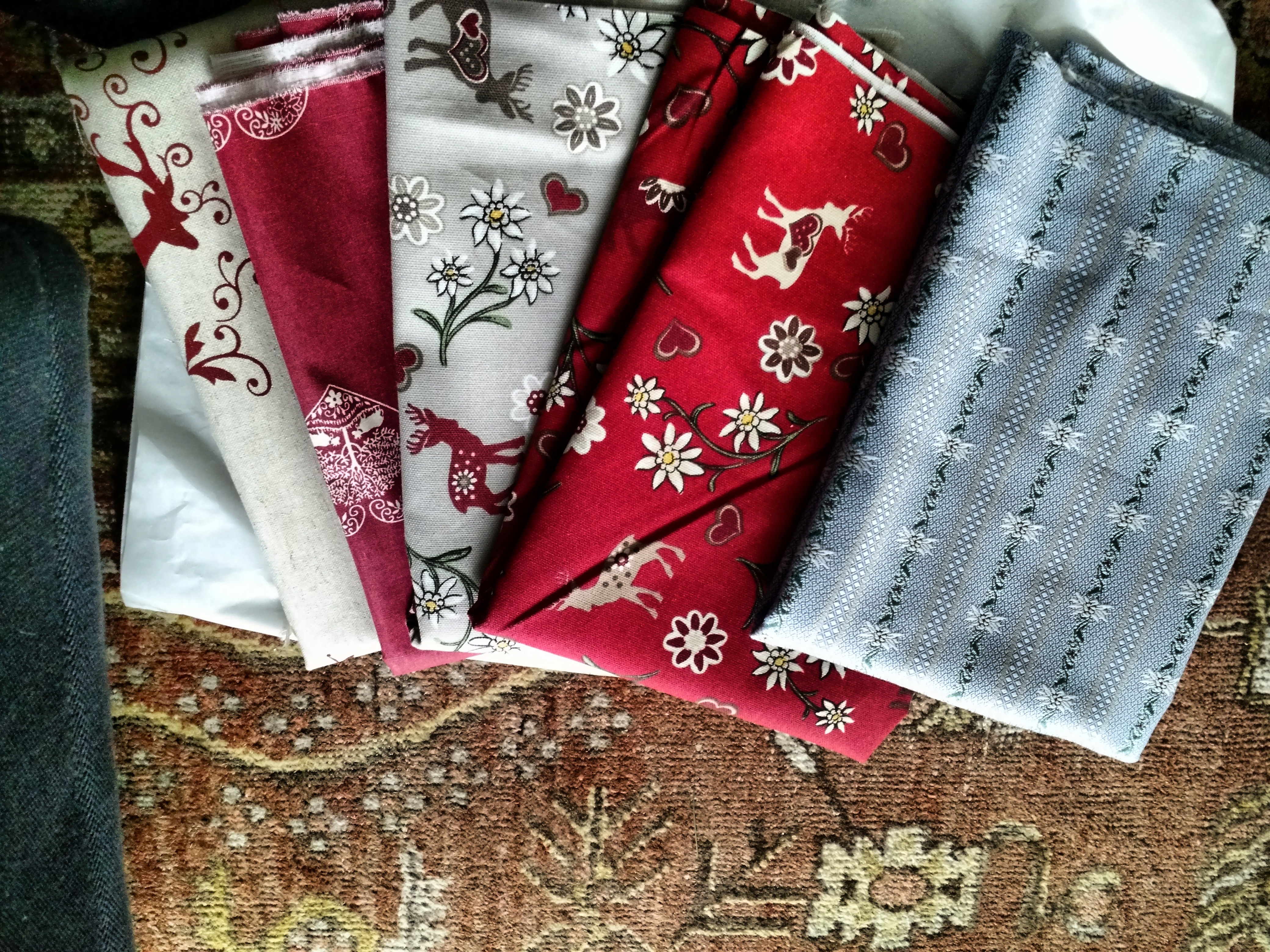
From here we walked down the hill, past the spot where in the 16th century there was a wall separating the Catholics at the top of the hill from the Protestants at the bottom.  This was the old town that I remembered, with cobbled streets, sgraffito’d house fronts, and interesting little shops and courtyards. DSC05417DSC05416 We stopped at a pharmacy and ended up sampling Churer Roeteli, a local liqueur.  A little farther on was a fabric shop, and I ended up with a nice selection of locally inspired yardage.IMG_20150523_170944

By now it was starting to sprinkle, so we wended our way back home again, weary but happy, for Silla to cook for us while we draped ourselves over the furniture and assured her that we would be good helpers tomorrow when the jet lag wears off!

Spider lily (?) at the Getty Center

Planted today

These are around the two tomato plants (Brandywine and Sweet Cherry 100), where the butterfly bush used to be and where a new shrub – a viburnum? – will be planted this fall.  None of them is from this year, so let’s see how they do.

White seashells cosmos

Zinnia ‘cactus mix’

Butterfly zinnias cha-Cha-Cha

California skies

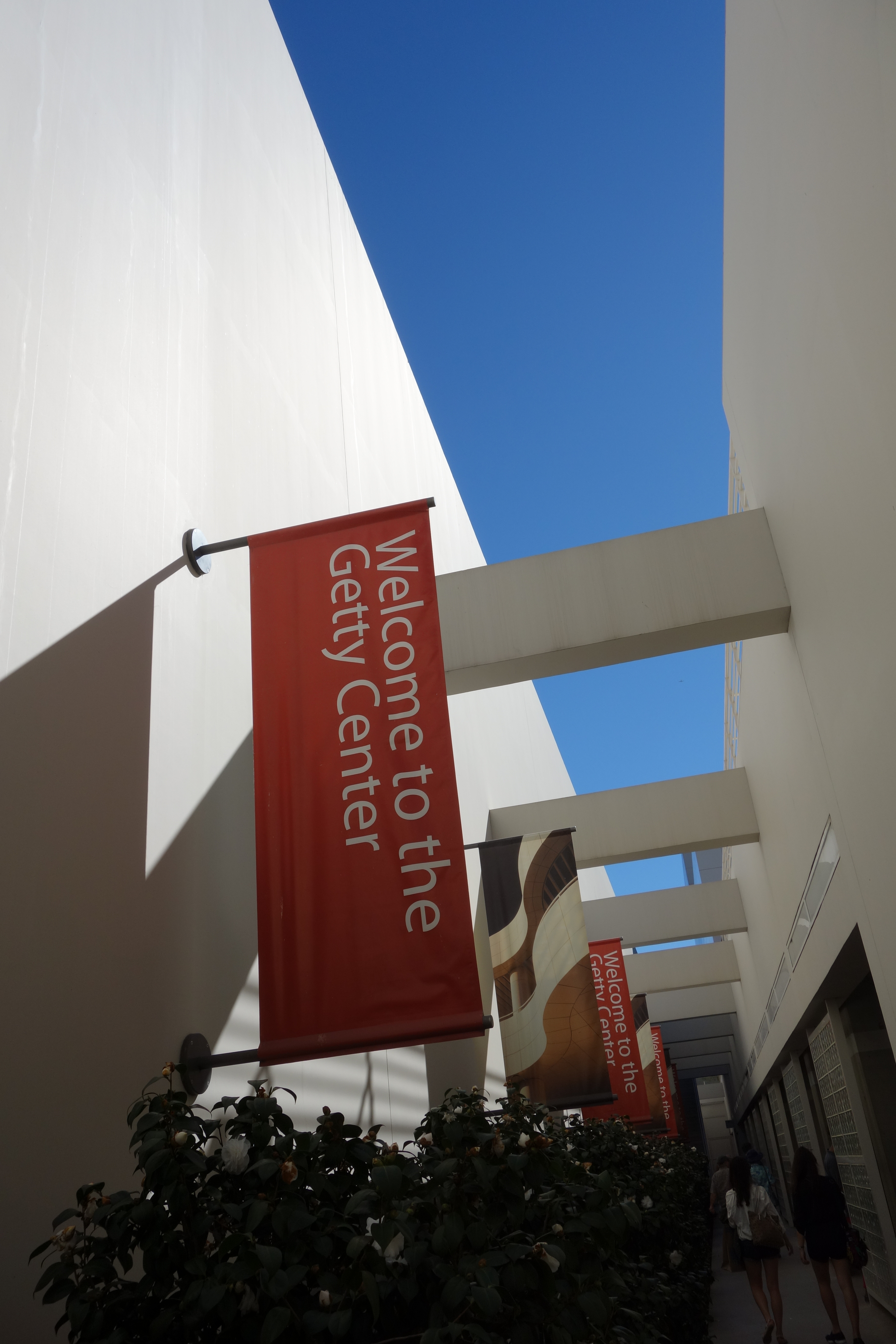
A quilt retreat in Ventura morphed into a lovely little trip featuring museums, cousins and hiking.  Ann and I flew out to LA to spend a few days together.  We stayed at the Royal Westwood, nicely situated near the Getty Center and west of Hollywood.  The hotel has a swell website but is a modest little place in real life.DSC04855We dropped our bags, had a pleasant lunch around the corner, and took the bus to the Getty.

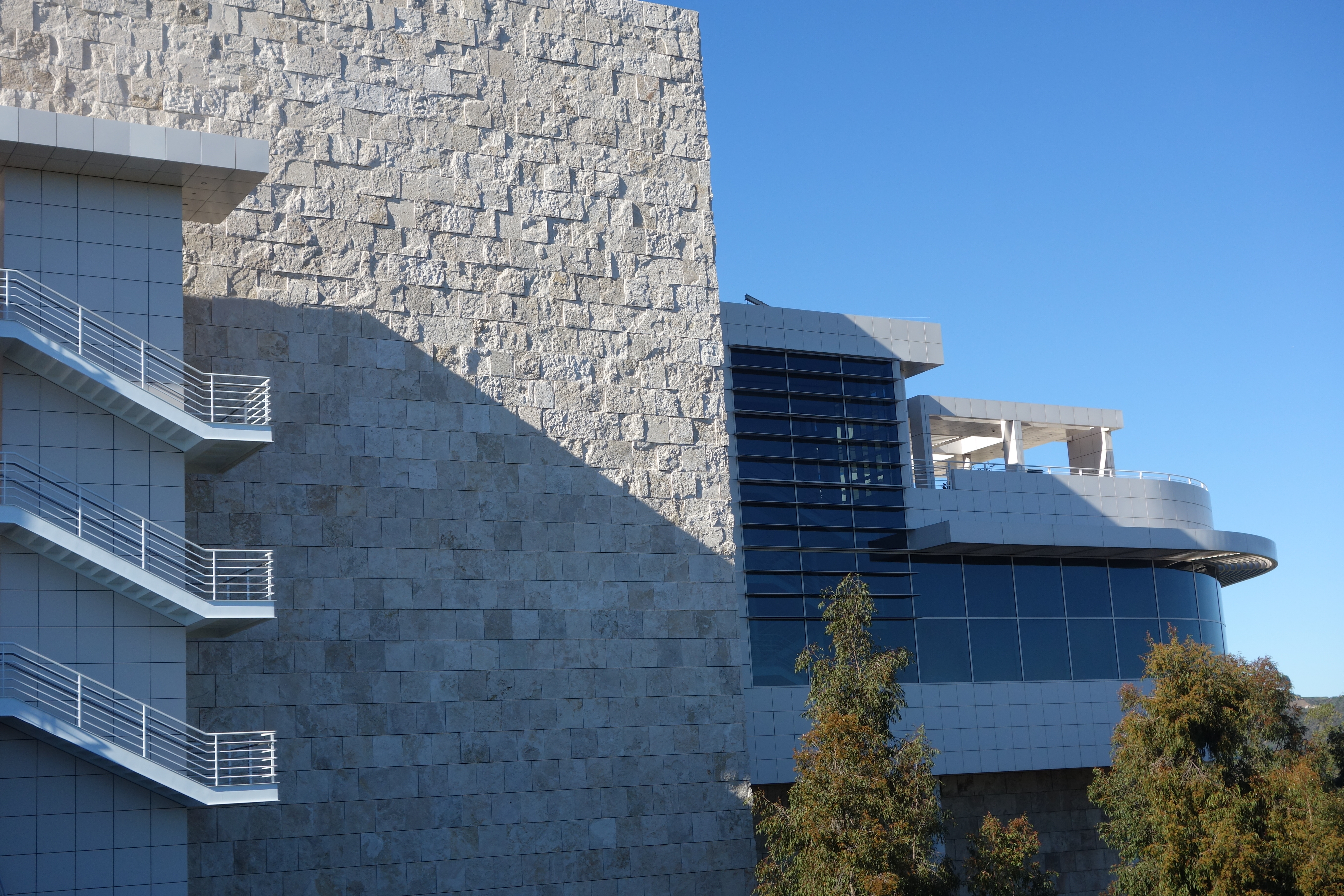
Mr. Getty may have been an unpleasant character, but he certainly did a generous thing when he endowed the Getty Center.  It’s built on a hill overlooking the city and features strong, clean architecture by Richard Meier and plenty of white travertine that stands out against the blue, blue sky.

DSC04856Up the hill via funicular and you find yourself in a wide plaza with several buildings.  We started with European art from the 8th and 19th centuries and saw several delightful things.

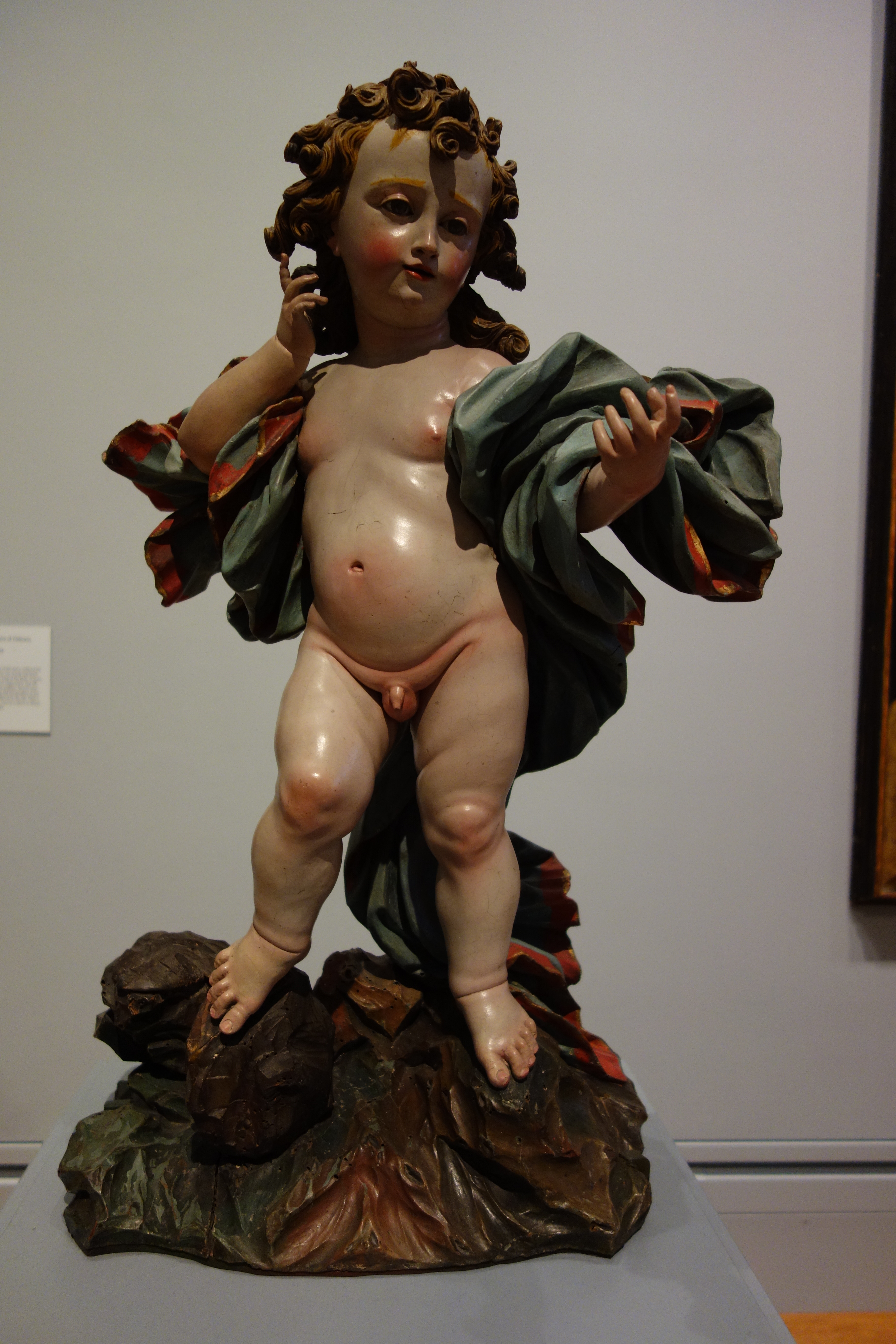
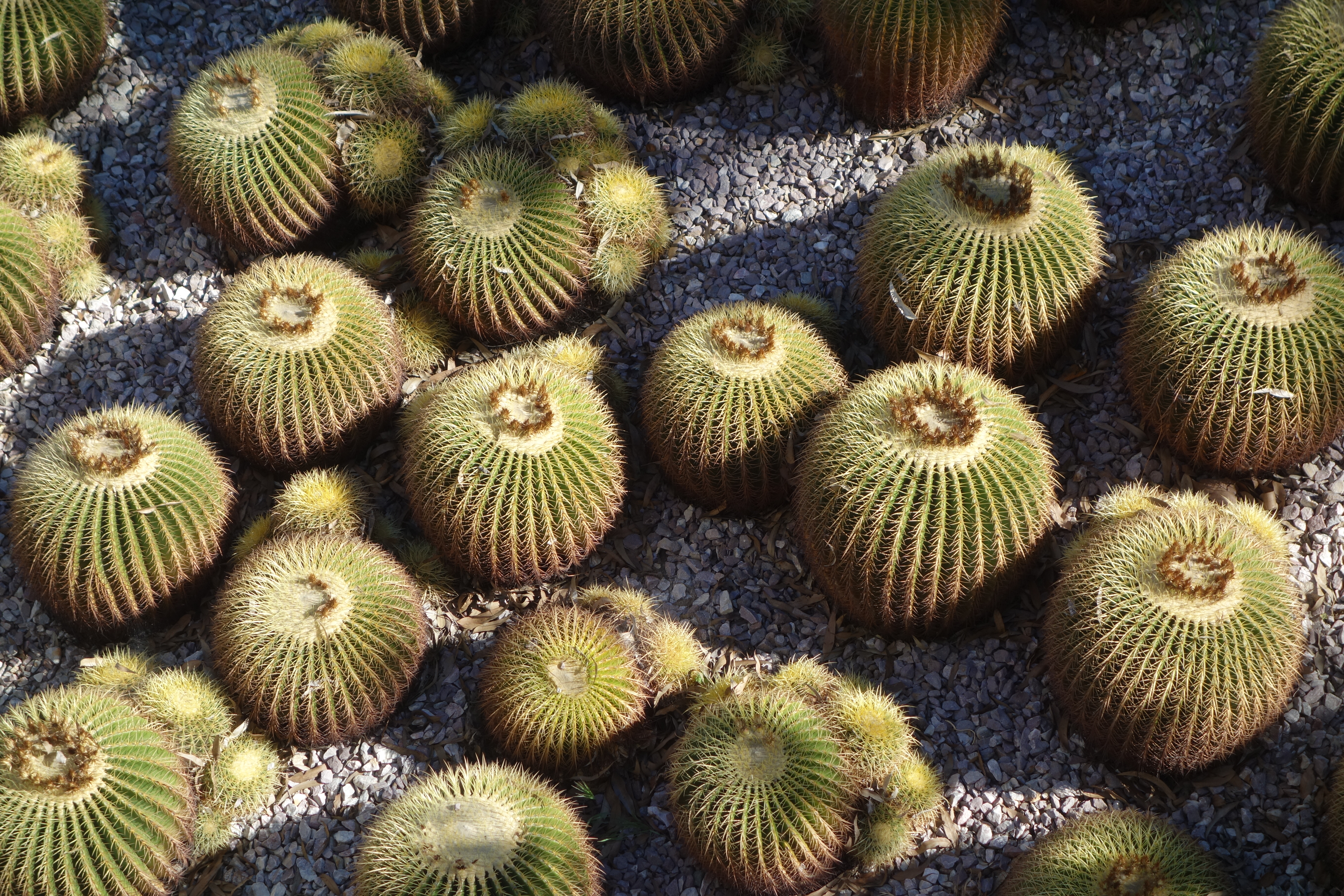
First was this little cherubDSC04862Such a sweet thing.  We also saw some Dutch art, including this de Hooch for Alison.de HoochThe art  was lovely, but we gave it short shrift in favor of the gardens and views.  We walked out onto a terrace that featured cactus gardens and great views of LA and the ocean. Just look for a minute.   view from the GettyDSC04876geometry in blueAbove is a glimpse of the travertine, the geometry, the shadows and the blue sky.  The geometry was softened by this lovely flowering vine (in February, mind you).


More about the gardens to come.

A Day in the Country

In Friesland, to be exact.  We took a day trip in memory of Pat, who always told us that Friesland, where his family comes from,  is NOT the same as the Netherlands.  Plus, Judy told me how beautiful it was, so we went.

We rented a car at the airport, neglecting to bring our passports, since we usually travel with photocopies and leave the originals in our rooms.  Luckily, the nice car agent assessed us as harmless if gormless old ladies and allowed us to proceed without the proper documentation.  Whew!

Since the Dutch sensibly drive on the right side of the road, the trip was not difficult.  We were traveling north of Amsterdam and slightly east, up the narrow peninsula that used to end in water.  Since 1932 when Afsluitdijk was built, there has been a causeway between the Zuider Zee, a salt water inlet of the North Sea and the IJsselmeer, which is fresh.  Can you tell I got these details from Wikipedia?

Here is the engineer who made it all happen but died before the dike was completed.  He looks a lot like Churchill.  You can see the two bodies of water separated by the dike.

DSC04296

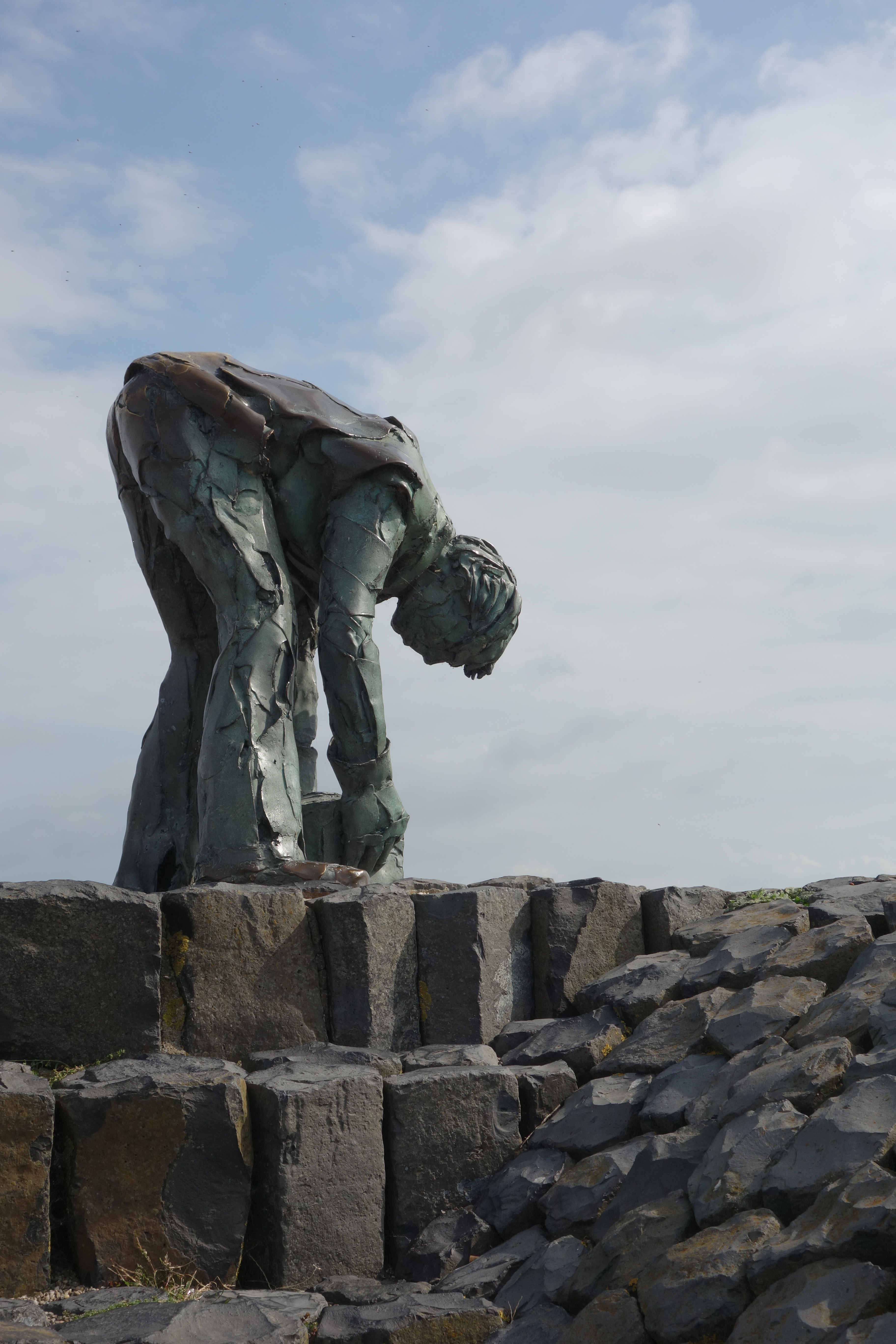
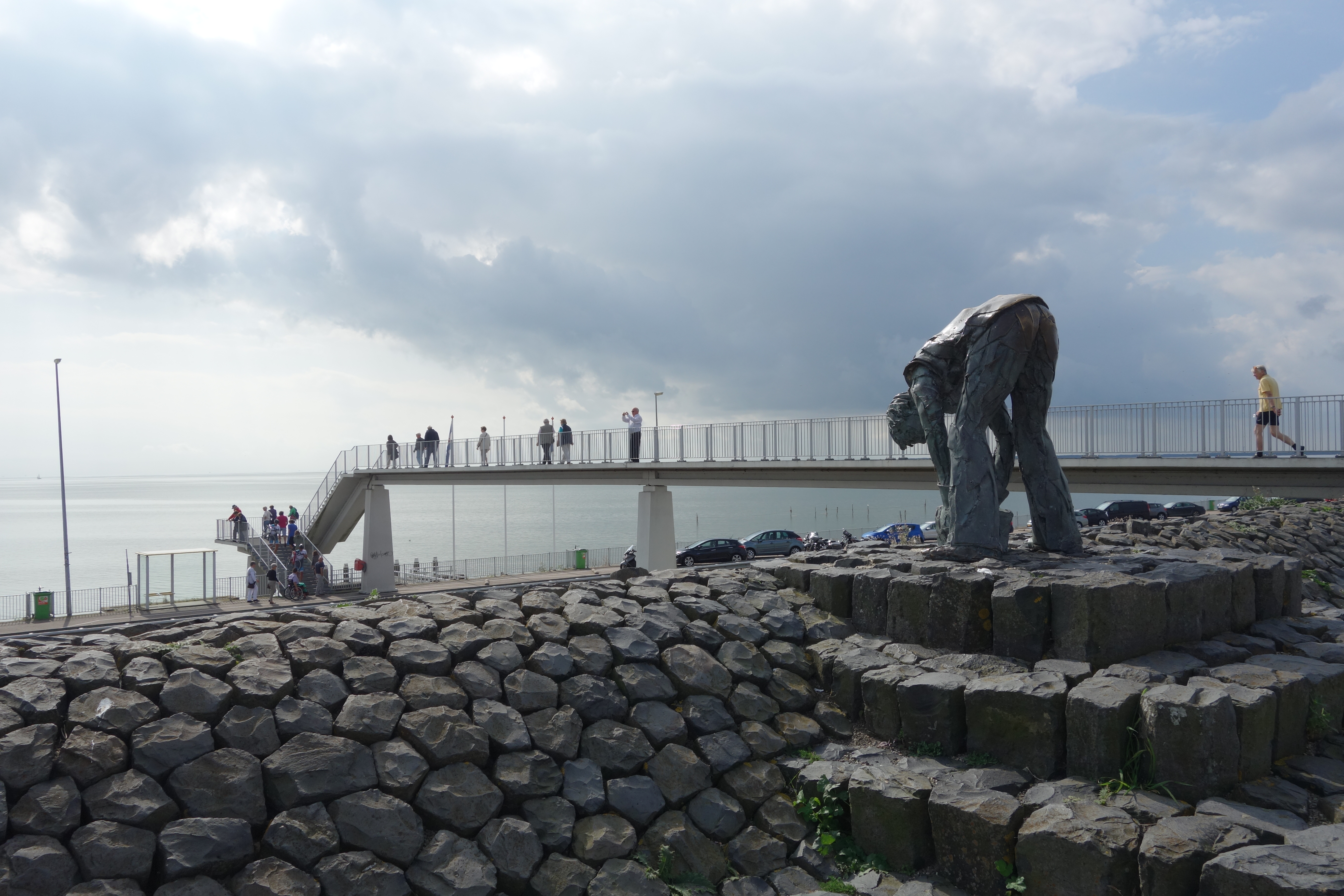
Building it was a heroic endeavor, and to honor that work is a statue of a young man laying the stones that make up part of the dike.  DSC04291The whole thing is quite a tourist attraction, with a layby offering coffee and snacks (stroopwaffel) and a walkway to the other side.  DSC04292There are also informative signs about the differences between the saltwater and freshwater environments.  But my favorite was this one:DSC04299Indeed, we managed not to get lost one bit!
We went to Makkum, highly recommended by Judy as a charming little village.  It was indeed, though mostly shut up tight on a Sunday.  DSC04304Luckily, we found a restaurant serving pannekoeken.  We chose the savory – apple and cheese – and they were so delicious we could hardly stand it.DSC04303We sat outside in the sun, enjoying our lunch and watching a very few people go by.  Though, of course, that included cyclists…

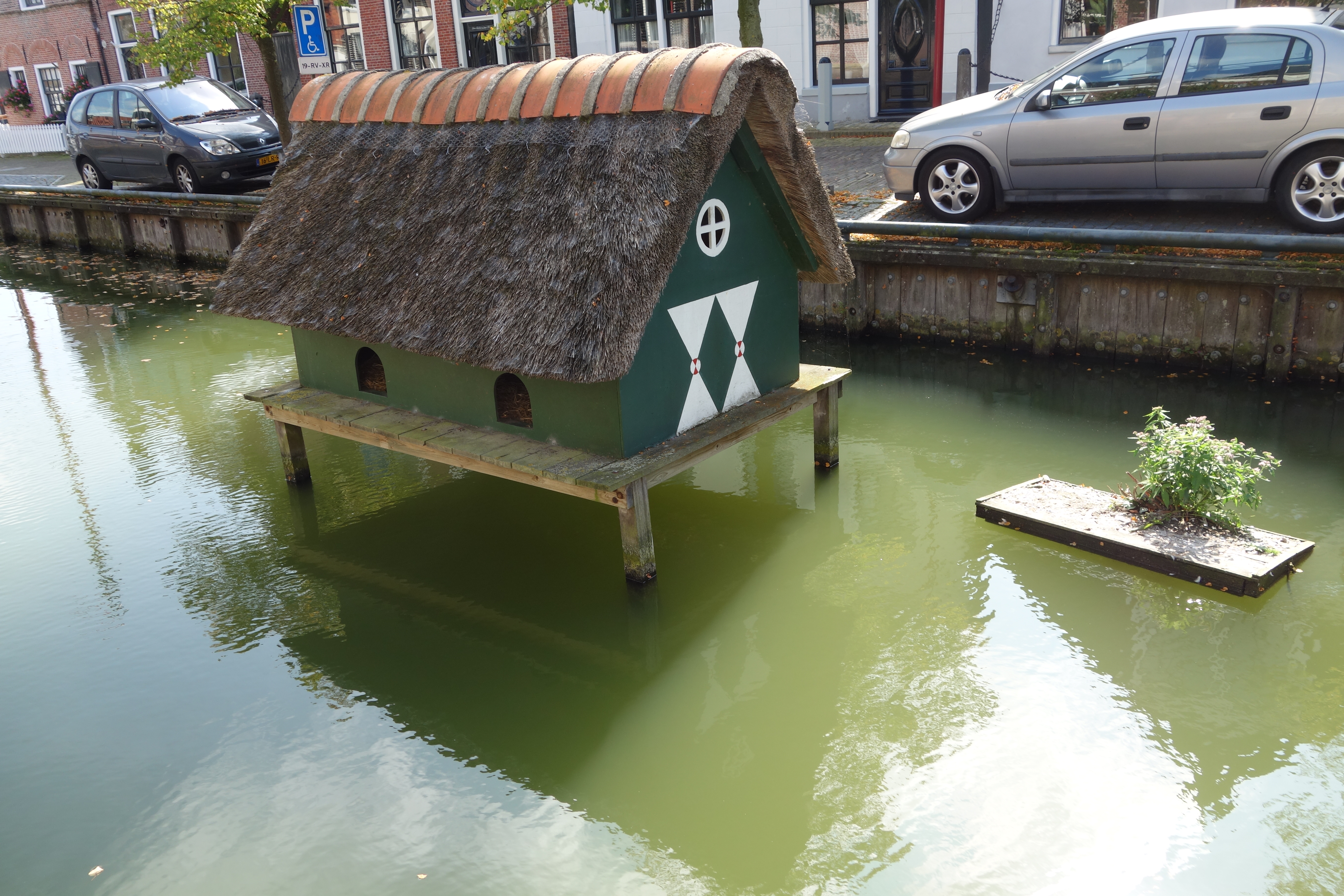
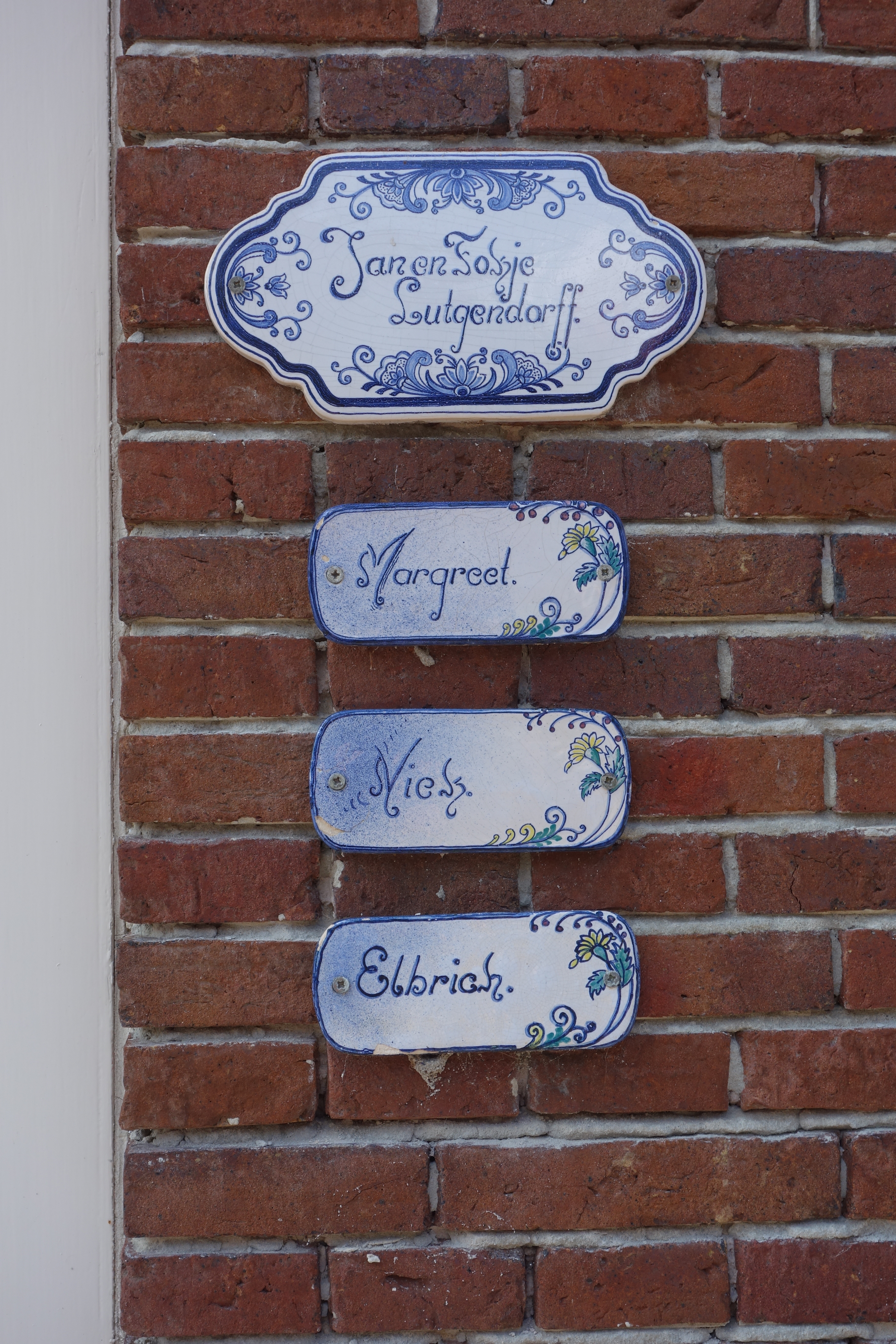
Then we had a wander, enjoying the canalsDSC04309and this little house that someone explained was for pigeons.DSC04307We liked looking in the windows, which in the Dutch way are often wide open day or night, inviting you in.DSC04308 DSC04311We also enjoyed this family listing outside one door.  The old-established pottery in Makkum  had closed its shop a year before, although if you have lots of lovely money you can visit them online or even commission something.  So we gently moved on.

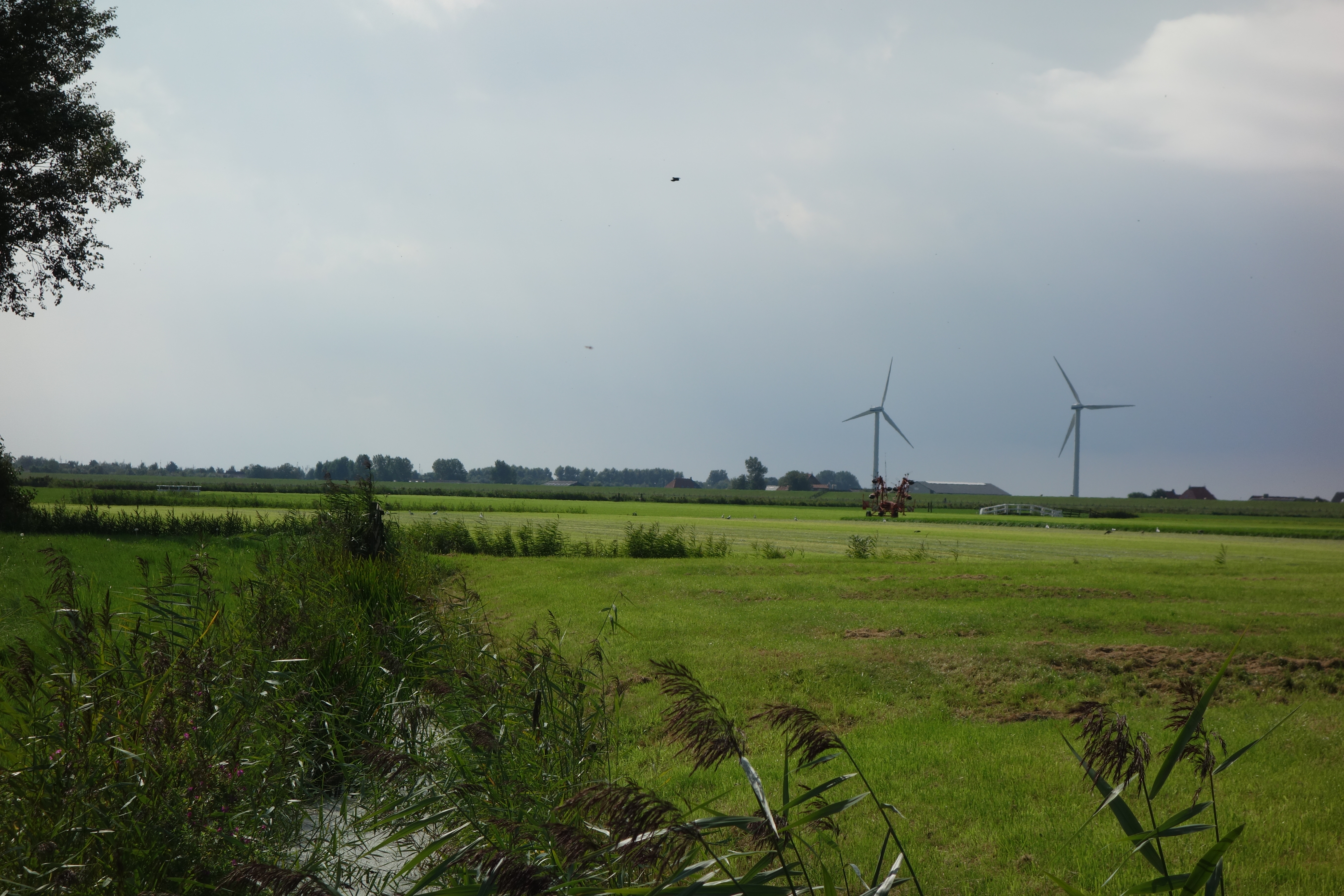
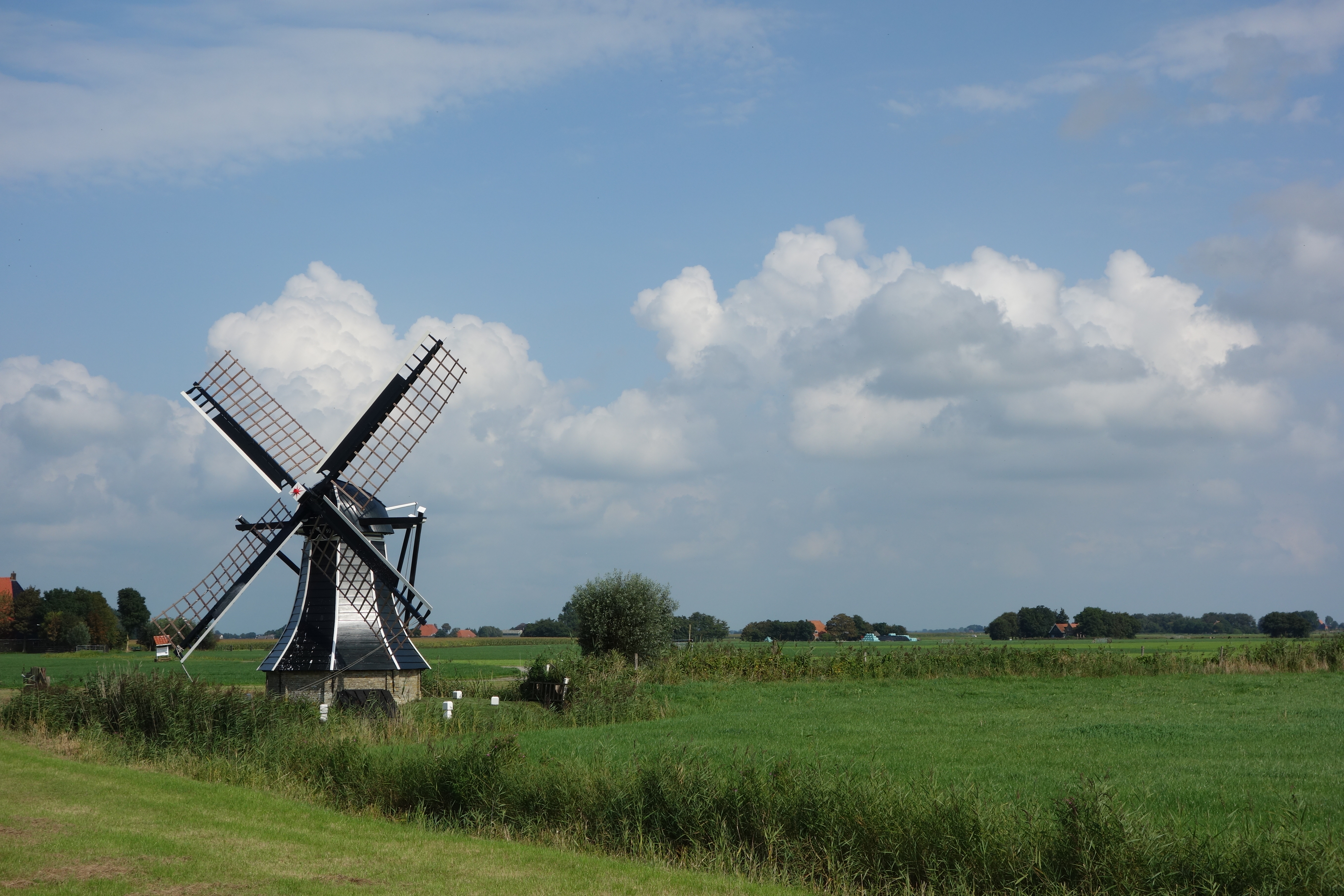
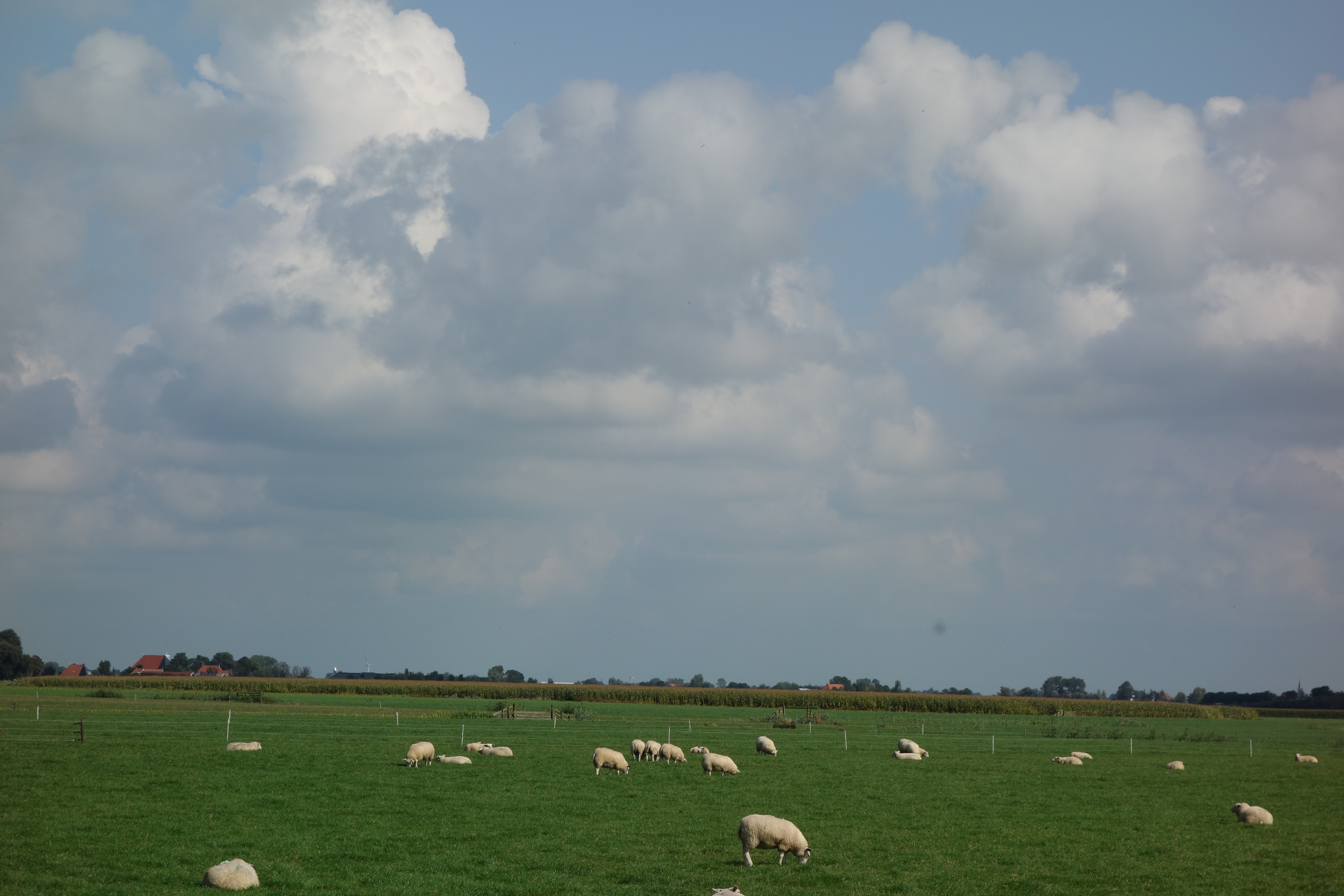
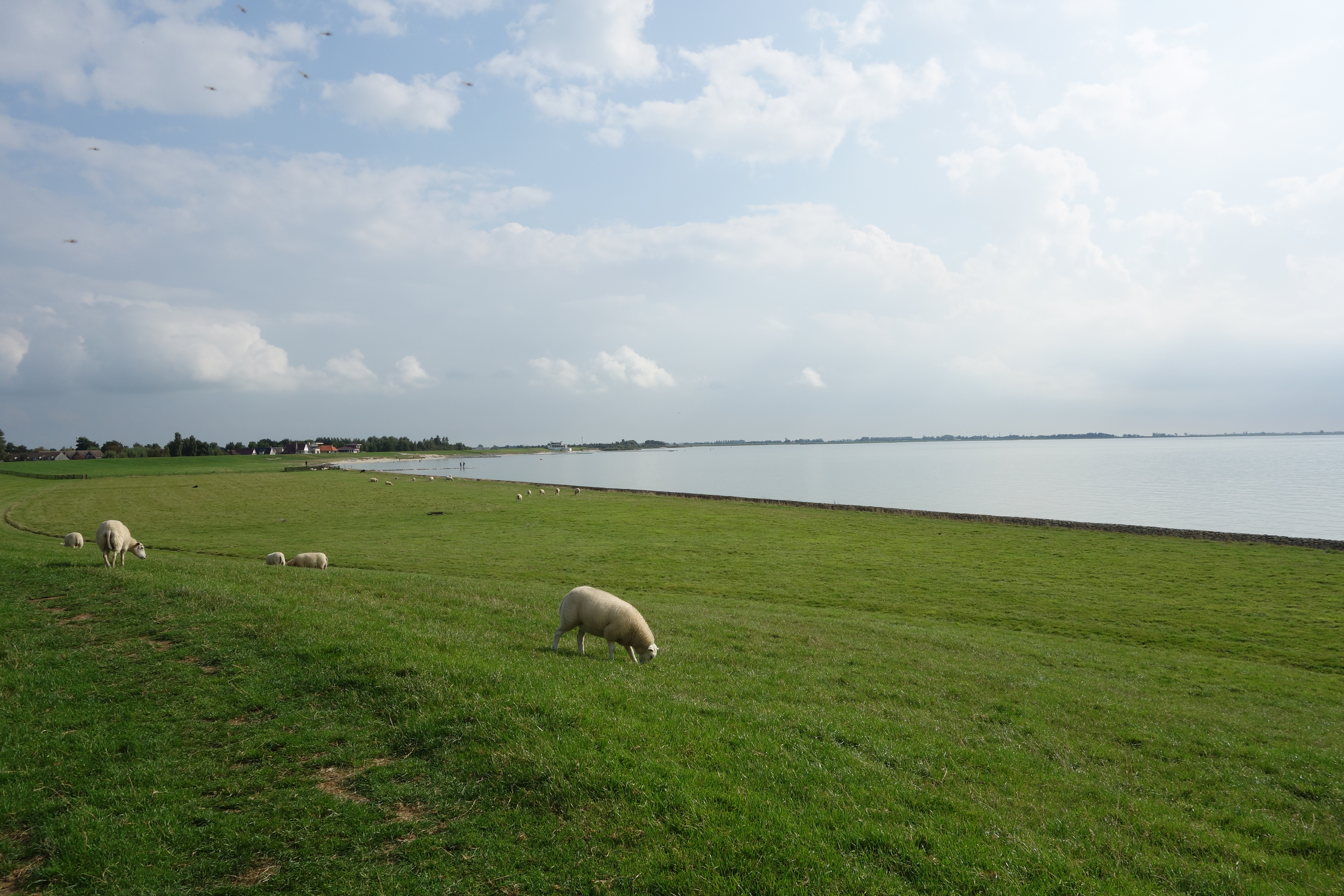
We had a tiny bit of trouble finding Hindeloopen, since in the English style the Dutch tell you what the next village is, but not the next but one.  That gave us a chance to snag some windmills (both kinds), sheep and enormous Dutch skies.DSC04323DSC04321DSC04319Here are the sheep “in action.”

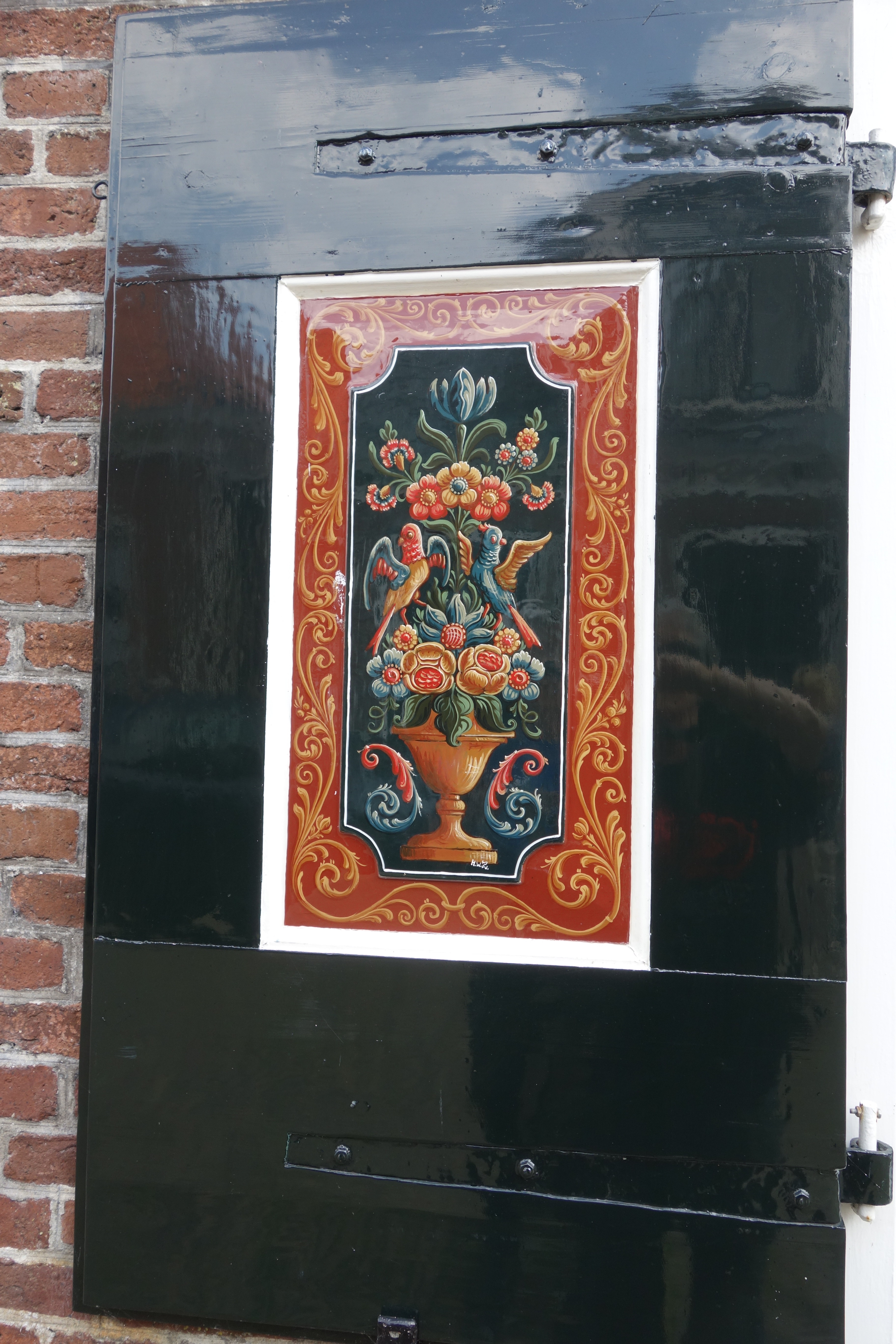
Hindeloopen is known for its painted furniture, but it is also just a charming place.  We came across this painted doorDSC04329and saw this chest in a nearby store.DSC04330Apart from these charms, Hindeloopen also had lovely gardensDSC04332and, best of all, a wonderful dike to walk along.

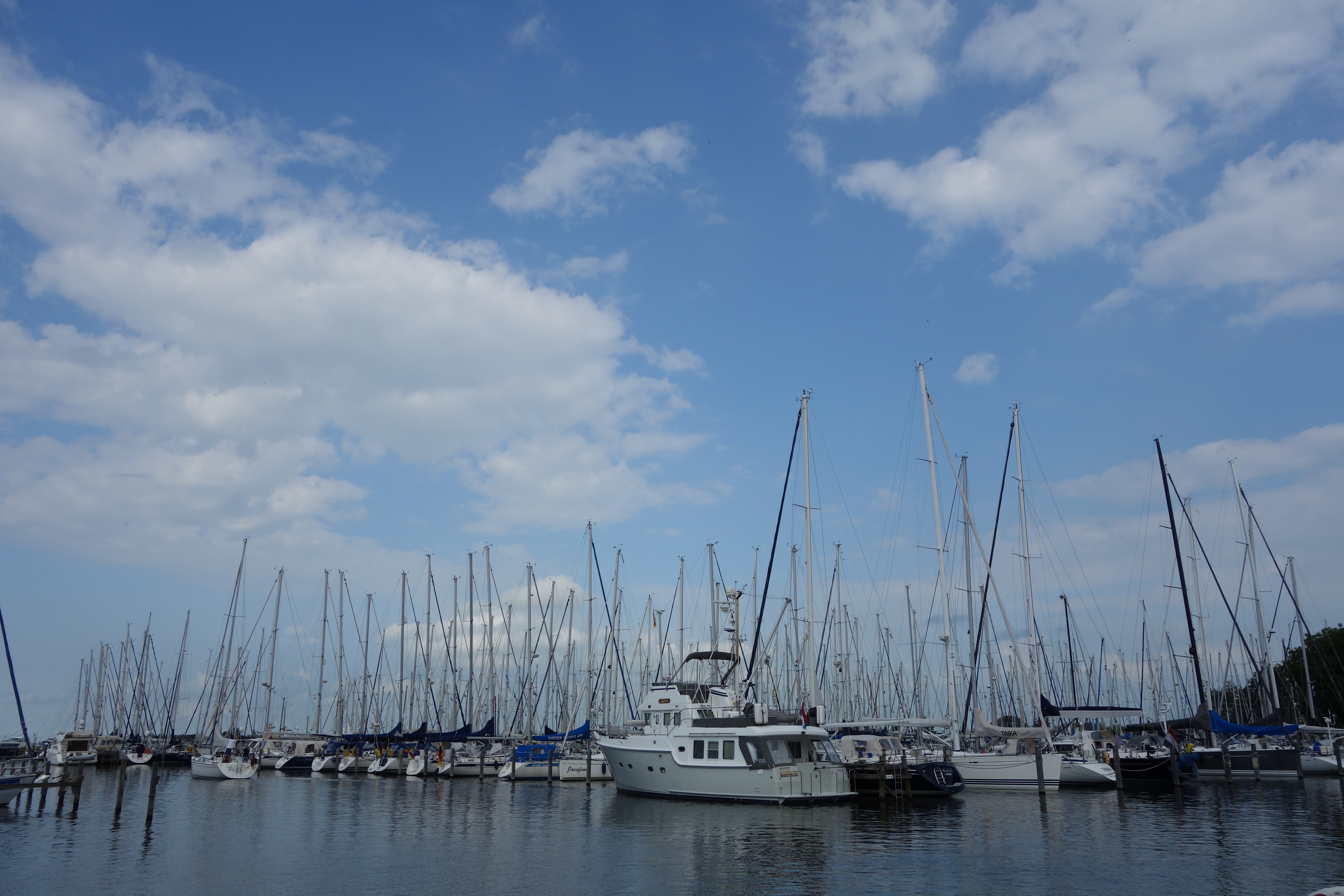
First we walked down to the harbor, where the phrase “a forest of masts” must have come from.DSC04333

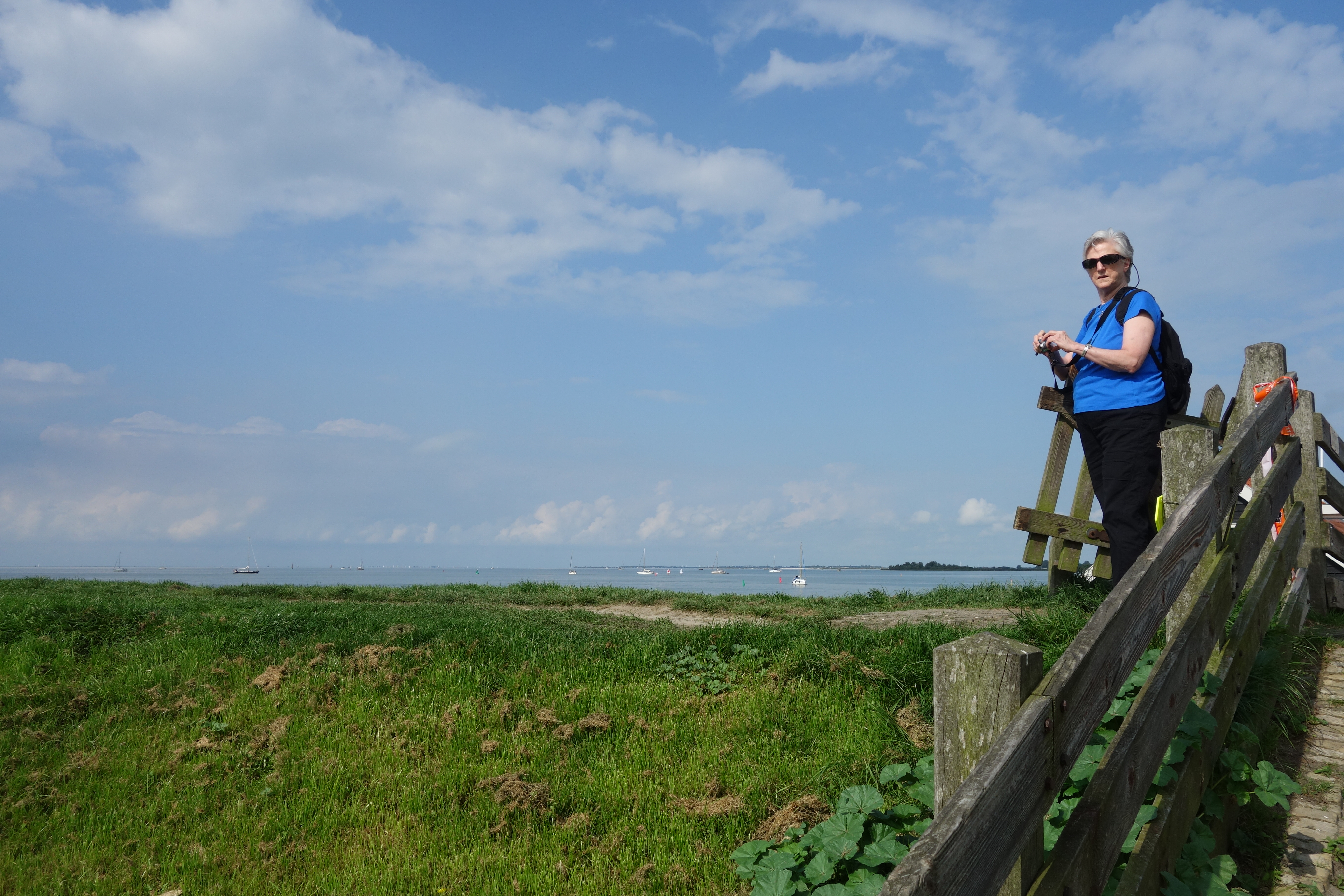
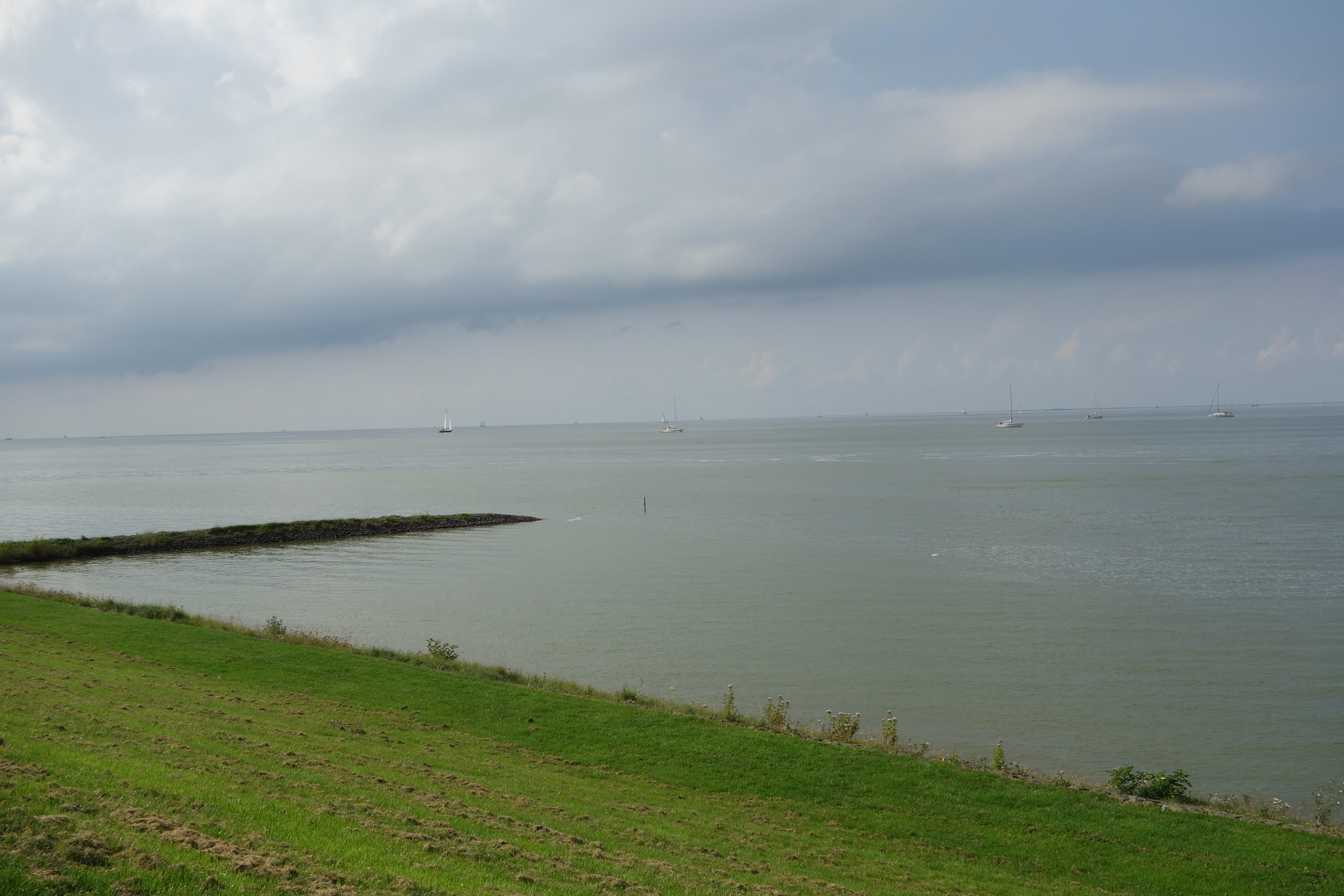
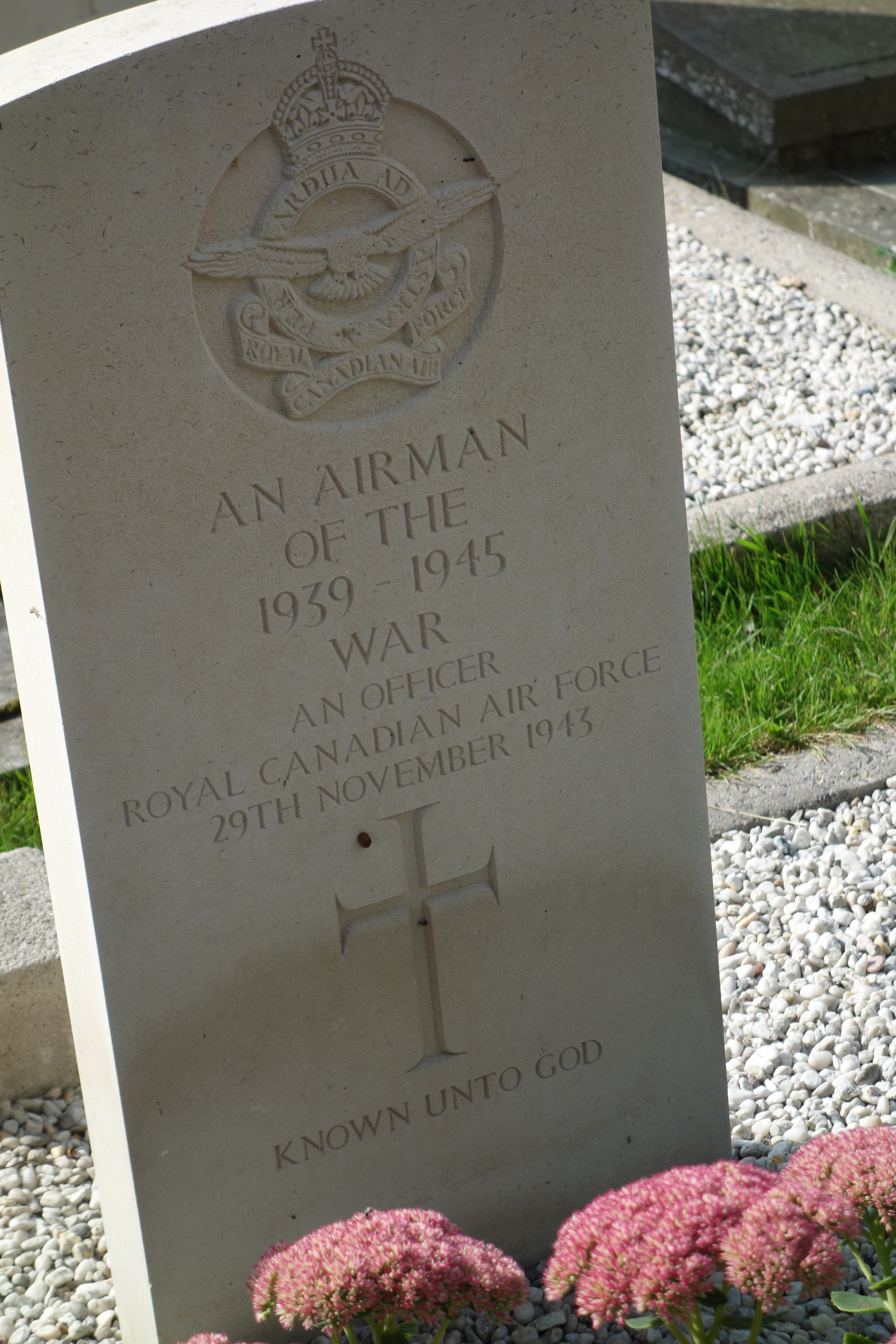
Then we walked around the town to the dike.  DSC04336It really is just an embankment that keeps the sea away.  You climb up a small hill, walk through a stile, and there you are.  This scene could have come right out of a 17th century Dutch painting.  I don’t think much has changed.DSC04337There was nothing to see on this sunny day but sky, sea, sheep and the Dutch at play.  DSC04351We paid a brief visit to the Commonwealth graves outside a church, marking the anonymous airmen who died here during the war.DSC04342Then it was back down the road, across the big dike, and home again.