Monthly Archives: March 2014

The desert adventure begins

Where we areWe were packed up and ready at nine a.m. sharp, and the drivers appeared as promised. The luggage was piled on a cart and we made our way through the medina to the square and to the two four-wheel drive vehicles that will carry us to the desert and back again.
In our car are Ed, Elizabeth, Phyllis and me, plus Mustafa the driver and Mustafa the guide, while the other car has Marge, Susan, Karen and Anita with Hassan the driver.  (They are the talkative car!) Mustafa the driver has a lively personality but is a very careful driver. Mustafa the guide is a university graduate who tells us about what we are seeing and answers our questions with a nice sense of humor.
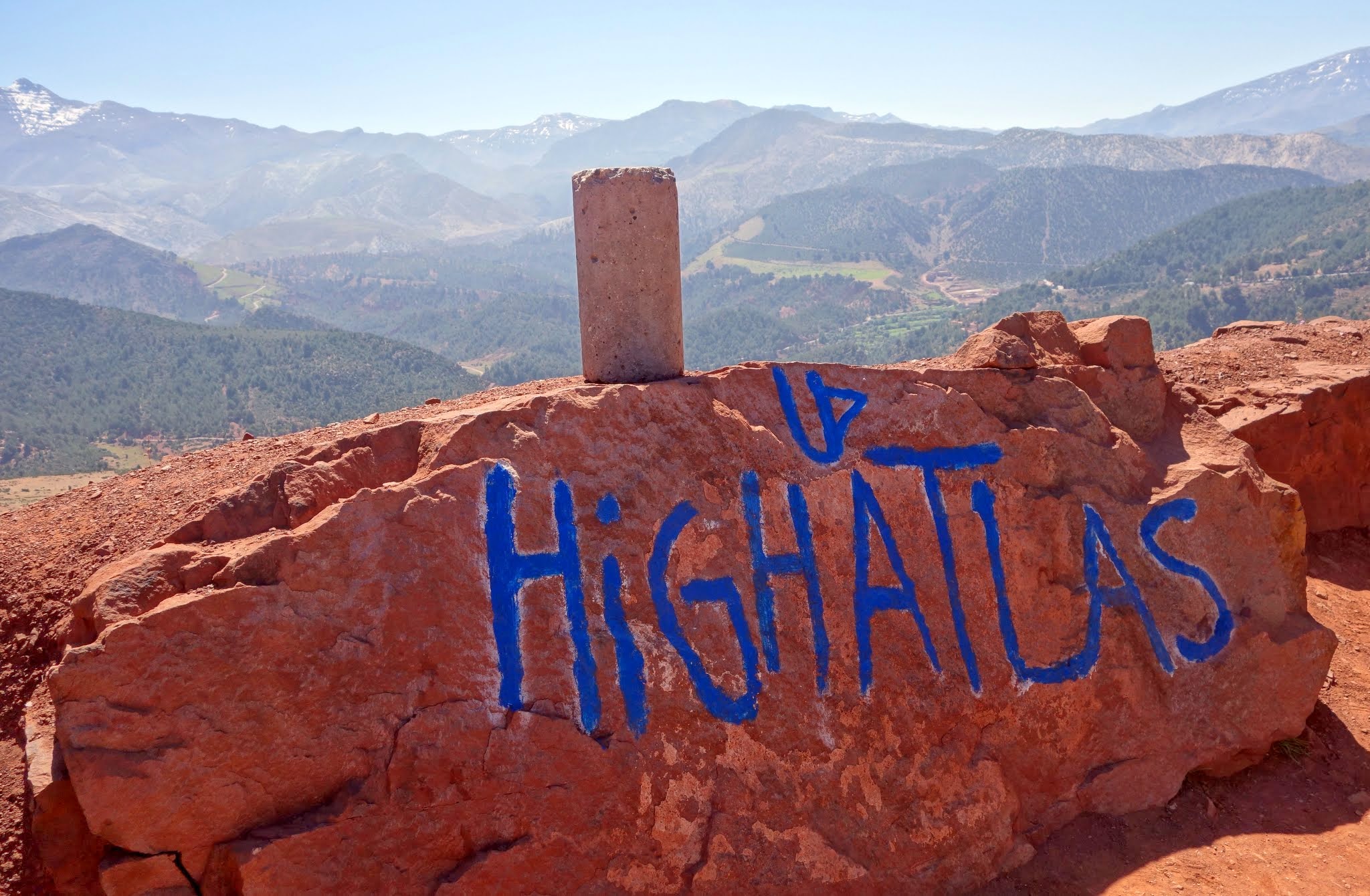
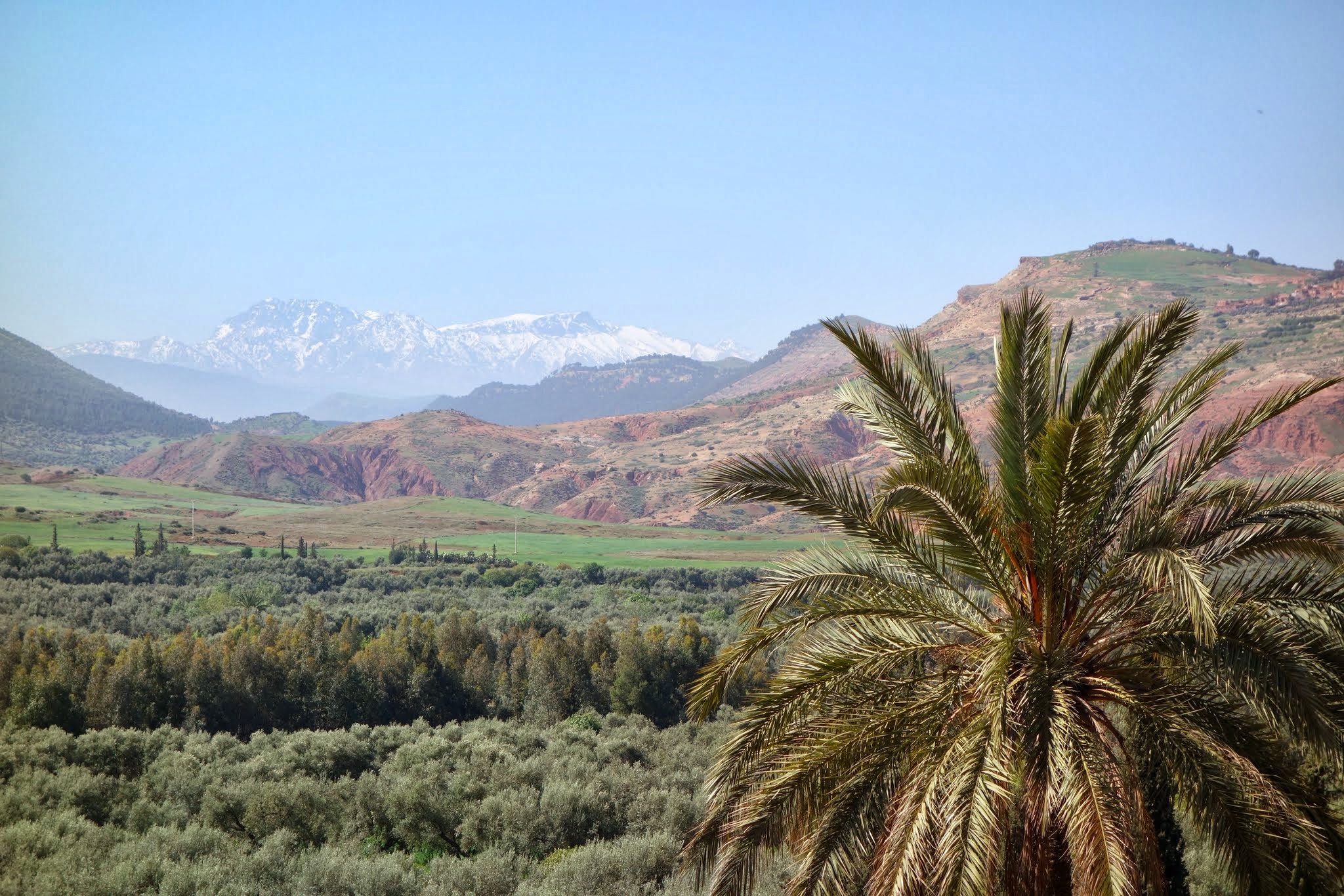
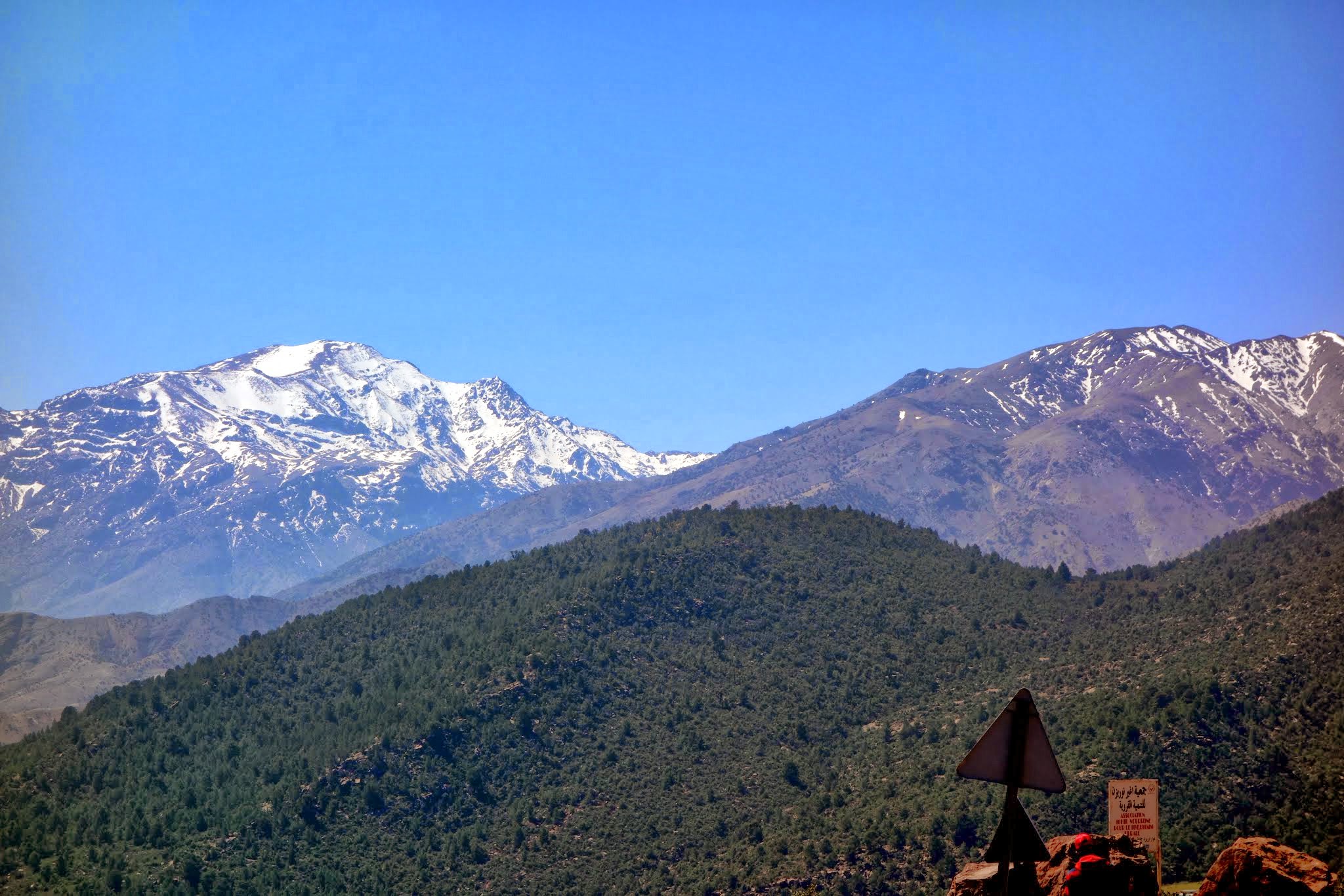
We had been seeing the Atlas mountains from Marrakesh for the last three days, and now we were driving towards them. DSC02542

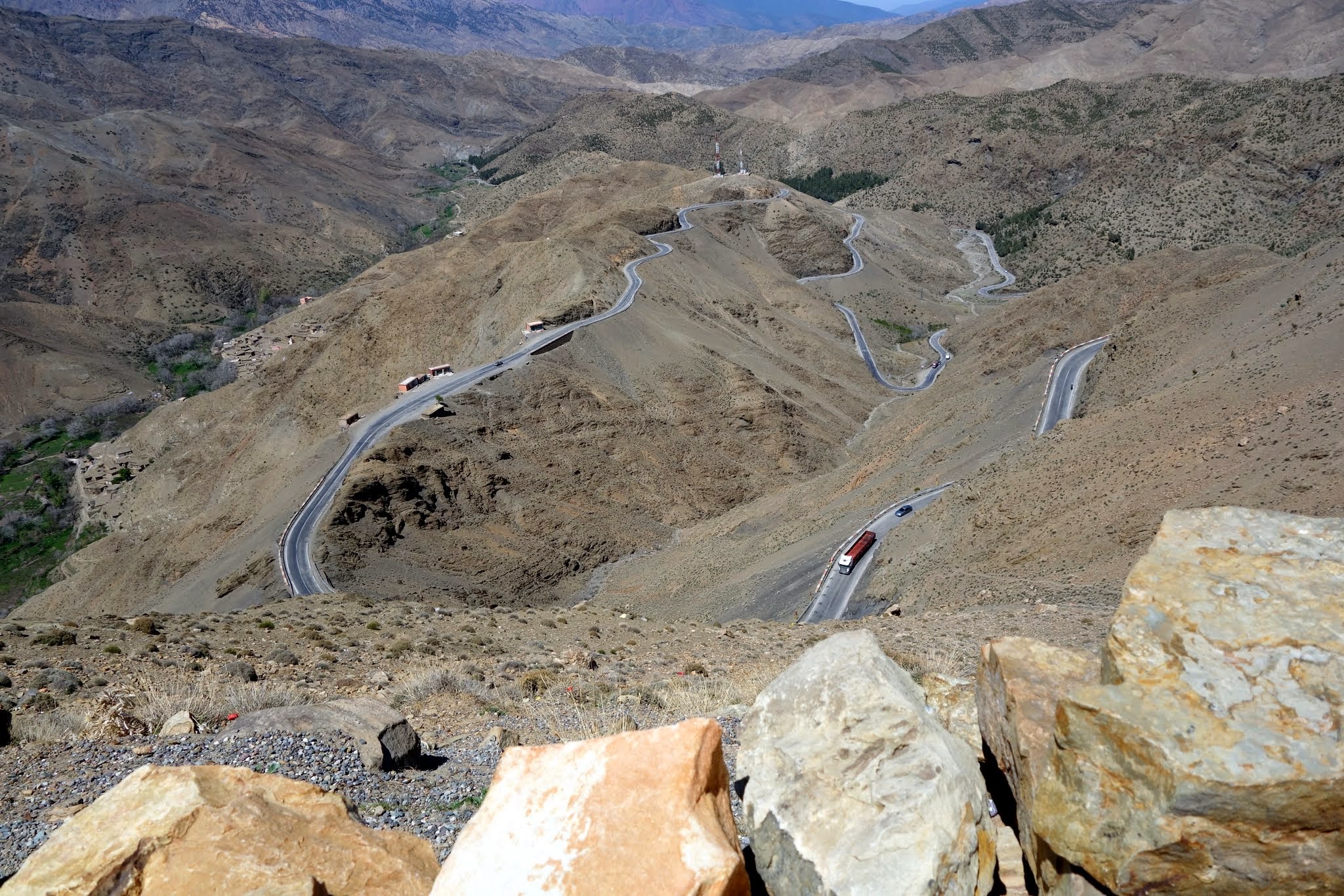
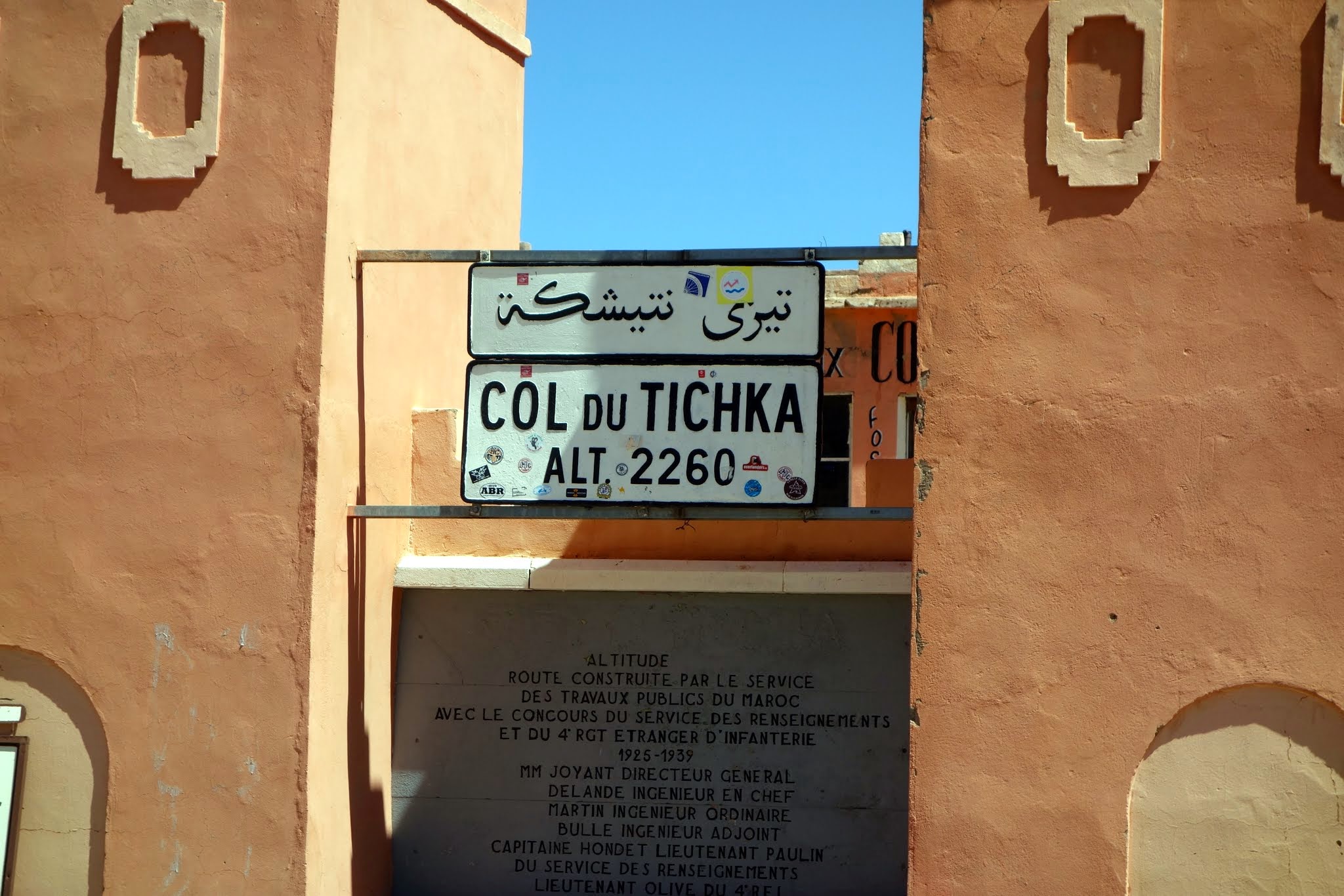
Flat plain at first, but soon enough the road began to climb. We were to cross the Tizi n’Tichka pass, a series of hairpin turns alleged to be one lane in places and with no guard rails – a slight exaggeration.  Slight.
Our first stops were for views and for a little mild shopping. The views were spectacular, with the snow-capped peaks looming over us and the road winding back and forth in an alarming way.  Thank goodness we are not driving!   did we really come up this road?  yes, we didAlong the way were men holding out geodes as we sped by – how can they possibly make a living doing that?  But there must be enough tourists driving by to make it worth their while.

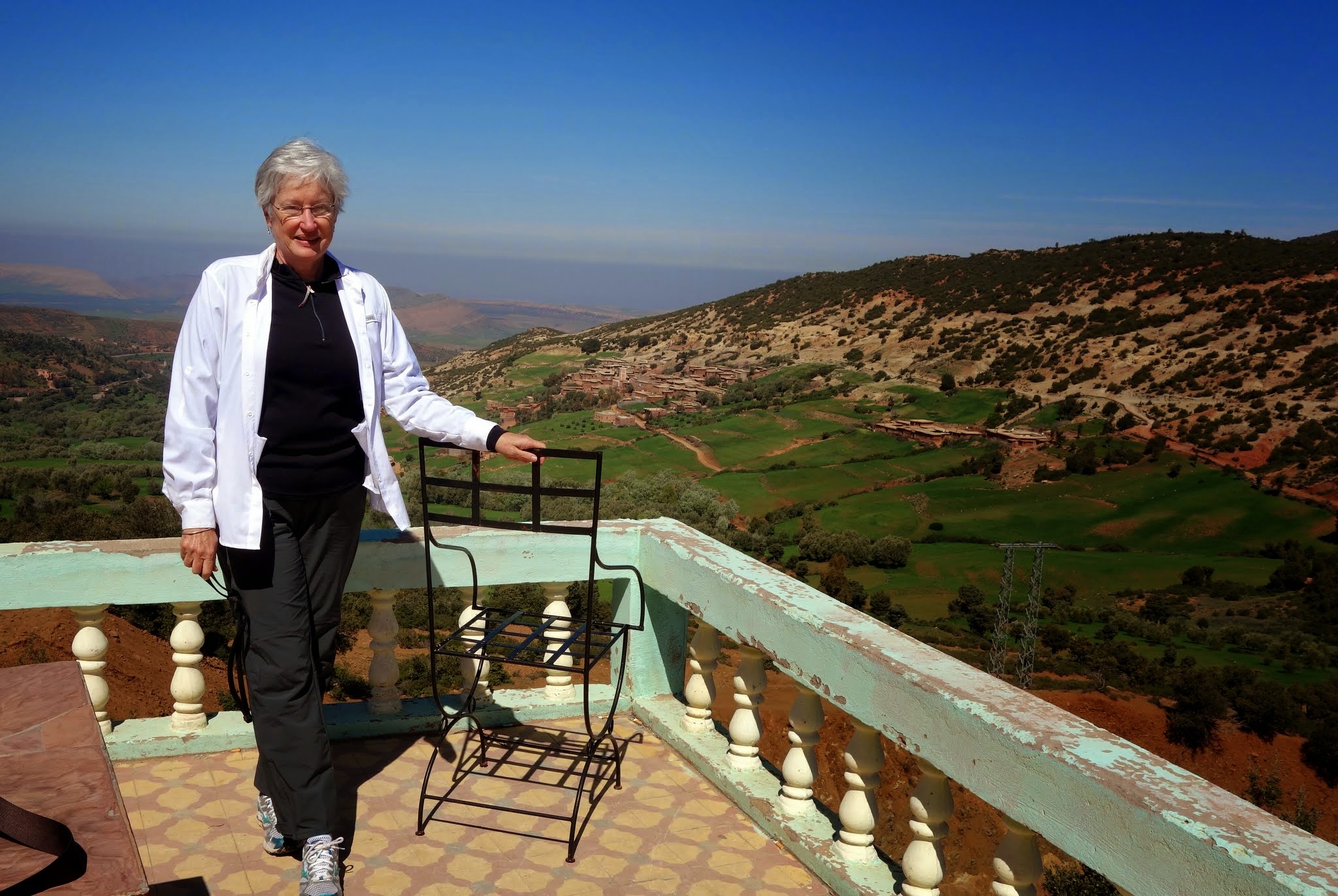
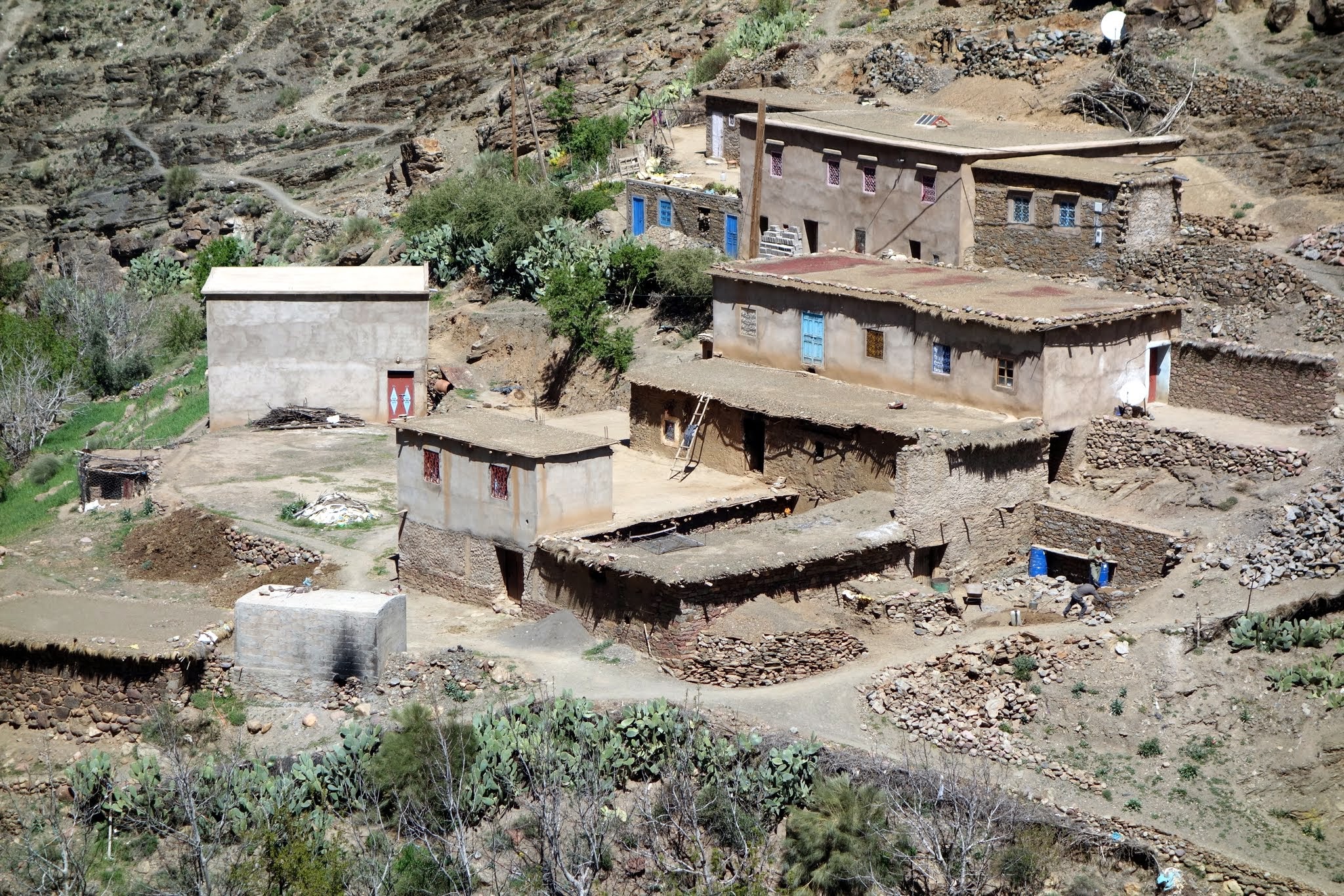
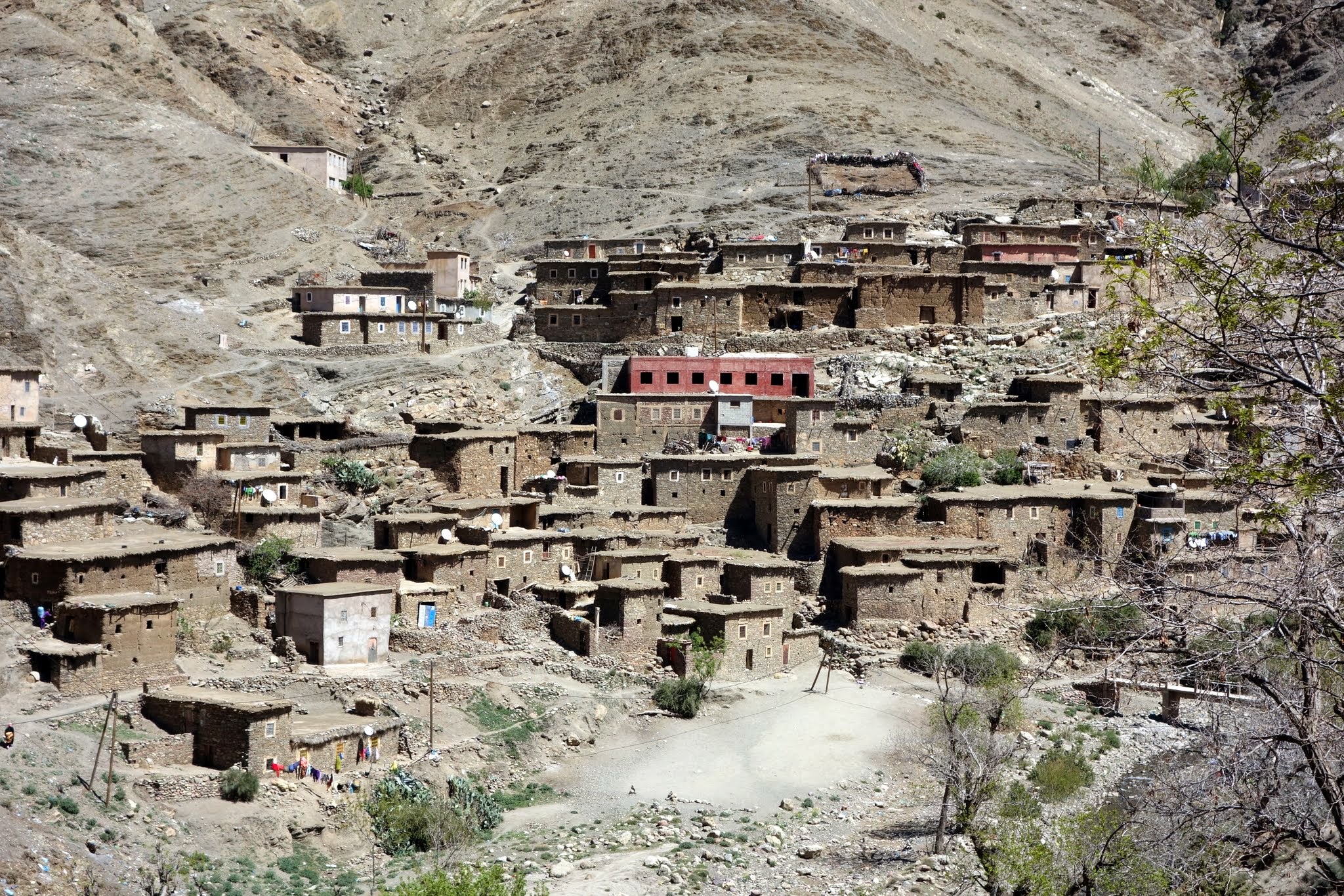
The views continued to be astonishing.  Here are just a few.valley view snow-capped peaksSmall villages are tucked into the mountainsides.  blue doors mountain village

We drove through the top of the passat the topand then it was time for lunch.

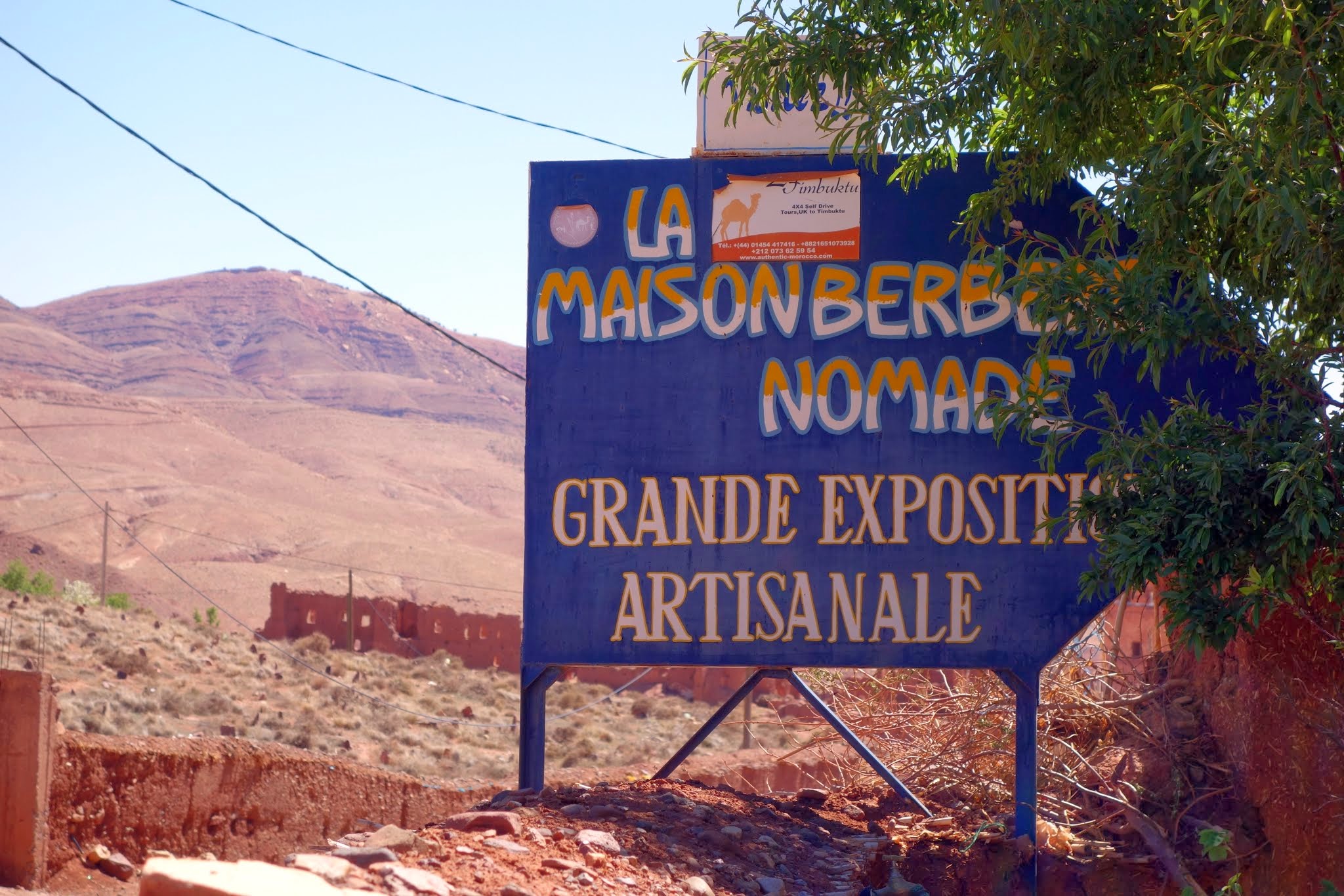
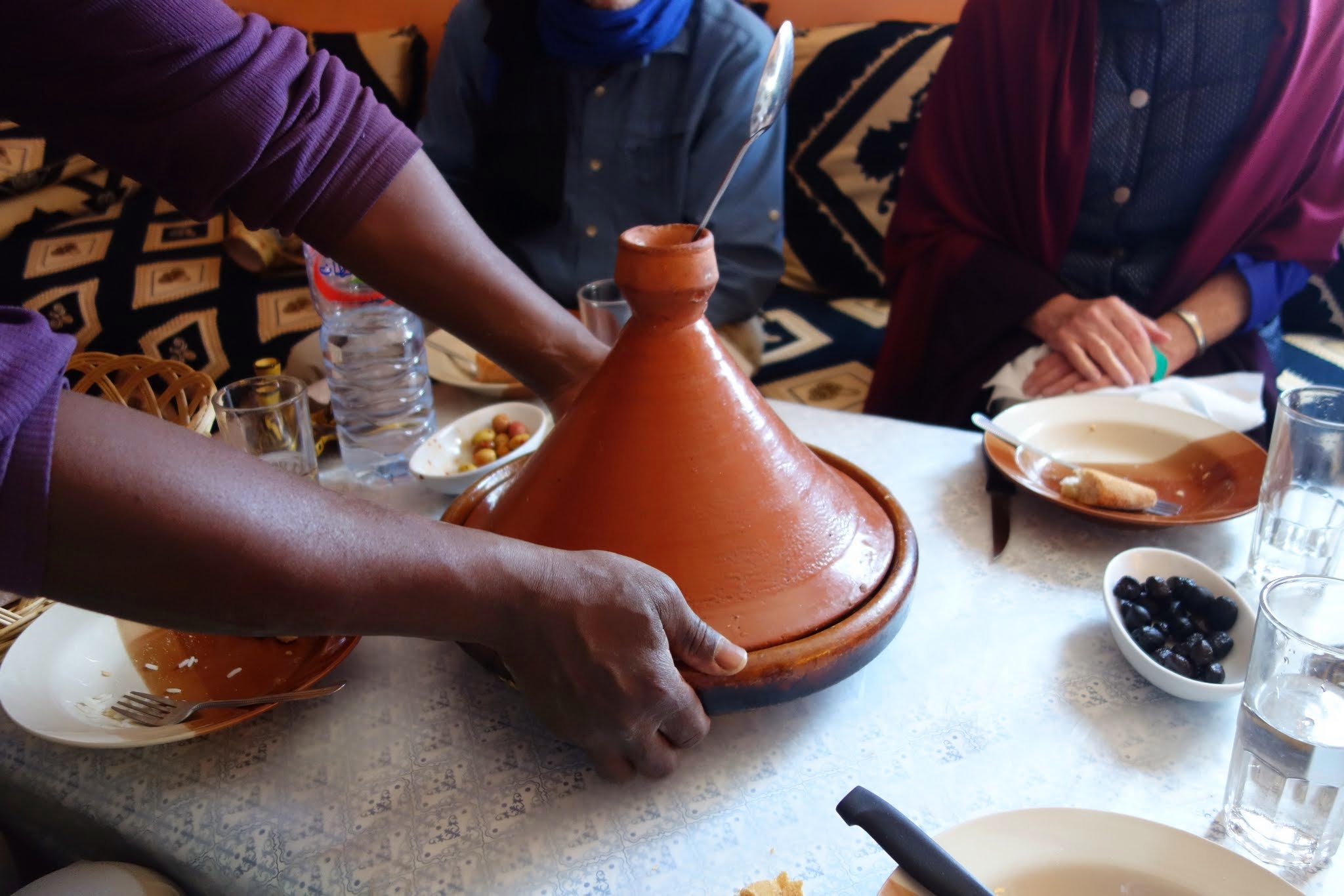
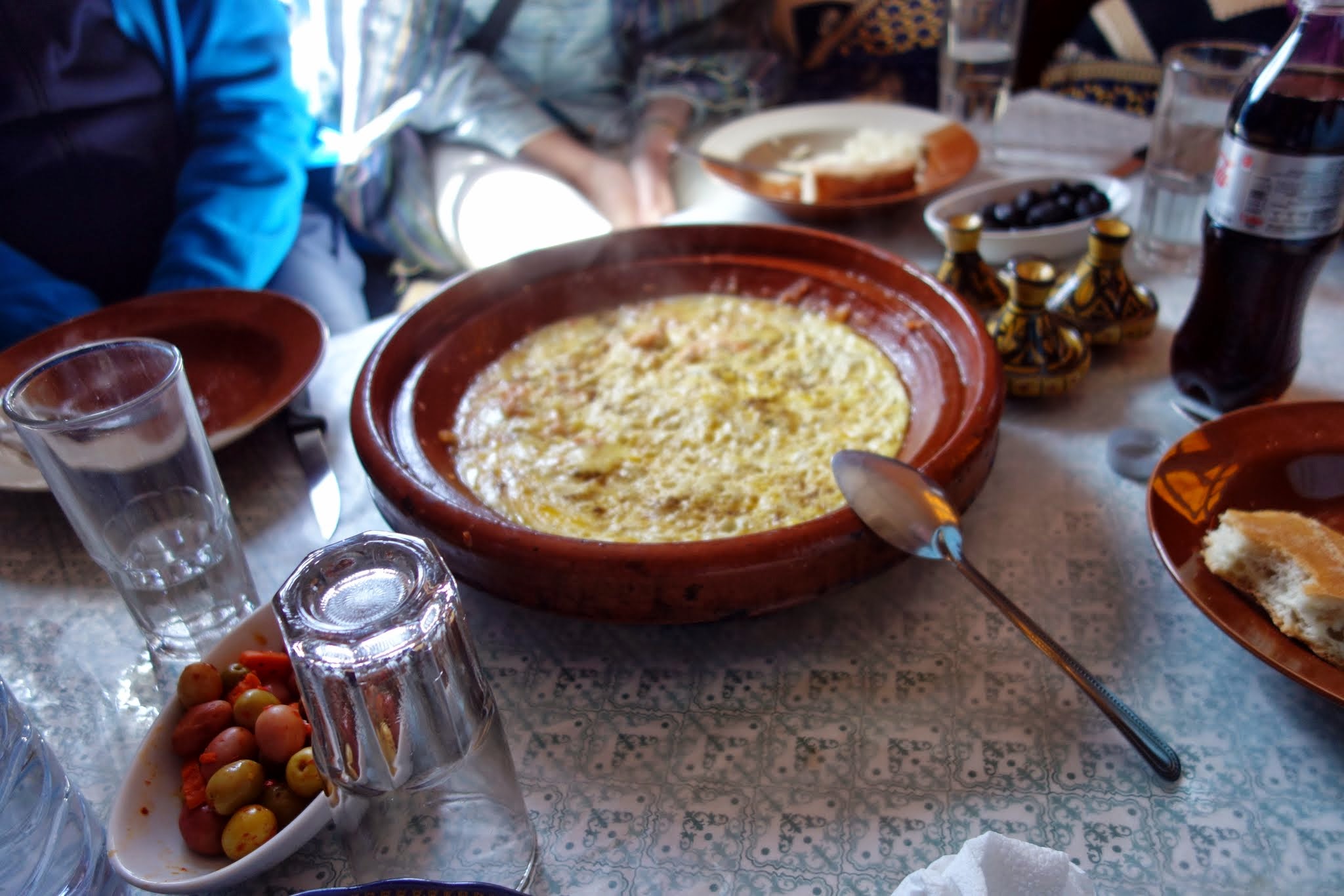
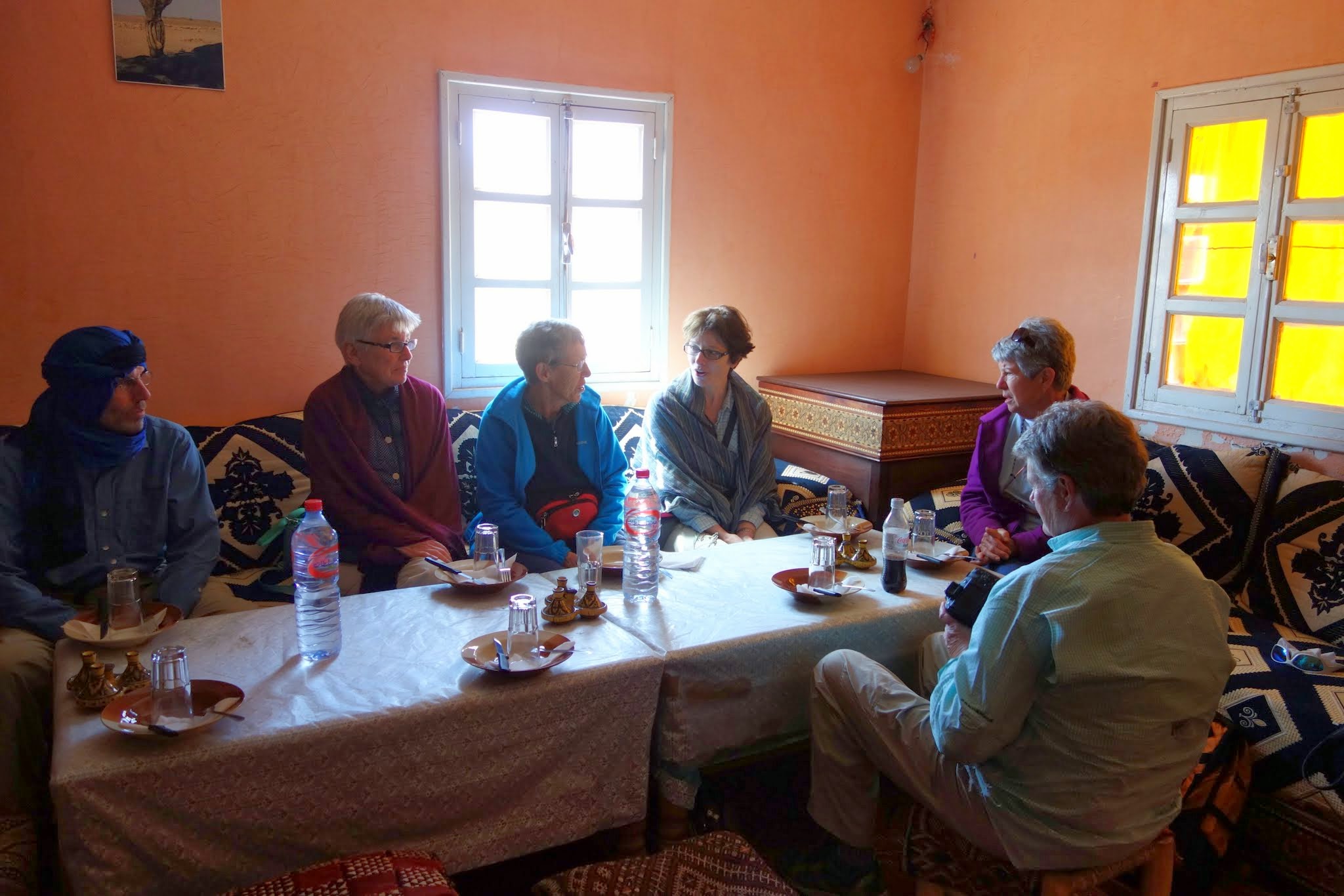
We stopped at a place that was a combination restaurant and crafts emporium.our luncheon place, also rugs for saleWe walked up the steep stairs (there is no other kind in Morocco) to a plain room with a low table.  Here we were served salad (by this time we were daring to eat raw vegetables), rice, a delicious omelet and a tagine.tagine delicious omelet rice and vegatables, bread and olivesAs always, the meal begins with olives and bread.  Delicious.at the Berber tableFrom here it was on to our first kasbah.

The tempting souks of Marrakesh

pix to come

Who knows what you’ll find in the souks (markets) in the medina (walled old town) of Marrakesh?  In my travels through the narrow alleyways, and without taking photos for fear of offending people or being asked for money, I saw a man planing a chair spindle with a press powered by his foot, people with safety pins for sale spread out on blankets on the ground, and of course lots of people selling pottery, rugs, postcards, bottled water, children’s toys and many other necessities.

But when I spotted some rugs as Ed, Elizabeth and I walked along after lunch, I didn’t really think I would buy one.  I had been focused on fabric and pottery.  But a rug caught my eye,  I went inside, and the rest is history.

The nattily dressed rug seller encouraged me to come upstairs, where rugs were piled almost to the ceiling.  We established that I wanted a small rug and chose a color range, and from there we were off.  Of course, he offered me some tea, which is part of the ritual, and explained that he could ship the rugs anywhere, displaying a notebook full of FedEx receipts and addresses as proof.  We discussed camel wool and sheep’s wool, and the difference between Berber rugs and others, saw the difference in stitches among the various kinds, and all the time saw more and more rugs piling up on the floor.

In the end, it was down to two rugs, a small one that I was thinking of for a wall hanging and another one for the floor of the sitting room.  He finally quoted me a price – we had both been silent on the subject up until then – and it started.  So much for two, so much for just one, so much for the big one, so much for the small one, and on and on.  I am a terrible negotiator, though Ed helped and so did Elizabeth.  In fact, she prompted me by saying, “Didn’t you tell me your top price was 2000 dirhams?” at which I almost said, “What are you talking about?” but stopped myself in time.

In the end I settled for the larger rug, we shook hands and all was well.  He gave me a receipt for my credit card charge and another one for the total price, neither of which actually matched the actual price, which I paid partly in dirhams and partly on credit.  The rug was folded up and beautifully wrapped in paper tied with string, and with handshakes all around we left.

Of course, it is so beautifully wrapped that I can’t bear to open it up and look at it, and so wish I had taken a photo somewhere along the way.  Look for it when I’m back home again.

Essaouira to Marrakesh

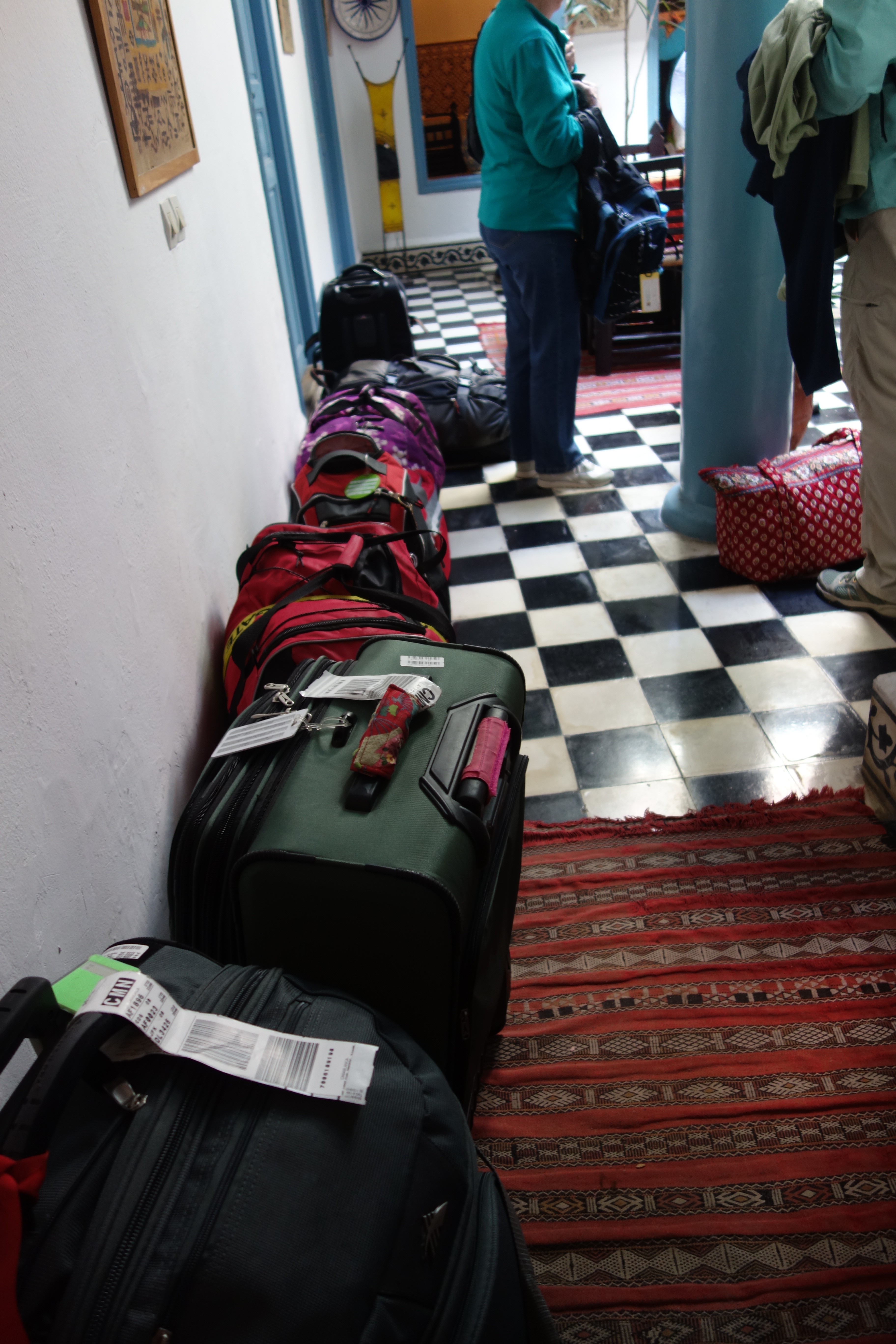
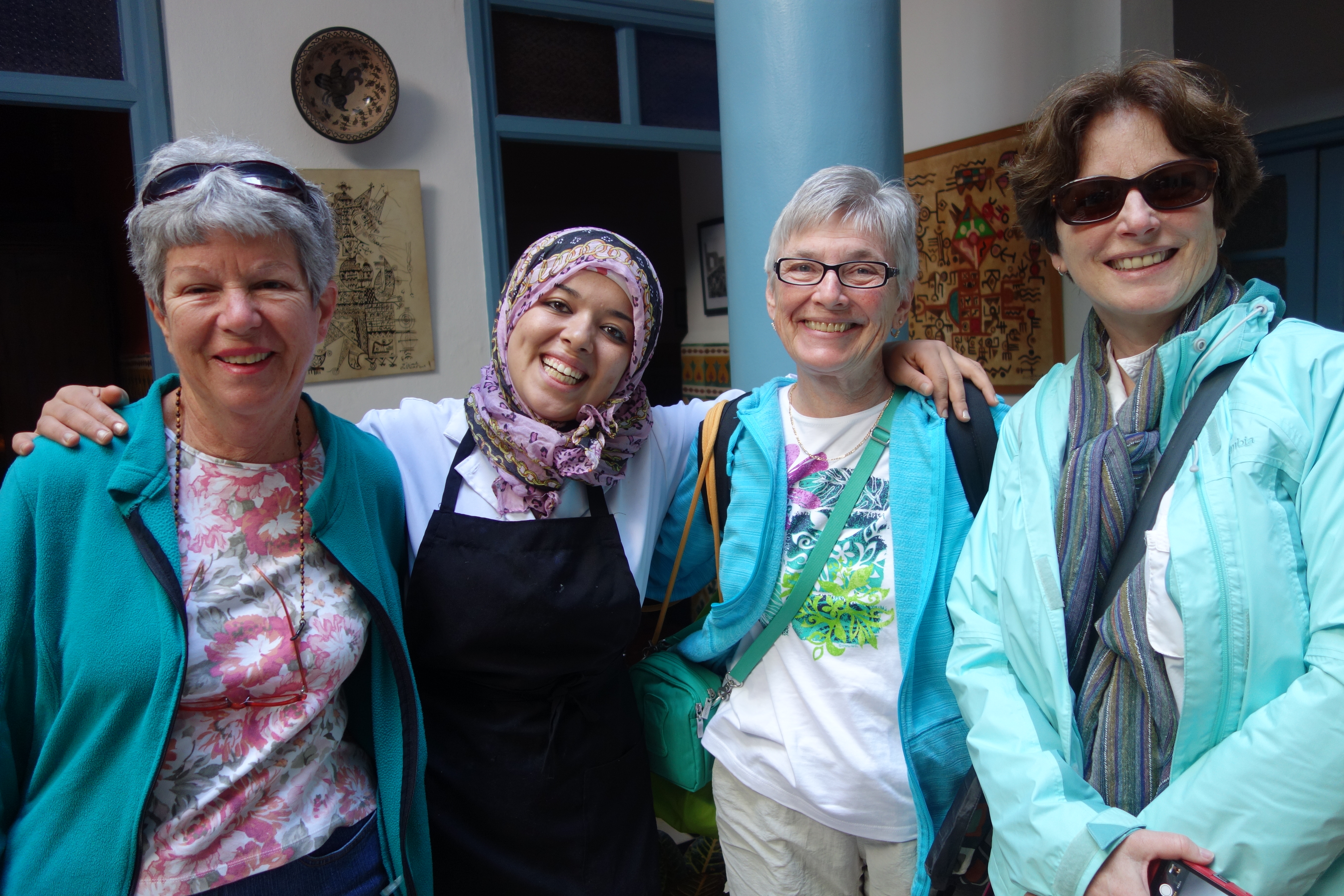
This morning we left our seaside city for Marrakesh.  First, Phyl and Marge had to consult about the route (more about that later).  Marge and Phyl determine the route to MarrakeshThen, the luggage lined up along the wall luggage in the lobby, Essaouiraawaiting the man with the cart to bring it to our cars parked outside the medina (no cars inside but plenty of motor scooters, bikes, donkey carts, etc.)  Then a fond farewell to Miriam, who took such good care of us, especially when Elizabeth came down with something and had to spend the first day in bed.  Marge, Mirym, Susan, EAP(Marge Miriam, Susan, Elizabeth)

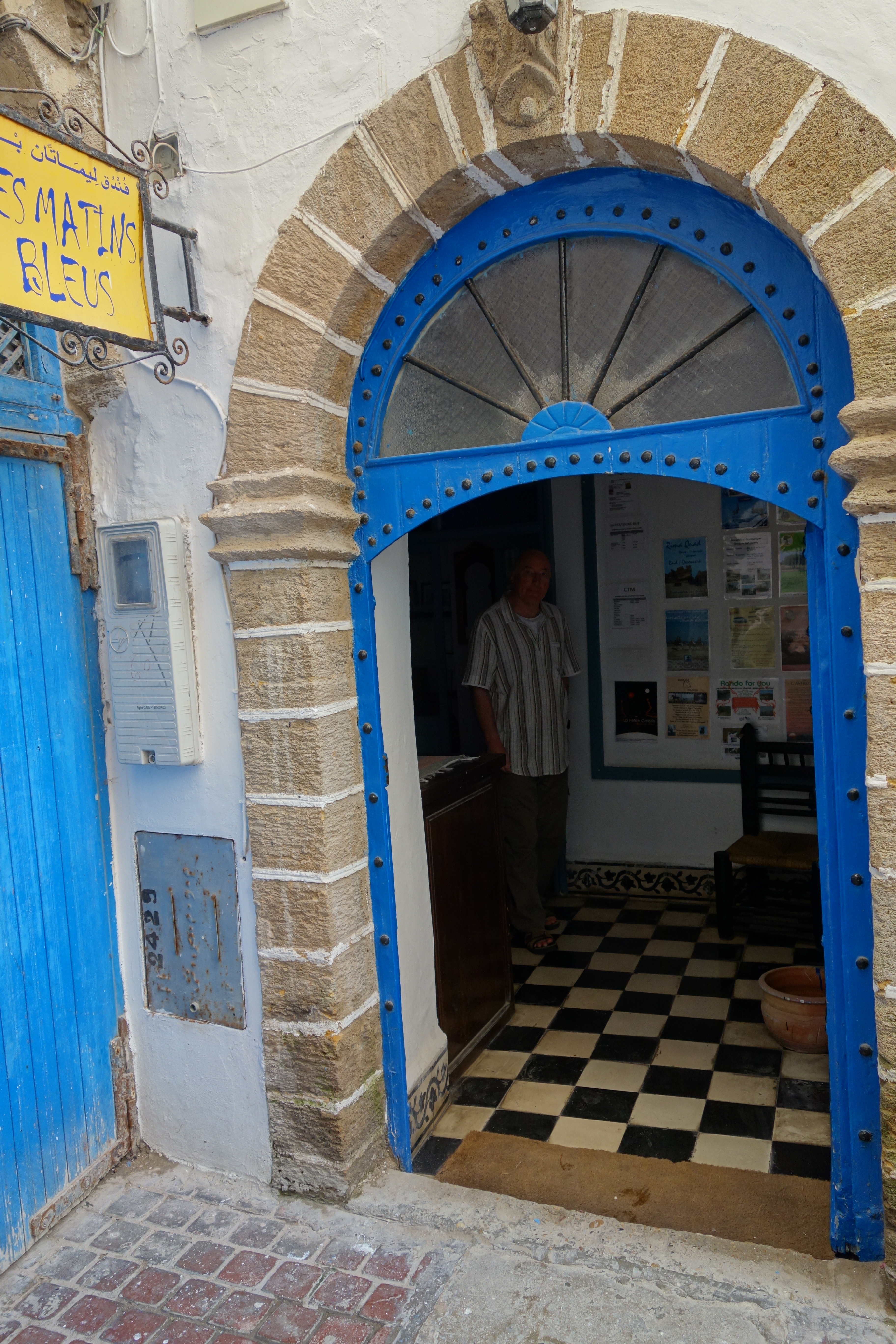
Goodbye, Les Matins Bleus!

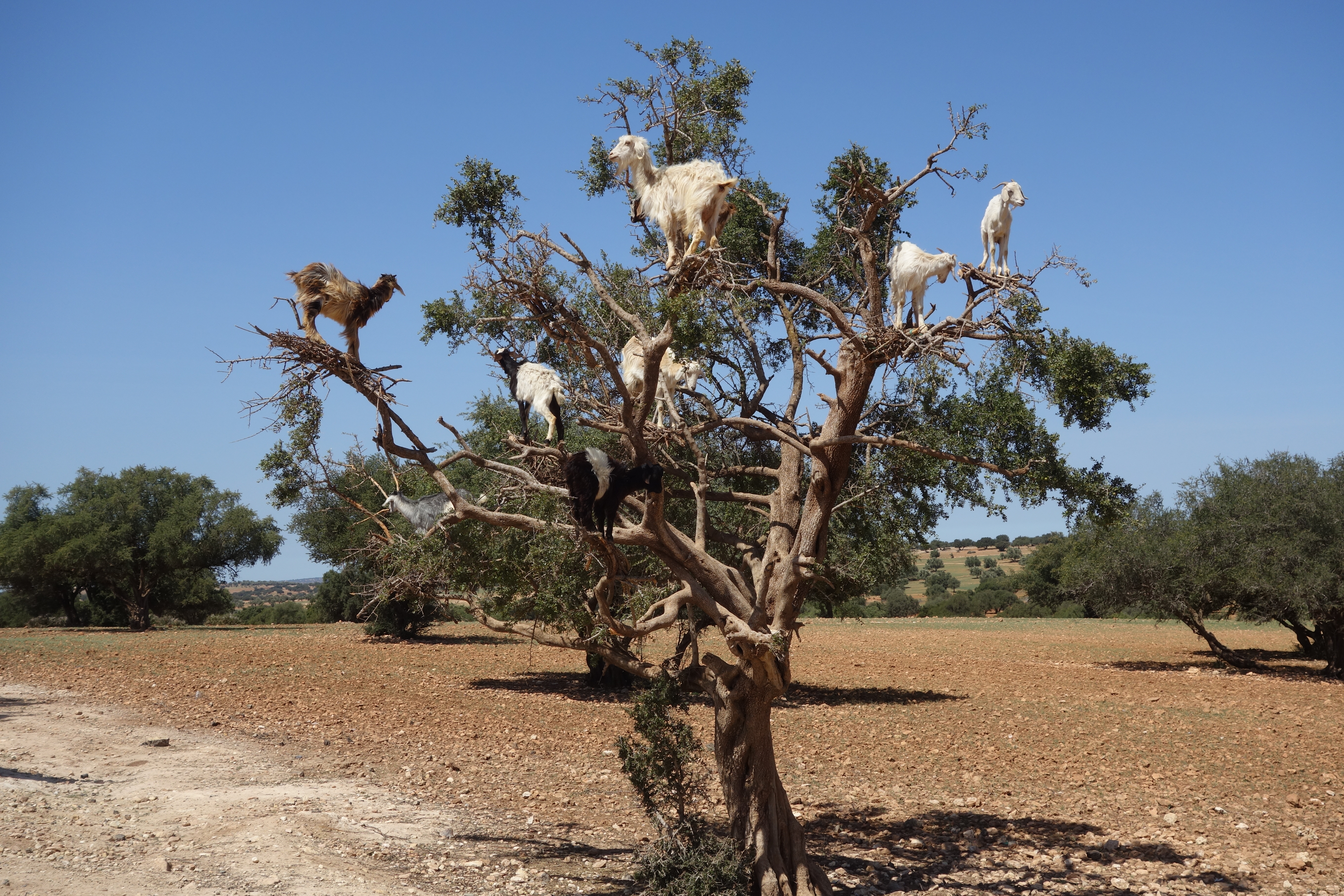
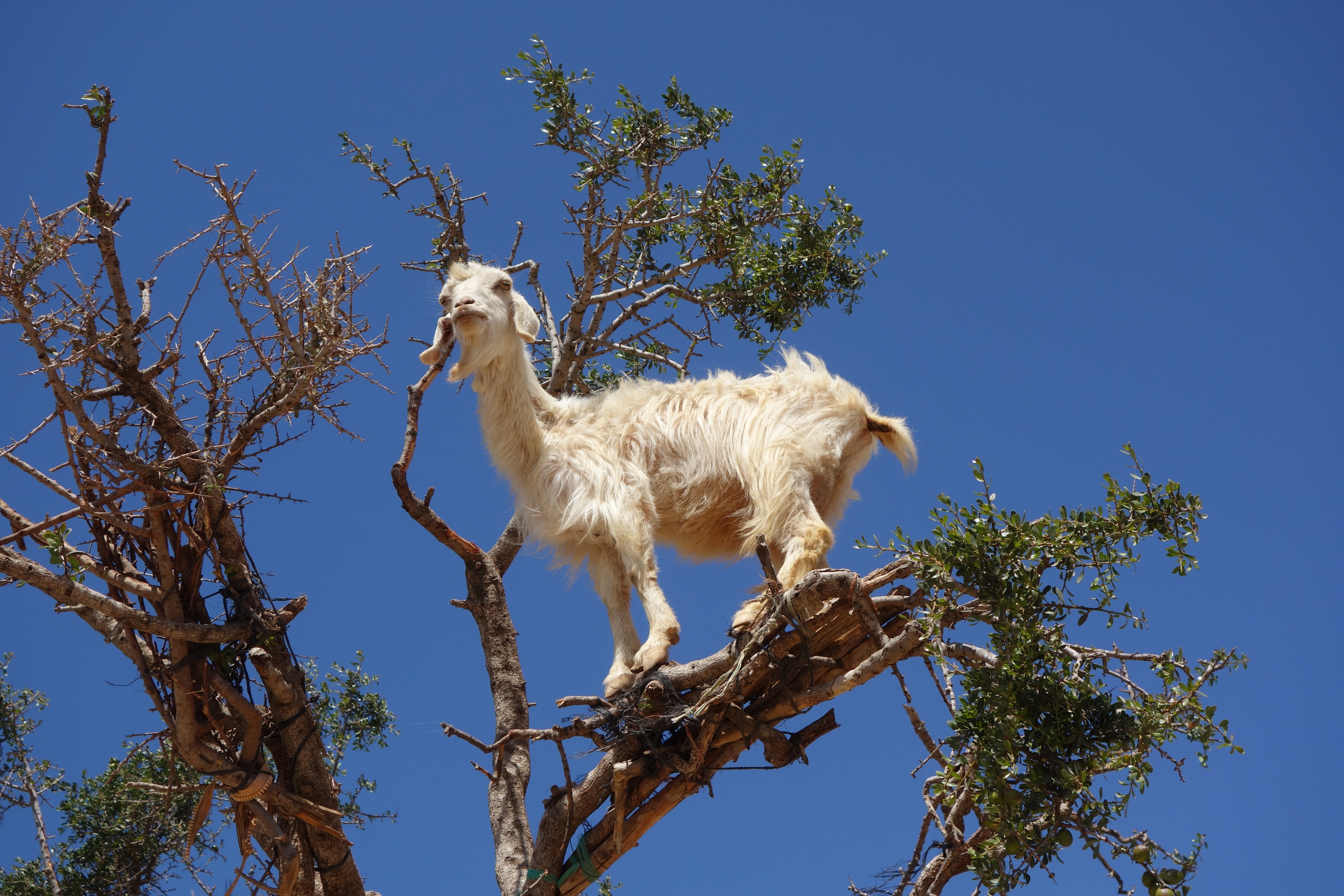
The two cars started out well, with Anita in the lead.  She is a crackerjack driver and never forgets there is someone trying to follow her.  We pulled over when we saw these goats in a tree.  goats in  atree along the highwayApparently goats like to nibble on the foliage of the argan tree, which thrives in drought conditions and produces the argan oil that’s for sale everywhere.  The others had visited an argan oil forest the day before where they saw goats in trees, but we had missed it.  Lots of photos later, DSC02306and many entreaties to hold the baby goats, and of course we dispensed some dirhams to the goat herders who obviously station themselves here just for the tourists.  But we know from the others that it is a real phenomenon, so there you are.

Our next two stops were for a quick lunch (chicken brochettes and ice cream at a roadside cafe) and for fuel (oilgas means diesel, it turns out).  Then the real fun began.

As we got closer to Marrakesh, the traffic got crazier.  All kinds of wheeled vehicles compete for space, and the pedestrians do their best not to get run over.  Elizabeth was trying to stay right on Anita’s bumper because if she didn’t a taxi would nose its way between us.  Lots of sudden stops and near misses caused me to either close my eyes or avert my gaze, since my gasps and shrieks would not help the situation any.  The worst moment came when Phyl knew that Marge was leading the Anita car in the wrong direction and jumped out to tell her so, almost getting knocked down by a motorbike in the process.  Scary!

We finally, after a few wrong turns, found our way to the parking lot close to the medina.  Here five of us were to hire a man with a cart to take the luggage to our riad.  That part worked well.  The riad is elegant and serene.  We filled out our paperwork, explained that instead of eight women we were indeed seven women and a man but that he was famille, so that was all right.  And then we waited.  And waited.  And waited, getting more worried all the time.

It was about 2 hours after we arrived that the bell rang and the three of them limped in.  I will leave it to a better pen than mine to tell the tale, but in outline, they got lost, Marge hopped in a taxi that could lead the way for the two cars, Anita got separated from the taxi and from Phyl’s car and had no phone, and no address for the car rental place or our riad.  She determined where the other two would have to drive in order to retrace their steps and stood there for an hour and twenty minutes before they drove by and spotted her with great joy.

The ministry of tourism and the police came to Anita’s aid before it was all done, but at last the three were reunited – in the middle of the street, as far as I can tell – and they got home at last.

After some short R&R time, we set out to the famous Jam El Ffna to see the sights:  snake charmers, scribes, musicians, and a strange musical act with a man wearing a rooster and a dove on his head.  We were fading fast so found a place for dinner – not easily – and made our way back home for the night.

Some birds but more flowers

Four of us set out this morning for a bit of birding along the Oued Ksob (Ksob River) before setting out for Marrakesh.  We stopped for a coffee first – there is no such thing as a latte to go, of course!  We ordered cafe noir which I will now remember means espresso.  Yum!!

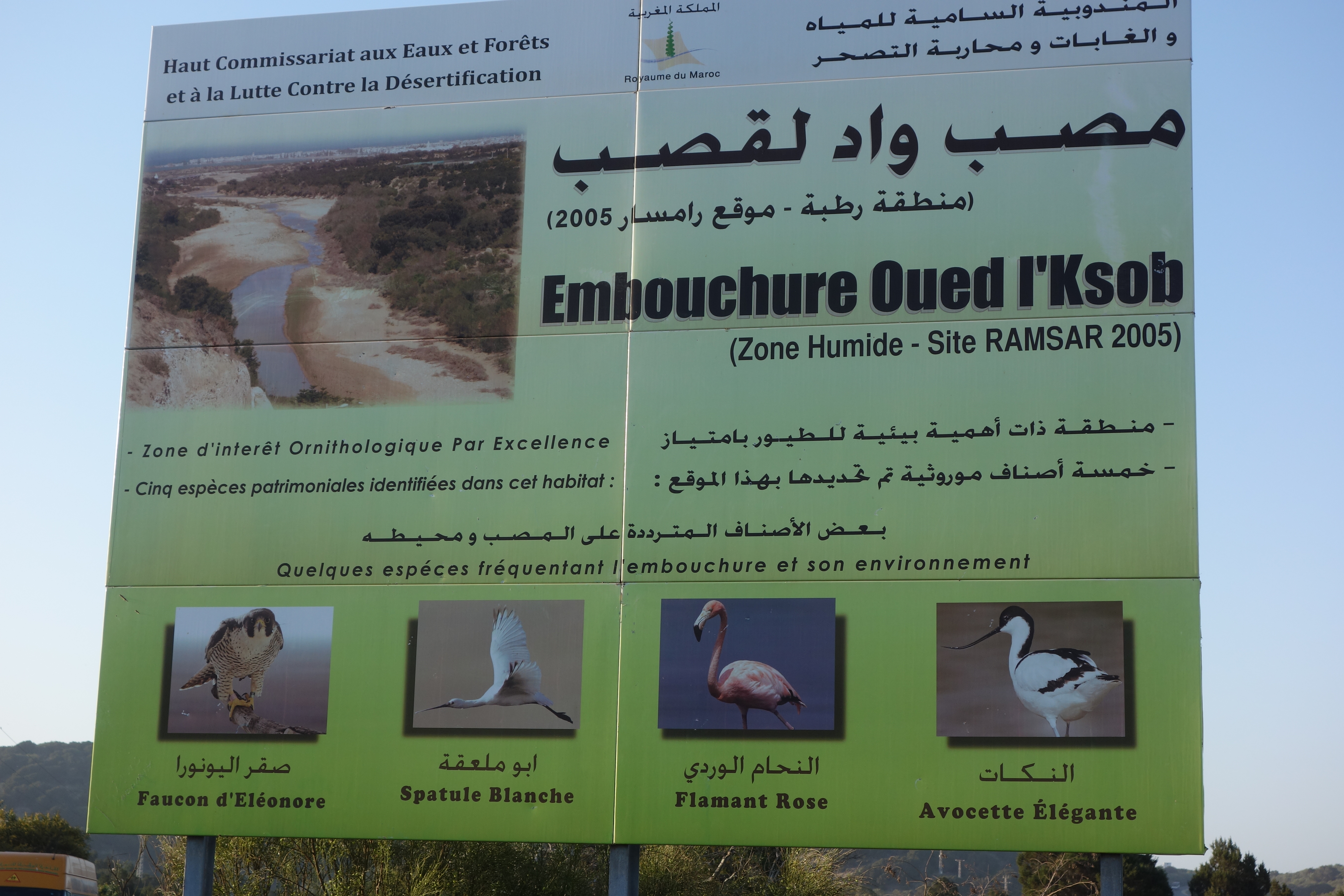
As you can see from this sign, great things were promised at our birding site.  Birding spot (tho we saw none of these)

Of course, just getting out is always good, so no matter that none of the above were in evidence.  Instead, we saw the common bulbul (very chatty), a grey heron in the river, and Moussier’s redstart and a few others.  Nothing extraordinary but all life birds for me.

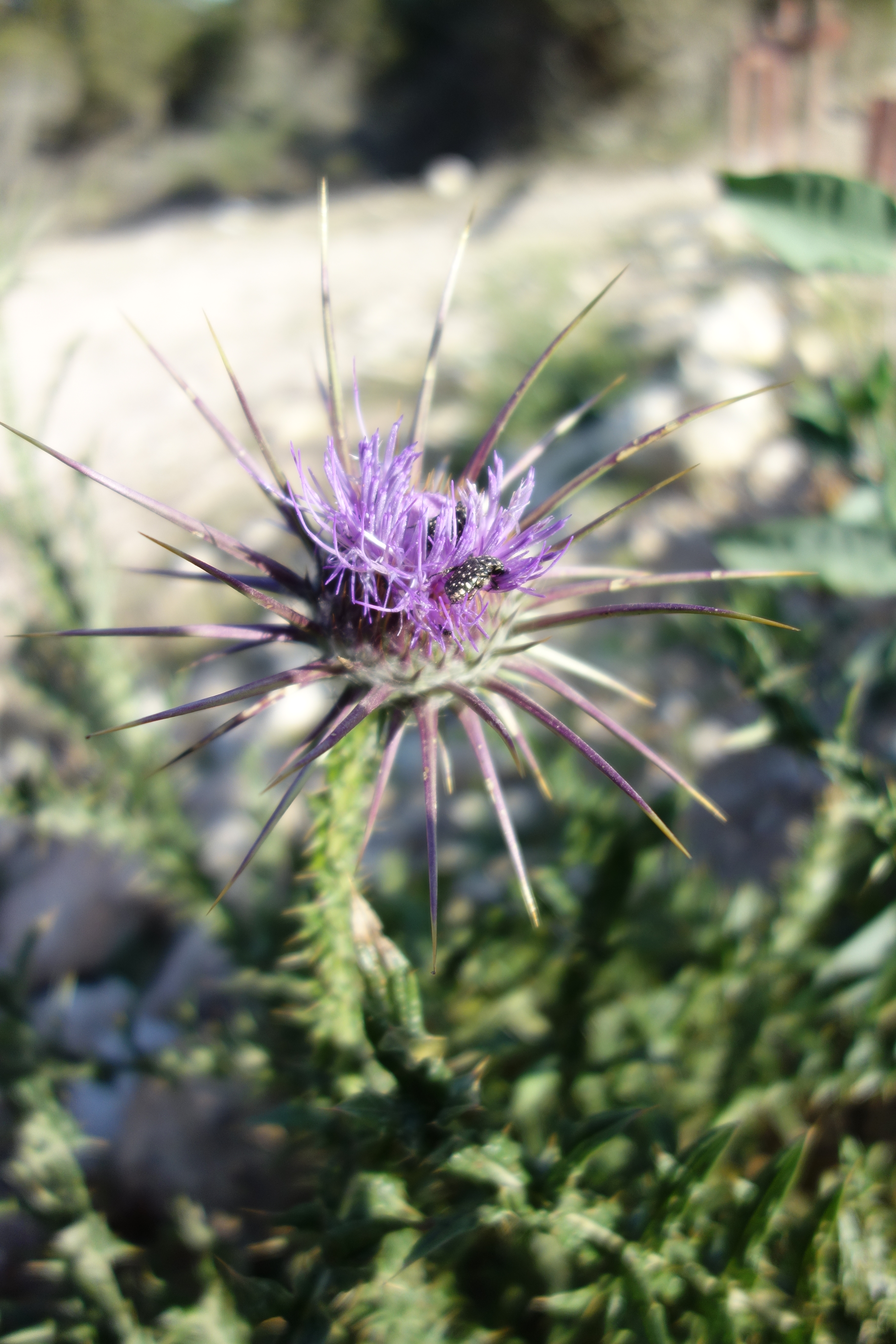
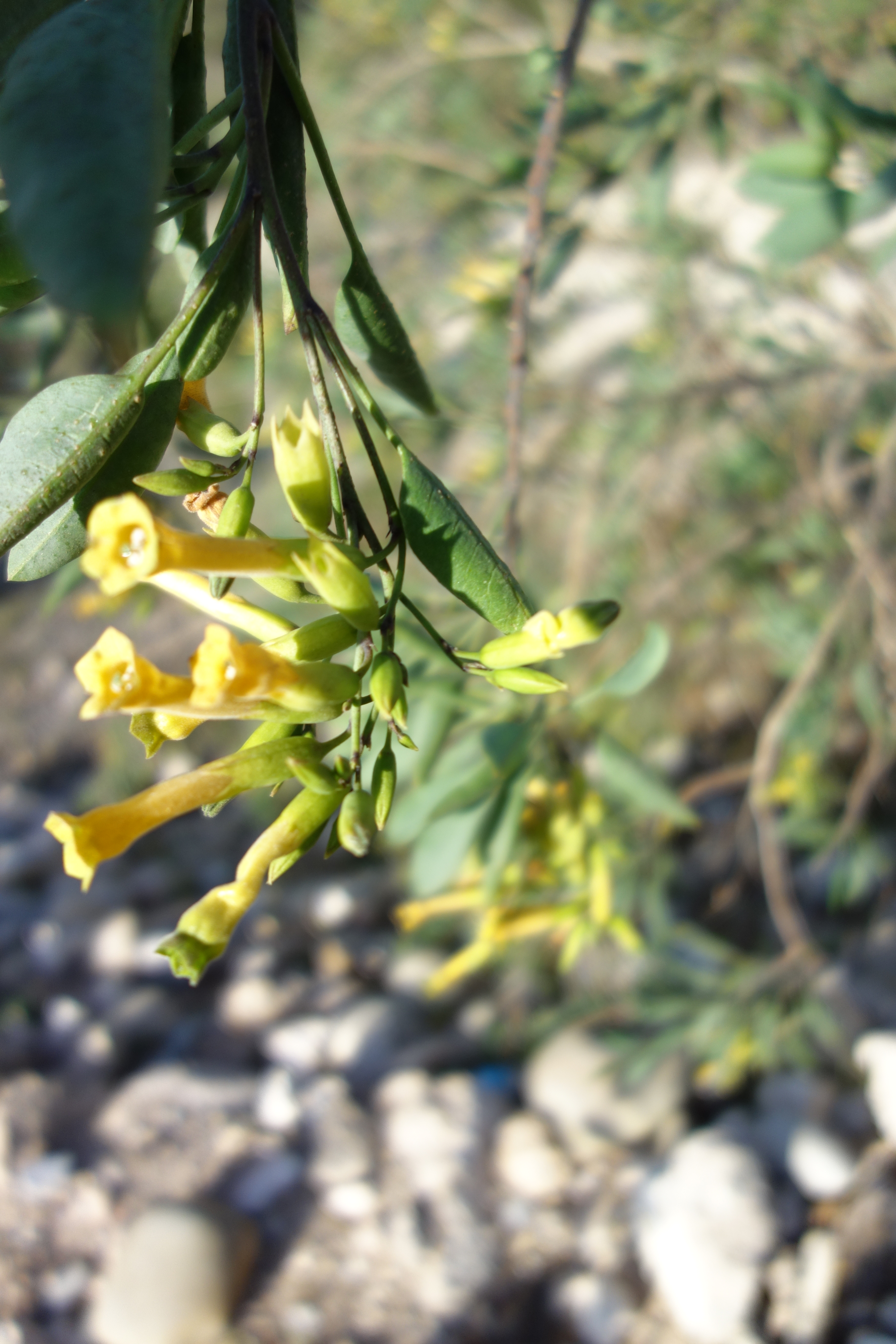
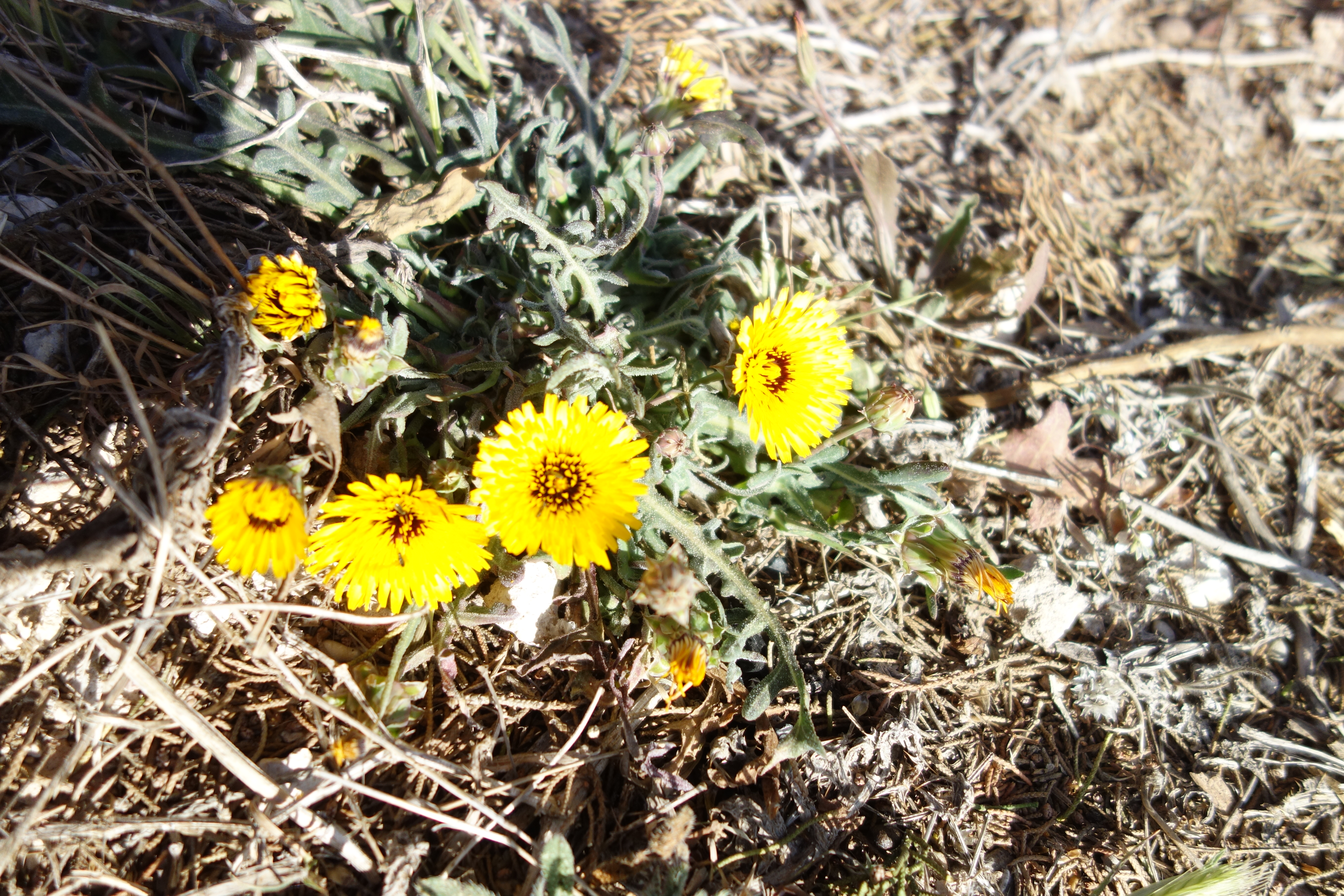
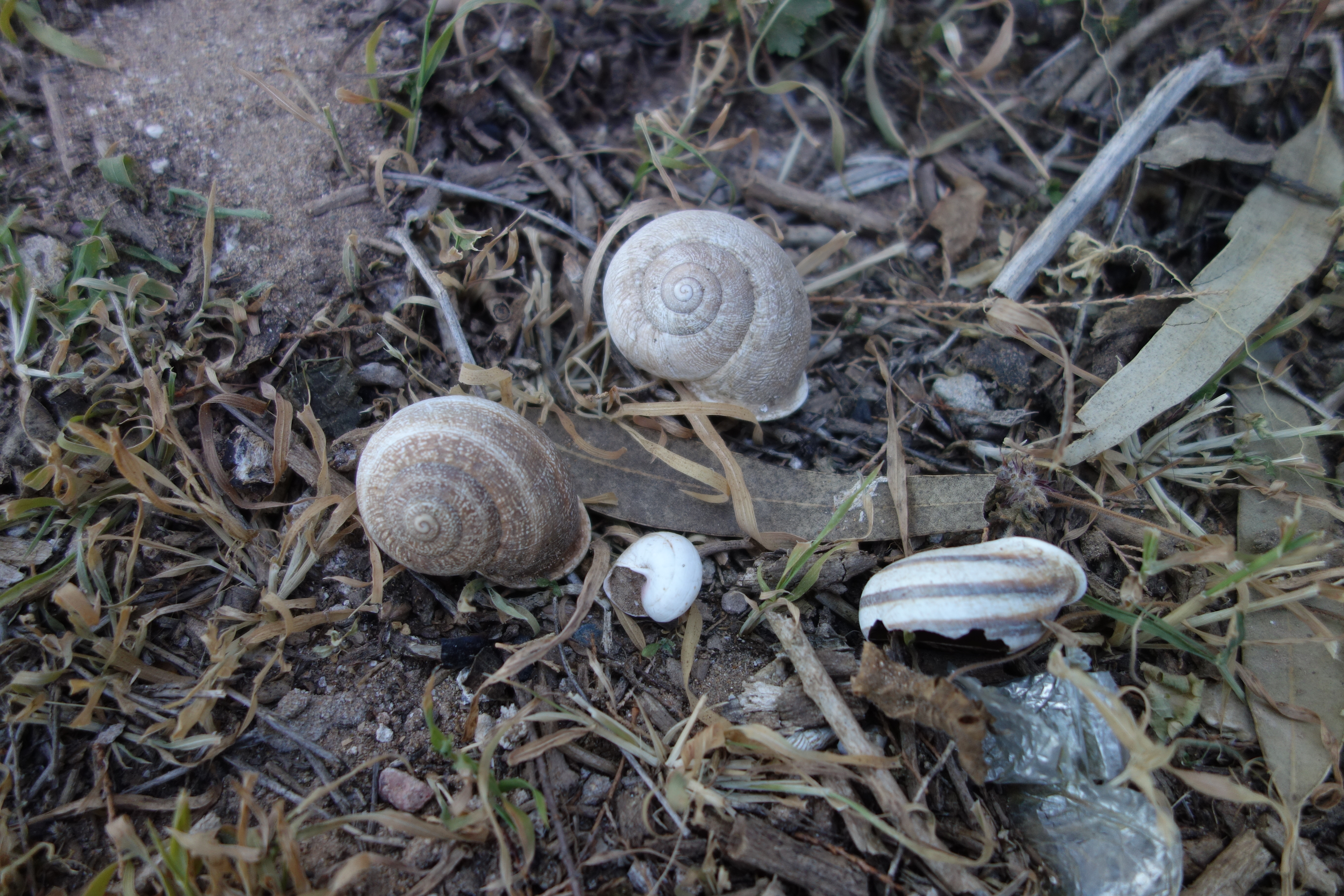
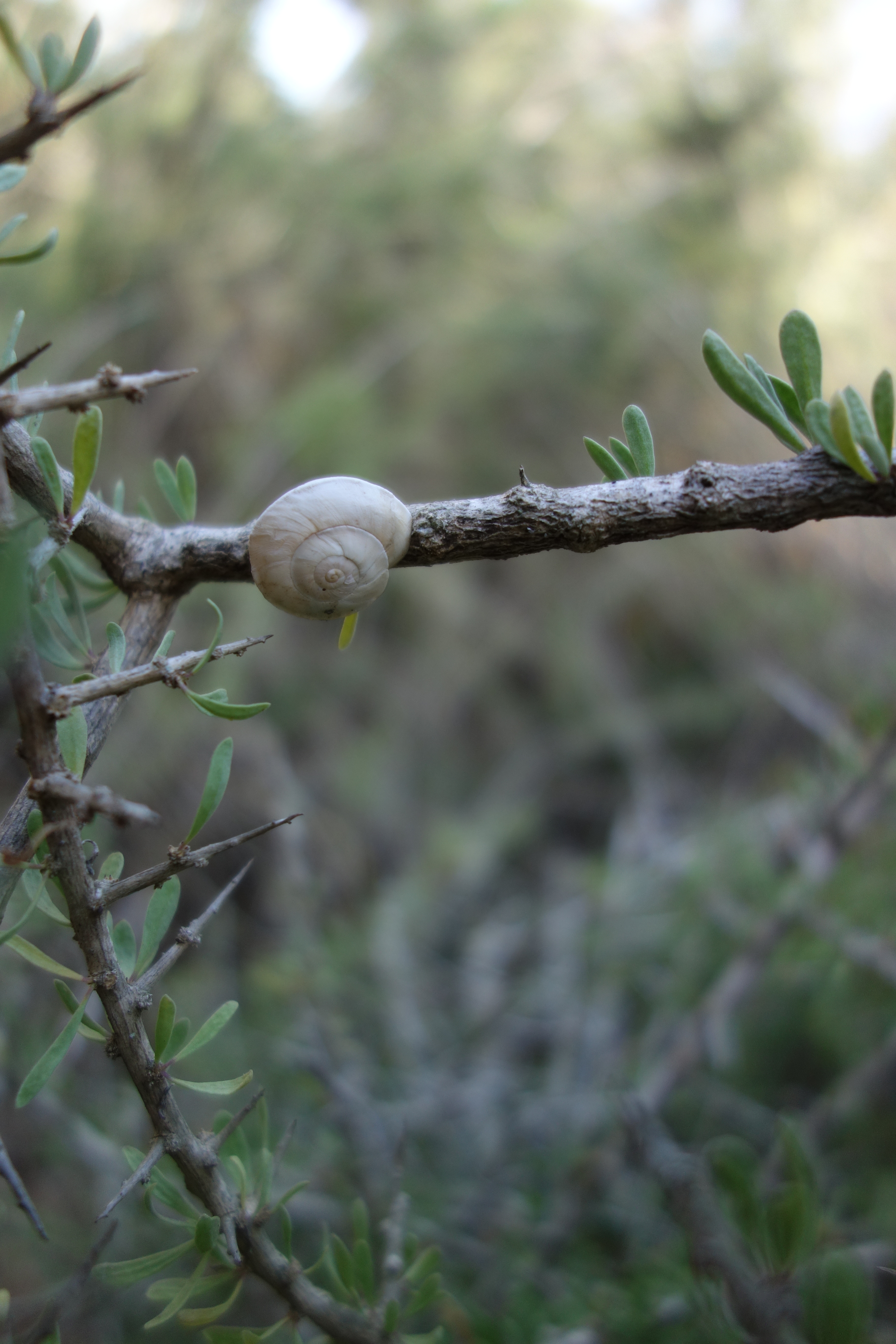
Walking back from the high banks of the river, Oued Kosbour eyes were caught by wildflowers.  Thistle, obviously, thistleand then this yellow hummingbird flower, DSC02292something that might be Gerbera daisies, DSC02293and some pretty purple flowers.  On one shrub I saw what I thought was a calcified flower of some sort.  Not!  It was a land snail.  The first picture shows empty shells on the ground, the second a snail still attached to a stem.

tree snails on the ground tree snail on a treeWe came home well pleased with our early morning venture.

Closing up shop

Maybe you have to rush off to prayers, or make a phone call, or perhaps answer a call of nature.  For whatever reason, if you have to leave your shop in the medina, just put a stick across the entrance. Apparently everyone knows what that means. And perhaps the other shopkeepers look out for you.put a stick across the entrance if you are closed

The Mellah

The Jewish quarter, the Mellah, is a bit of a mystery.  Morocco became home to Jews and Moors after the Spanish kicked them out in 1492, and there was apparently a thriving community of Jews here who got on well with their Muslim neighbors.  Marge told us that the tradition was, when the Muslims went on pilgrimage to Mecca, that the Jews kept their fires burning.

But after the war, apparently due to Aliyah (the necessity to return to Israel), thousands of Jews left Essaouira.  The Jewish quarter is now mostly in  ruins.  Neither Ed nor I could understand why no one else moved in and no one has been able to explain it to us.

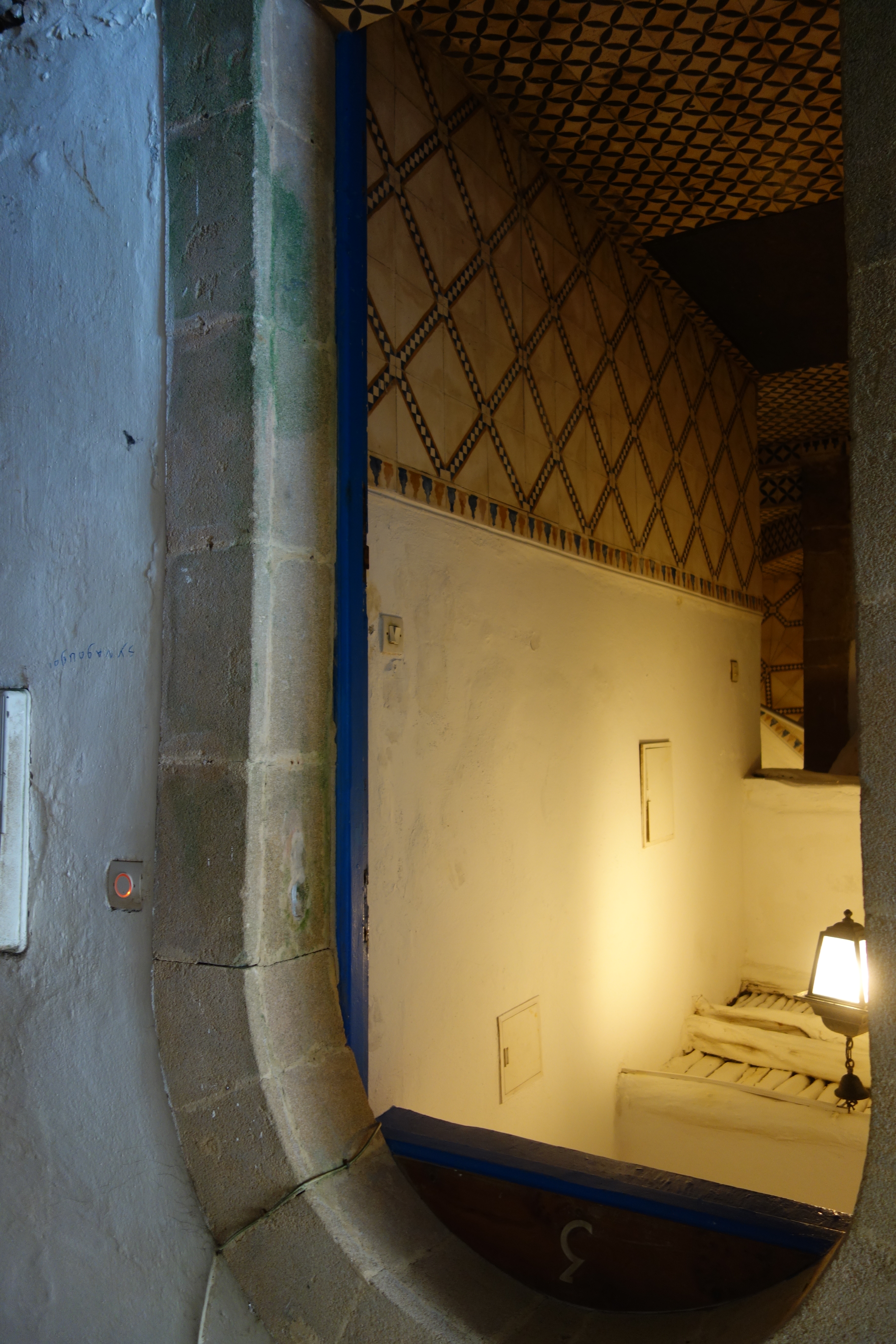
There are a few buildings left, though.  In one doorway was a sign for the synagogue with a phone number to call for entrance.
 We walked in anyway and saw a modest little door with a hand-scribbled sign for the synagogue.The unassuming entrance  You are just going to have to turn sideways to view this one, I have lost patience, sorry.

We walked down the tiled hallway and encountered a man who led the tour.

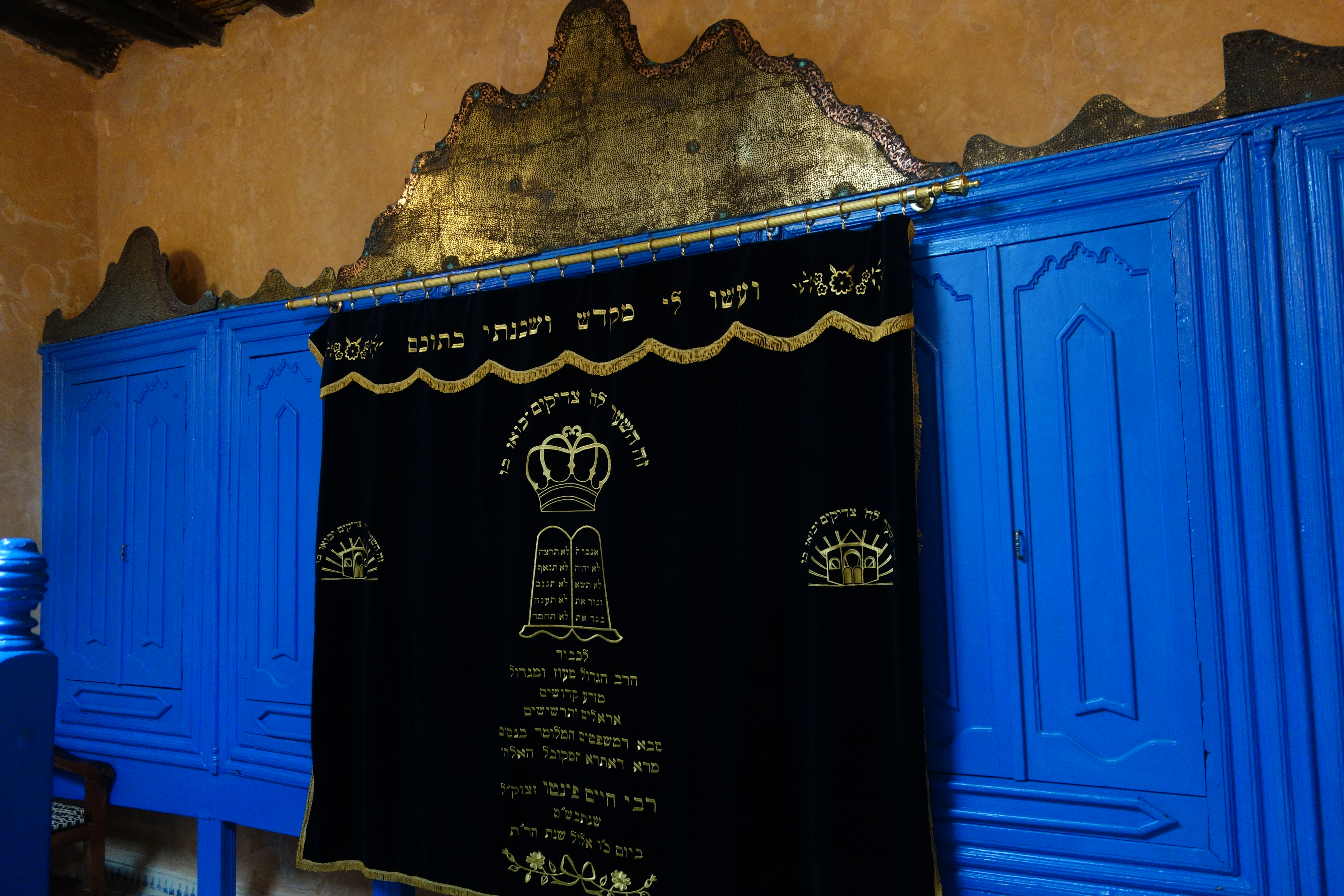
The rabbi and his family lived on the ground floor and upstairs was the synagogue.  We marveled at the Torah ark DSC02264and looked around at the gorgeous blue colors.  Beyond that space was a room for the women.  I guess they could hear the service but not sure they could actually see very much.Looking into the women's section of the temple

A couple from Israel came in and the man said he had been born here but left as a child in ’62 for Israel. He claimed that the whole city had been Jewish, but that must have been family legend.  We went back outside and walked along the gritty path through the ruins and back to the buildings and shops.

From the medina to the docks

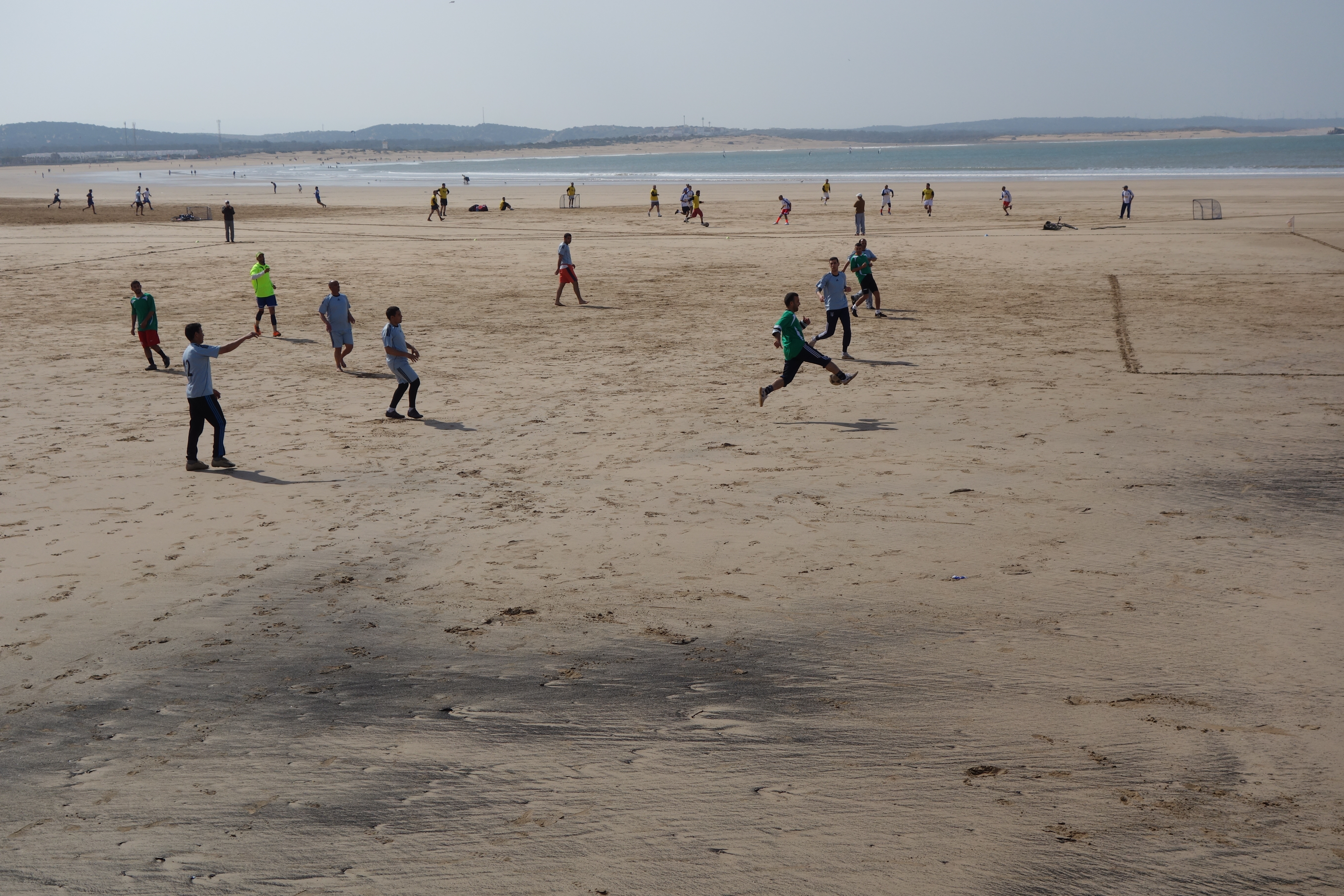
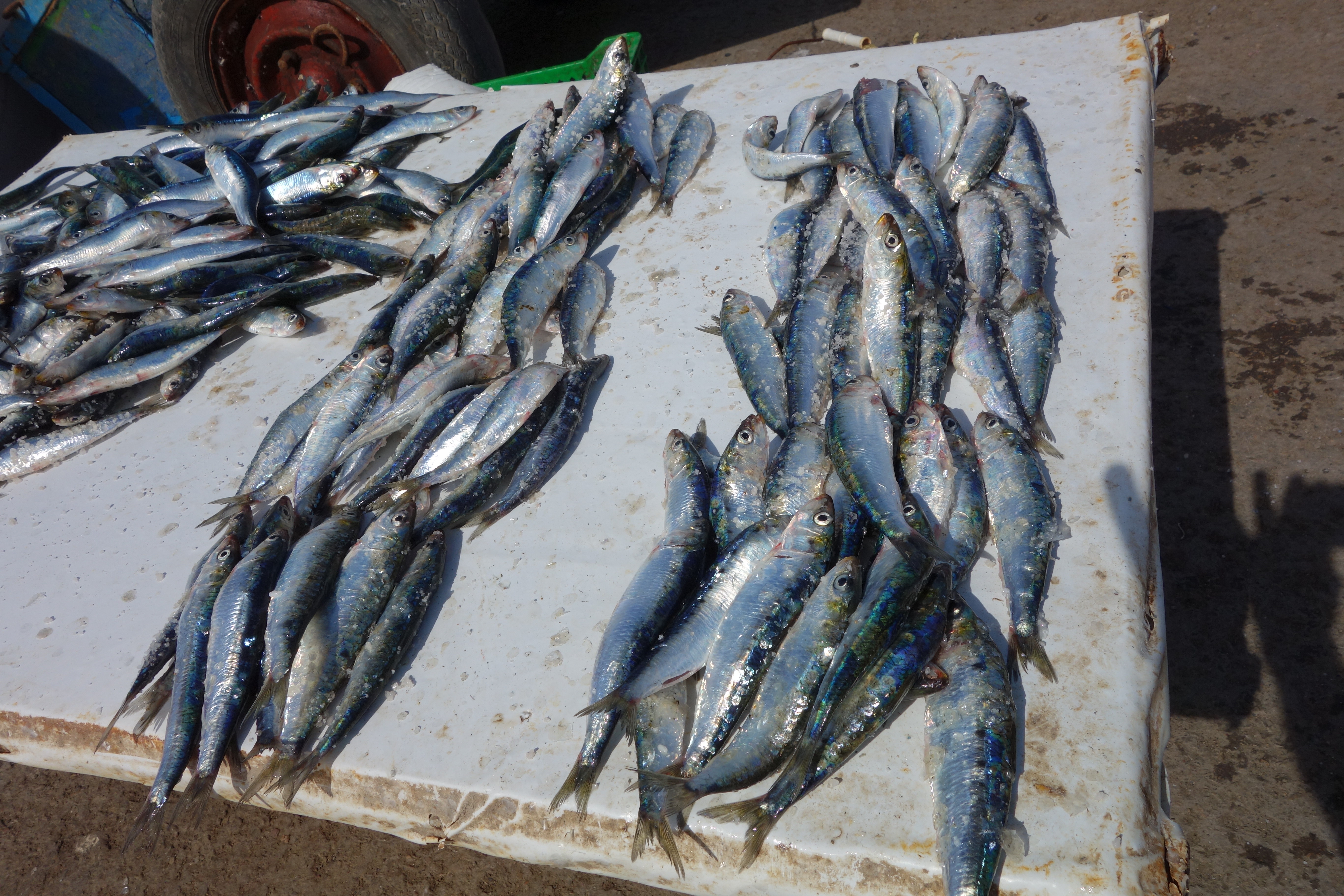
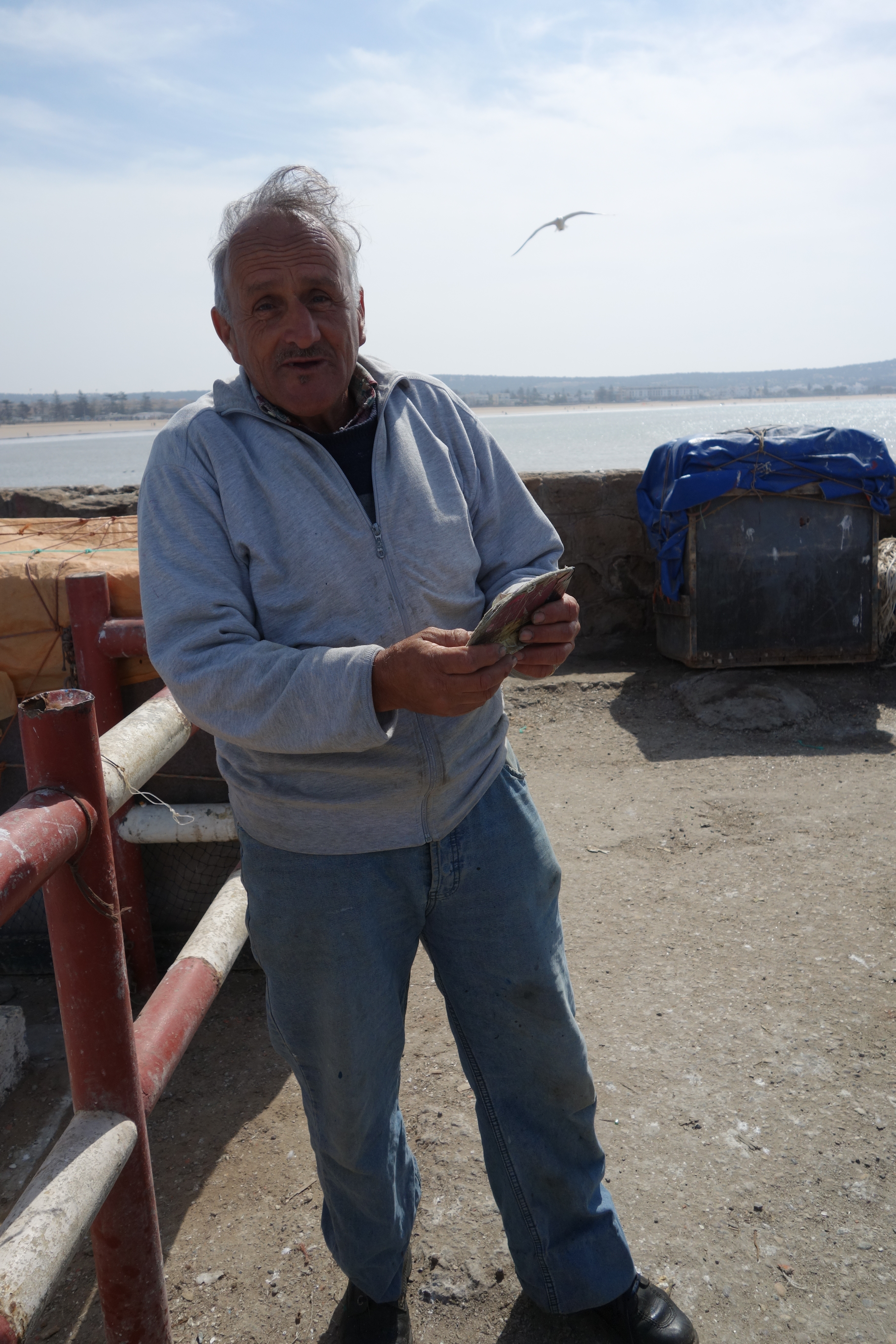
After breakfast we made our way through the alleyways of the medinaDSC02182 along the beach where kids were playing soccer (they mark the lines with a stick in the sand), DSC02186and on to the docks where sardines and other fish were for sale.  DSC02187We were scooped up by a weathered man who explained all about the fishing to us.  Le Capitaine Akbar was very engaging and obviously knew how to reel in the tourists, but we were happy to be reeled.  He explained how they went out at dawn with nets to catch sardine and how they had to go out for two days to get sharks.  He had a weathered notebook with colored pencil drawings of these activities which he used to illustrate his talk.DSC02189 At the end he good-naturedly asked for a tip, which we all scrambled to find and hand over.

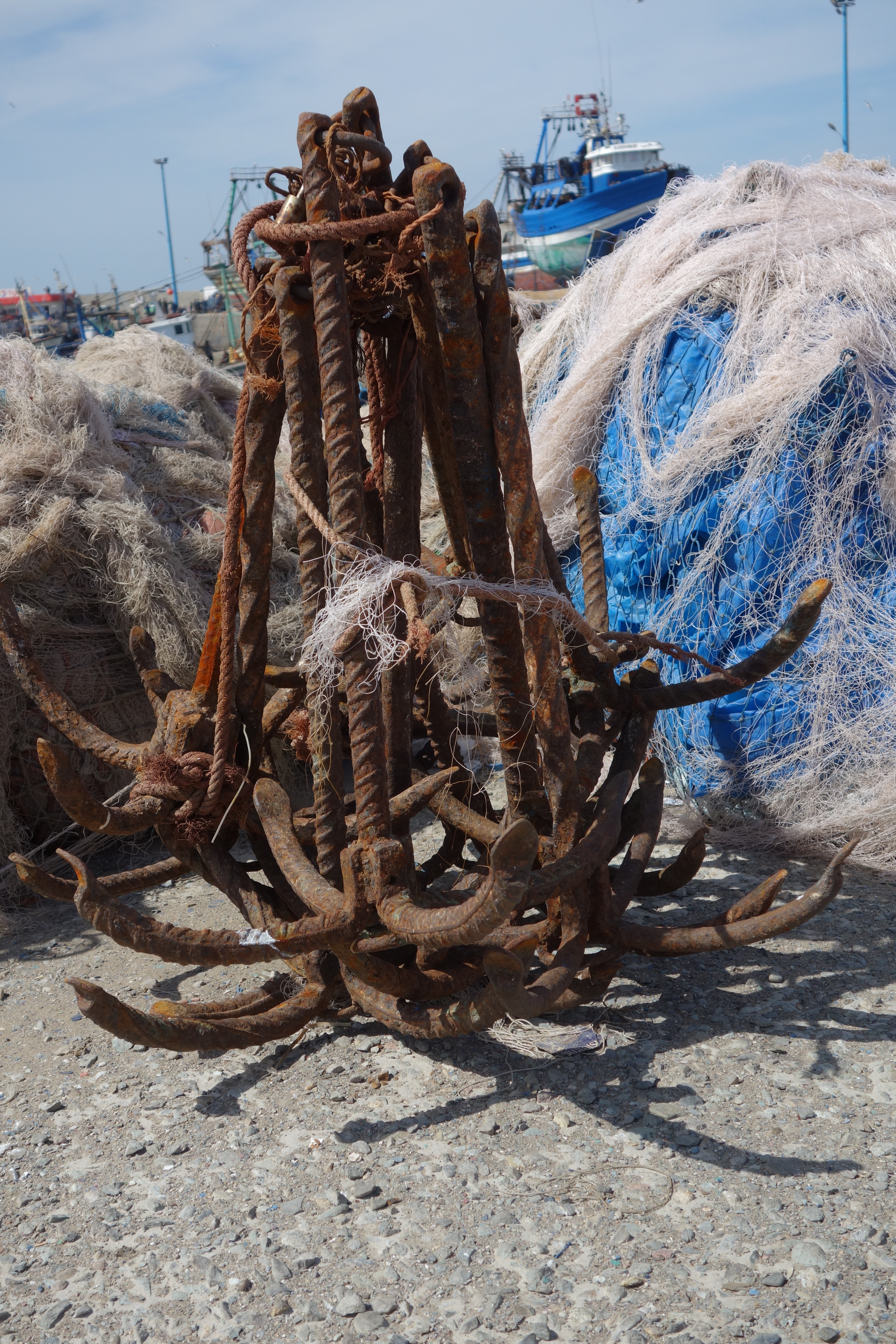
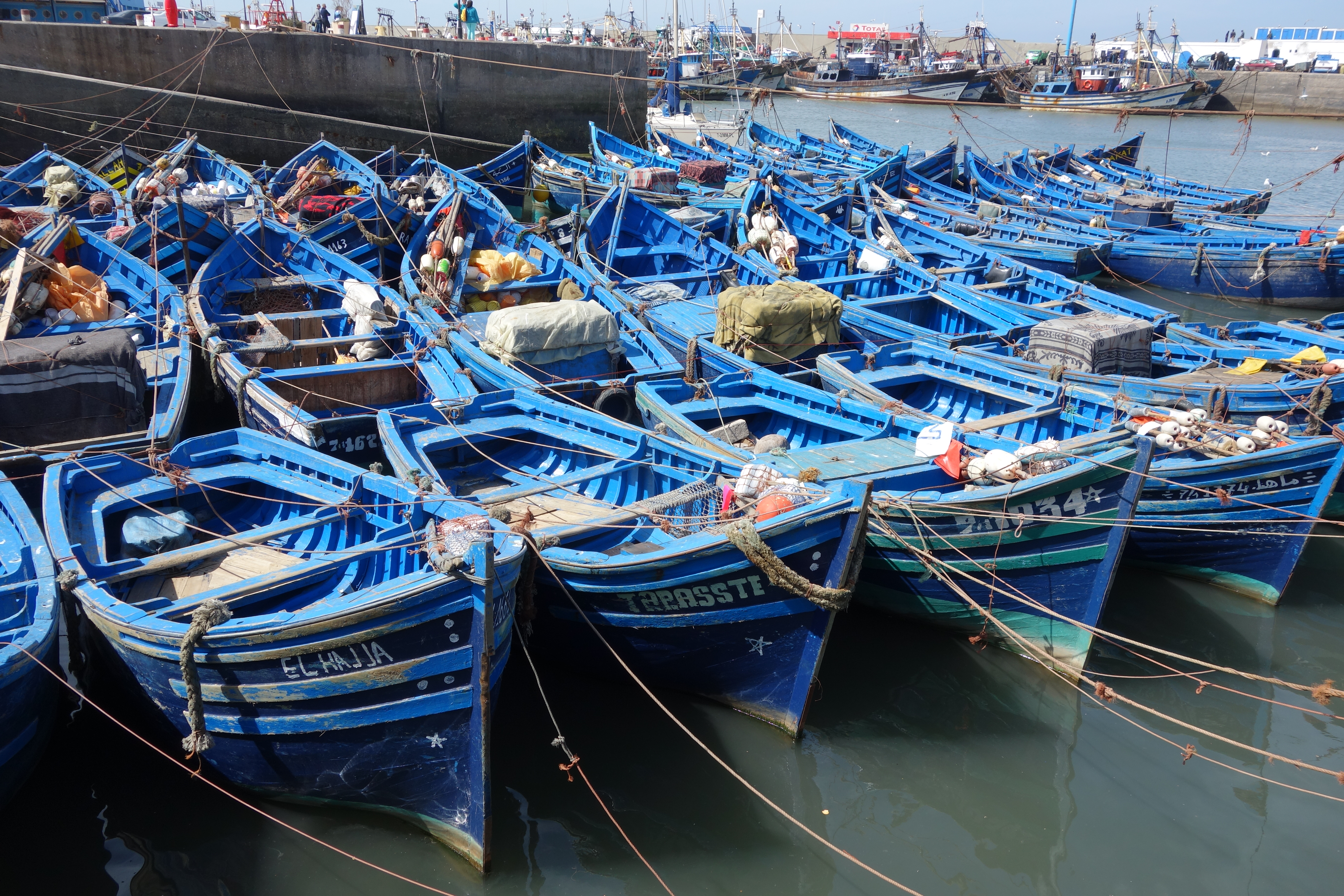
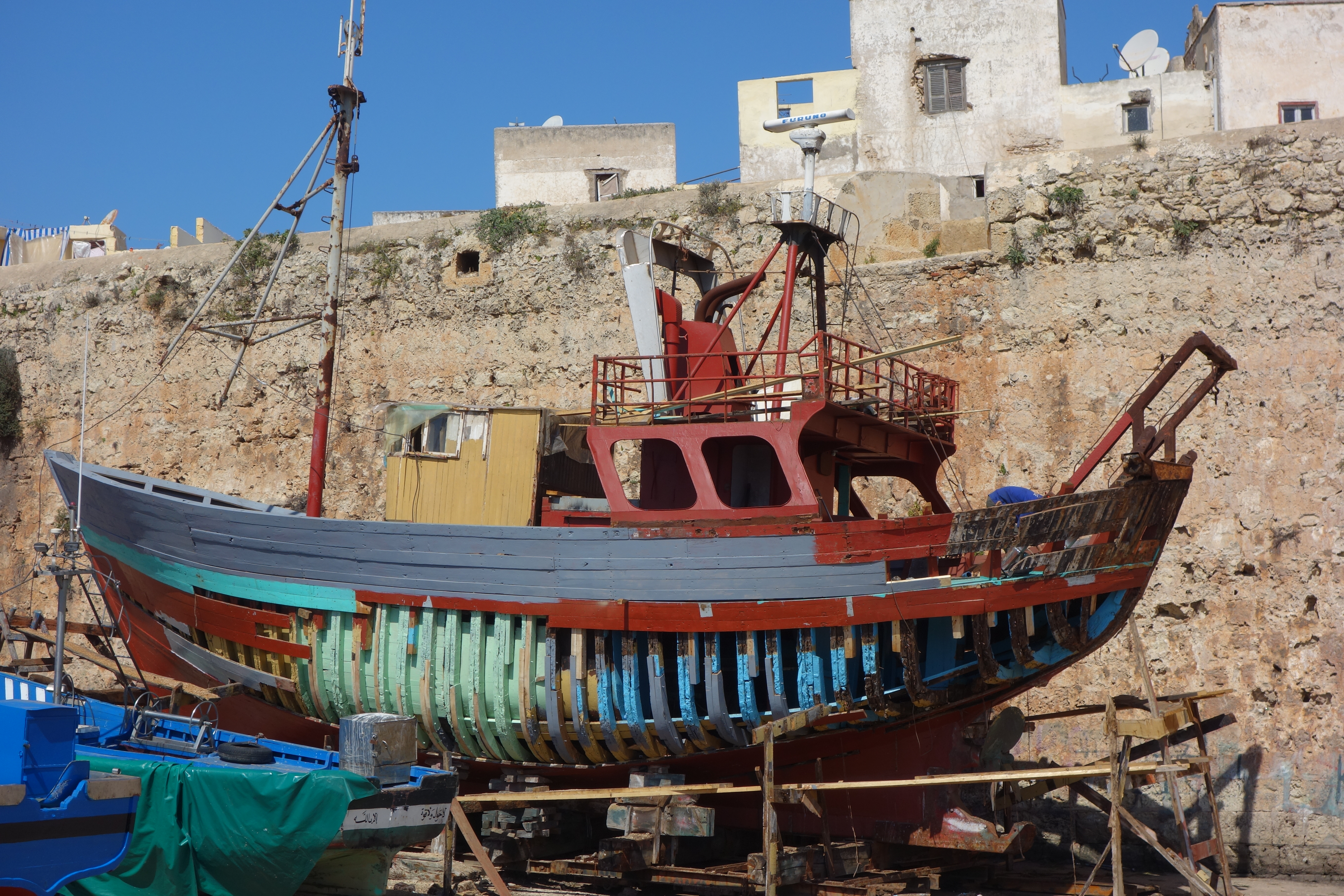
The docks are so colorful they are almost a cliche, except for the fact that they are working docks with men building and repairing boats, unloading fish, and displaying them for sale.  And, of course, entertaining the tourists…DSC02193 DSC02192

Les Matins Bleu

DSC02180Our riad (guesthouse) is in the medina, the old walled city.  After we parked the car, we engaged a man with a two-wheeled cart to carry our luggage to the riad.  It cost 40 dirhams (the local currency, less than $2) and was well worth it, partly because the medina consists of small alleys and we might never have found our way otherwise.

After our long day, we roused ourselves enough to find our rooms at this beautiful place and roll down the street to a very nice dinner at this restaurant.  DSC02175We had various kinds of tagine – lamb, chicken, fish – and if I had been more awake I would have liked it even more.

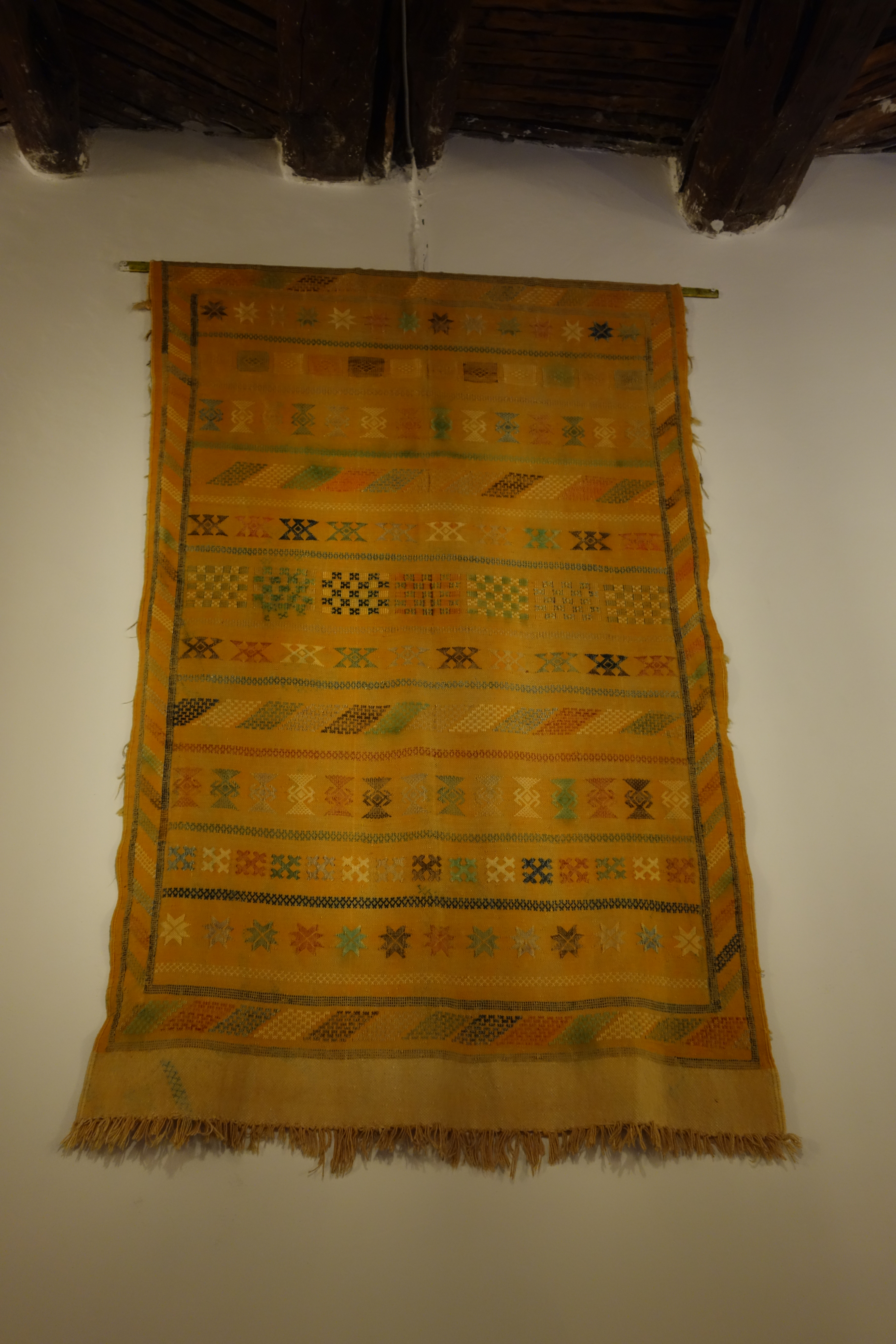
The next morning we came down for breakfast in a nice room right by the reception desk.  The riad dates from the 17th century and was turned into a guesthouse only twelve years ago.  It has a central courtyard (though no fountain) and is most attractive.  This rug on the wall faced me at breakfast and may yet inspire a quilt.DSC02176


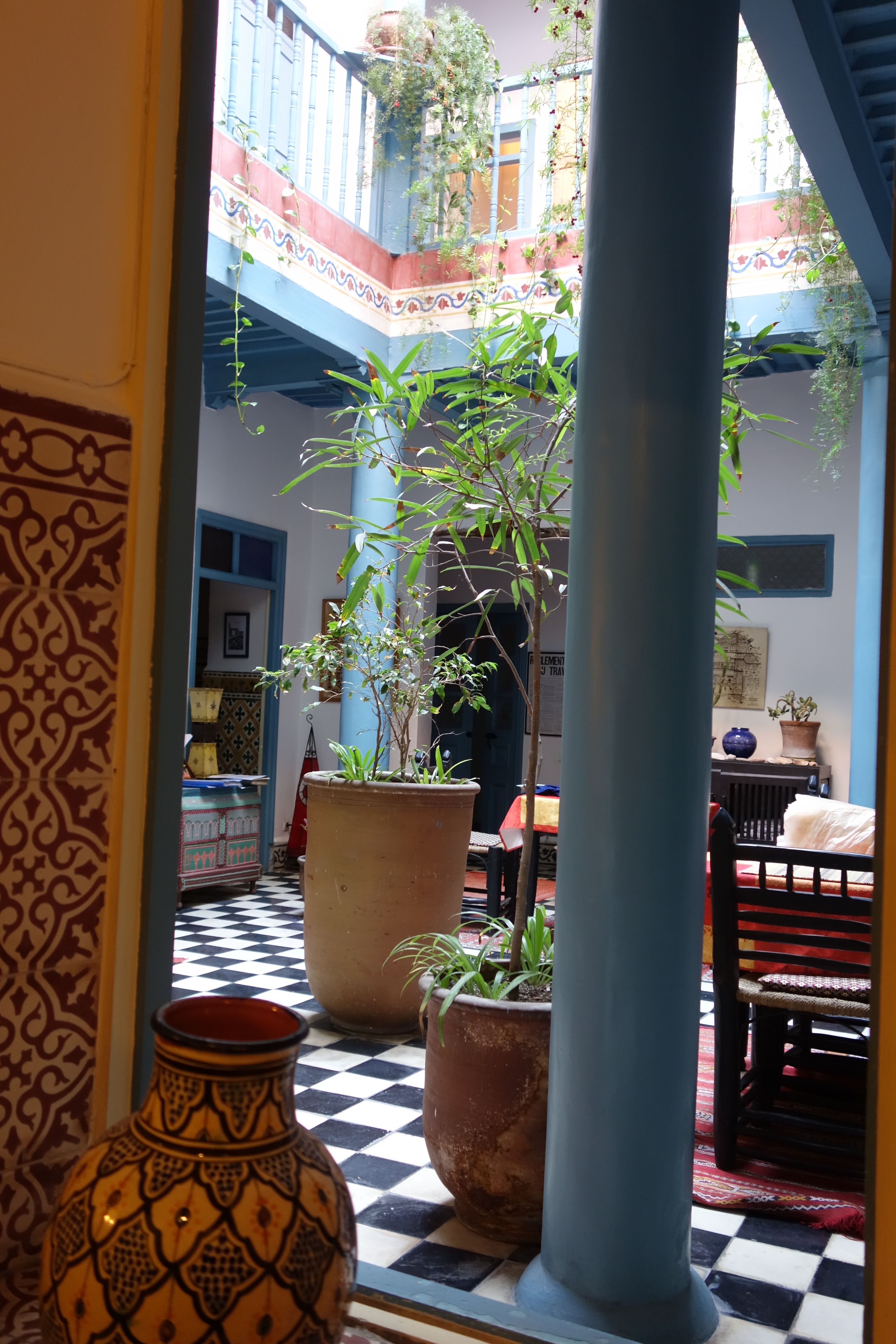
The courtyard is set with dining tables and beyond are sofas and low tables where you can have dinner if you like.  Here’s a shot of the courtyardDSC02179

and here’s a shot of the dining room ceiling, very old.DSC02178

A hard coming they had of it

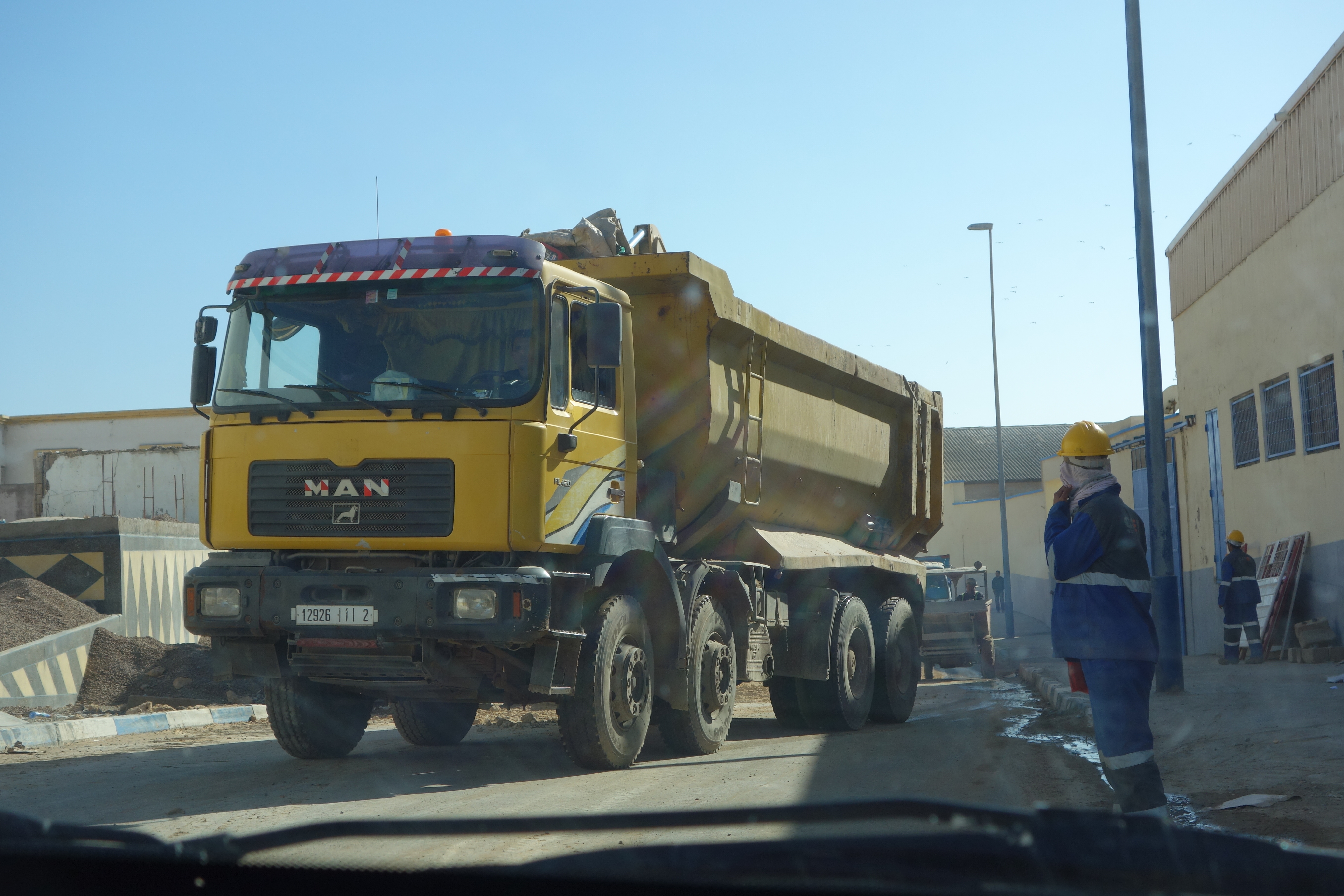
How could I have forgotten our many interesting twists and turns on the way to Essaouira?  Another nice man directed us out of Sali, an industrial town with a very confusing center, but I think we might have turned off on to a minor road by mistake.  Soon enough the following road crew confronted us.DSC02172 DSC02171


DSC02173


An enormous trench on one side waited to swallow us up, and we obviously couldn’t go forward.  But at last the gentils hommes curled around us and went down the road, and there was only this horse and cart to wait for.  Soon enough we were on our way.

Casablanca to Essaouira

DSC02134I left the house at quarter to seven, rush hour traffic to National, easy flight to JFK and transfer to the international terminal.  A sandwich lunch and then Biffy, Ed and Joseph (their chauffeur of the day) showed up to much hilarity and amazement – are we really doing this?

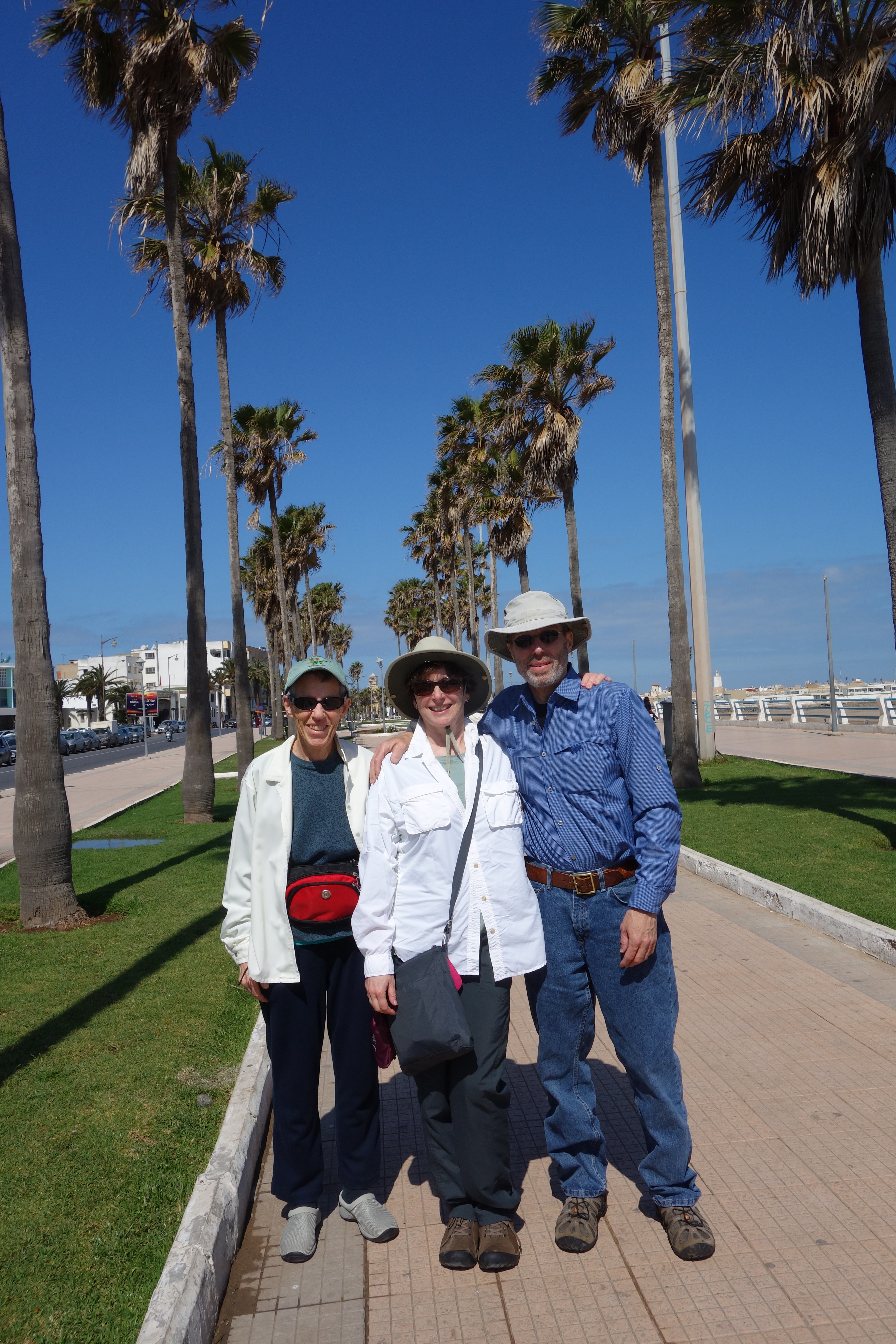
We met the others while queuing for boarding passes.  Phyllis, Biffy’s friend, and her sister Marge, the organizer of the trip, are the two who lived in Morocco as children and have visited often.  Susan is Marge’s college roommate, and Anita and Karen are old friends who traveled with Marge in her travel agent days and went on to become friends with Marge.  It looks like a congenial group, and just the right size for easy travel and conviviality.

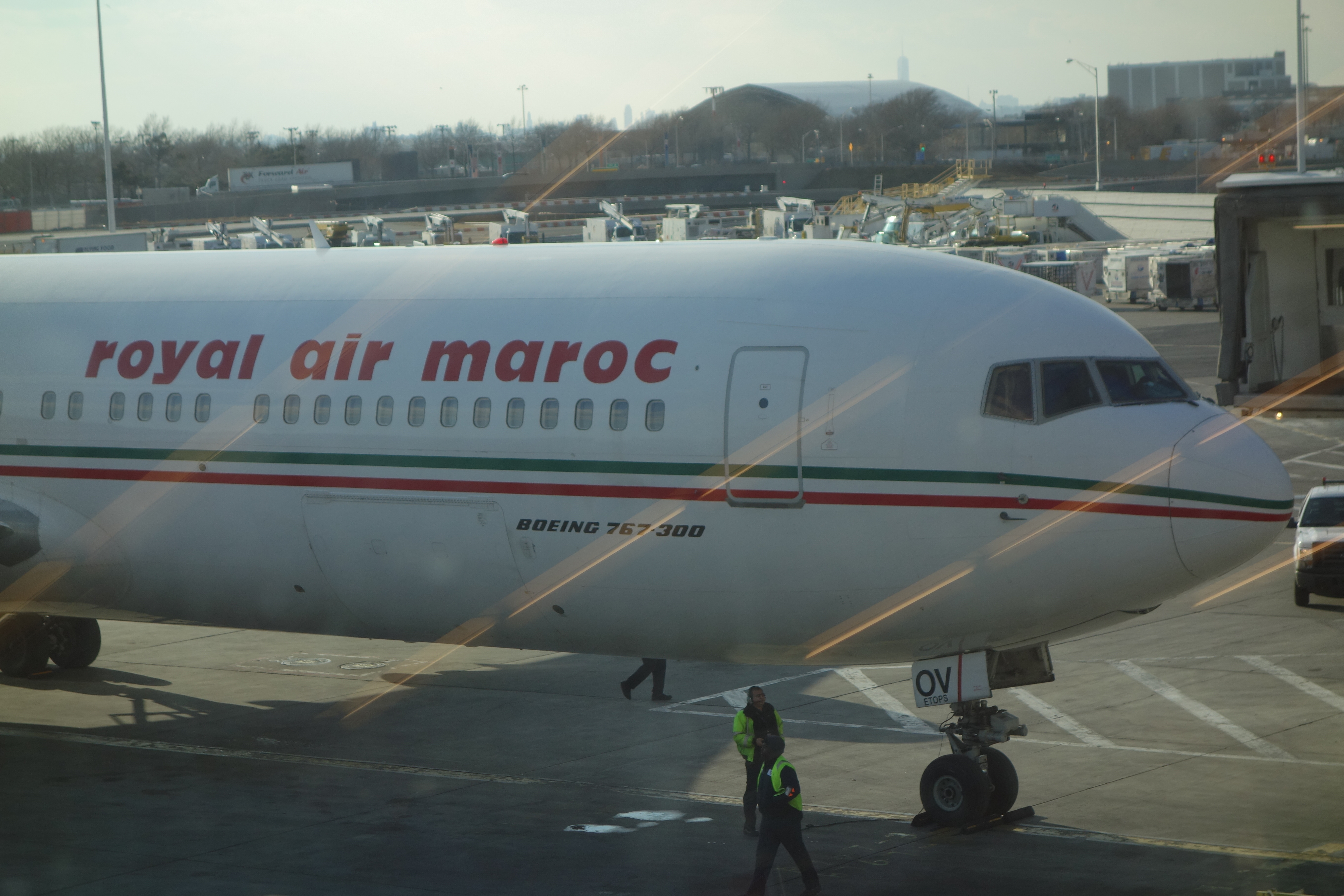
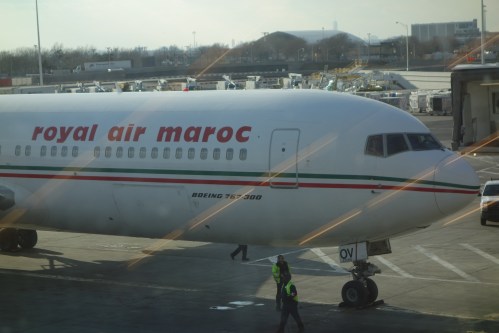
The security lines were long and tedious, but we got through and finally got on the plane close to 7:00.  A truly diverse set of passengers, many tourists but at least as many people returning home to Morocco and points nearby.  Unfortunately, a new version of the evil baby – this on screamed randomly, just enough to startle you awake – made for a rough night, not helped by the uncomfortable seats and extremely talkative neighbors.

But then we landed, to a cool, crisp dawn with palm trees on the horizon.  Picked up the luggage and the two cars (some time was taken up with these tasks),  and the first car hit the road.  Biffy is driving the Kangoo, an upright model with nice big windows for the tourists.  We made our way out of the airport and south from Casablanca to the coast.

The traffic was not too crazy, just a little, made more exciting by the often rough roads, with big potholes or worn tarmac or skimpy shoulders filled with ruts.  Add to this the occasional donkey cart, horse cart or motorcycle attached to an overflowing cart, random bicyclists and walkers, and the way is quite interesting.  At least they drive on the right!

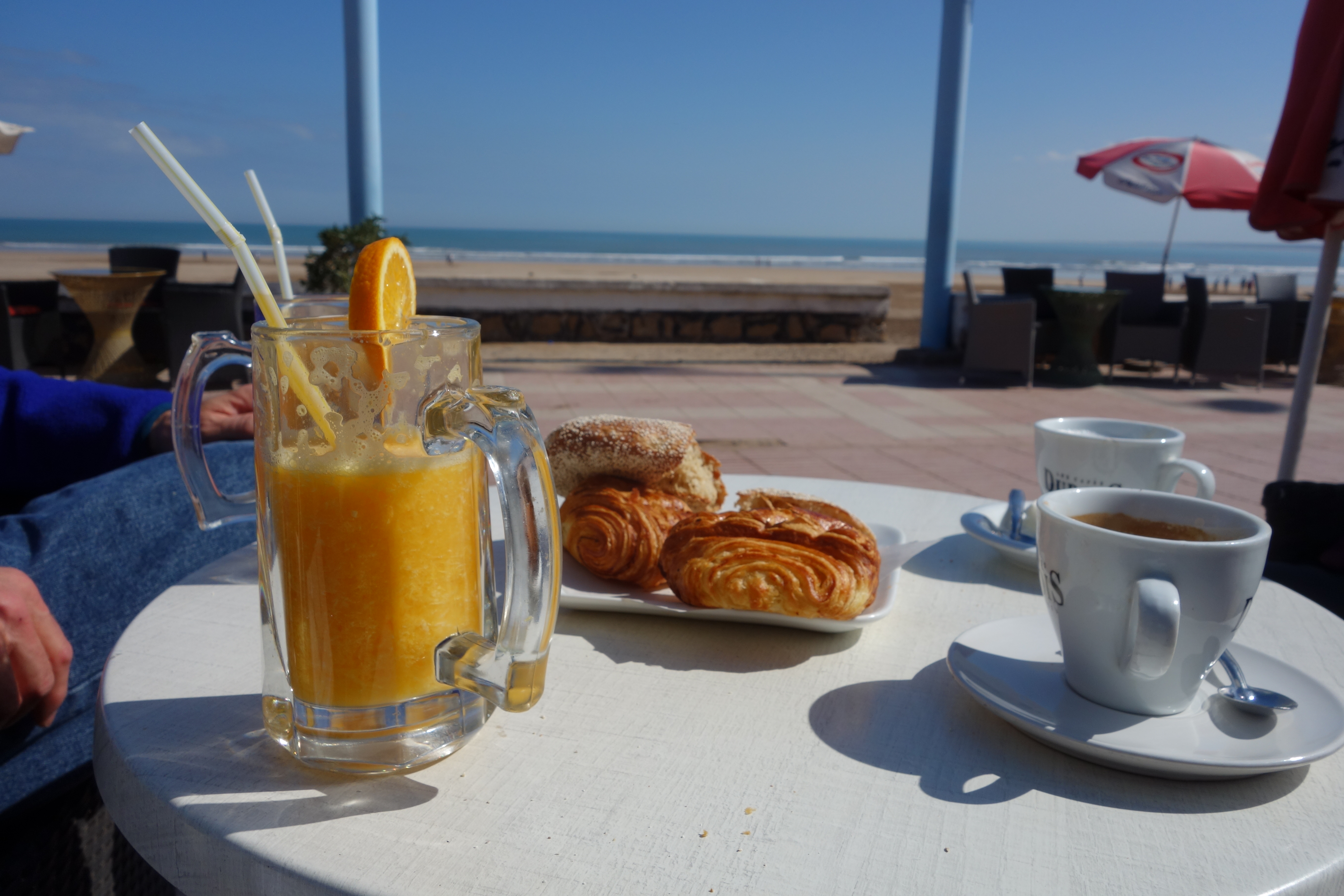
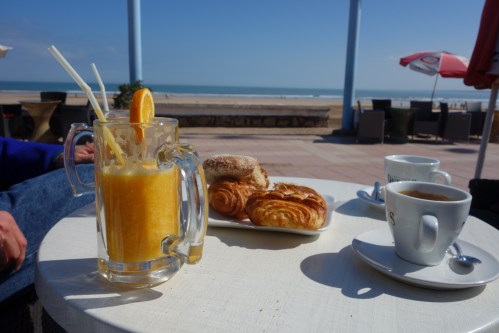
We followed a secondary road down to the old Portuguese city of El-Jedida.  Here was our first meal of the day, fresh orange juice, coffee and petits pains as we sat along the promenade and the Atlantic beach.  DSC02138 DSC02143Our effusive waiter/owner Khalid was very welcoming in English and French (plus Arabic, Turkish and Italian, he told us) and waved us off with fond farewells.  Not before a visit to the bathroom, to which we were escorted by a lovely young woman.  A tiled room with a hole in the bottom, plus a spigot at squatting level, washbasin just outside and paper towels dispensed by the young woman just beyond that.  Shades of France in 1966, but spotlessly clean.
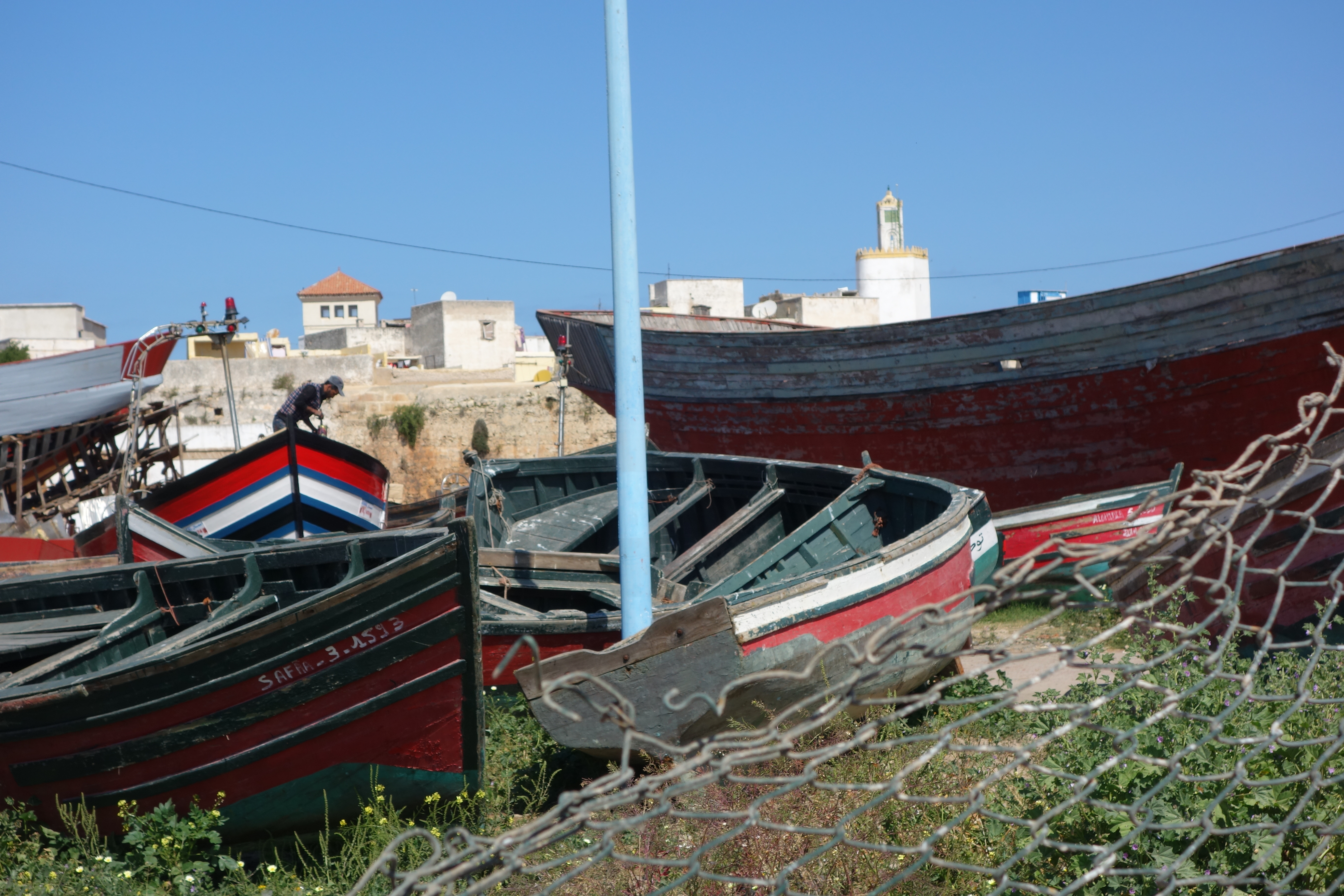
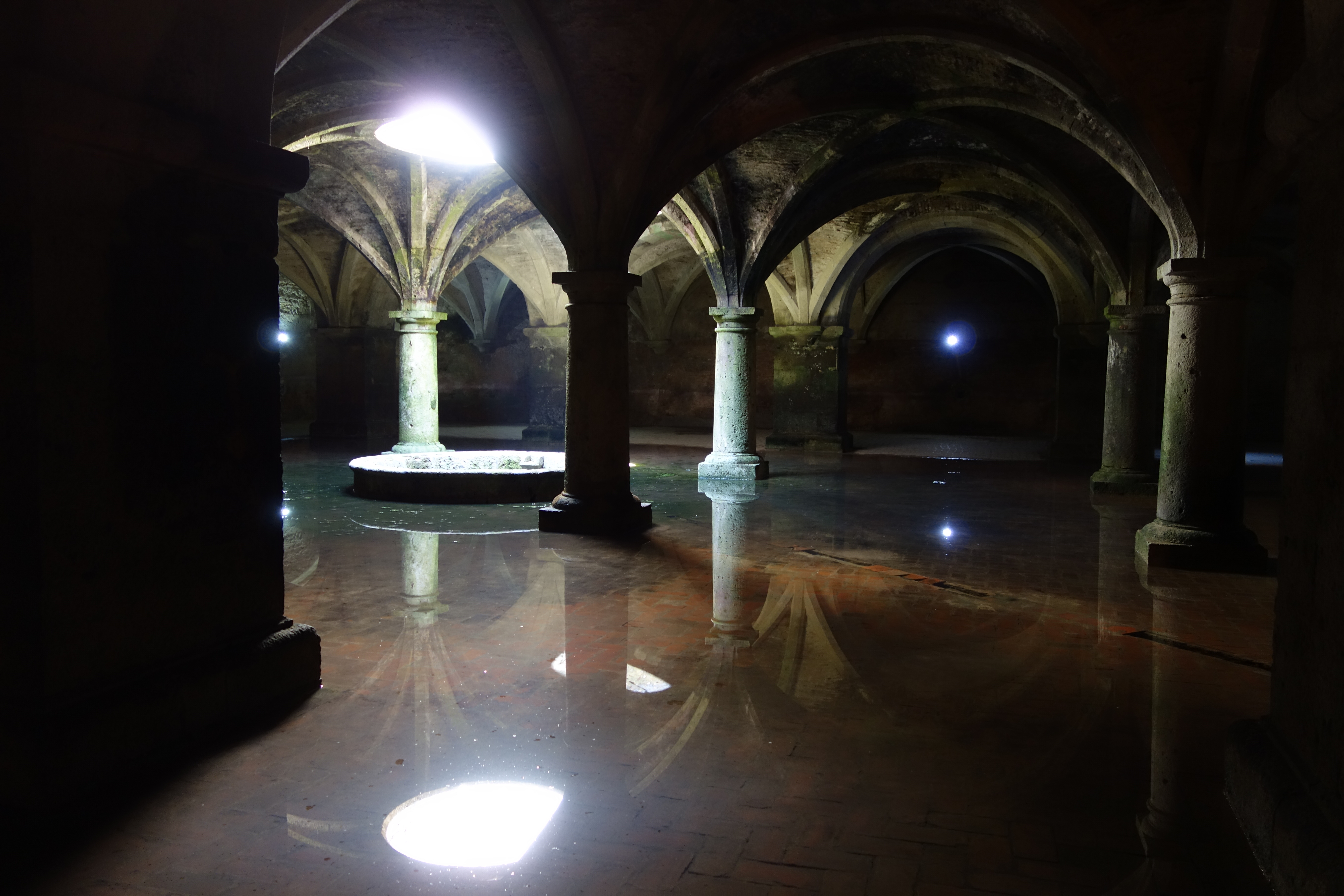
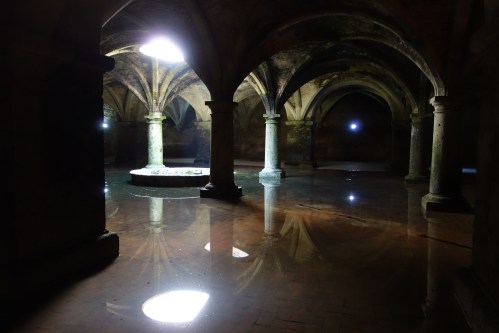
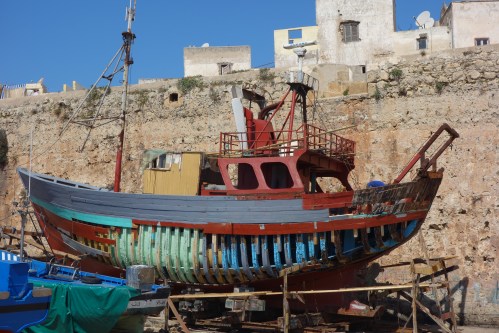
We walked from here into the medina, the walled old town, on the way stopping by this boat-building enterprise. DSC02144 Inside the medina, a World Heritage Site (check!), we stopped first at the old cistern, built in the 16th century, forgotten after the Portuguese left, and uncovered in modern times. DSC02153It’s beautifully atmospheric – we’ll have to watch Orson Welles’ 1952 Othello which was filmed there – and there’s a crystal clear reflection of the opening to the sky, which I think I finally caught.DSC02158
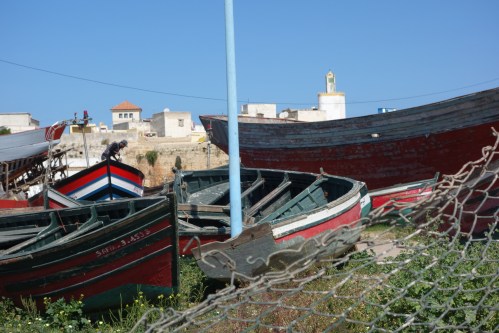
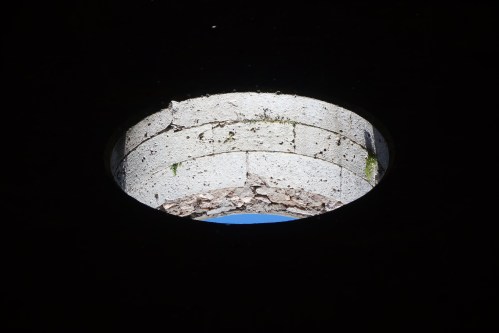
We walked along the ramparts, enjoying the views of boats, DSC02146the old building and the occasional satellite dish, then back through the town to the car.  On our way out we were a bit confused, and what should happen but that a nice man pulled up, asked where we were going and gestured to us to follow him.  Which we did, along a road that skimmed the beach and turned south. At one point he jogged right and we continued straight on, but he caught up with us again, led us farther, and then gestured to us to pull over.  He advised us with big smiles to go straight on (tout droit) and gently (tout douce) and with handshakes all around we said farewell.  And he was only the first of several gentils hommes we have met so far.
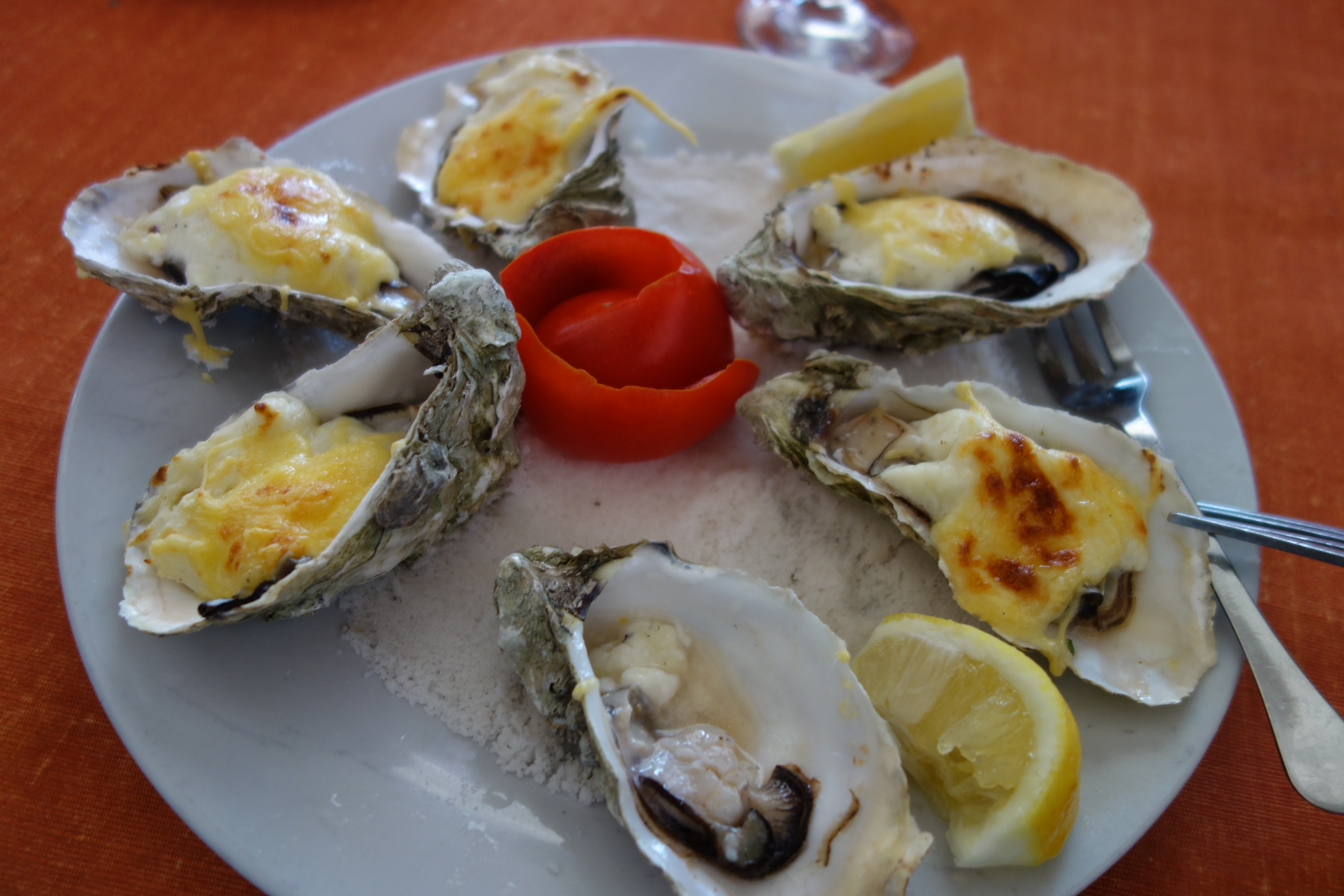
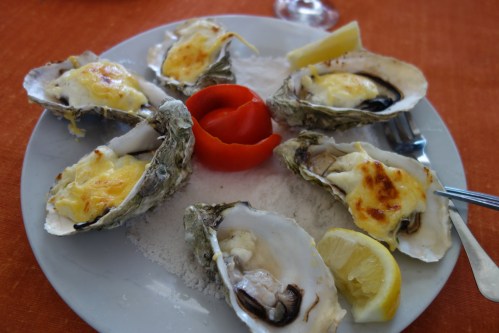
Our goal was the town of Oualidia, famous since the 1950s for its oysters which are farmed there.  We meandered through town until we came to one of the recommended restaurants and there, in the tiled room with blue paint and windows open to the blue sky, we enjoyed baked oysters (raw are a bit iffy) and sparkling water.  Delicious!DSC02165
Now we had to go on to Essaouira where we will be spending three nights.  Phyllis took over the driving while Biffy dozed in the back and I did my best to remember that I was navigating.  There are road signs but never route numbers so you simply look for the signs for the next town and hope for the best.  Along the way were the most spectacular (have I already used that word?  Get used to it!) views down to the ocean.  We saw lots of truck gardens, carefully fenced with reeds against the wind, with rich soil that produces the crops we saw being brought to the roadsides for sale.  Carrots, peas (perhaps), cabbages and who knows what else were beautifully displayed in roadside stands.  Meanwhile, the waves crashed on the shores below.  It was reminiscent of Big Sur except not so golden.

It was a long trek for the sleepless, but we finally spotted Essaouira.  Just as we turned onto the long downhill stretch to town, what should we see but gendarmes gesturing us to stop.  Poor Phyllis ended up with a speeding ticket for going the equivalent of 42 mph in a 36mph zone.  Life can be so unfair! But, again, the gendarmes were so gentils that it was almost okay.

We parked the car, engaged a man with a cart to carry our luggage, and made our way to Les Matins Bleus, our riad for the next three nights.