Tasting Tuscany

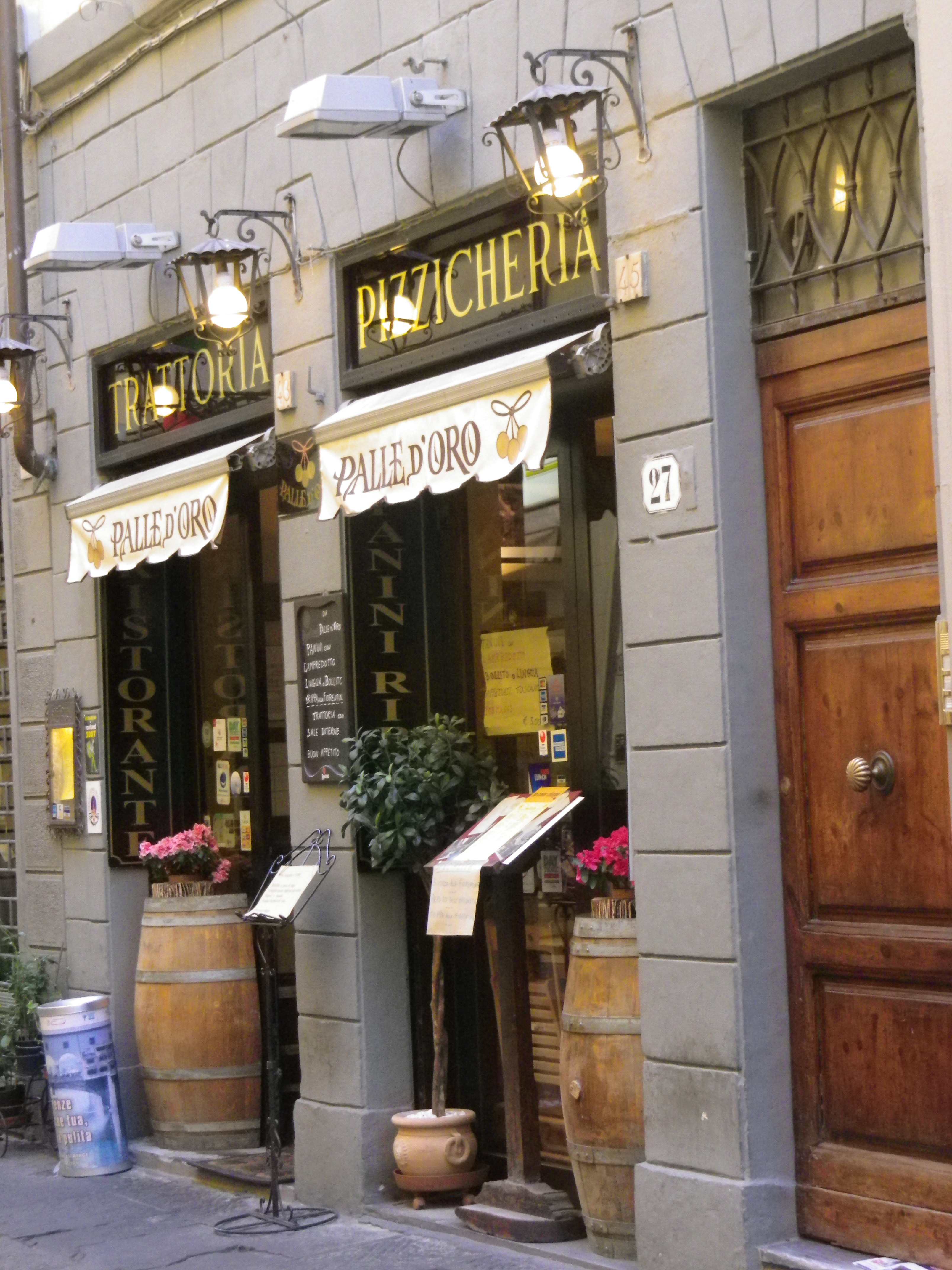
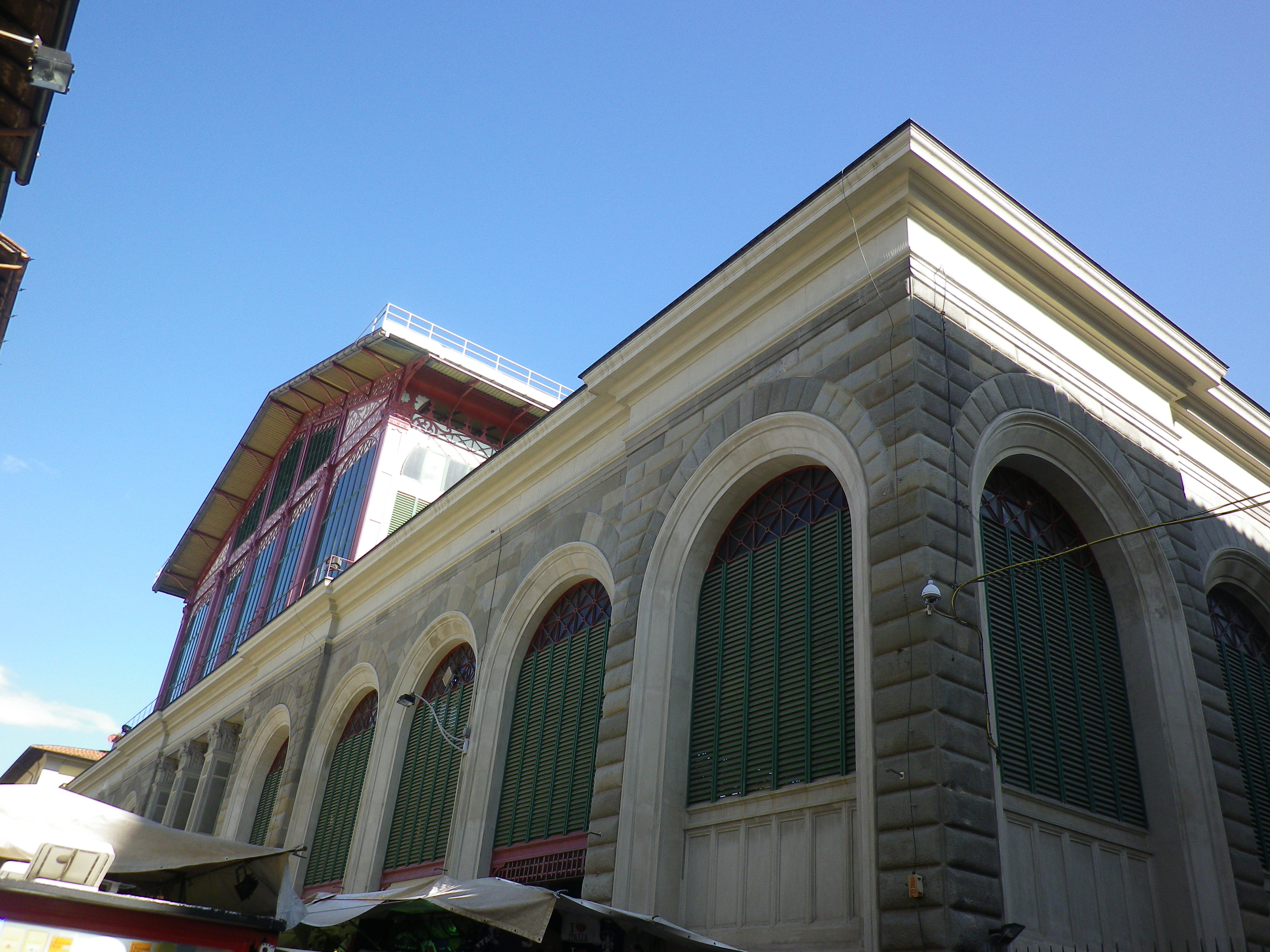
Today was our Context Market Tour. We had a great cup of coffee at ChiaroScuro and met Luca, our informative guide, and a couple from California, she a cook and caterer and he something in business, both small and dark and at ease. Luca, a native Florentine, led us through back streets past the Duomo, through more back streets, pointing out recommended restaurants and wine shops like the one at left, to the Central Market, a covered market filled with butchers, fishmongers, dried fruit sellers, and sandwich stands.
As he led us through the market, Luca was full of information about the Slow Food movement, the correct way to cook and eat a Florentine steak (rare, rare, rare!), why some Italians eat horseflesh (it helps with endemic anemia, its rich red color indicating a high iron content),
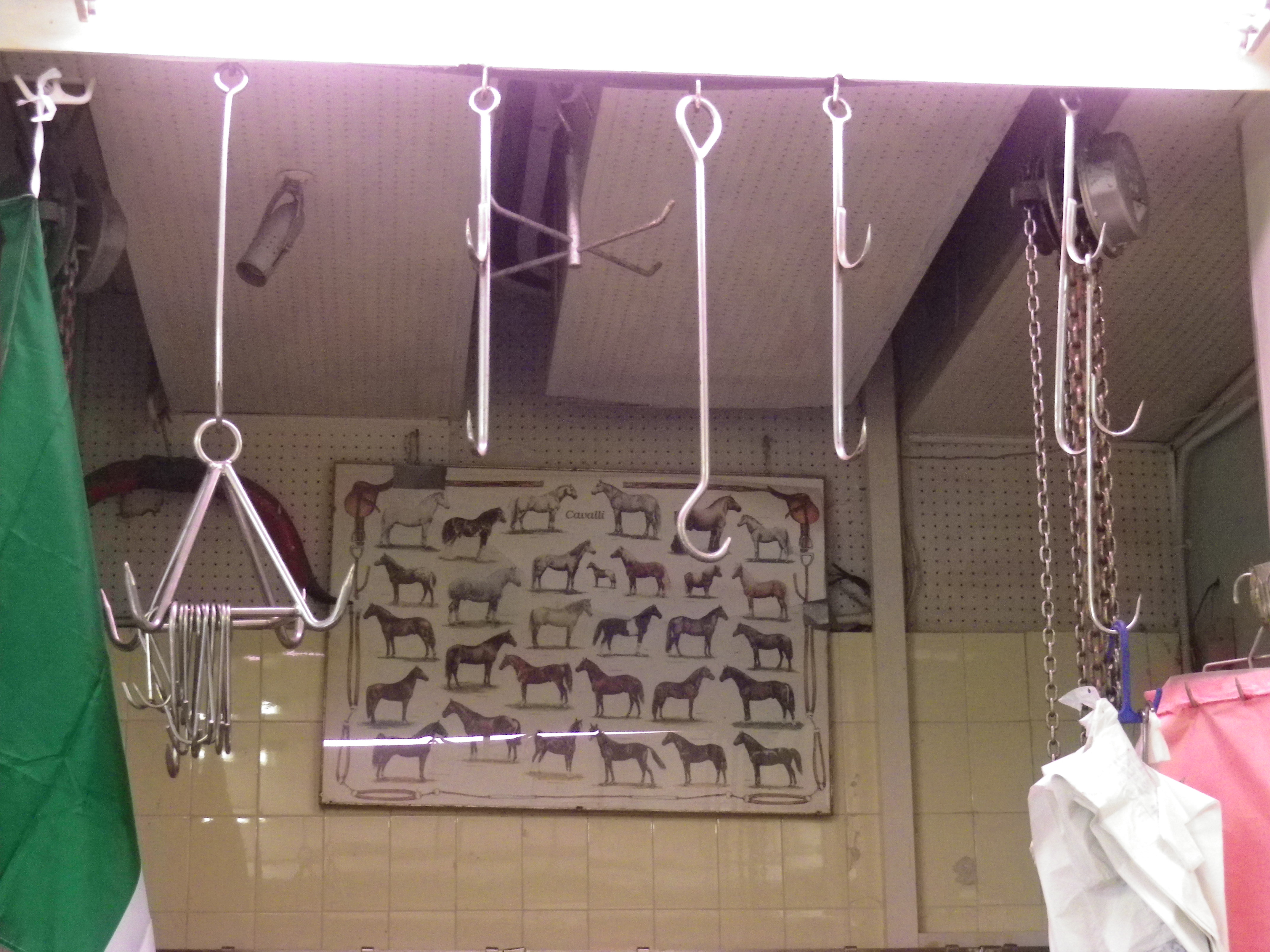
and the importance of eating while sitting down with your feet under the table and never alone if you can help it. Entertaining, though not much room for questions.

We made our way past the lompredetto stand (tripe sandwiches) and through the market to the stand of the Conti family where we were made welcome at a tiny table with tiny stools. Here a smiling woman, one of the family, had us try tiny sips of five different balsamic vinegars, four kinds of olive oil (one with such a bite that I coughed and coughed), bits of cheese with fruit and honey, bread with arugula pesto,white peaches with balsamic vinegar, sun-dried cherry tomatoes and other delicacies too numerous to count.
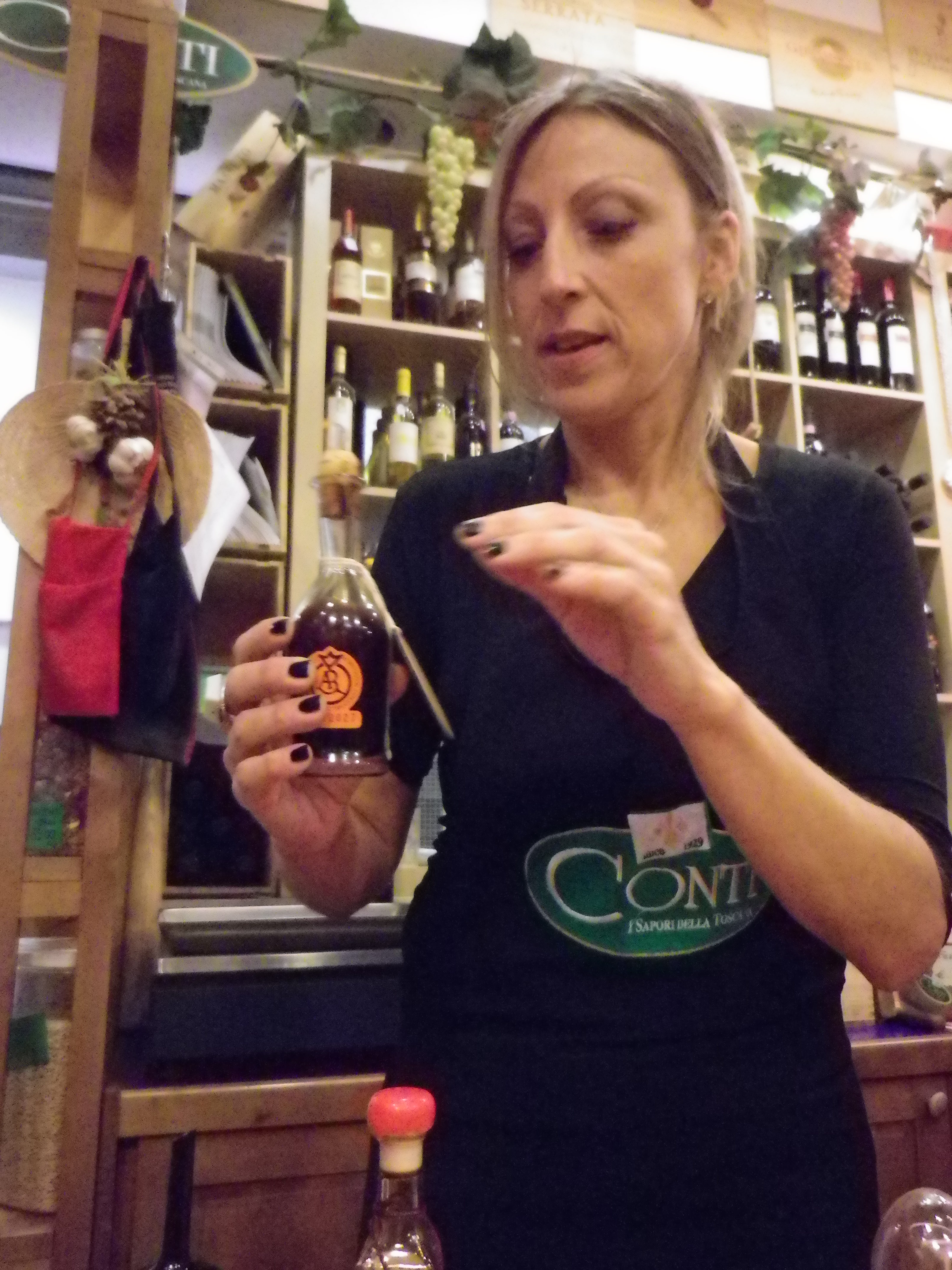
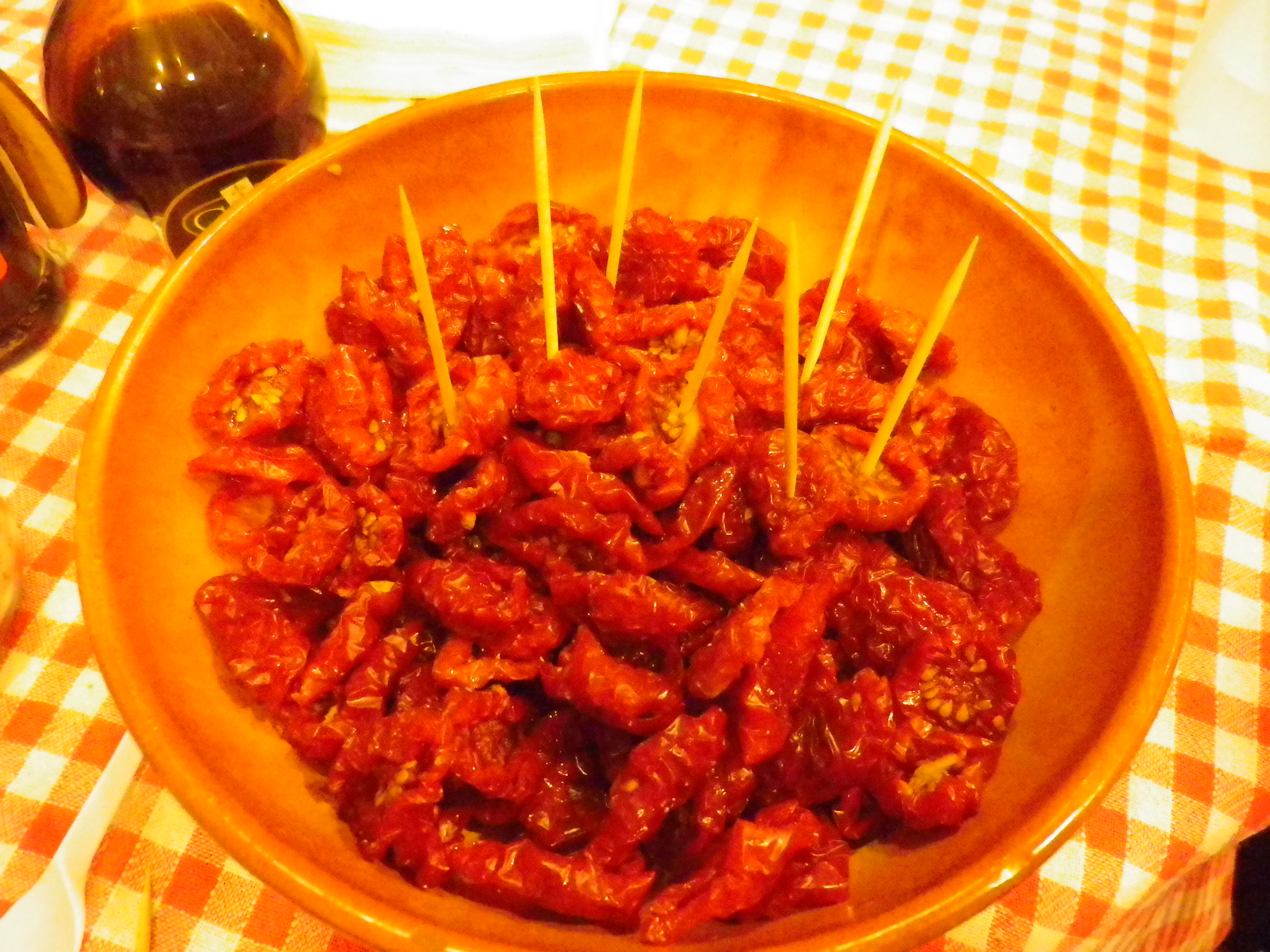
All were accompanied by Luca’s store of information on the current truffle season (too dry), the grape harvest (in full swing now), and on and on.  Meanwhile, the bites were so delicious. I was enchanted with the biscotti and vin santo and ended up buying a bottle, plus some sea salt with truffles and a tiny jar of acacia honey.

After we parted ways, Alison and I headed straight for the lampredetto stand,with the other couple right behind us. This is a Florentine specialty that is, in fact, tripe.  The raw thing displayed at one of the butcher stands was interesting rather than appetizing, but it’s all part of the experience. I suppose, after all, that there are some people who don’t like scrapple…

Here’s the sandwich maker.  He took a hard roll, removed the innards, chopped up the cooked tripe and slammed it inside.  I nodded yes to the sauces, one green and one red.
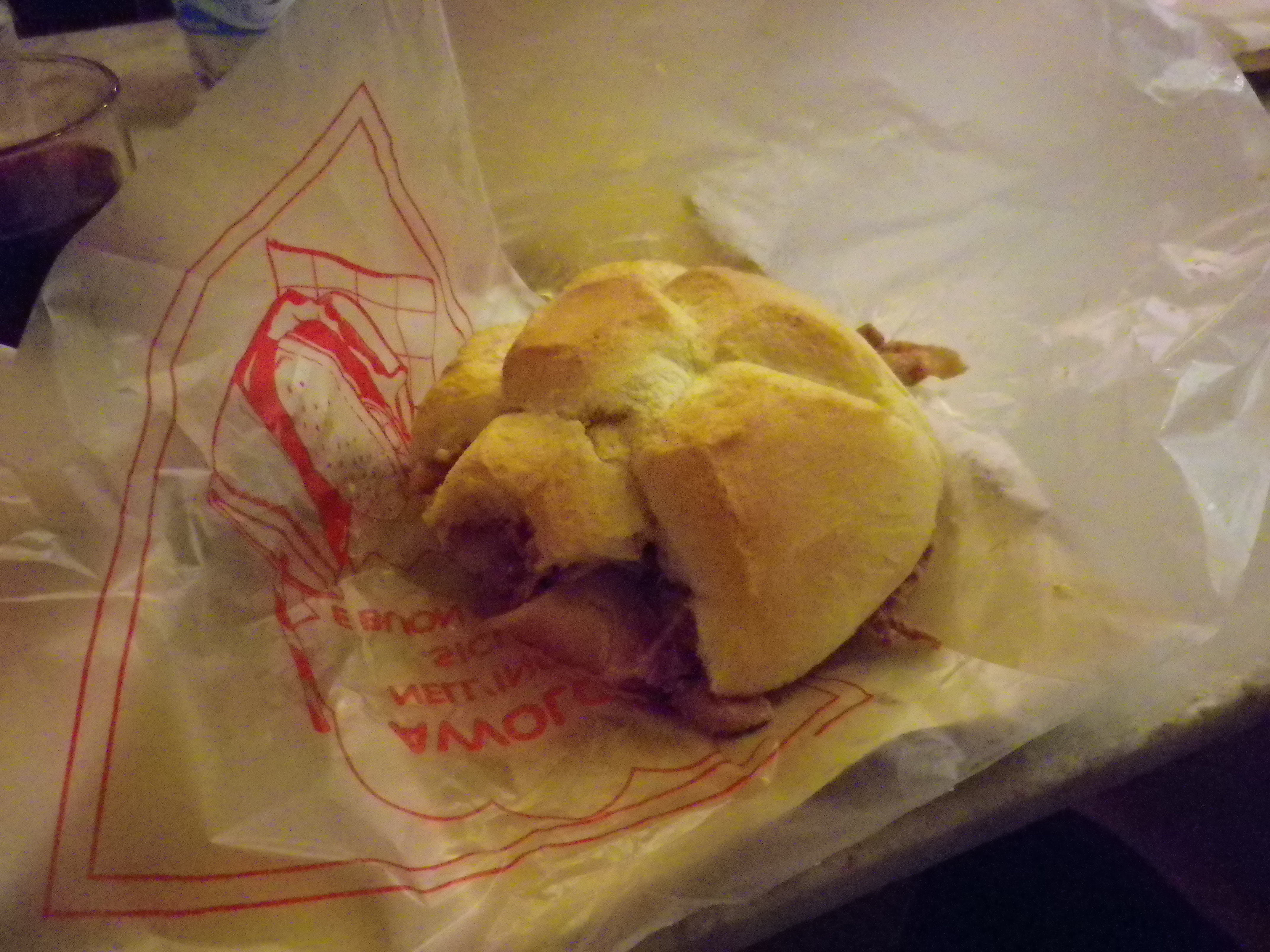
I enjoyed my sandwich, even if the spicy sauces did make me cough, plus a small tumbler of rough red wine.  I am happy for the experience and don’t need to eat tripe again any time soon.

Thanks, Context, for another great tour!
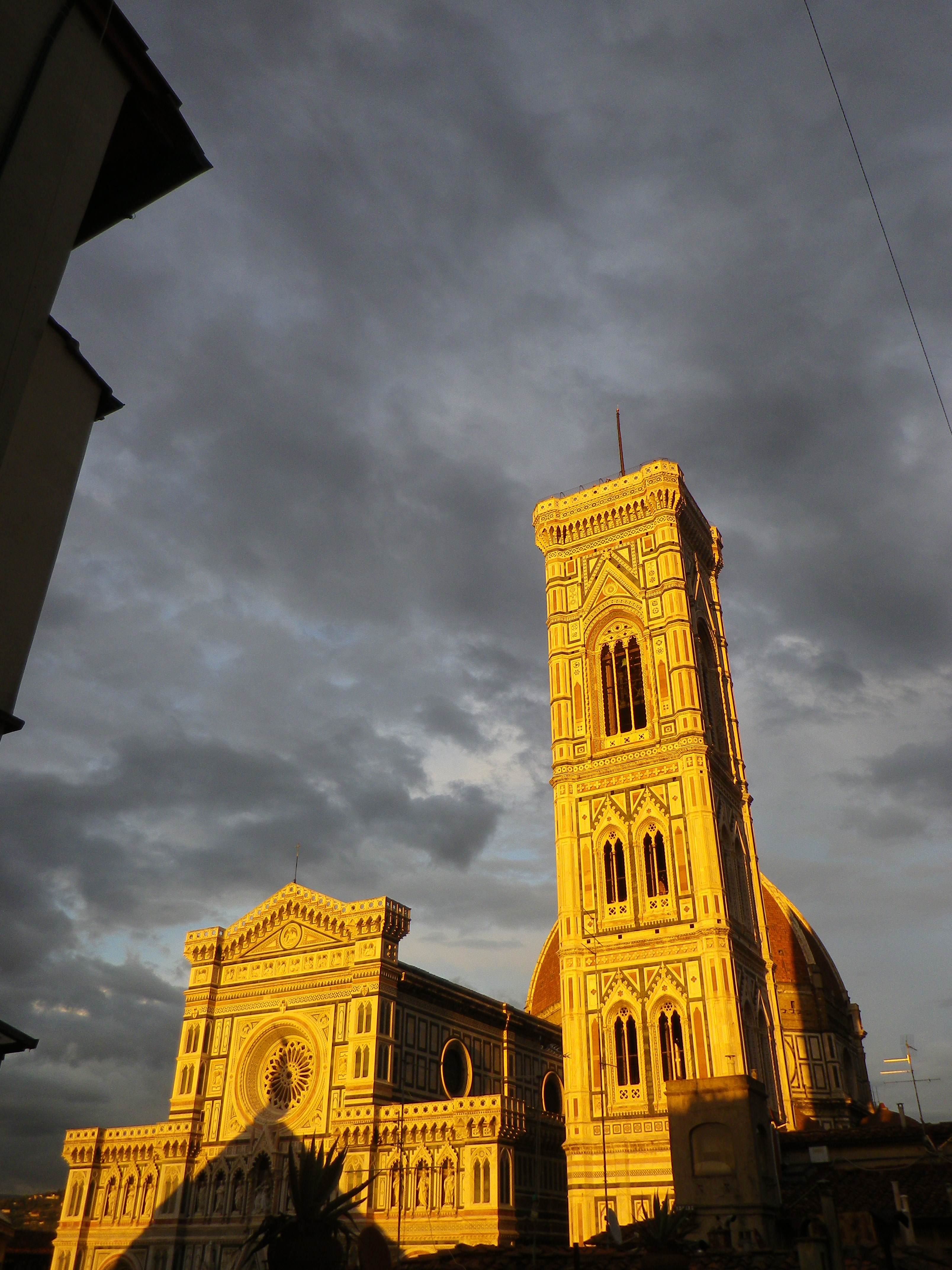
Hanging in the piazza

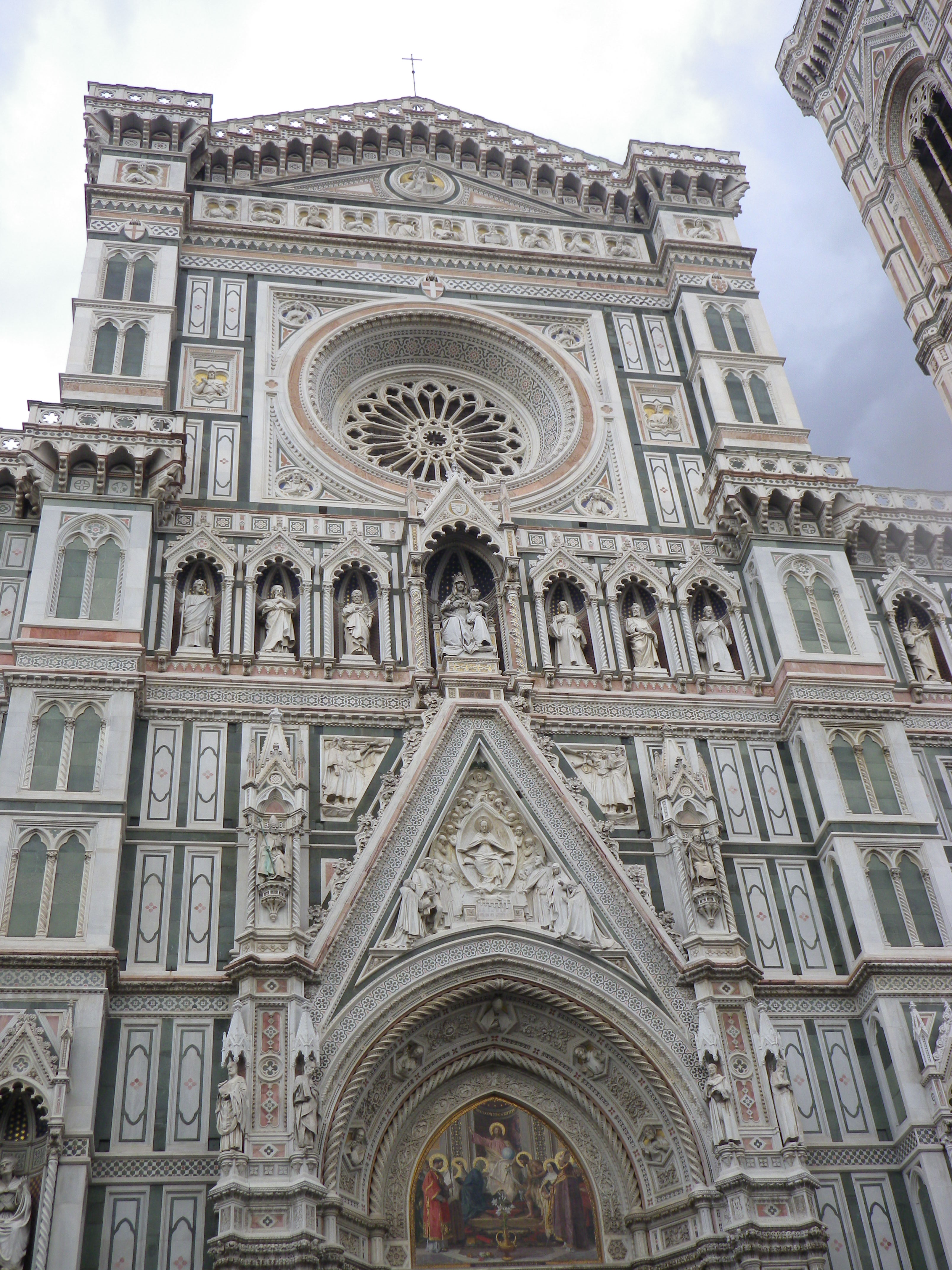
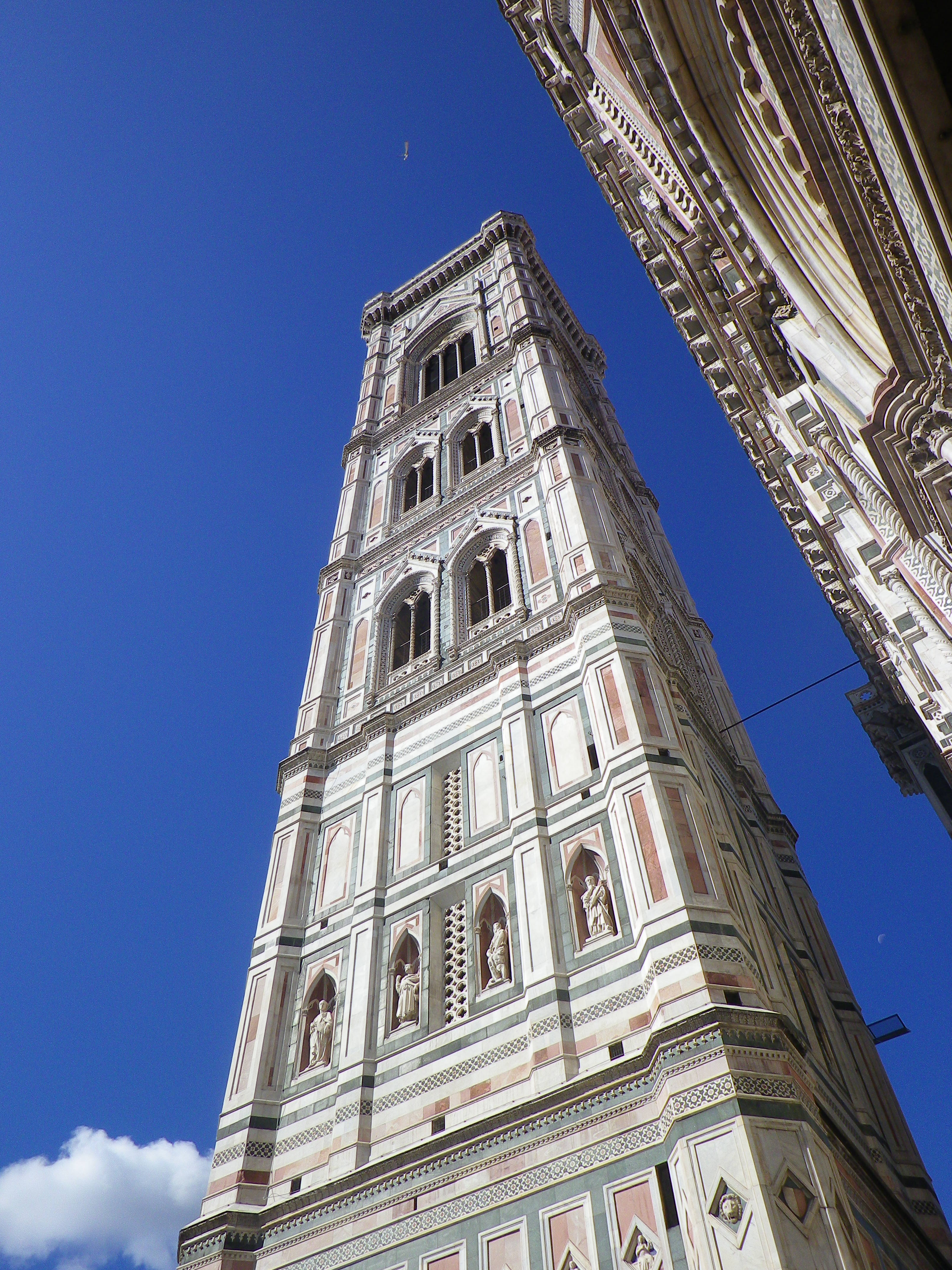
We live just steps from the piazza where the Duomo, the Campanile and the Baptistery dominate the space, and your mind.  This is the heart of Florence, filled with gorgeous art and centuries of history.

We’ve walked through at all times of day, and gazed at the buildings from our bedroom, and I just can’t stop taking pictures.  Here are just a few, on a day of lowering clouds, in the late afternoon, and at mezzogiorno on a sunny day.

A hard coming they had of it…

Not that our journey was Biblical, but it was filled with trials and tribulations. Dulles to Munich was easy peasy, though the sleeping pills left us gaga – we probably should have taken them earlier. We made our way to our connecting flight to Florence, piled into the plane and then were told that one of the engines had died so we would need to change planes. Luckily, there was another plane, so we were able to climb aboard within the hour. Soared out of the German rain into the blue sky over Tuscany, only to run into a tail wind that meant we couldn’t land. David Leavitt had warned me of this, but had I paid attention? Of course not. The wind made the journey very bumpy, to say the least. There were a few collective gasps as we bumped up and down through the skies, and the woman behind us was still clutching the airsickness bag when we landed. However, we could not even land in Pisa nearby, the usual drill when it’s too windy in Florence, but had to go to Bologna. Of course, I’ve always wanted to see Bologna…Then a bus lumbered to Florence about an hour and a half away, spewing us out at the airport, from which we grabbed a taxi and finally found ourselves at Residenze Giotta.

Rick Stevse has steered us right. It’s just around the corner from the Duomo, with a spectacular view of same from our window. That means the tolling bells woke us up at 7 am this morning, but we had to get going anyway, and it sounded beautiful. We tidied up and on the recommendation of Silvia at the B&B we made our way to Marione’s for dinner. Full of Americans but the food was good – cheese plate with walnuts and honey, then risotto with seafood for me and lamb cutlets for Alison. Stumbled home over the cobblestone streets and so to bed.

Late summer

Ten years ago, the day was like this one, but even brighter and clearer.   As I watch the commemorations with one eye, the other eye is on the late summer garden.

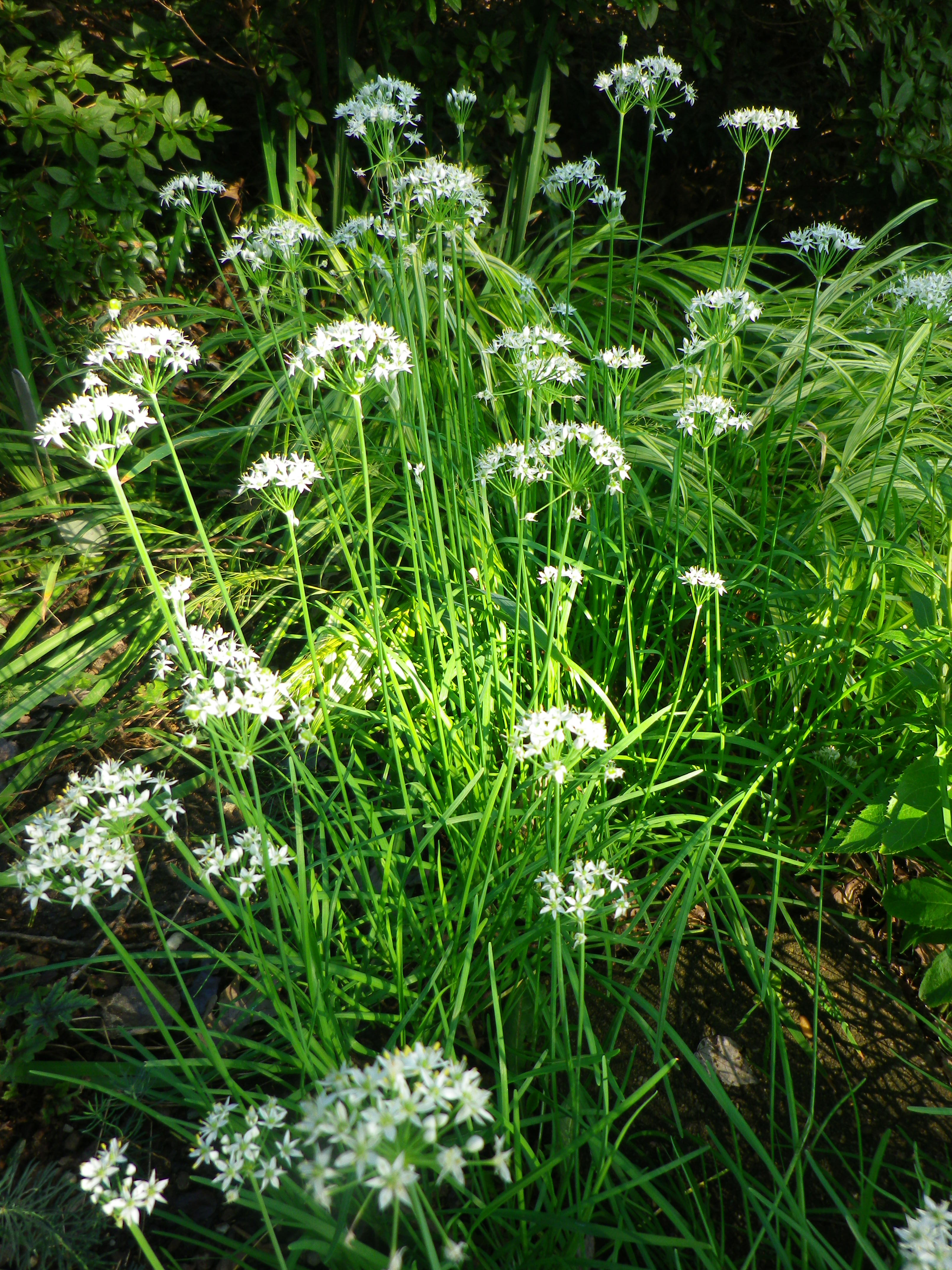
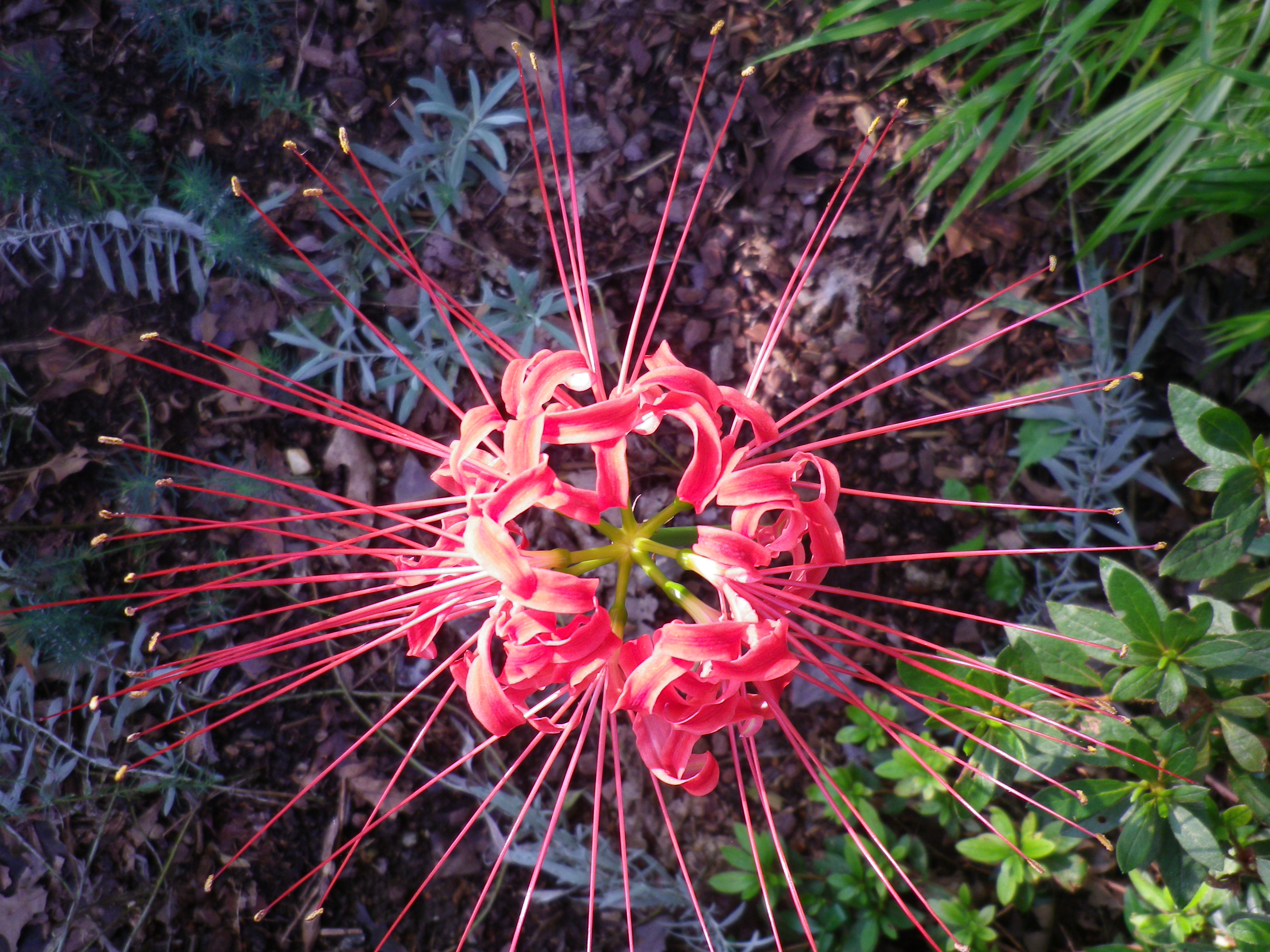
Labor Day weekend marks the appearance of garlic chives and naked ladies (aka British soldiers).

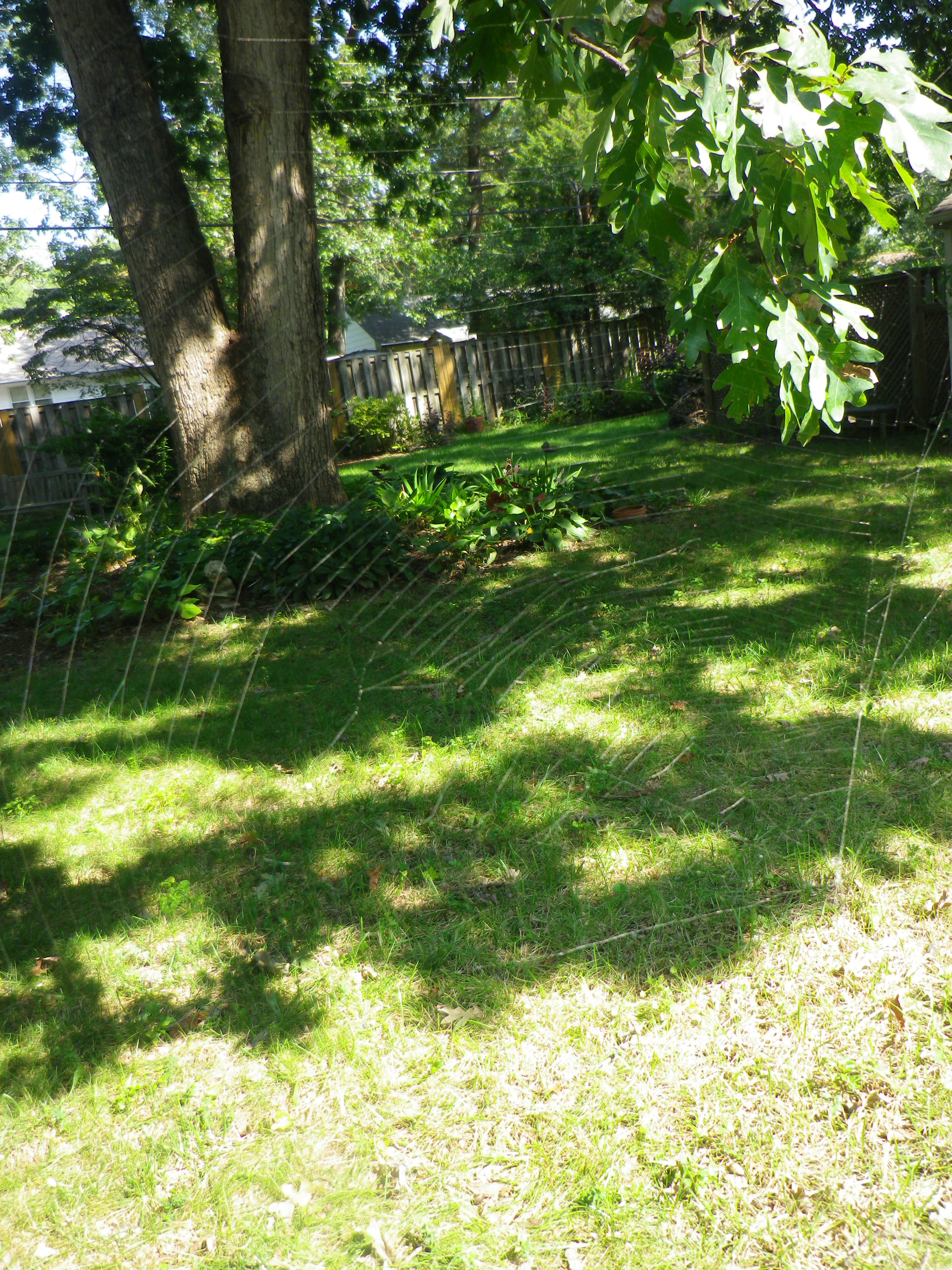
Along with huge spiderwebs, these are the markers of the end of summer, even though we’ll have another good six weeks or more before frost.

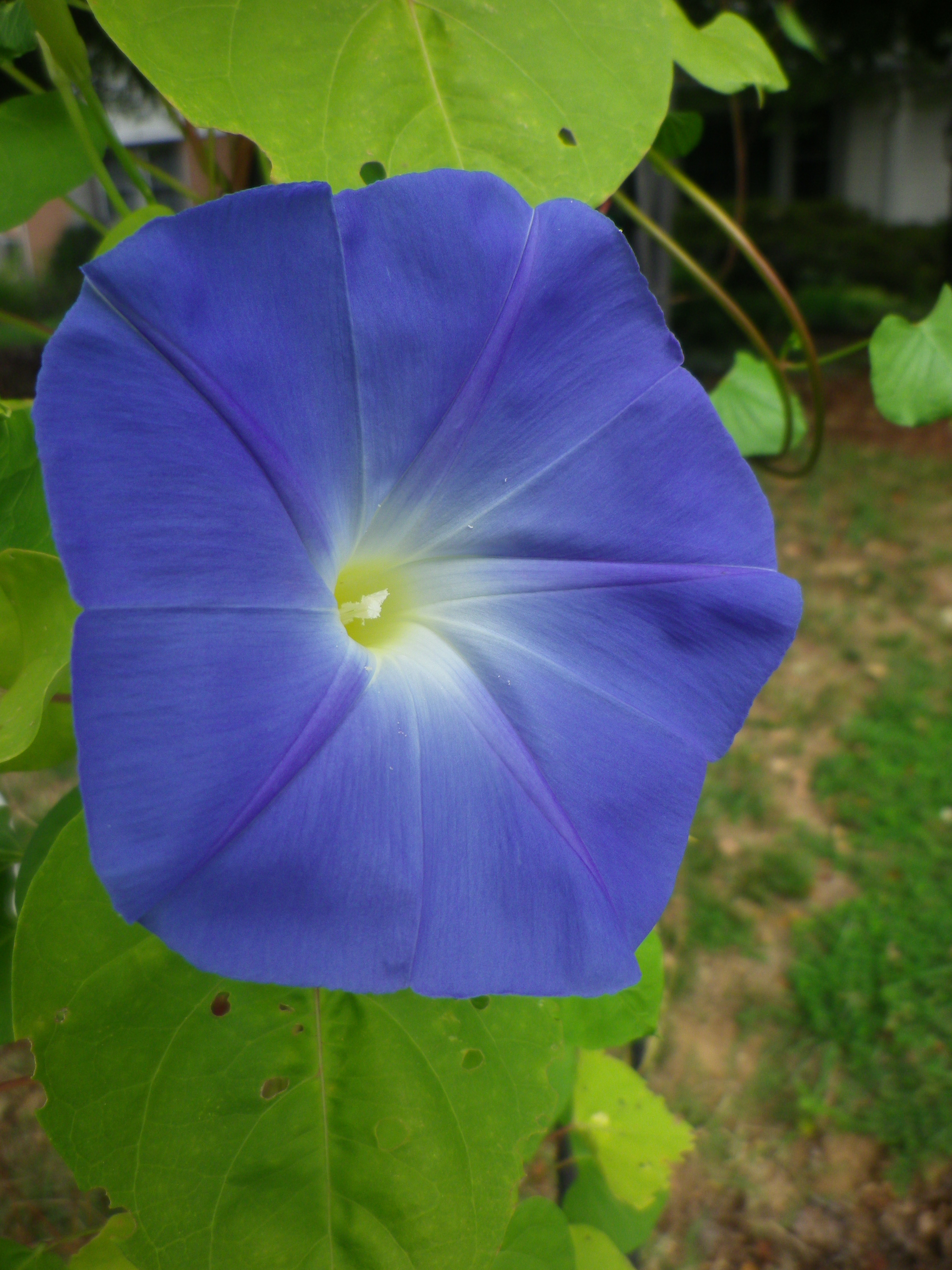
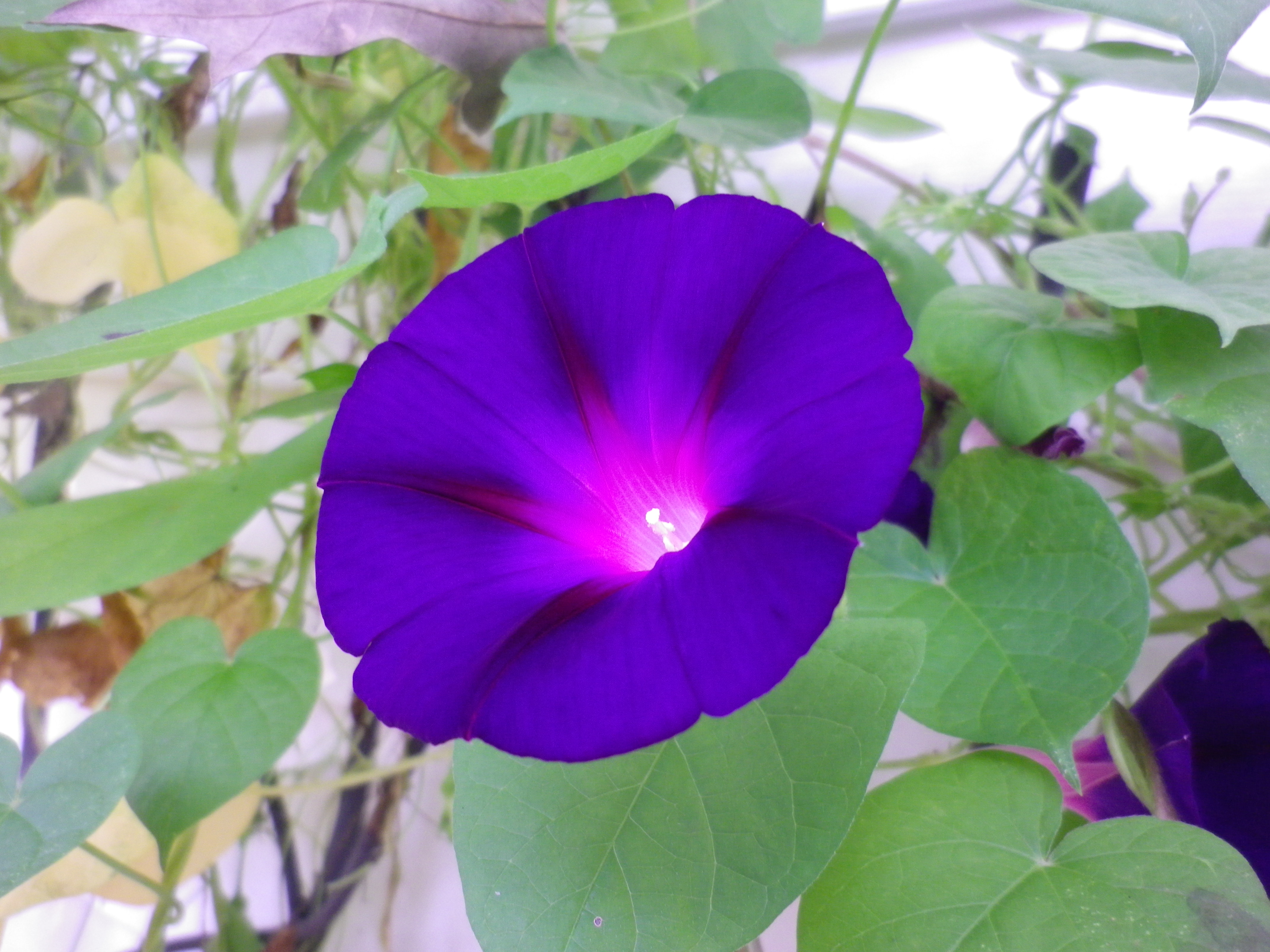
Also in bloom are perfectly ordinary flowers that are actually extraordinary.  What could be more common than a morning glory?  But look at this silky, folded bloom.

This one is one of the volunteers that always pops up against the wall of the shed.

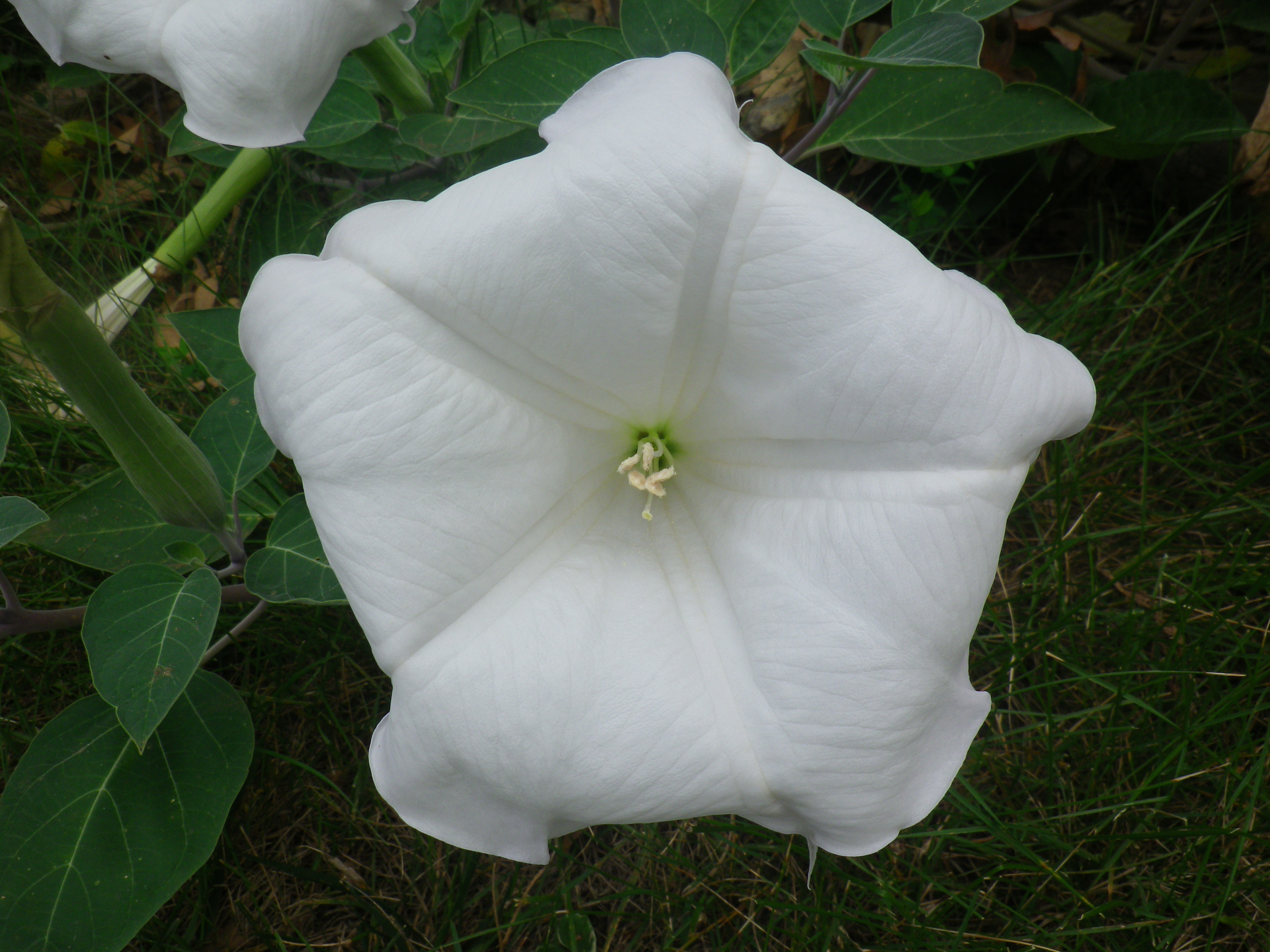
This datura is equally elegant.Begonia grandis comes into its own in September.  Somehow I think they are not as prolific this year, and the Heronswood variety has vanished, but the pink and white that are left are dripping with blooms.

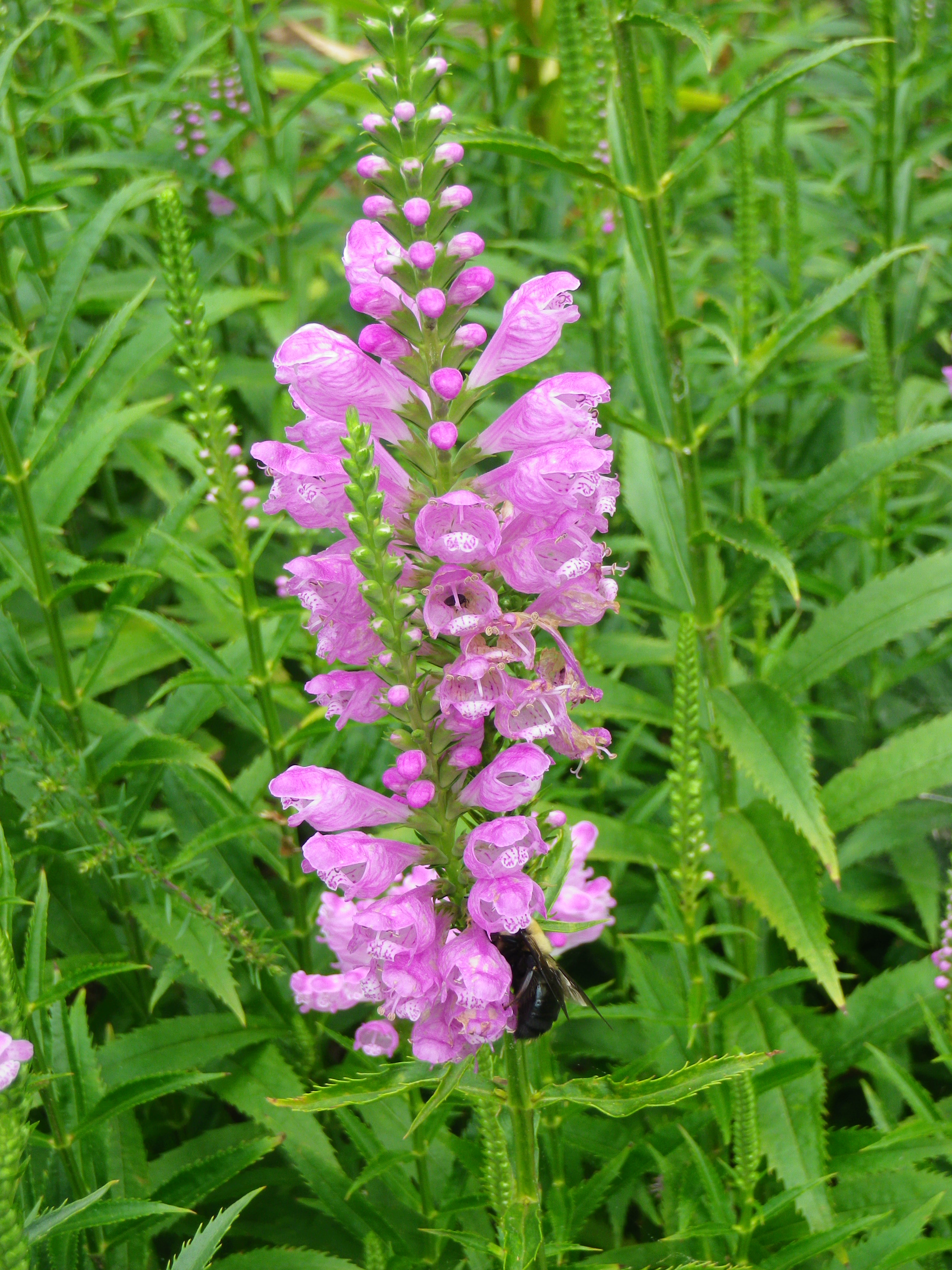
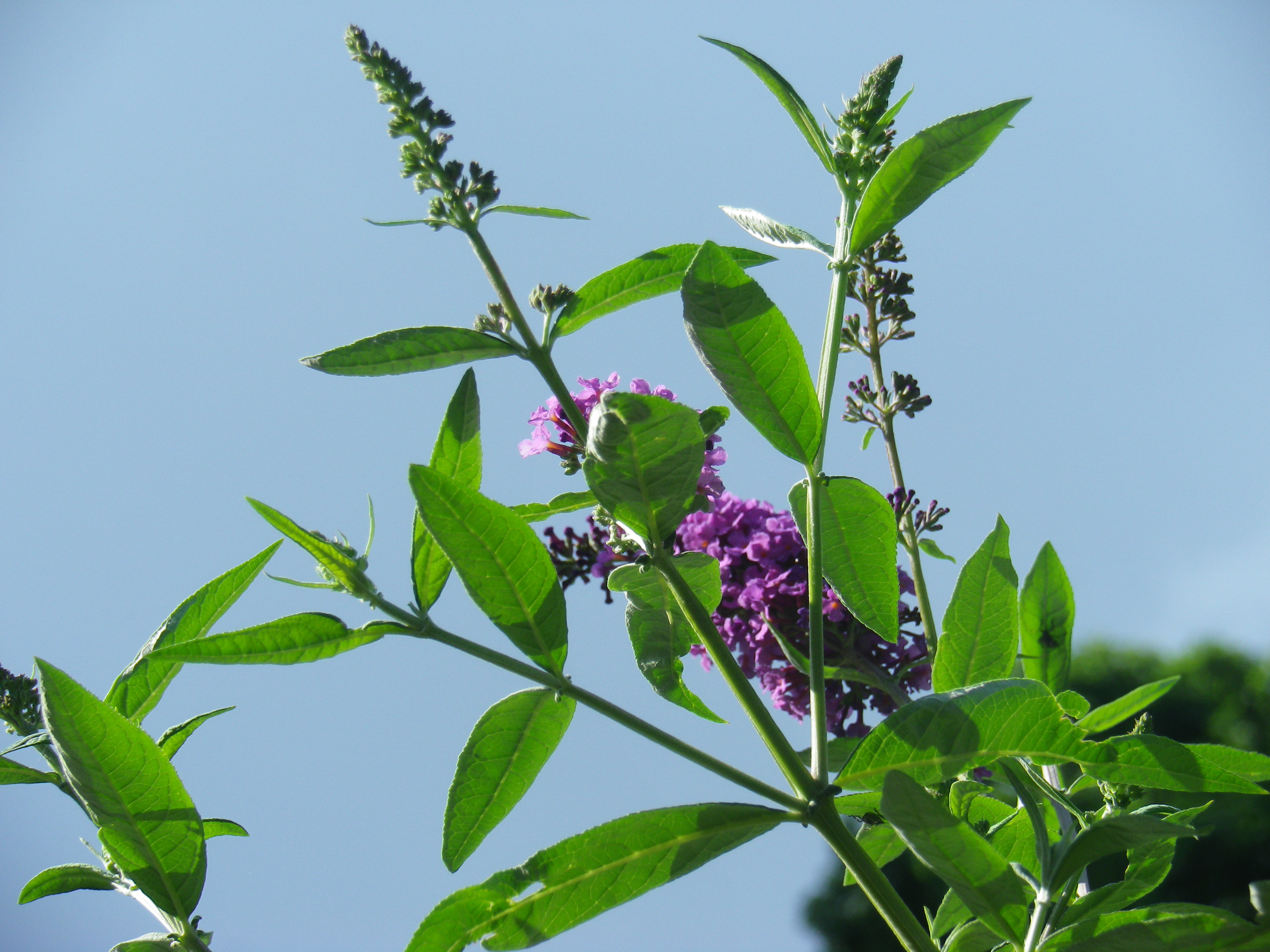
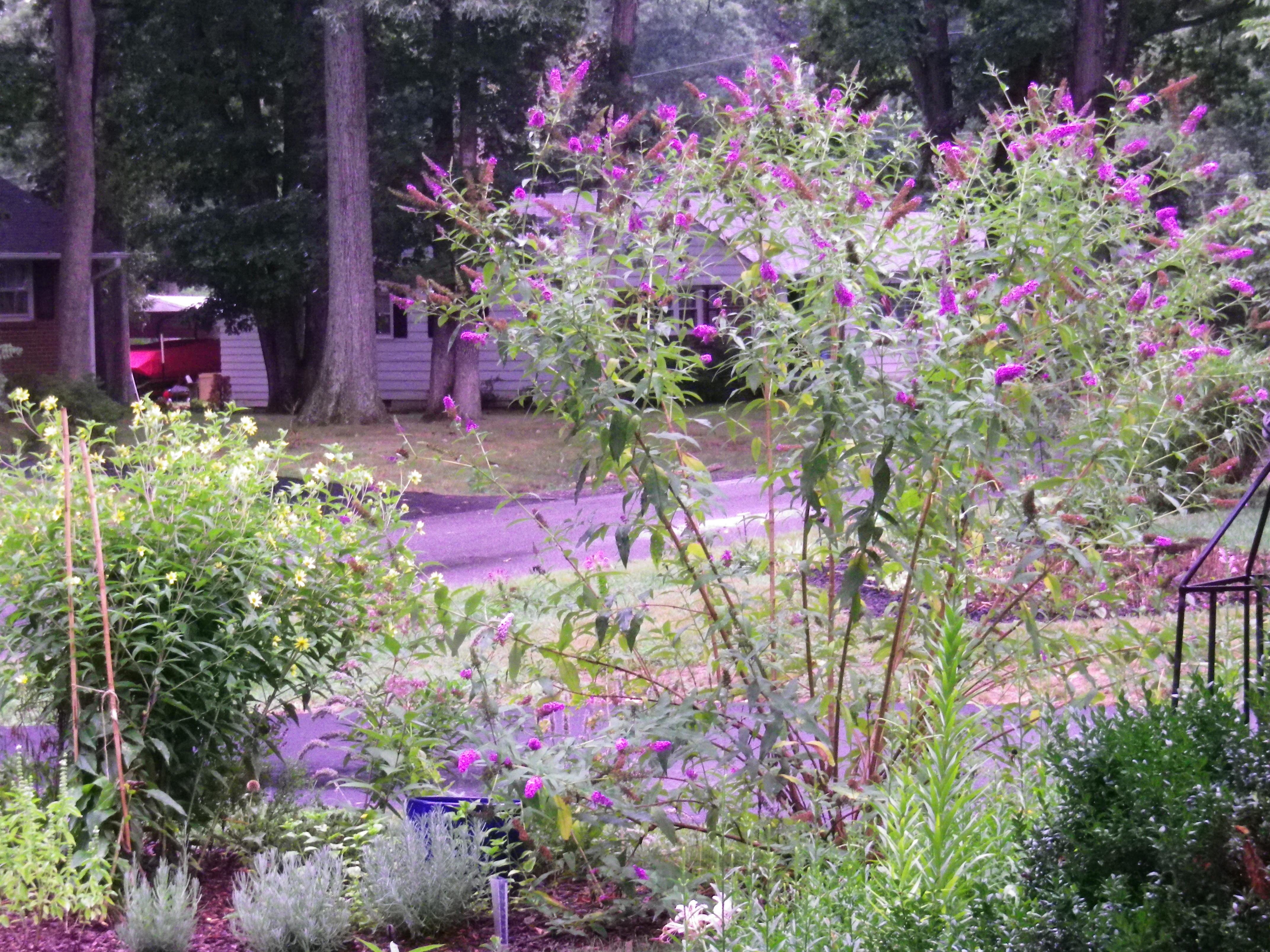
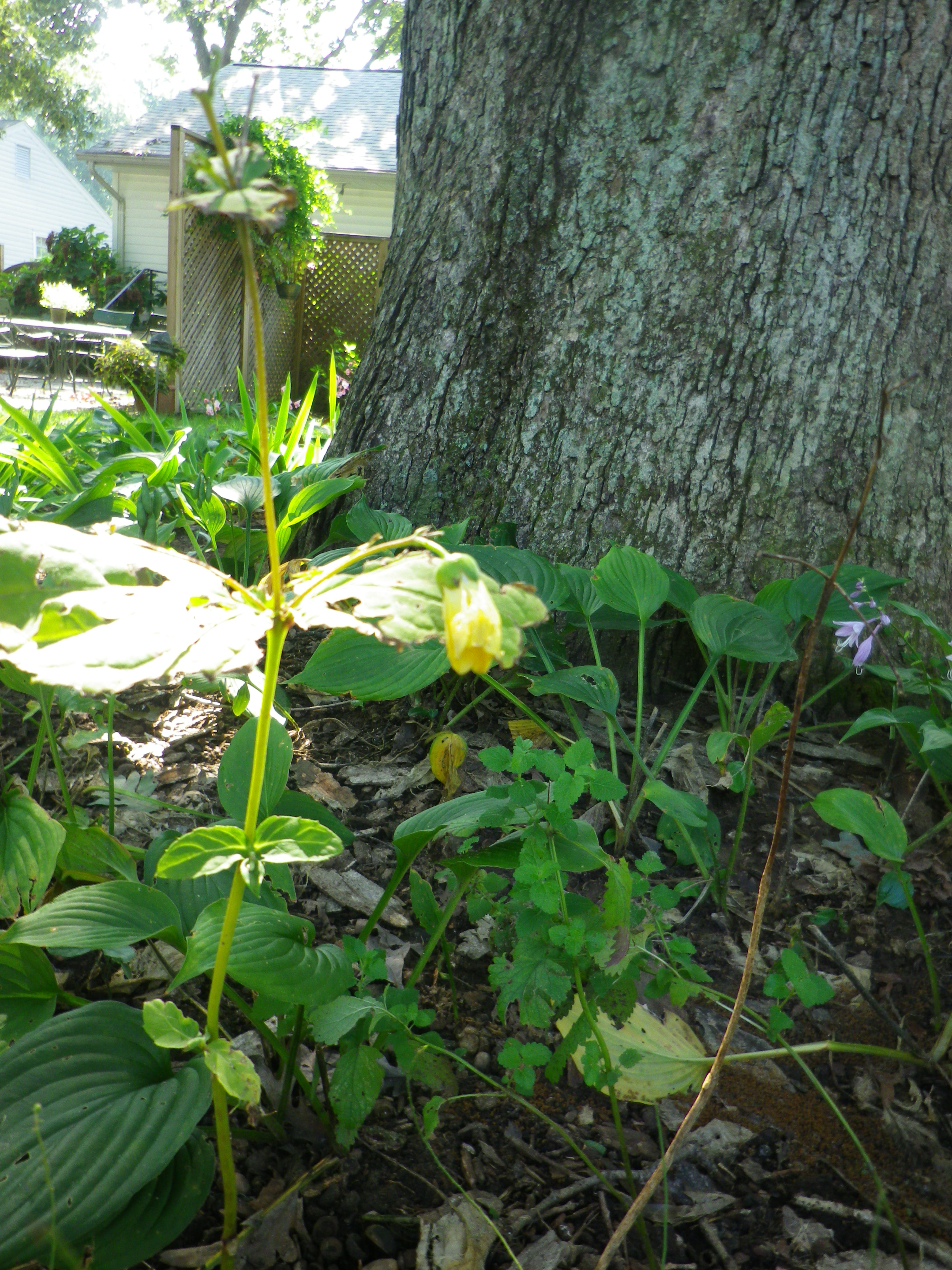
Meanwhile, the physostegia (obedient plant, false dragonhead) is so full of bees that it’s almost dangerous to walk by.It makes a nice echo with the butterfly bush above, whose days, I think, are numbered.  It is indeed attracting lots of butterflies, but its structure is weedy and it’s impinging on my neighbor’s driveway (their pride and joy since it was resurfaced earlier this summer).But it’s not all gas and gaiters.  I have two kirengeshomas, notable for their shade tolerance, their maple-like leaves, and their yellow blooms late in the season.  However, I have found that our typical mid-summer drought is too much for them.  They get tiny and etiolated and have never successfully bloomed.  This year, perhaps because of Irene and Lee, I have blossoms for the first time.  But they are still pretty pathetic.  The newer one in the corner garden is nothing but a stick!Here’s a look at kirengeshoma in better times (May), so you can see why I wanted it.But I think I’ve been cured of these beautiful plants and can appreciate the “doers”  above that survive heat, humidity and drought to make it into September.

What Allan Armitage taught me

For some reason, I’d never read Armitage before, but I’m now a convert.  He’s a knowledgeable and strong-minded horticulturalist (reminiscent of Michael Dirr)  with lots and lots of good information. Though he’s writing about native plants, he’s clearly wary of native plant fanatics.  He’s also made a point of including only those plants you can actually buy somewhere.  Plus, since he gardens in Athens, Georgia, he’s well aware of what our heat and humidity can do to the garden.

What I’ve learned so far:

Baptisia tends to look awful in the fall, so it’s not that it has a disease, its just that the stems and fruit wither and turn brown.  “Dead stems should be cut to within about 18″ of the soil.”  I don’t remember this happening before but glad to know it’s normal.

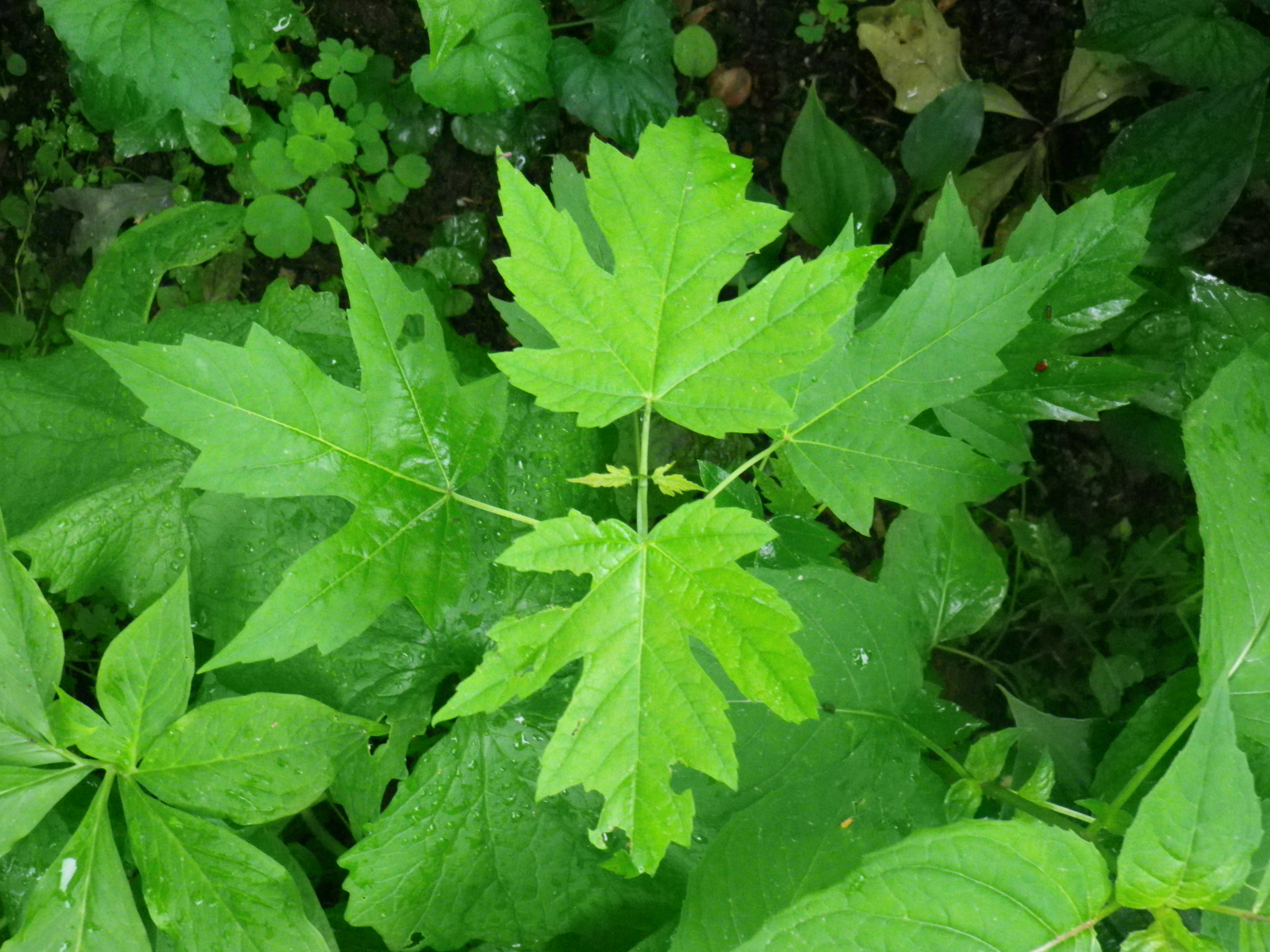
It’s not a helenium (sneezeweed) that’s tumping over, it’s a helianthis (sunflower).  I did have a helenium ‘Butterpat’ on my list but it was out of stock when I was planting the new garden.  Will I have room for it??  Armitage: “…up to 5 feet tall.  Its stiff stems are ideal for cutting.”  Interestingly, the helianthis I have (‘Lemon Queen’) is not a variety included in Armitage.  Not a native?

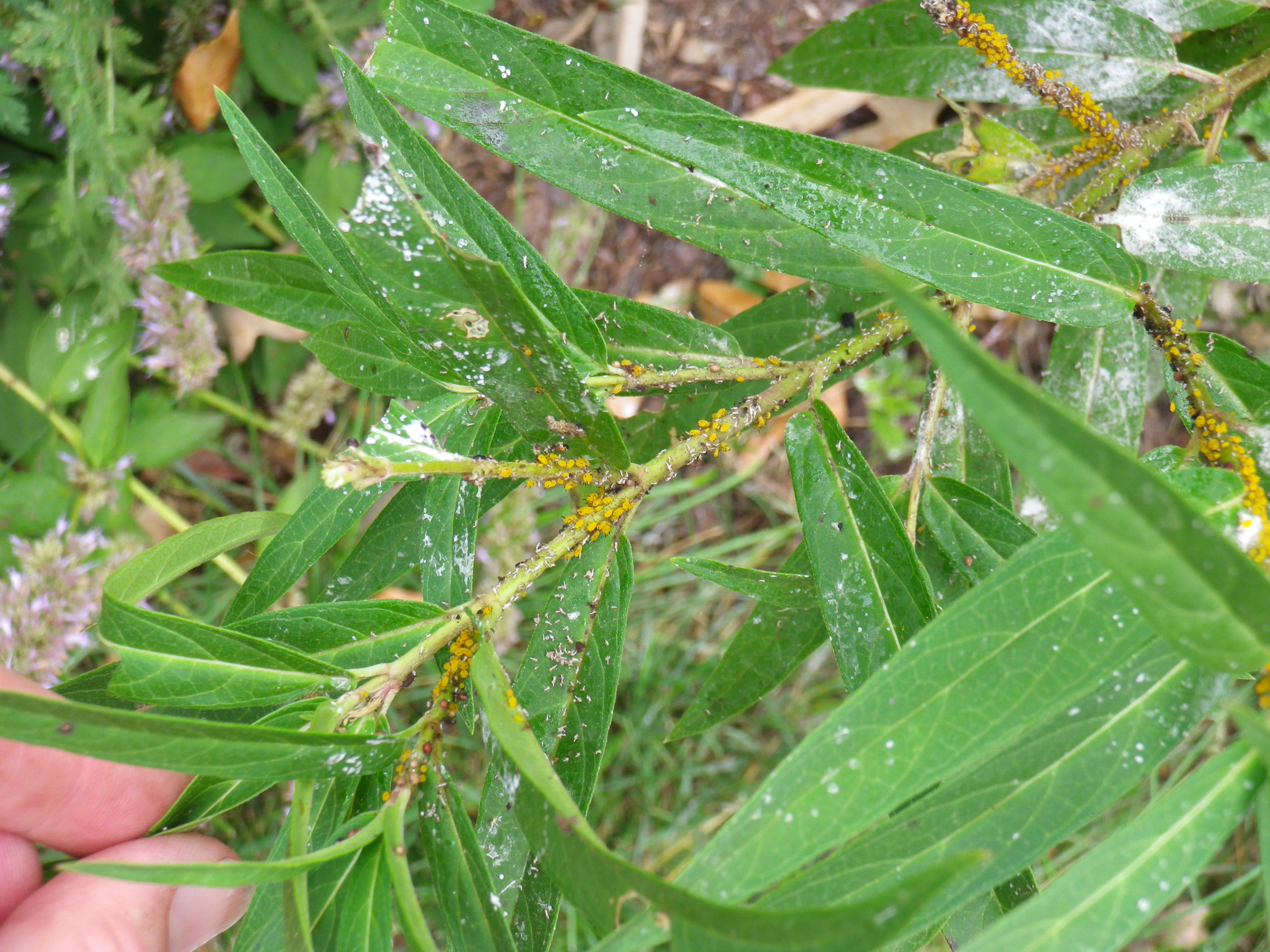
Yes, those are aphids on the milkweed, and they’ll usually arrive at some point in the summer.  “Having any form of milkweed in the garden almost guarantees you’ll be an aphid farmer as well.”  Spray them away with water, or live and let live.  The remnants of tropical storm Lee took care of them (6″ plus!).


I’m not crazy about all these hybridized heucheras which, to my eye, exhibit garish colors and insignificant flowers.  From Armitage I learn that it’s the sanguinea species that I like and that’s probably the passed-along variety I have in the front garden.  ‘Vesuvius’ is a dramatic purple-leaved variety with coral red flowers and without the manufactured look of the modern heucheras.  Worth a try.

Other plants worth seeking out:

Monarda bartlettii instead of the more common didyma:  less mildew and less invasive.

Pachysandra procumbens: the native spurge to replace the ginger in the shrub border?  A slow grower.

Penstemons:  I thought these were a western specialty, but Armitage says they grow “in meadows, plains and open woods…south to Virginia.”  ‘Husker Red’ is the classic choice (its flowers are white, foliage maroon to purplish). Pallidus does well in heat and humidity.

Of all the phloxes, try phlox stolonifera, creeping phlox.  ‘Bruce’s White’ would be pretty under the oak tree.

Ruellia humilis (fringed petunia): is this the blue-flowering plant Biffy gave me?  “..they can reseed everywhere…”

Salvia greggii (Texas sage) ‘Cherry Queen:’ “An absolutely outstanding plant for southern gardens. ”

Spigelia marilandica (Indian pink) has been on my maybe list for years, but clearly now I need to take action!  “I buy every plant of indian pink I can lay my hands on…best in moist woodland or along shady paths…a hummingbird magnet…afternoon shade and consistent moisture result in faster growth.”  The latter may be the kiss of death, but I’ll give it a try.
Tiarella ‘Spring Symphony.”  I’m already a foamflower fan, but I must try this one.  “…the best foamflower and the one I recommend to my daughters.  Good-looking foliage, astounding numbers of flowers, and the longest flowering time of any I have tried.”

Veronicastrum virginicum (Culver’s root): “upright architectural habit.”  Needs full sun.  Looks a bit like actea…

Labrador violet: I always worried that my garden is too dry for this, but he’s a champion.  He grows his under a dogwood and says they are “doers.”

Finding ferns that tolerate heat and drought is almost impossible, though the marsh ferns that Martha gave me do pretty well.  He recommends Woodwardia areolata, netted chain fern.  “I like them better than sensitive fern because they are more compact, fill in rapidly, don’t need wet soils, and, if necessary, can be removed more easily.  Just a good doer for the partially shaded garden.”

Finally, my flirtation with yuccas is endorsed by Armitage.  The one I liked in his book I also liked in the succulent book.  ‘Bright Edge’ is a smaller variety with “broad, dull golden margins.”

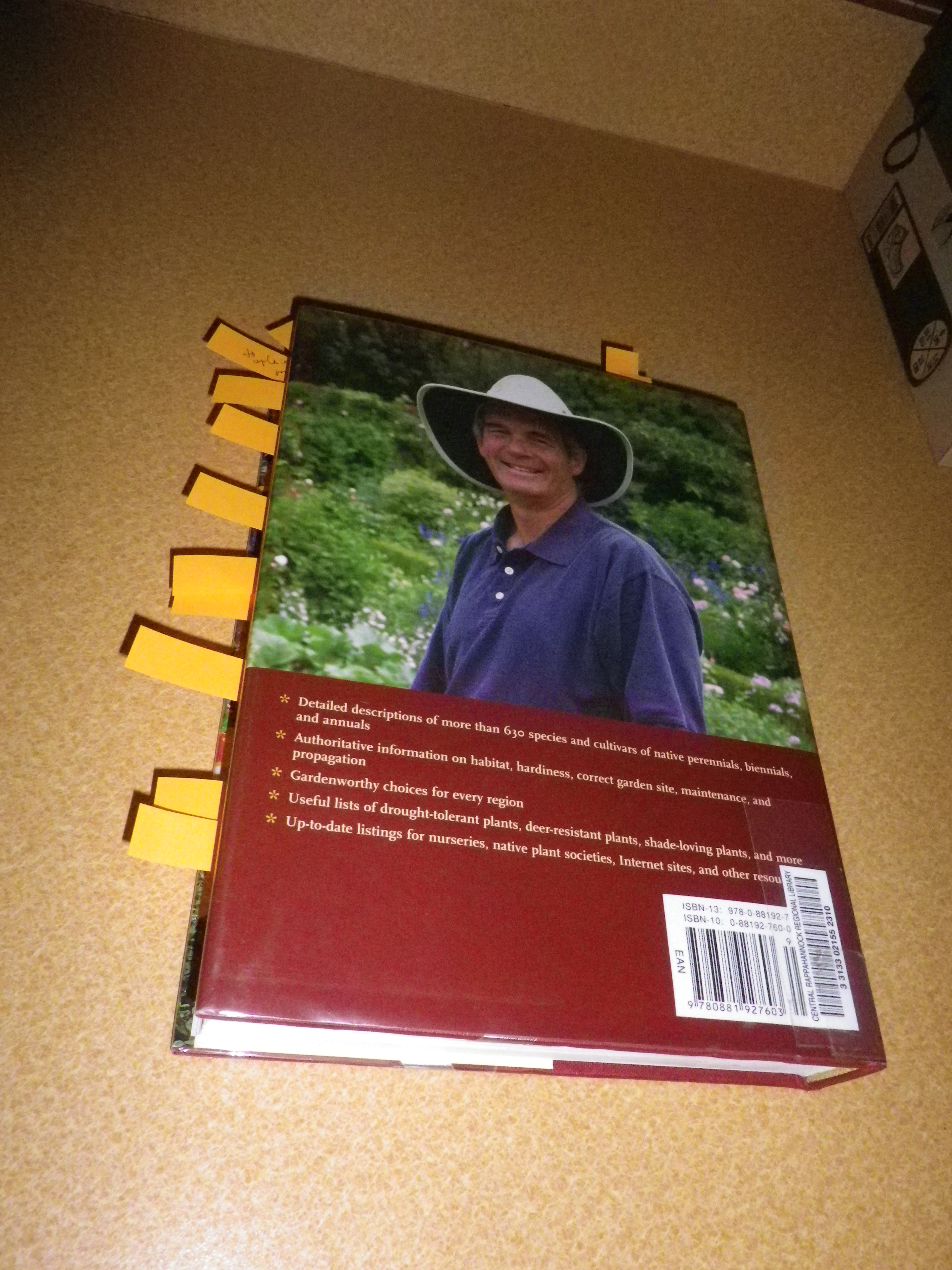
Here’s a sign of a good book:  lots of stickies marking information to save. Plus, doesn’t he look like a friendly guy?

Yum, Succulents!

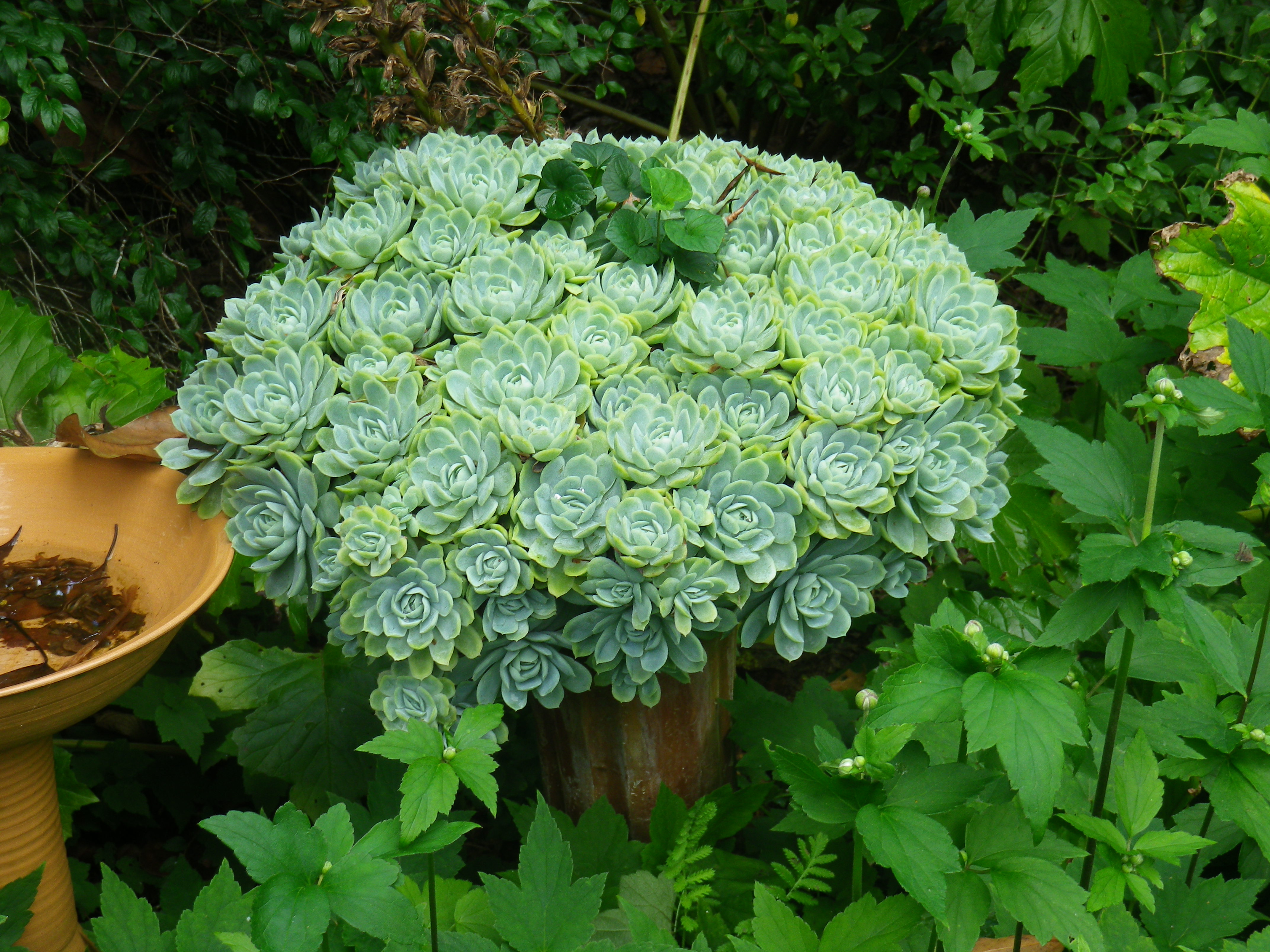
I’ve developed a bit of a thing for succulents, which tells me (since I am the average American gardener) that there must be a lot of us out there.  On the left is a photo of sedums I took at at Oxford’s Royal Botanic Gardens and labeled “I could fall in love with sedums,” so my interest has been brewing for a while.  I enjoyed the sedums I saw in New Zealand, too.  This arrangement was at our lunchtime stop on our very last day there.  (Never mind that these may not be sedums but echeverias…)

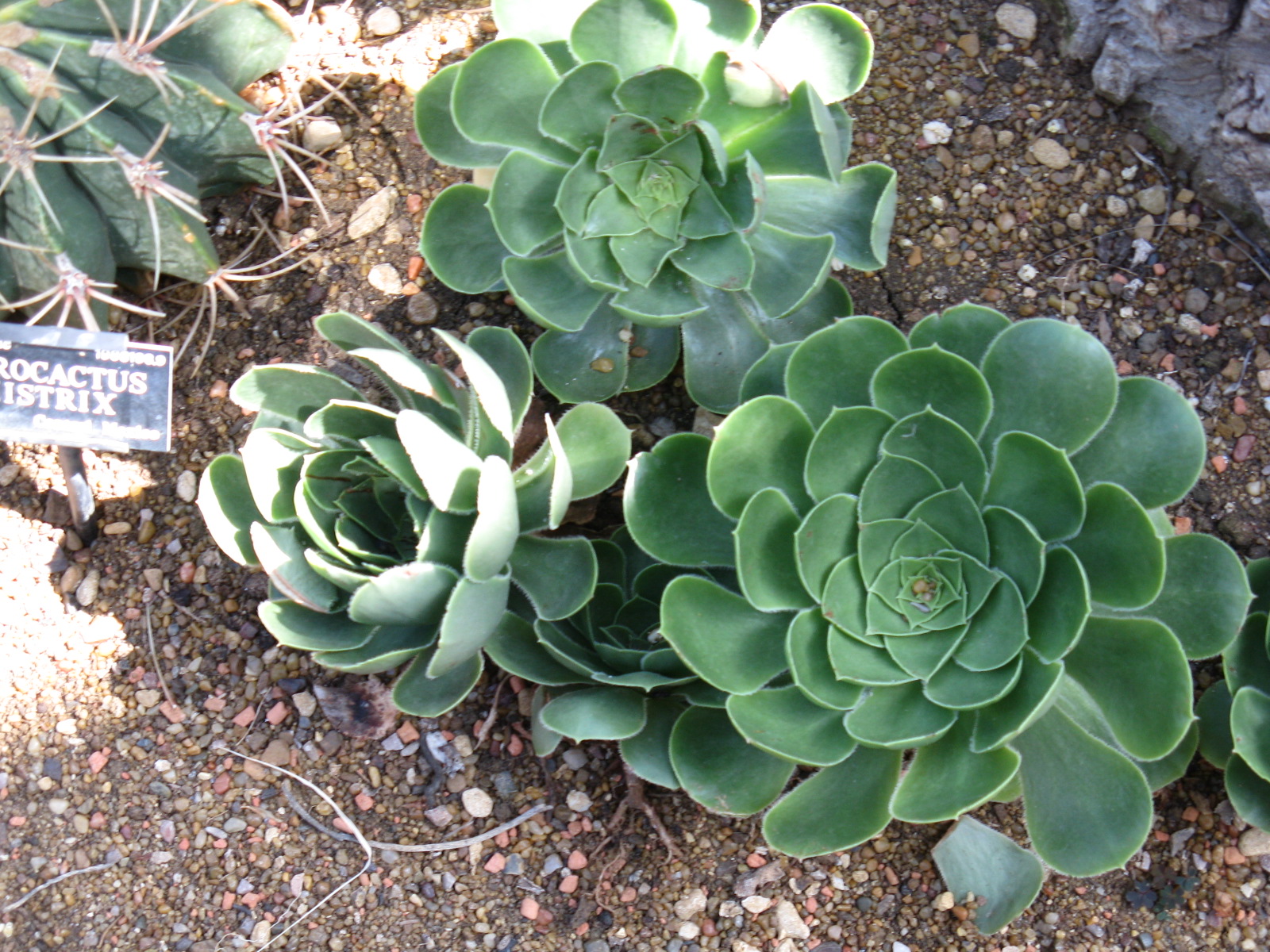
Add to this my encounter with aeoniums in Scotland (these must be ‘Zwartzkopf’), and you have a minor obsession developing.

In my own garden I have sedum ‘Autumn Joy,’ of course, but also ‘sieboldii,’ which may be my favorite with its cascade of stems; ‘Vera Jameson’ with her purple flowers nicely (and wholly accidentally) echoed by the dark pink crepe myrtle blooming above it;  and more recently ‘ternatum’ planted in the walkway garden to be used as a groundcover.  So in fact, though I’ve been intrigued with agaves and yuccas from a distance, the only succulents in my garden are sedums.

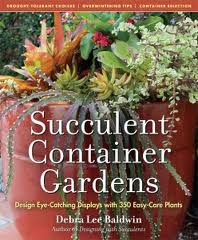
Comes now Debra Lee Baldwin with two beautiful books about succulents that take the reader beyond ‘Autumn Joy.’

The first one describes how to incorporate succulents into your garden design, considering color, texture, scale and all the other standard design elements.  Almost all of the featured gardens are from the west coast or the southwest, where “Landscaping for Fire Safety” is important.  For a zone 7 eastern gardener, it was more a pretty picture book than a gardening guide, although she does include a chapter on using succulents in colder climates.  Here, the most appealing pictures come from Thomas Hobbs’ Vancouver garden, where succulents are grown in luscious tapestries and then overwintered indoors.

Her more recent book concentrates on container gardening with succulents.

This is more my speed, and I must say the containers pictured here are truly delicious, with the pots beautifully paired with an array of sedums, echevarias, agaves and more.

For example, this gorgeous example of how attention to color, repetition and the right mulch come together in a stunning arrangement. This is called “lily pond” because that’s what it is echoing; much more effective than some of the arrangements that try to create miniature landscapes or incorporate Christmas balls and beads into the arrangements.

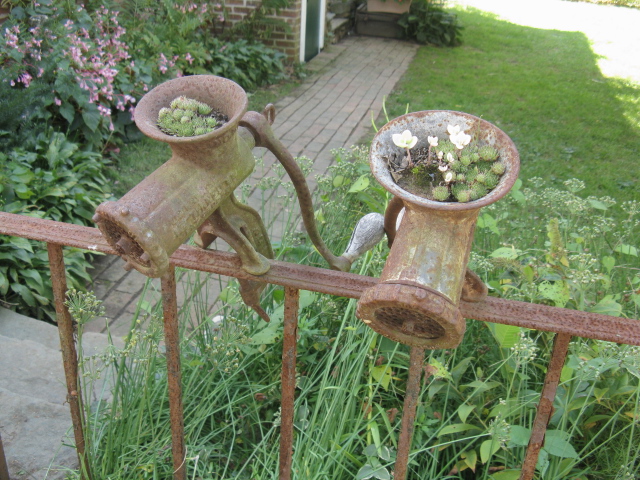
Though I did like the sedums planted in found objects from children’s fire trucks to teacups, reminding me of these sedums at the Waterford fair.

Though there’s lot of good information in here, and Baldwin obviously knows what she’s talking about, I was frustrated by the arrangement. I wish that her plant listings had included a picture, zone guide, etc. for each entry. So, in the end, enjoyable but not books I’ll return to very soon.

Heleniums can be hell*

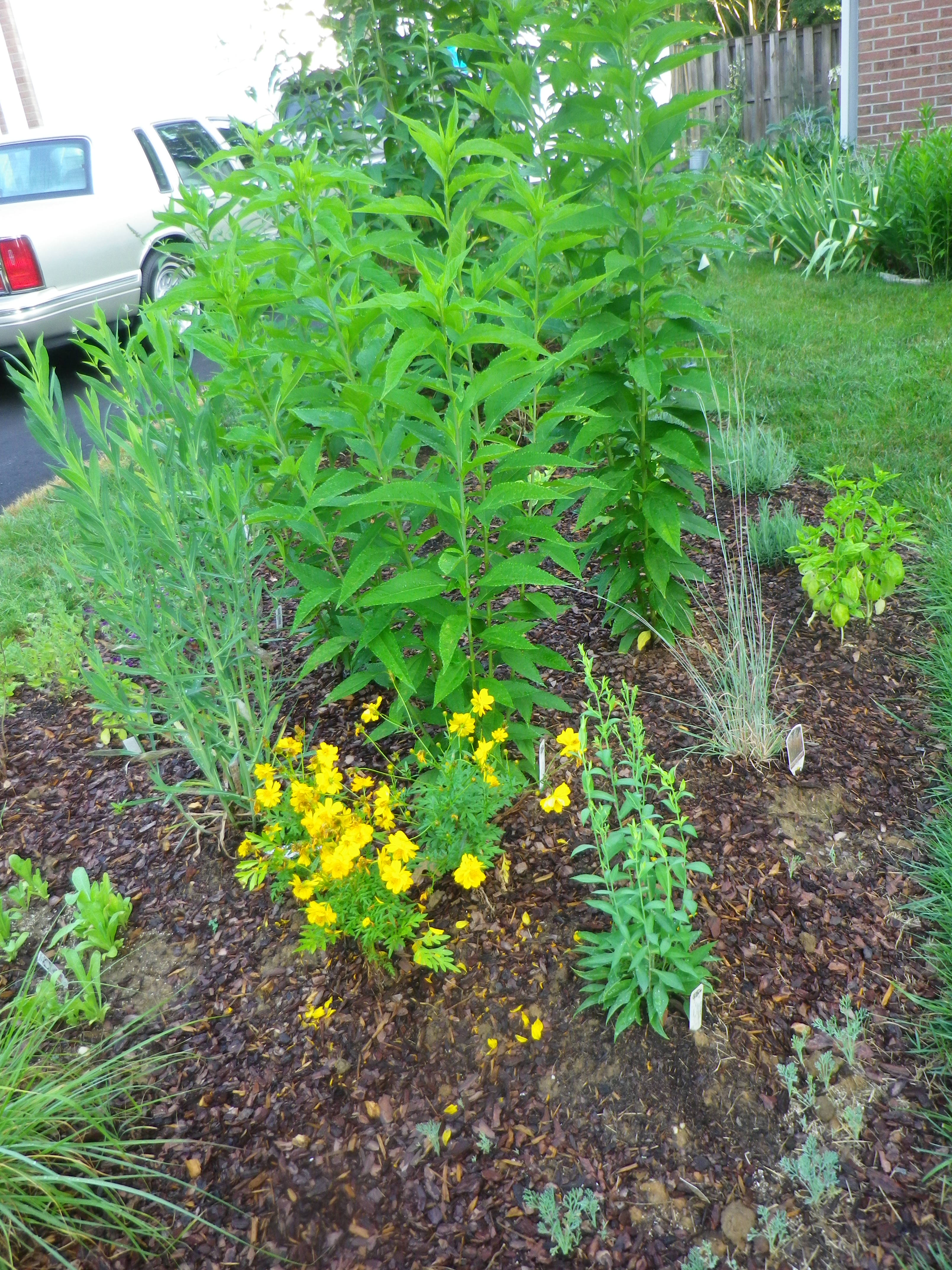
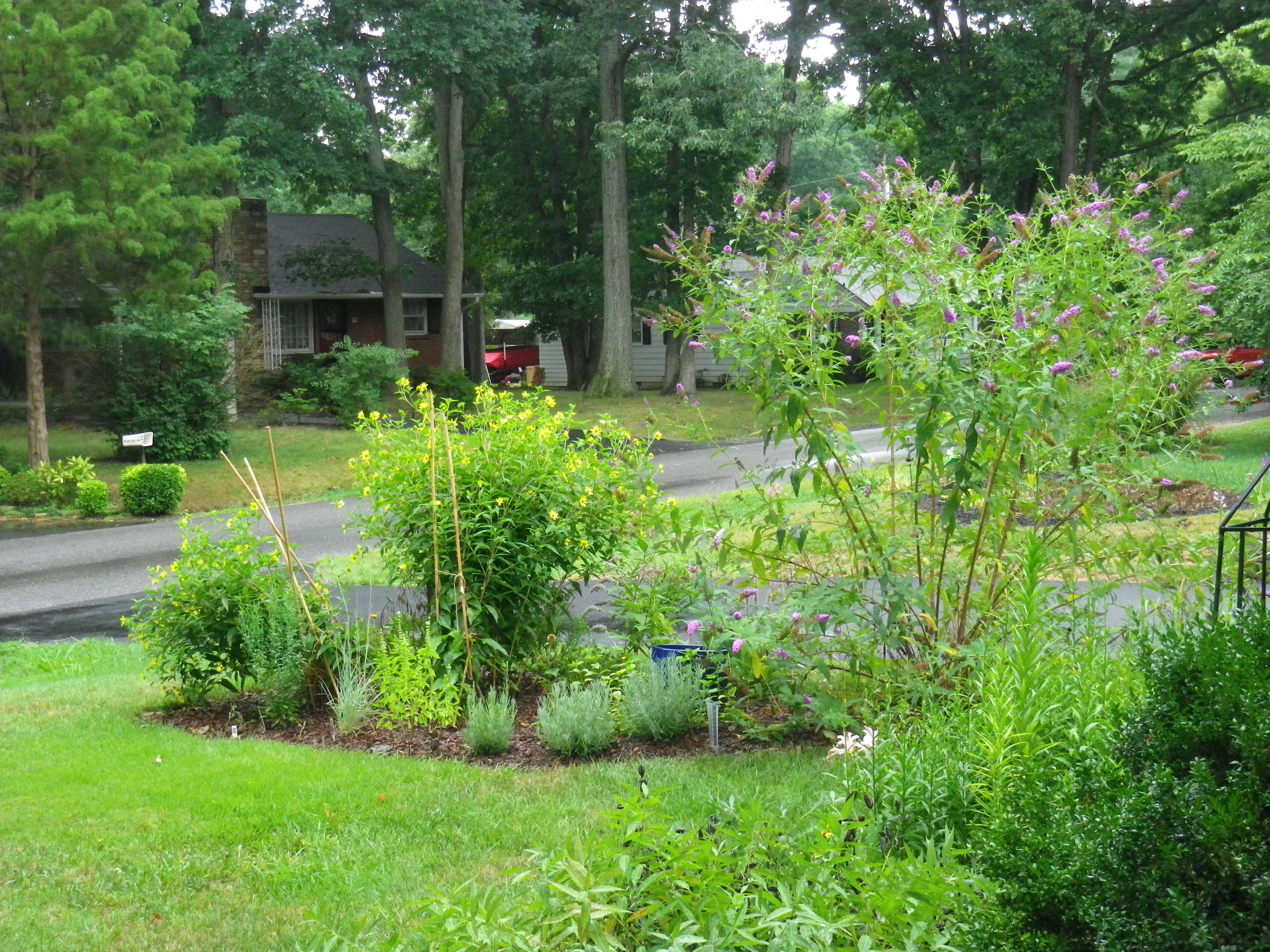
The new bed was so full of promise – and it still is, if I can figure out how to stake the helenium.  The idea behind this was that I’d have lots of tall, sun-loving, drought-tolerant plants that would screen the neighbors’ driveway and give me lots of late summer color.  It’s working, sort of, except that a storm a month ago or so caused the helenium to lean over.  Despite my best efforts with bamboo stakes, it started leaning even more.  In preparation for Irene, I removed the stakes, fearing that they would become spears slicing through the air and impaling innocents.  Instead, all that happened is that the heleniums are now nestled down close to the ground, smothering the miscanthus, calendulas and boltonia.  I think the only solution is some rebar stakes.  The damn plant is so heavy that I don’t think anything else will work.

So here it is in June, with the calendulas blooming brightly in front.

By early August, it was beginning to lean.  You can see the stakes that were no match for the weight of the plants.

And now, after the hurricane, it’s just ridiculous.  It’s at least a two-man job to right the plants and tie it to stakes so strong that they will prevail against the mighty stems.


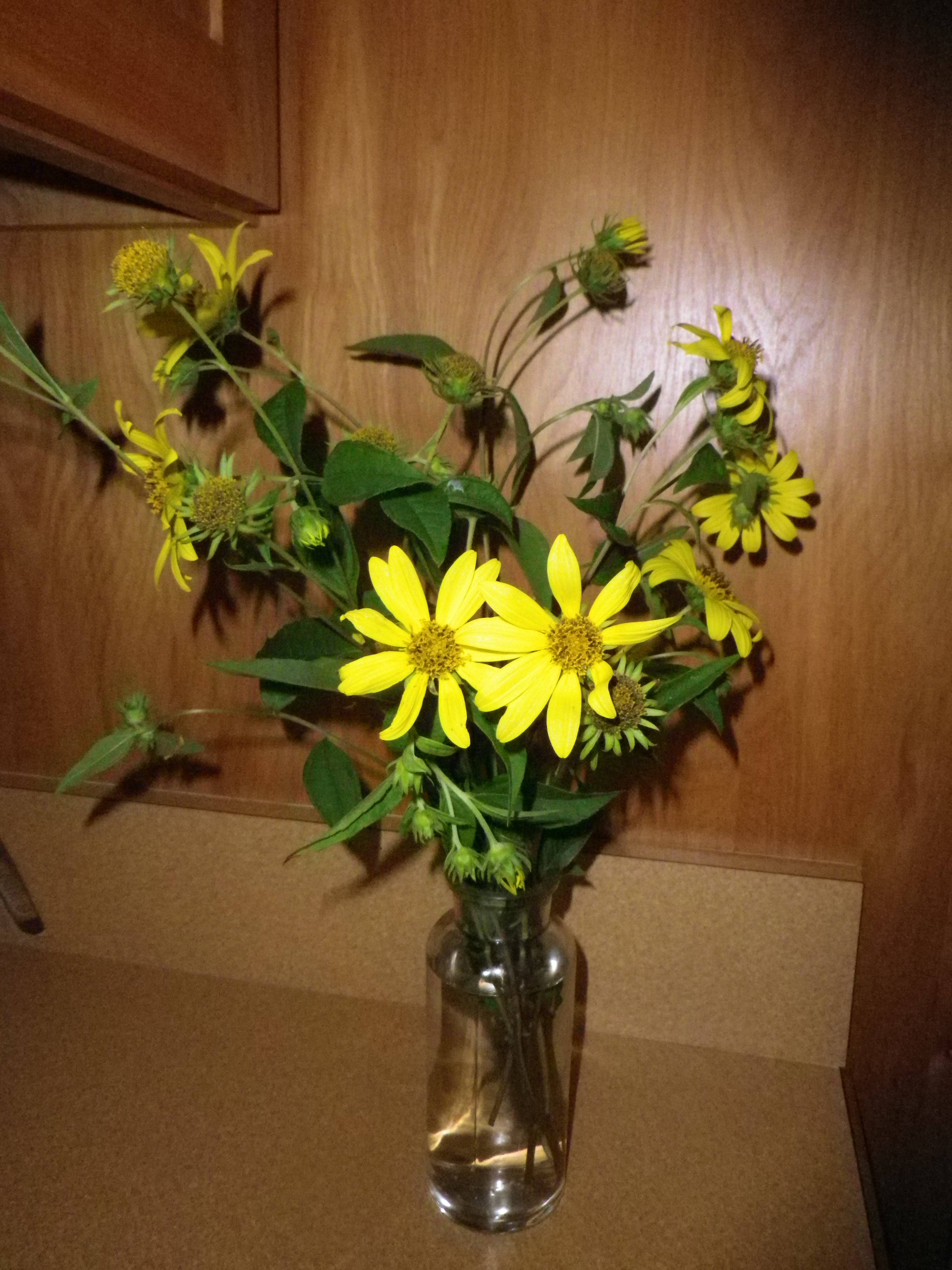
I do feel better to discover that I’m not the only one with helenium problems.  This gardener suggests cutting them back in midsummer, but of course part of the joy is having really tall plants, so I’m not sure that’s the solution.  He also had a terrible time staking, and I must say his stakes are even more pathetic than mine.  One of his commenters who mentions this specific variety (‘Lemon Queen’) is going to try putting them in a cage next year.  Another good suggestion.  The bees and butterflies love this plant, and it makes a nice bouquet for the house, so I won’t give up!

*Note that throughout this post I referred to the plant as a helenium, but it’s not.  It’s a Helianthus.  (another problem)

Goodnight, Irene

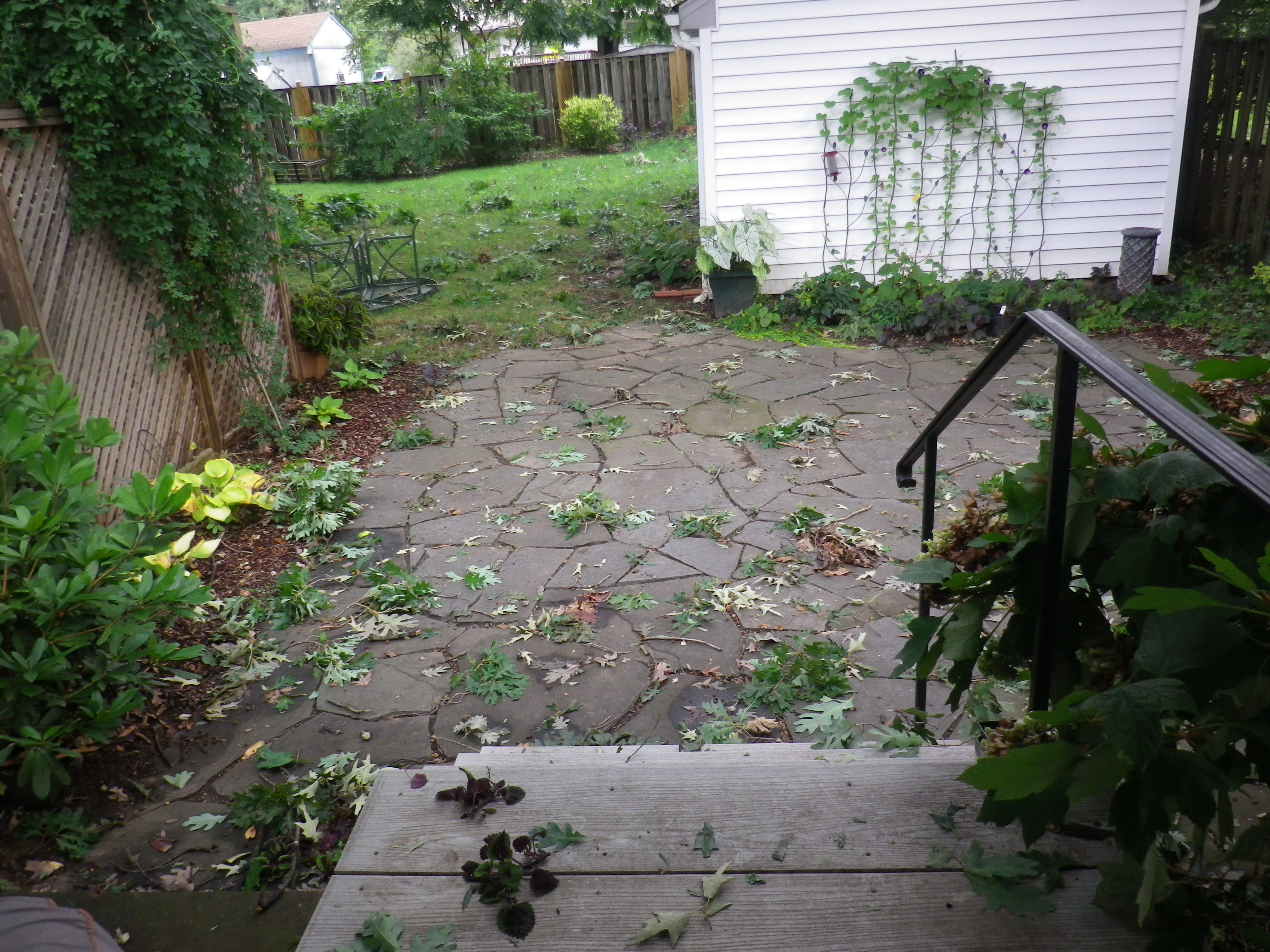
Hurricane Irene stormed through on Saturday, leaving 3 1/4 inches of rain in her wake and a lot of debris in the garden.  Here’s a glimpse of Irene in action.

(The table did not blow over, we set it upside down to save it.)

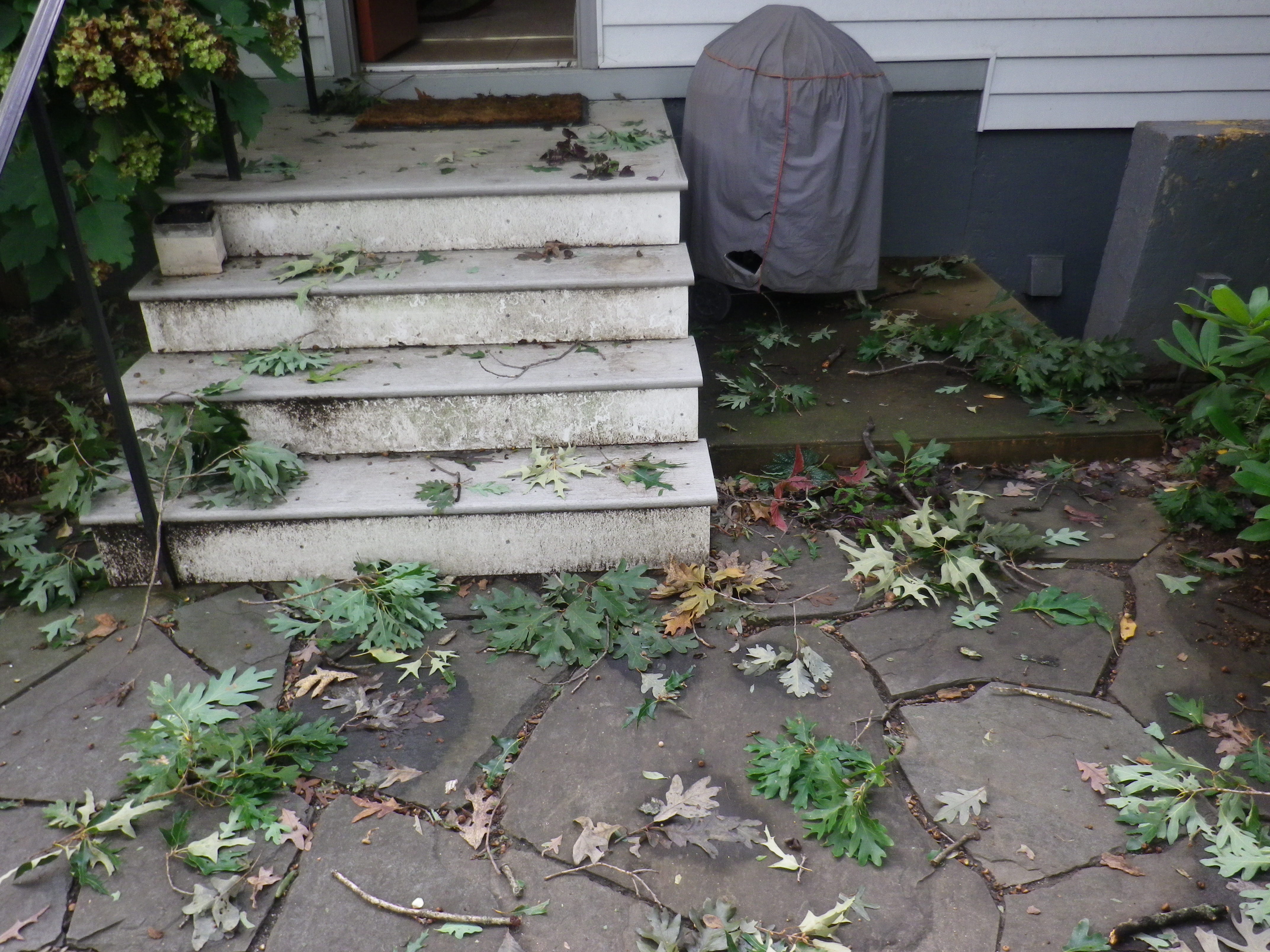
Mostly twigs and small branches, a mess to clean up but not too terrible.

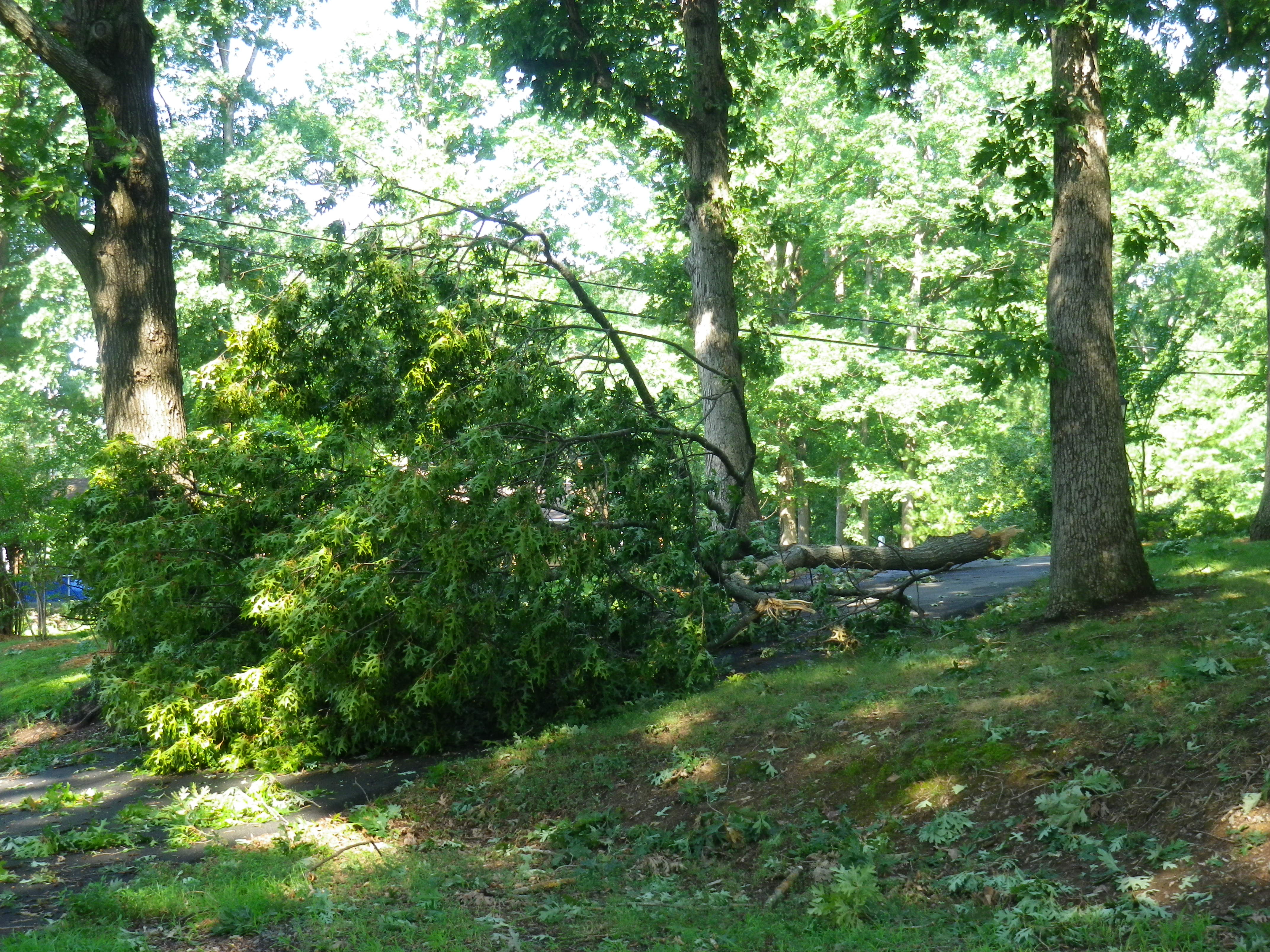
The real damage came from the intense thunderstorm on Thursday evening, which left this tree blocking three-quarters of the road.  By this morning (Sunday post-Irene) someone had moved it into the driveway.

It’s bright and sunny now, actually so hot that I couldn’t bring myself to mow the lawn, which needs it badly.  If I can muster up the strength, I’ll do some more cleanup in back.  Next weekend I will HAVE to chip and shred, or else haul it all to the dump.

Other People’s Gardens: NYC

We really went to New York to see the Italian Renaissance art at the Metropolitan.

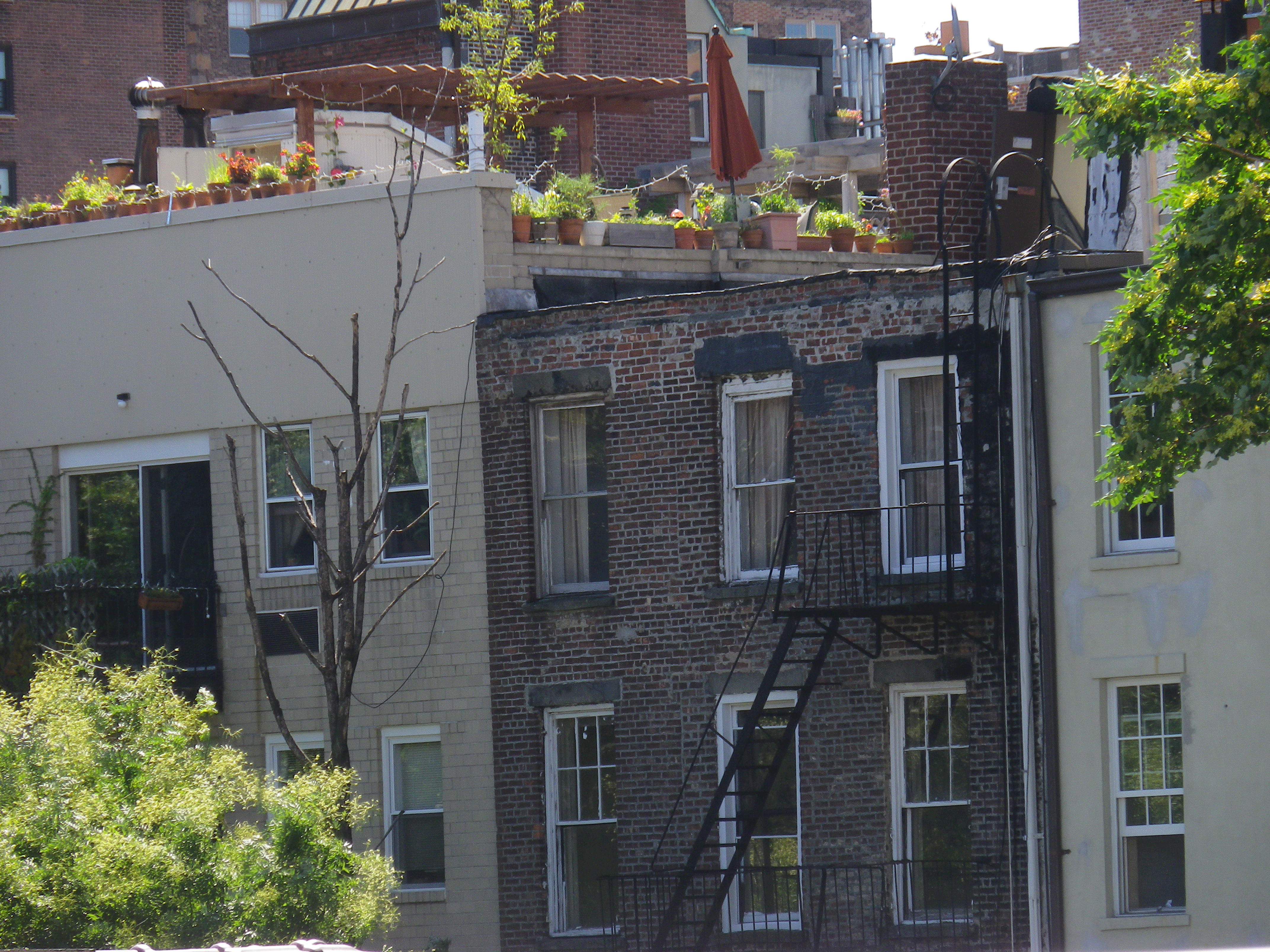
But there are always gardens to see, of course.  Our hotel room on the 11th floor overlooked this rooftop garden.  When you see how many plants and containers are crammed into this little space, you know these people are dedicated gardeners.

Here are some similar gardens in the west Village.

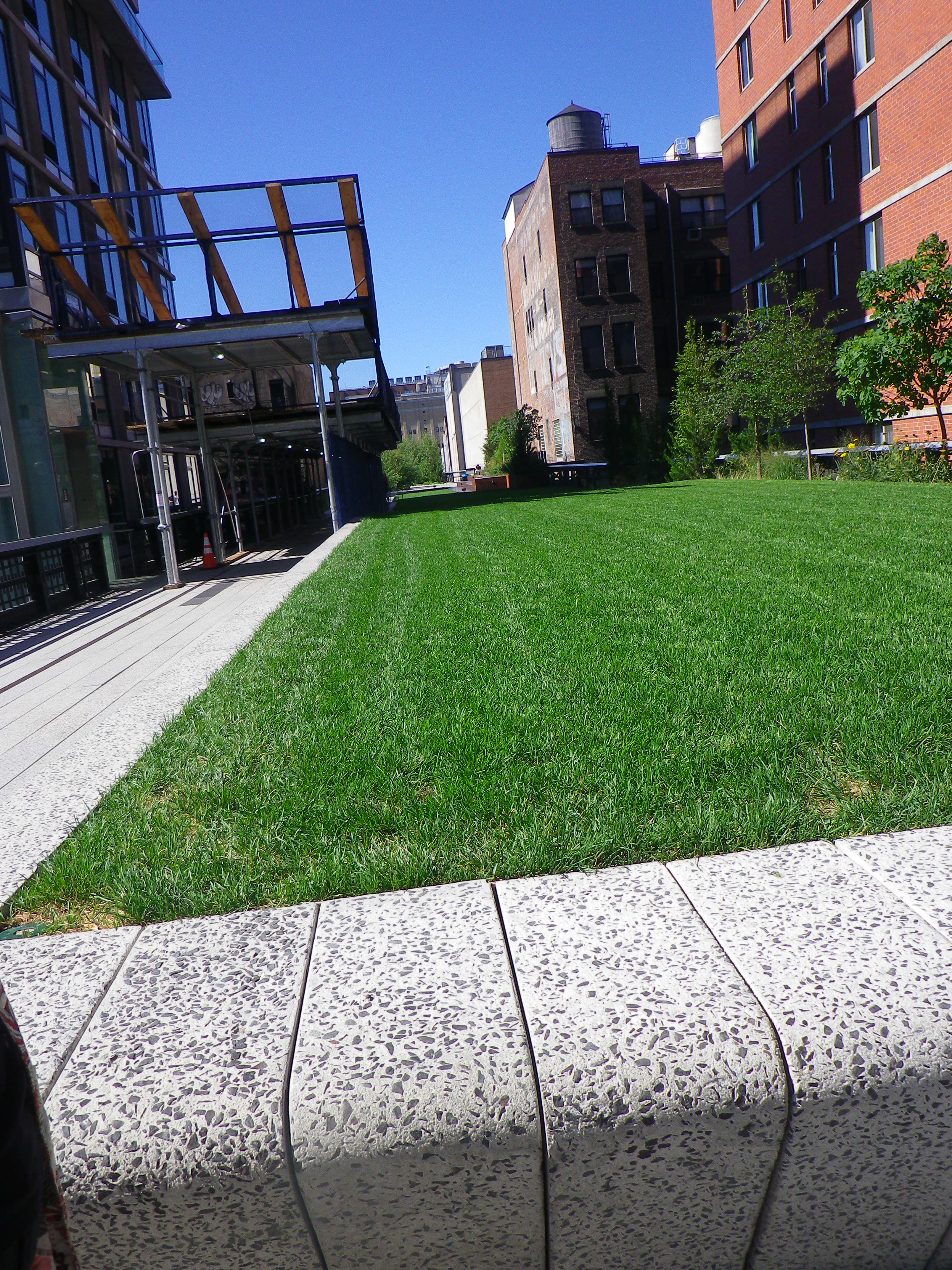
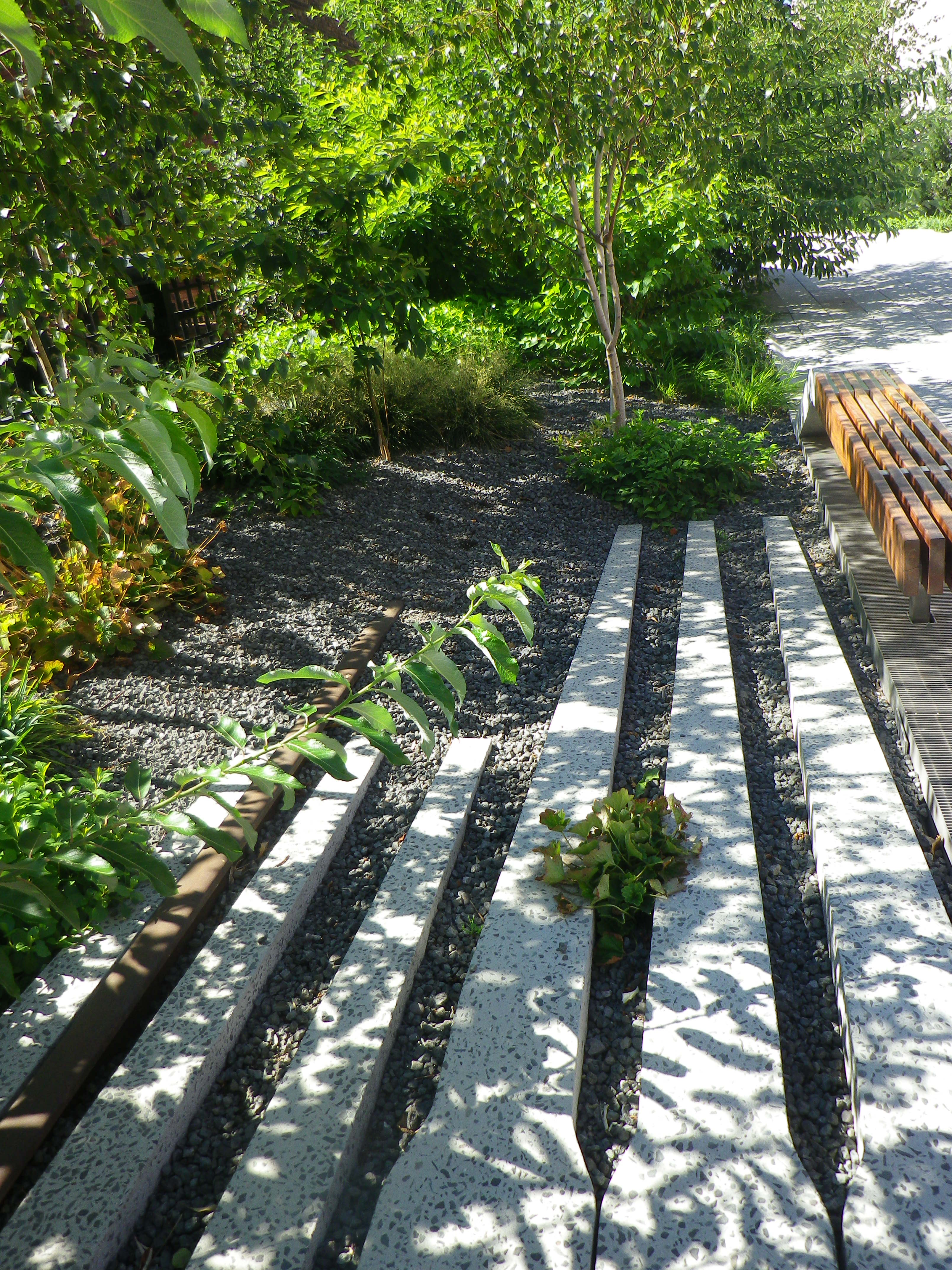
But the real garden of the day was the High Line.  I’d been wanting to visit this rail-trail for years.  The second section opened earlier this summer, so we were able to walk the trail from 30th St. down to Gansevoort St. in the west Village. It was a clear, sunny day with low humidity and a light breeze, perfect for strolling along.

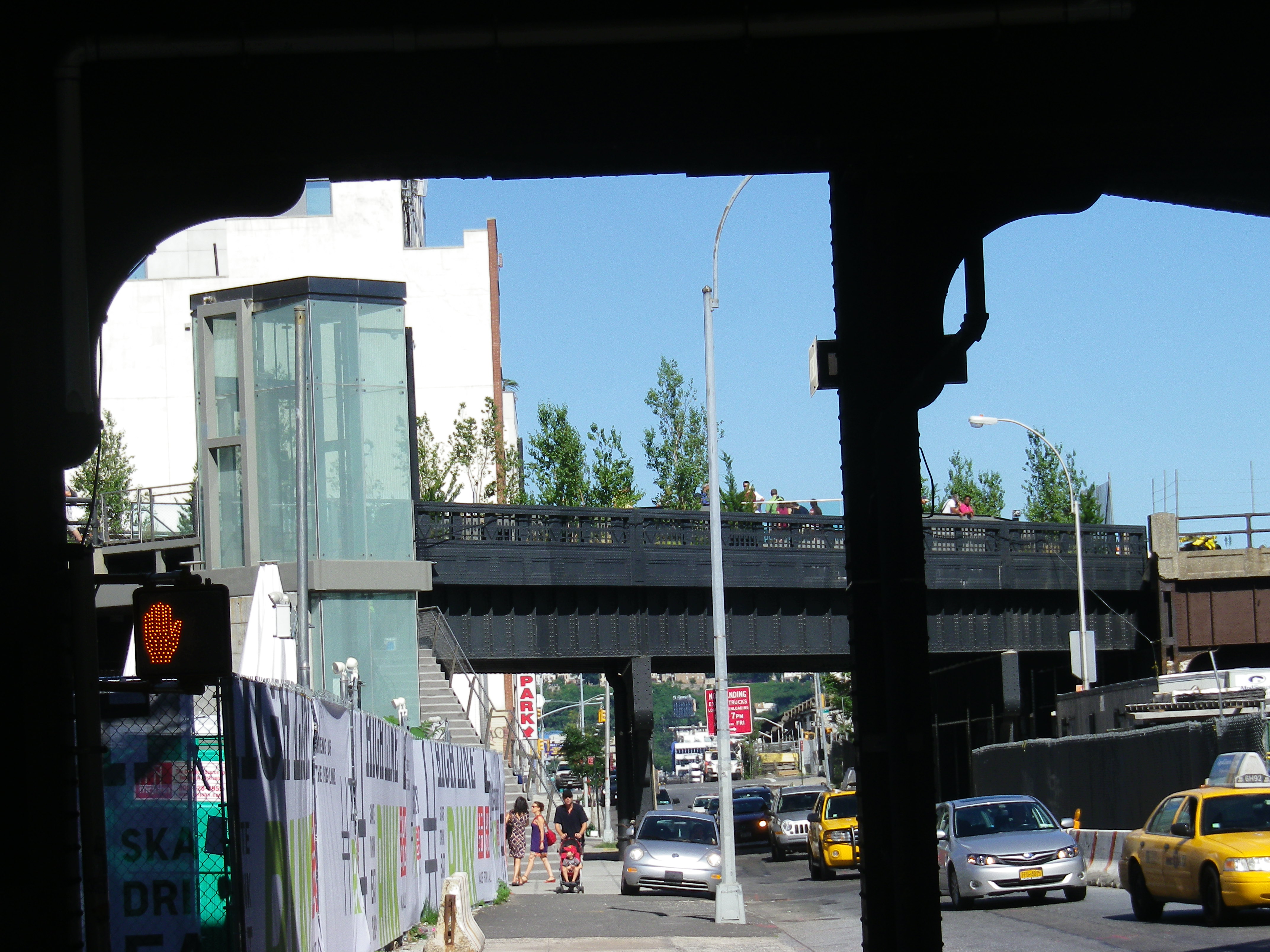
Our starting point was right by the Lincoln Tunnel entrance, a not very promising spot that was loaded with cars, trucks and confusing street patterns.  But we knew we were on the right track (ha) when we saw the trees waving above us in the distance.

We took the elevator, which featured a button surely found nowhere else.  Are you headed for G or HL?

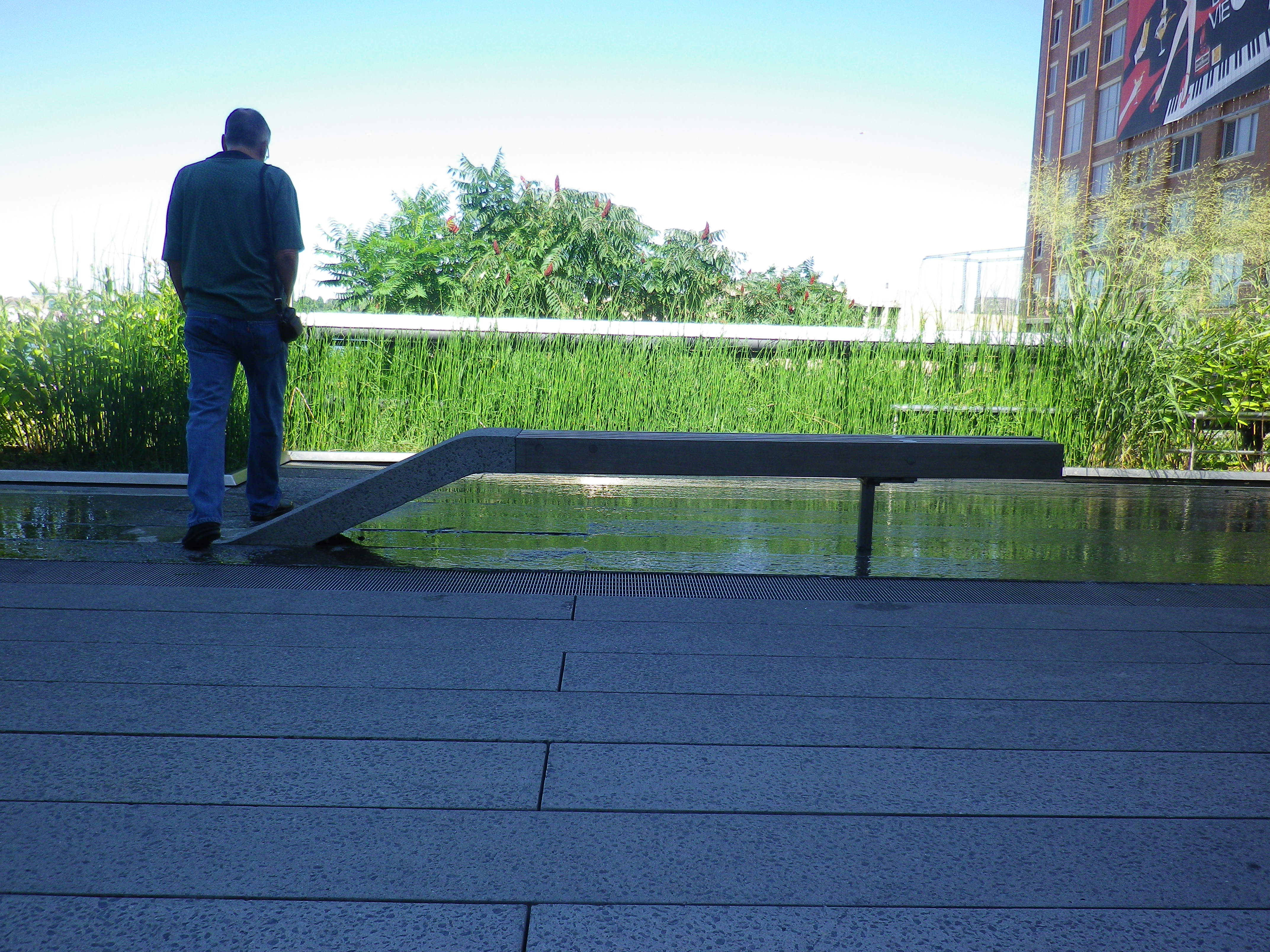
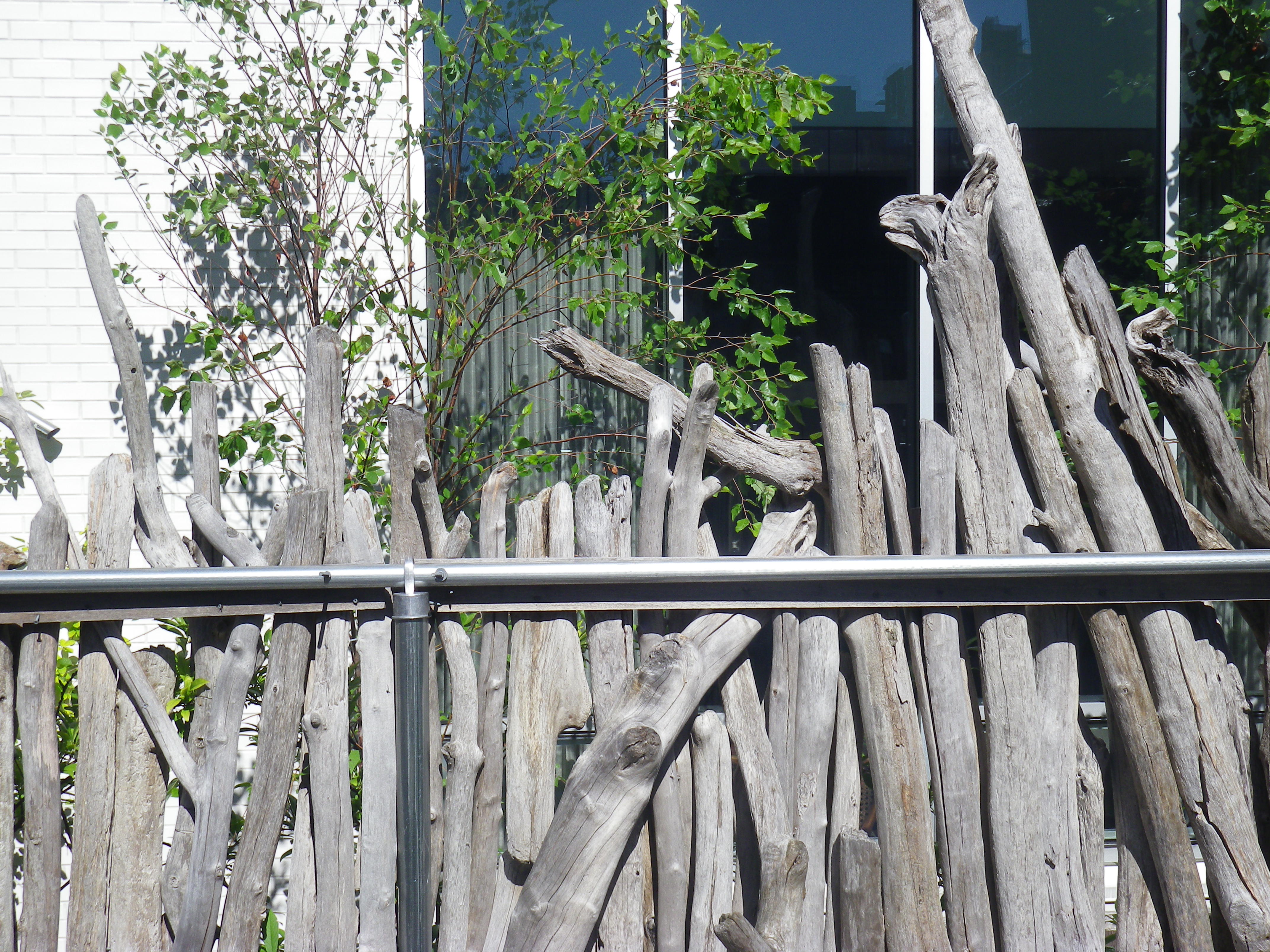
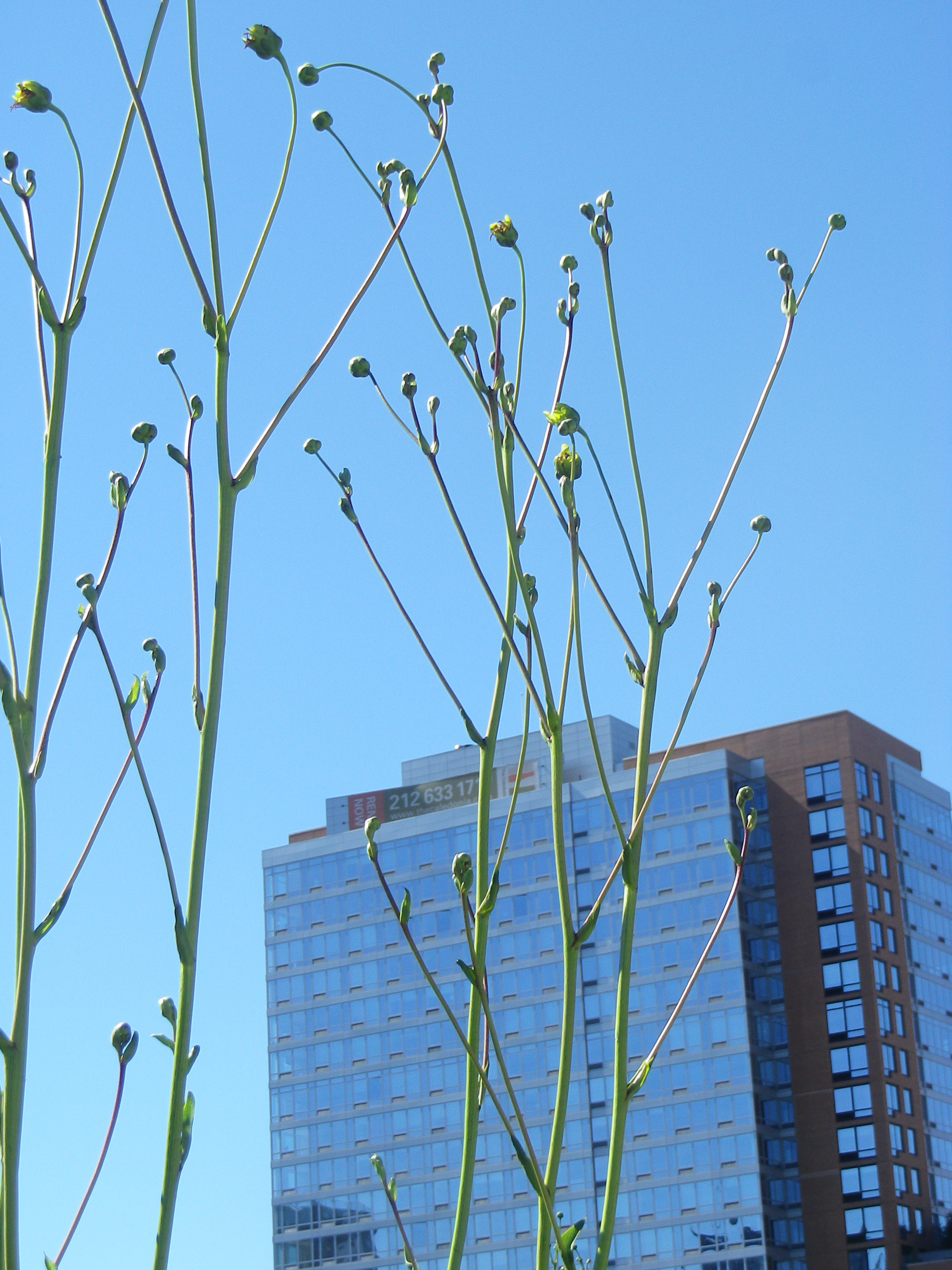
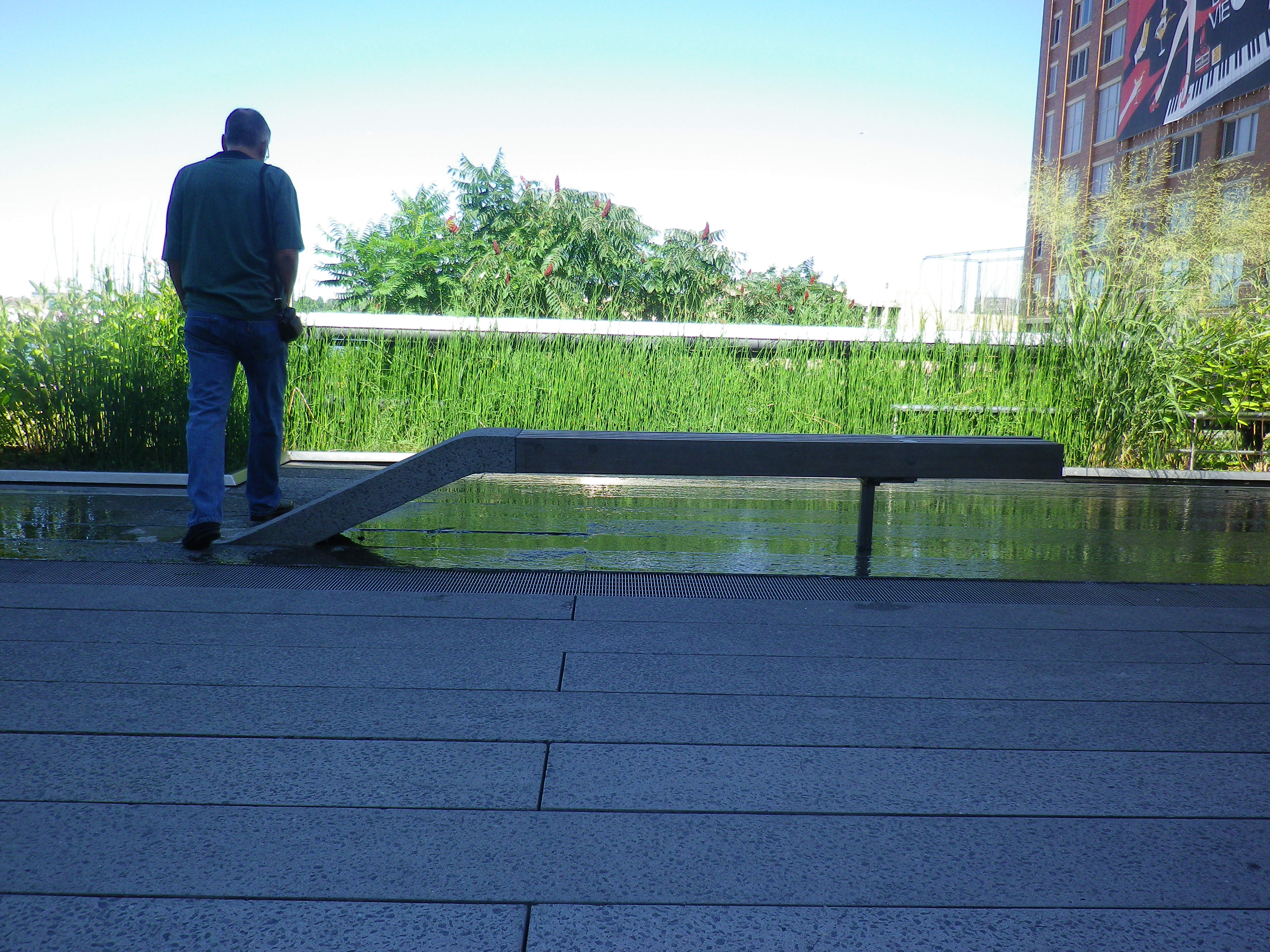
Our first sight featured just about everything that makes the High Line so wonderful:  clean, thoughtful design using lots of wood; sun-loving, drought-tolerant, often native plants; and an elevation that gets you above the street but not so high that you’re removed from the life of the city.  Also, lots of places to sit and enjoy the view.

Here’s a look at what we saw.  Mouse over for captions.


I foolishly asked one of the gardeners about maintenance, and she said firmly that this was NOT a low-maintenance garden, that despite its wild look it was carefully planned and took a lot of work.  Sorry!  I wasn’t sure if she was sick of this question or was just tired of weeding.

We didn’t see many birds or butterflies, but the bees were all over this plant (unknown to me).

It might be difficult to have your bedroom window looking out onto the High Line.  Here was one person’s stylish solution.

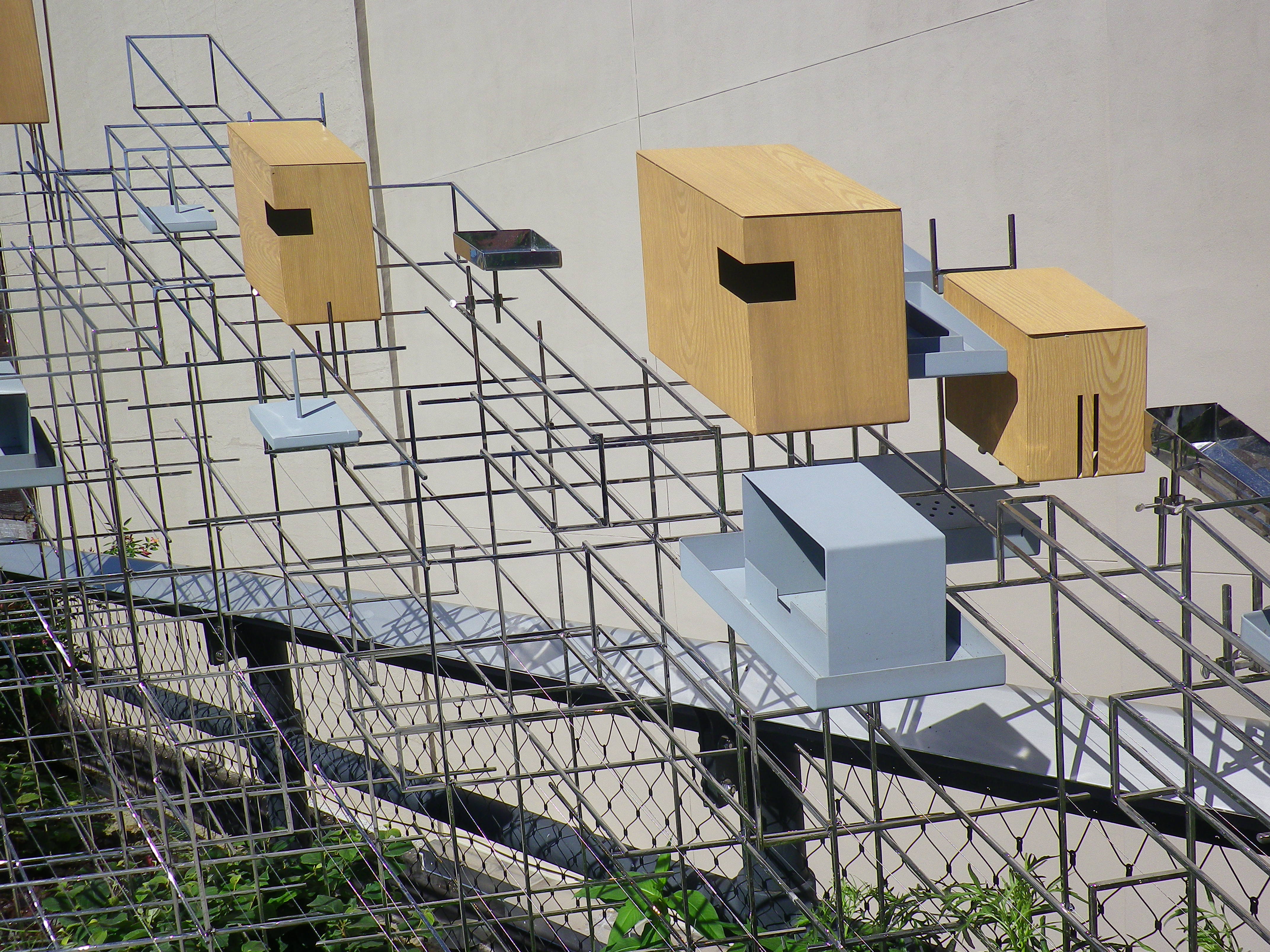
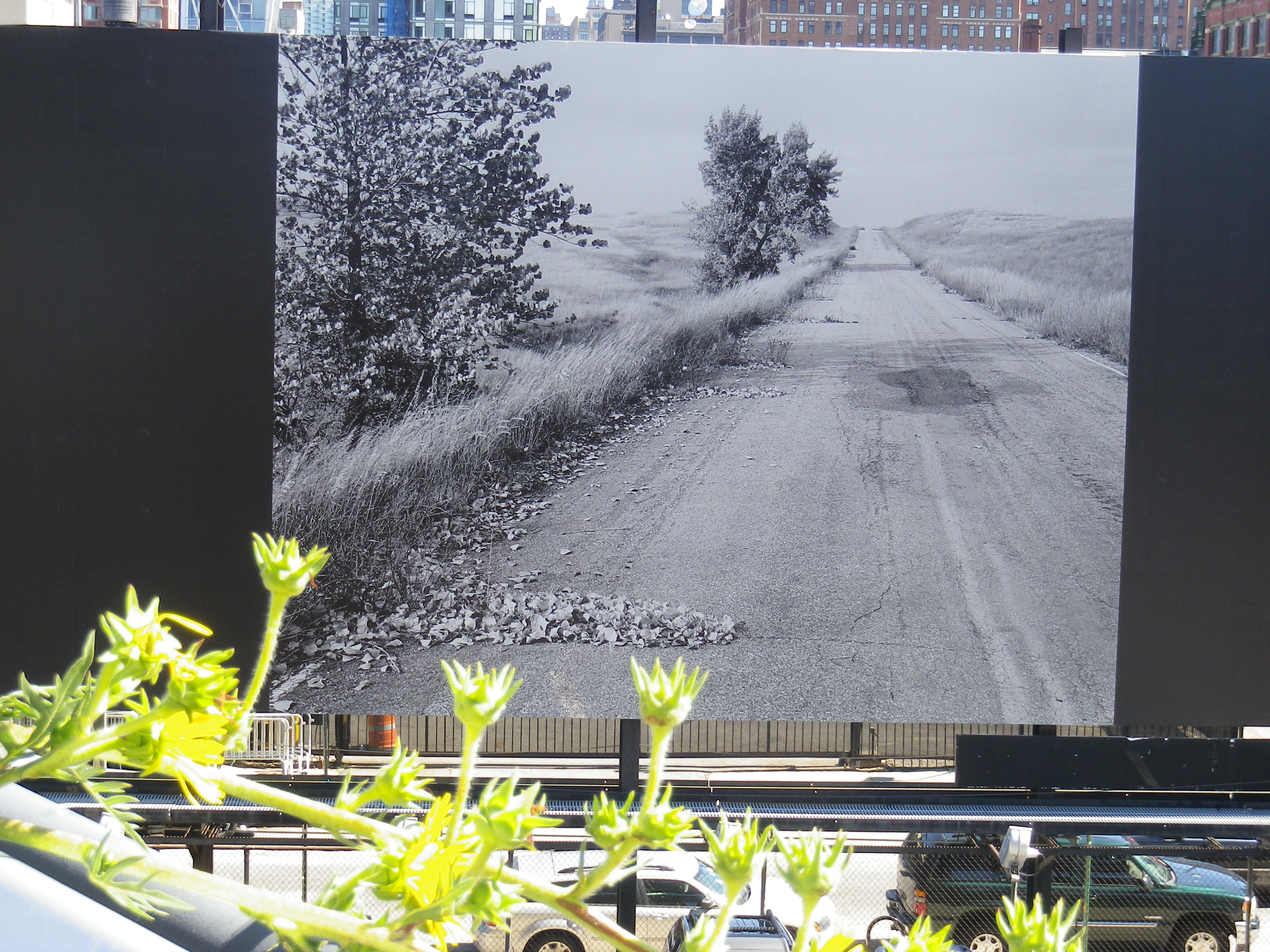
There’s plenty of art to be seen, from bird houses to this photo on the wall of a nearby building.


A plant list for August is here, so even though I couldn’t identify everything, there is hope.

We had a wonderful time, and I’d love to go back at other times of the year to watch it change.


Other People’s Gardens: Maine Edition

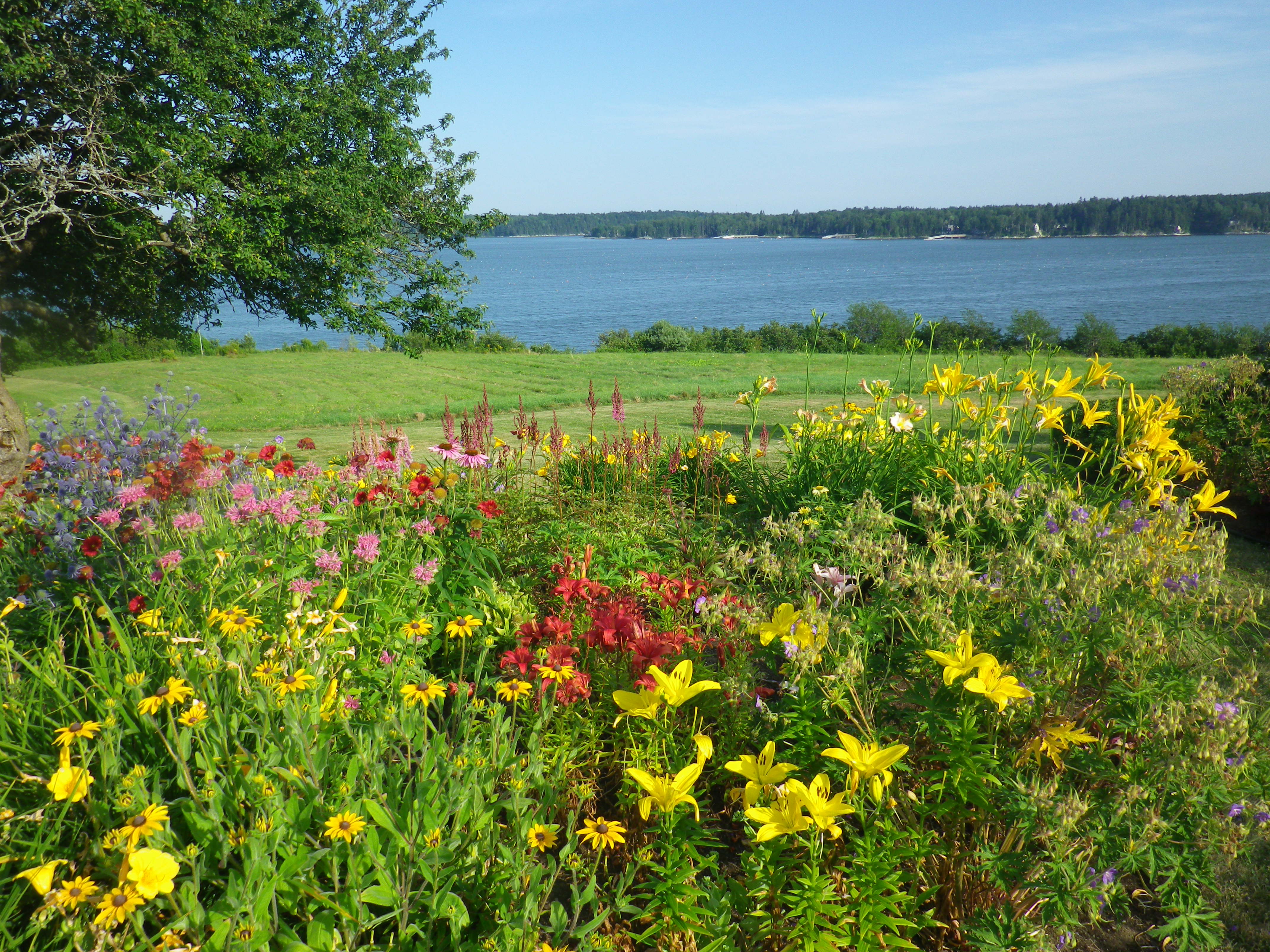
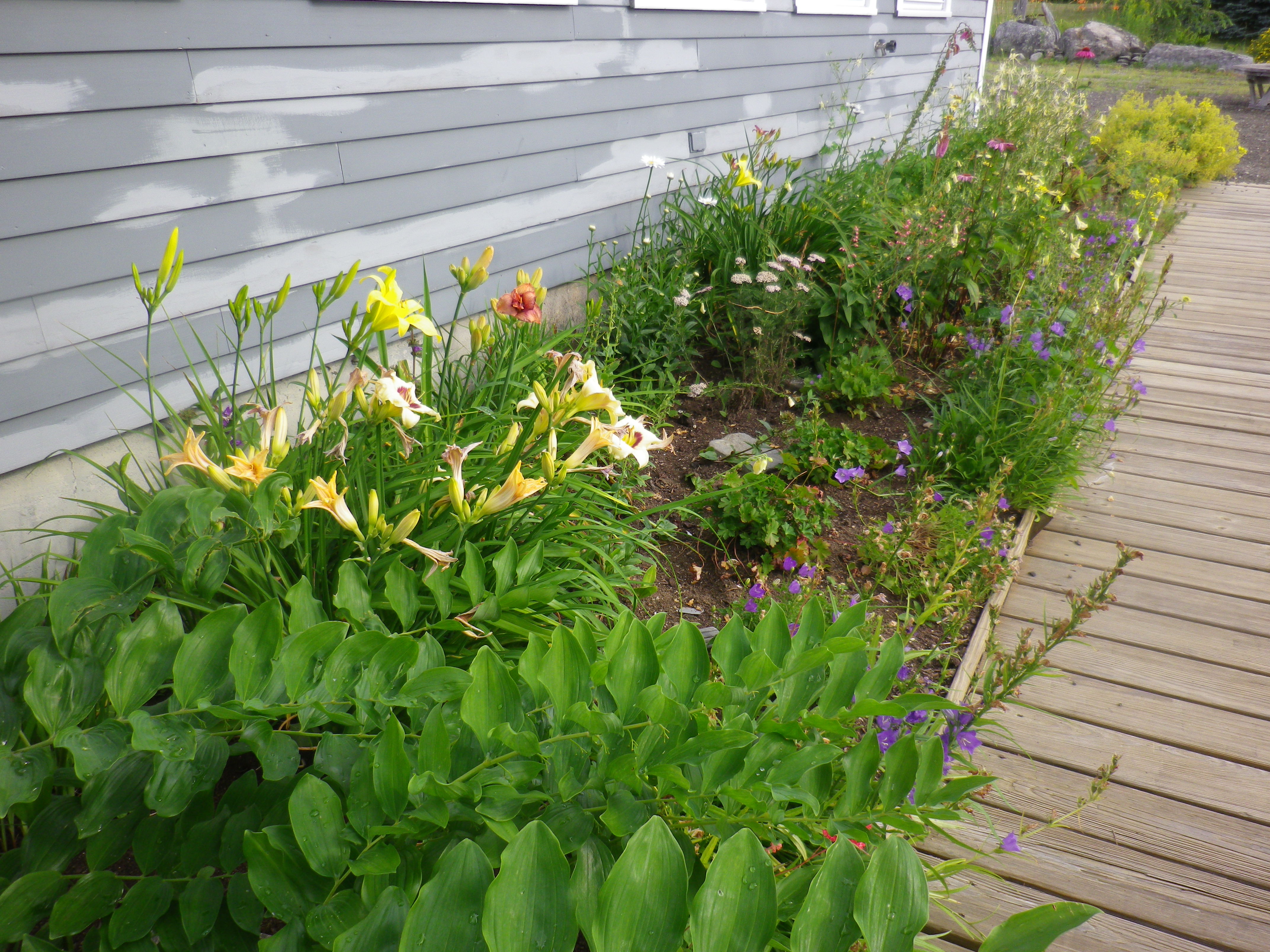
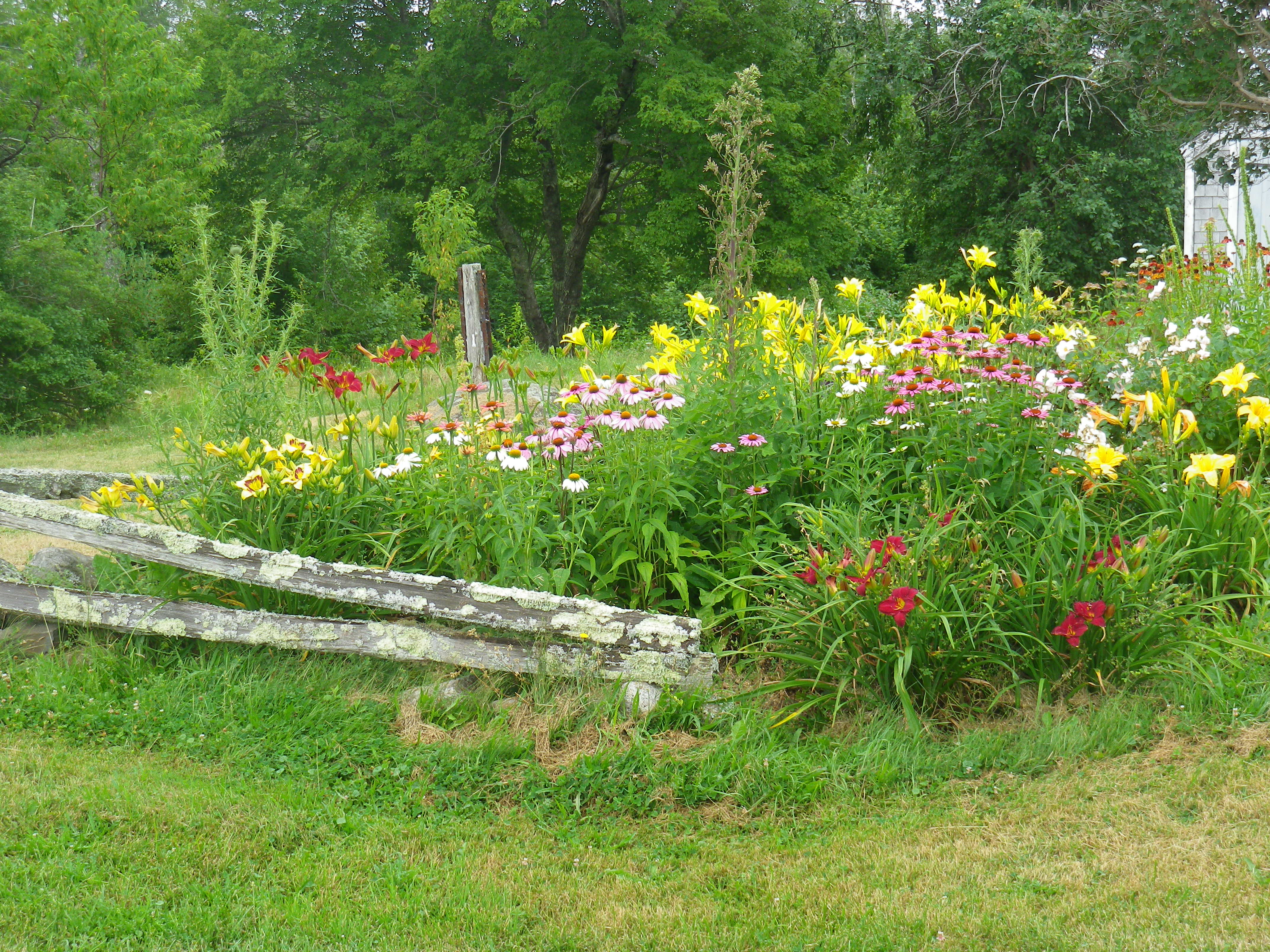
Maine in July was sunny, cool, misty, bright, rainy (but only at night), and altogether glorious. Our house in Cushing featured several beautiful borders, maintained by a pair of gardeners who chatted with me about the gardens.  Here’s a view with the St. George’s River in the background.  In the way of northern gardens, everything seems to be in bloom at the same time.  Here were day lilies, eryngium, sedums, and more.


This little garden by the side of the house had day lilies, Solomon’s seal, achillea, white columbine, balloon flower, and gloriously blooming lady’s mantle.


Here are the blooms.

Clearly, these plants are much happier in the cool, moist air of Maine than they are in my drought-ridden front garden.


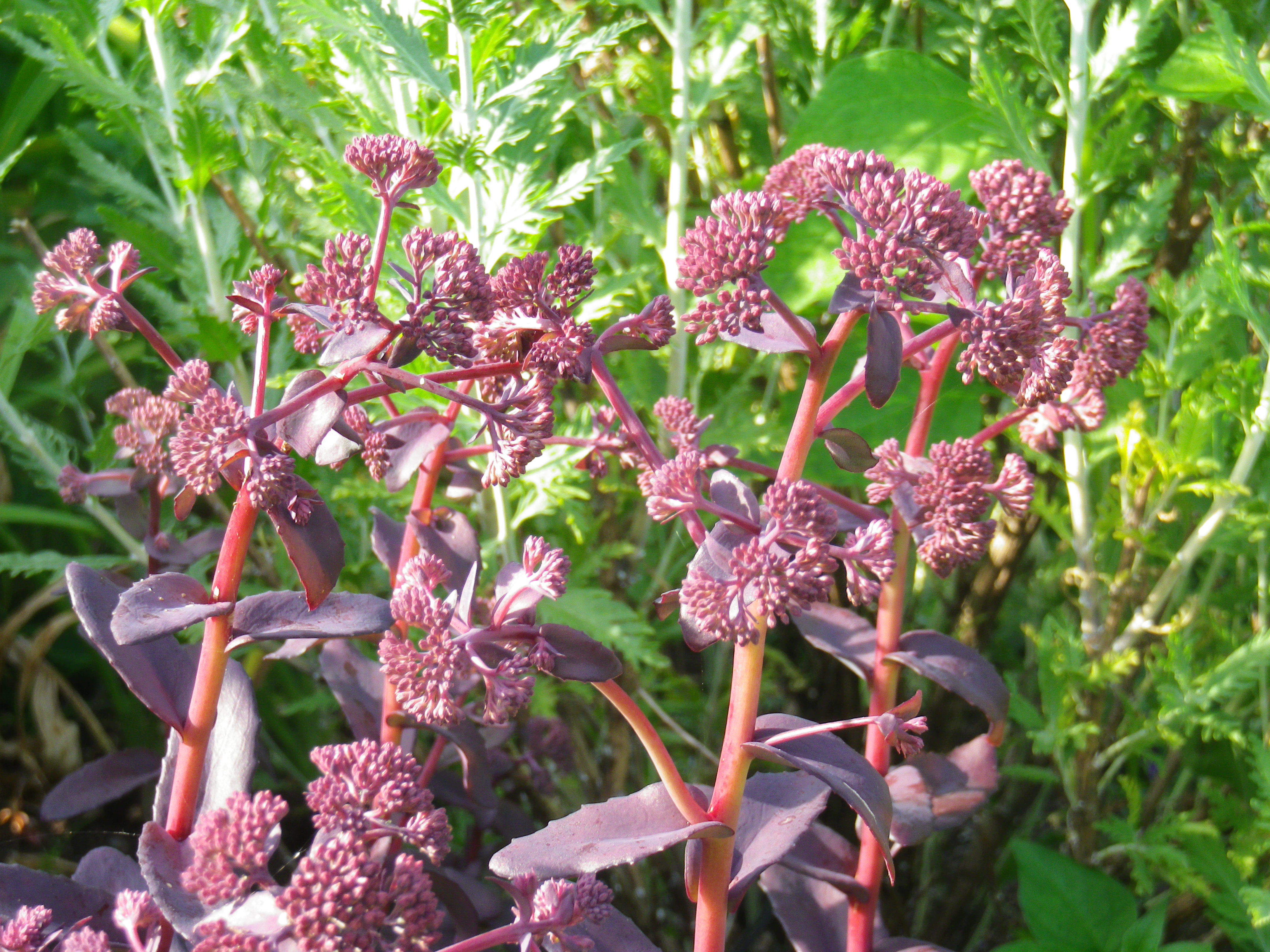
My new sedum obsession was fed by this purple-leaved variety that reminded me of my New Zealand gardening friend.


More sedums – this one along the path on Monhegan.


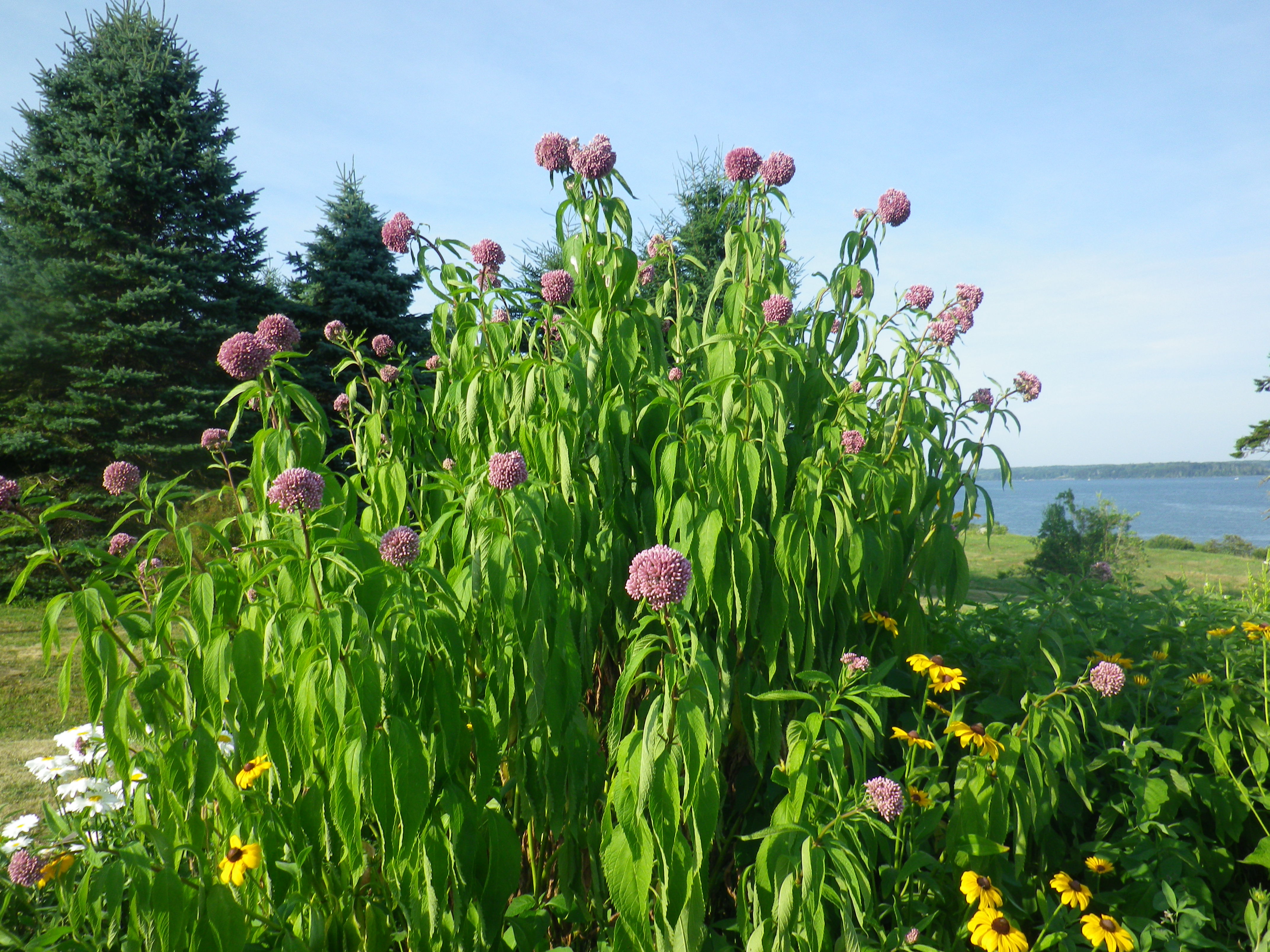
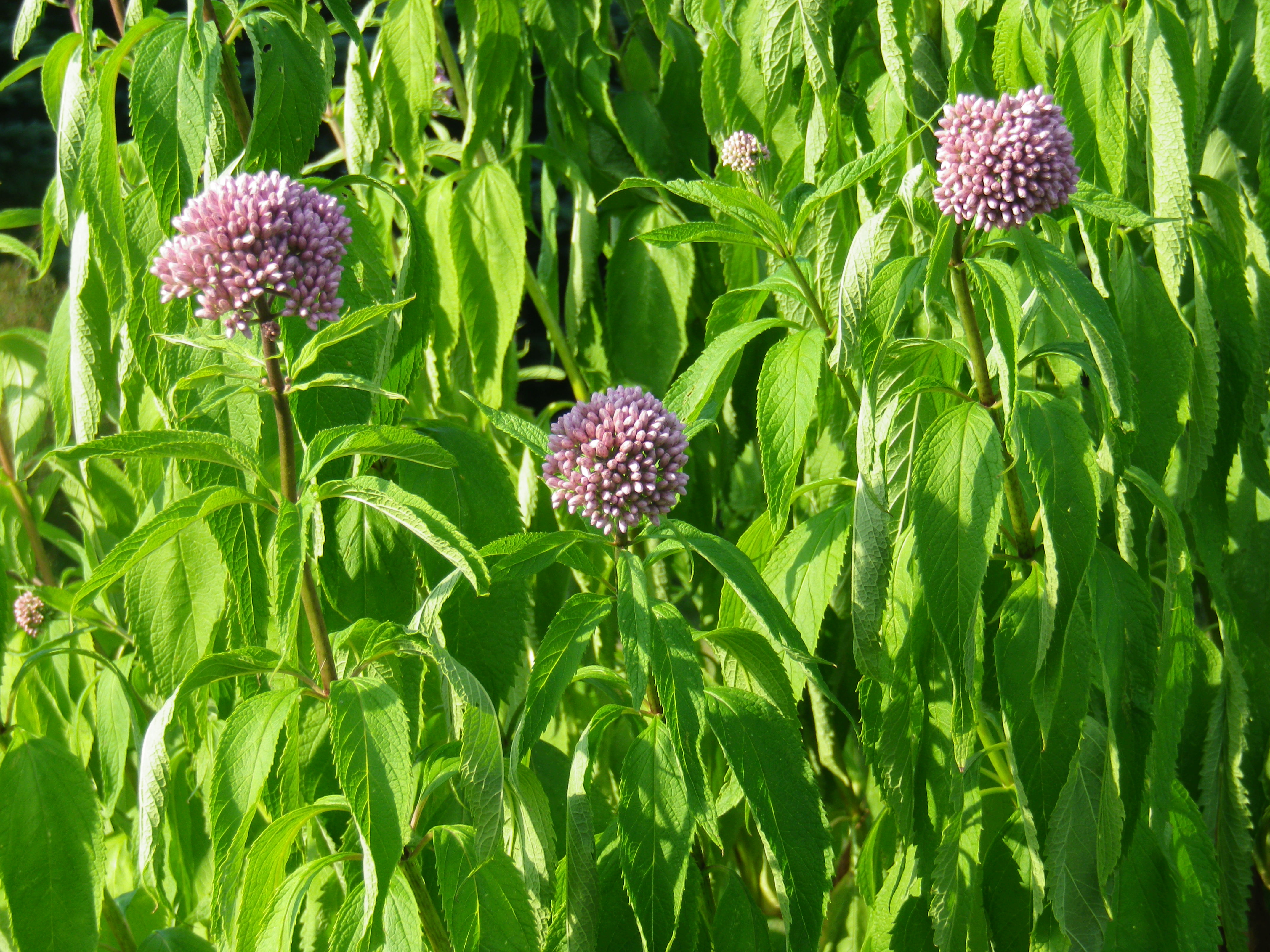
This was a bit of a mystery plant.  The gardeners guessed Joe-Pye weed, not yet in full bloom, and I think they were right.


You can see a little better in this closeup of the flowers.


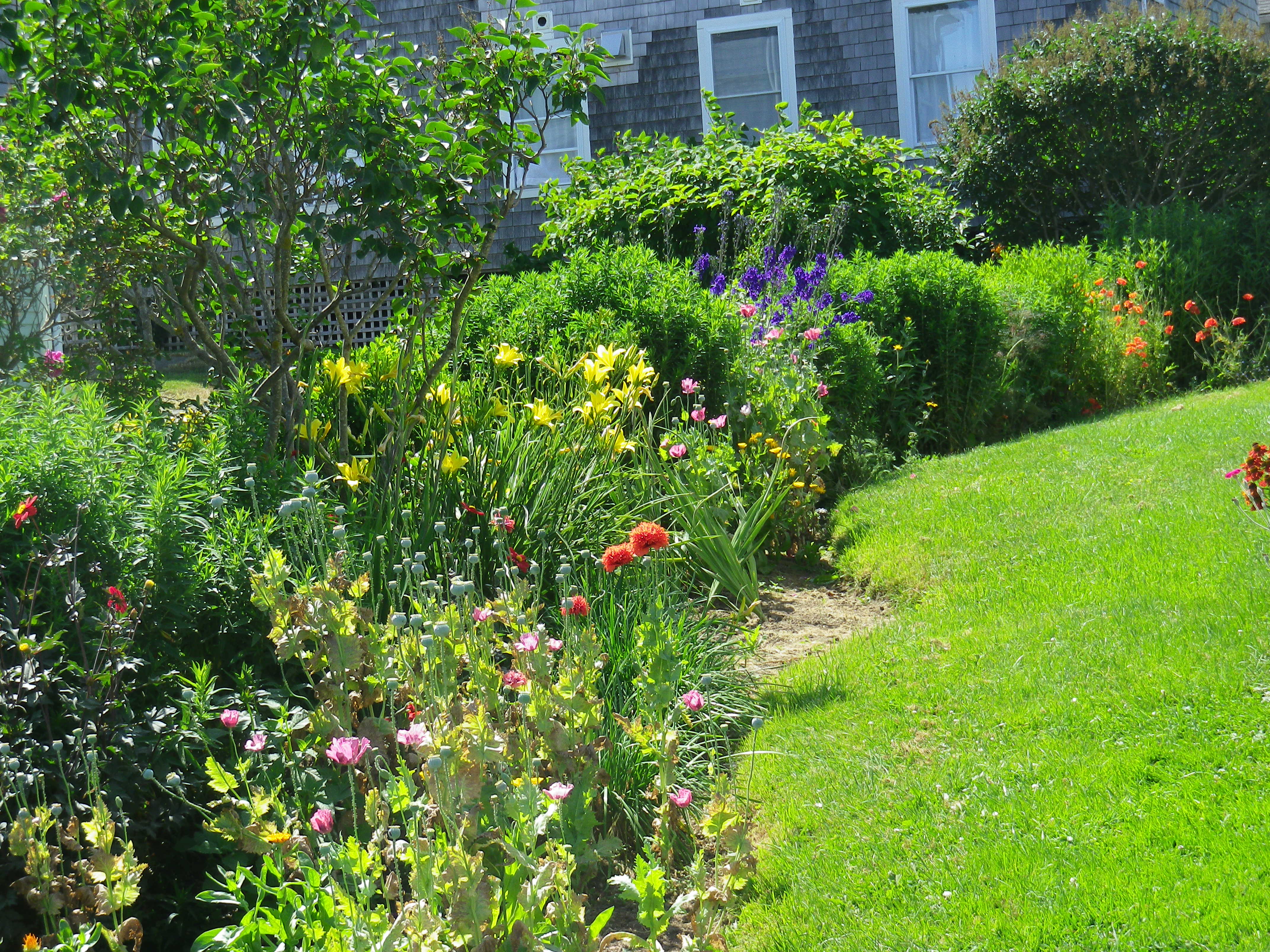
A few other shots of classic Maine borders, the first down the road from us, the second on Monhegan Island.  Note the gorgeous delphiniums and poppies.


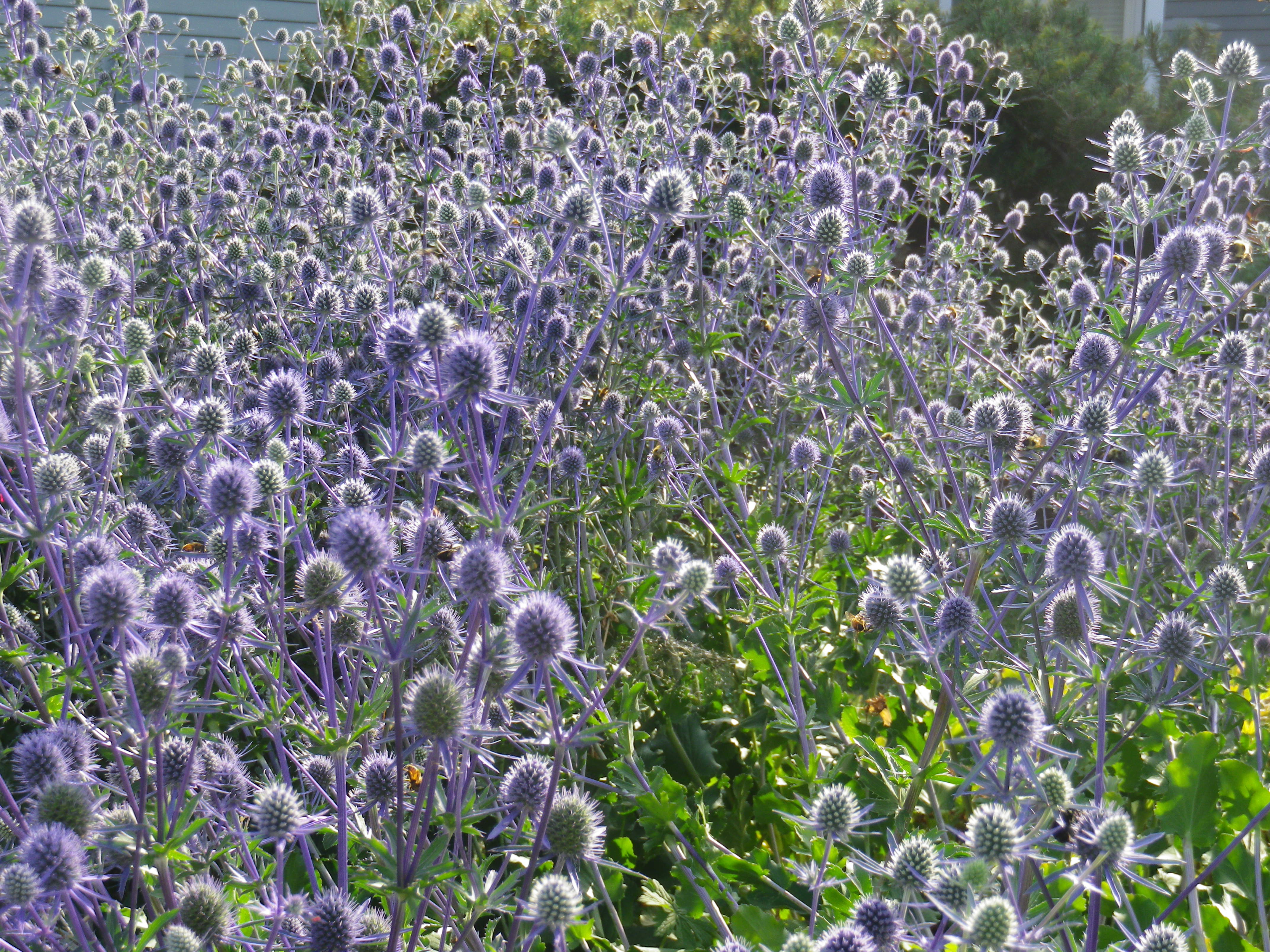
But the most gorgeous of all were the eryngium.  They had grown so prolifically that one of the gardeners’ major tasks was cutting them back and tying them up.  Here they are in the clear Maine light.


and here is a close-up of their purply-blue stems.

We saw lots of purple spiky flowers along the roadside.  Their form reminded us of lupines, but clearly it was too late for them, and these were the wrong color and leaf shape.  The gardeners told me they were purple loosestrife, a garden thug that actually seems fairly well-behaved here.

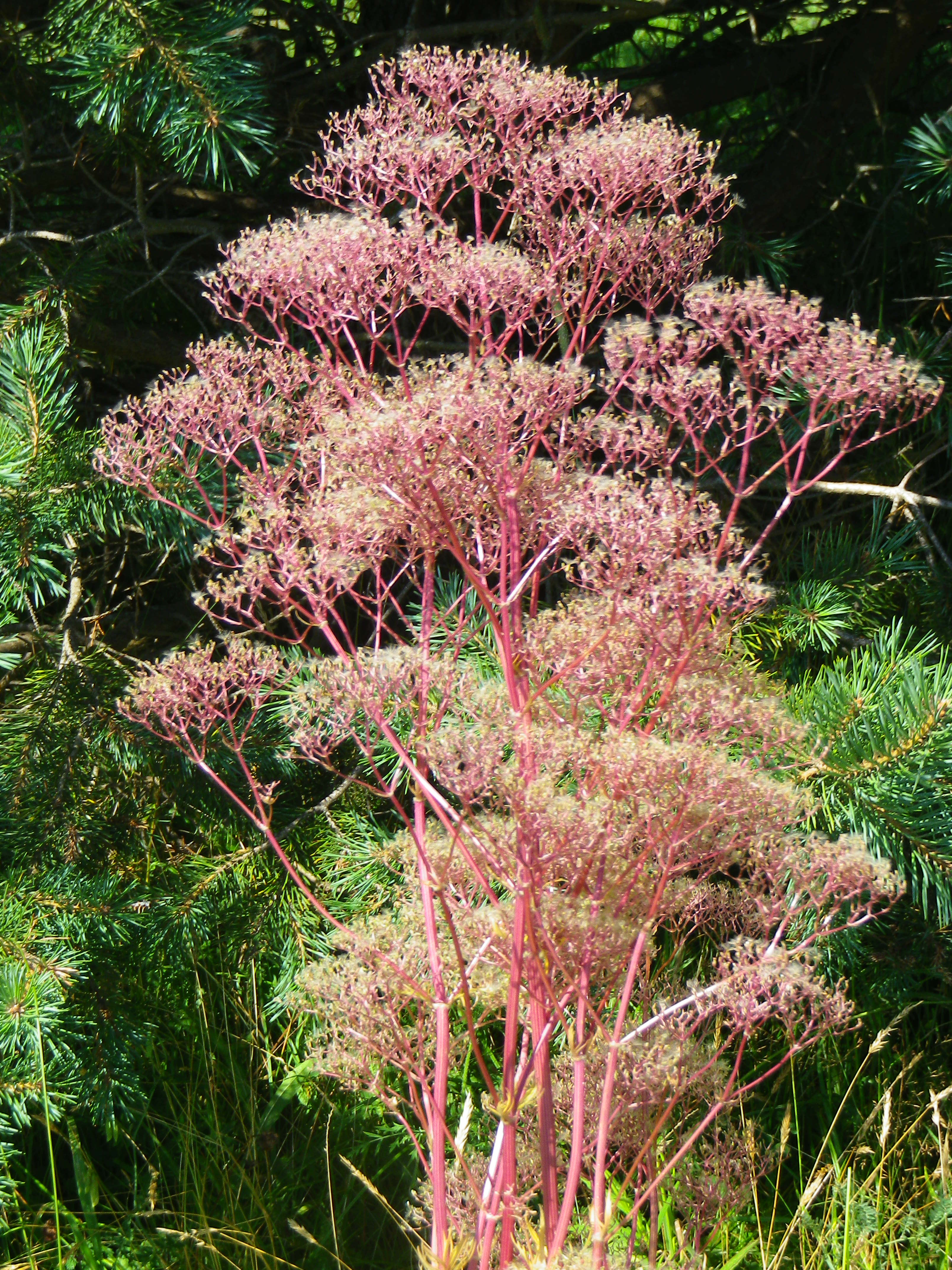
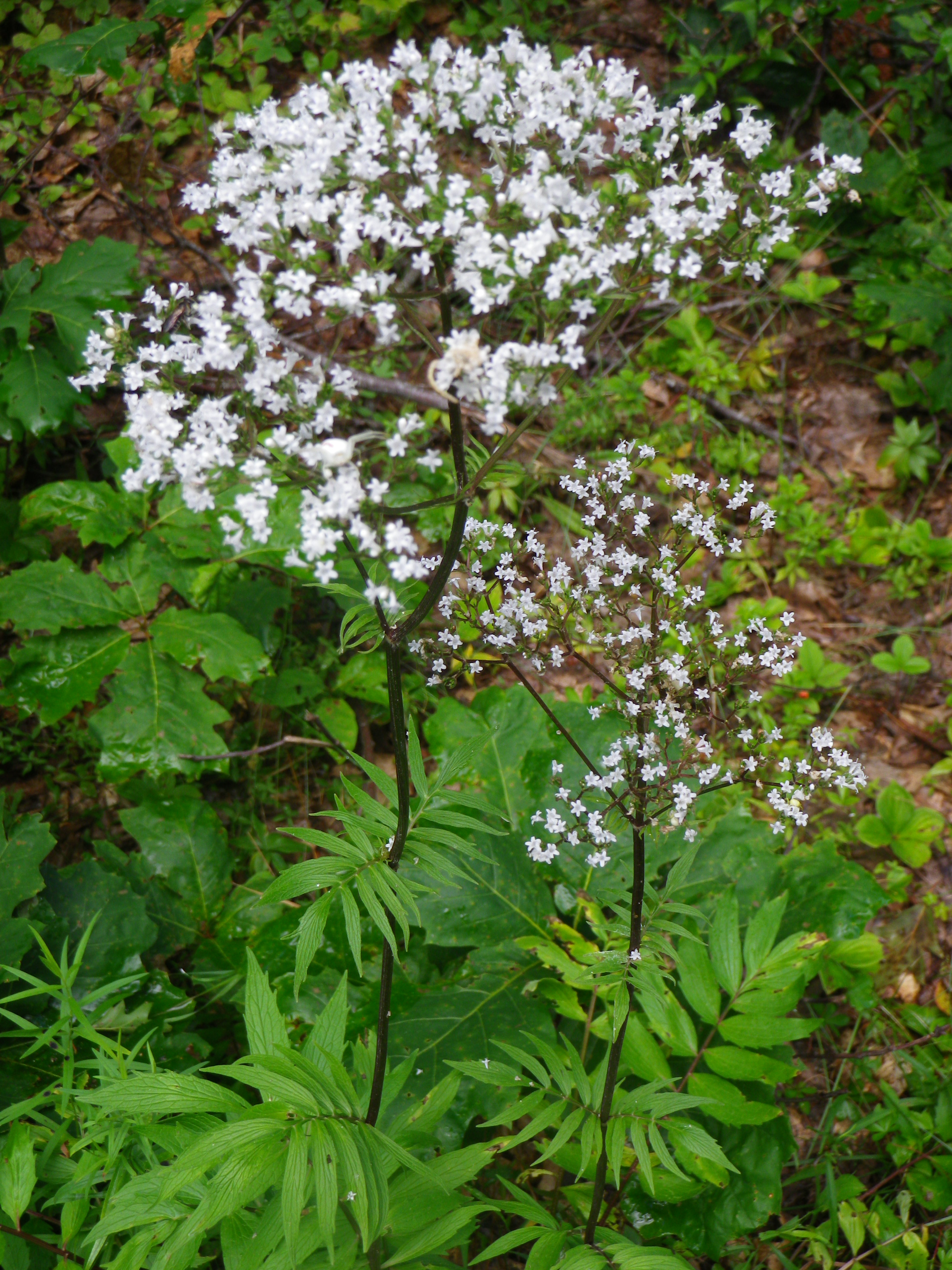
Several more beautiful wildflowers.  I think the first is spotted Joe Pye weed, the second may be water parsley,

and who knows about the third, with its antler-like bloom..  I bet Mom would have identified them right away.