Dahlia resolution

NOTE:  Written last fall and only just posted.

I have failed with dahlias so far because I have not paid good attention to their cultivation.  Next year will be different!  Here is advice from Anne Raver on what to do to have gorgeous flowers:

For Your Own Garden Palette

DAHLIAS like warm weather, so plant the tubers in late spring, just about the time you put in your tomatoes and cucumbers. (The ground should be about 60 degrees.) They need full sun, about eight hours a day, to grow sturdy and tall with many blooms.

The soil should be well drained, with plenty of compost or aged manure. Taylor Branch digs his holes about a foot deep. Some gardeners add a handful of bonemeal, mixed with a shovelful of compost at the bottom of the hole, before setting in the tubers and covering them with soil. Do not water; wait until sprouts appear weeks later.

The plants like to spread their branches, so dig holes 18 to 24 inches apart.

Christy Macy advises sinking an eight-foot stake a few inches from the tuber at planting time, because the tall plants tend to fall over. It also serves as a marker until those first sprouts appear.

“It’s such an exciting moment, when the dahlias break through,” Ms. Macy said. “Just an inch, but very substantive, not wispy, almost like a mini-tree.”

As the plants grow, tie the stems loosely to the stake, with jute or soft twine.

Dahlias prefer deep garden soil, but they will grow in large containers, with at least 12 by 12 inches of space per tuber, but choose dwarf or low-growing varieties rather than the giants. Keep the soil damp, since containers tend to dry out, and fertilize with a diluted fish or seaweed solution every few weeks.

Dahlias bloom in many shapes, from spiky to rolled petals, and from doubles the size of dinner plates to single-petaled one-inch flowers with button centers. The colors are magnificent, and many long-stemmed varieties make long-lasting cut flowers.

Sources include Swan Island Dahlias (800-410-6540 or dahlias.com), Ferncliff Gardens (604-826-2447 or ferncliffgardens.com) and Corralitos Gardens (831-722-9952 or cgdahlias.com). Order tubers by late summer or fall, before the best varieties are sold out; they will be shipped in the spring.

Notes for next year

Early spring is a great time to think about next year.  The snowdrops blooming under the hellebores in front were charming:  definitely order and plant more around hellebores next fall.

The tommy crocuses really came into their own this year.  They love the sun and open up beautifully on a bright winter day.  This February photo doesn’t really do their color justice.Tommy crocusesIt would be good to plant more on the far (street) side of the maple tree this fall.

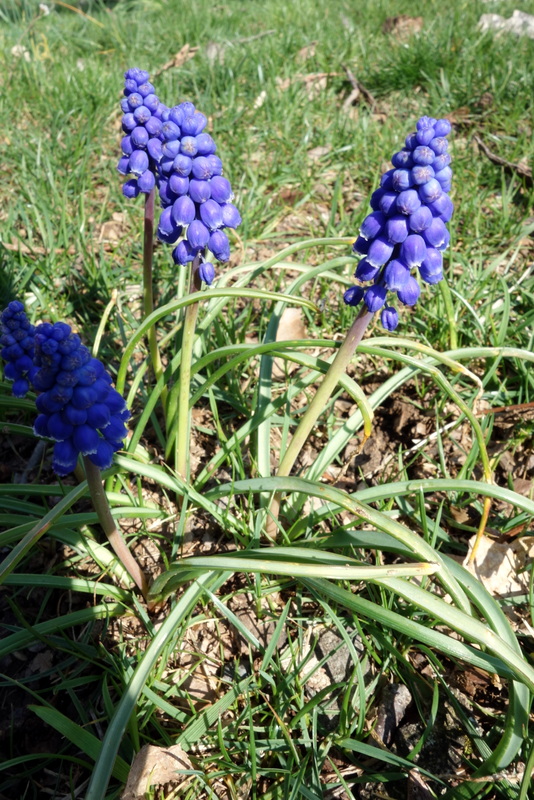
Seeing the brilliant blue of the ordinary grape hyacinth in someone else’s garden reminded me of how lovely they can be, especially en masse.  These are some strays near the oak tree.underrated grape hyacinths

On a related note, the chionodoxa in the back corner is really starting to look like a sea of blue, especially from a hazy distance.  This is not a great photo (click through) but will remind me where to plant them next fall.  They’d look great under the viburnums, too.sea of blue

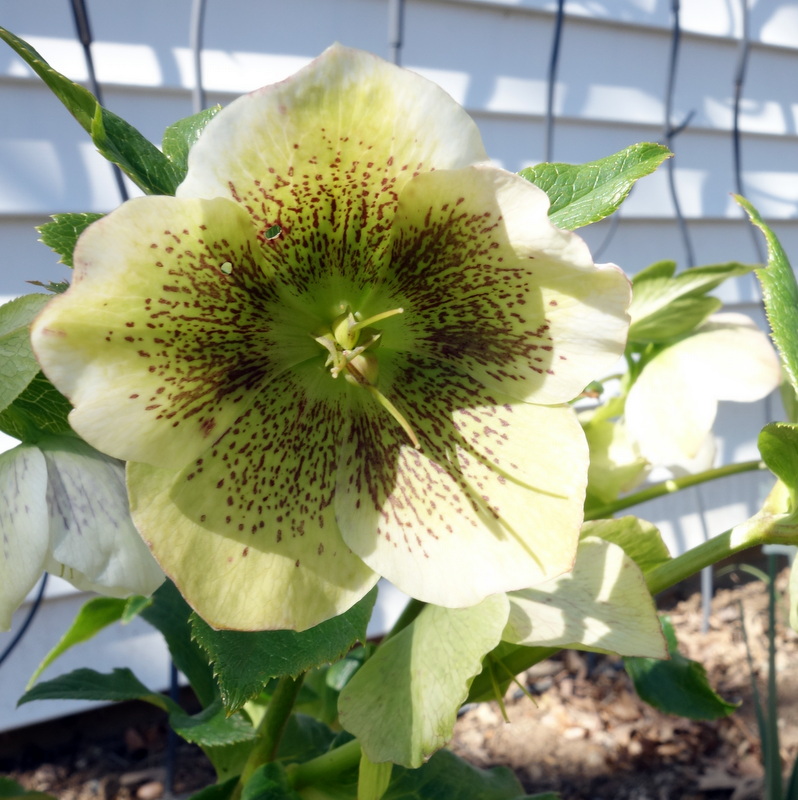
The hellebores have been so lovely this year, and the walkway garden so puny that it occurs to me to move and plant some hellebores along there, especially in the middle where it’s pretty shady.  I think they are just the right scale for this small space.DSC00907

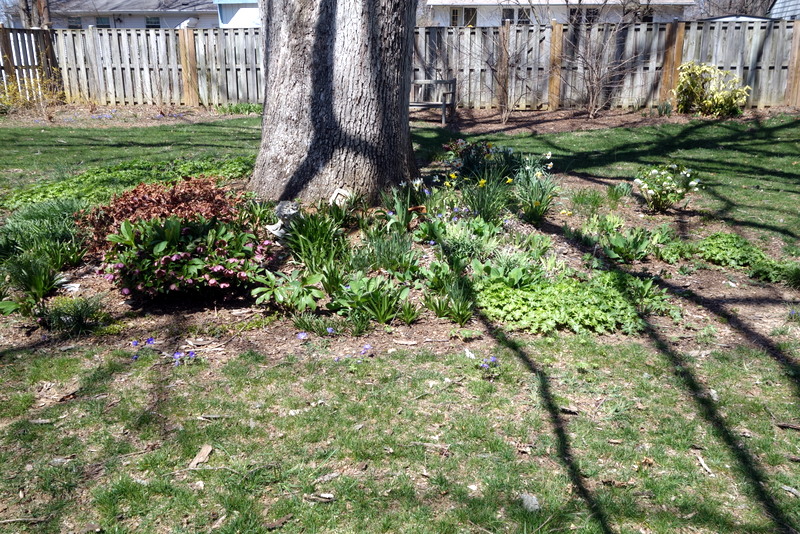
Finally, the oak tree garden is, as always, a delight.  The ever-growing sea of winter aconite has turned into fringed leaves by now.  As the daffodils start to bloom on the other side of the tree, it’s a reminder that this side could use some, too.left side needs daffodilsMaybe some little ones to show prettily among the aconite foliage.

Back to the blog

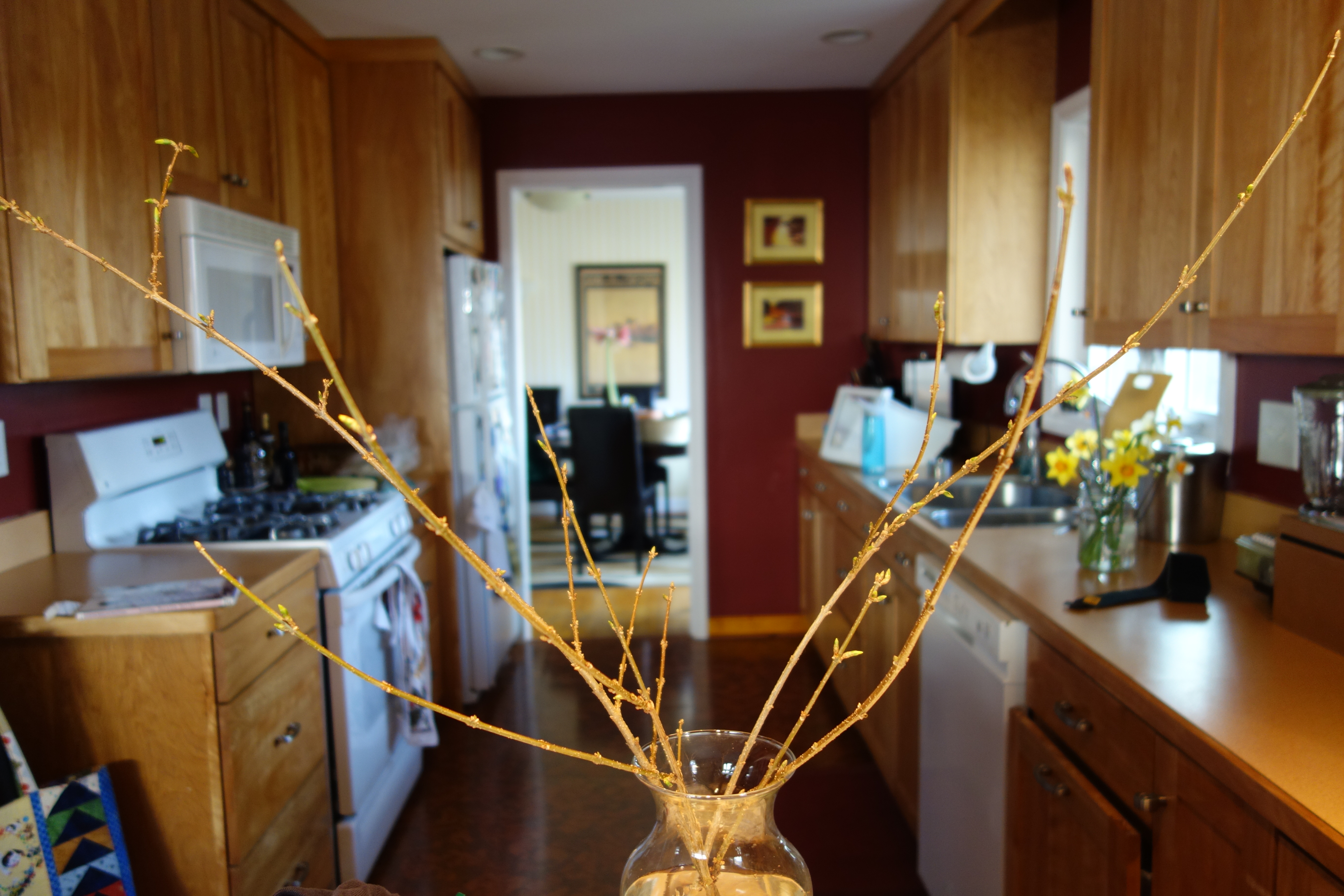
Blogging about our wonderful trip to Italy and Slovenia seems to have worn me out, but I’m back with some notes on spring.  After our return from Death Valley on March 29th (a blog post for another day), I ventured out to find some forsythia to force.  None too soon, since a week later it’s in bloom outdoors.Forcing forsythia

Another indoor project is starting dahlias.  I ordered a selection of pinks from McClure & Zimmerman that will go in the pink garden near the Anthony Waterer spirea.  Varieties are Otto’s Thrill, Park Princess, Lambada and three Fascinations.  They arrived at the very last minute, the afternoon before we were to leave for Death Valley, so I hurriedly swung into action.  I planted them in a mixture of half vermiculite and half potting soil, in pots that are barely big enough – those tubers are long.  Watered, waited, and two weeks later actually looked up how to start them. It turns out they need to be covered up and watered sparingly.  Trying again, I added more mixture, watered just a bit and am now hoping they will take off.  Here’s the experiment.  dahlia projectNo signs of growth yet, but just you wait.

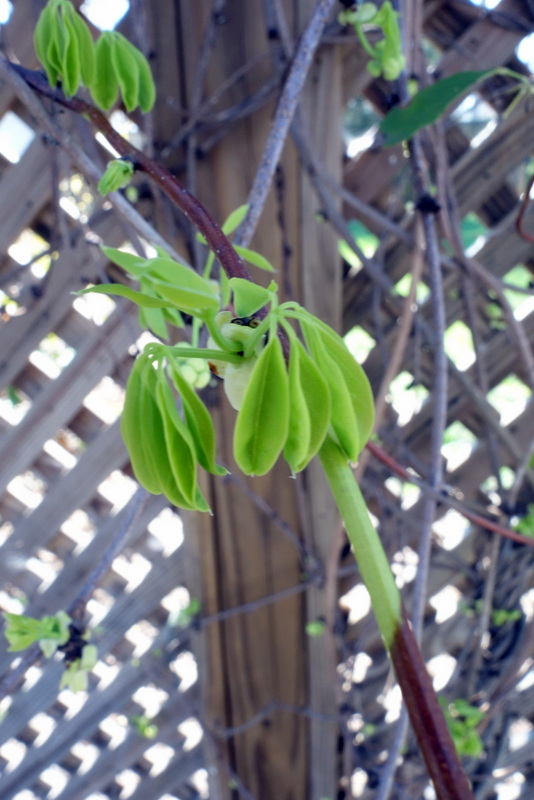
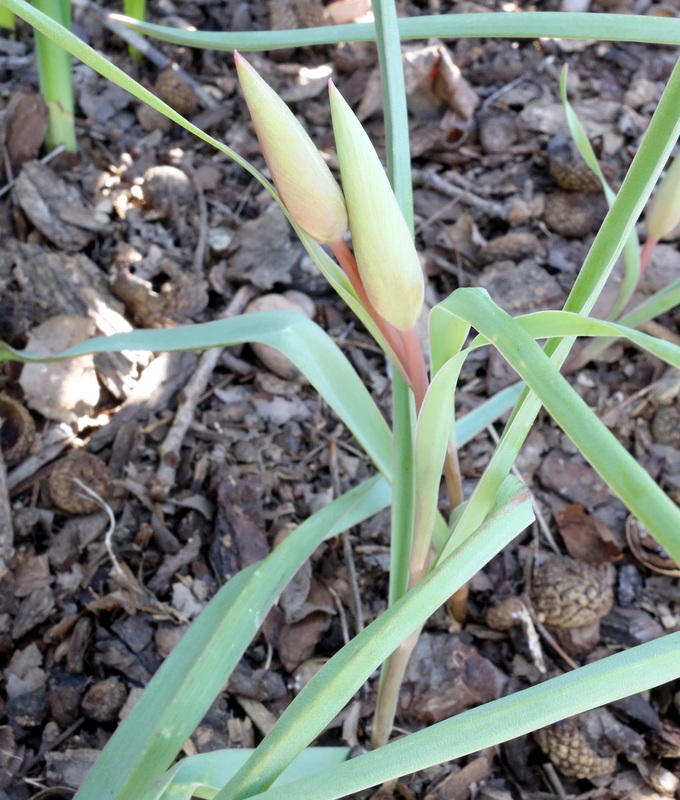
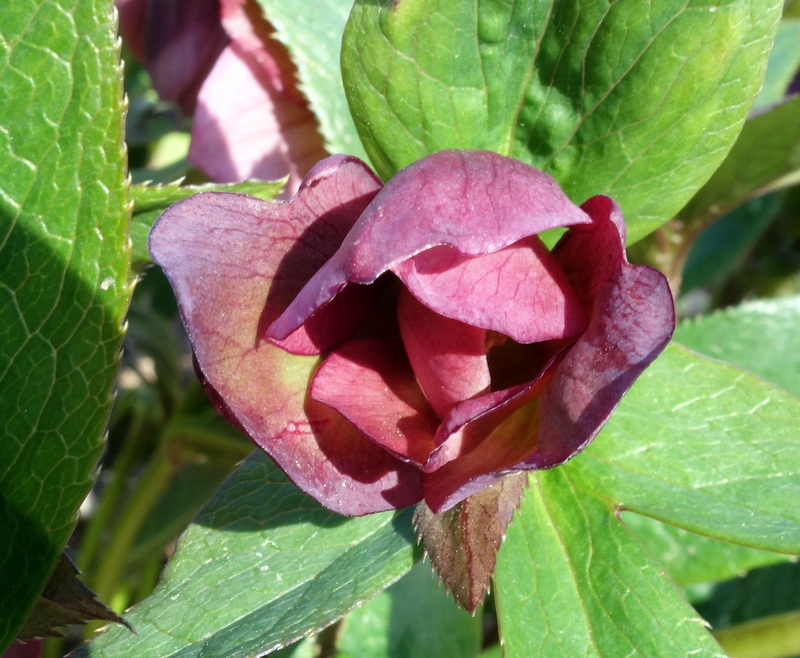
Outside, today is a good day to observe my favorite signs of spring, the plants that are just barely coming in to bud.  From top to bottom:  akebia leaves, buds of Lady Jane tulips, hellebore almost in bloom, and bluebells just starting.new leaves on akebia specie tulip almost in flower bluebells in bud

From Bled to Ljubljana

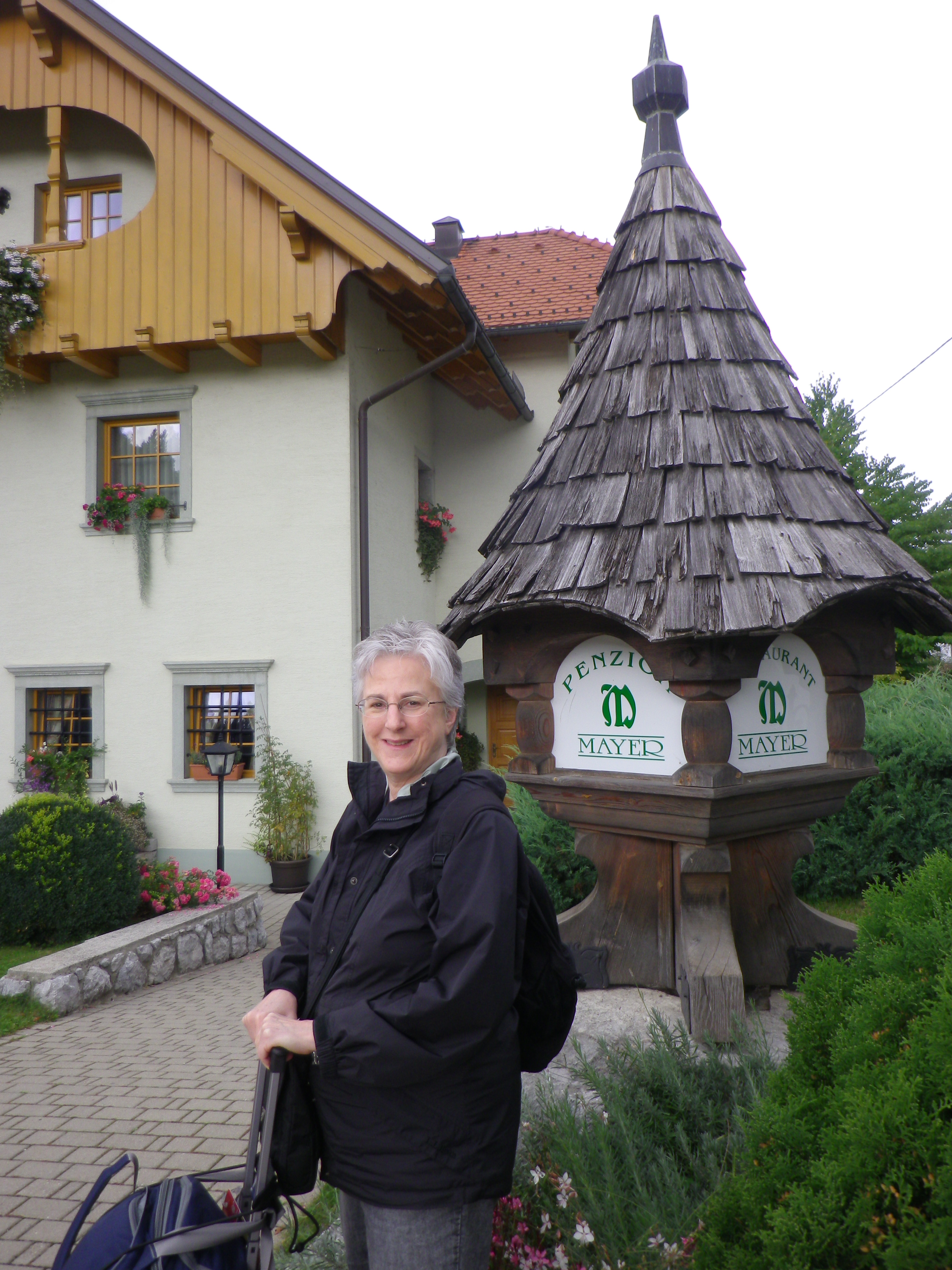
We said a sad farewell to the Penzion Mayer, with its beautiful tiled bathroom, generous and fresh breakfast and prime location. The manager, when Alison asked him to book us a taxi to the bus station, offered to drive us there gratis. So nice!

We ended up taking a car and driver to the city instead of the bus to save time. The driver was quite a character, complaining all the way that he was losing money on us since he could only get five passengers. At any rate, it was a quick trip to the city, we rolled our suitcases to the hotel, and here we are.

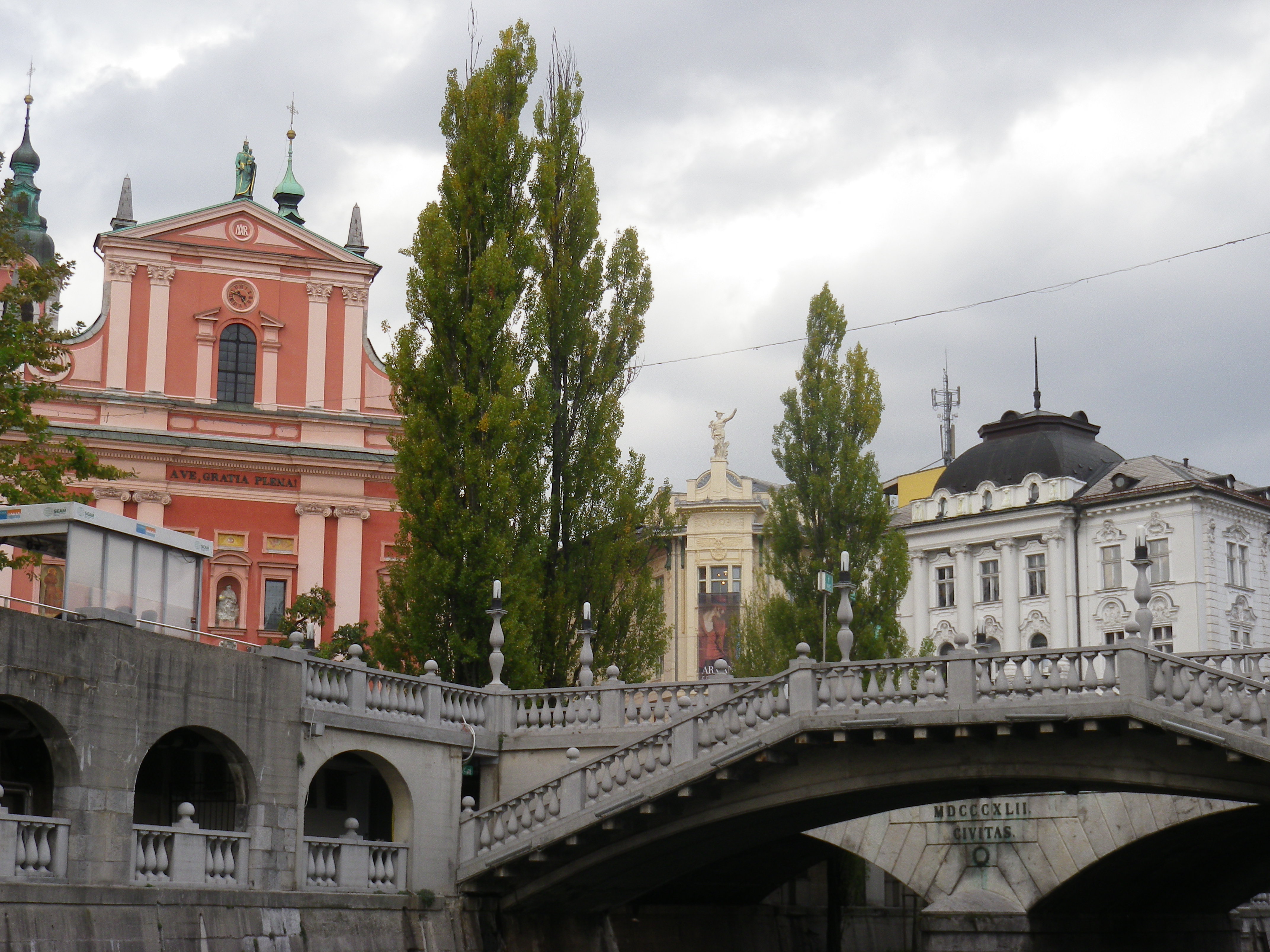
Well! We chose this hotel for its location, which is perfect, right off the main square in Ljubljana with the cathedral and the famous triple bridge.Never mind that the bathroom is not only tiny but designed so that you can hardly help but spray the shower all over the place, and there is nowhere to put the soap. It does, on request, have both a good hair dryer (which eventually worked once the nice man fixed the fuse) and laundry facilities that we used this afternoon. Never mind that it was gloomy and sprinkling when we arrived and that we were both so tired we had to crawl back to the room for a long afternoon nap. Things looked up after that.

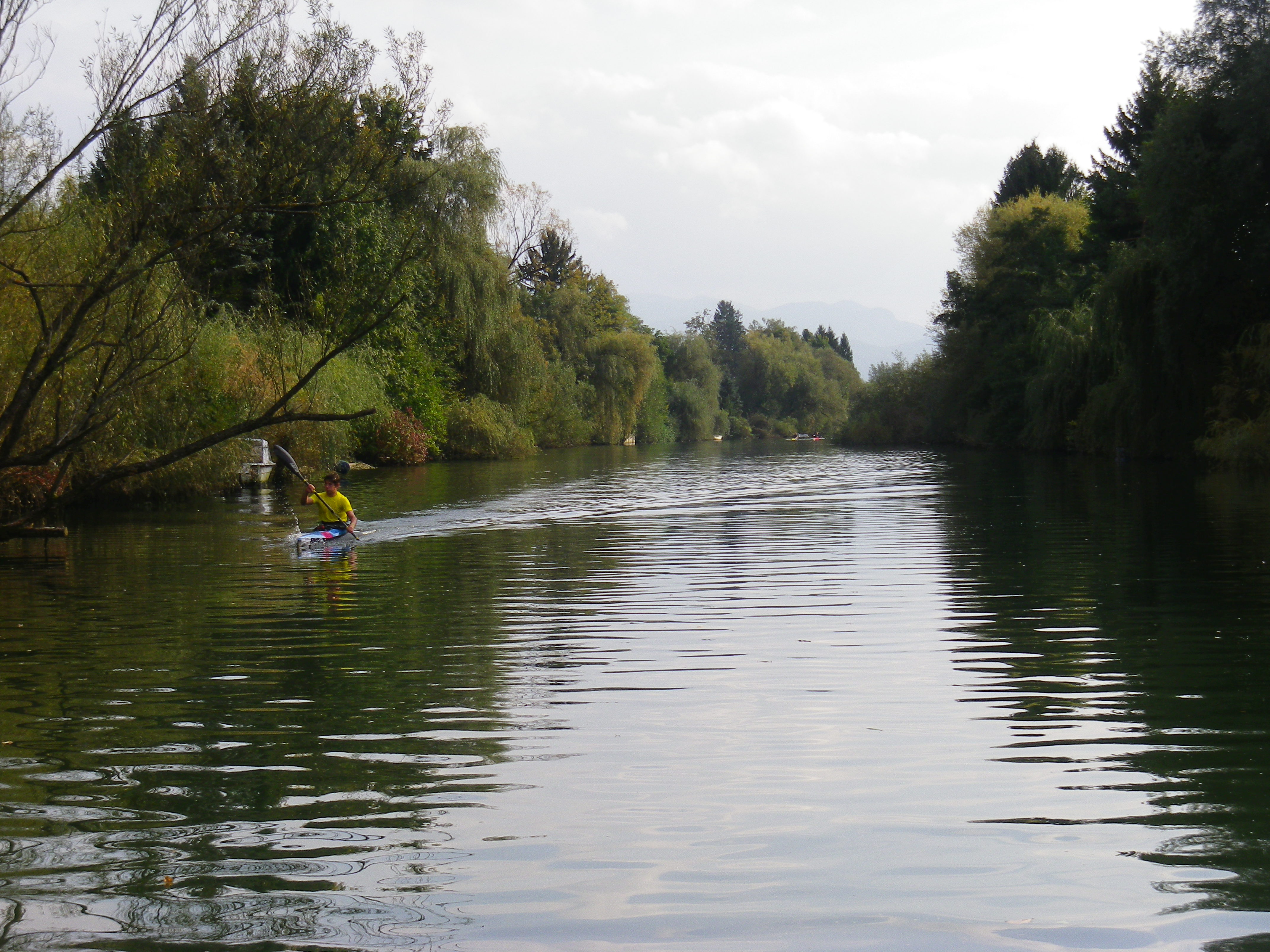
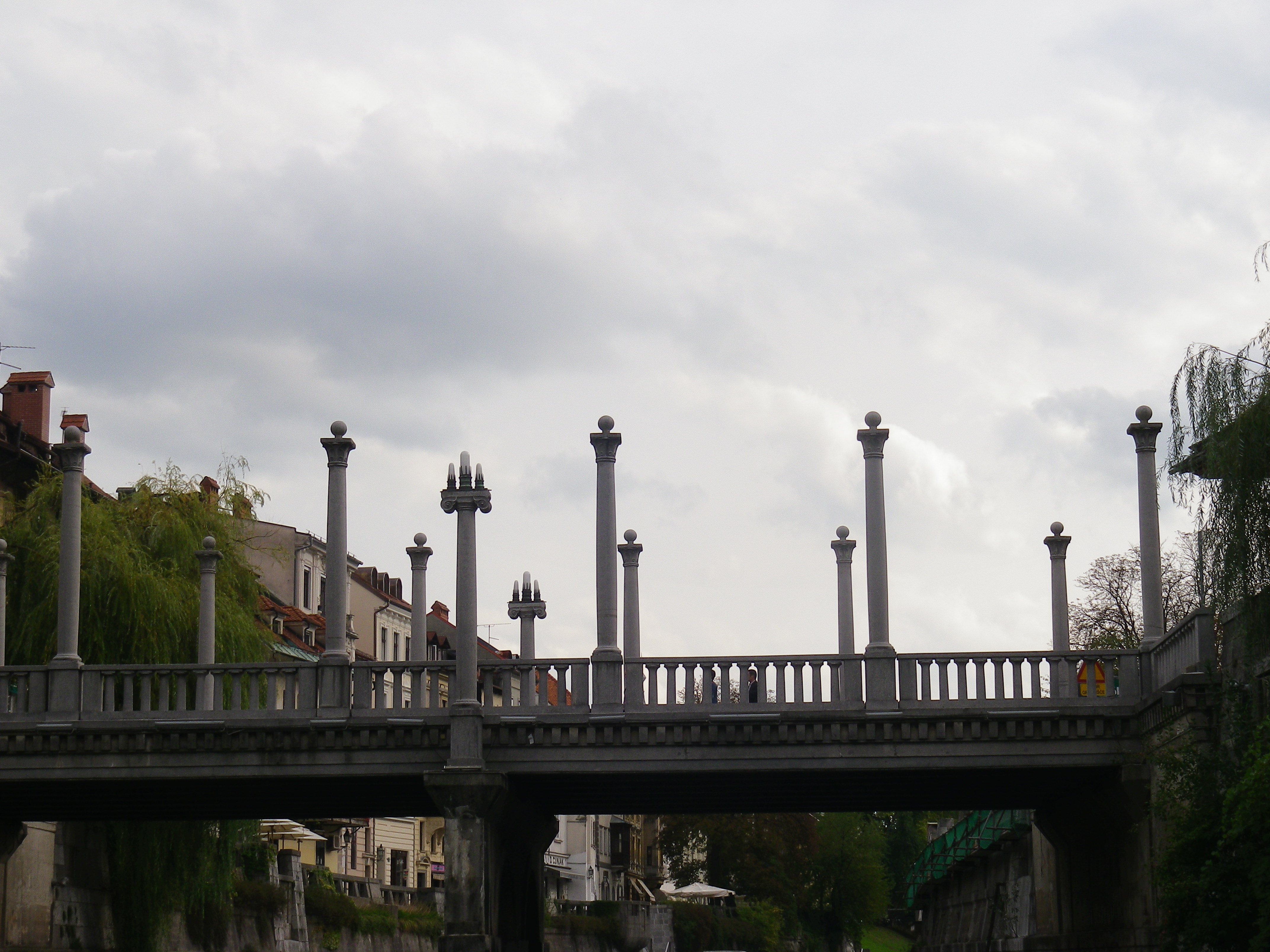
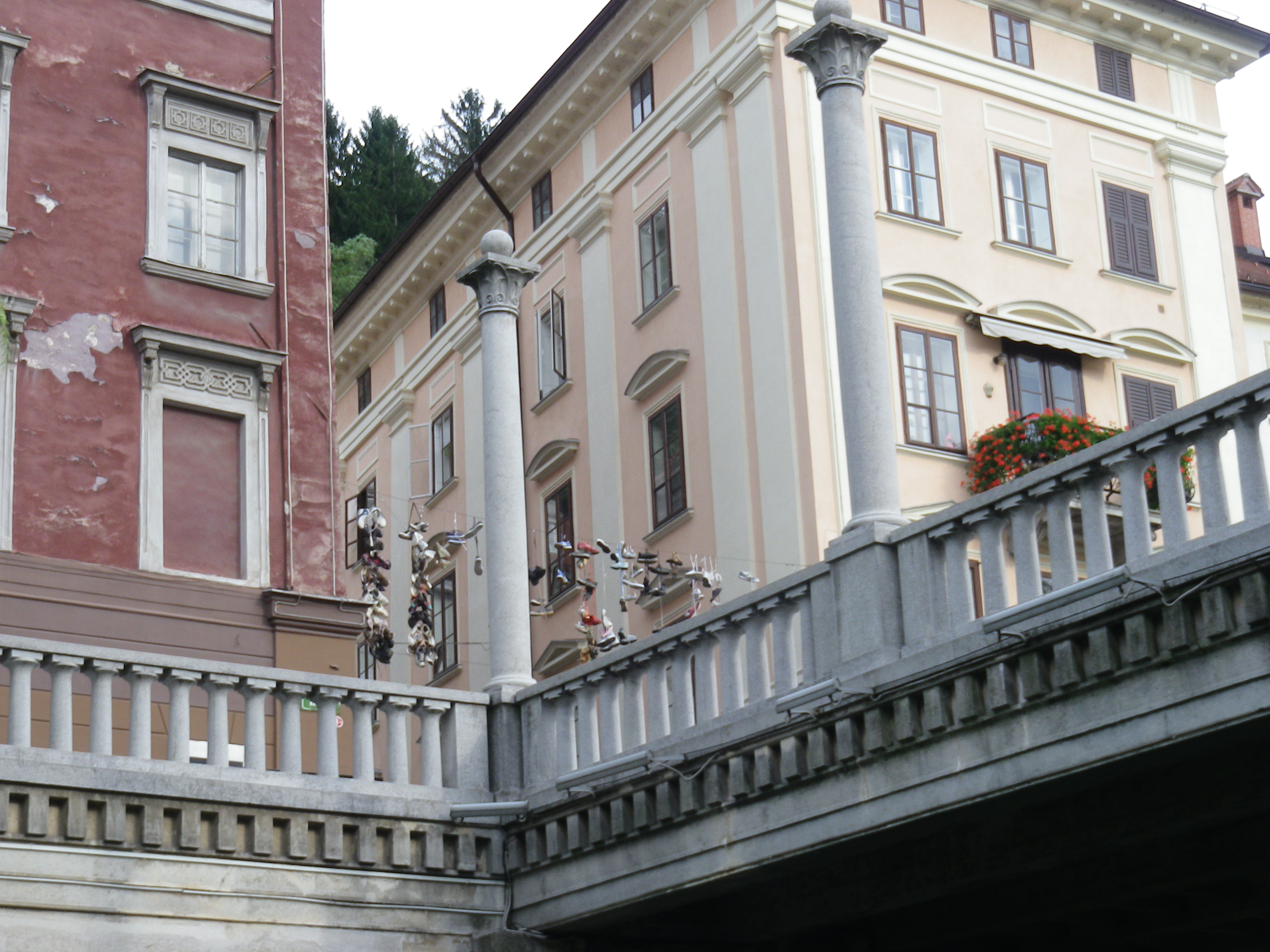
I find that a gentle boat ride down the river is just the ticket when you’re feeling weak. We watched the kids kayaking and a creature that the captain called a beaver but made me think more of a marmot chomping grass, while the banks slid slowly by and we waved at people standing on the bridges.   This is the Cobbler’s Bridge by the ubiquitous and beloved Slovenian architect Jozef Pleznik, with a new feature at one end, shoes strung over a line.  Soon after that it was time for dinner in the old town.

We went to Sokol, touted as having local Slovenian dishes. True, but they were indifferently presented and the venison goulash could have been any kind of meat. (They did offer foal on the menu – not kidding- but I feel sure we would have noticed…right?) So a bit of a bust, but that’s okay. We sat at the end of the Triple Bridge and watched the world go by until we decided it was late enough by our lights to call it a day.

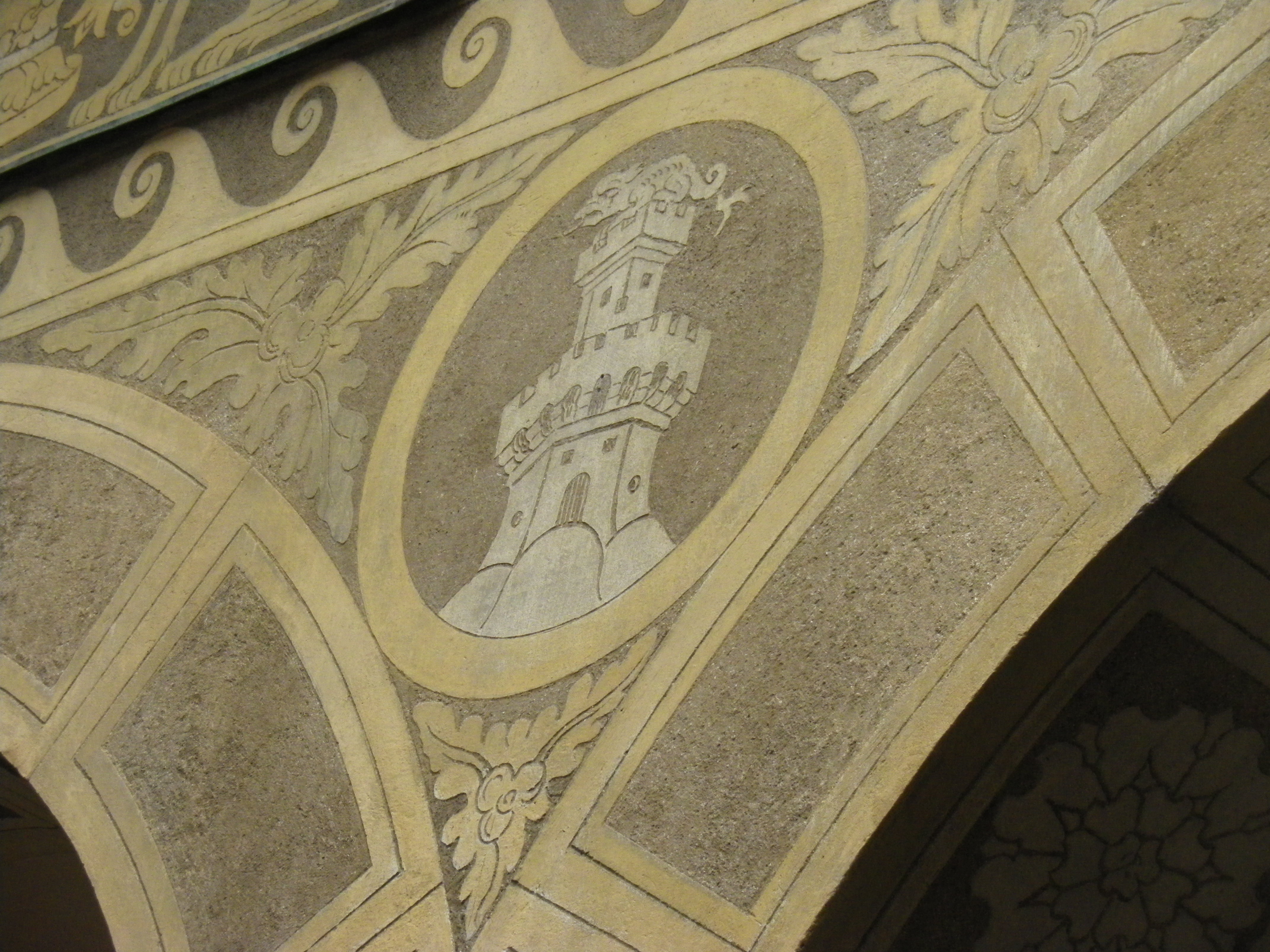
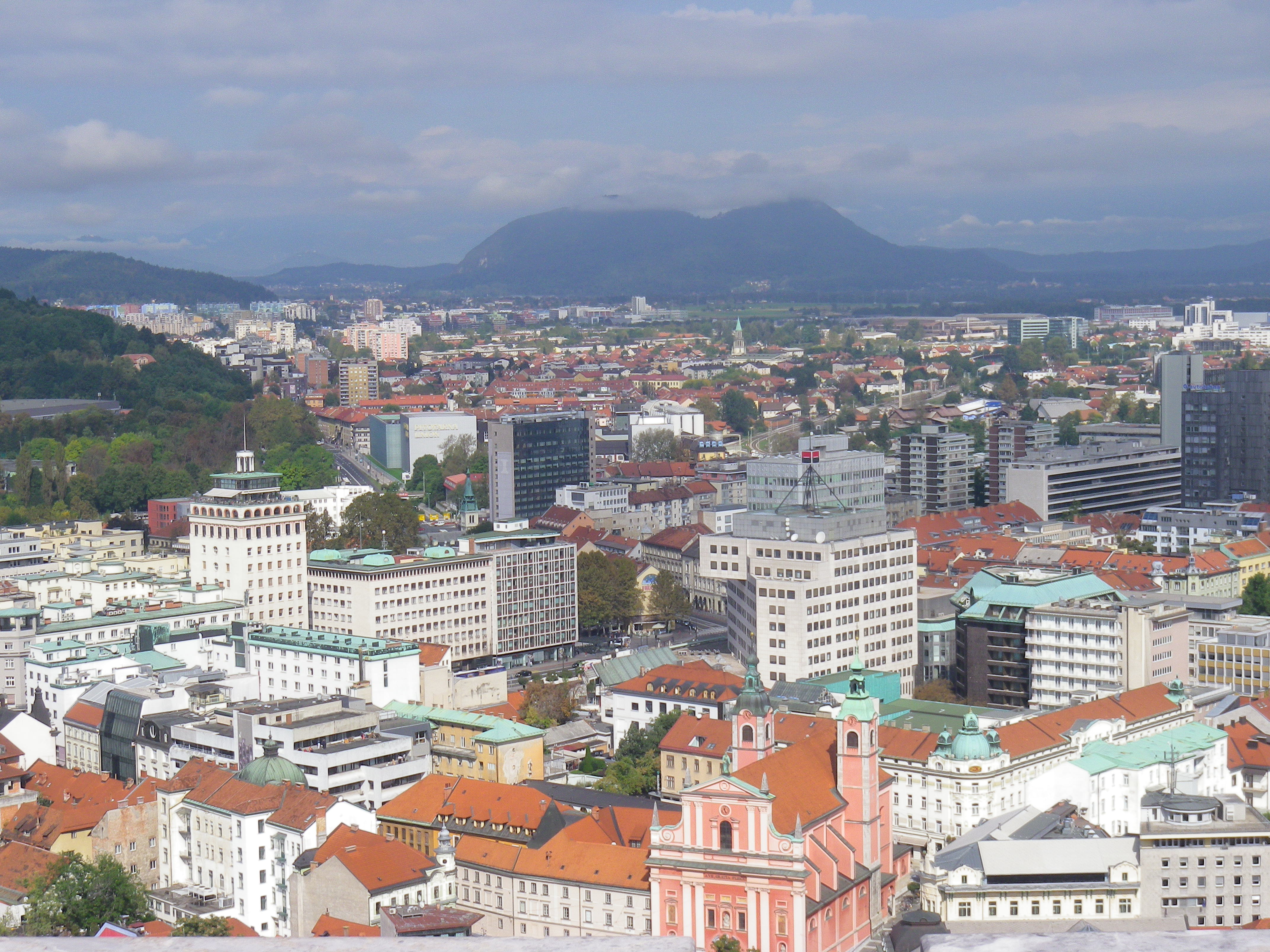
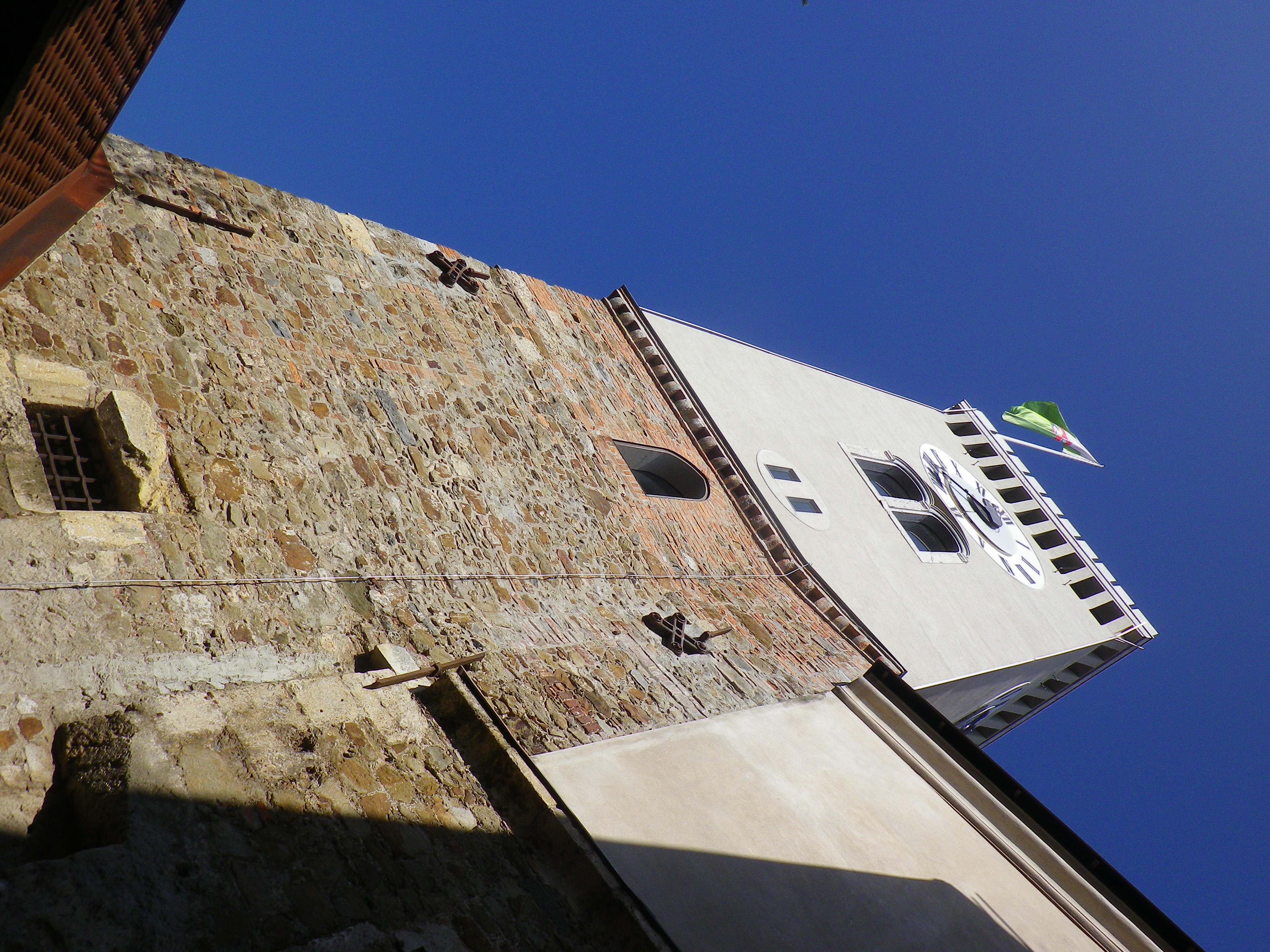
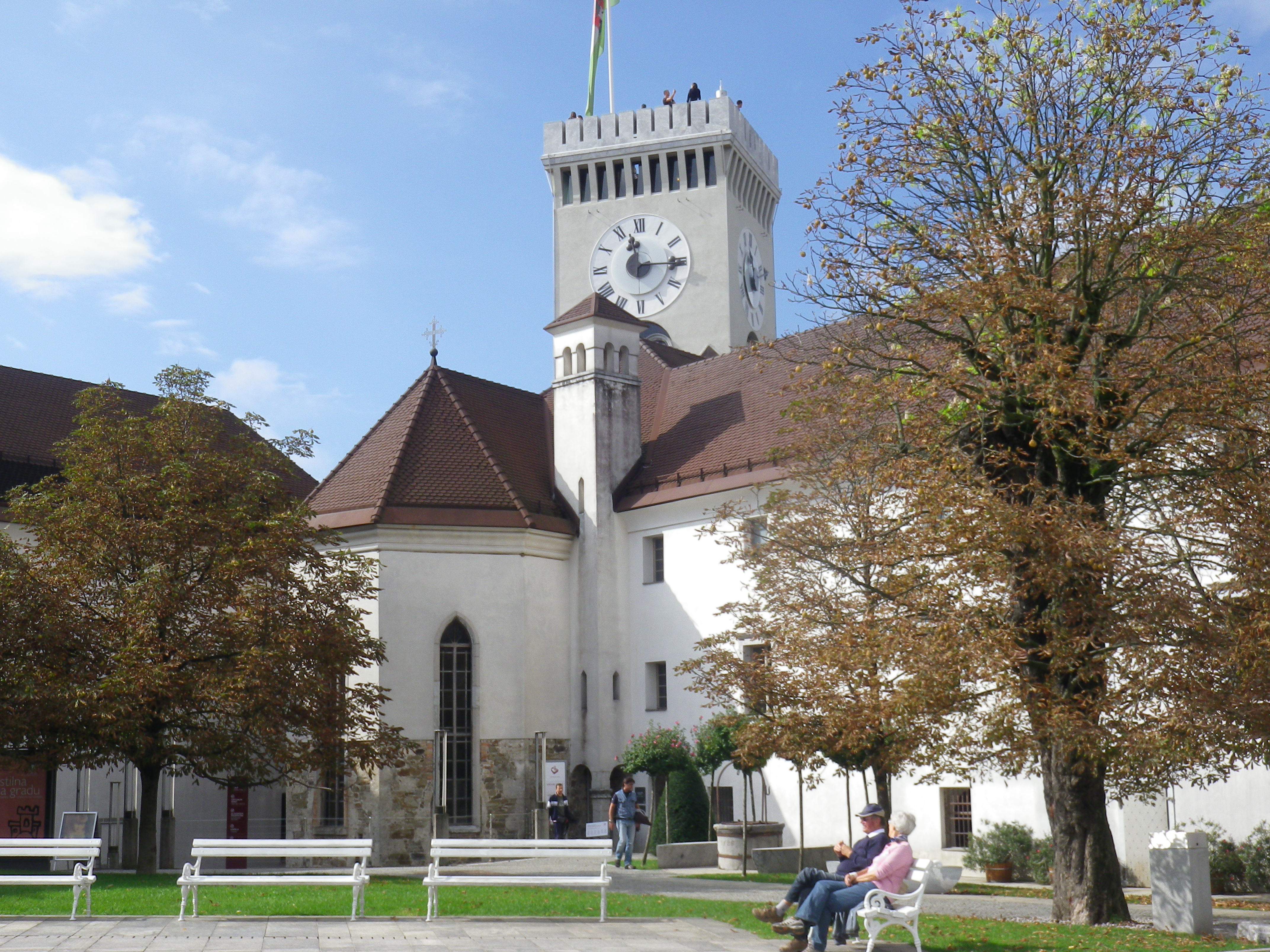
Today, as is usually the case, went much better (despite the tiny shower and the simple yet not delicious breakfast). We took a walking tour of the city with an enthusiastic graduate student who claimed she learned her fluent, idiomatic English by staying glued to the Cartoon Channel as a child. She was a good storyteller and kept us engaged as we looked at the cathedral (baroque interior), the town hall (16th century sgraffito), and the views from the top of the castle tower looking over the city to the Julian Alps in the distance. Did I mention that we took a funicular up to the castle?  We shut our eyes and it was over in a moment.  We had a really good lunch (Kranskje sausages with horseradish and potatoes) at the castle restaurant sitting outside in the square and then visited the Slovenian History Museum in hopes of getting a better handle on WWI in Yugoslavia. The museum was well arranged, but the most interesting thing was that Tito was barely mentioned – odd, considering that he WAS Yugoslavia for 40+ years and was apparently fairly well regarded by the people.

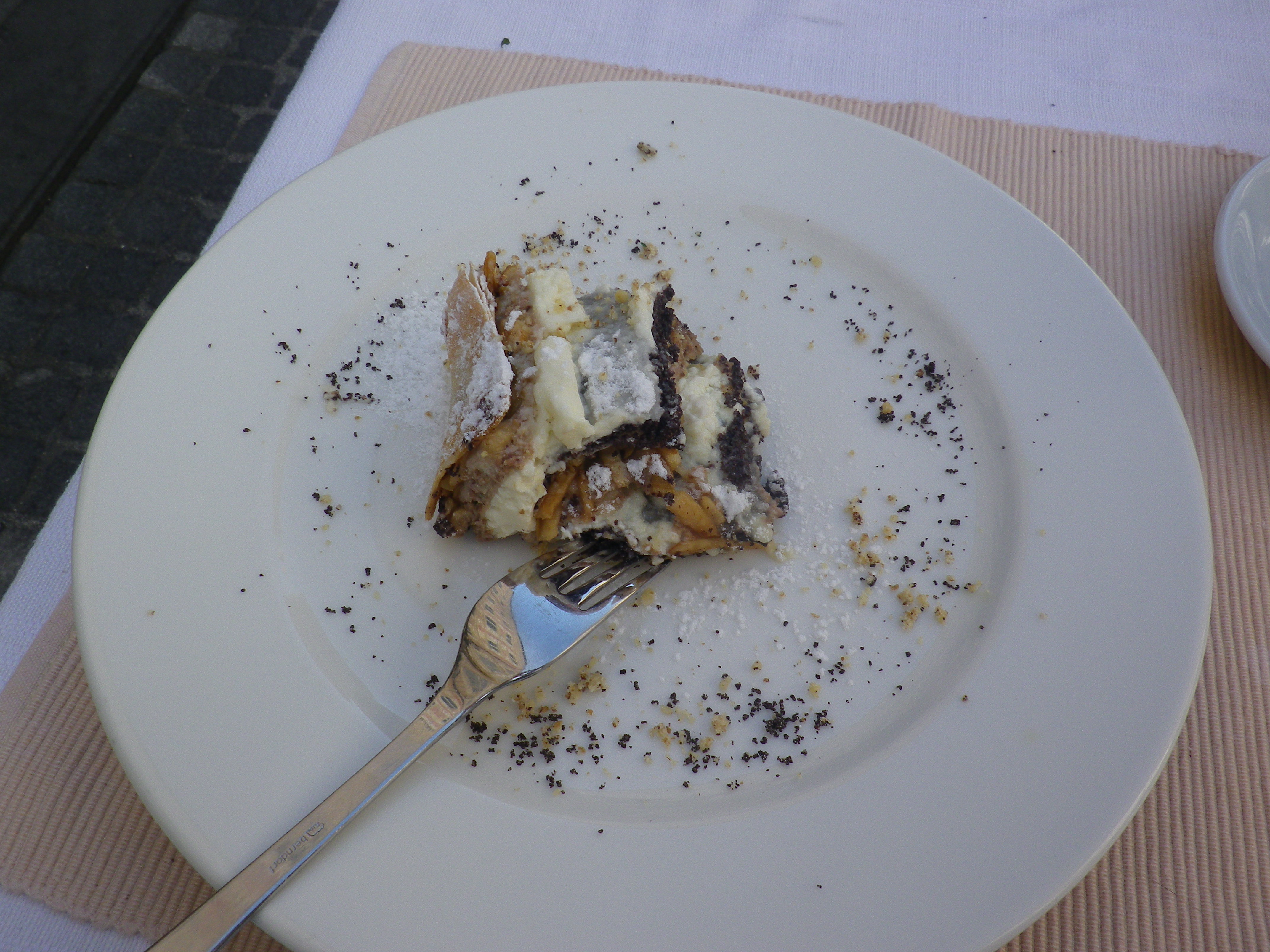
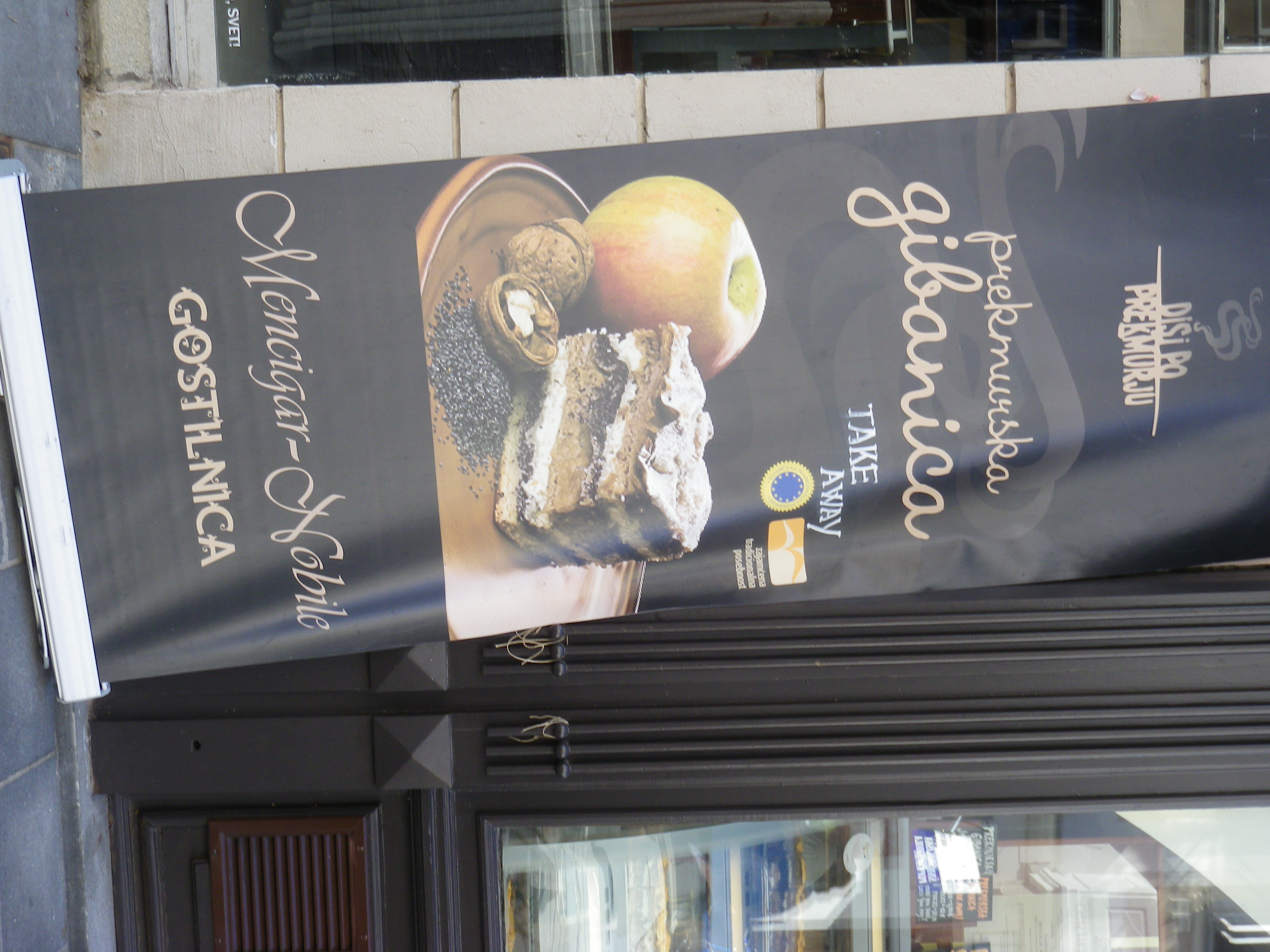
As a reward for our hard work, we descended via funicular to the old town for a piece of traditional cake made with apples, walnuts and poppy seeds. Quite delicious – our guide told us it’s complicated to make, so their family always buys it for special occasions. By 3:00, we were beginning to fade again, so it’s back to the room to do some laundry, read and nap until it’s time for dinner.

Arriving in Venice

Breakfast with David, a quick taxi ride, and we’re on the train to Venice.  We hugged the Adriatic coast for a bit, one more view of Miramare, then went inland until we came to Mestre about two hours later.  Along the causeway, and we’re in Venice, or at least in a very crowded train station in Venice.  We eventually got ourselves sorted out and on the the Number 1 vaporetto, the slow boat that goes along the length of the Grand Canal.

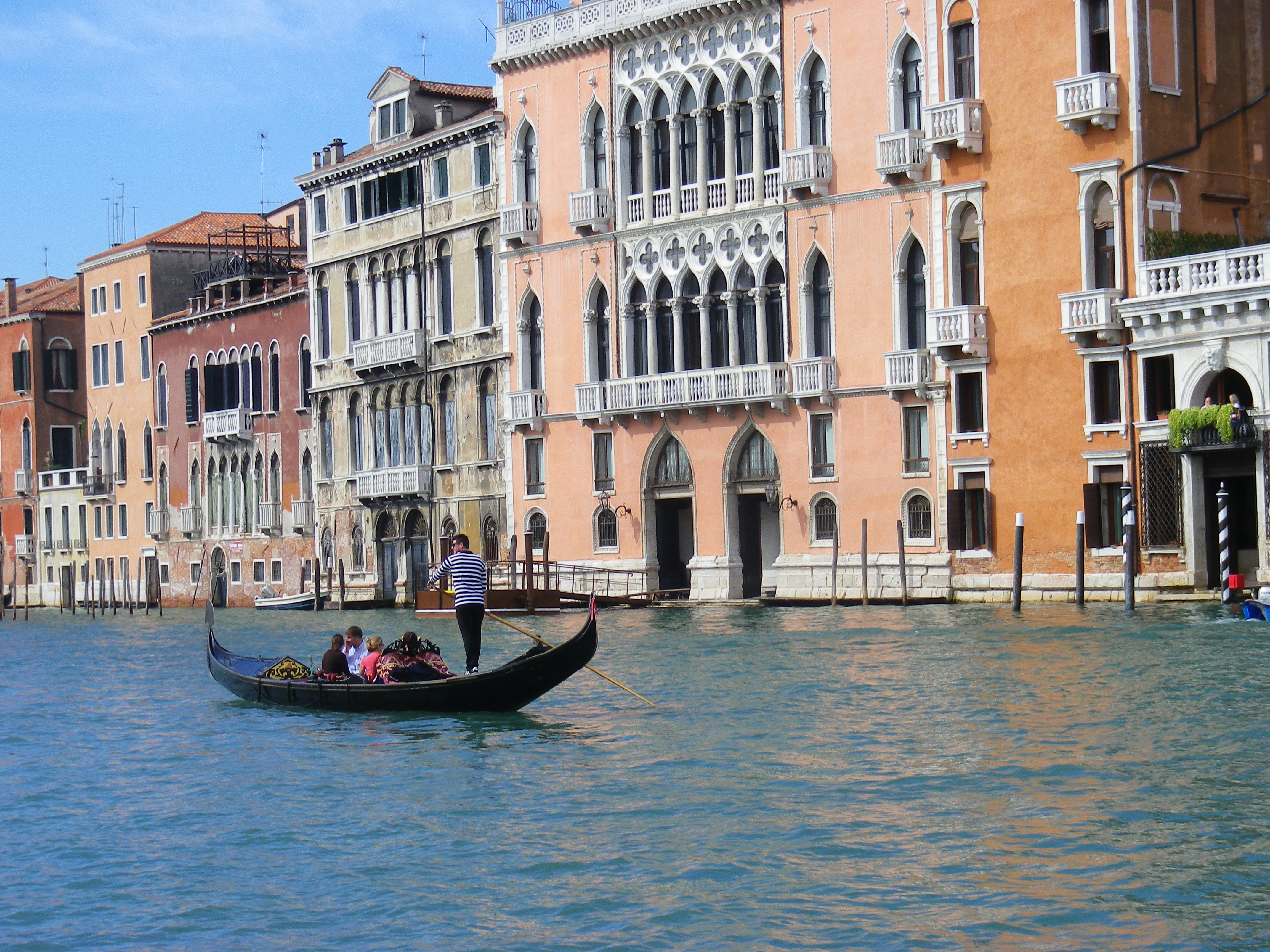
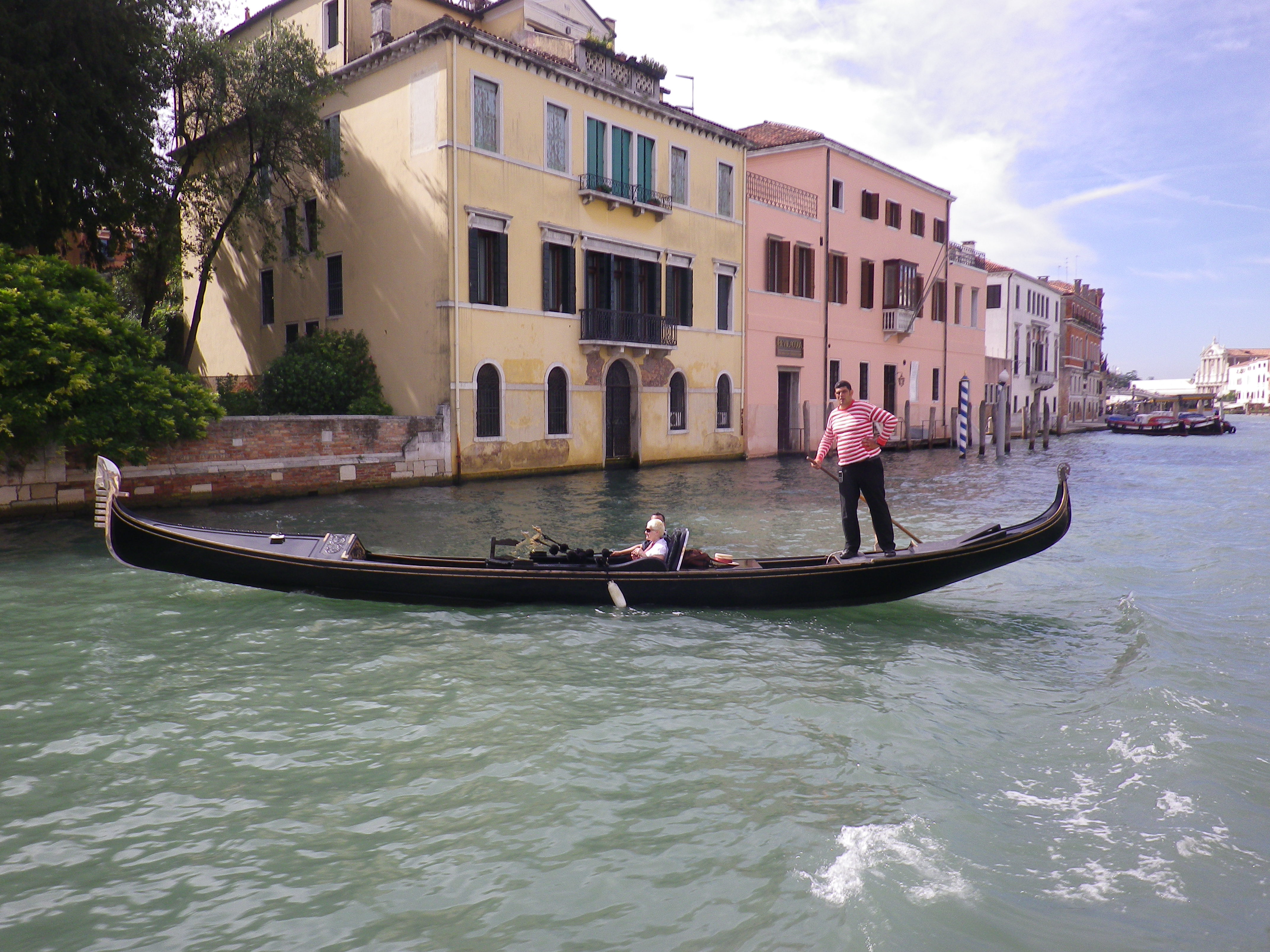
Venice is so watery!  The water is green, the buildings are attractively old and often dilapidated, there is a church every hundred meters or so, and the whole thing is more photogenic than you can imagine.

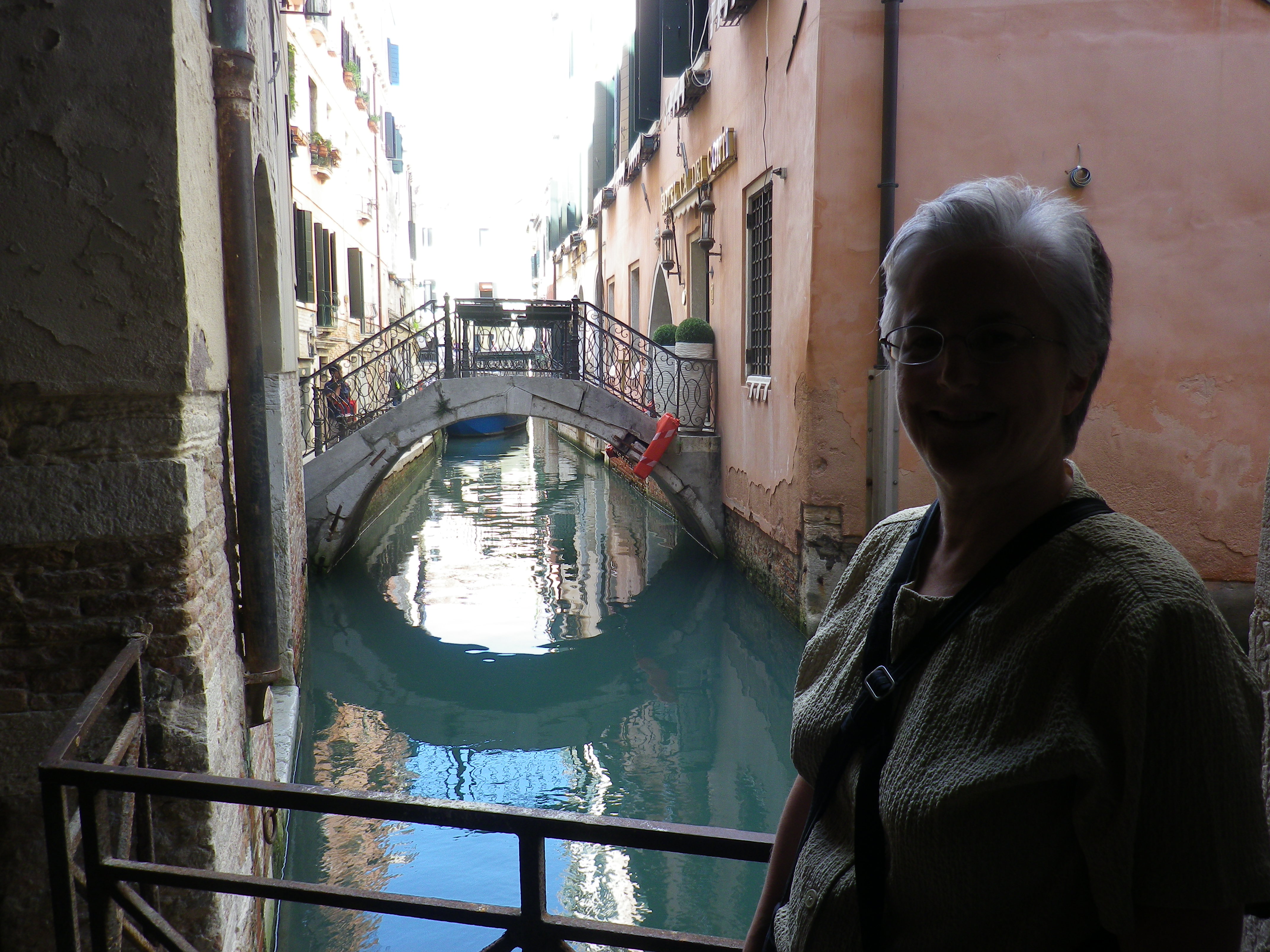
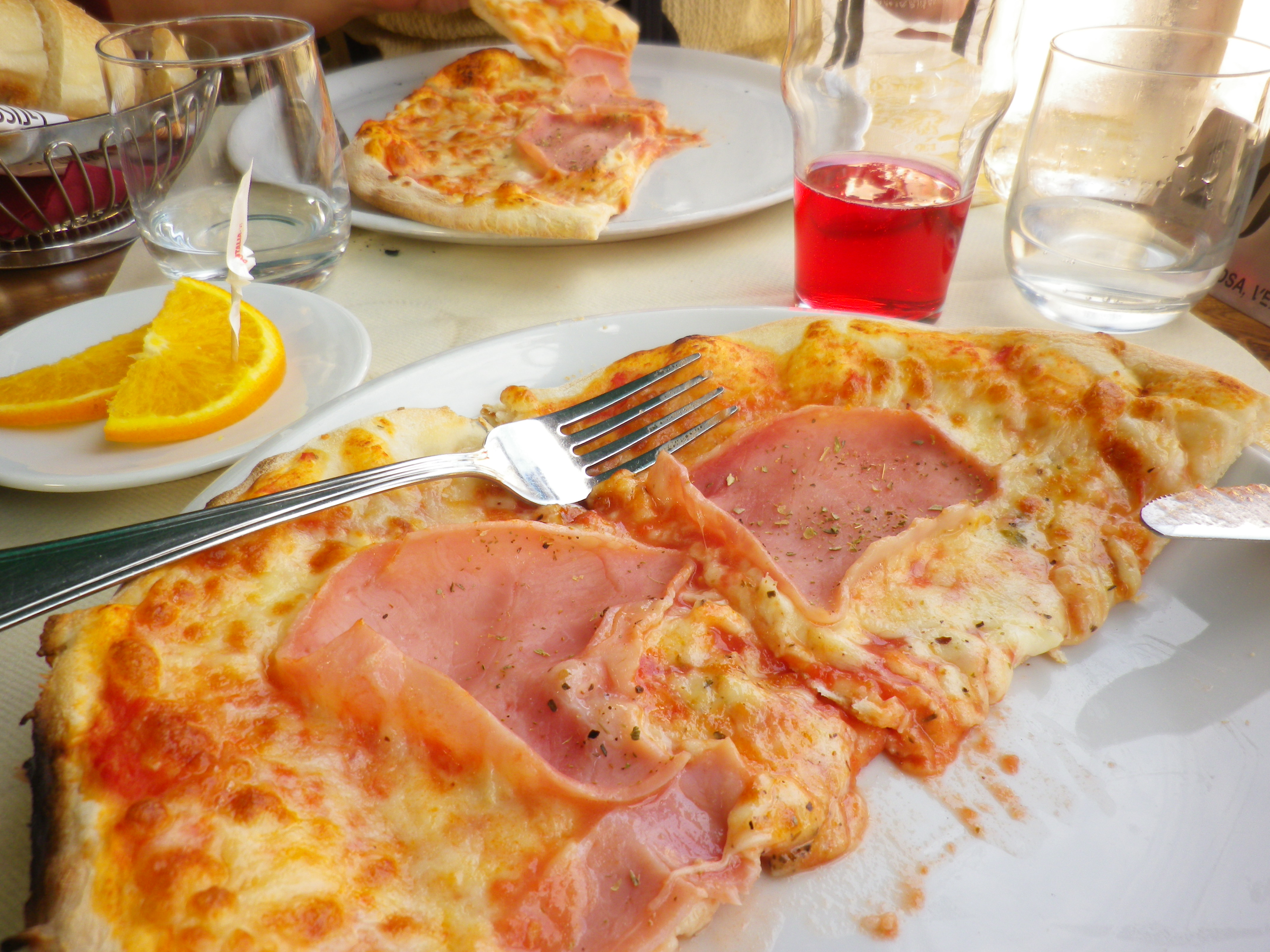
Arriving at San Zaccaria, next to San Marco, we followed the hotel’s directions along several narrow alleys (no bridges, for which we should have been thankful), to the quiet square of San Zaninovo, in the Venetian dialect, or San Giovanni in Oleo more formally.  The hotel faces a church which has been closed for more than a hundred years.  There’s a wellhead  in the center,  and to one side a sottoportego (tunnel) that leads over canals and through campi to Santa Maria Formosa, where we had lunch  (an okay pizza and a glass of prosecco/campari and soda).

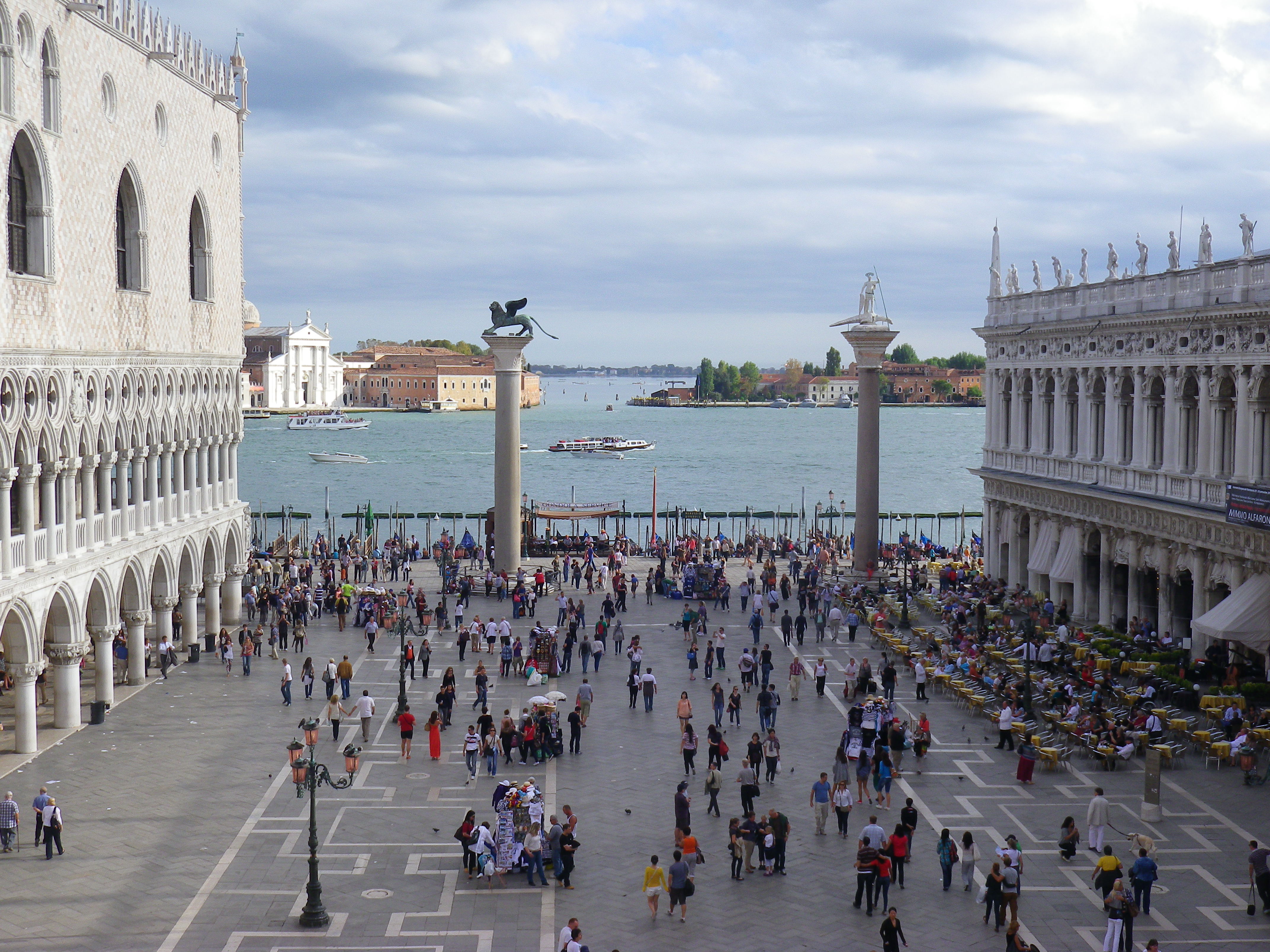
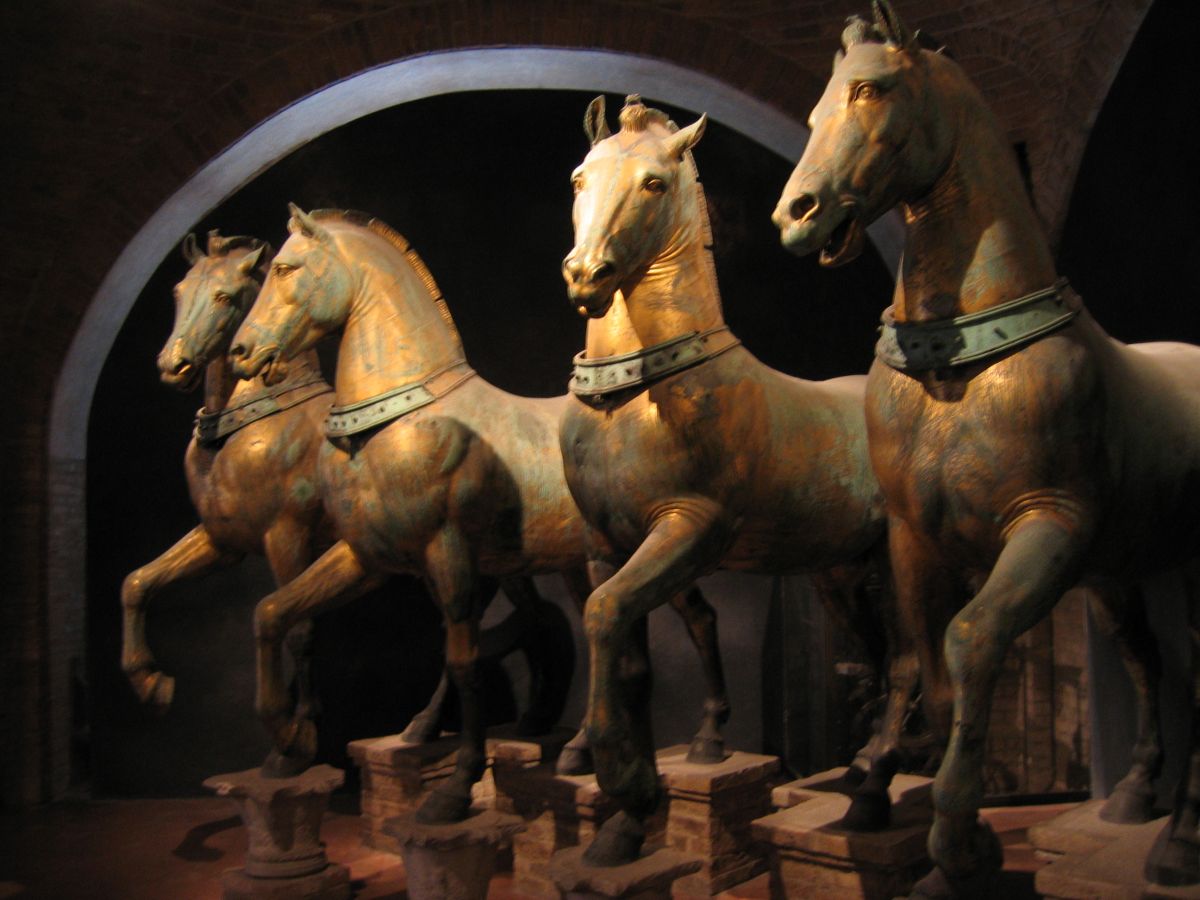
We had tickets for St.Mark’s at 3:00, so after checking in to our nice room at Casa Querini overlooking the campo, we made our way to the Piazza (there is only one in Venice).  Below is a view of the Piazzetta, with the Doge’s Palace on the left and the library on the right.Following Rick Steves’ practical advice which we listened to on our phones, we walked through the most amazing building, with walls and ceilings covered in gold mosaics.  The lights were not turned on (as we realized on our second tour, see tomorrow’s entry) but the effect was still marvelous and quite Byzantine in feeling.  We paid the extra Euros for everything, well worth it:  the Palo d’oro is a (stolen, of course) gold and enamel panel telling of St. Mark’s life, the treasury had a sweet lunetta by Paola Veneziano, and the Museum of St. Mark’s was wonderful.  First you see examples of how the mosaics are made, then you have views down into the church from this upper level, then you go out on the roof in front and hang around with the four horses (copies) and enjoy the great views, and finally you see the four original horses, standing inside where they won’t be damaged by pollution.  All in all, quite wonderful.

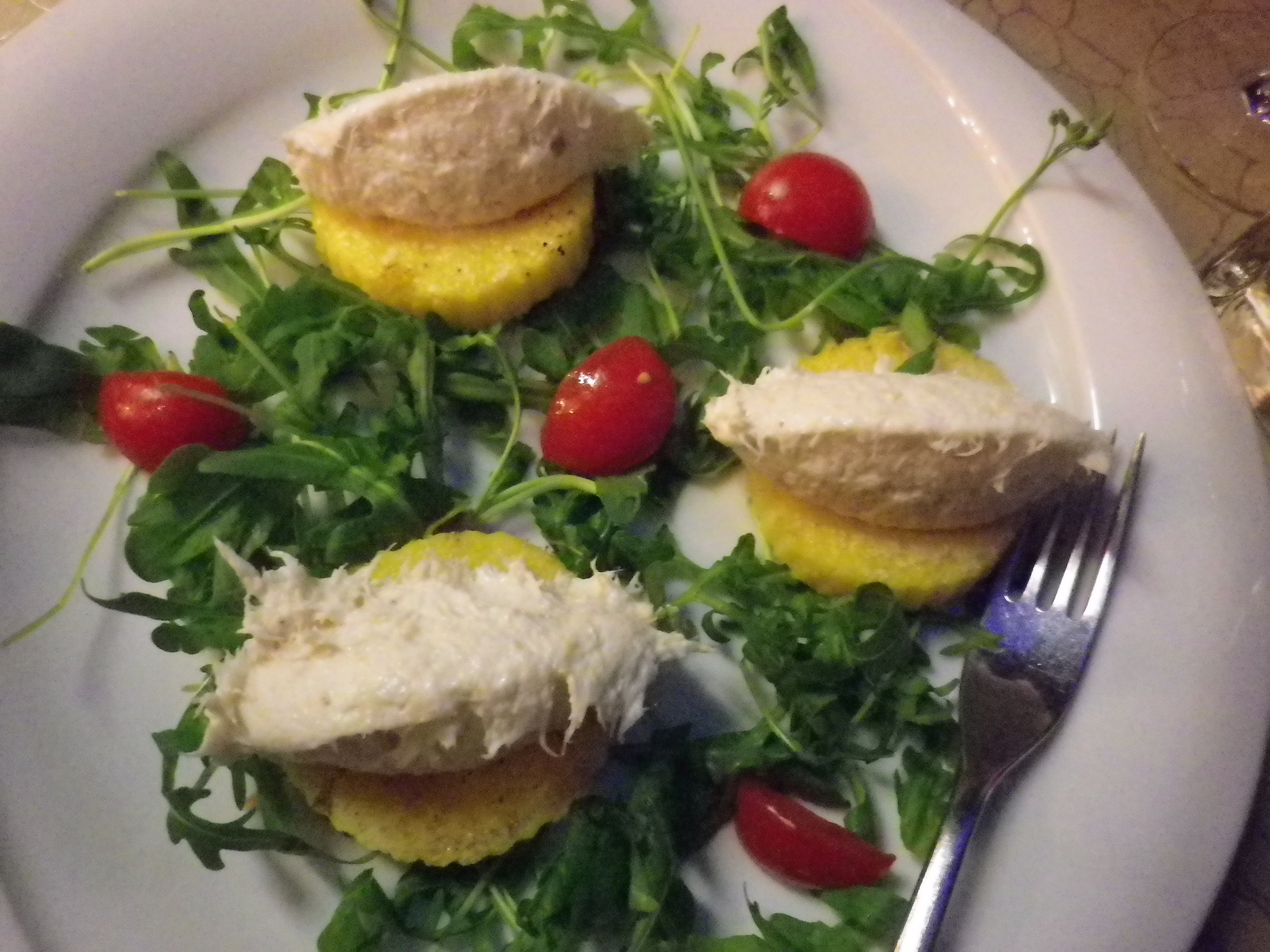
We had dinner tonight at Ae Sconto, recommended by Lynda and Frank, and enjoyed it mightily (as when have we not enjoyed Italian food?).  I had the creamed cod and polenta recommended by someone on Tripadvisor, which was quite good, then we shared some kind of delicious pasta.  The nice people gave us a glass of Prosecco to start and limoncello to end.  Divine.

Melancholy Miramare

The next day dawned bright and warm.  We had a somewhat awkward breakfast with David, who is quite kind but very hard to understand, and things like what to do with one bowl of cereal for the two of us were confusing.  Nevertheless, we parted with smiles and good cheer, and off we went for our walking tour of Trieste.

Our leader accommodated a group of German, Italian and English speakers with a bilingual Italian-English tour. We were surprised to learn (though perhaps Jan Morris had told me this) that the Piazza had been sea until a few hundred years ago, when the Hapsburgs, i.e. the clever Maria Theresa, decided the city needed to expand and filled it in with whatever debris they could find. From here we retraced most of our steps from yesterday but with more information and a bit more energy.

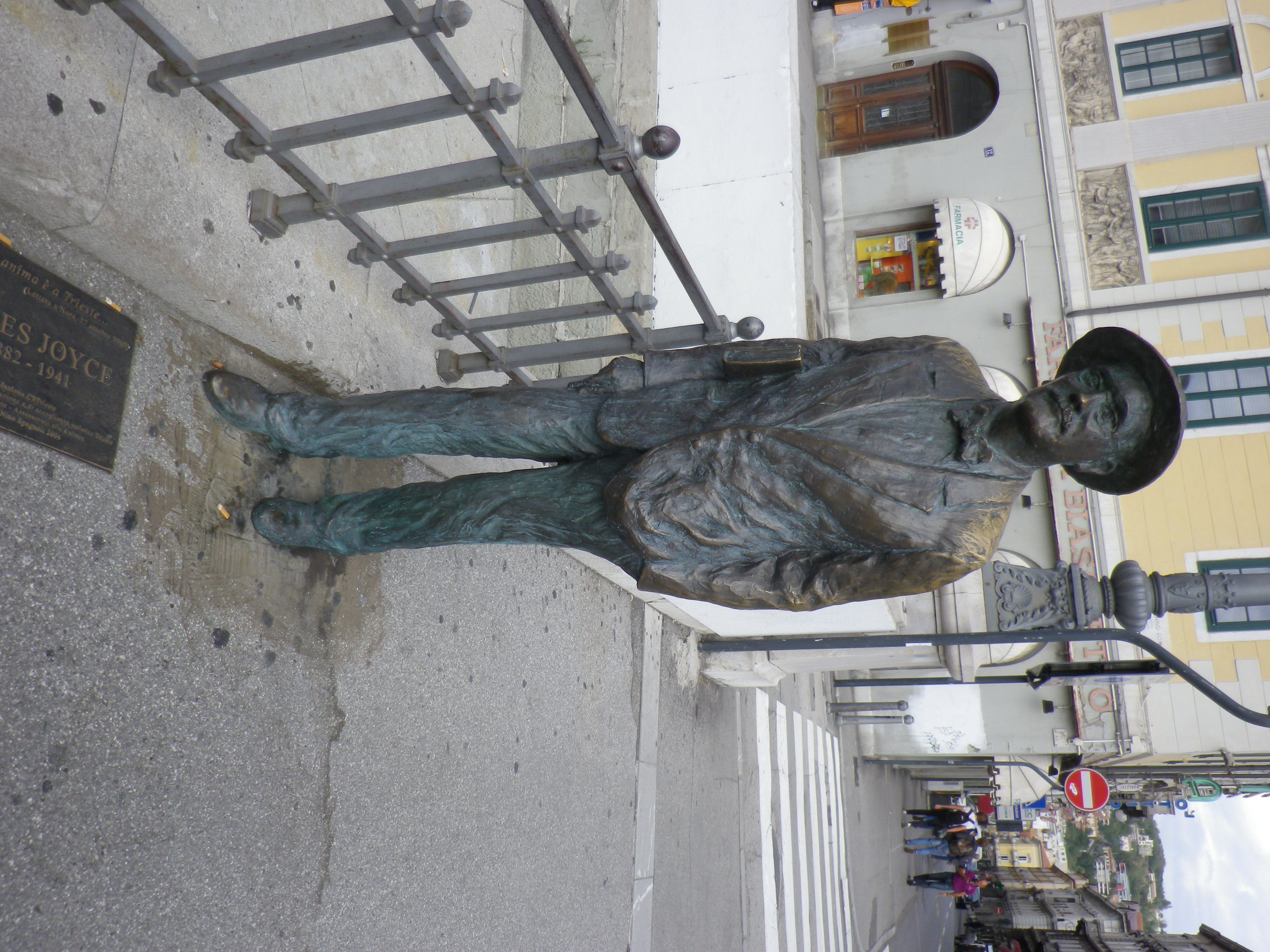
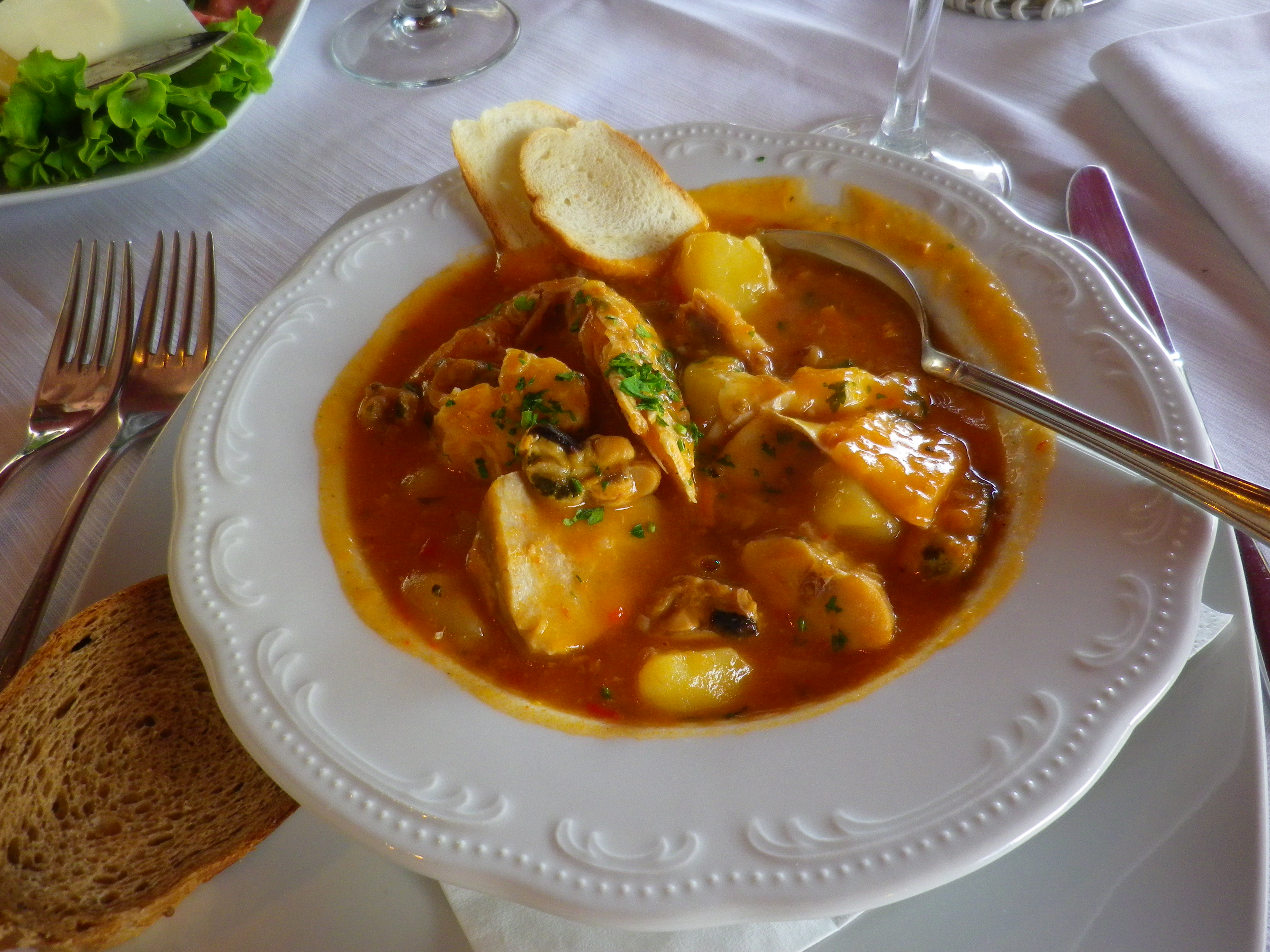
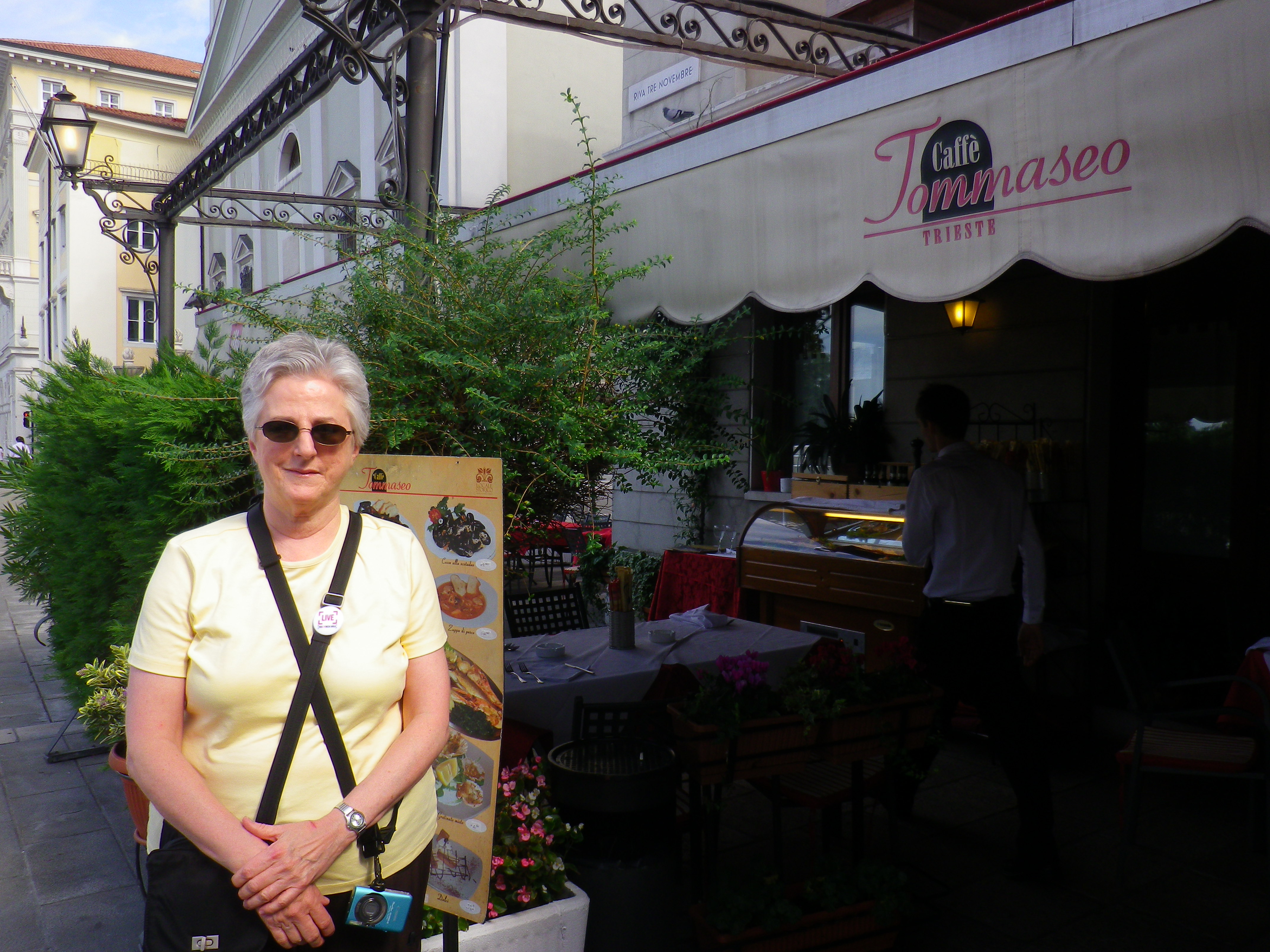
After the view of the Roman Theater, we proceeded through a pedestrian zone to the remains of the Grand Canal, another of the Empress’s ideas, and this wonderful statue of James Joyce.  We bid farewell to the group and proceeded down the street to lunch at Cafe Tommaseo, a hangout of Joyce’s.  Today it was filled with Asian tour groups, and us, sitting outside for the most delicous fish soup (me) and carpaccio, along with a glass of Prosecco.

From here we took the bus to the train station and then another to Miramare, having a nice conversation at the bus stop with a doctor from Chicago and his two boys, here for his wife’s conference on breast milk.  (He assured Alison that breast milk was still considered best of all.) We compared notes on our travels, in the way of tourists, and he made us think that Rome might be a good destination after all. Someday…

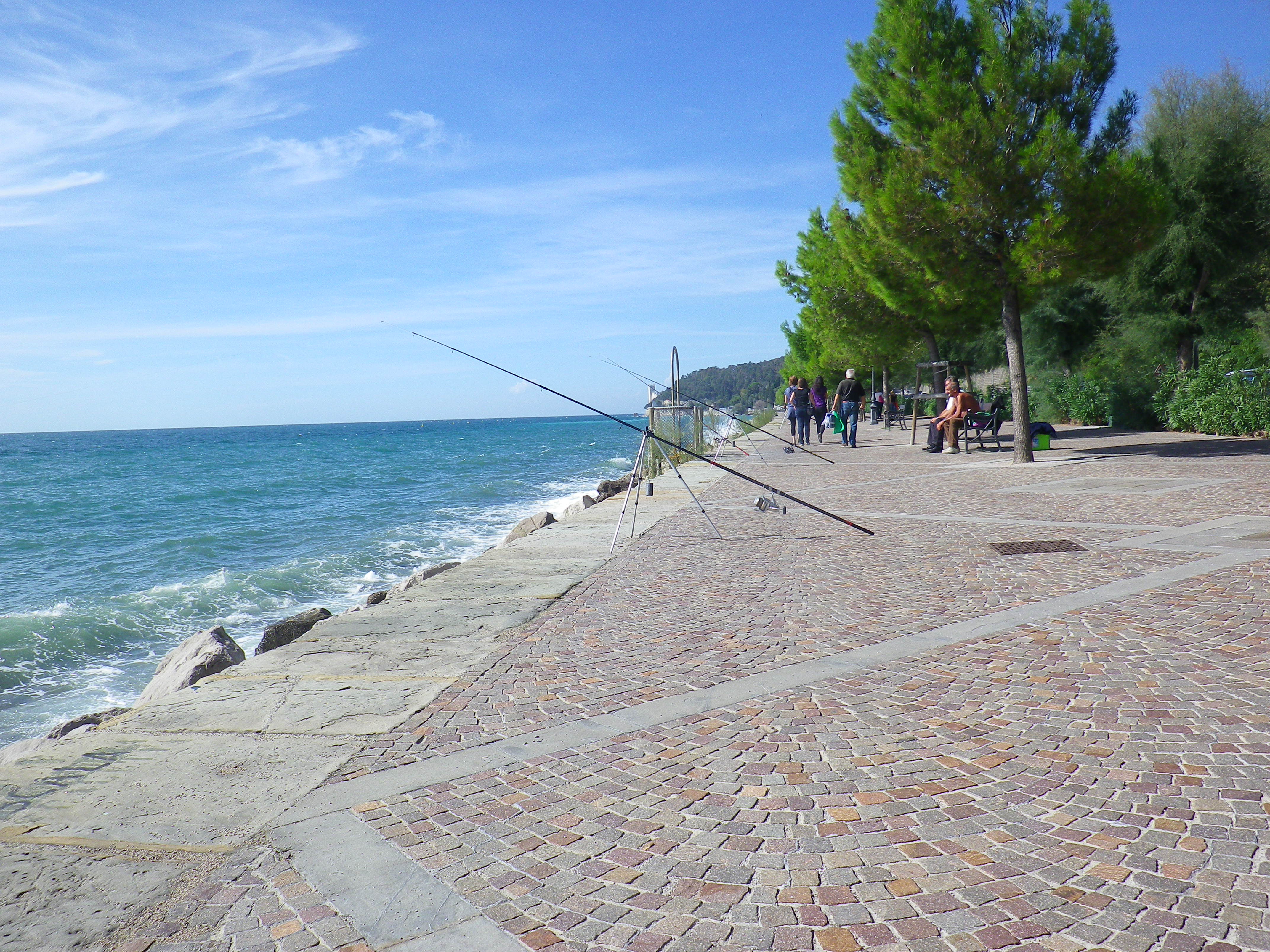
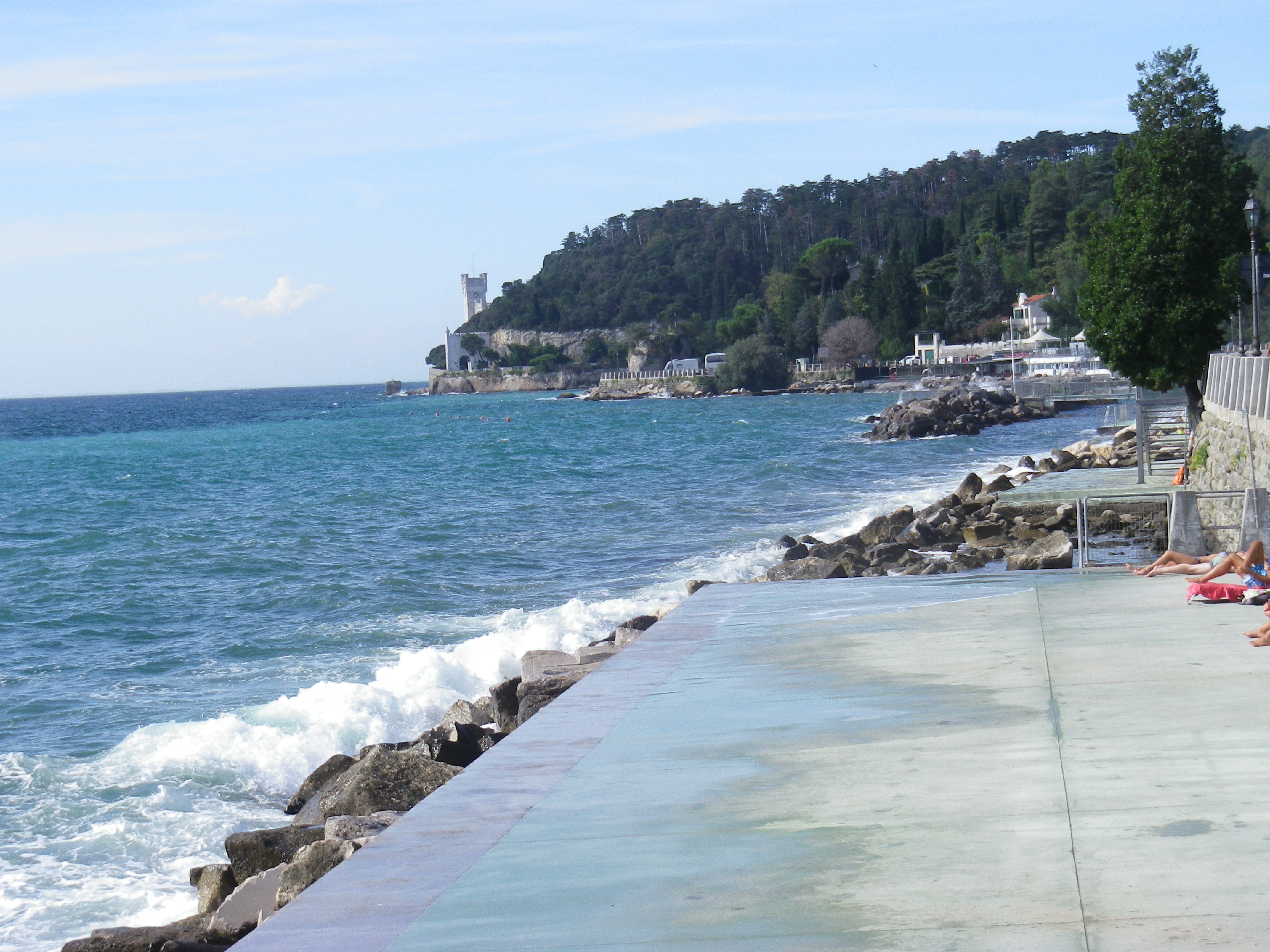
The bus stopped about fifteen minutes away from Miramare, which was a treat as we were able to enjoy the Adriatic strand. Some people were fishing, others were sunbathing on a very uncomfortable-looking concrete pad. Here’s a little clip of the Adriatic beating against the shore.

We came to Miramare, paid our entrance fee (first buying the ticket, then exchanging the ticket just a moment later with a second person, who knows why) and walked through to this perfectly sited yet melancholy place.

Perfectly sited because it sits on a rocky promontory jutting out into the sea and with its white stone walls can be spied from Trieste, eight kilometers away.  It’s surrounded by balconies and walkways, baking in the sun, with a good breeze and the constant splash of waves on stone to mitigate the heat.  Nearby are formal gardens (somewhat neglected, most of the boxwood though perfectly clipped seemed to be dead) and statuary with a little bar where you can get a coffee, a glass of wine, or a Fanta served in a curvy Coca-Cola glass.

But melancholy because the poor Archduke Maximilian, whose idea this was, lived there only four years with his wife Charlotte of Belgium (whose father was the evil Leopold of Belgian Congo infamy). He was made Emperor of Mexico and sent off to a country that was embroiled in civil war and, despite what he had been told, not at all sure they wanted to be part of the Hapsburg Empire.  He was shot by Juarez’s troops in 1867.  After this, Charlotte returned to Miramare, where she slowly went mad.  Morris makes a good story of it all.

The interior is hot, stuffy, and stuffed with furniture and paintings, many of the ill-favored family of Maximilian and Charlotte.  She is actually quite attractive, but the rest are nothing to write home about, especially in the mutton chop whiskers of the period.  There’s a beautiful indoor fountain and great views of the Adriatic, but I would just toss out all the stuff and start fresh.  That’s sort of what the Duc d’Aosta did when he lived here in the thirties.  He was a dashing flying ace who reluctantly (I think) served under Mussolini and died of tuberculosis, although before he was done he became the Viceroy of Ethiopia.

Dinner tonight was another of David’s recommendations, the Siora Rosa down near the Piazza.  Very friendly service.  We shared a meltingly tender eggplant parmesan followed by sardines with onions and polenta for me.  Then we walked through the Piazza to see it lit up, very pleasant, and up the hill to the Gens Julia.

36 Hours in Trieste

We had a wonderful dinner on our second and last night in Ljub, which just about made up for the lousy one the night before.  Great trance music, dinner next to a goldfish pond, a friendly waiter who recommended the beefsteak, which was indeed lovely.  A nice bottle of red wine- ah, civilization!

Wednesday morning we packed up (luckily it all still fits, though like our clothes, it’s getting a bit snug) and trundled them off to the train station.  I love trains – rarely are there delays, you know the train is going where it says it will, and all you have to do is read.  We had picked up sandwich fixings in Ljub and enjoyed our rolls with Emmentaler and prosciutto while the countryside sped by.

Arrived in Sezana, which is not much to write home about, with no taxis waiting and our phones not working.  Finally tracked down a train man who told us to try at the hotel and, indeed, a brisk receptionist called us a cab and we were on our way.  Crossing the border was entirely uneventful.  No stamps on our passports for either Slovenia or Italy!  Too bad.  He delivered us to the train station, from which we got another cab to our B&B.

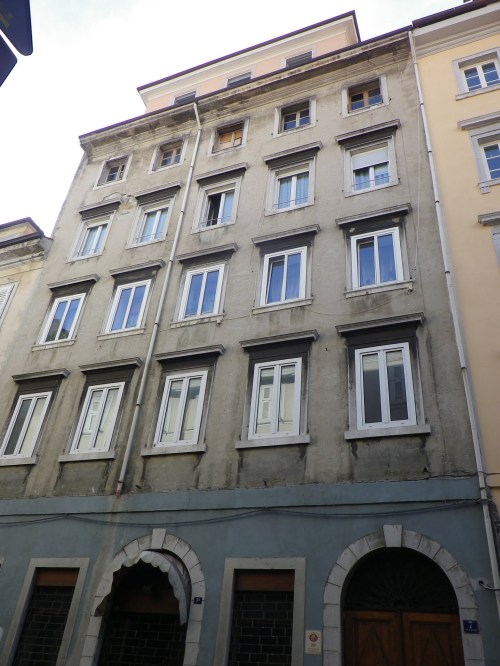
The Gens Julia is up THREE flights of stairs, 77 steps as one of us noted.  (Just assume we’re high up in this building.)gens-juliaBut it’s quite lovely:  a modern bathroom, comfortable bed and air conditioning (!) which  we may well need, as it’s warm and humid here.  David welcomed us with a glass of juice and some maps and dinner recommendations, and we launched ourselves into Trieste.

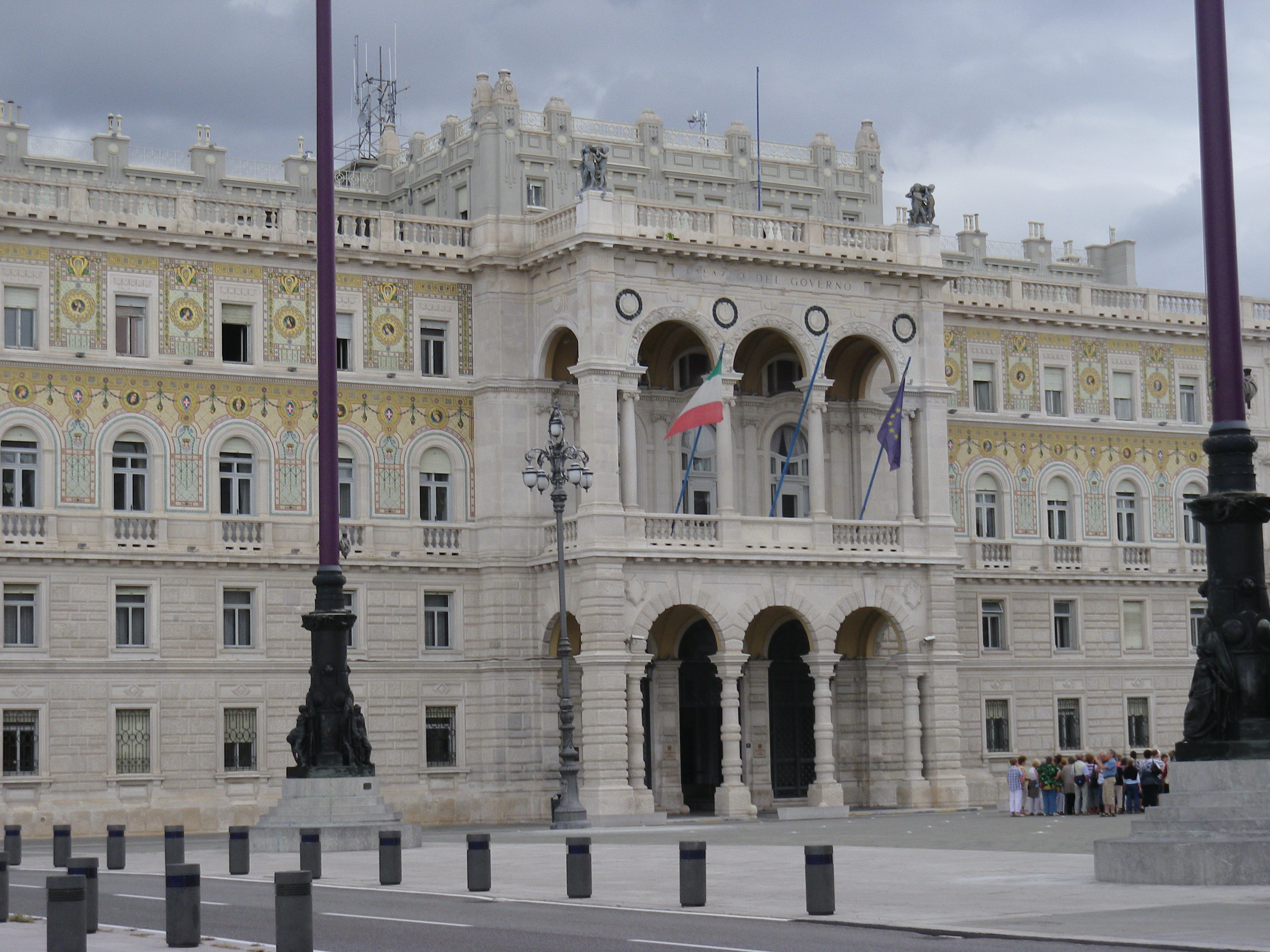
Here’s the thing about Trieste: like San Francisco, it’s built on hills, and they are very steep.  We started out walking downhill to the Piazza del’Unita, the grand square by the sea.  It’s quite big and empty except for a few statues and columns. I wish I could remember what Jan Morris said about it, though I do think it’s been re-engineered over the centuries.  We tracked down the TIC and got information from a somewhat testy young woman.  (At one point, when I asked about the bus, she pointed out that she had already told me this – SORRY.)  We were all a little testy at this point, truth be told.  We’re at that point in a trip where we’re both a little weary and wondering how much longer this will all go on.  But, onwards!

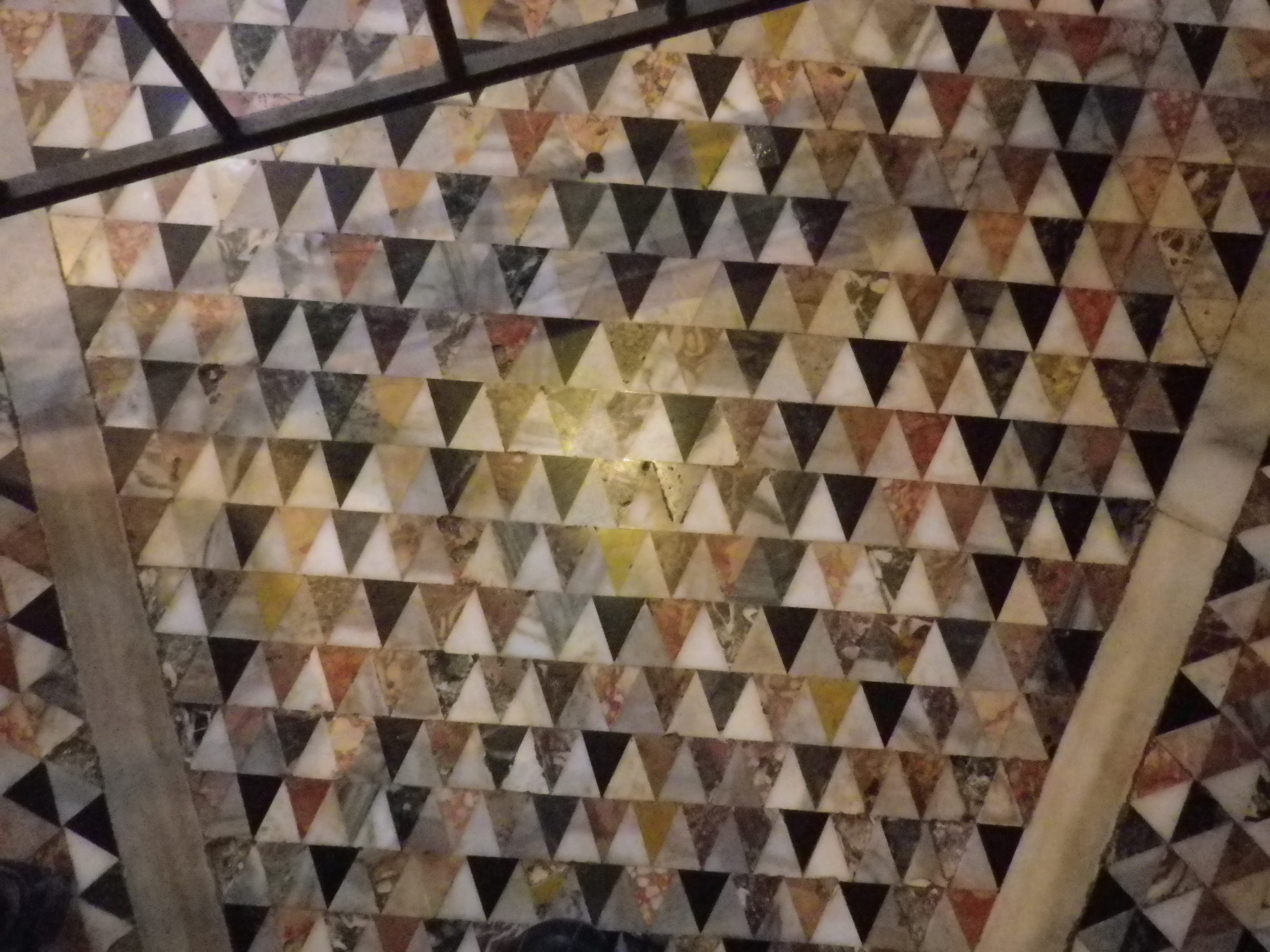
Armed with a tourist/bus ticket, we began walking uphill towards the castle and cathedral of San Giusto.  Steep hills up to an old church with a darling Jesus having a little drink, and these beautiful mosaics.  The most purple one is a 1930s modern work.  We walked in a desultory way through the castello, enjoying the views of Trieste and ignoring everything else.   Then back down the hill to the remains of the Roman theater, which now faces the fascist-style building housing the police station.

We took David’s recommendation for dinner and made our way back UP the hill to a little hole in the wall, that wasn’t open at ten of seven.  We sat on a bollard around the corner, looking at the waxing moon and giving it ten more minutes, when a car pulled up and a dashing man with long hair and an elderly woman got out, unlocked the door and invited us in.

The interior was brightly lit and already provisioned with table settings and baskets of bread.  We took the nice man’s advice about what to eat and drink and ended up with a thin white wine and lots of fish.  First, the most delicious fried shrimps and some other little fish, then Alison had lasagna, which was divine, while I had pasta with clams.  We  ended with sardines for me and something else for Alison, I’m sure it was delicious…  And so to bed, in the nice cool room with the a/c running.

Lake Bohinj

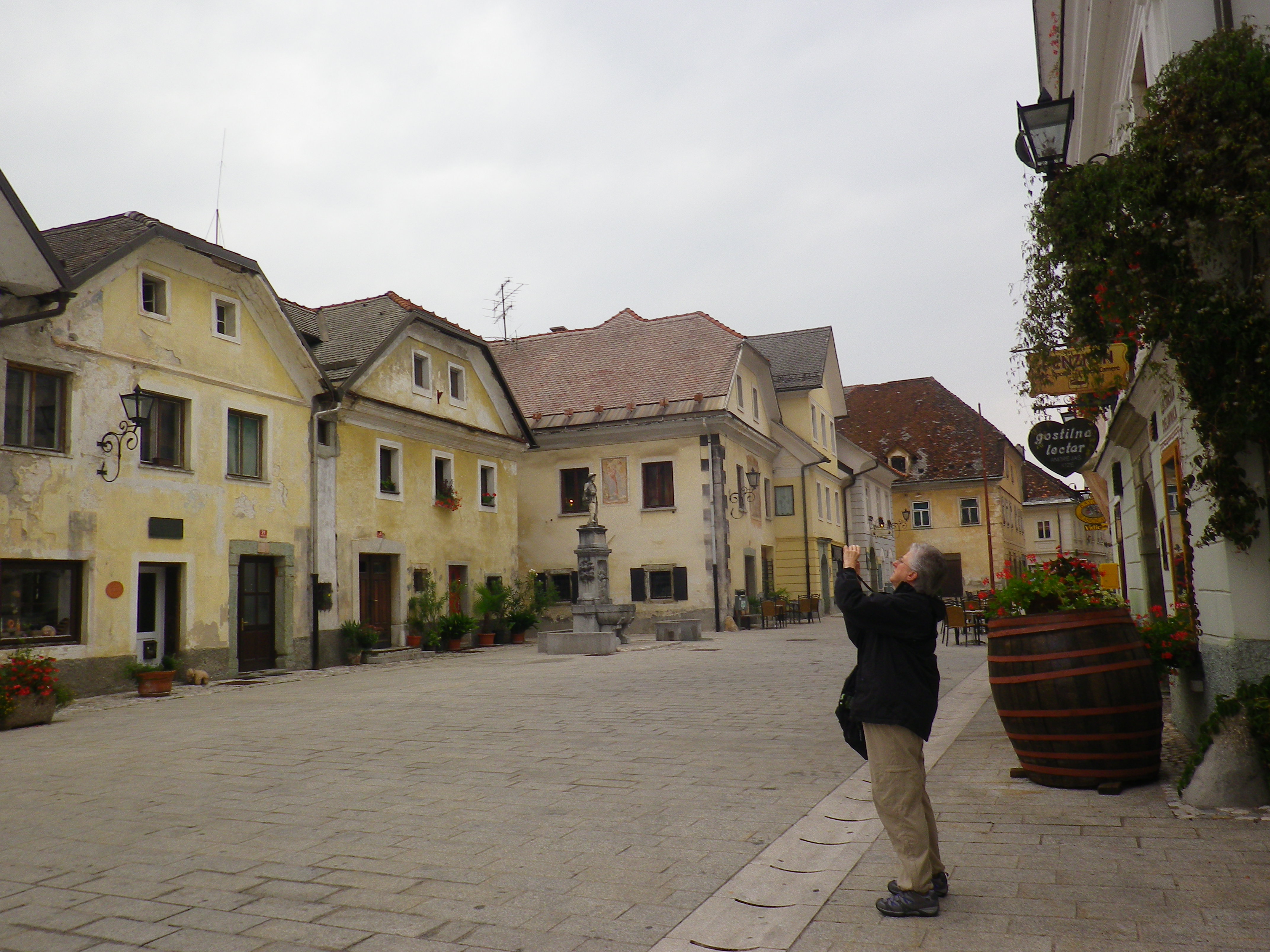
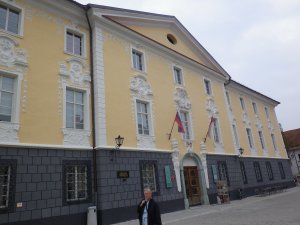
A cool, cloudy day today.  We headed for Radovlijca, a nearby village that is home to the Apicultural Museum, housed in a beautiful 16th century building.  The main square is charming.  We saw a few men drinking beer outside at 10:00 in the morning on a Sunday – must be a ritual.  We stopped briefly in the gingerbread store/museum, then on to the bees.
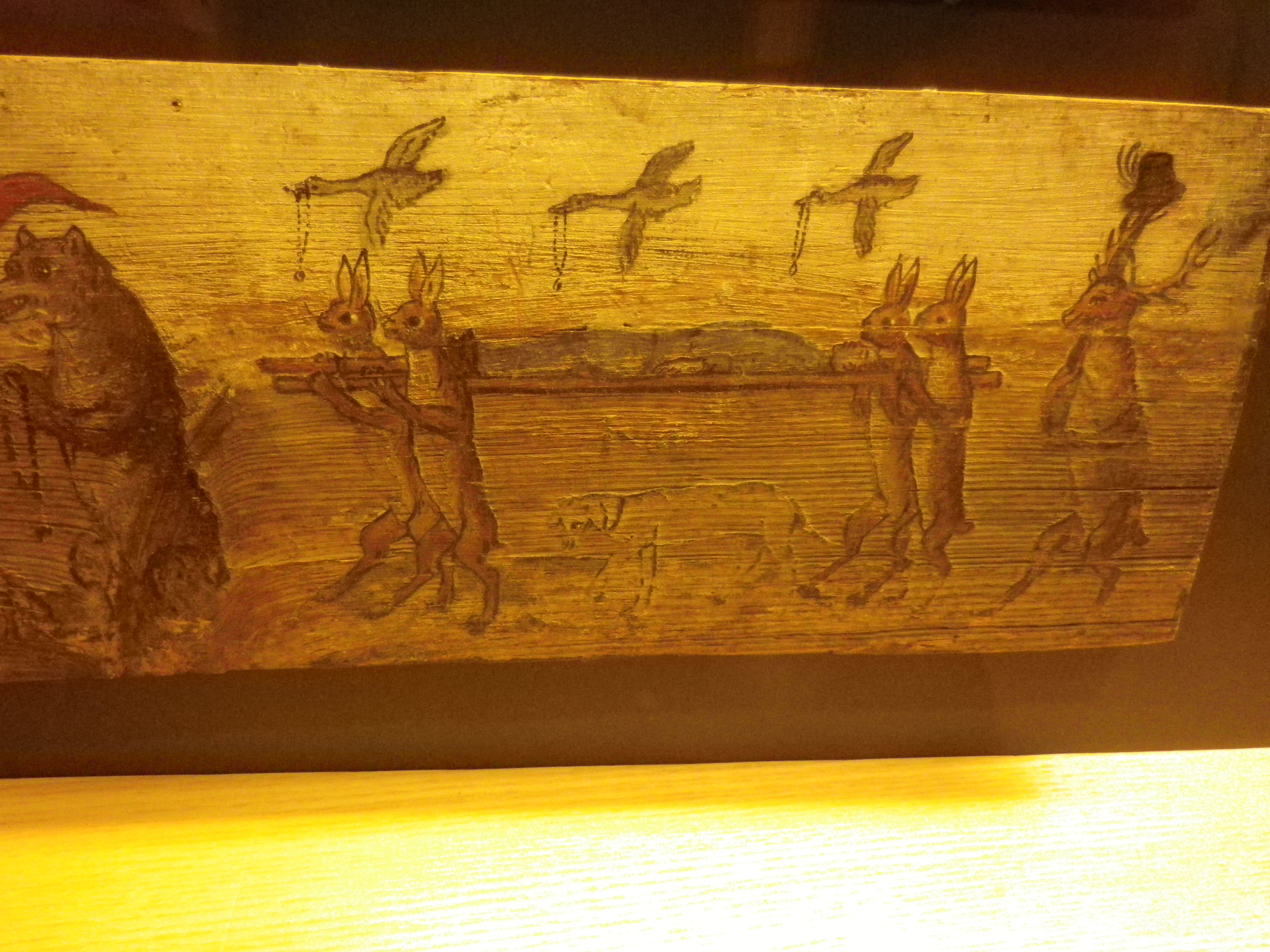
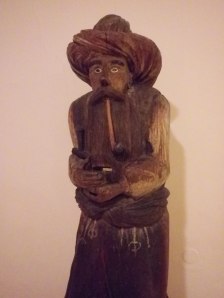
Because Tina had taken us to a local village where the father of beekeeping lived, we were already familiar with the tradition of bee panels.  They were first designed in the 18th century as unique images that would help the bees find their way home to the hives.  Here we saw a big collection of them, some with religious themes, others humorous, like this one.  (Notice that at the hunter’s funeral, all the animals are rejoicing, except for the dog.)  These statues, made to mimic Napoleonic or Ottoman soldiers, were sometimes mounted near the hives to protect them.
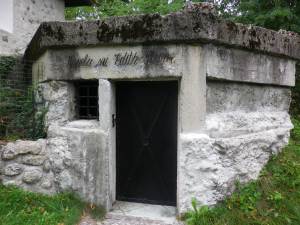
We wandered towards the church and behind it to a WW II bunker that is now a memorial to Edith Stein, a Jew who became a Carmelite nun and was killed at Auschwitz.  As we rounded the church, the congregation came out and slowly left on foot, by bike or by car, chatting with each other as they departed.  In search of sandwiches for lunch, we came to a cafe and bought the mysterious toast sandwiches we see advertised everywhere.  They turned out to be toasted ham and cheese, so warm and good that we ate them on a bench outside.
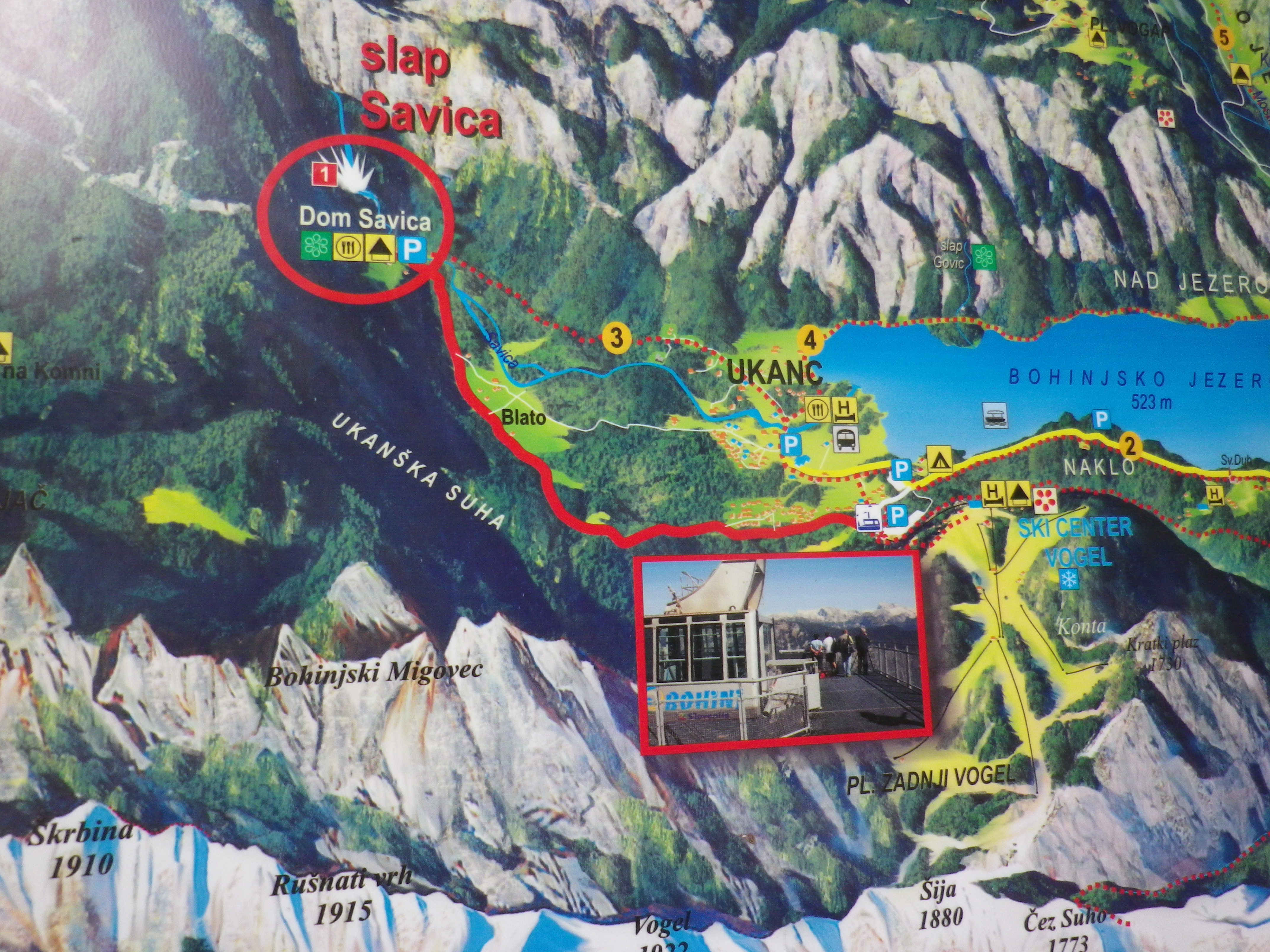
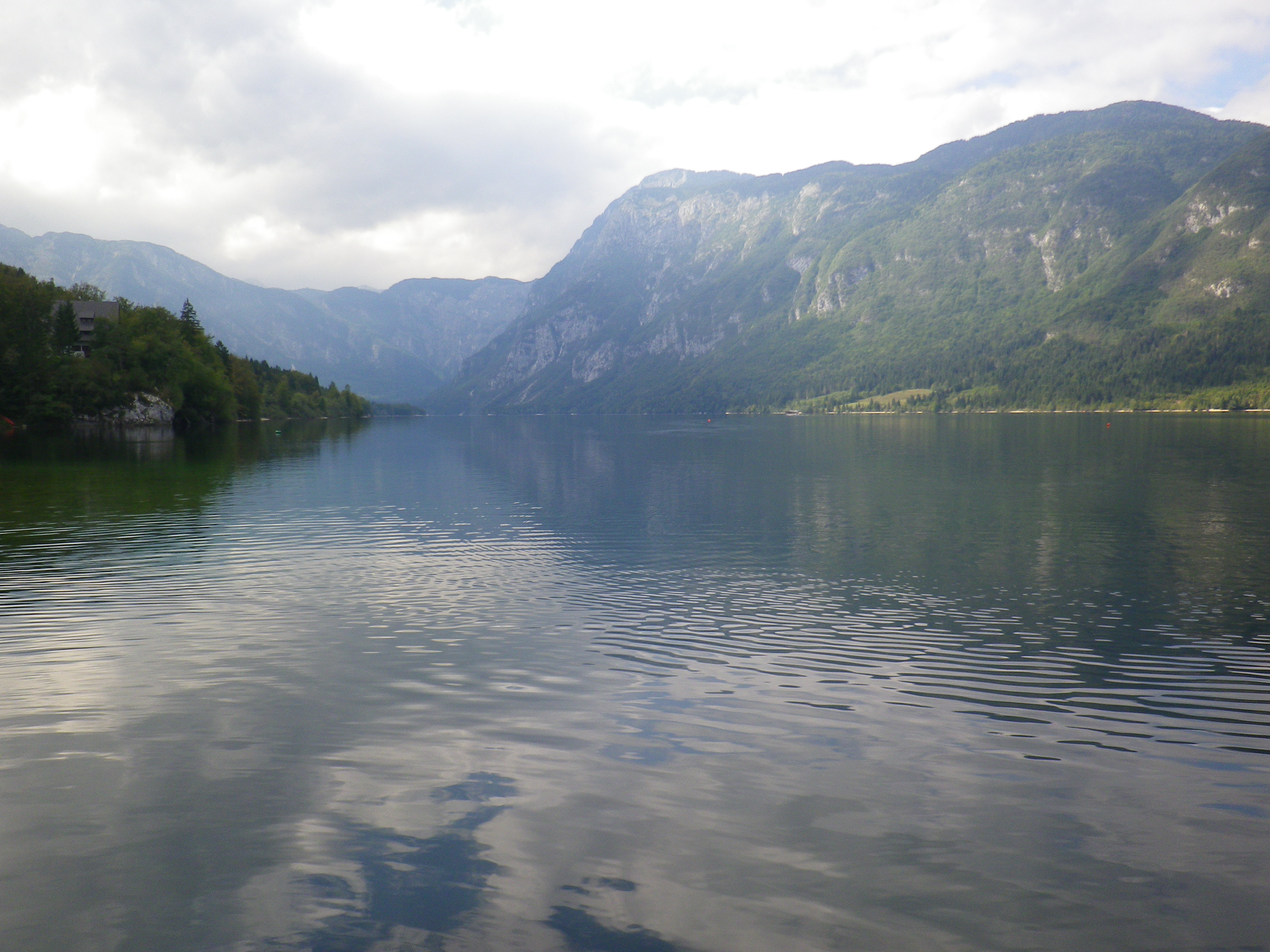
Back into Bled and on to Lake Bohinj, another tourist spot that is more outdoorsy and less crowded than Bled.  (Bohinj is pronounced with a chewy H and the j is silent, if that helps.)  We followed the road along the lake, a very impressive sight with the mountains plunging down to the water, and then along a twisty little road, farther and farther, until at last we came to the end of the road and the trailhead for Slap Savica, the Slavica Waterfall.
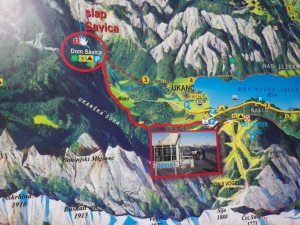
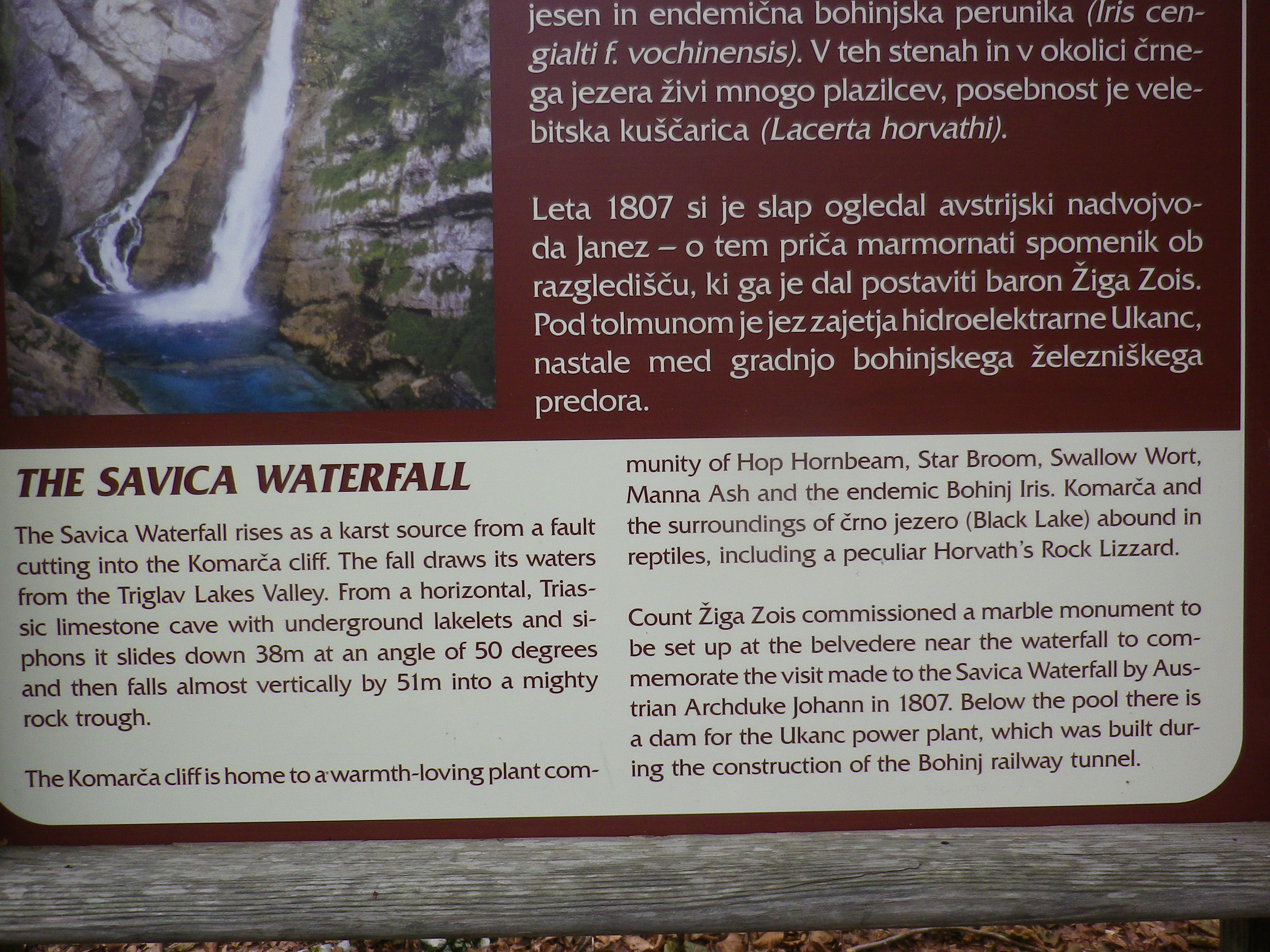
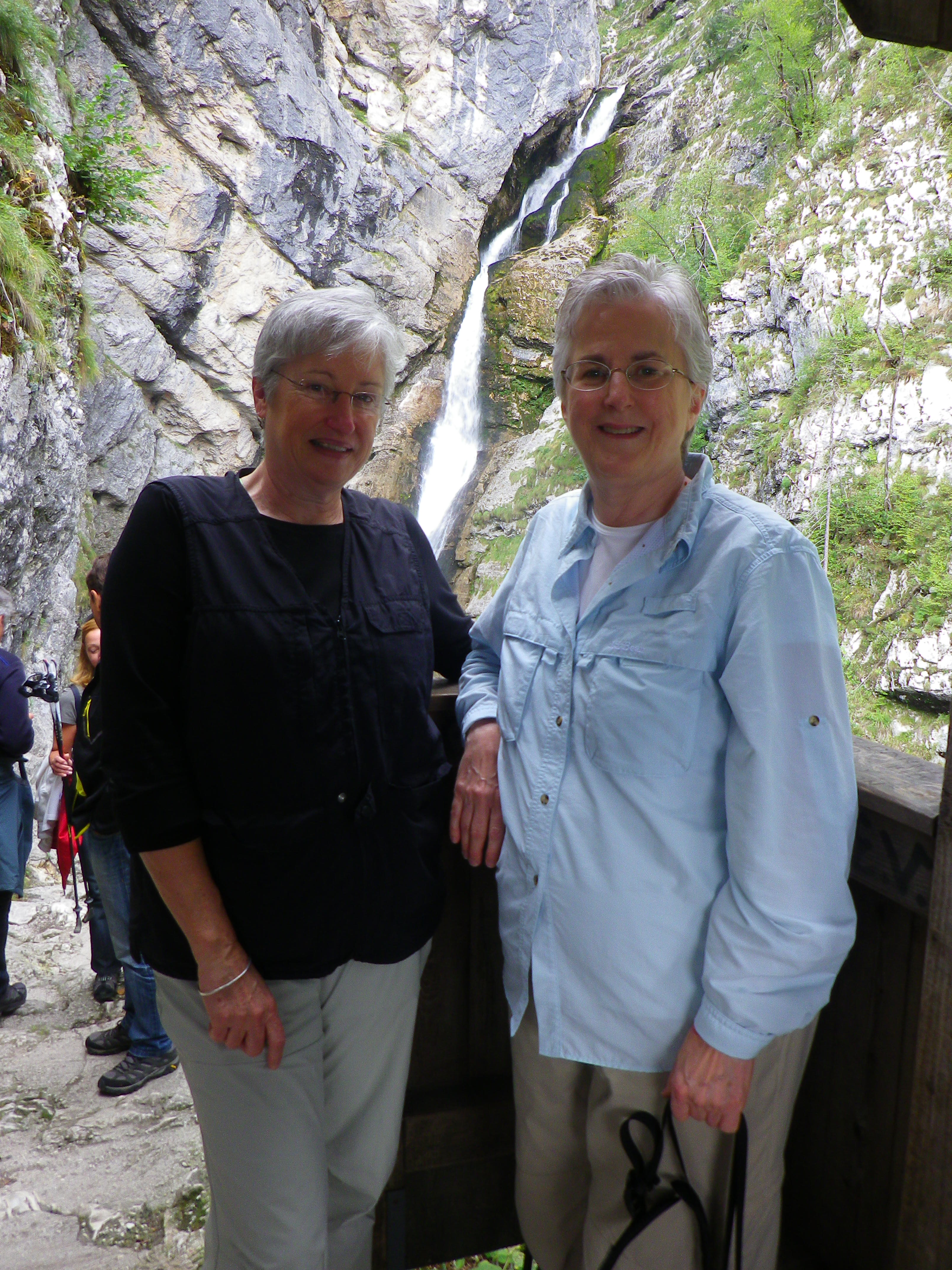
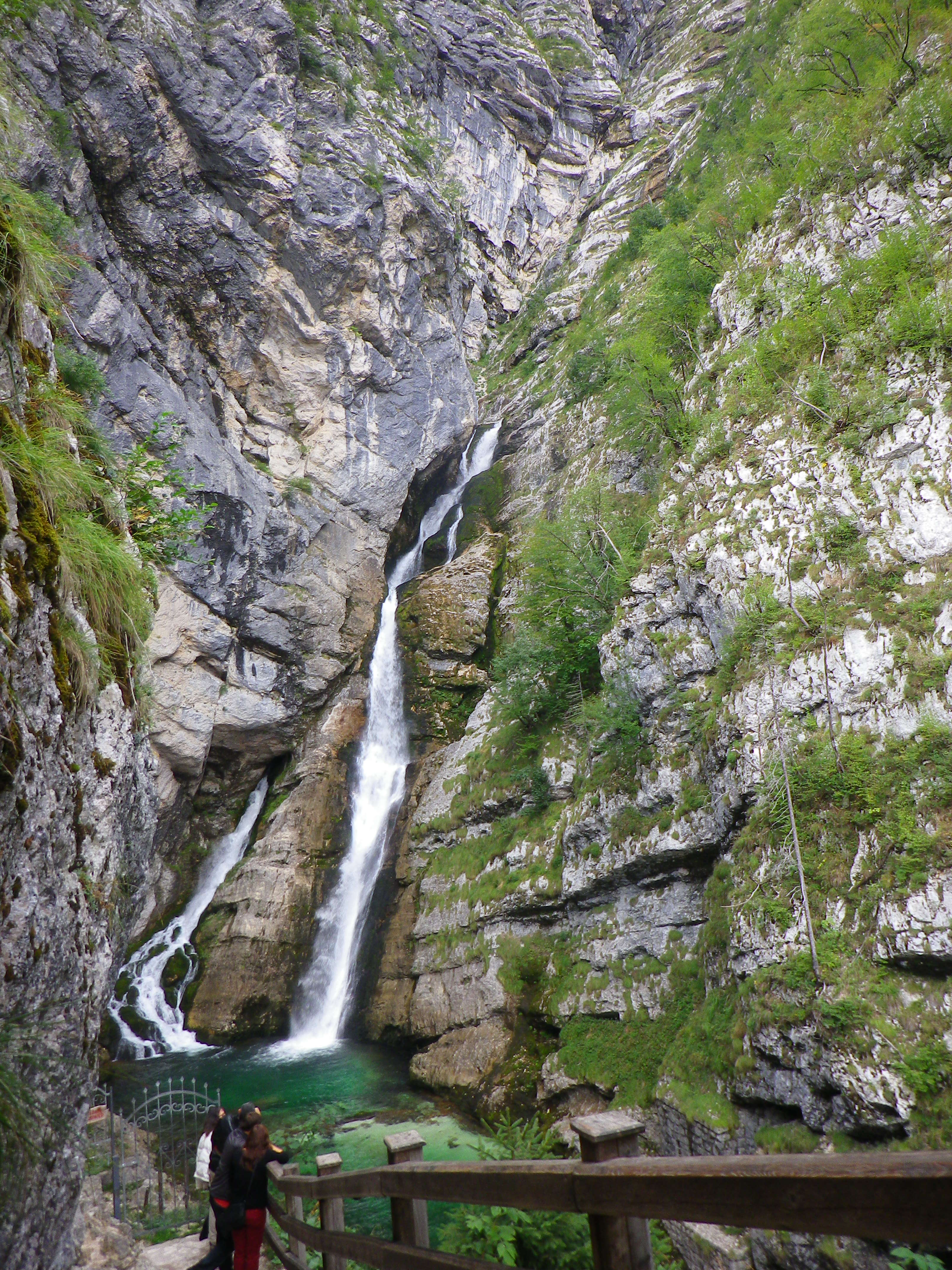
Rick Steves says there are 588 (or some such number) steps to the waterfall, so one of us was a bit apprehensive.  But we took it slowly and made our way up there sooner than we expected.  It’s a good waterfall, notable mainly for the way it springs out of the rock halfway down the mountain – that karst, you know, with its vanishing and reappearing rivers, lakes and waterfalls.  After taking pictures for others and in turn having pictures taken for us, we came back down and drove back to the lake.
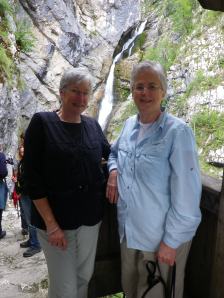
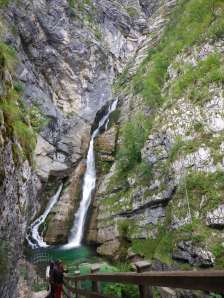
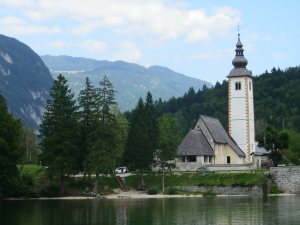
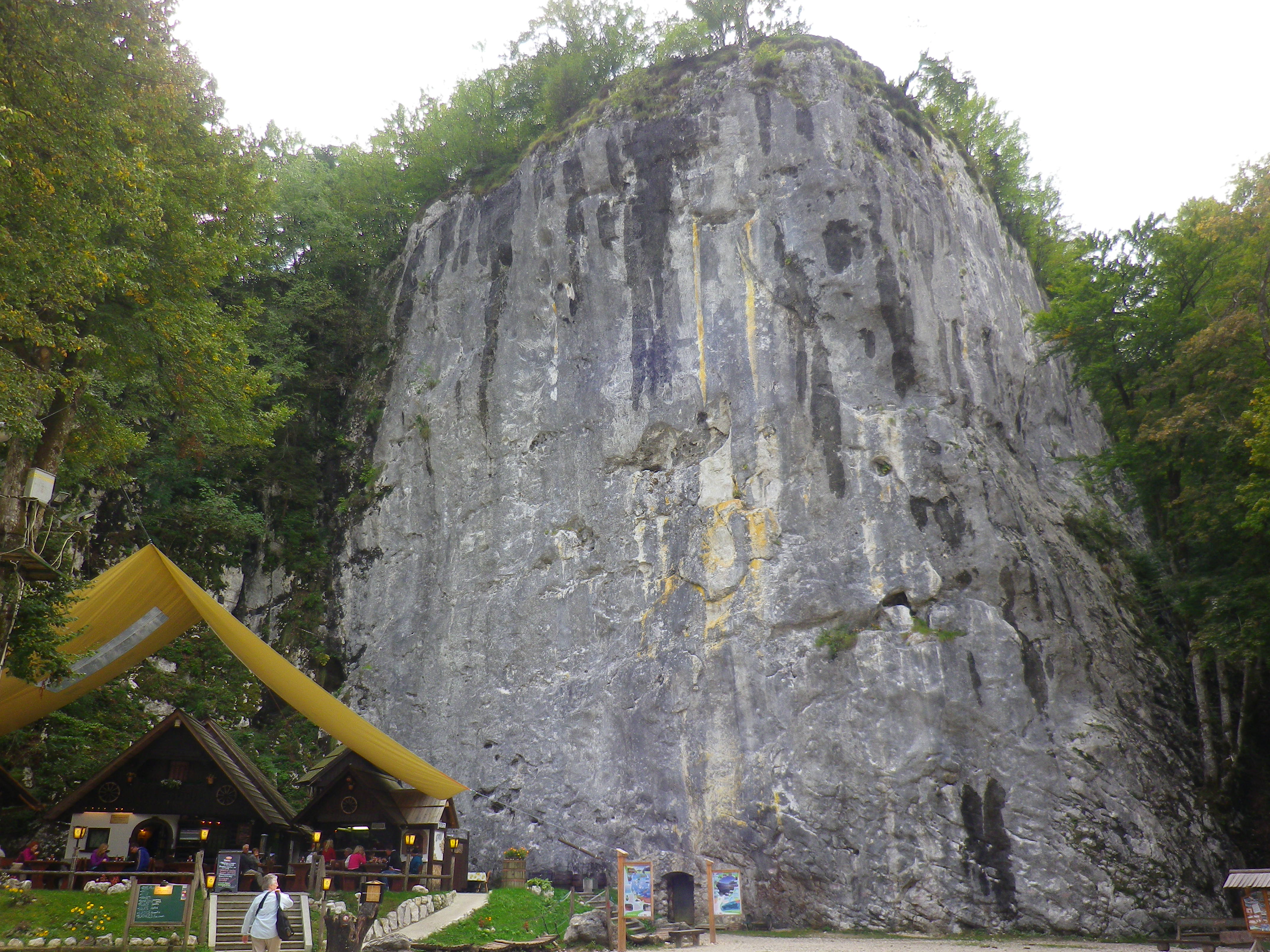
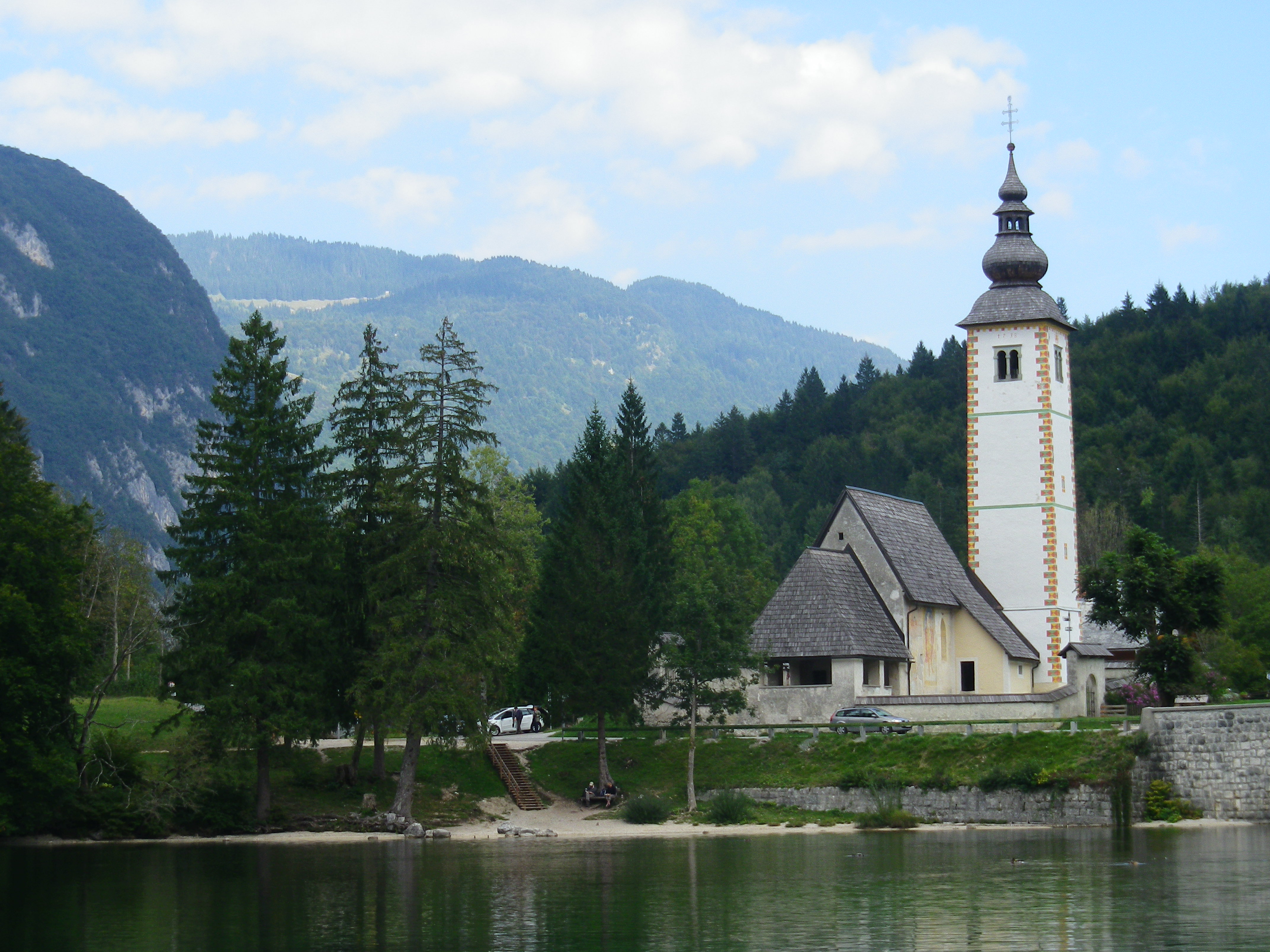
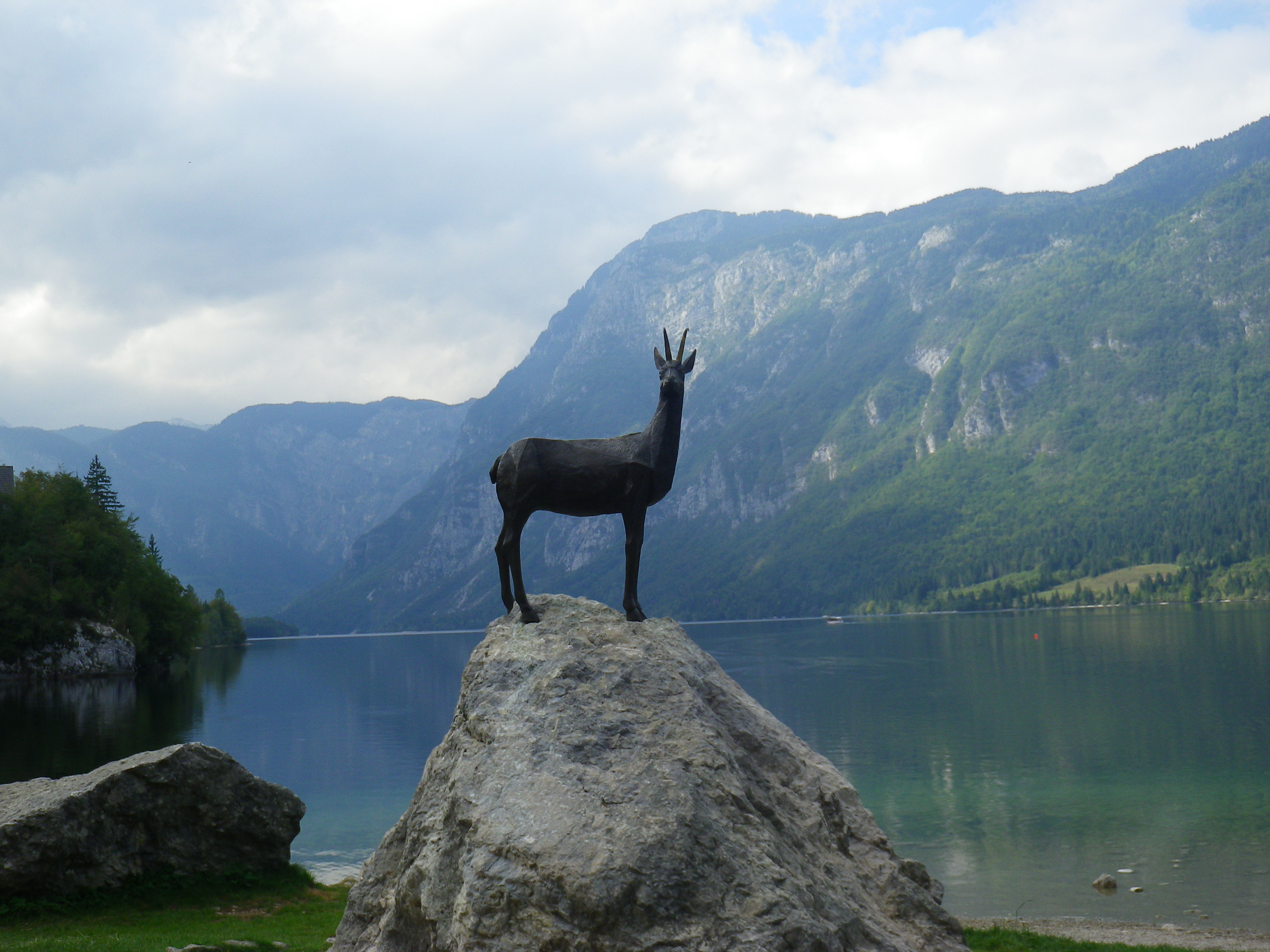
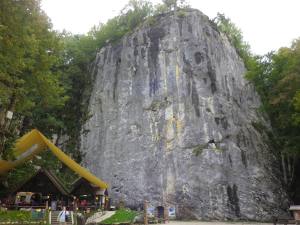
Time for tea and cake!  We still have not had the famous Bled cream cake – this one was called Marlenka and featured honey and nuts, yum.  We ate it in a little place smack up against a sheer rock face, which one intrepid tourist tried to climb, though not for long.  A few more pictures of the lake, the photogenic church, and the emblematic Zlatorog (kin to the one we saw in the Julian Alps), and we went idly in search of the Alpine Dairy Museum.
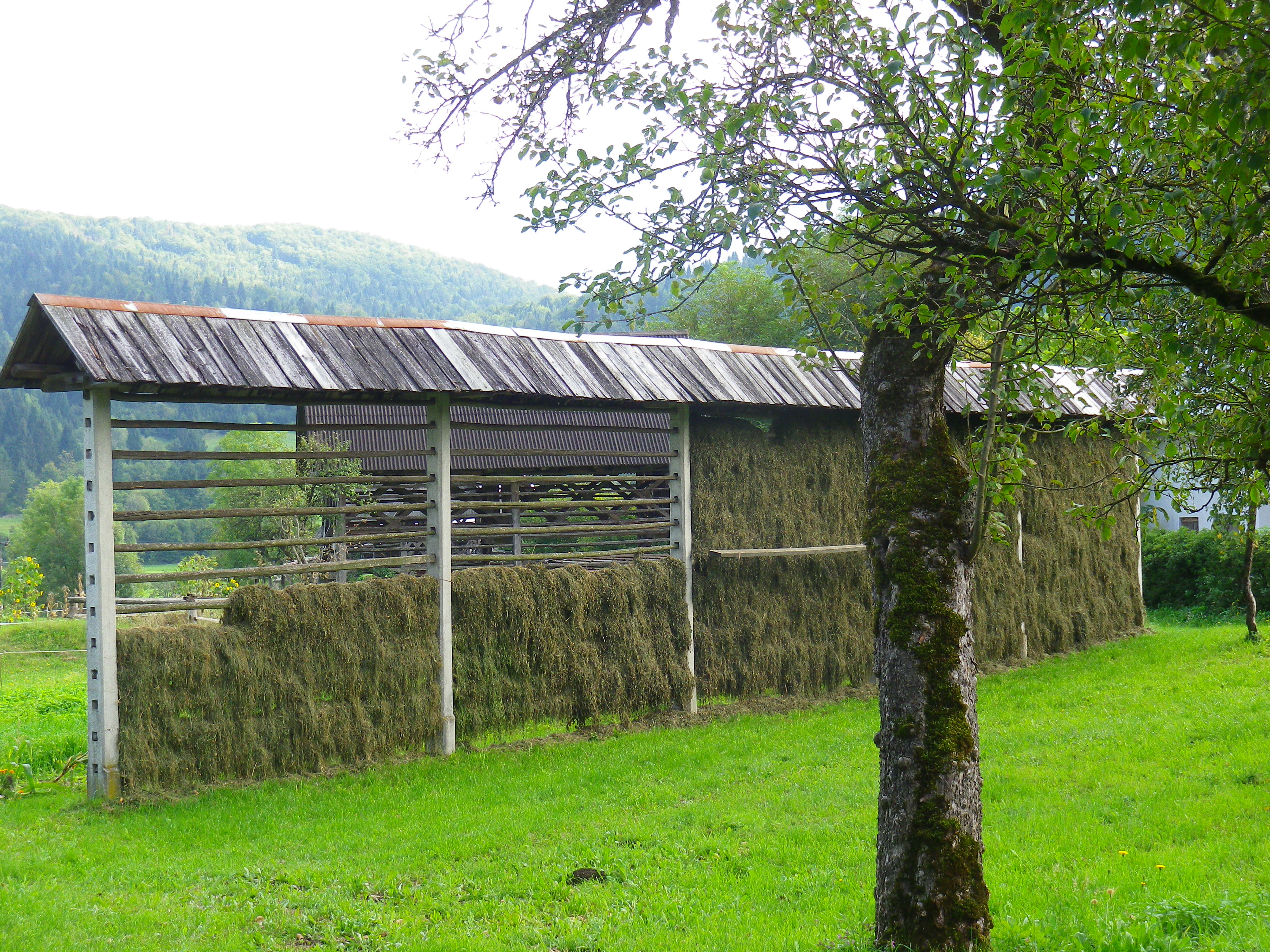
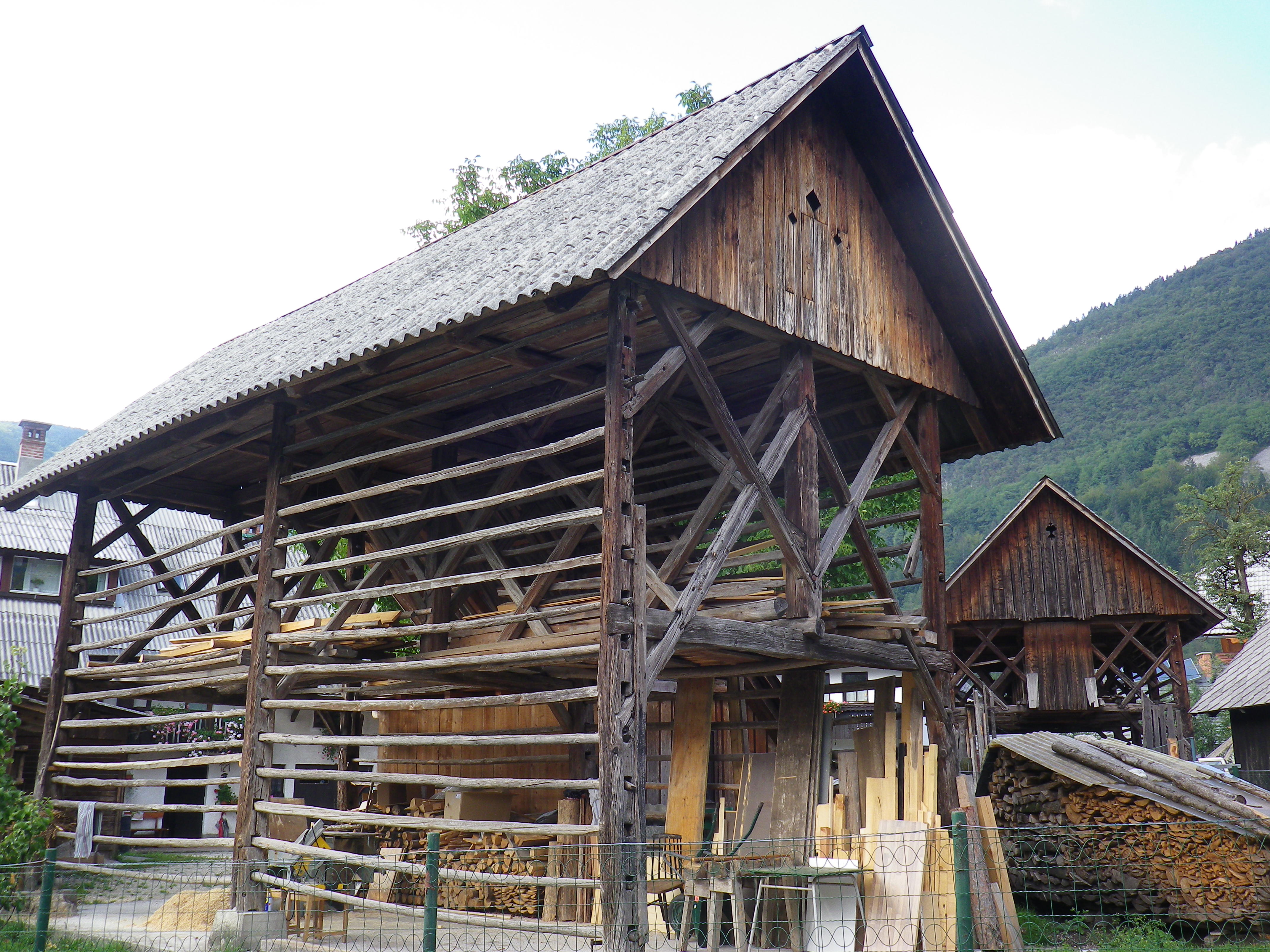
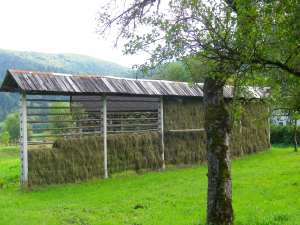
We found the right village, Stara Fuzina, but didn’t immediately see the museum, so we parked and looked around.  This is the advantage of having a car – just follow your nose and see what you find.  Everywhere you see either hay racks – this one still with hay drying on it – and these two-story sheds.  The walls are for drying hay, underneath there is usually some lumber stacked up, and above are various implements.  Some children were playing on the upper floor of one of them.
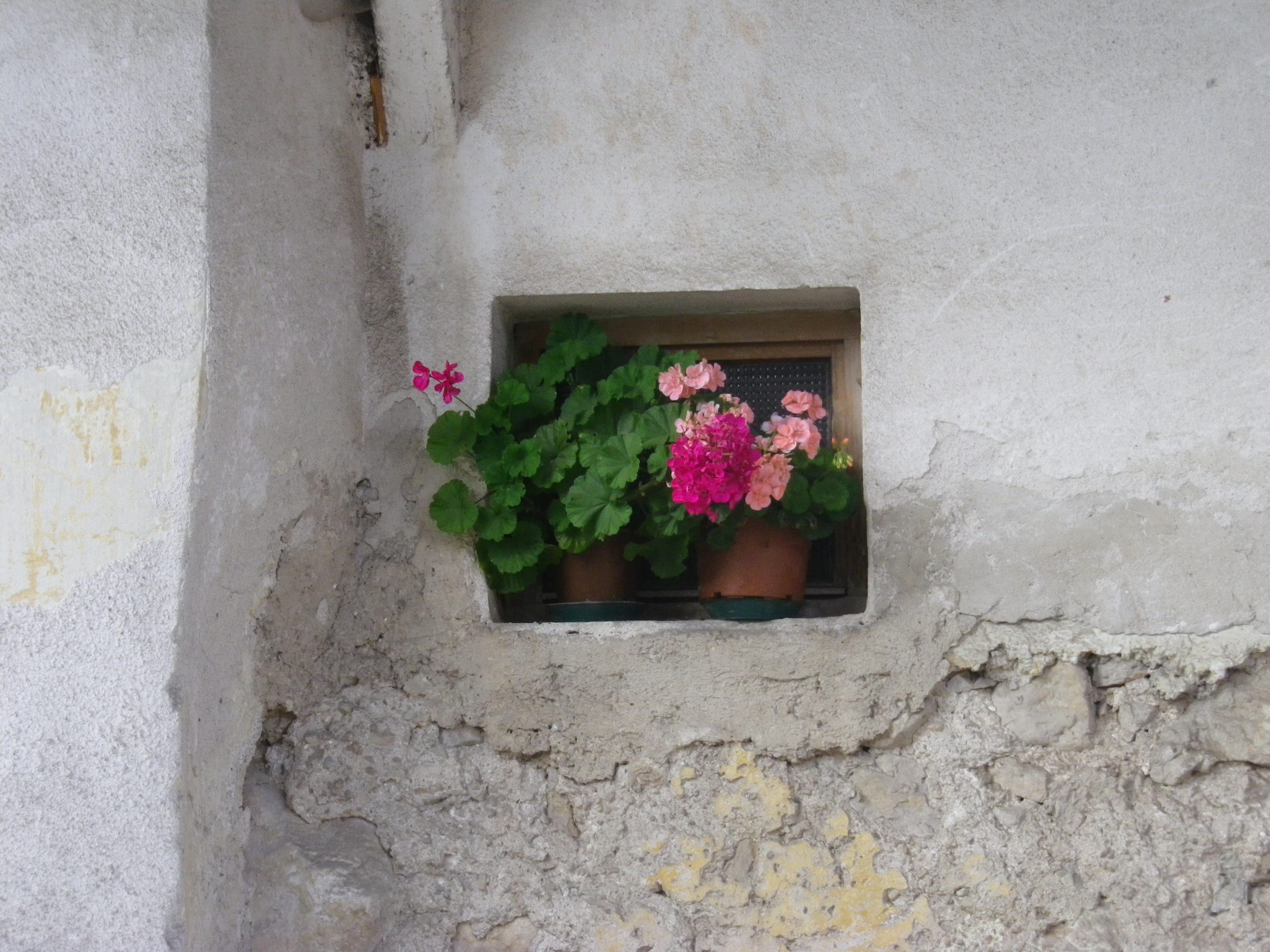
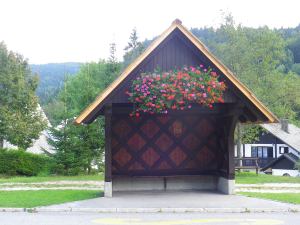
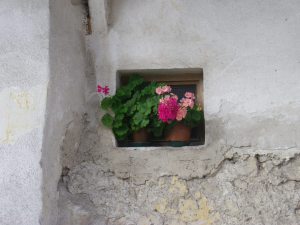
We liked the gardens everywhere, even at the bus stop shelters, every one with an overflowing container of geraniums like this one.   These geraniums in the window were too beautiful to resist.
And we couldn’t help taking pictures of the icons.  Tina told us  that three-quarters of the population here is Catholic but only a very small number are active church-goers.  Nevertheless, these little shrines are everywhere – you never know when you’re going to run into Jesus as you travel about.
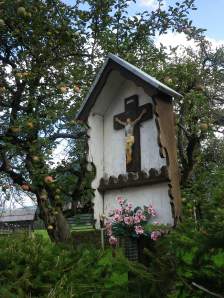
We did find the museum at last and had a wonderful conversation with a woman washing her car nearby.  Trying to determine whether it was the Alpine Museum or some other place, I kept saying “kuhe” meaning cow, since lots of people here understand German, while she kept telling us in Slovenian that the museum was closed until 4:00, finally pointing to my watch and tapping the number to make sure we understood. Oh, well – Google translate later helped us to know it had indeed been the dairy museum, but we will have to visit it  another time.

An uneventful trip back to Bled,where we parked the car for the last time, returned the rented hiking poles, and had our last glass of wine on the balcony.  Dinner back at the first place we went, very nice despite a big crowd of loud Brits.  And so to bed.

Postojna Caves

Today was the test of whether I could still drive a stick shift after all these years. The nice young man delivered a slightly battered Volvo to the Mayer and, after almost 45 minutes of paperwork, he reminded me of the shift pattern and left us. Fortunately, the Volvo shifts smoothly, and we encountered no hills on our unexpected route.

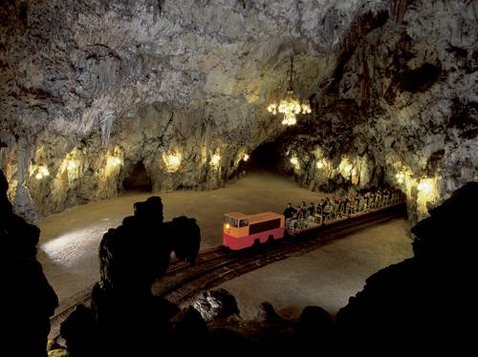
This was the most touristy thing we’ve done so far but it was totally worth it.  The caves are the number one tourist attraction in Slovenia, which means lots of hype and enormous crowds in the high season – busy enough today but it was bearable. You enter and take a seat on the open electric train, which then whisks you through the cave for about ten minutes. It’s truly amazing – enormous stalagmites and stalactites, illuminated dramatically, while we kept ducking our heads as the roof of the cave swooped down on us. The train stops, you walk over to where your language group is indicated, and a live guide takes over.

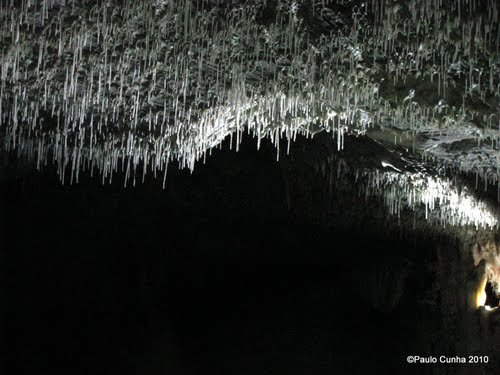
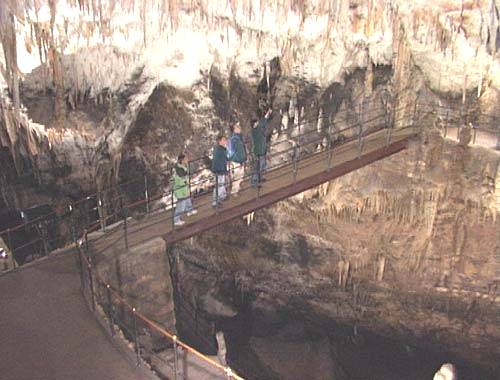
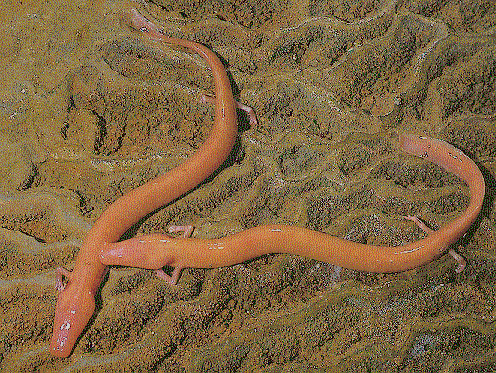
As he led us through the spaghetti caves (short, skinny stalactites hanging from the ceiling), over the Russian bridge (built along with some tunnels by Russian POWs during WWI, need to find out more about this), and by the aquarium where we could see the so-called human fish (a blind salamander with vestigial hands and feet, actually more translucent than in this picture),

all we could do was look around in amazement.  At one point the lights went out and of course it was absolutely black, pitch dark – a reminder of the three million years while the cave slowly developed, unknown to any humans and never illuminated. Then a final train ride back to the entrance, where we could (but didn’t) pick up one of the pictures they took of us as we started off on the train.
We took a few pictures, but it’s hard to get good ones and most of the way photos were forbidden, so those above are from the web.

Although the Skocjan caves are a World Heritage Site and less visited, we chose Postojna because it is much less scary. Tina, hearing our plans, said firmly that Alison could not go to Skocjan (and neither could I). Here’s one picture to demonstrate why.

Shades of every cave novel you’ve ever read, especially The Lord of the Rings.  Though I also thought of The Perilous Gard  and the weight that bothered Kate so much.  Luckily, the ceilings here were high and we were unaffected.
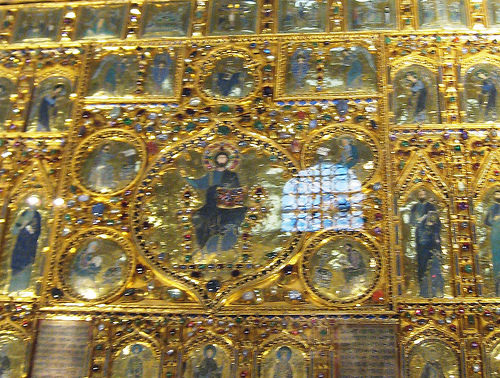
From here we drove to Predjama Castle, which Rick Steves says is notable only for its facade, so Alison dutifully took pictures while I slowly and carefully reversed the car in the crowded parking lot, and we were off.

The trip to Postojna had been uneventful, divided highway all the way and most drivers courteous. The way back should have been the same, but it wasn’t. The exit for the highway towards Ljubljana, our direction, had a red line through Ljubljana. We were baffled, but since the truck ahead of us entered anyway, we followed. Shortly we realized that we had followed a road construction truck and that we were about to enter a lane closed to traffic because it was being repaved! All we could do was back up about 100 yards – no one else was foolish enough to enter – and ask the oblivious young woman at the booth how to get back to the highway. We had to ask a couple times, but finally took the correct turn and headed back through Postojna in the right direction.

Or was it? We kept going and going, farther and farther with no highway in sight. At last I saw the green autostrada logo and made a turn. But was it right? We drove through a tiny village in search of help and found a 12-year-old boy who tried to explain but finally called for his mother, who spoke Italian but no English. She very kindly told us he would get in the car and direct us, which he did, escaping a few seconds later at the village limits. But we continued on a narrow winding road for quite some time, wondering whether we had taken another wrong turn,  until FINALLY we saw signs for the highway. Whew!

Home to the Mayer and a glass of wine on the balcony, then an okay dinner in town. The young folks enjoyed a concert on the lake that woke us up at 1:00 am, but otherwise all was well.

The Julian Alps

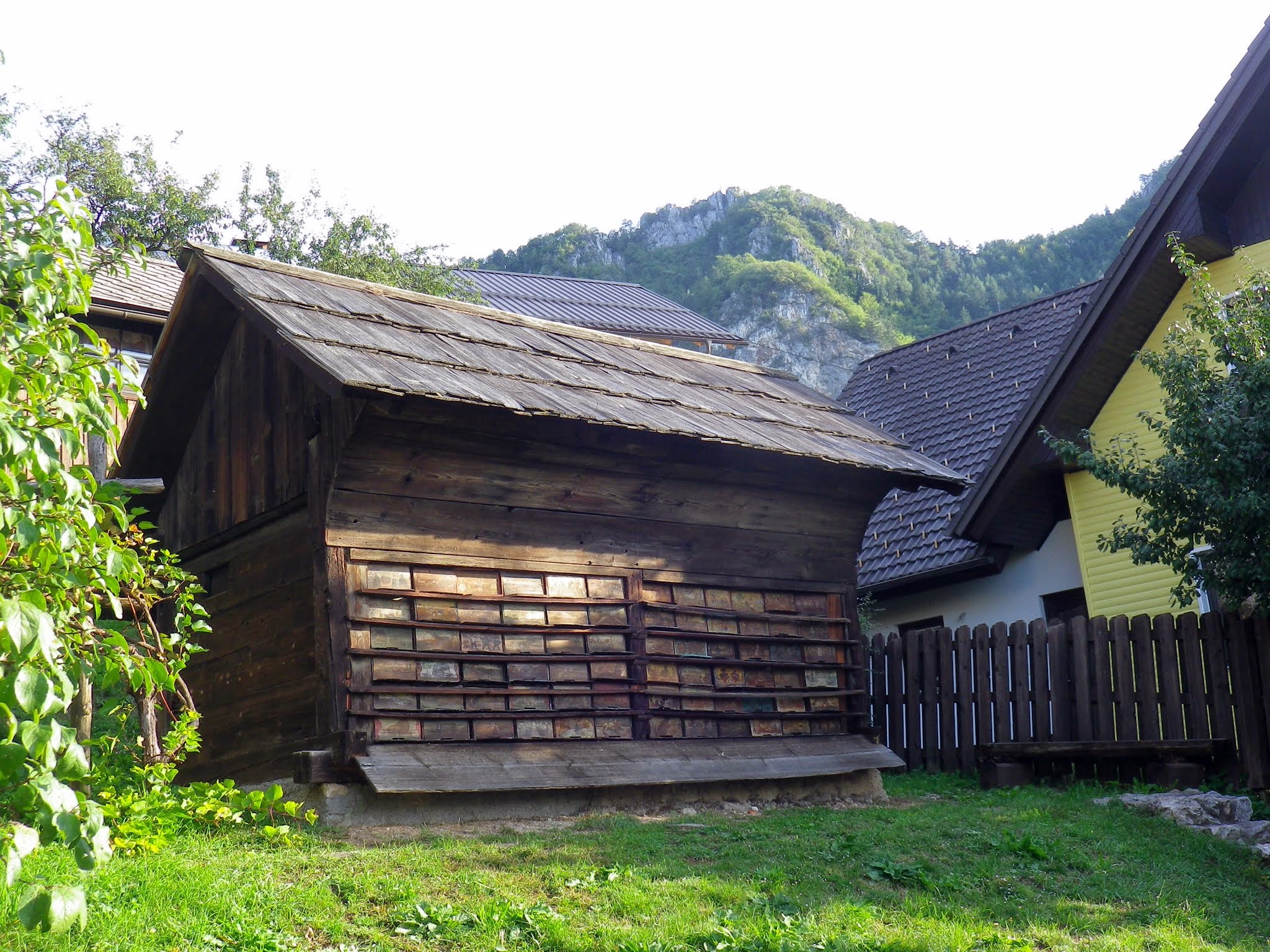
How to see the Alps without driving or hopping on a huge tour bus? Book Tina, recommended by Rick Steves, for a day-long tour in her van. She picked us up at 8:00 and proceeded just a few minutes outside of Bled to a small village known for its 18th century beekeeper and the wonderful painted bee panels.historic bee shed

The pictures, meant to help the bees remember where home was, are based on Bible stories and folklore.  beehive pictures wife beating husand, barkeep trying to serve another drink

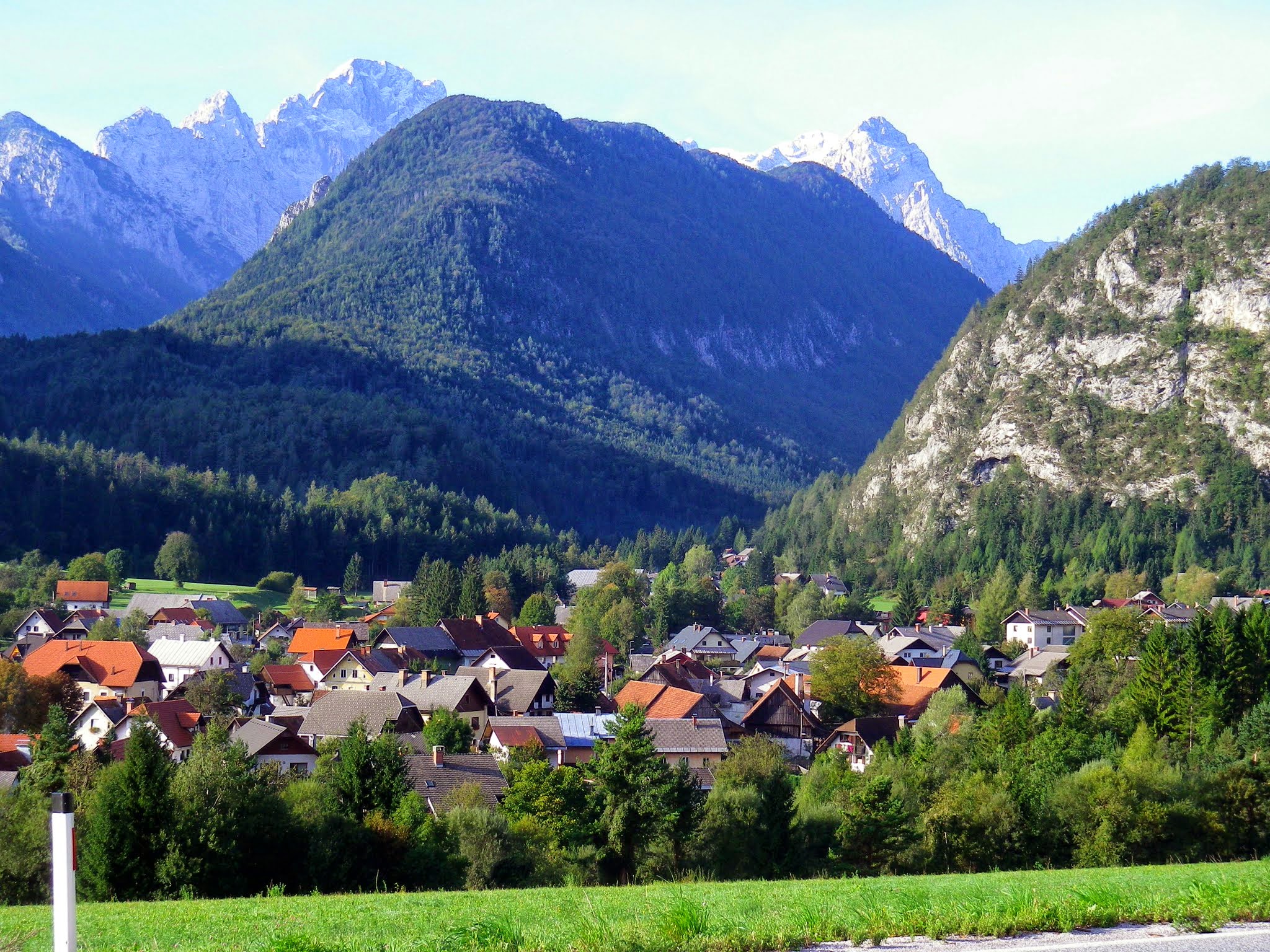
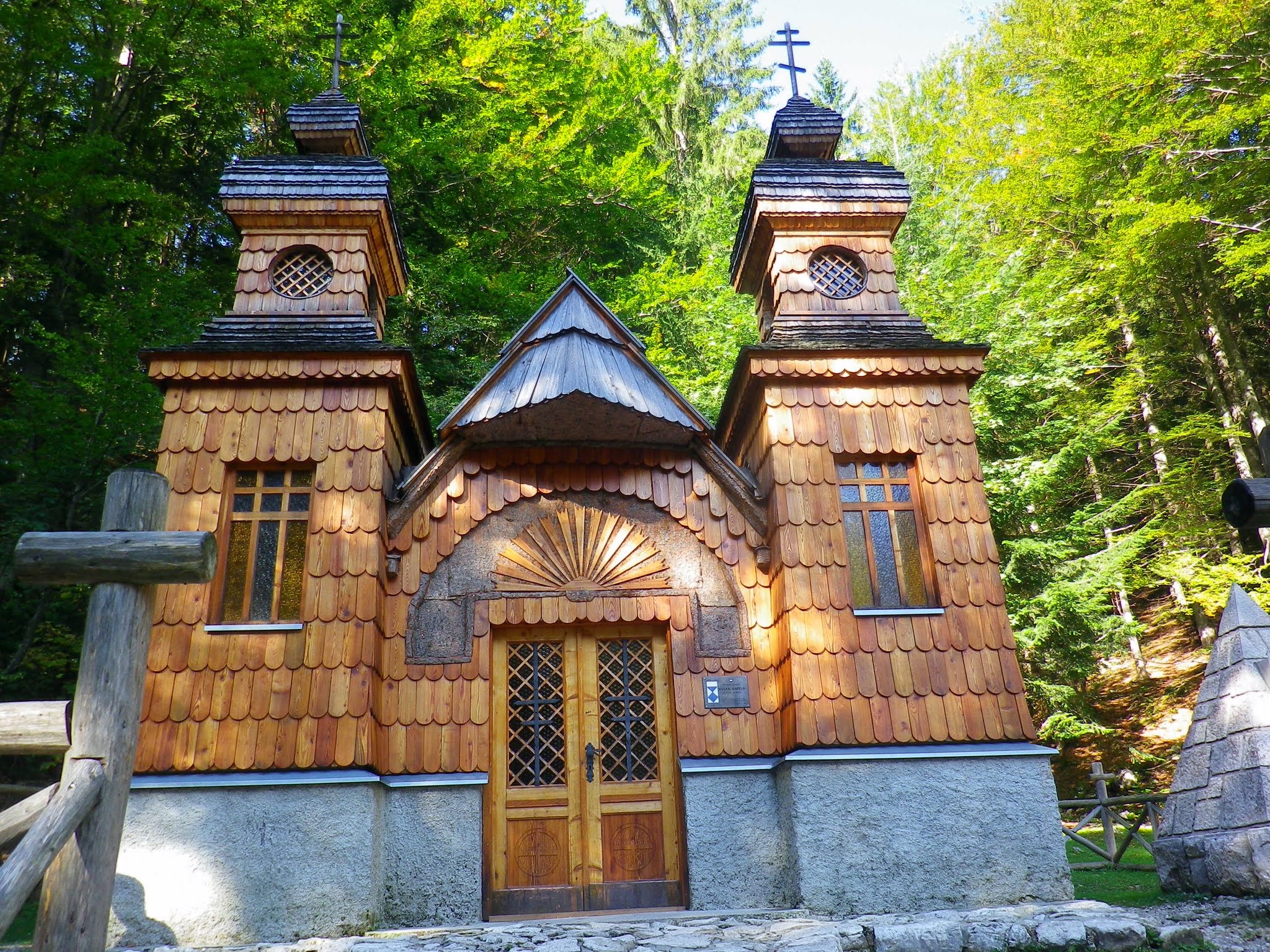
Soon enough we came to the first of many, many gorgeous views of the Alps. first stop for photos alpsFrom here it was one wonderful view after another, first as we ascended the Russian Road, constructed by Russian prisoners of war during WWI, and consisting of 50 switchbacks. Partway up is the charming Russian chapel, Russian chapel along Russian road (pass over the alps) IMGP4155chillingly constructed to commemorate the death of hundreds of Russian POWs in an avalanche in 1916 (?).
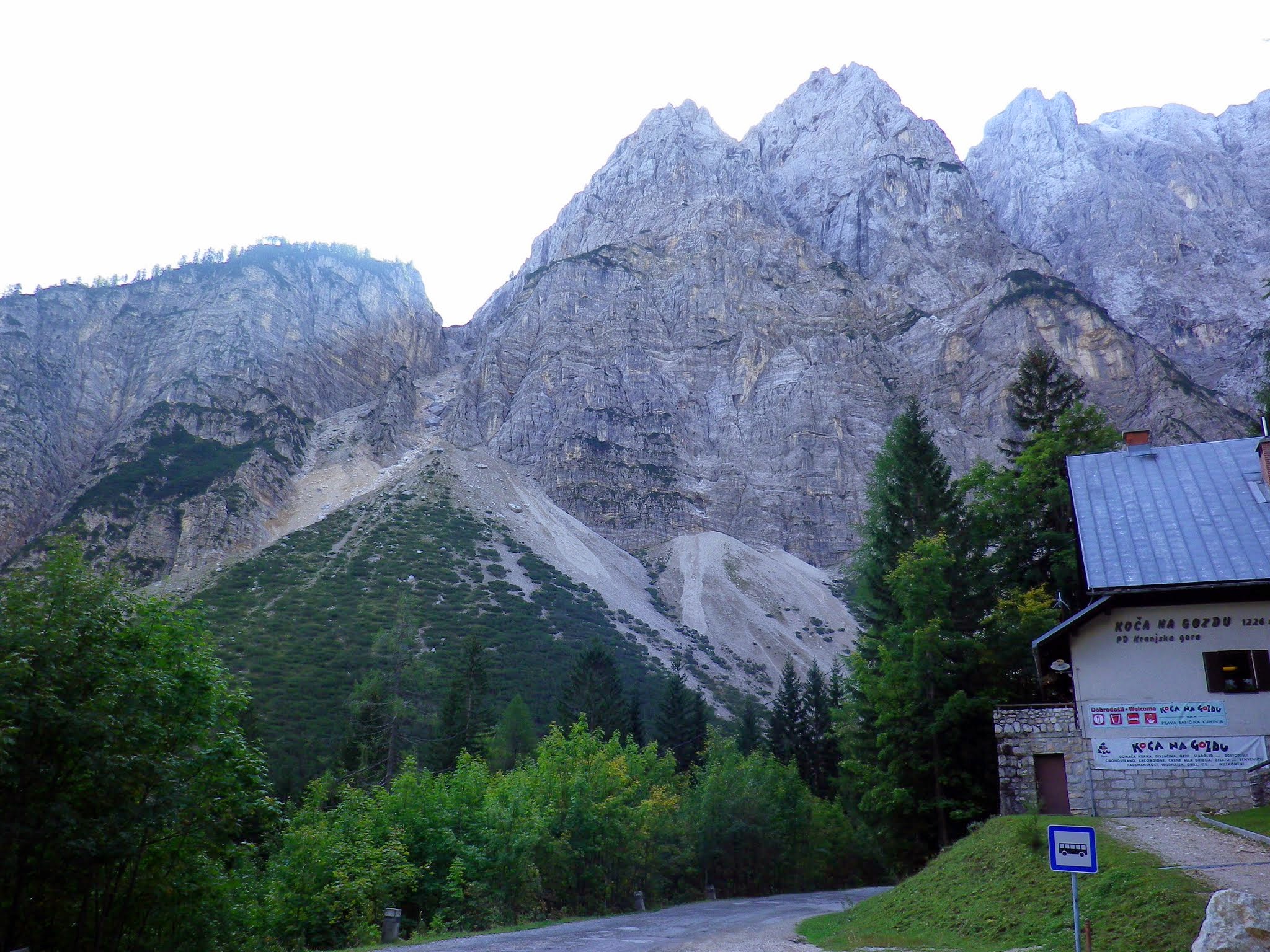
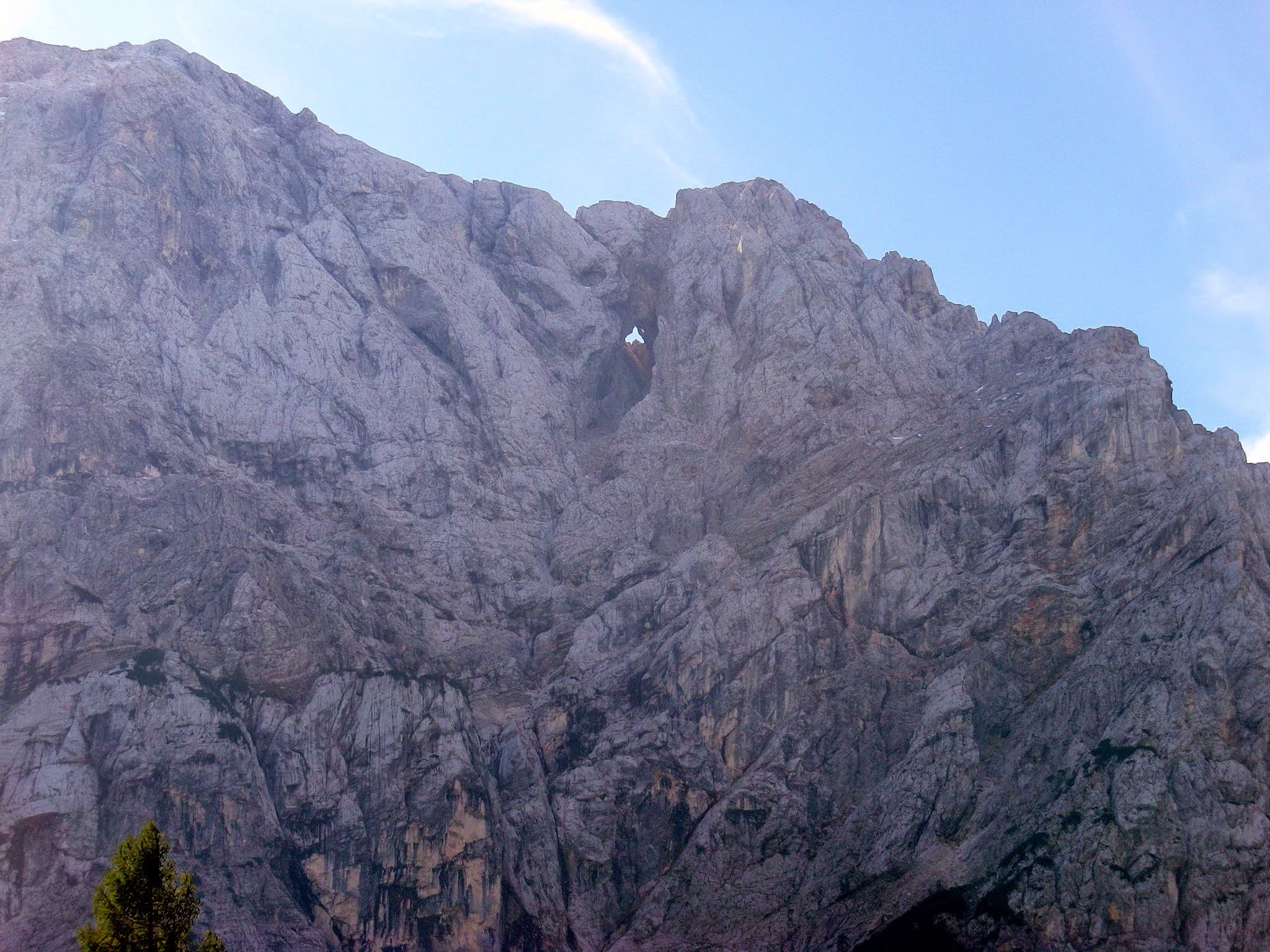
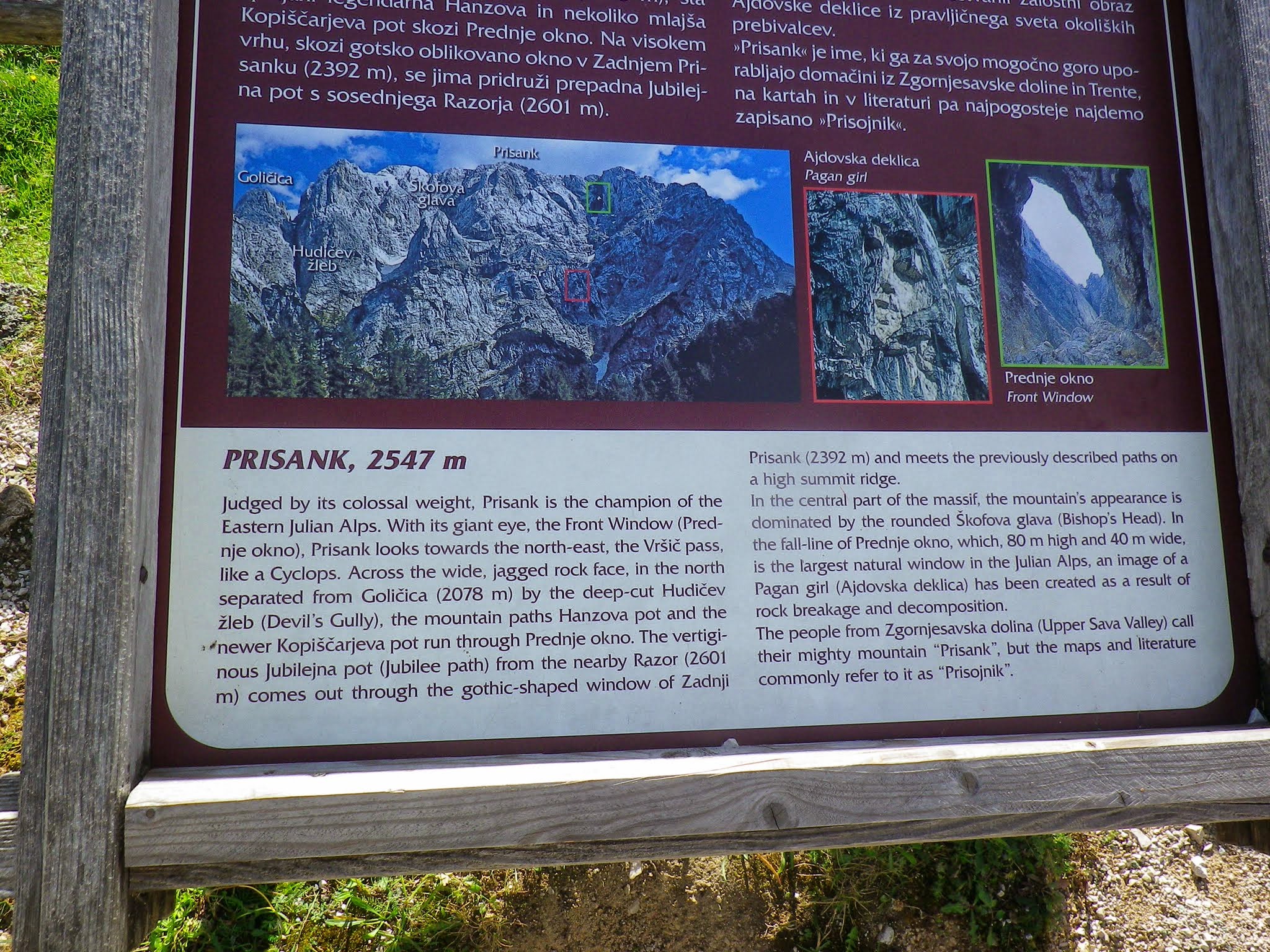
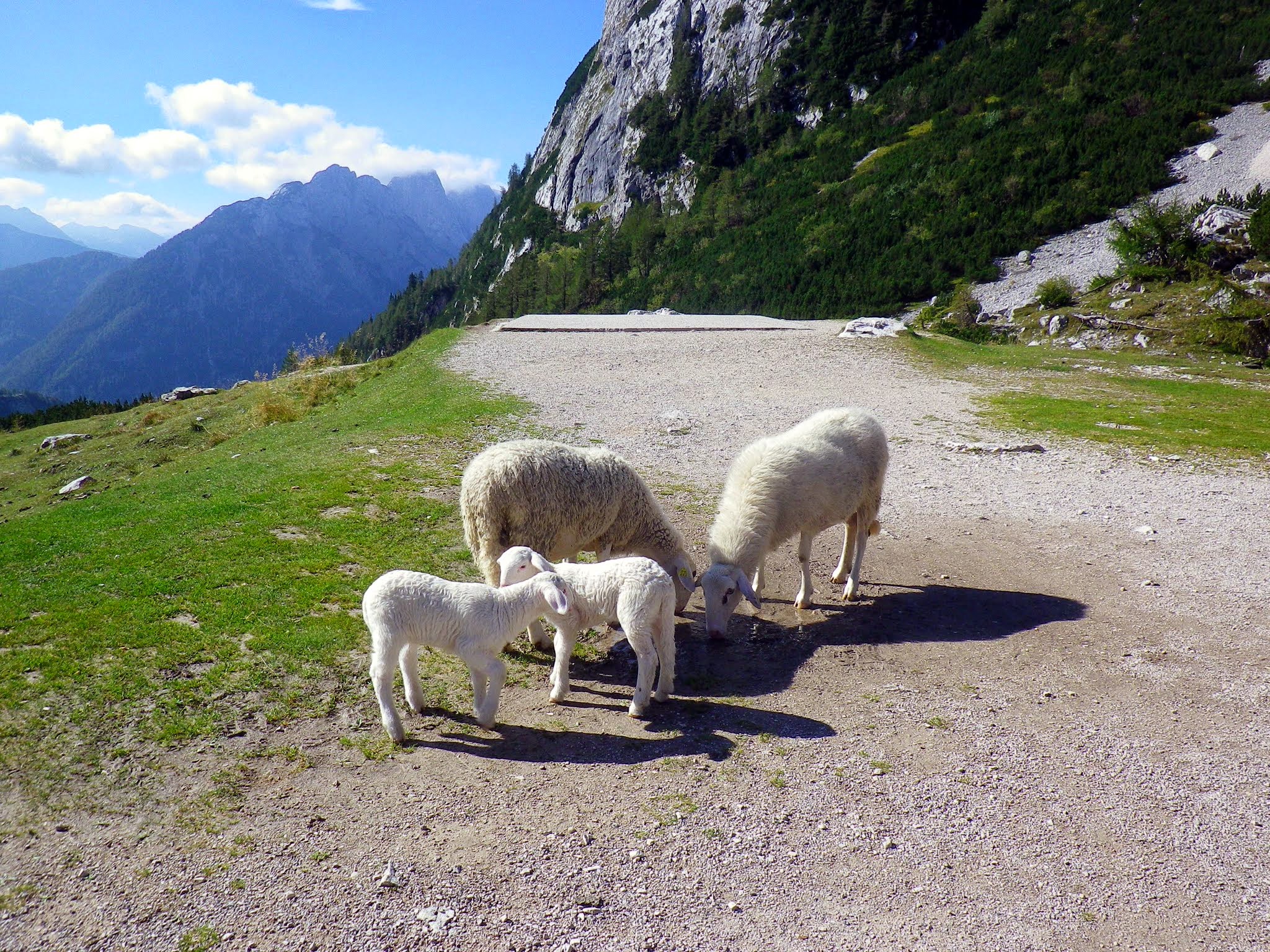
On the way up, we stopped here for coffee, alps by our coffee stopand Tina pointed out the amazing rock formations.  the hole in the mountainHere are some words about the so-called Front Window. IMGP4162 At the top of the pass, we found a number of sheep bleating piteously at the tourists.sheep at the top of the pass

Tina offered us both a sip of blueberry brandy from a little leather case where she stored tiny metal stirrup cups. quick stop for blueberry brandy and postcards, top of Vrsic passIf you can’t be Slovene until you climb Mt. Triglav (she’s climbed it three times), then you can’t say you’ve been to the mountains until you’ve sipped brandy at the top.

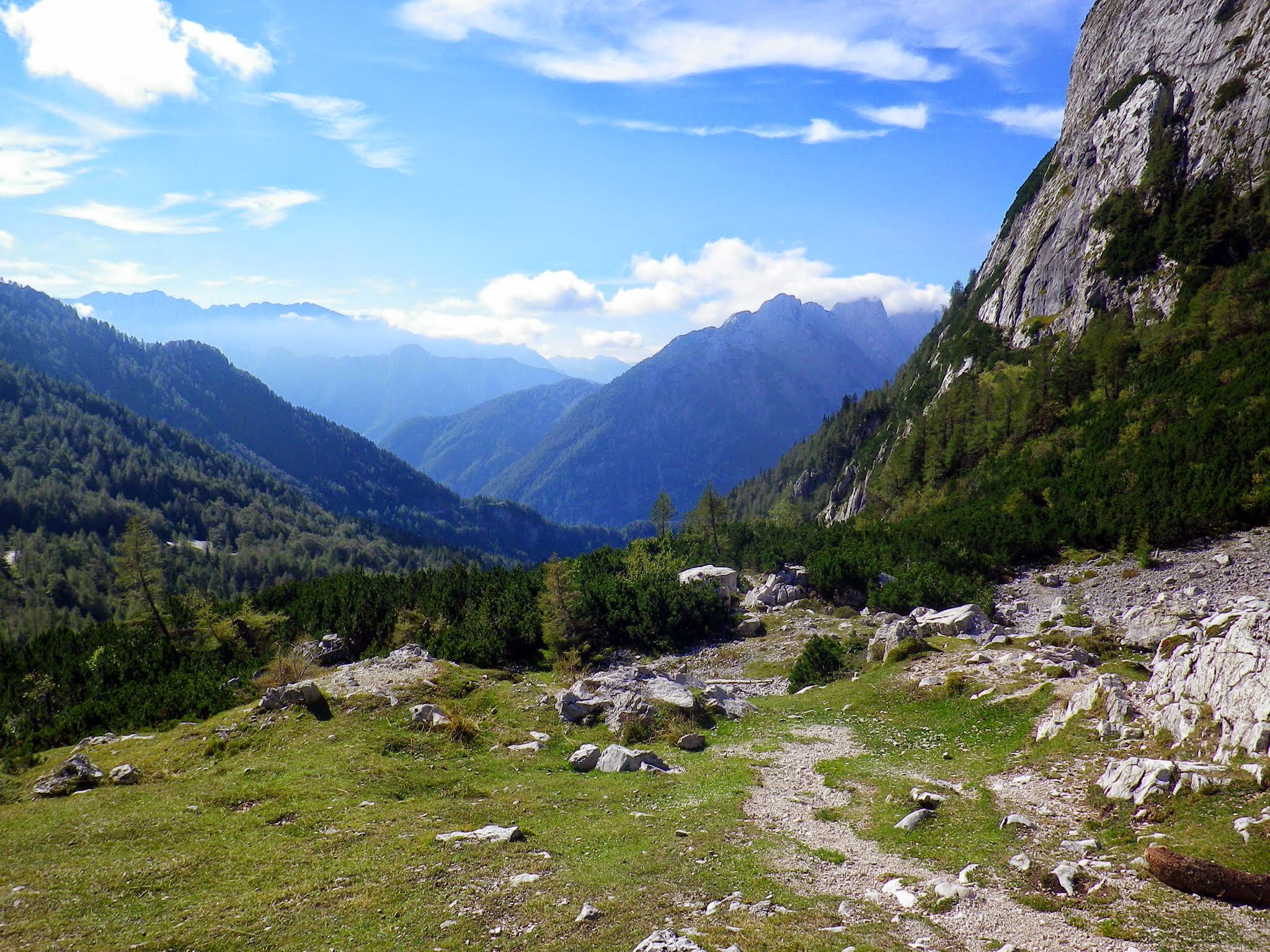
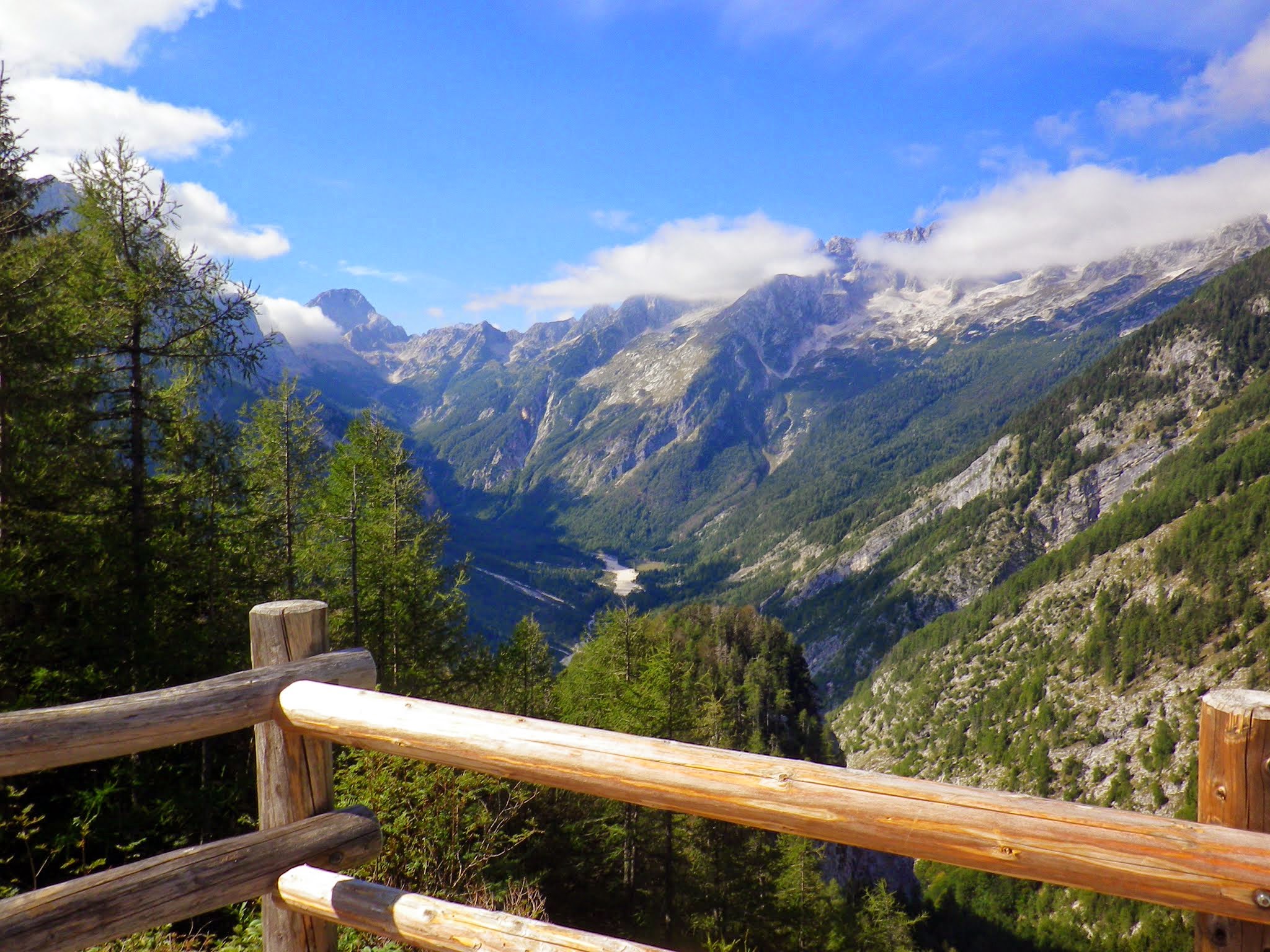
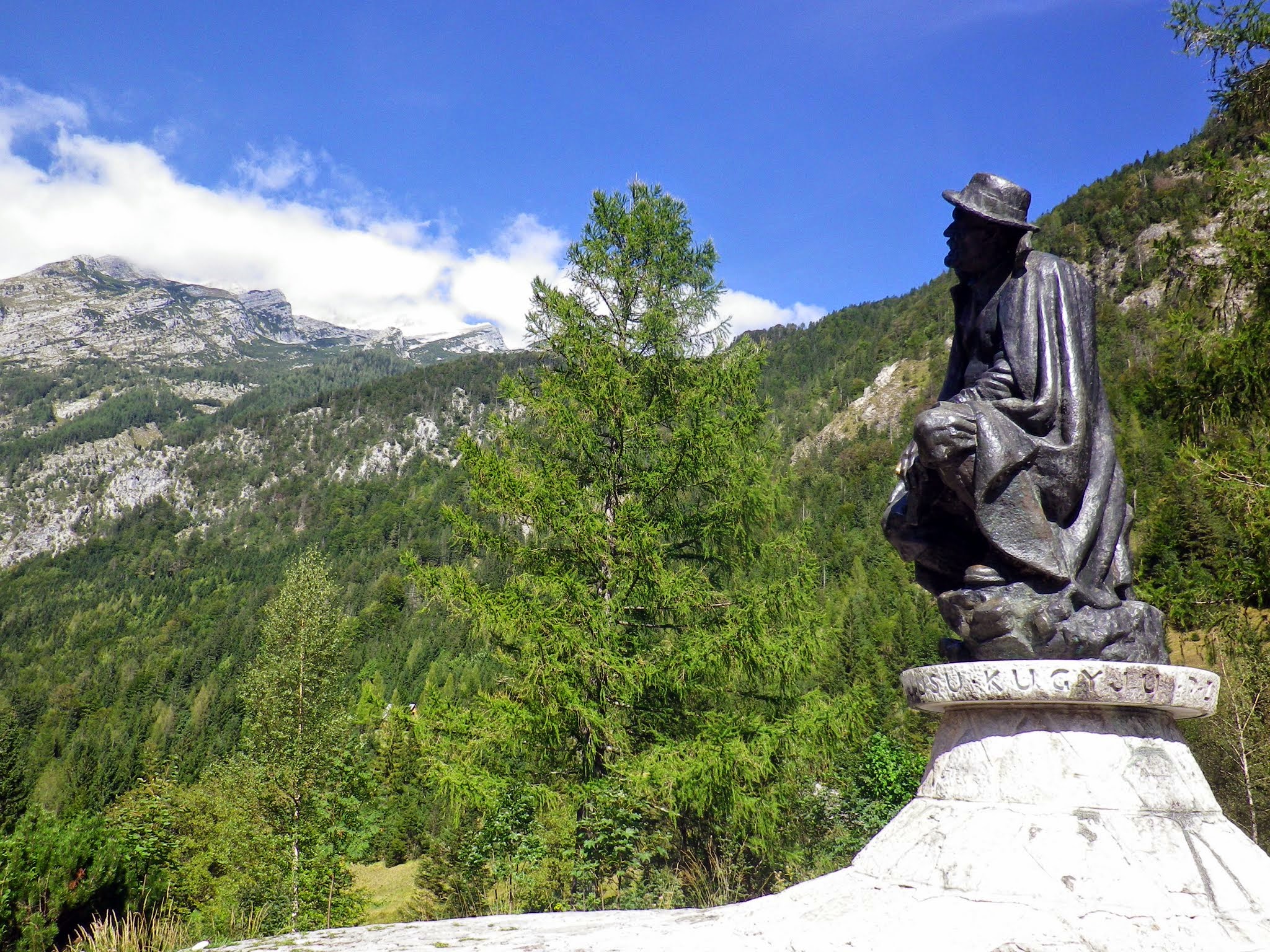
From here we could see two valleys, the Trenta Looking into the Trenta valleyand the Soca, one carved out by a glacier and the other by a river. The views continued to be spectacular as we wended our way back down.  view into the Trenta valley another cloud over the mountainWe stopped for our picnic by a statue of the man who most loved these mountains. Statue of the man who first explored this area

Then we headed down, down, down to the Soca River, a clear green river that has carved out deep troughs in the landscape. one day I will walk thisOne view was from a suspension bridgeSoca river and mountains from the suspension bridge

– Tina took the pictures while I cowered partway over –

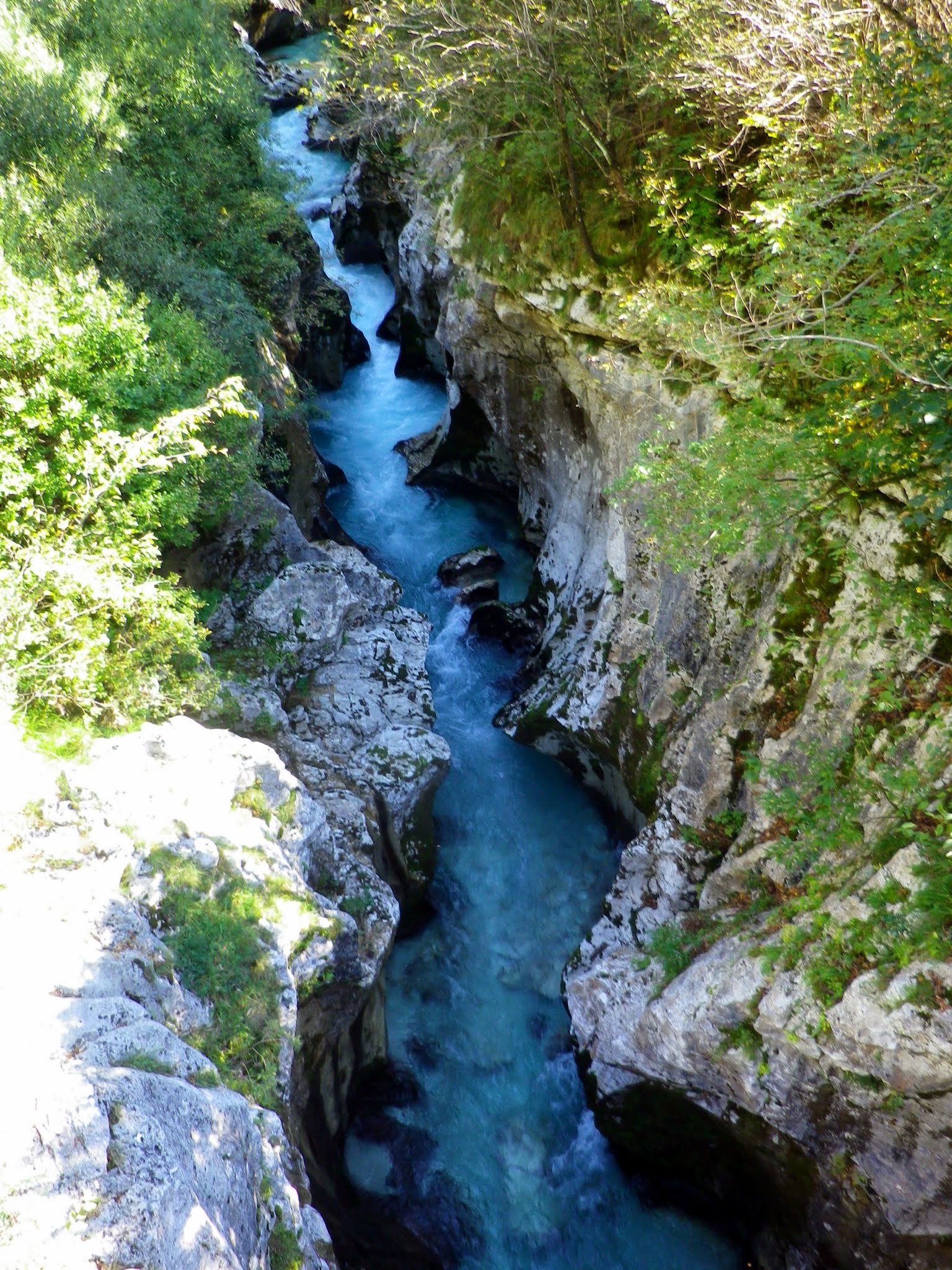
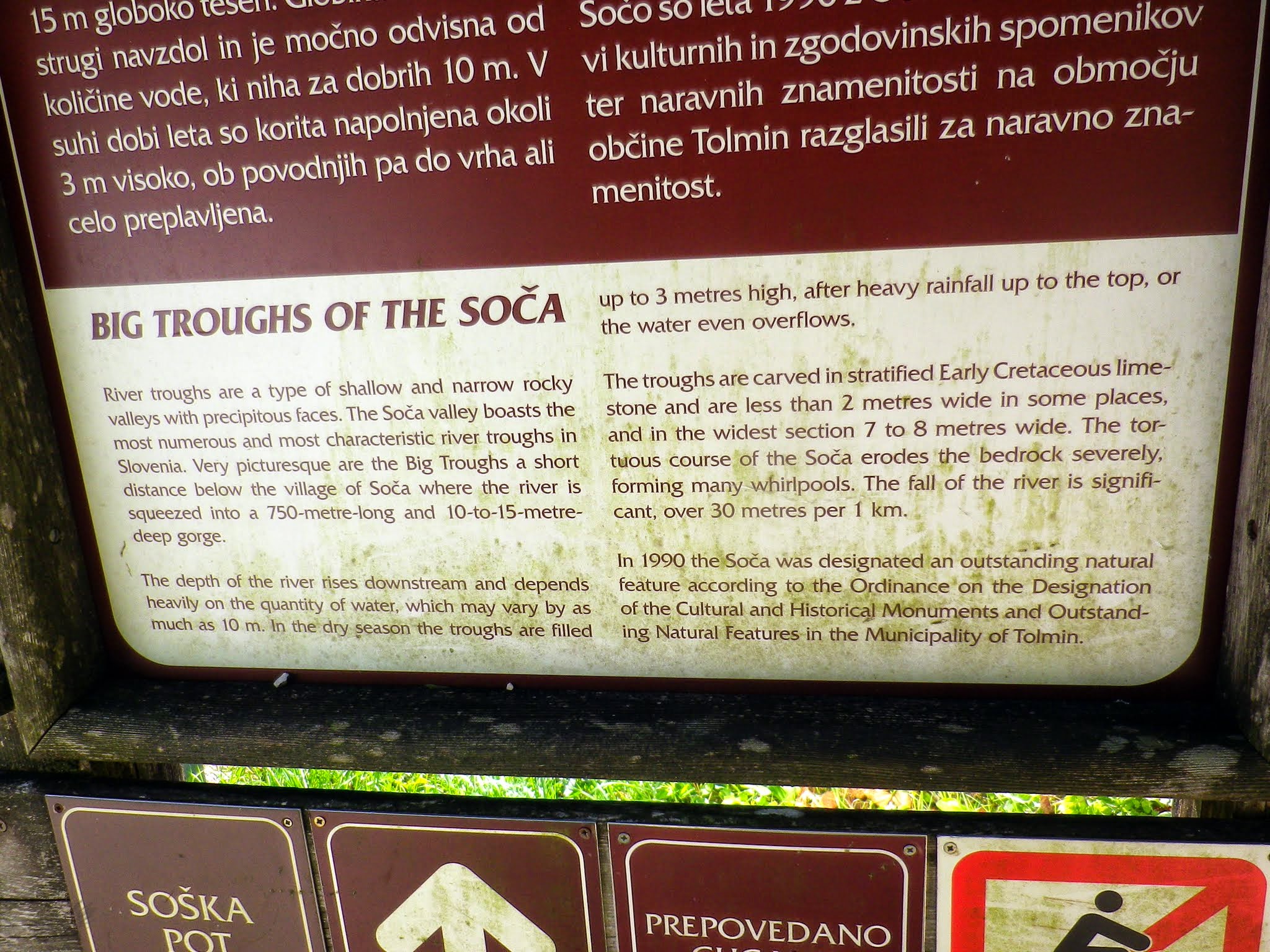
and then from little byways which we would never have found on our own. This was one of the most impressive.IMGP4213Here are some words about these so-called river troughs.they arespectacular

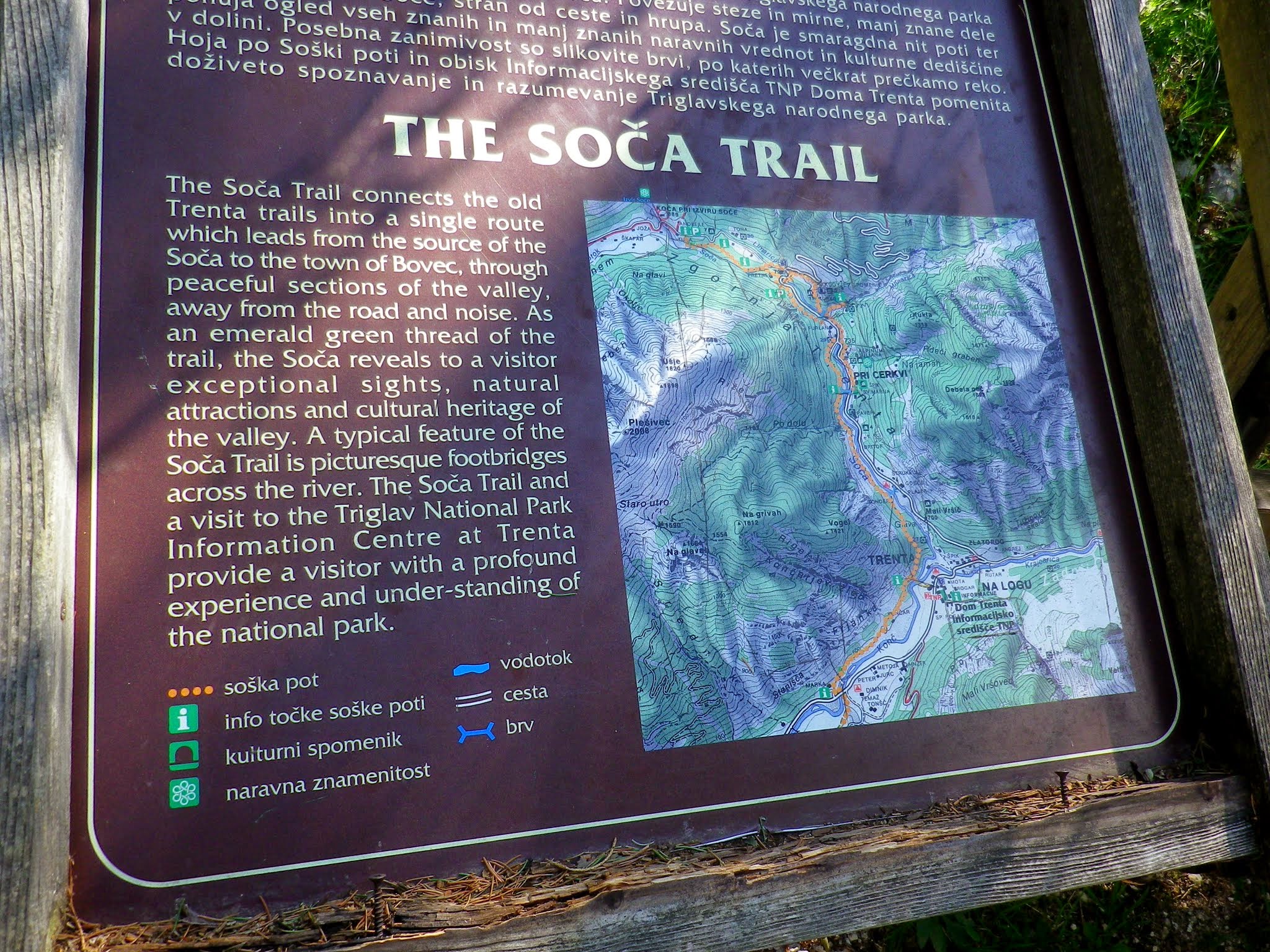
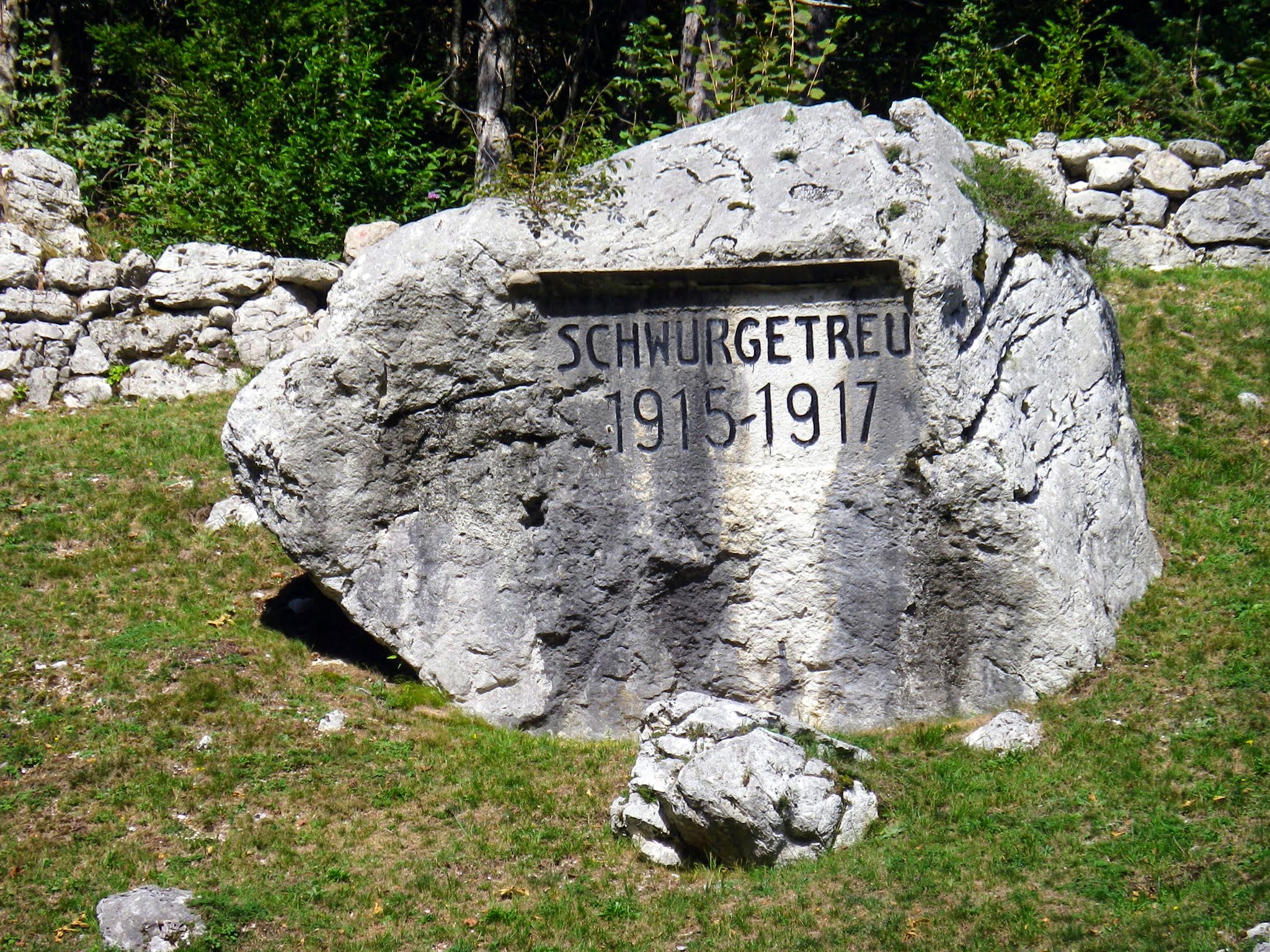
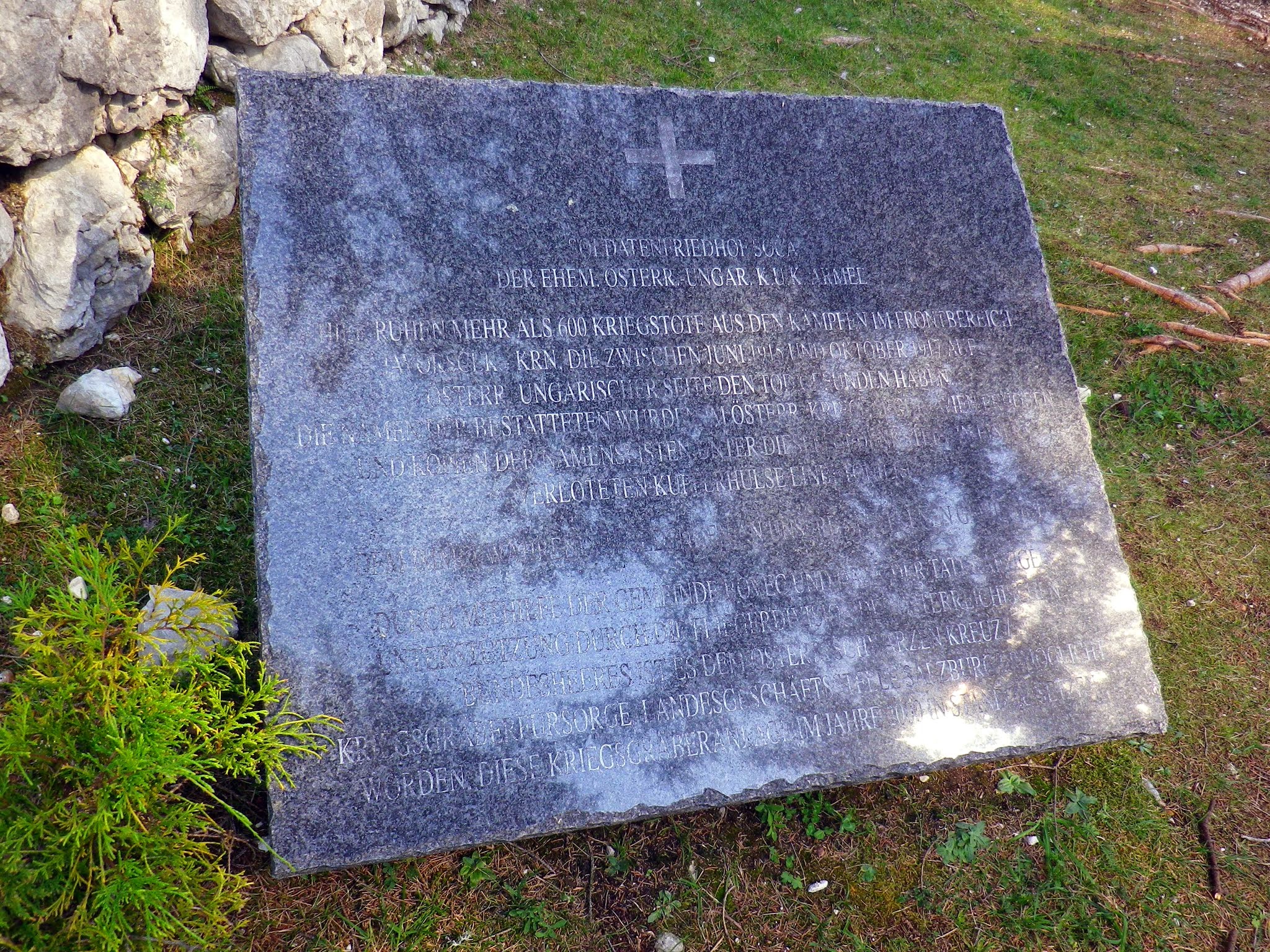
The Soca Valley was also the site of lots of WW1 battles, as mentioned in Hemingway’s A Farewell to Arms. strong fightersTina stopped at a cemetery that is used now cemetry in the Soca valleybut also has a memorial to the soldiers of the then Austro-Hungarian army who died in the war. memorial to the Austro-Hungarian soldiersThere’s a 16-mile path along the river that I would love to take one day…Soca river and mountains

We returned via another pass, not so dramatic but beautiful all the same.on the way up the second pass

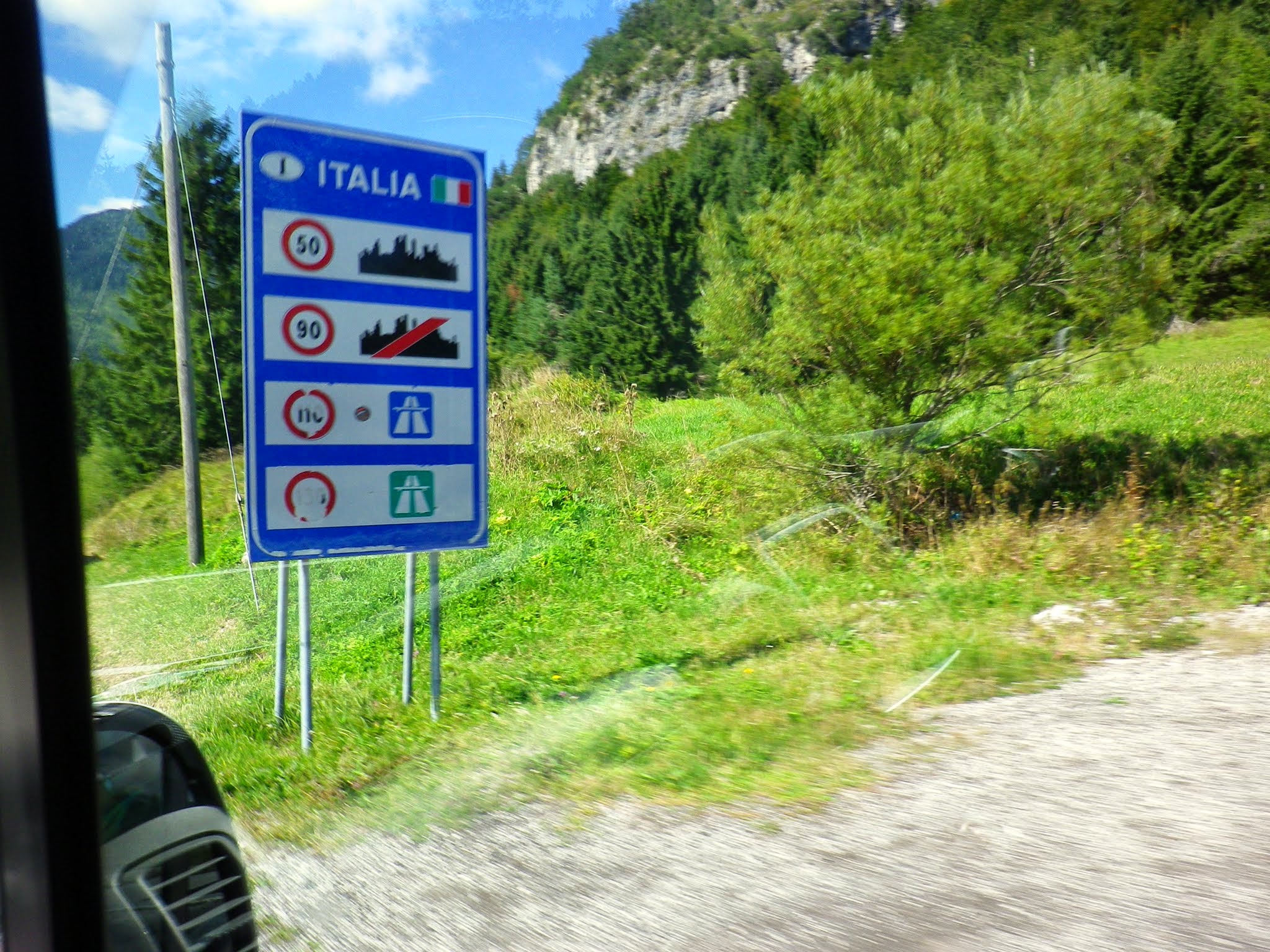
In the course of this part of the trip, we visited Italy for about 20 minutes, without ever needing to show a passport.We enter Italy without any notice taken

Tina told wonderful stories about traveling to Austria and Italy under Tito to buy shoes, dresses, and other wonderful things, always telling Customs that all they had was groceries – witness the bag of coffee, toilet paper and detergent. Of course, one time the six-year-old Tina, when her mother replied in the usual way, had to say, “But, Mama, what about the new shoes we bought?” To say nothing of the friends who bought a refrigerator. They had to declare it, of course, but inside were a TV and VCR that went unmentioned…

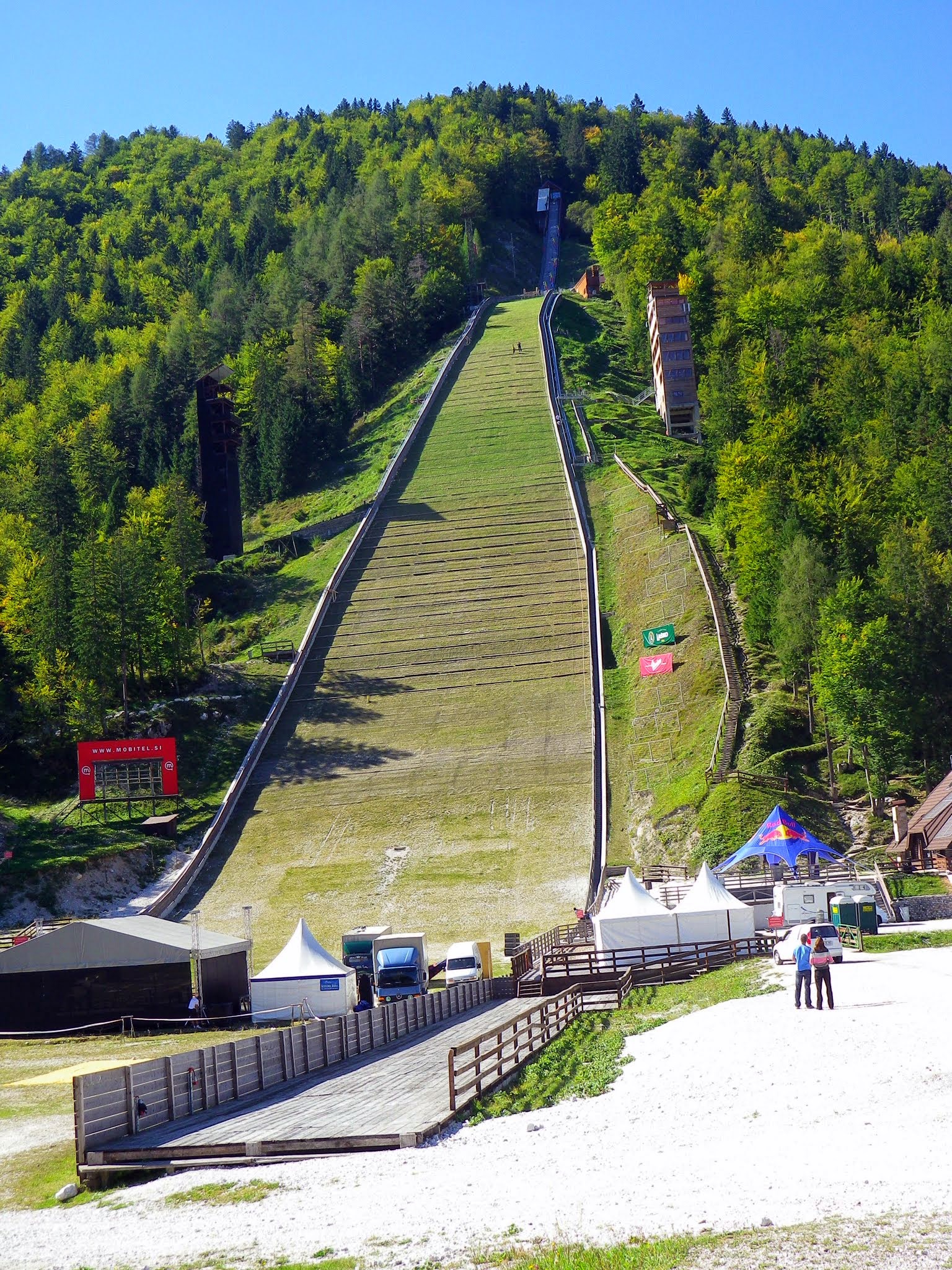
We came back into Slovenia to see the world’s highest ski-jump, a terrifying sight, which was to be the site the next day of a run up and down the jump. I can hardly imagine!biggest ski jump (flight) in the world

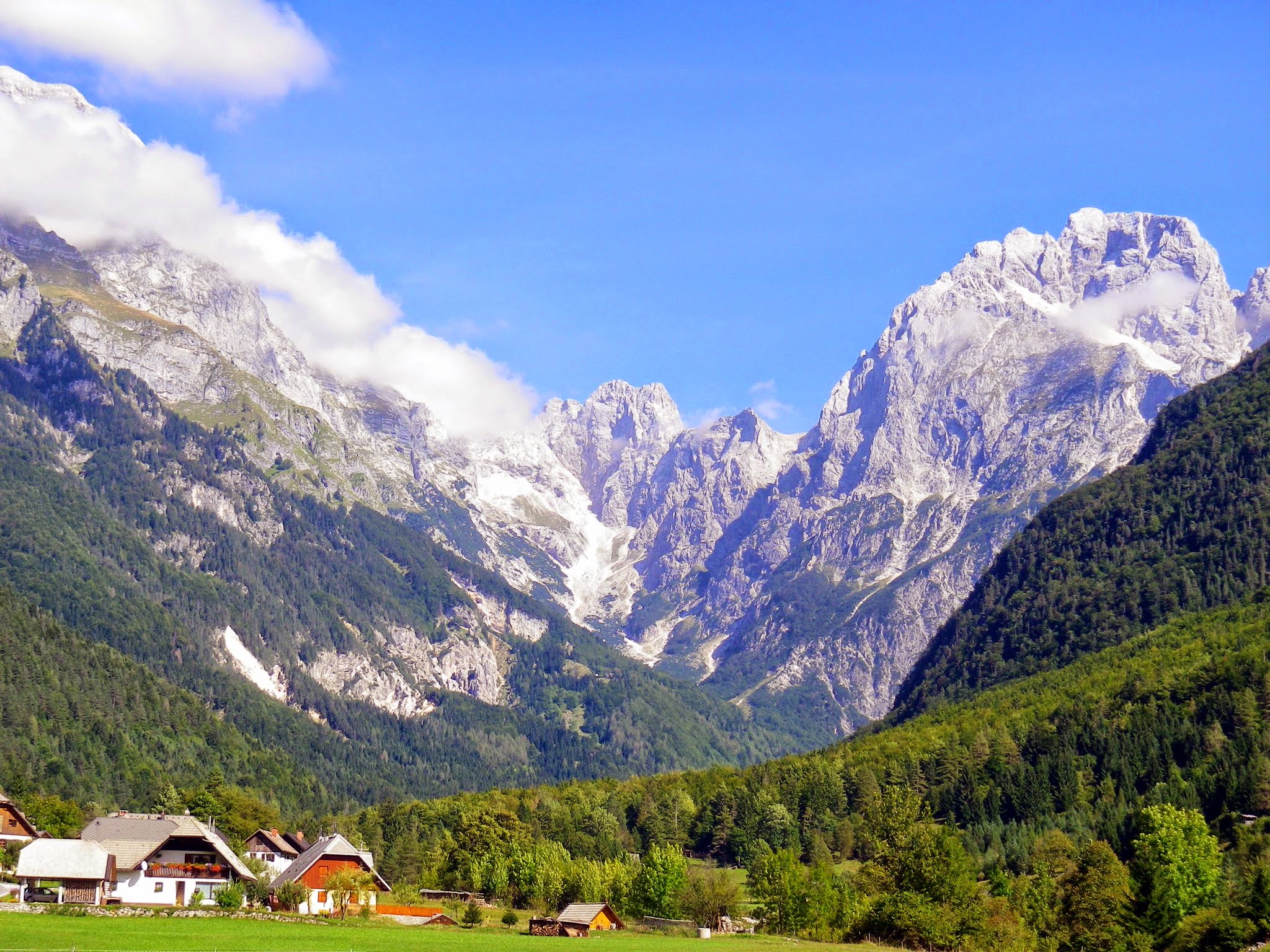
Tina dropped us off at the Mayer after a day that was exhausting but unforgettable. Brilliant skies, good and informative guiding, and a resolve to return again one day.mountains from the valley