Category Archives: blue

Image

The grand old man

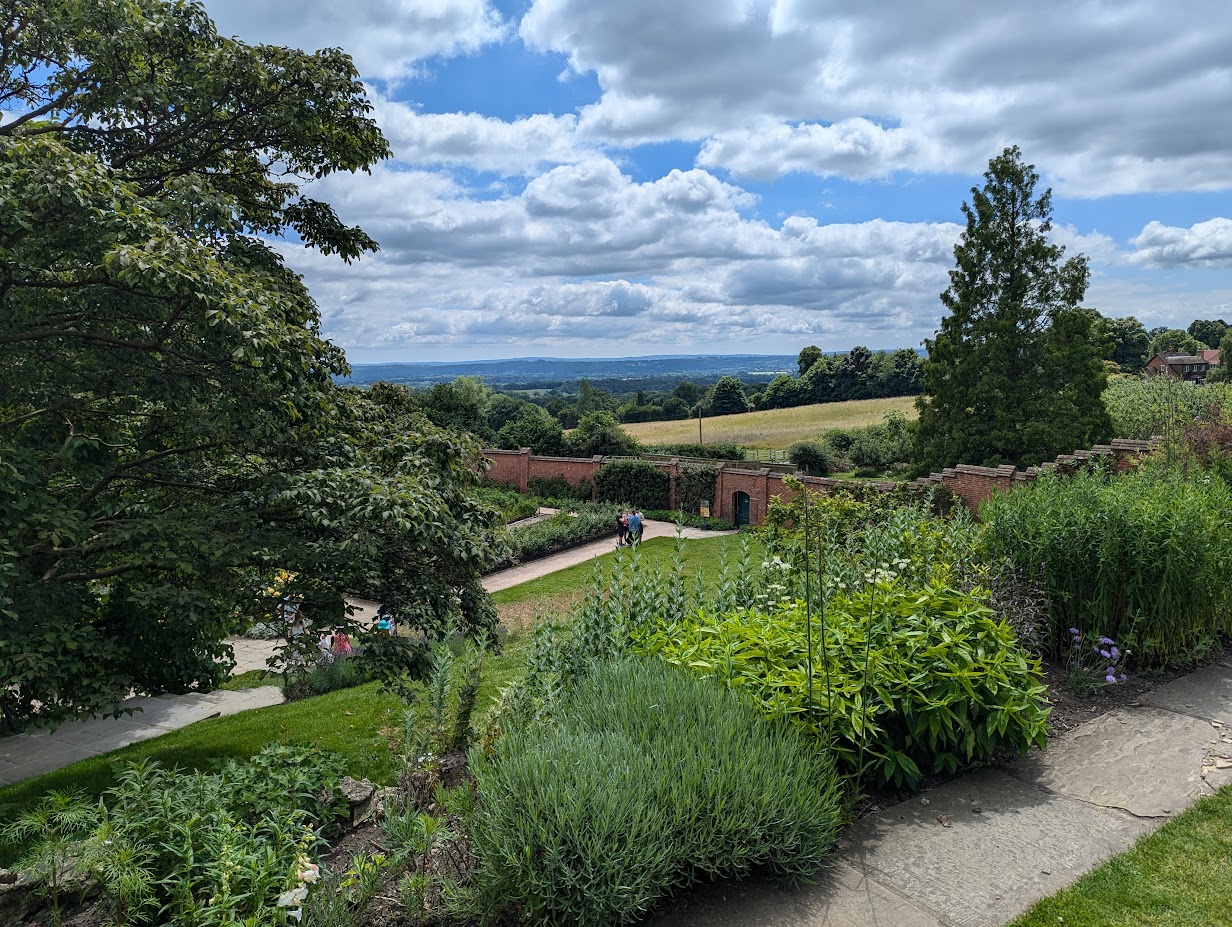
below: Overlooking the Kentish Weald
Churchill lived at Chartwell for more than forty years, and it was here that he gardened, painted, built walls and lakes, met with politicians, and enjoyed a vast array of friends. This wonderful description of a late night dinner there is priceless:

“In January 1928, James Lees-Milne stayed as a guest of Churchill’s son Randolph. He described an evening after dinner; ‘We remained at that round table till after midnight. Mr Churchill spent a blissful two hours demonstrating with decanters and wine glasses how the Battle of Jutland was fought. He got worked up like a schoolboy, making barking noises in imitation of gunfire, and blowing cigar smoke across the battle scene in imitation of gun smoke'”.

After Churchill died, Lady Churchill donated the house to the National Trust, and the house has been open to the public since 1966. We decided to take a day trip to visit the Old Man’s property. A train to Oxted and then a cab to Chartwell got us there easily.

The approach to the house winds along a gentle slope, featuring a couple of these gorgeous trees

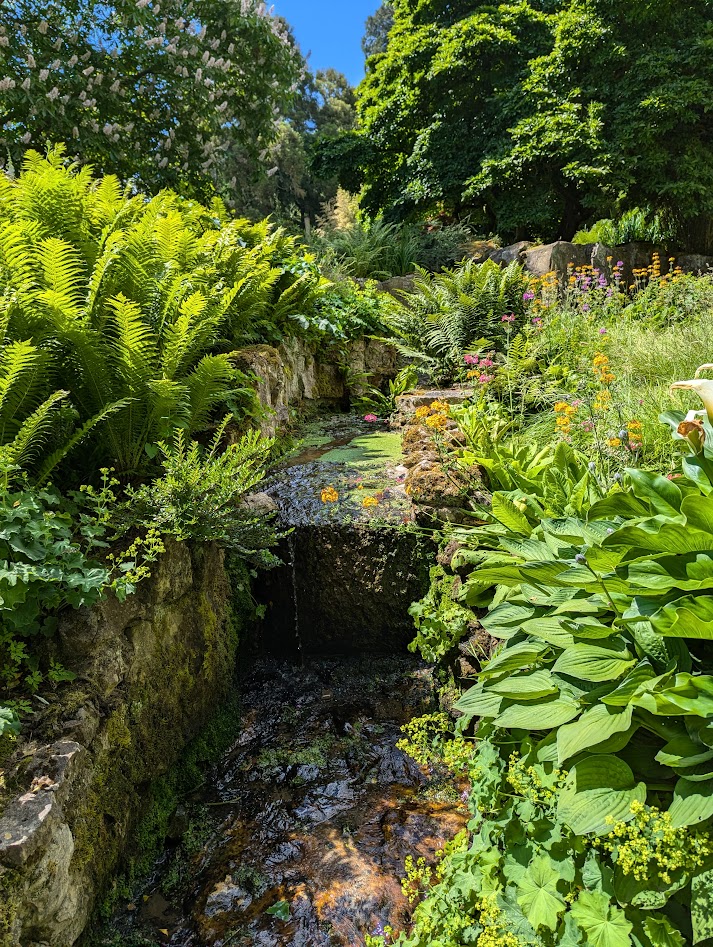
and the charming Gavin Jones Cascade.
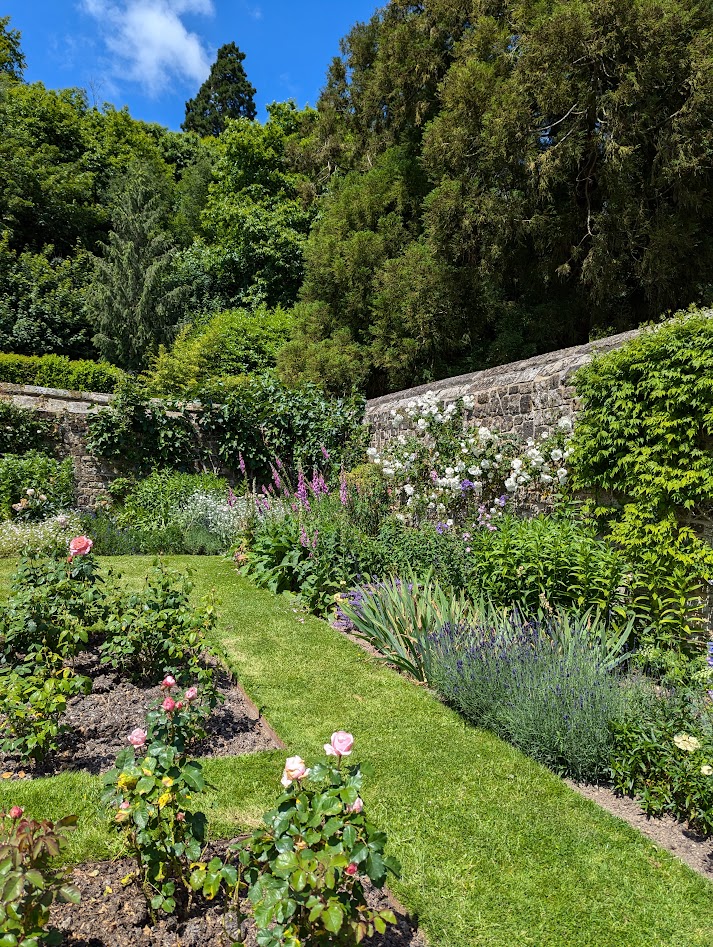
From here we wended our way up and through the grounds. There’s nothing like an old brick wall sheltering a sunken garden.
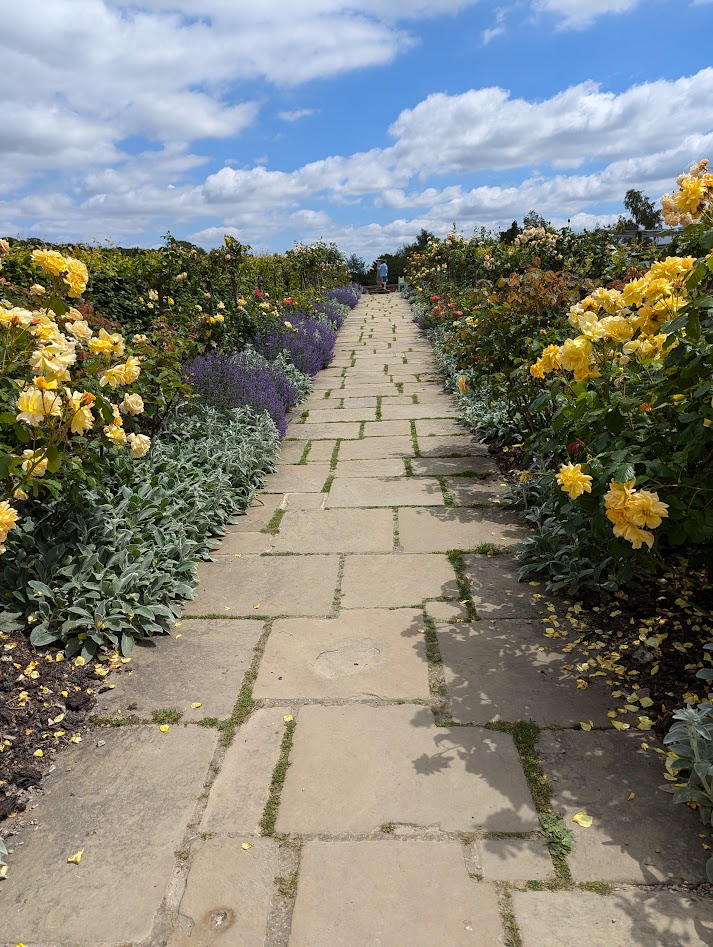
And then there is a lovely, long rose border
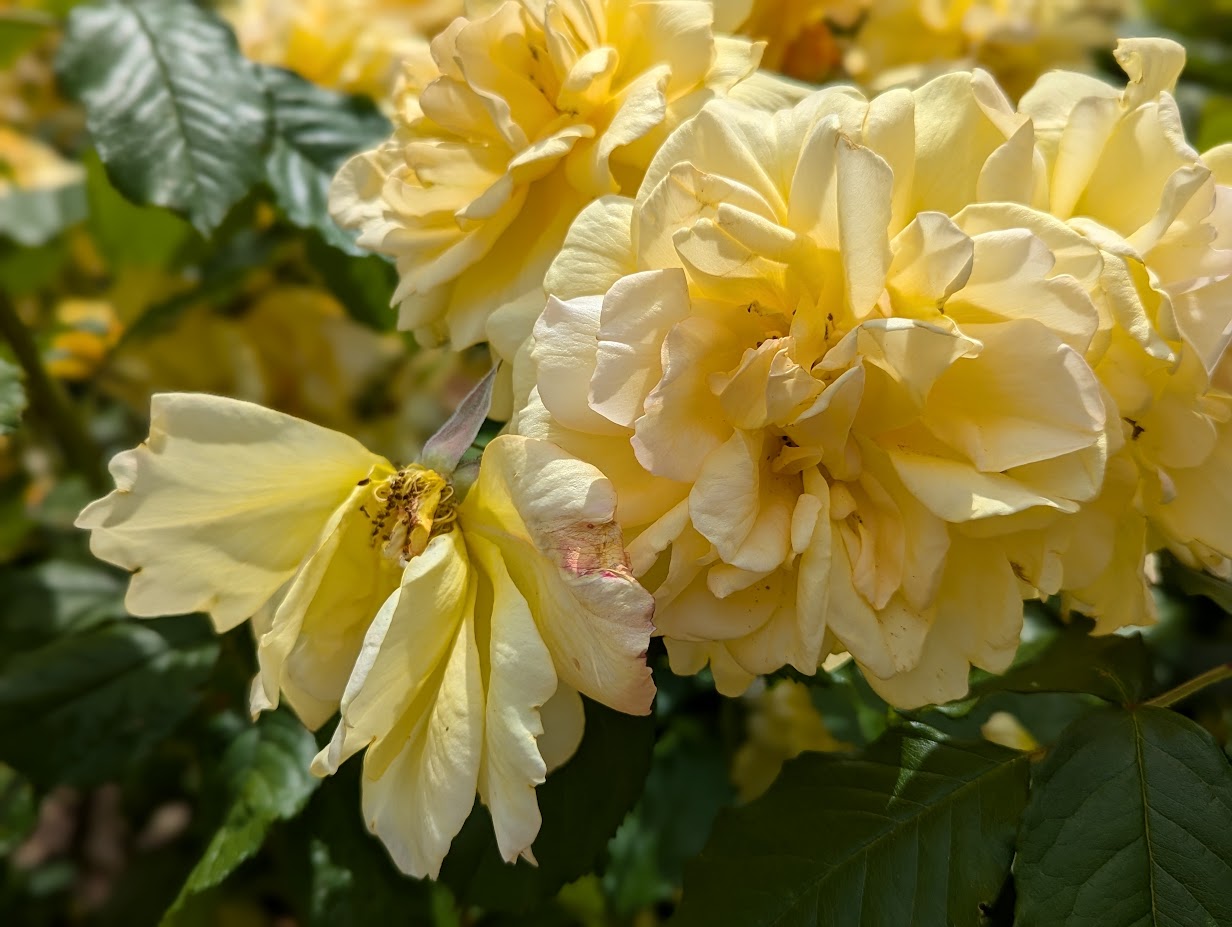
and some abundant rose petals:
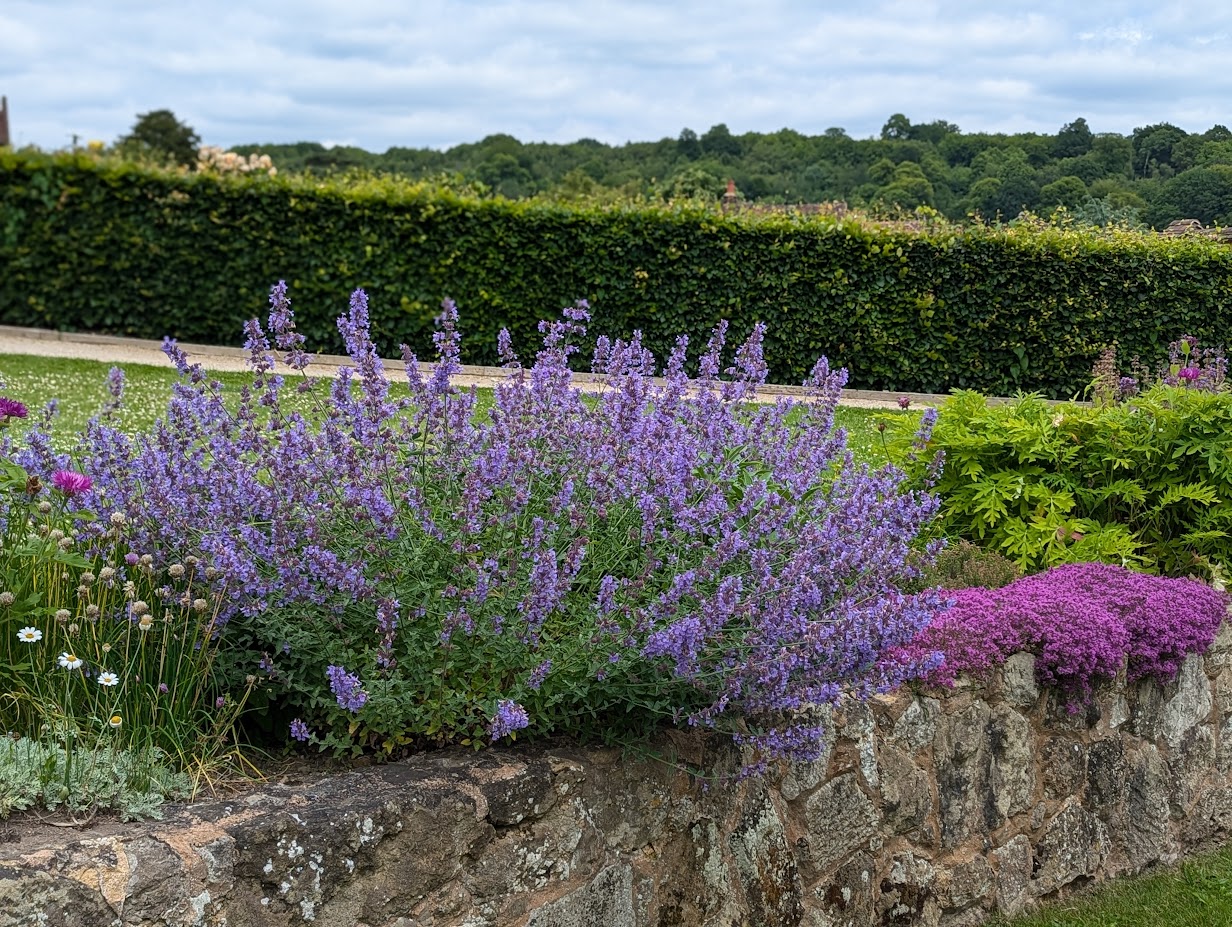
And then these catmints.
I love the inscription: The greater part of this wall was built between 1925 and 1935 by Winston Churchill with his own hands
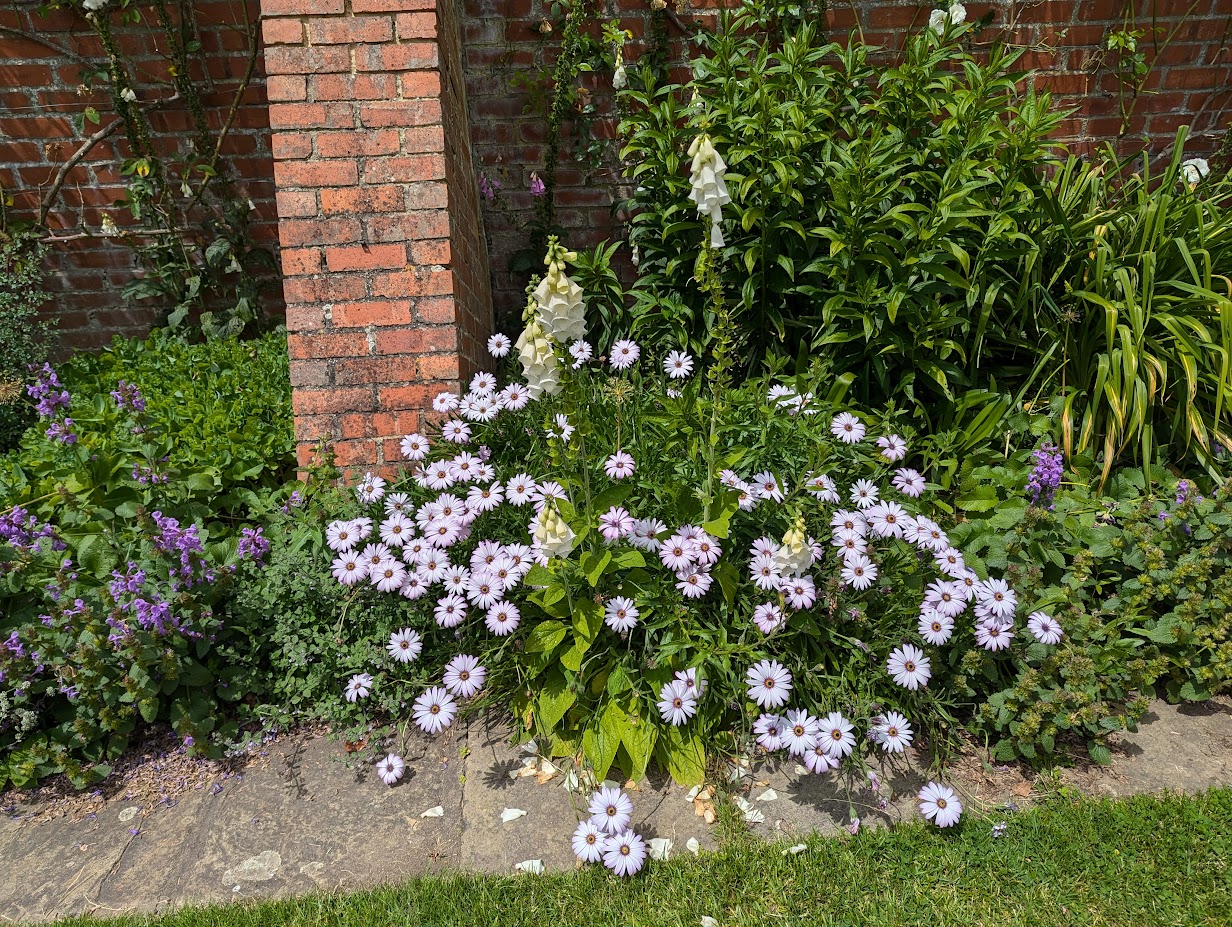
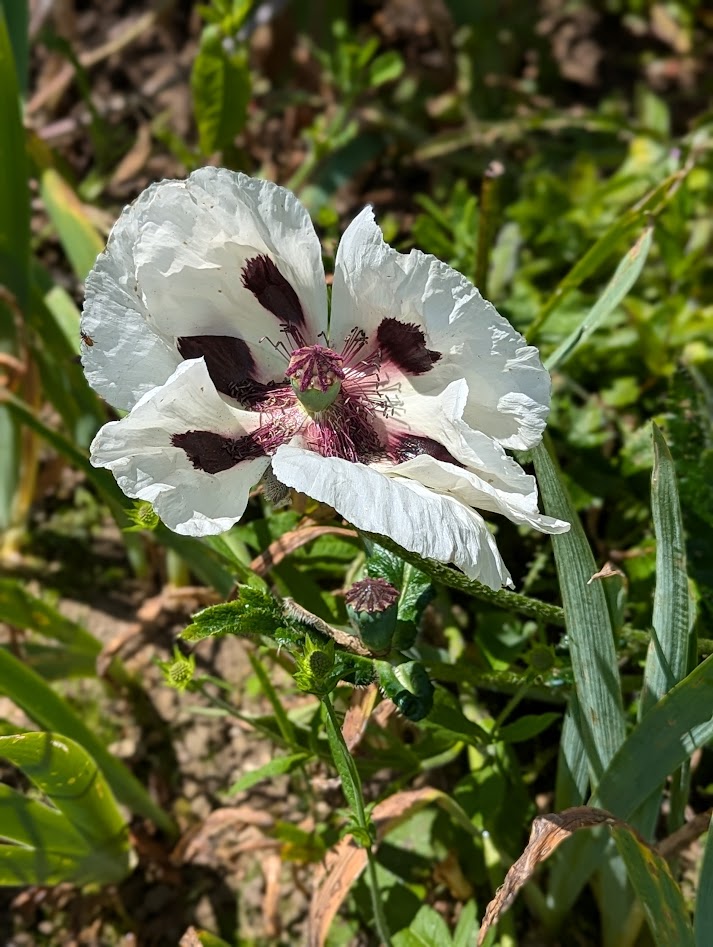
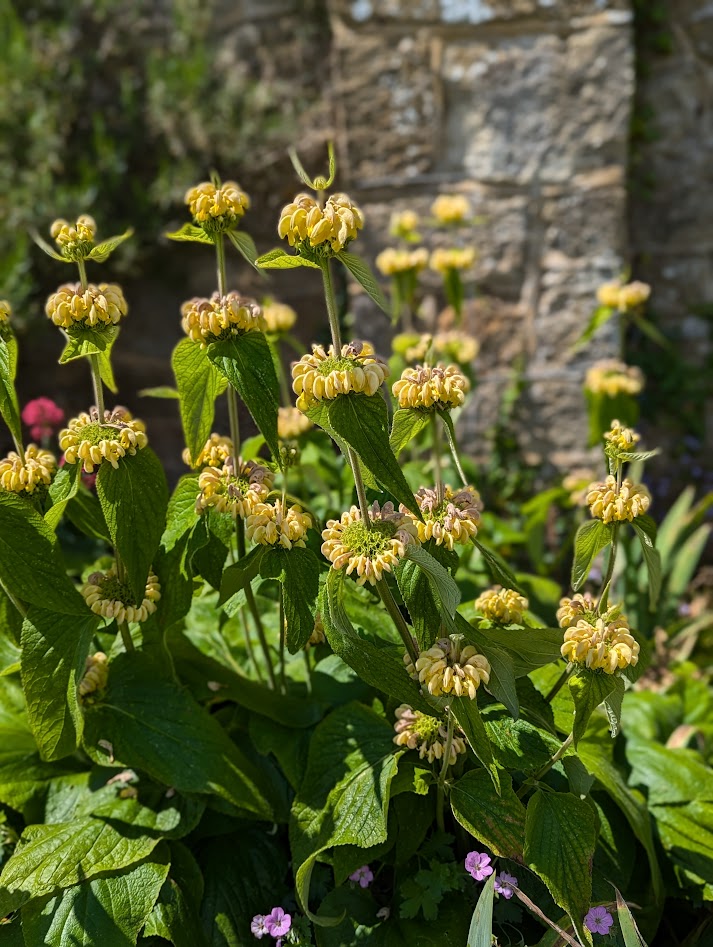
A few more beauties: cape daisy, oriental poppy and Turkish sage, Phlomis russeliana.

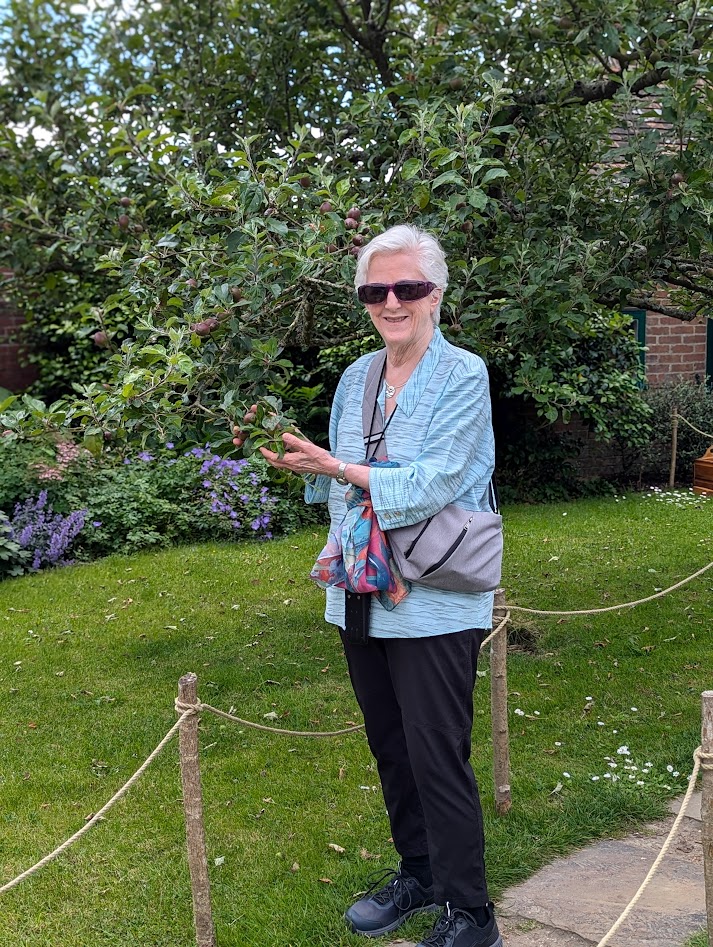
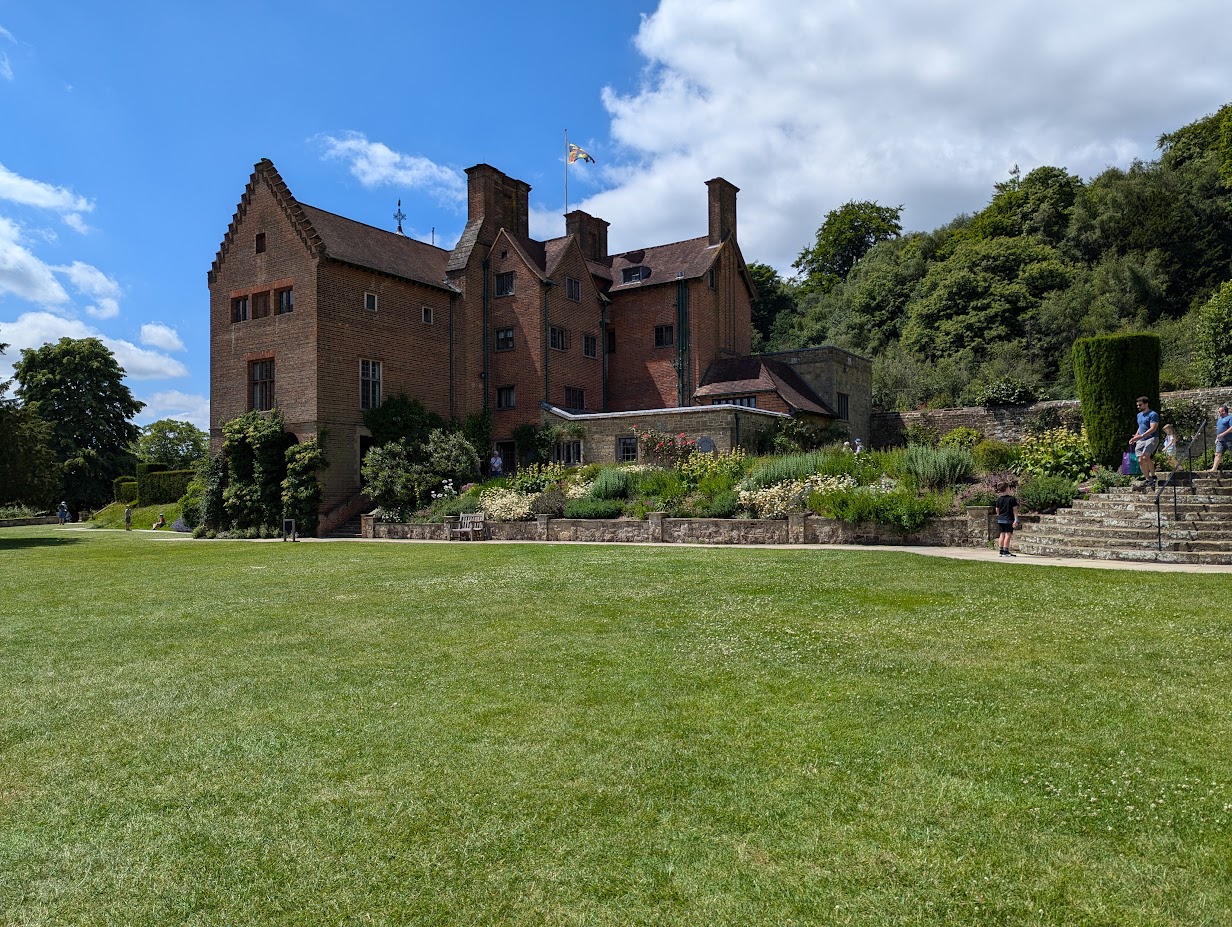
And here is the house, and a budding gardener!
Next up: inside the house!
Image

A few days in London

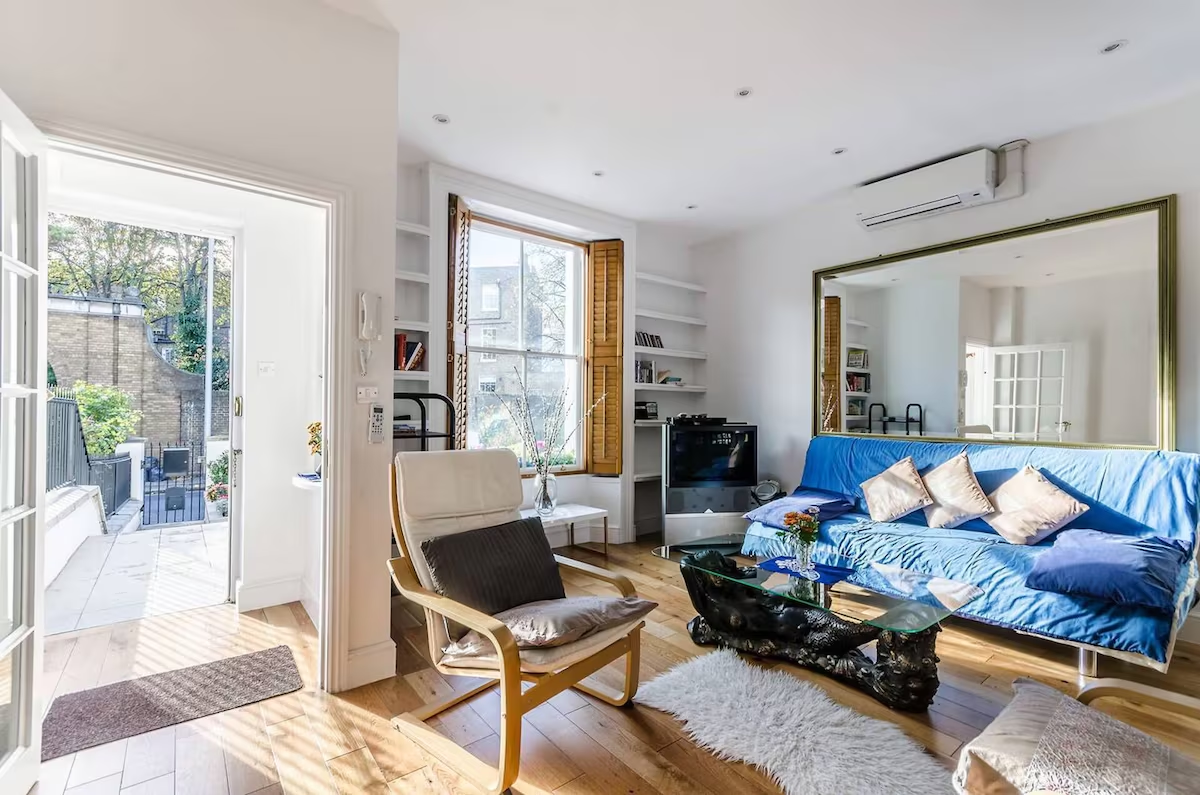
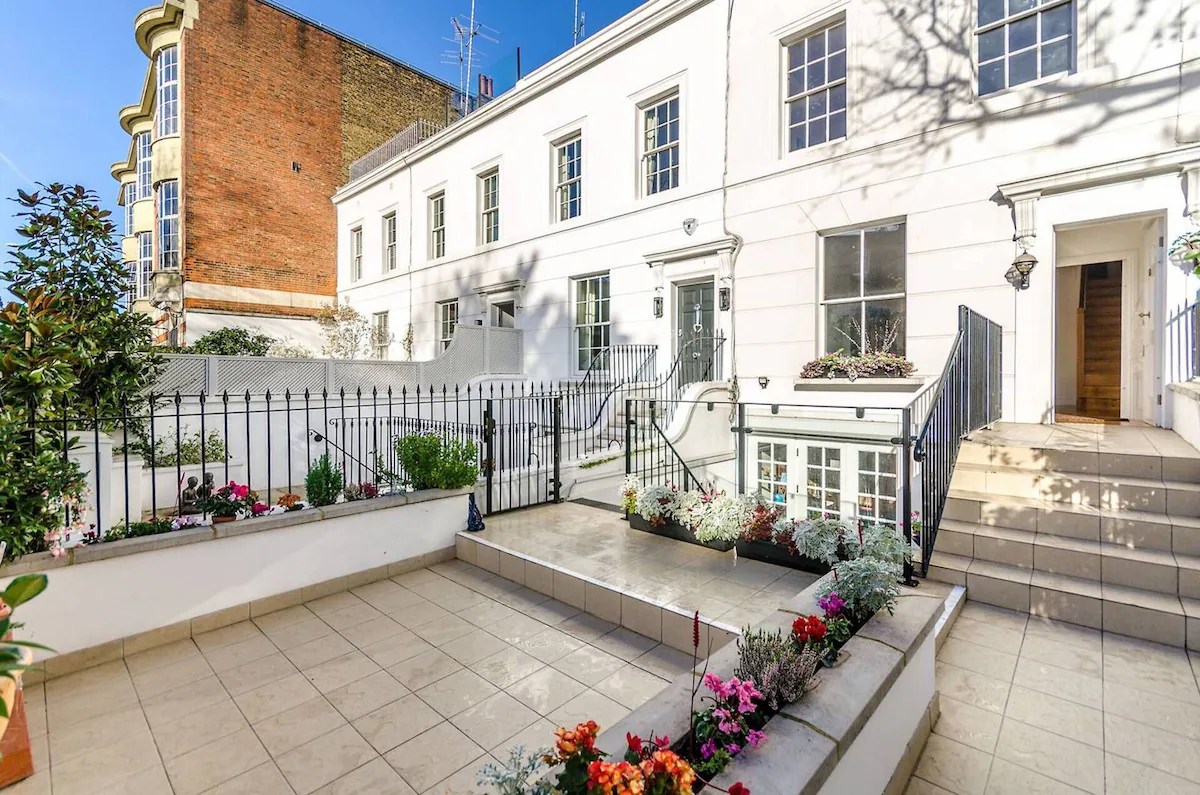
Leaving Bath and Salisbury, we took the train to London and our little flat near the V&A. Finding the flat was not easy! The address we had did not match up with any of the street numbers we could find. At long last, a friendly young woman, who clearly worried that we had been scammed, figured out where the house was, and we breathed a sigh of relief. The location was great, just a few minutes away from the Tube stop, and the house was interesting (why do I never take pictures of our rental flats?? but here are some from the website).

Our first stop was the British Museum and its many charms. Someone I follow online, who for years posted brilliant book reviews on her blog, The Idle Woman, turns out to be a curator at the British Museum, and this was her show.

Michelangelo comes vividly to life through drawings, poems and letters. Rather than an old man who’s no longer capable of much, here we see a man actively engaged with the world over the last thirty years of his long life. Beautifully done, brava, Sarah!

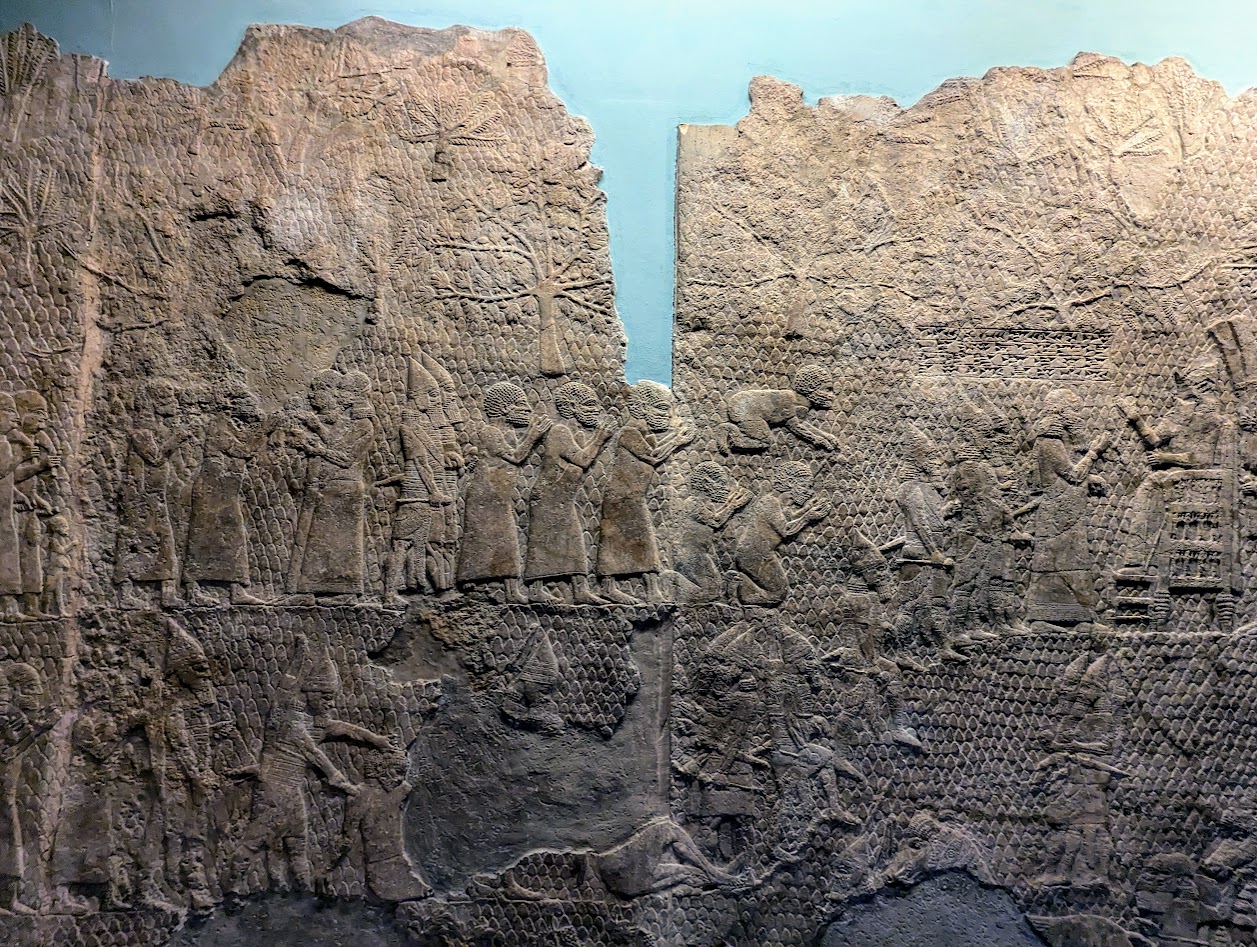
A Friday in June is not an ideal time to explore a museum, and the throngs of people made it a bit difficult to navigate. Luckily, this was just a quick visit once we had enjoyed seeing Michelangelo. I always love the Assyrians, and they are so enormous that even the crowds can’t spoil the views.

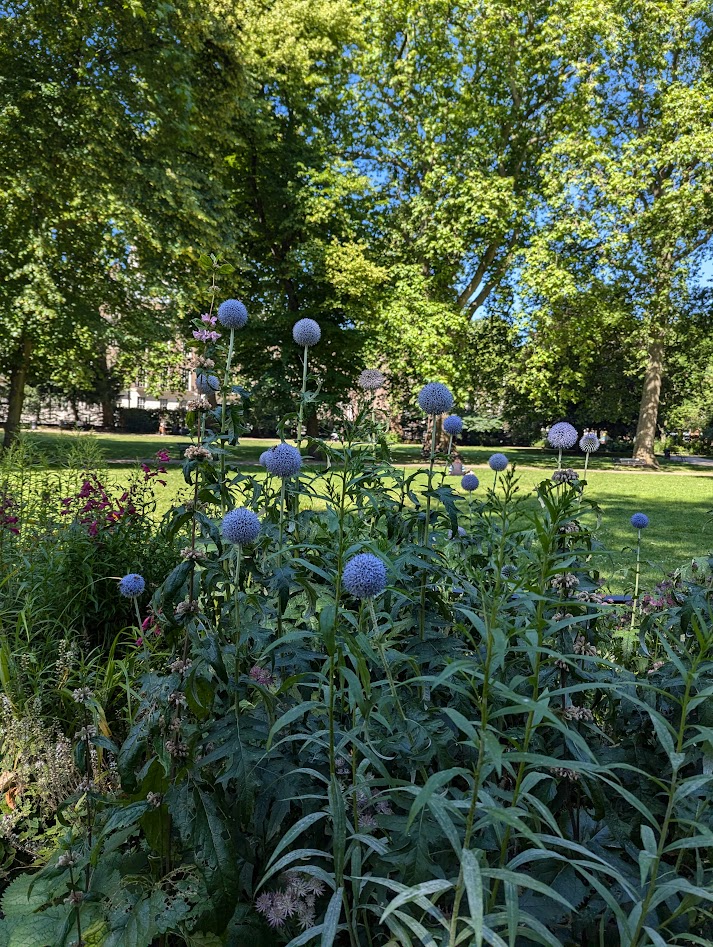
Just to finish up, here’s a lovely globe thistle to enjoy!

Image

Delacroix and Ste. Chapelle

Our plan for today was to take the train to Chartres Cathedral, with its Gothic architecture and gorgeous stained glass. We had all been there but since it had been about fifty years ago, we were looking forward to seeing it anew. However, the travel gods were against us: Paris is on strike due to the proposed change in retirement age from 62 to 64. Everyone advised us not to even attempt a train, so we had a free day to do whatever we wanted.

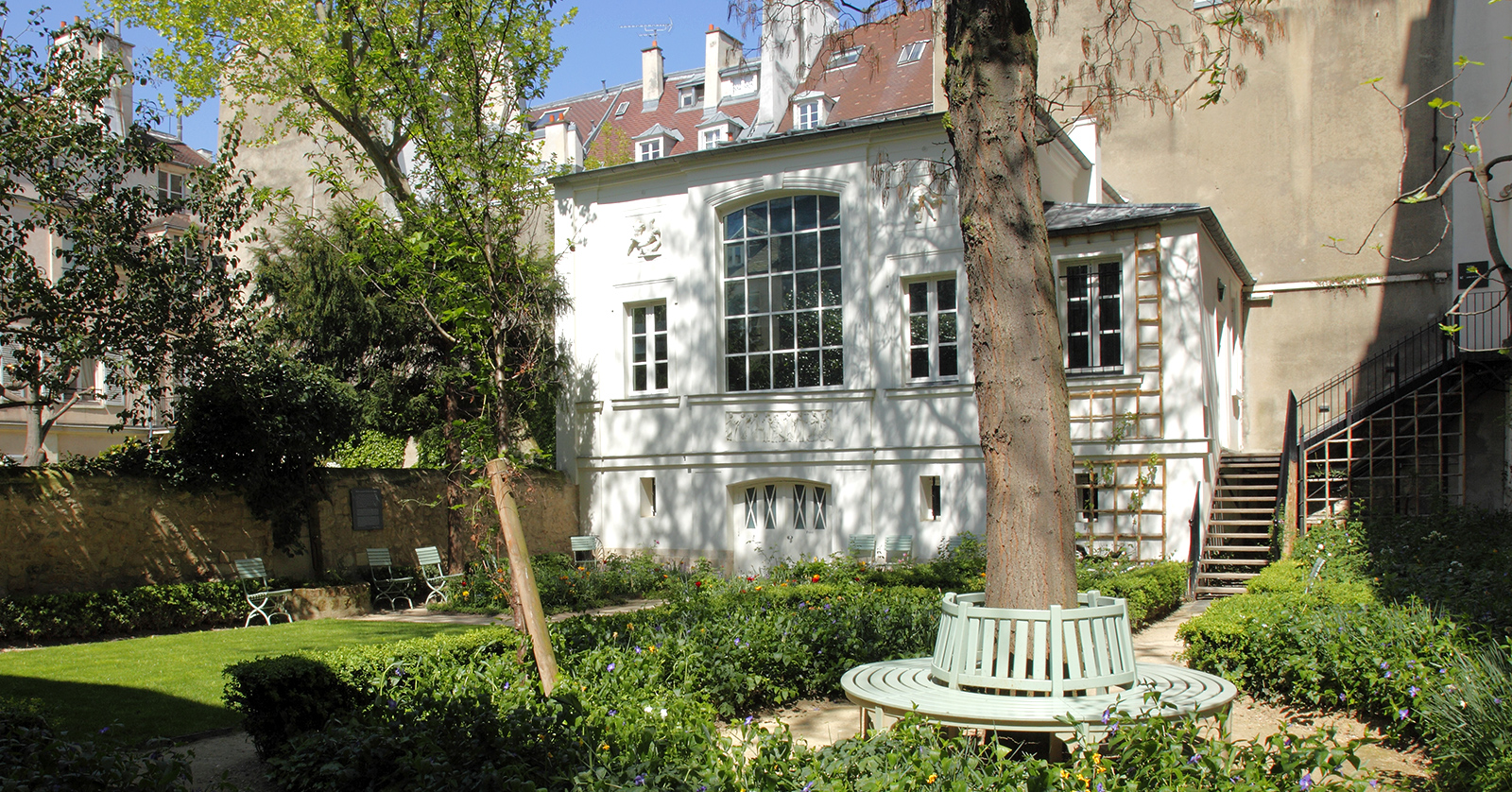
We started out at the Delacroix Museum, which was modest and only mildly interesting, but pleasant enough.

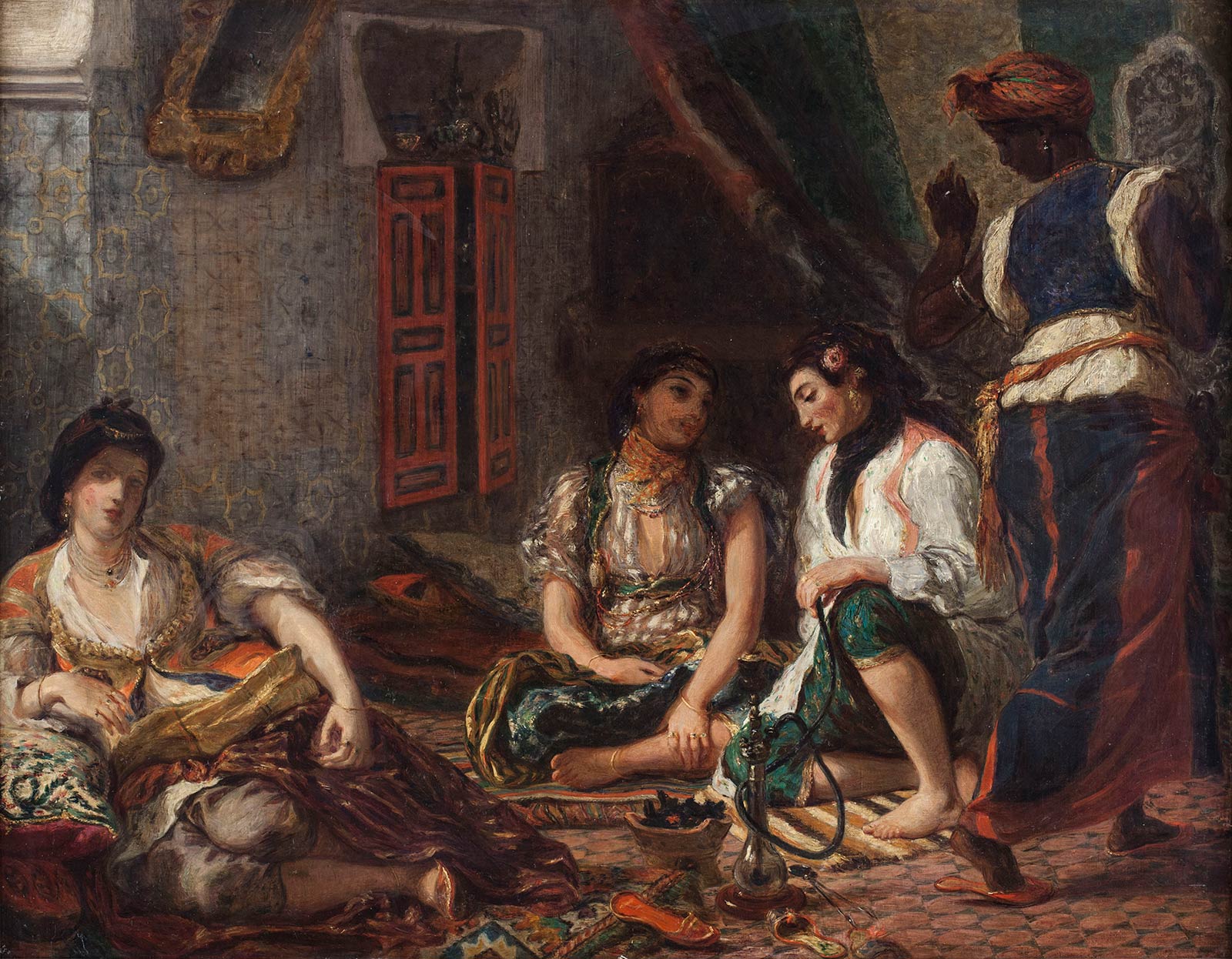
It’s housed in the elegant apartment and studio he lived and worked in and features many of his drawings, paintings and sculptures. His most famous paintings are at the Louvre, of course, but the artwork featured here showed another side to him. The paintings inspired by his visits to north Africa were particularly interesting.

Then off to an early lunch because we were told we’d need to get in line at 1:30 for our 2:00 timed tickets for Ste. Chapelle (more on this anon).

We found a cafe just across the street and sat down for a leisurely light lunch: Quiche and salad for Alison and me, French onion soup for Silla.

We took our time and enjoyed watching everyone walking along outside, guessing whether they were French or otherwise. (Of course the only way to confirm the outcome would be to stop and ask them, which was impossible!)

At around 1:00 we got in the long line for the chapel, hoping that they would not mind that we were at least an hour early. As it turned out, both venues made it sound very difficult to arrange a ticket (the Delacroix being the kind of website that takes forever to use and then foils you at the last minute) and advised us to make absolutely certain that we arrived there right on time – but it’s all a canard! The Delacroix let us buy our tickets on the spot, and there were only half a dozen or so other people even there. The chapel, after making everyone confused about which long line to get in, didn’t care a whit that we were an hour early and let us sail through!

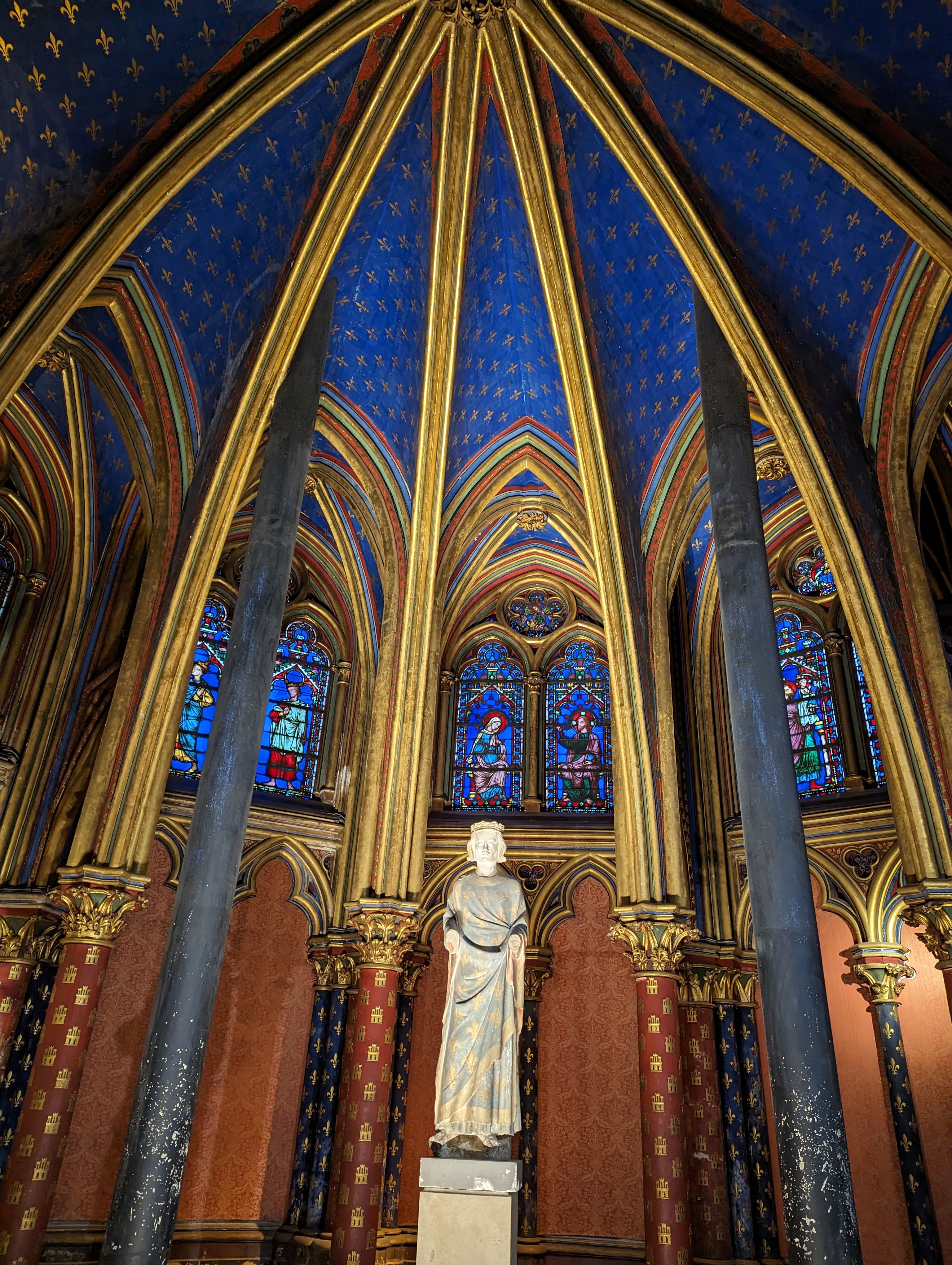
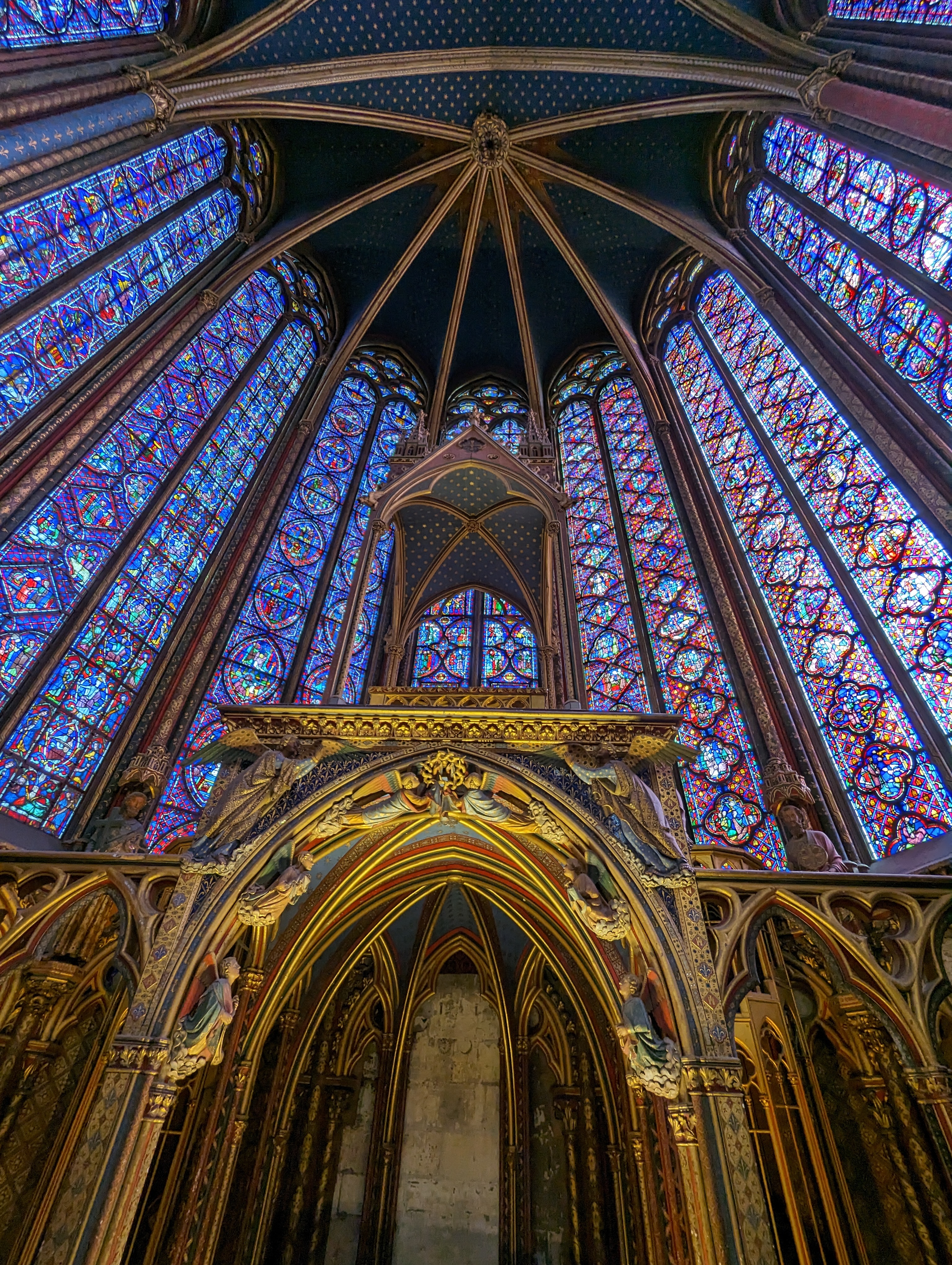
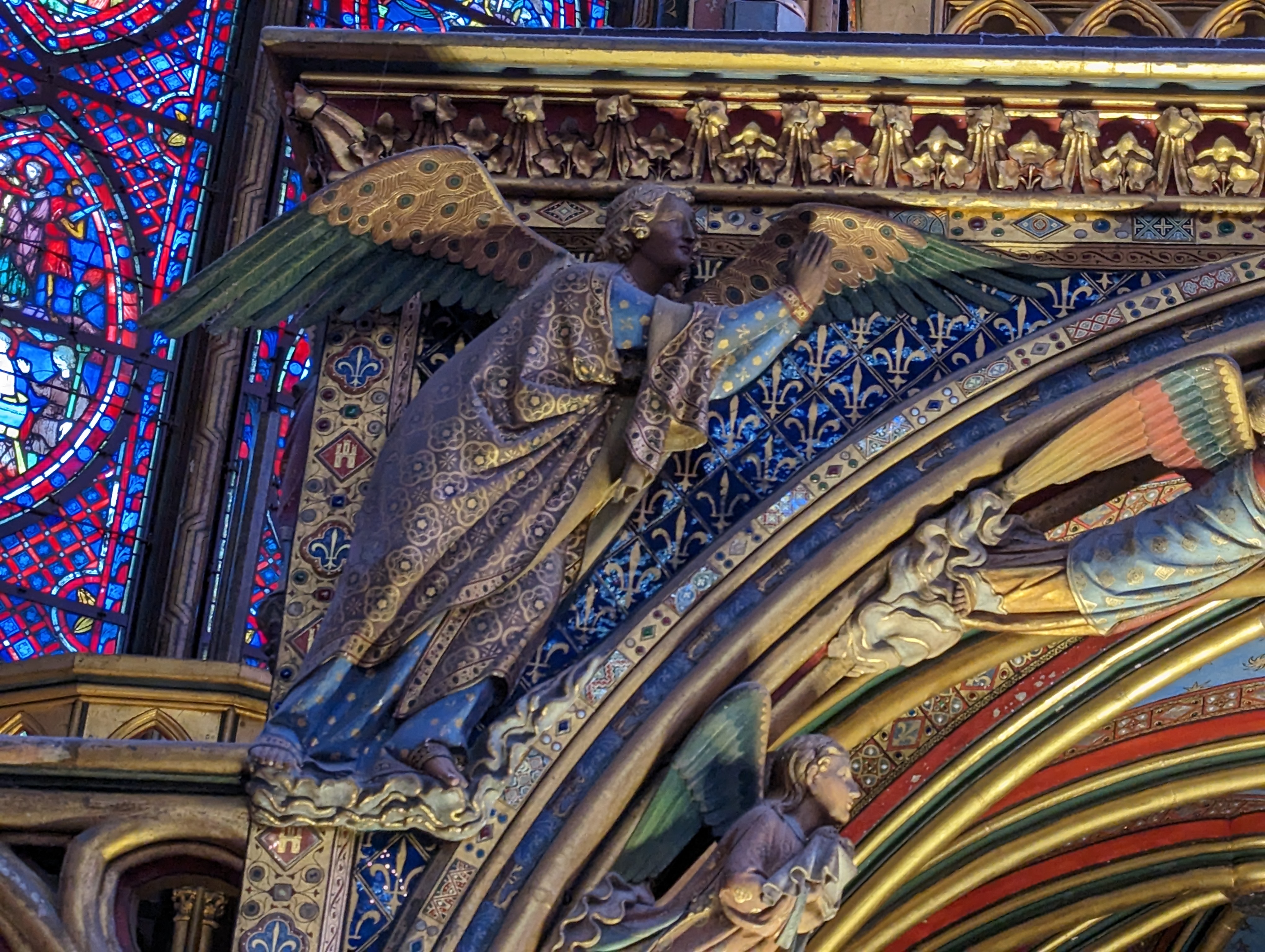
Today was cloudy, then brightly sunny, then cloudy again and then, while we were standing in line, raining hard for about five minutes. And of course you want to see the stained glass in good light. Well, we had enough sun to point out the contrast between light and shade, so that was fine, not to say occasionally brilliant. The intense blue, gold and red are so stunning that I couldn’t stop taking pictures.

The audio guide was designed for giants who could stand in front of the highest windows and pick out the figures from the Bible, so we didn’t have much luck with that. But in the end, the glories of the light, and the fascinating videos showing how they’ve restored the glass and cleaned the stone, were absorbing and illuminating. All in all, a stunning space.

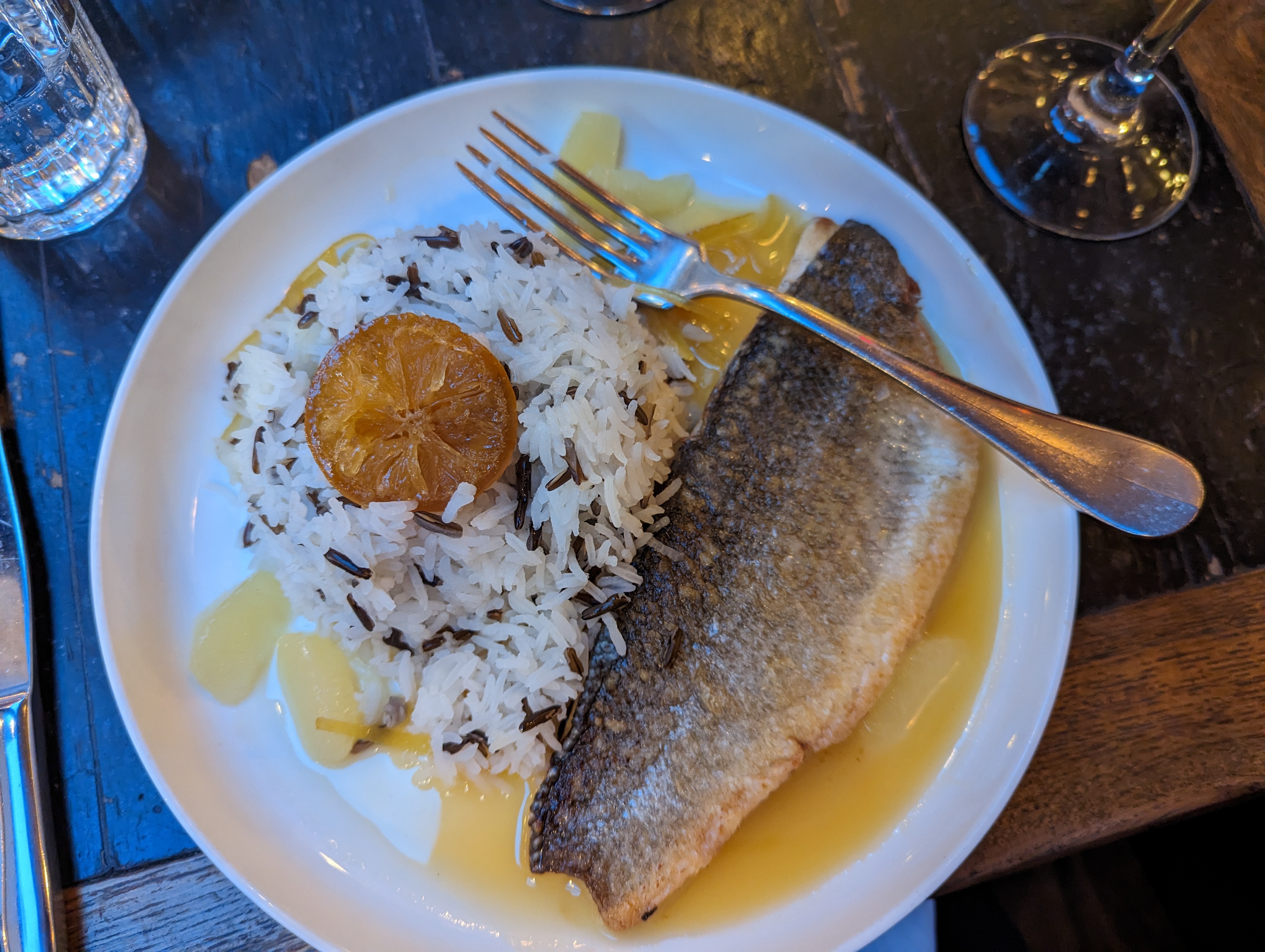
Dinner tonight was at Le Compas, the same place we went to last night, because we all liked it, especially Silla. Very French in the sense that all the waiters were professional and quick, and the food was traditional and delicious. Silla and I each had what the other one had had the night before, and we were both happy: mine was fish au citron and hers was the salmon with green beans. AO was very happy with her red meat.

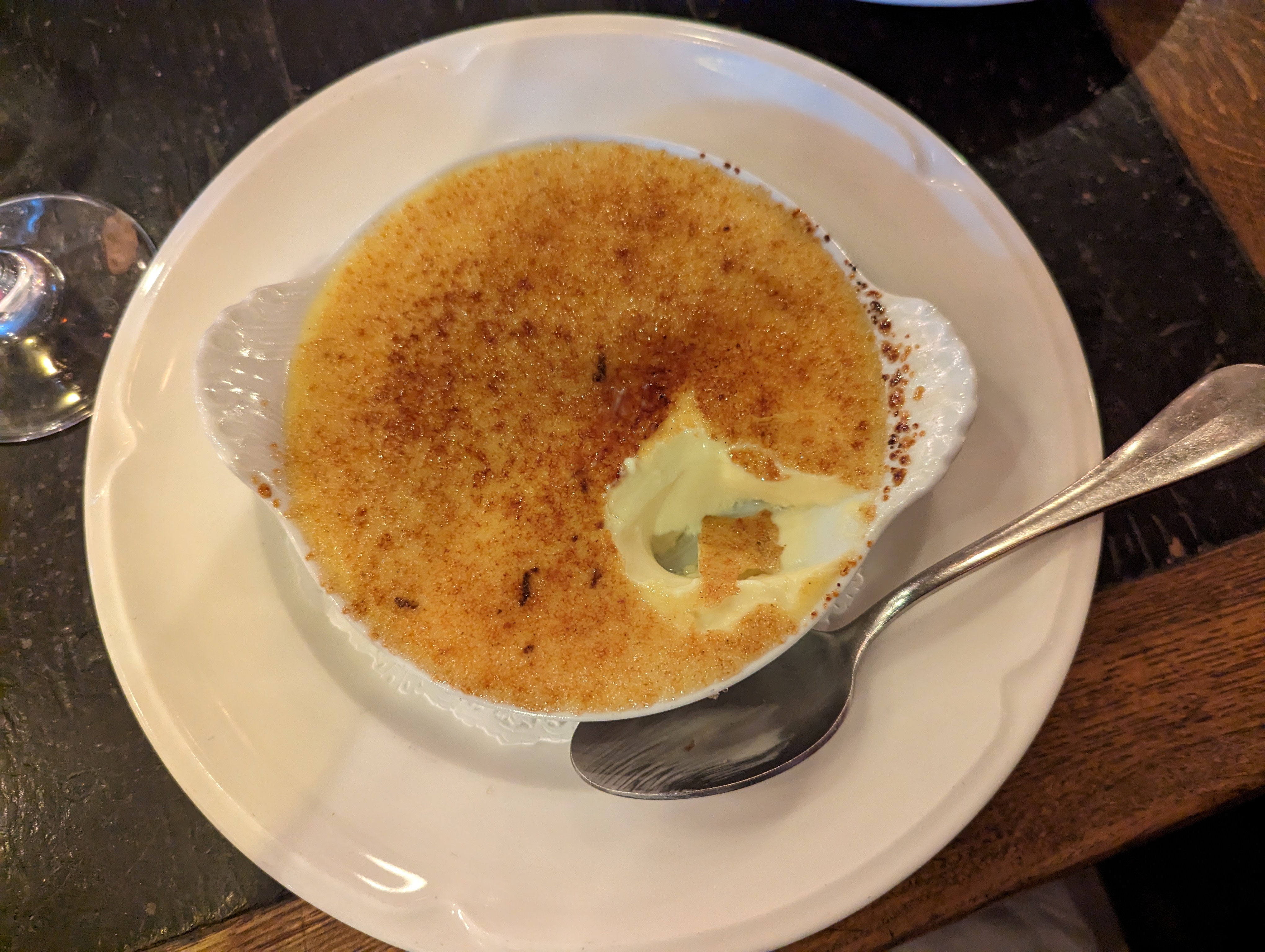
Then, because it was Silla’s last night with us, we splurged on creme brulee for us two, while AO had tarte tatin, and we were all delighted.

Image

Last year and next year

This gardening season has had its ups and downs, as usual, and I want to capture my ideas before they melt into the mist.

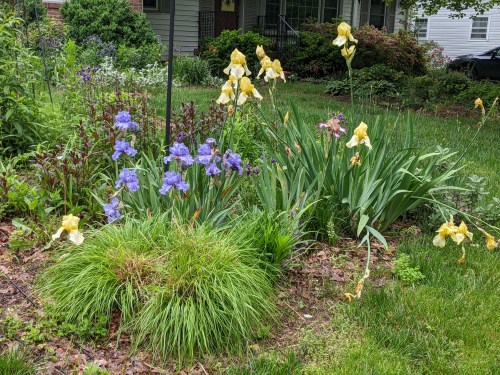
Spring brought some lovely blooms.  The irises, which I sometimes despair of because this bed is so weedy, were lovely (if a bit floppy).  I especially like the blue ones.  Wish I still had the white ones I inherited from my mother, who got them from Bob Taylor decades ago.  This was in mid-May.

Zepherine Drouhin is always lovely, but after she blooms, she’s a mess.  Maybe add a clematis next year so there’s something else blooming there?

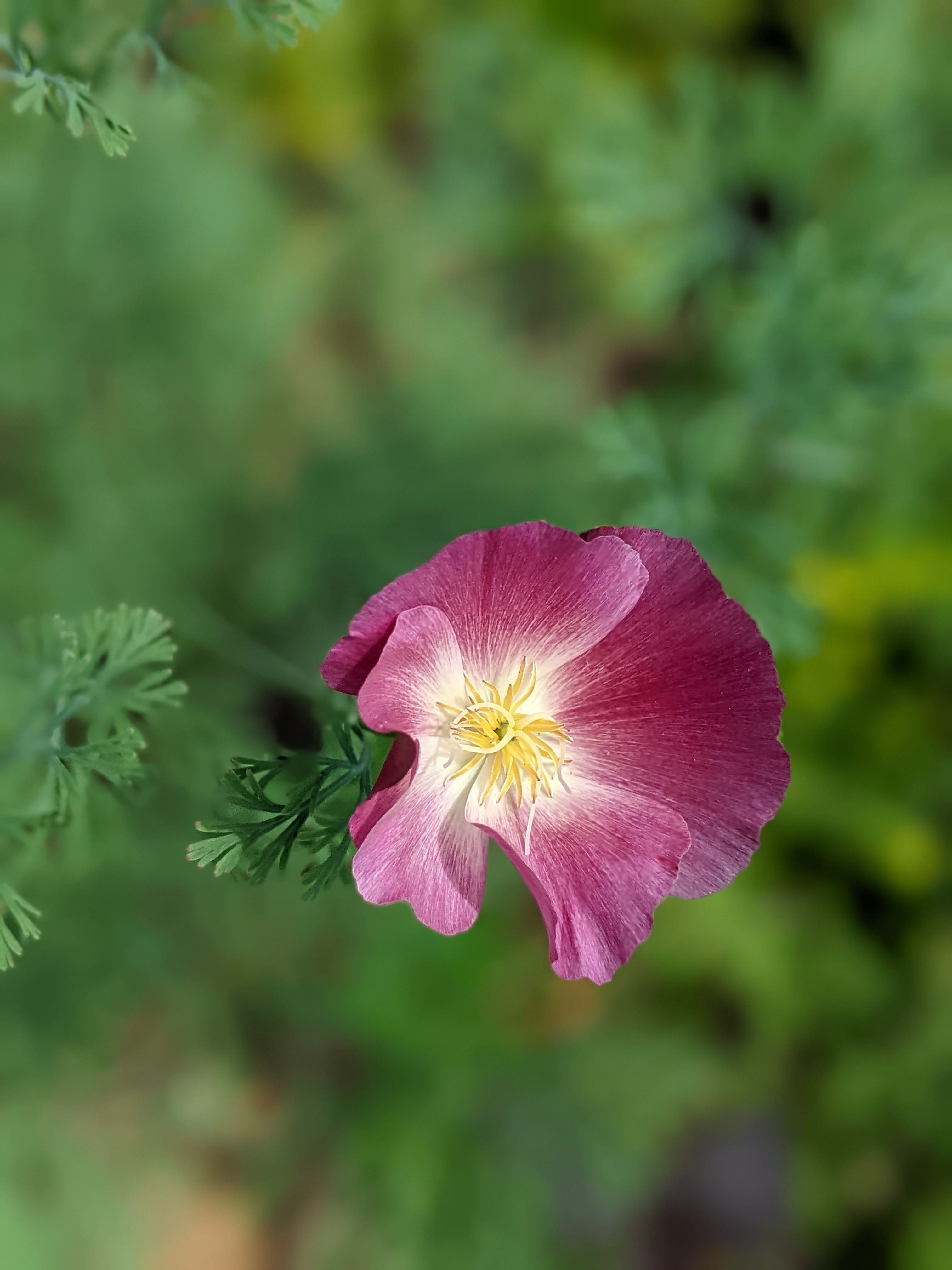
Despite my vow to sow annual poppies early, I failed.  Luckily, this one self-sowed.  I love the delicate shading on the petals.

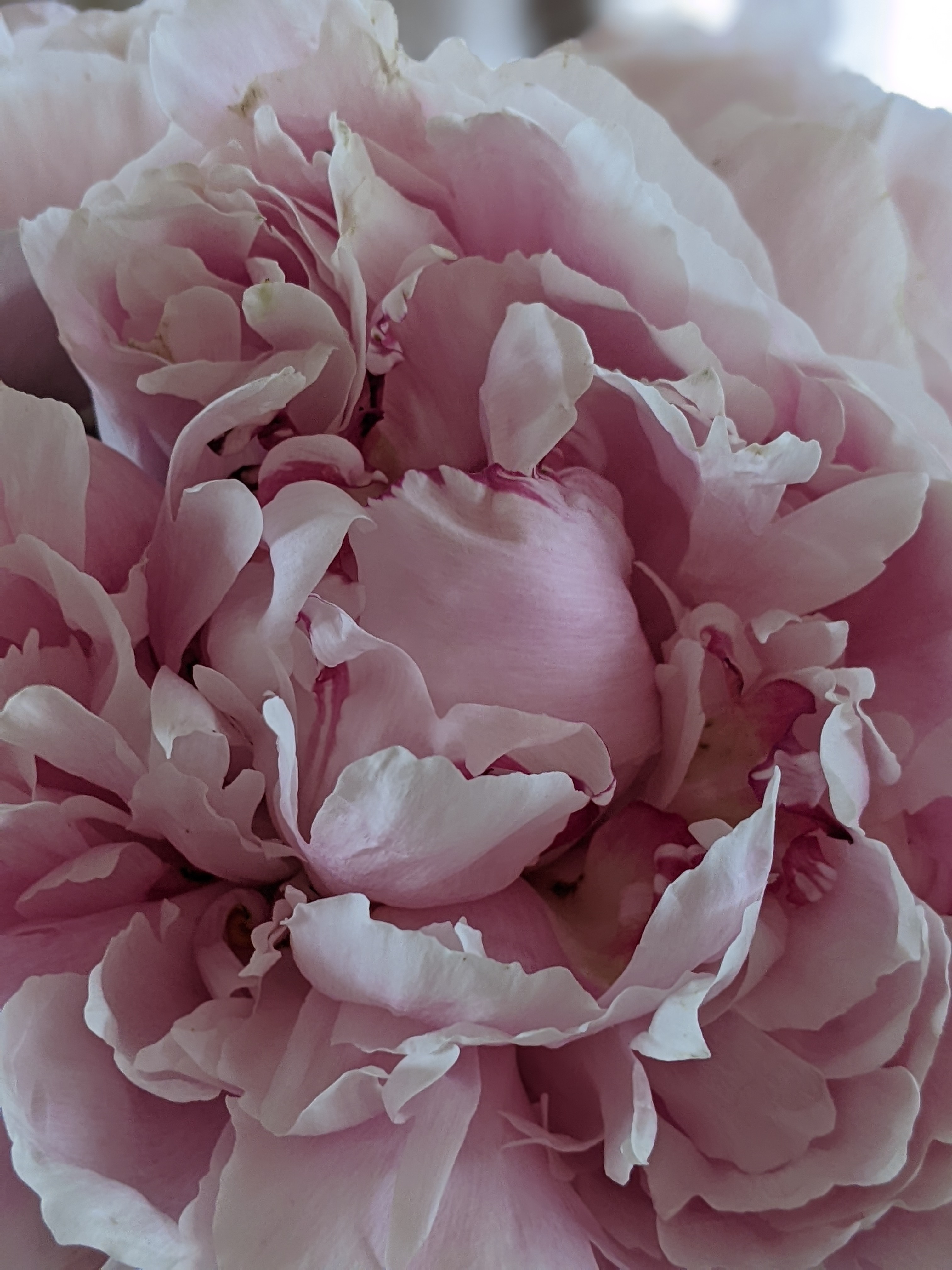
Sarah Bernhardt was in bloom just in time to take her to Duck for the week.

Allium globemaster looked appropriately modern in a 60s sort of way. Plus, it lasted a long time.  This was at the end of May.

The drumstick alliums were not quite what I expected, too tall.  We’ll see if they come up next year.  I was aiming for something like this

but they were very long-stemmed and flopped over.  We’ll see if they come back next year.

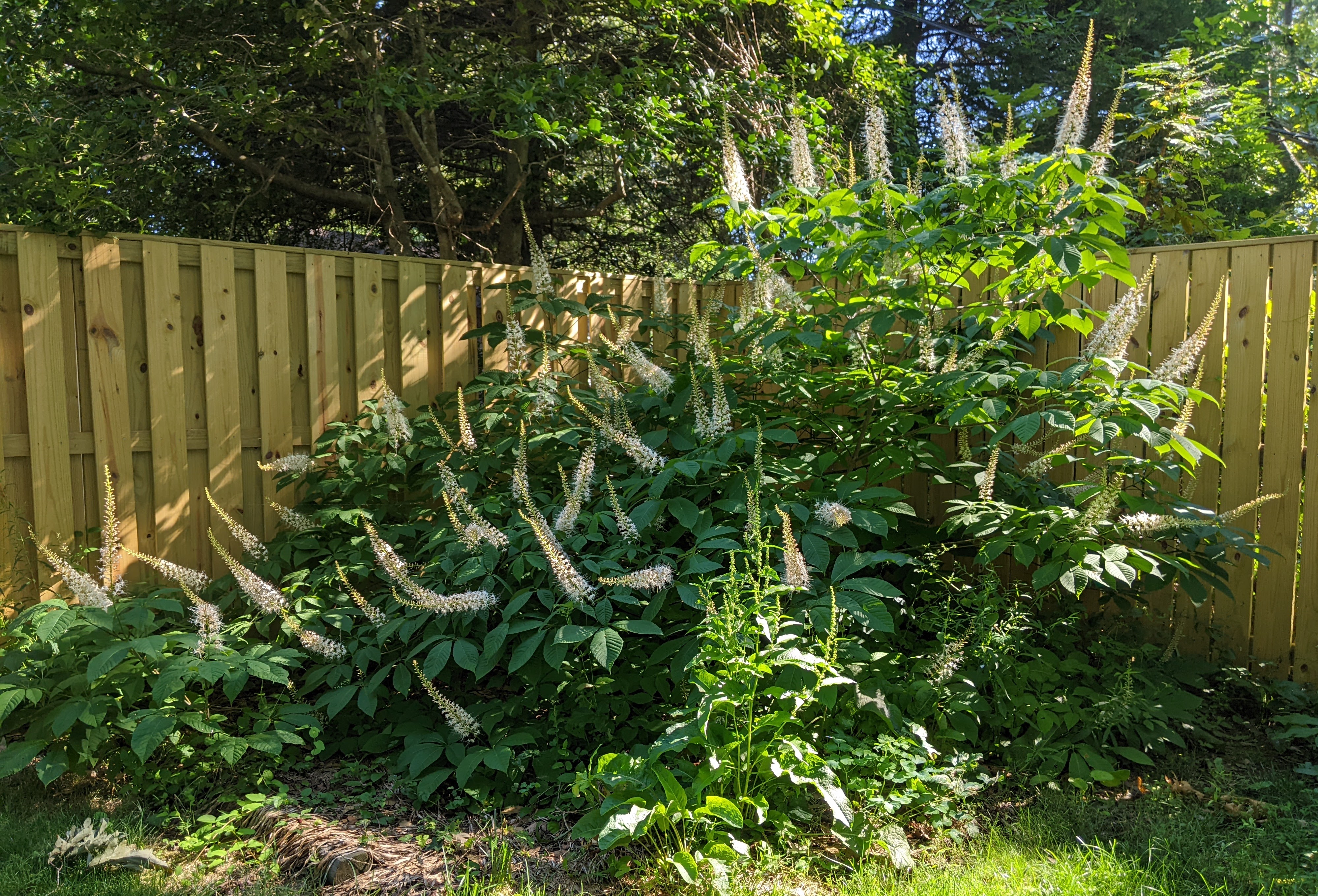
By the end of June (after the wedding, and English garden pictures to come), long, spiky blooms appeared on the bottlebrush buckeye.  The butterflies love them.

(And note the new fence, raw as can be but it should weather to gray eventually).  Here’s one of the day lilies, though they seemed a bit meager this year.  I love the dramatic dark reds:

And here’s the gallant calla zantedeschia that came as a bonus bulb from McClure and Zimmerman several years ago.  If I’d realized its scale, I wouldn’t have planted it so close to one of the lush hostas, but so it goes.  It comes up faithfully every year.

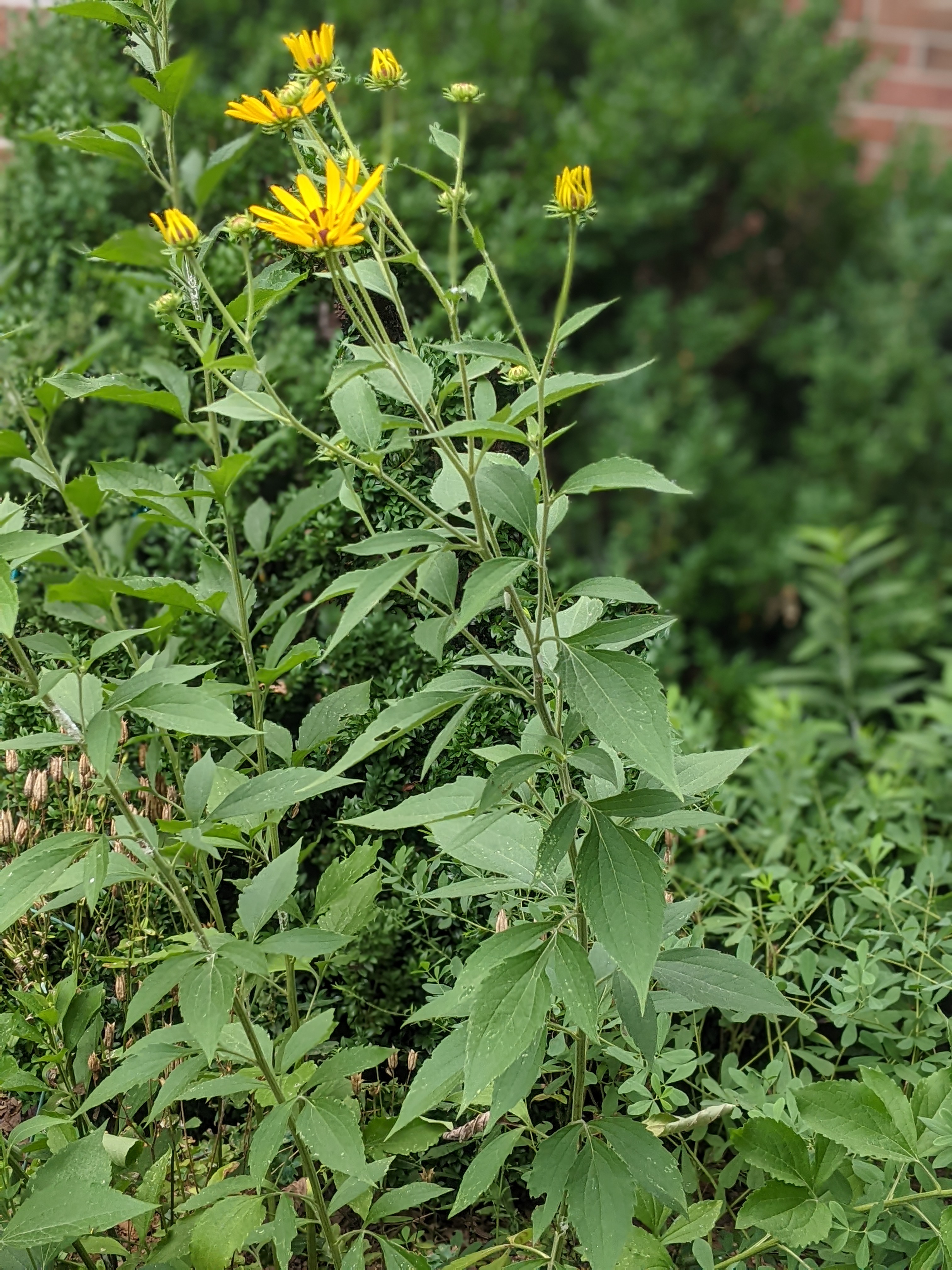
And look what’s popped up!  A couple years ago I dug up a couple of plants that were just too big for their britches.  This is a helianthus that just couldn’t be killed!

There are also signs that the amsonia is resurrecting itself, too.  I may bite the bullet and pull it out, replacing it with a variety that has better fall color.  We’ll see!
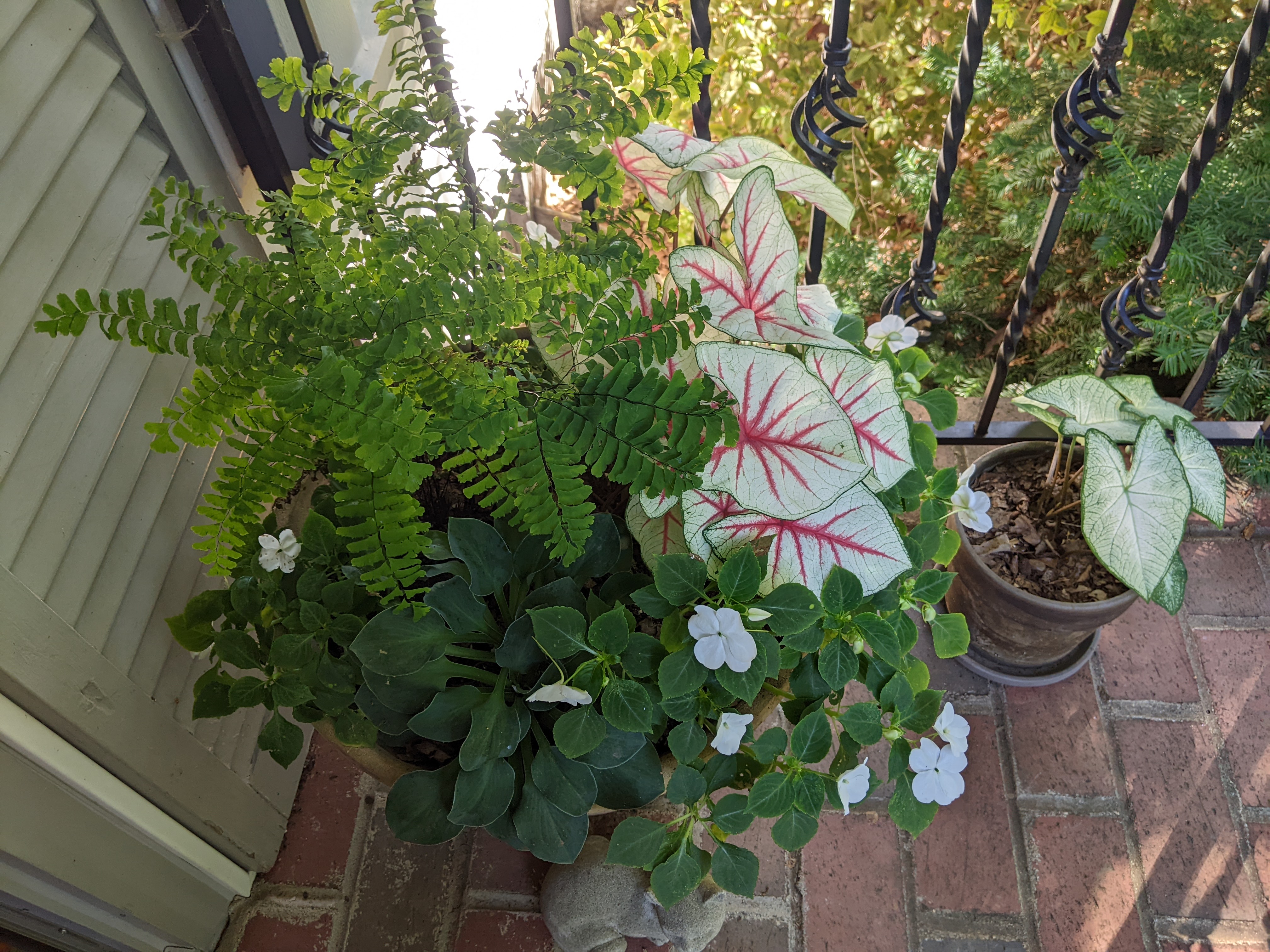
And this was the flowerpot on the steps this year.  The pots worked well, but the railing planters were a mess:  very dry, and I didn’t have any good fillers or spillers.  I’ll add Soil Moist next year and go for something easy like calibrachoa to add color.

The houseplants enjoyed their spa vacation, as always.  Note to self: you can never mass too many pots together.

Since this area is part sun at best, it’s all about the foliage here. Still, it could use a little more color but on the whole I was pleased.

Finally, the hyacinth beans I got on sale from C&T did pretty well, though what is apparently a stinkbug larva liked them, too.  Never mind, the colors were delicious.

The other nice thing is that the shades of purple went well with the clematis and the Autumn Joy sedum, almost as though I had planned it (ha!).


Garden Bloggers’ Bloom Day

It’s actually on the 15th of the month, but I’m a bit slow to catch up this time. In bloom in my zone 7 garden last Monday:
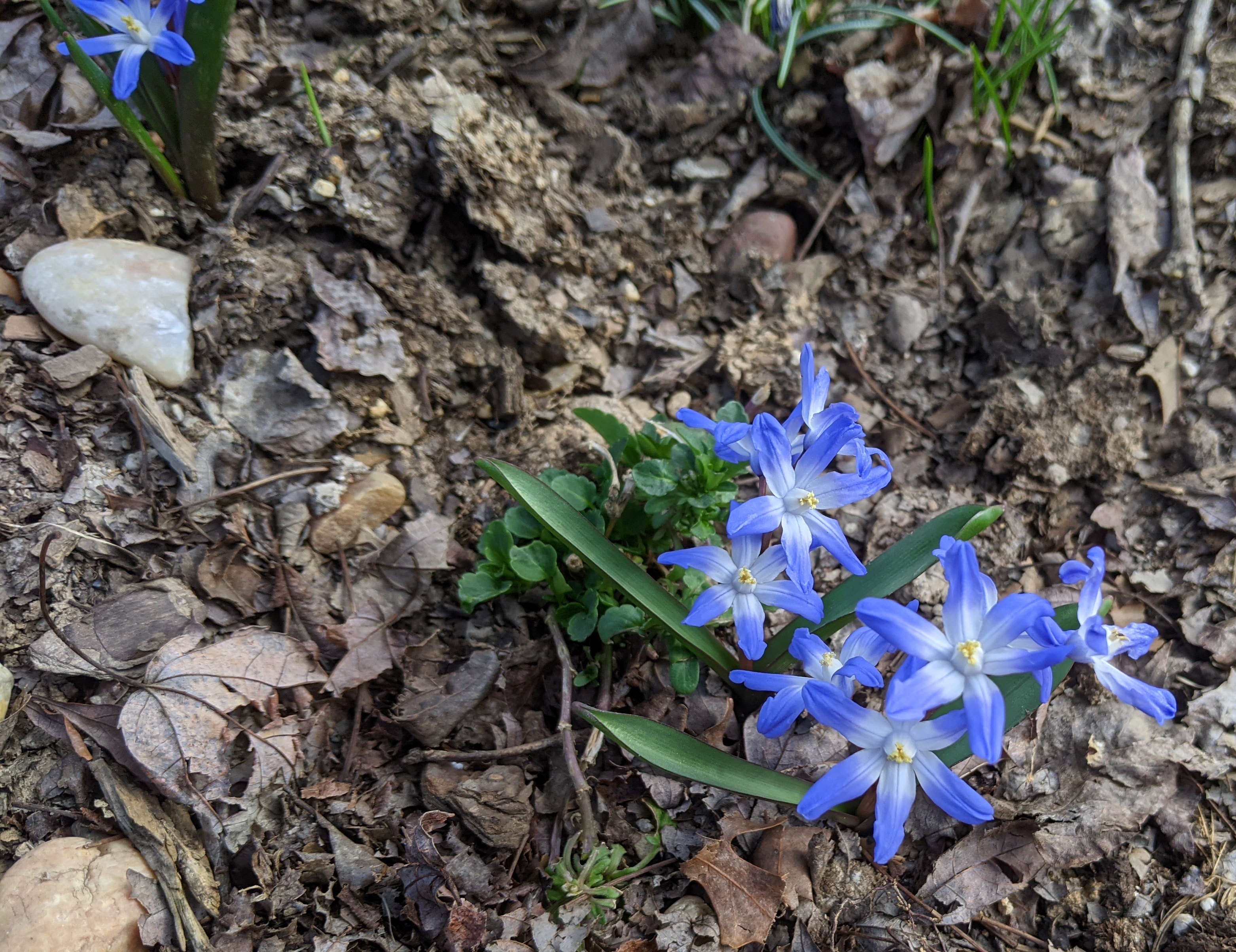
snowbells (just starting to bloom)
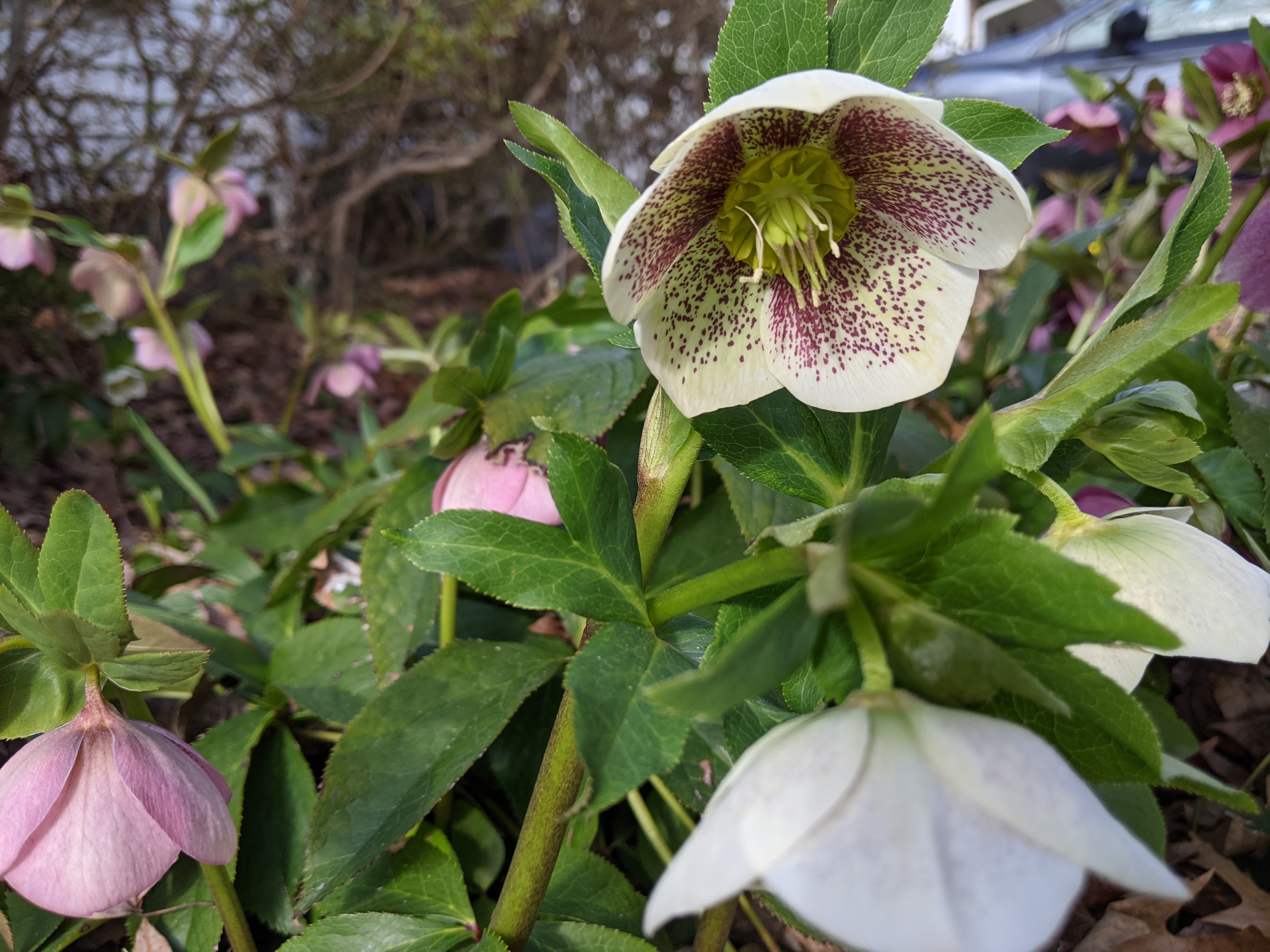
hellebores

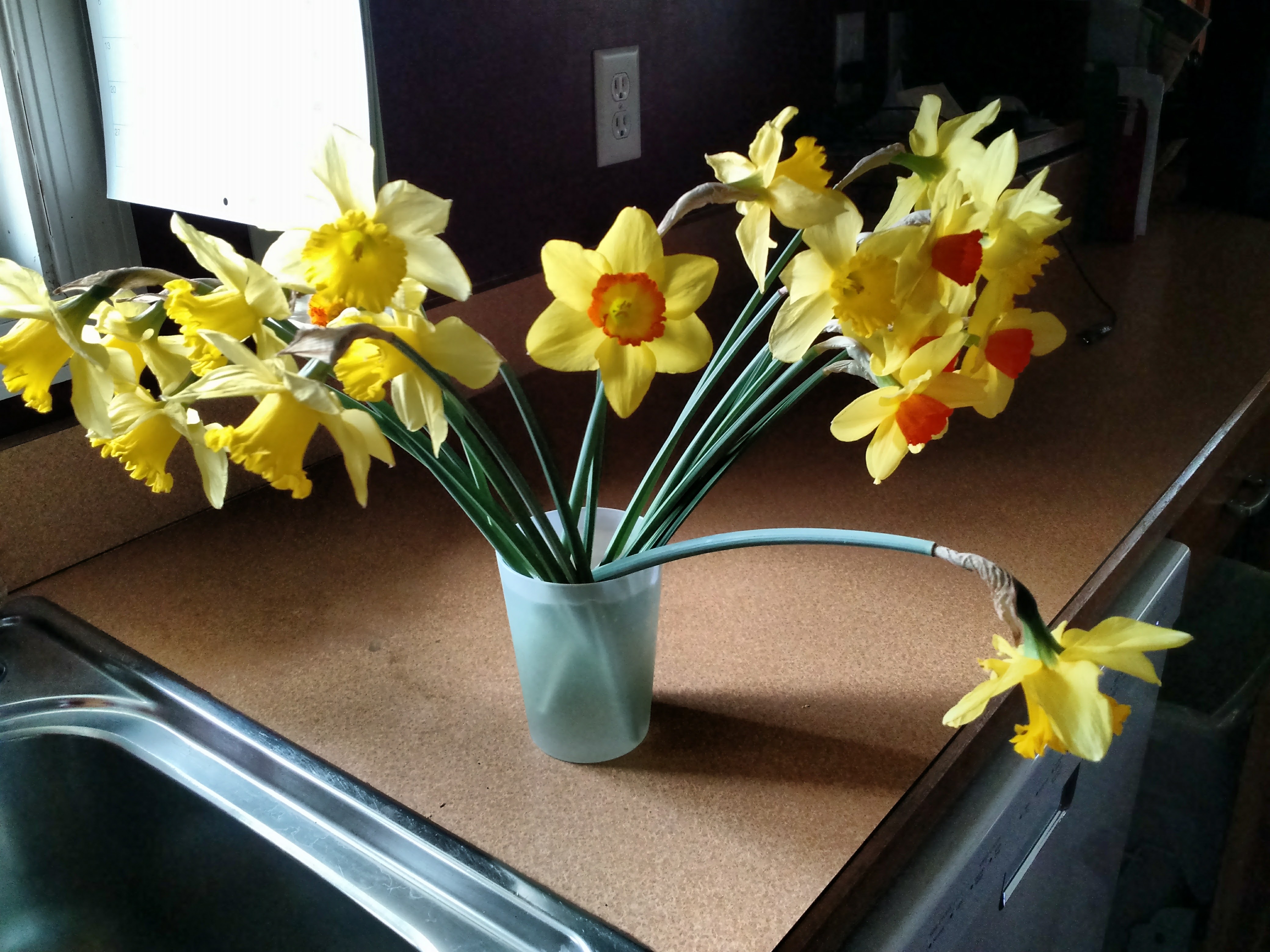
species daffodils (my favorites)

winter aconite (just going by)

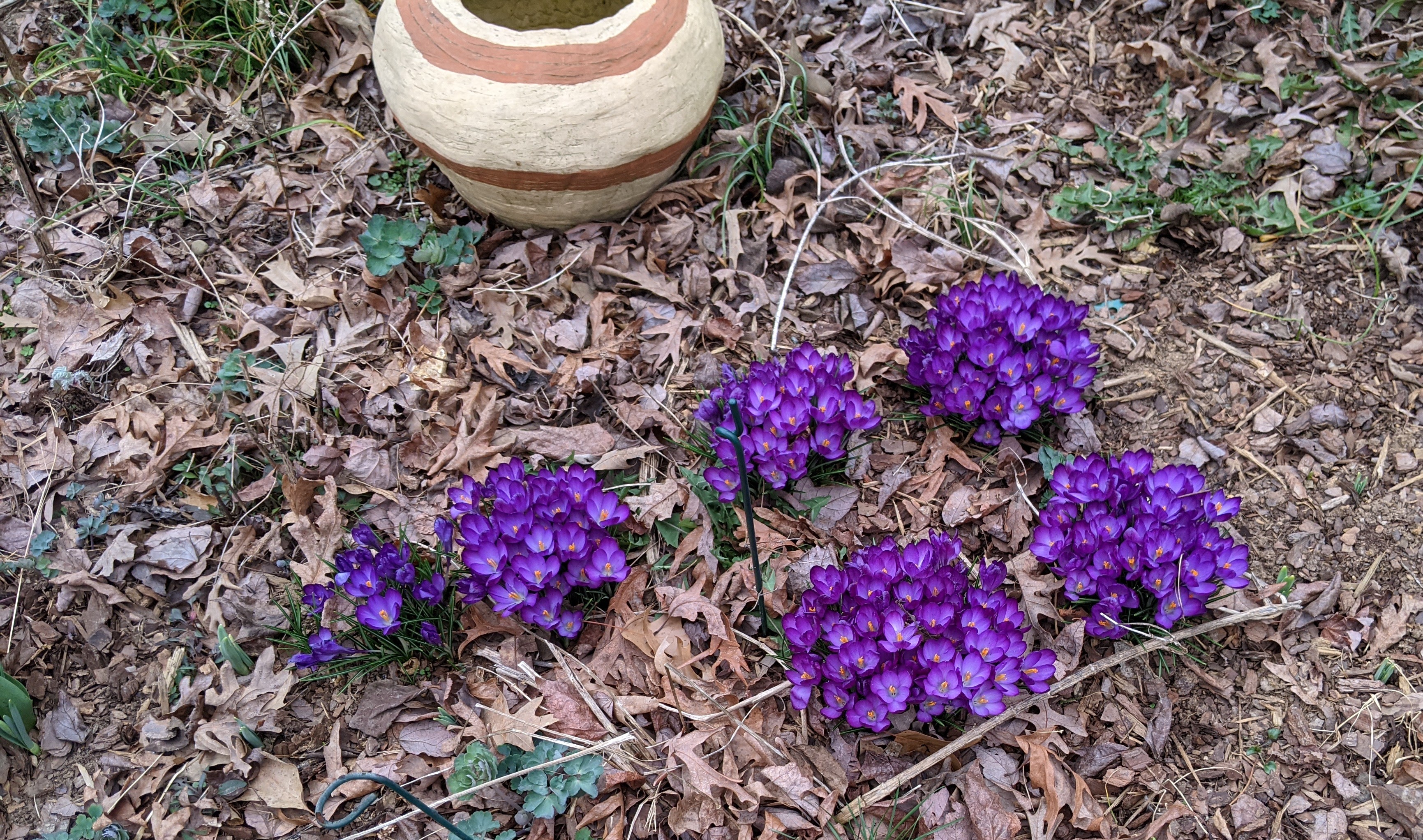
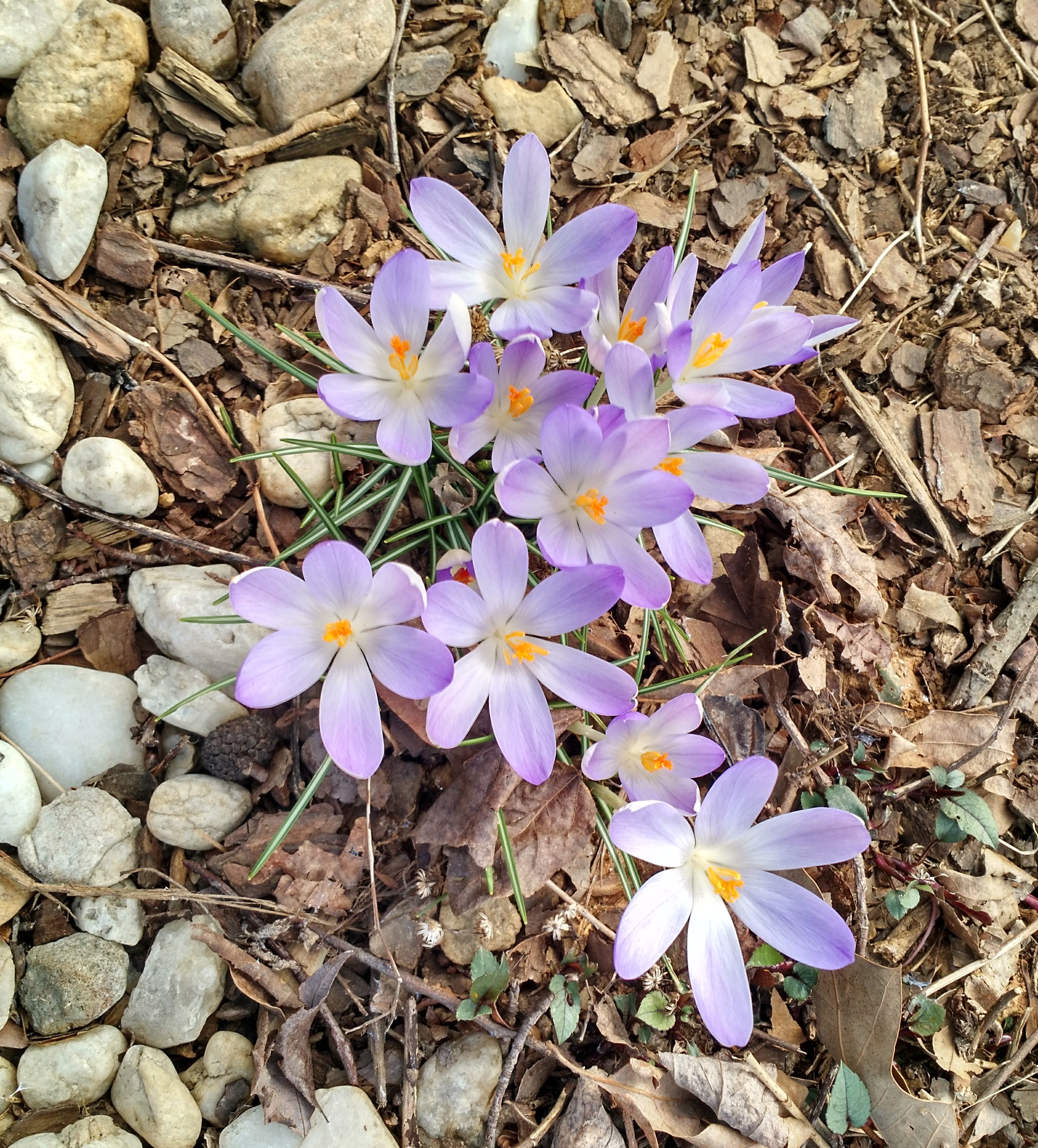
crocuses (I don’t remember planting these here, but okay)

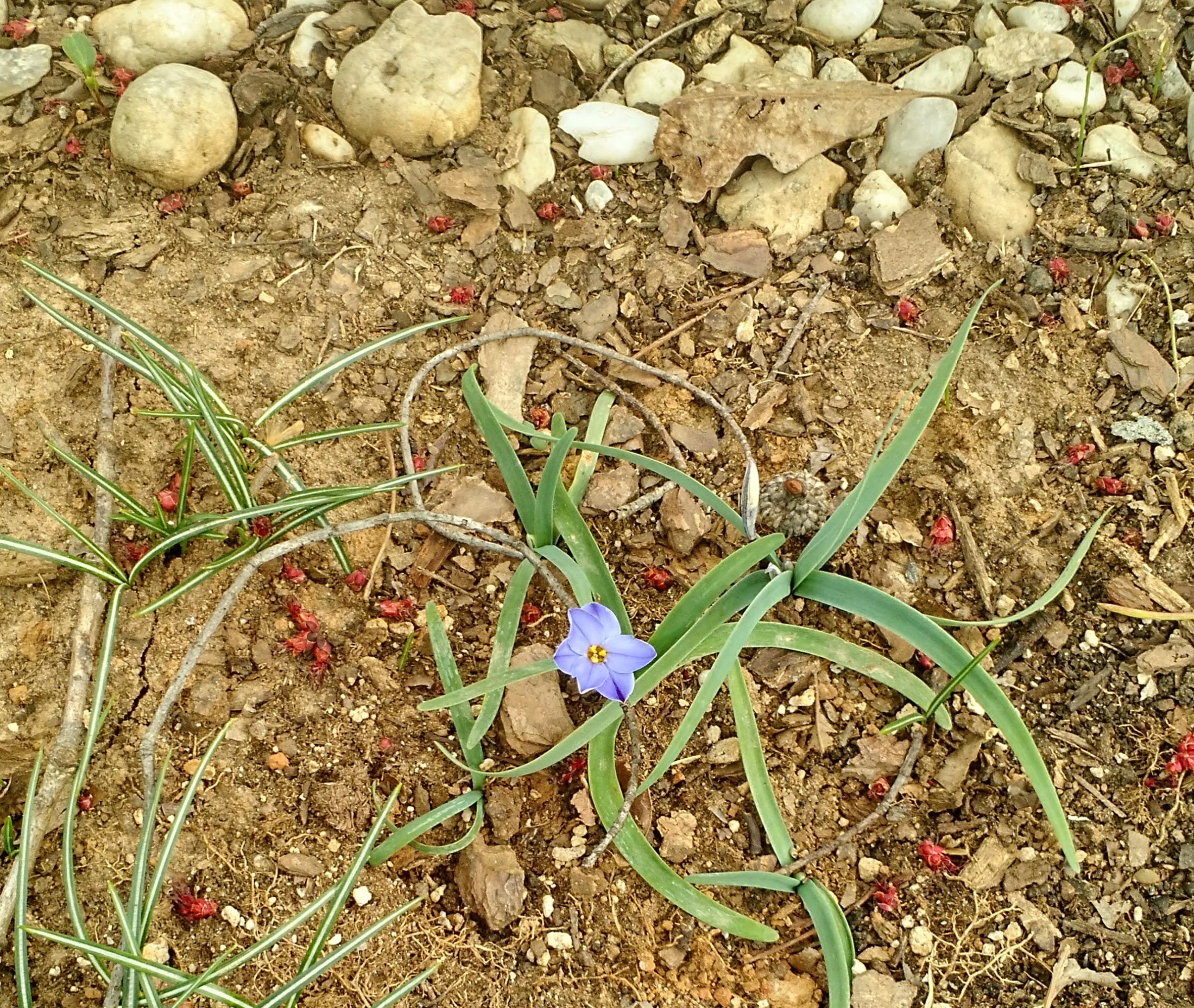
squill

It’s been a cool spring, and things are late this year, judging by last year’s photos. The forsythia is not blooming yet, and the daffodils in the cutting garden have just started to open. Soon enough it will be on us like a runaway train!

Phenology

According to Mr. Google, phenology is “the study of cyclic and seasonal natural phenomena, especially in relation to climate and plant and animal life.”  This is how you know when it’s time to plant peas (when forsythia and daffodils begin to bloom), or what bulbs will bloom with what.  Sometimes it works, and sometimes, given climate change, it doesn’t.

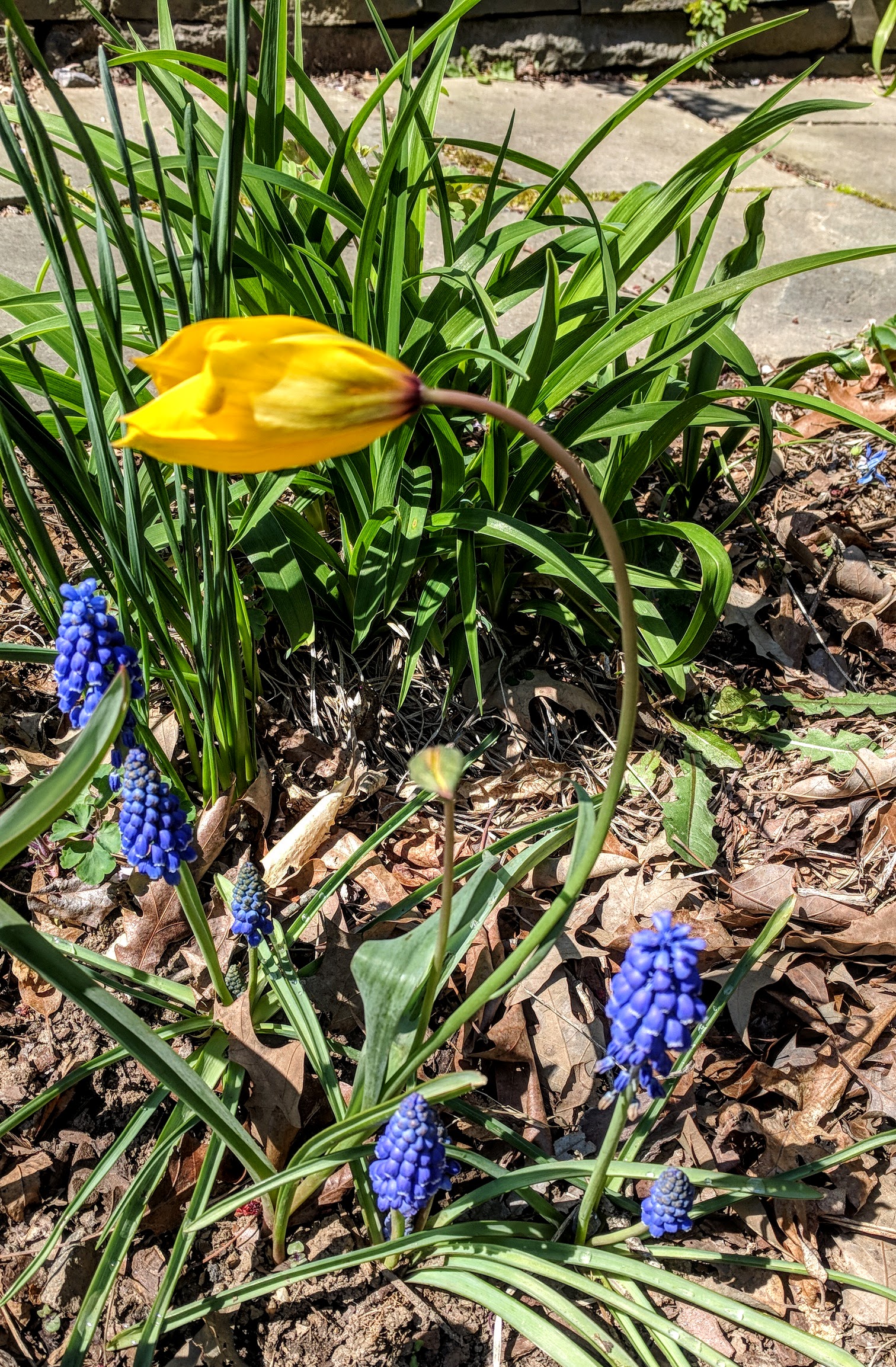
So, one success this year is planting grape hyacinths to coincide with tulip sylvestris, an elegant swan-necked yellow tulip that I read about somewhere and planted for the first time last fall.  sylvestris

These grape hyacinths are bigger and bolder than my older ones, and the bees love them.

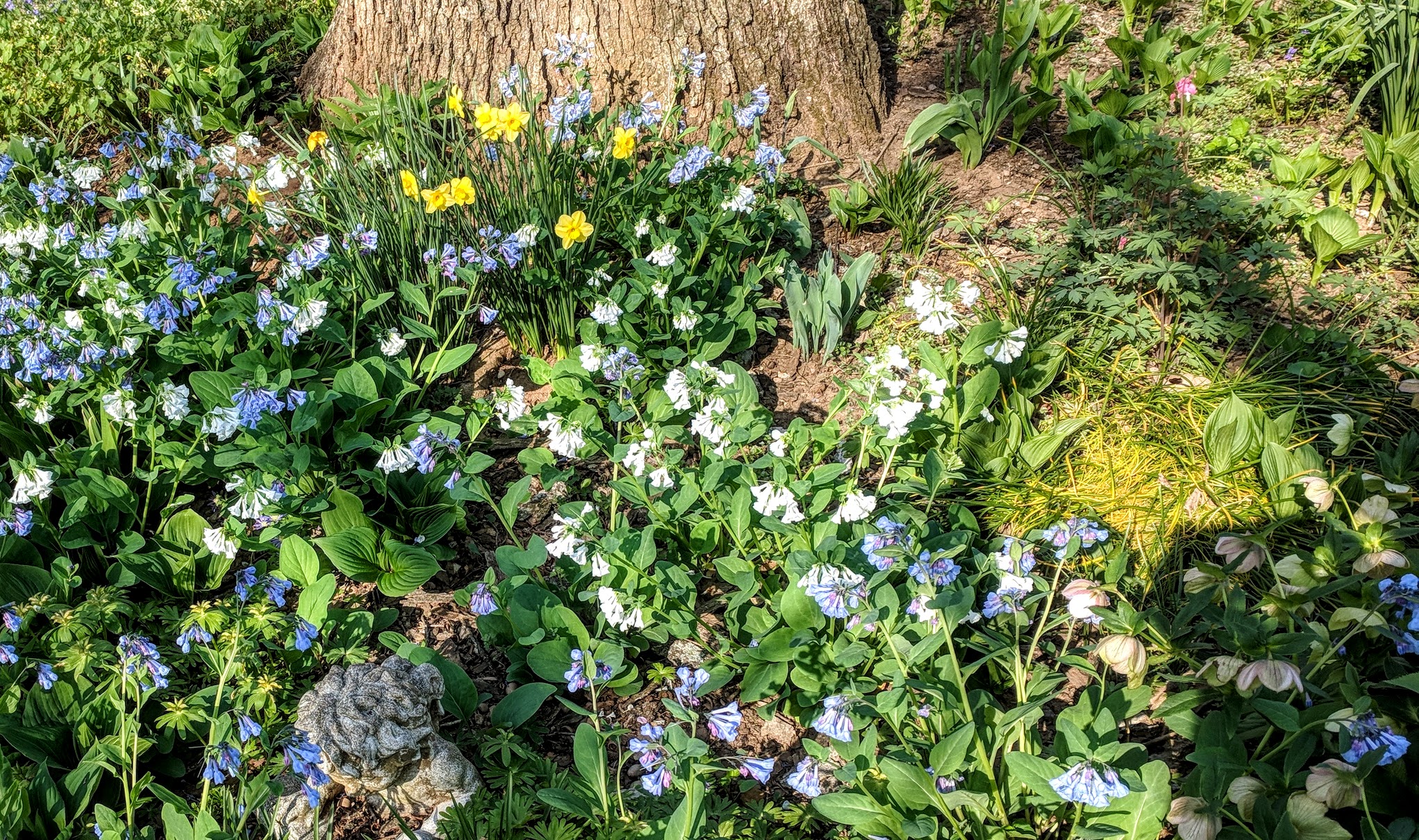
Another success, at last, is ‘Sun Disc’ daffodils with Virginia bluebells.  Here they are by the oak tree trunk, finally blooming at the right time.sun disc

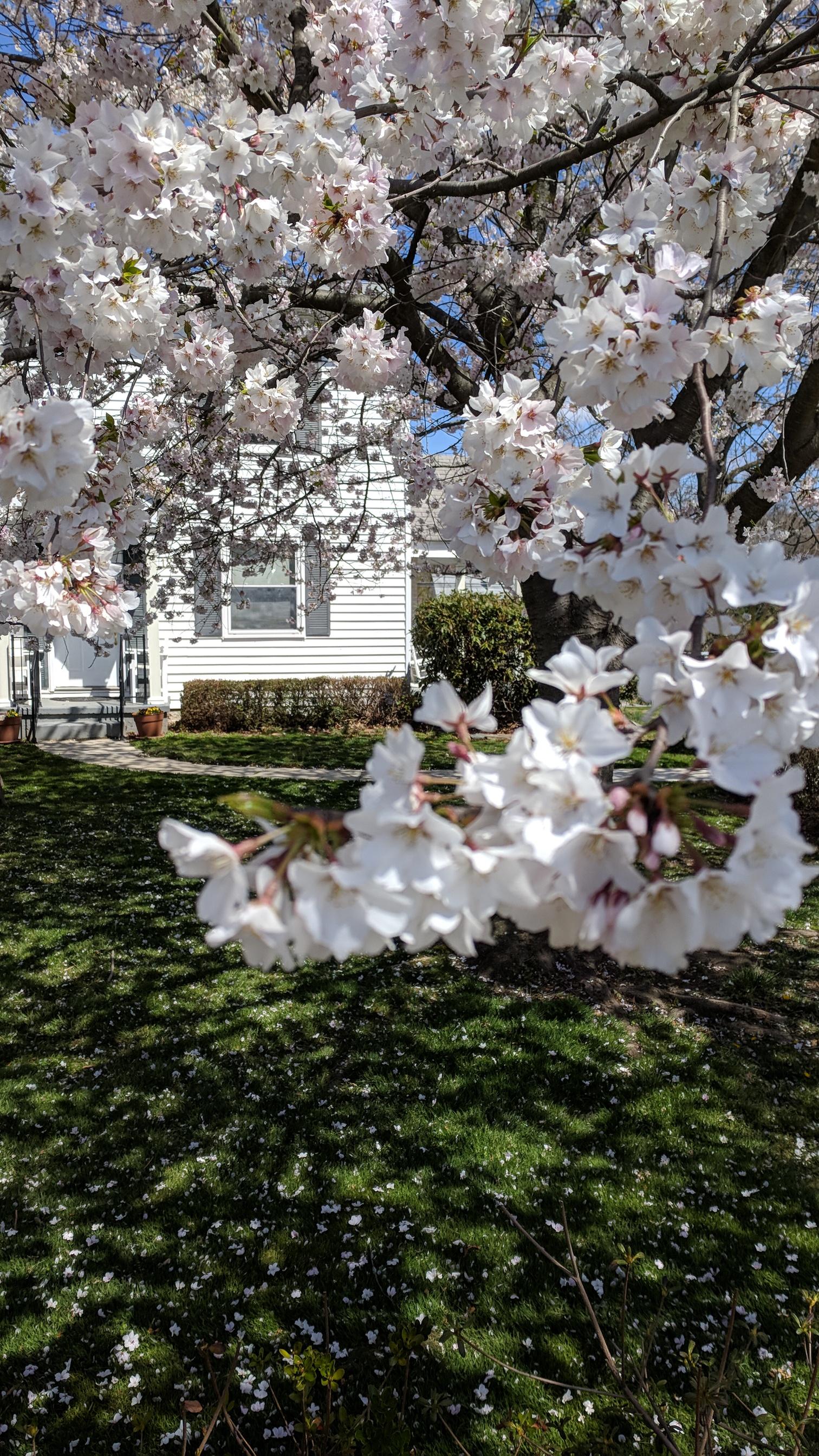
Other phenological observations are that the cherry trees are beginning to fade, just as the redbuds spring forth.  Here’s a cherry tree in my neighborhood several days ago:  cherry treeAlison’s two gorgeous crab apples are in full bloom right now.  In my garden, there are tulips (the pink ones blooming with the Judd’s viburnum, just as ordered), daffodils, squills, ipheion, snowdrops, and more.  It is an exuberant time in the garden.


Blue poppies and tiny coffins

botanic gardenThis morning we looked out the window at blue skies and decided to go to the Royal Botanic Garden while the weather held.  We walked over to the North Bridge and picked up the bus, with a bit of help from the kilt-clad man at the door of the Balmoral Hotel.  When the ticket taker told us the blue poppies were in bloom, that was all I needed to hear. They have a reputation for being extremely difficult to grow, and because they come from Nepal or China or somewhere I did not expect ever to see them.  They were amazing, so blue and so many of them. blue poppiesThey were even more enchanting close up.blue poppies 2
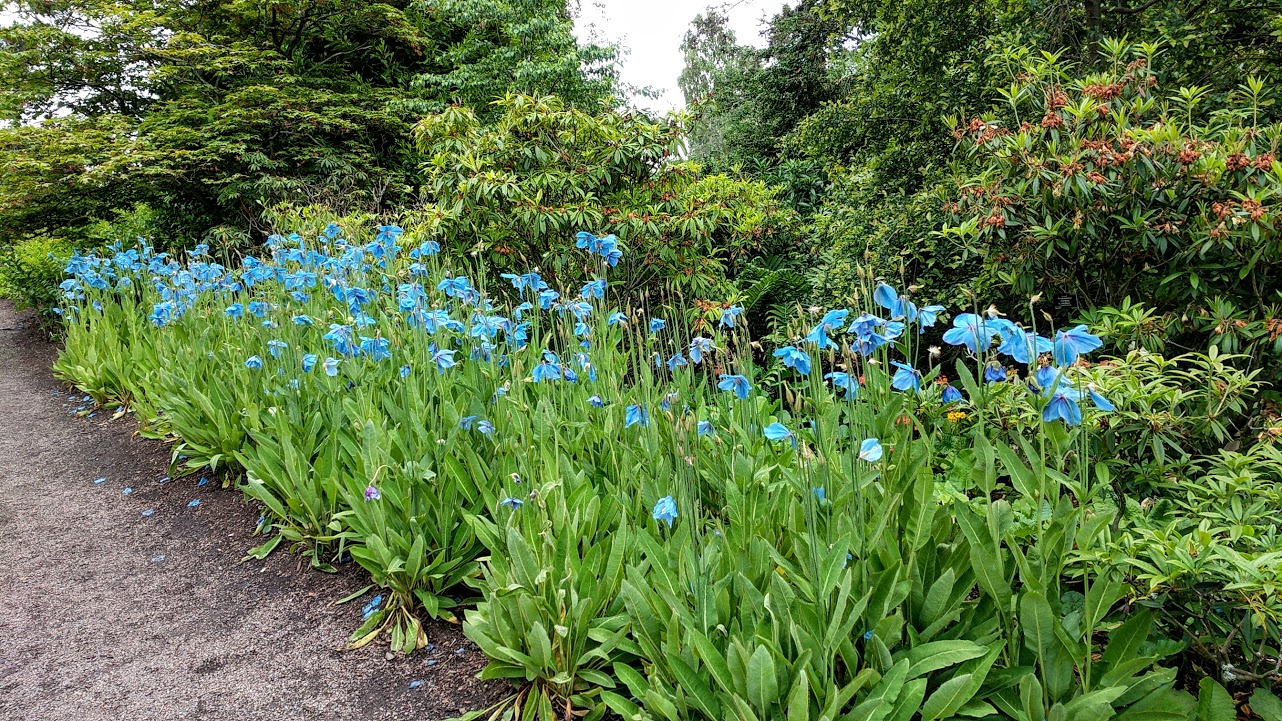
I’m not actually sure that I like that shade of blue, but no matter- we saw them in abundance and that was enough.  (Note that I have since seen them at Kildrummy Gardens among others, so they must not be so rare on this side of the Atlantic.)

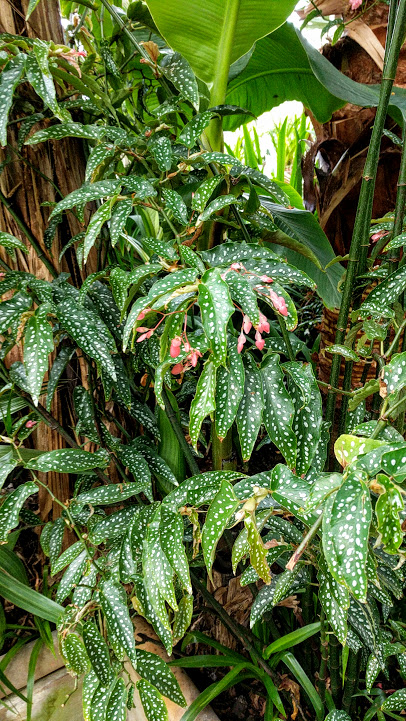
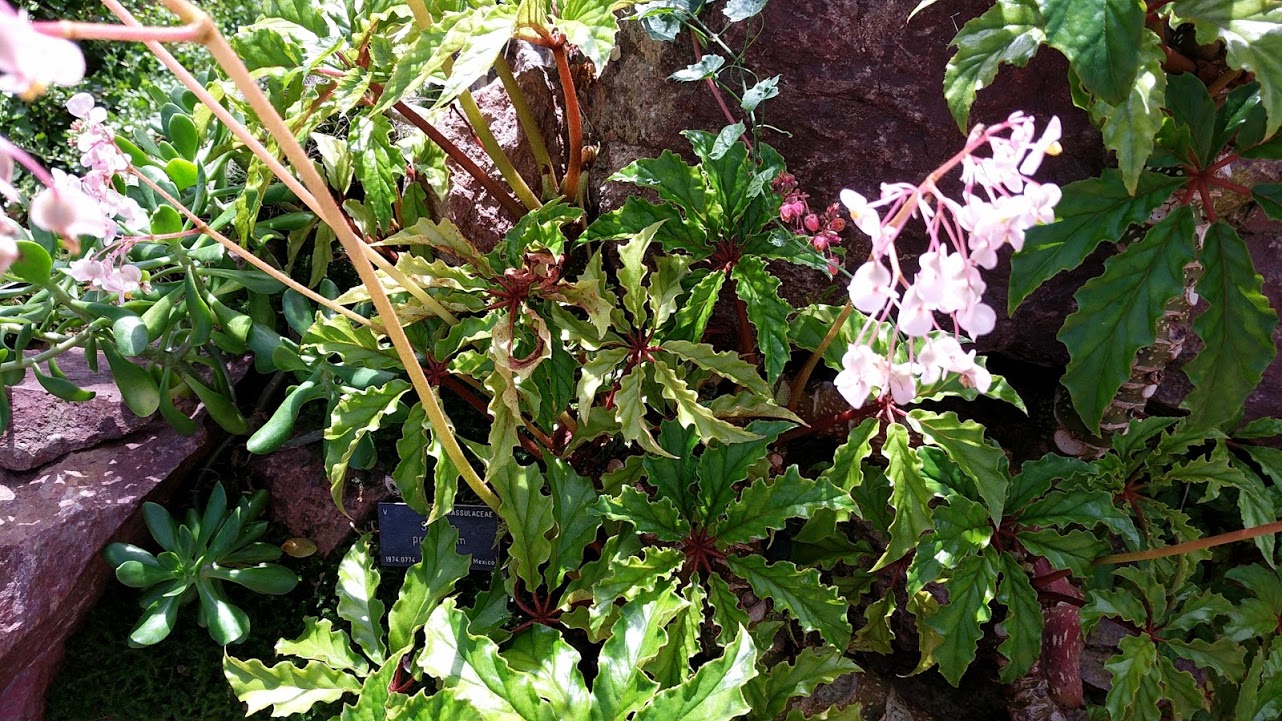
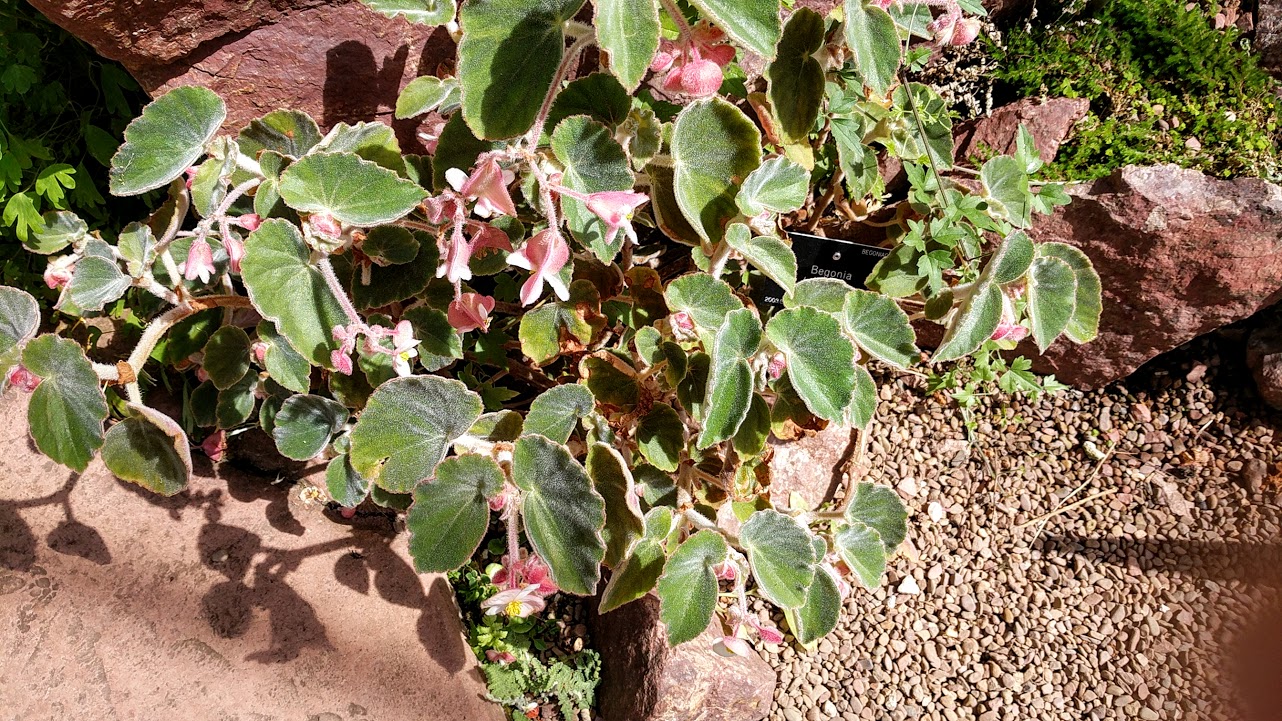
As usual, I was struck by the perfect edging and the low-cut grass with tiny daisies, quintessentially British to my American eye.  In addition, we saw the glass houses with lots of begonias and orchids. I could become a begonia collector without too much difficulty… begoniabegonia2begonia3A few more images that took my fancy:
These beautiful water lilieswater lilies

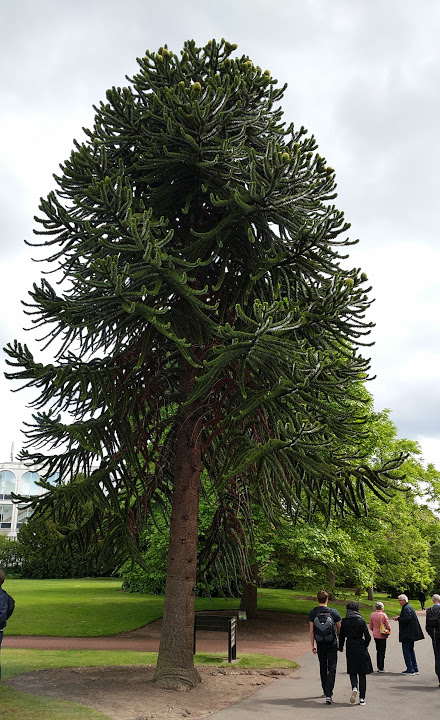
A monkey puzzle tree, just like in books!monkey puzzle

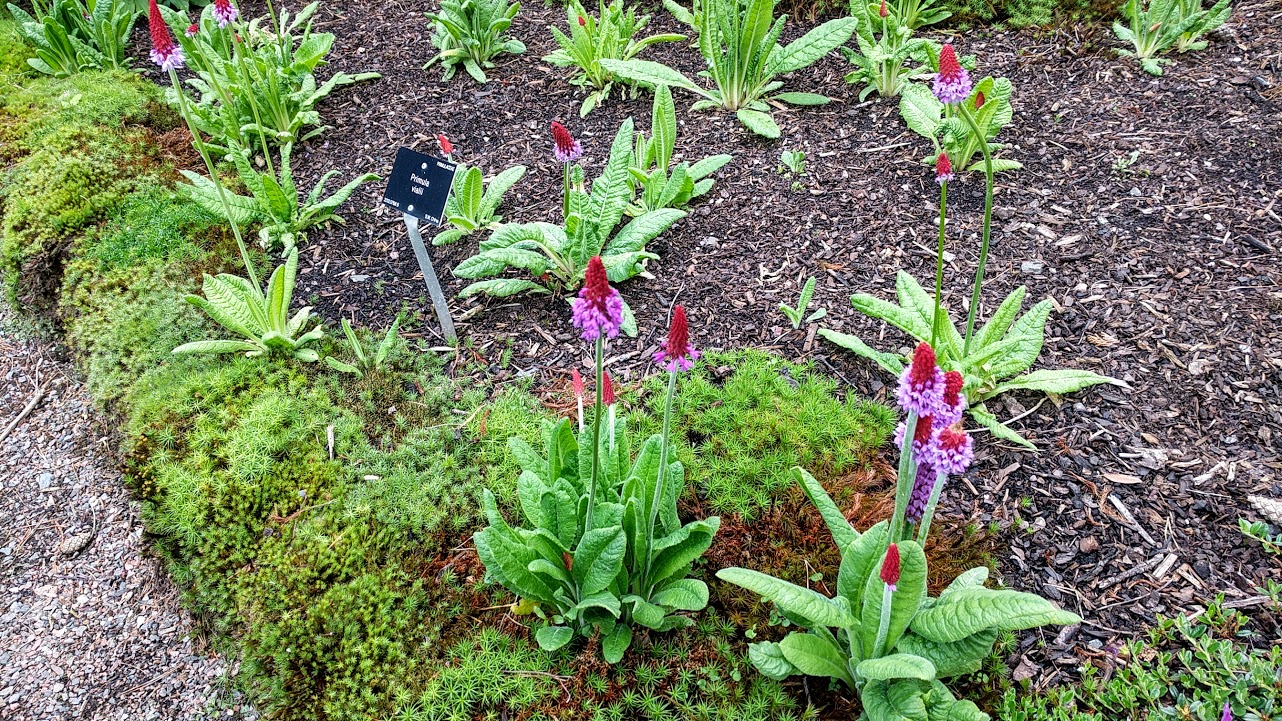
And a Seussian primula.  I wish I could grow these, but they prefer more water than Virginia usually provides.primula

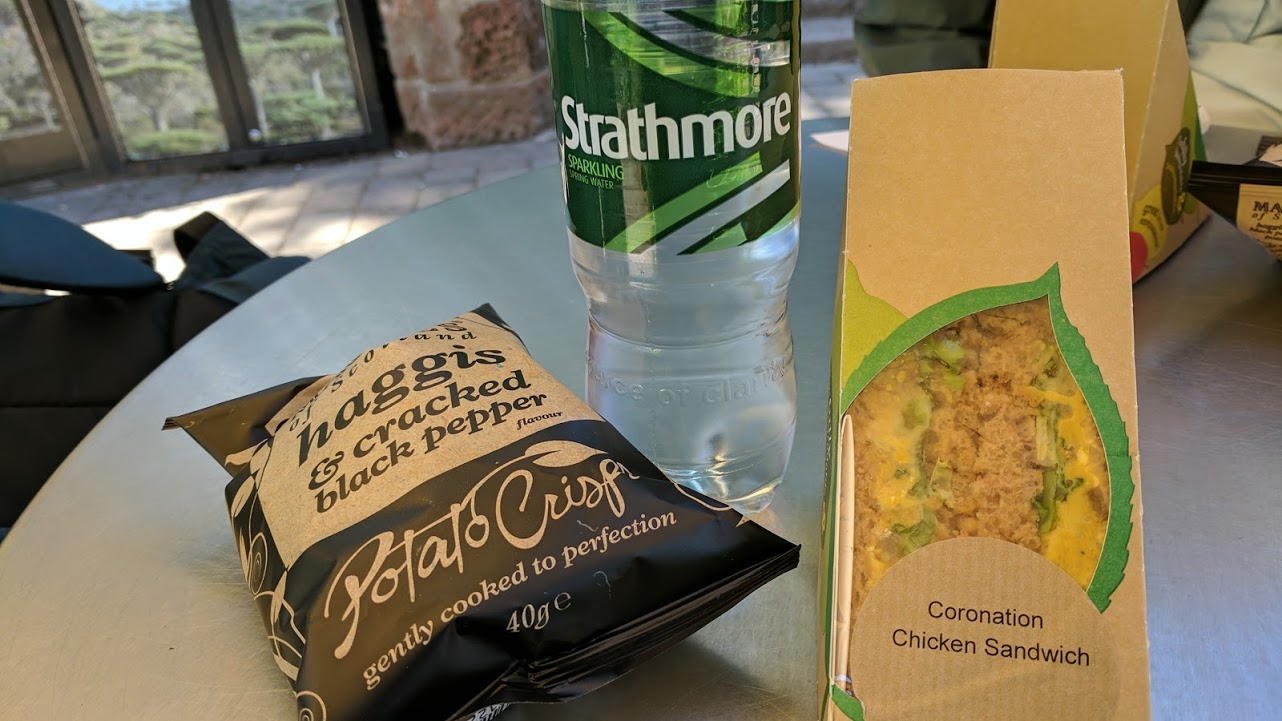
Had a sandwich lunch outside at the cafe with three of my favorite things,  lunch

and walked to the bus stop.  A very nice young woman with her young daughter helped us to find the right stop to get off at the National Museum of Scotland.  

Here, fading just a bit, we wanted to see the early people (Neolithics), the Lewis chessmen, and the strange coffins of dolls found on Arthur’s seat in the nineteenth century and never fully explained.  We saw them all.  The Neolithic stuff was organized by topic so was a bit hard to follow, but we looked for items found on Orkney and found quite a bit.  Here, for example, is a comb from the Brough of Birsay, combthough the majority of items were made of stone.  Those who are interested can find more images of objects here by searching for Orkney.  The Lewis chessmen were as charming as ever, and the strange little coffins  were just as mysterious as ever (though you can find details on what we do know in this article).  coffins A quick tea and cake in the cafe and back home again.  Dinner was next door at Badger, named in honor of the Wind in the WIllows because Kenneth Grahame was born next door at our B&B  and they are both capitalizing on this fact.  It was nice to come downstairs and just have dinner next door – game pie for me (watch out for pieces of shot!) and cheese plate for dessert – while surrounded by charming badger memorabilia.  badgerThen home to pack in prep for leaving tomorrow.
Spring sowing

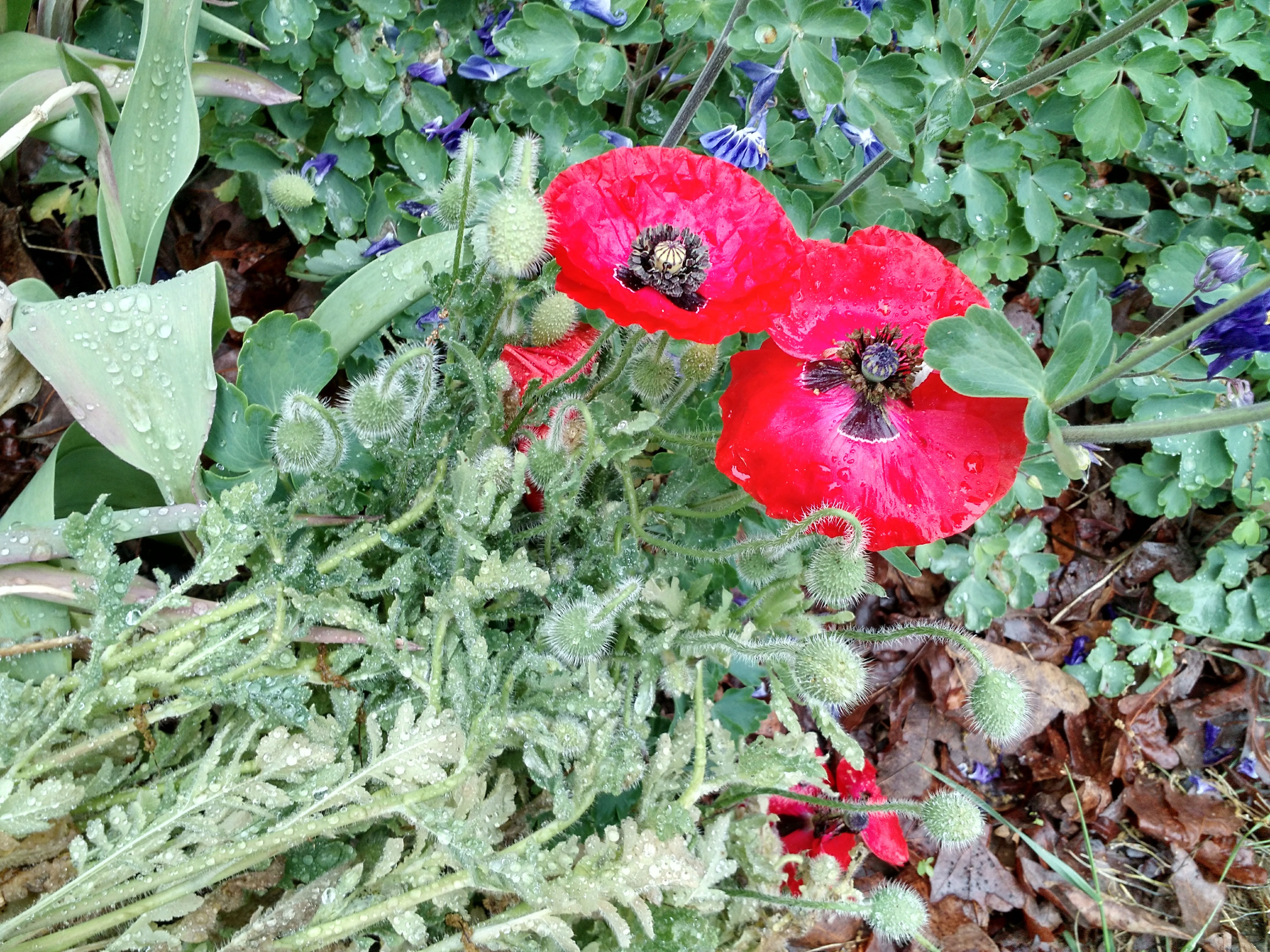
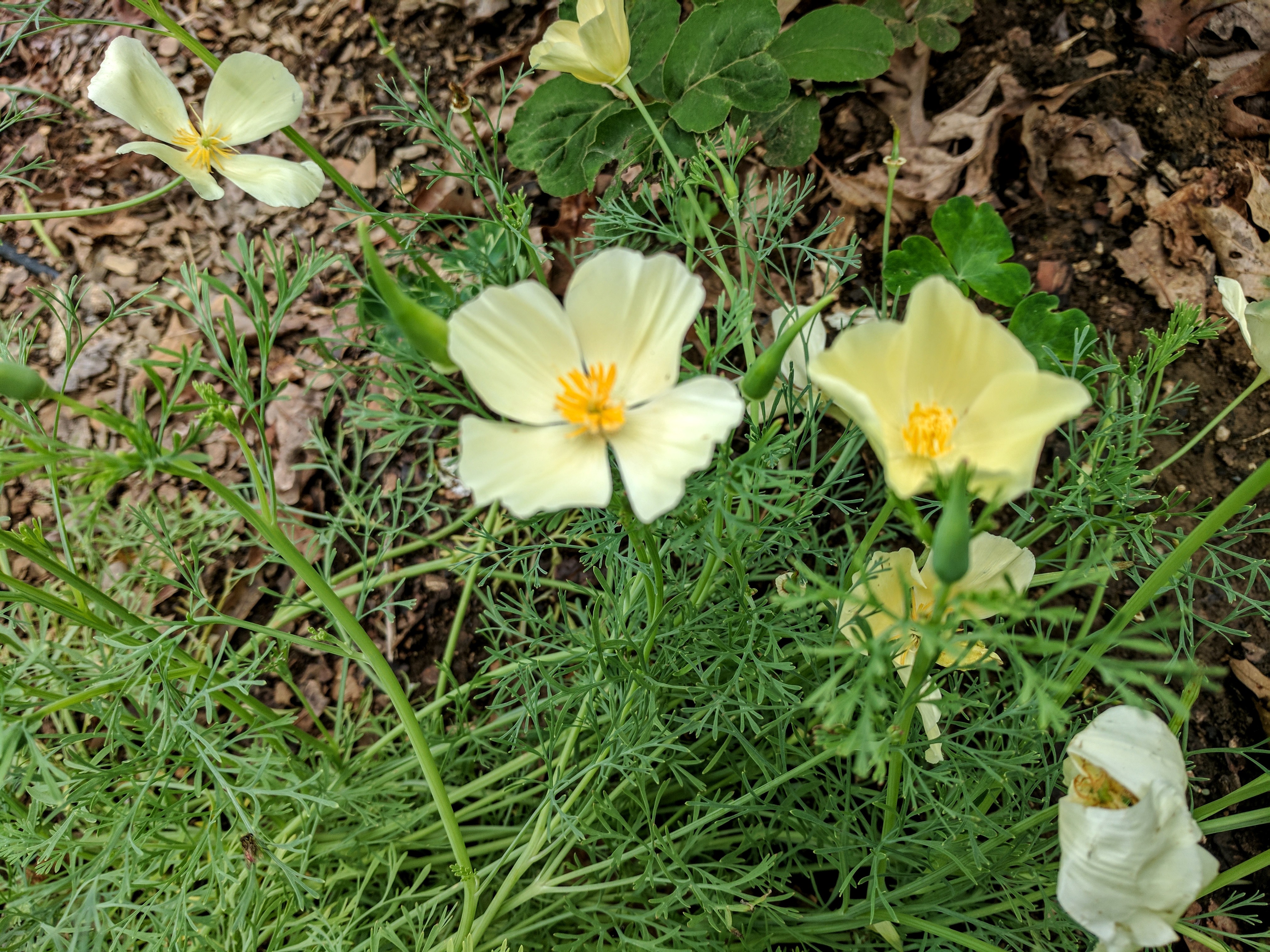
Poppies, both buttercream and the classic WWI variety, were a great success, sowed in late February and blooming in mid- to late May.red poppies

buttercream poppiesMeanwhile, as you can see from the fallen petals above, the columbines self-sowed with great vigor.  You would hardly know that the great culling of 2016 had ever taken place!  Here’s the sunny garden, still chock full of blue columbines (plus the purple allium ‘Sensation,’ I think).blue columbines I am continuing to pull them out once they’ve seeded, so I’m probably not making much progress…  I do try to shake the interesting colored ones, like this white one, in hopes that they’ll spread and grow next year.white columbine
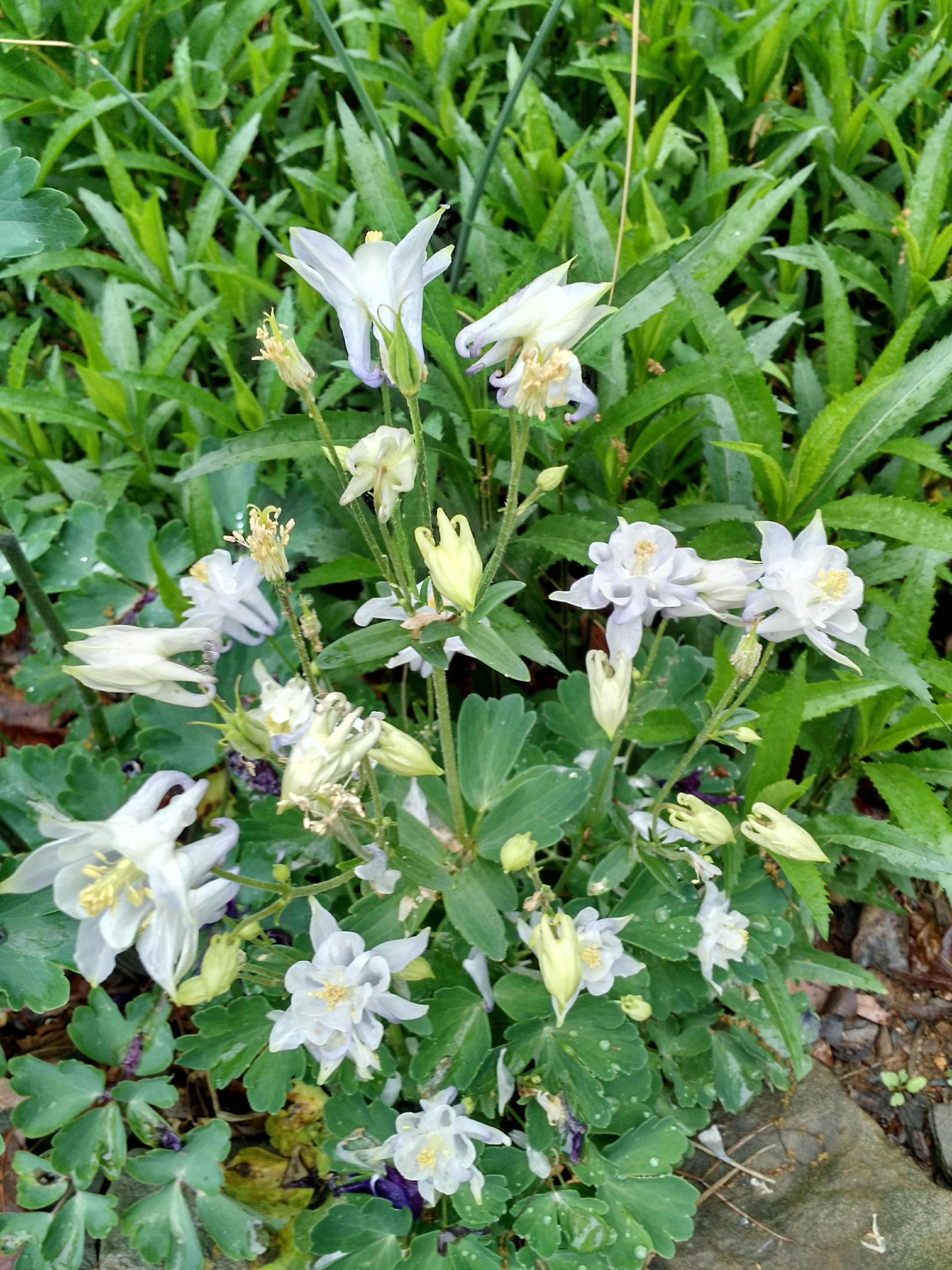
Additional seeds are sugar snap ‘Anna,’ doing very well this year after a slow start (I sowed them in February but they didn’t do anything for about a month); zinnias and cosmos; and some vines for the trellises.  They’re up but not doing much yet.

Spring Bulb Recap…

…which is a nice way of saying that I have neglected this blog in favor of the faster blip of Instagram posts.  The original purpose of the blog was to document my garden so that I could learn from my mistakes and notice changes.  Of course, over time I’ve included travels and quilting, but in the original spirit of things, here’s a whirlwind tour of what happened this spring.

When Your Plan Actually Works

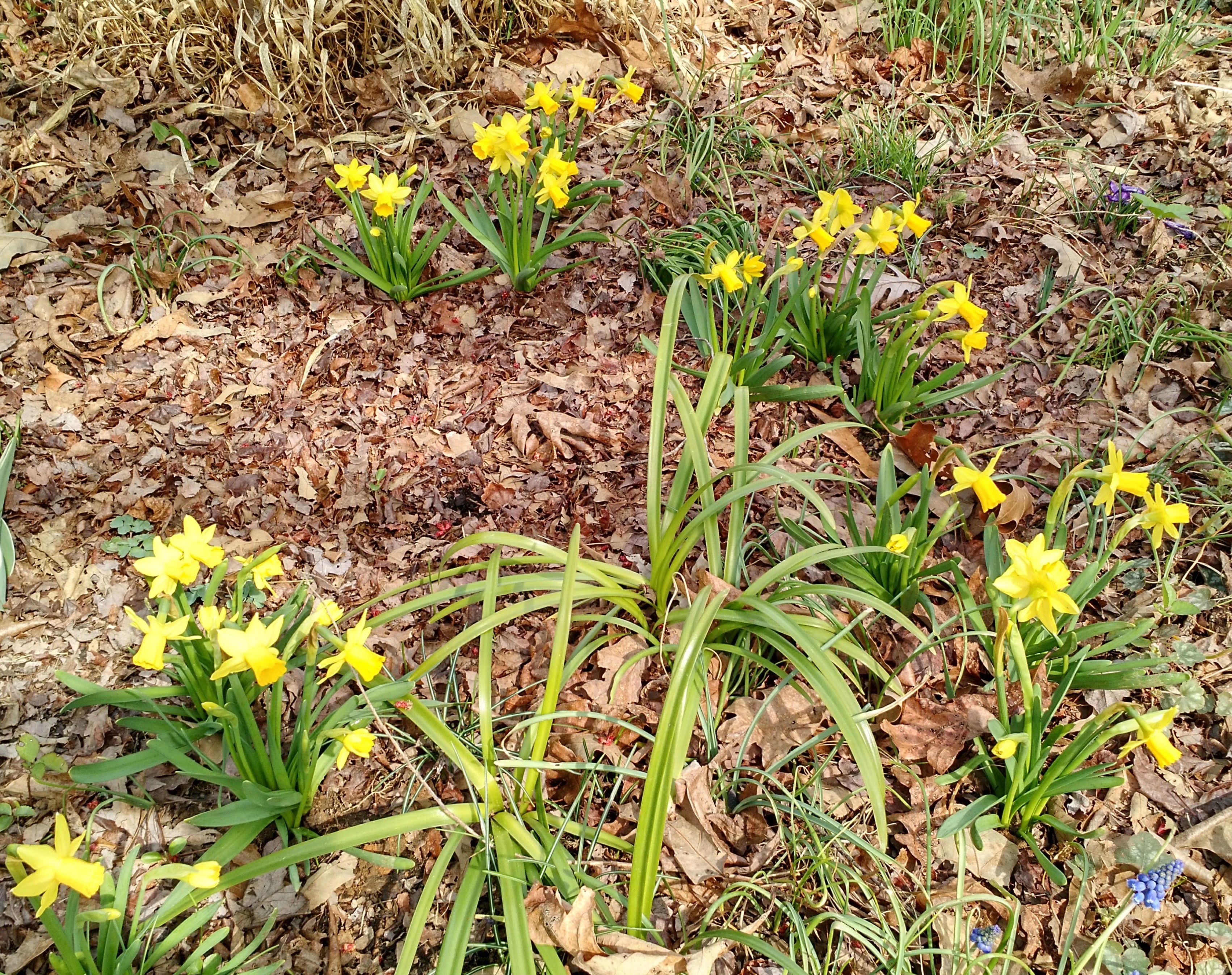
The ‘Tête‑à‑tête’ daffodils did just what they were supposed to: add color to the early spring garden in front.  As a bonus, they bloomed with the grape hyacinths, great color combo.  These were perfect and I may get more to add under the maple tree next year.  tete-a-tetes

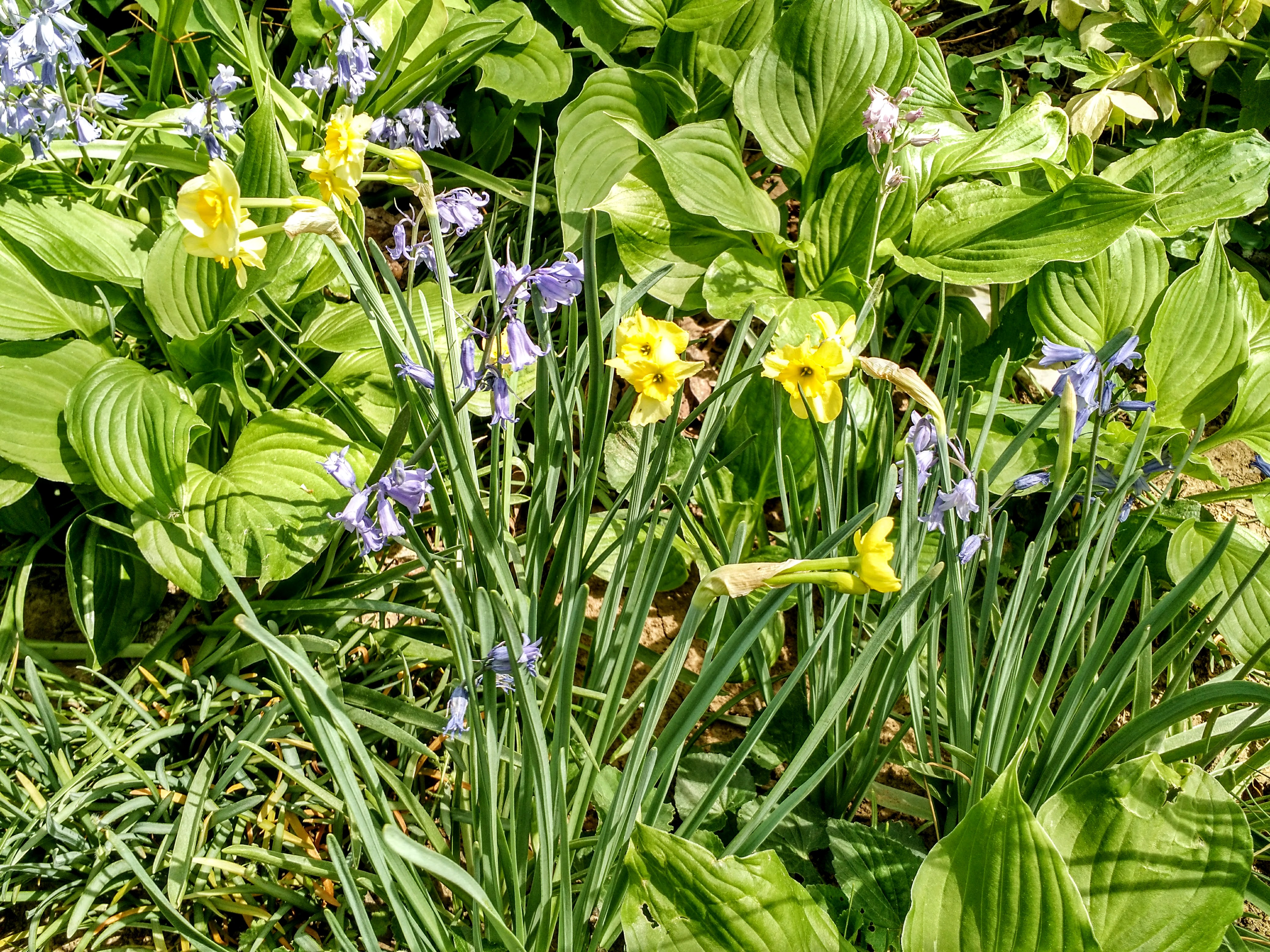
I love the English bluebells with the pale yellow daffodil ‘Sun Disc.”  Every few years they actually bloom together the way they are supposed to, and this was one of the years.bluebells and daffodils

When You Had No Plan and It Still Works

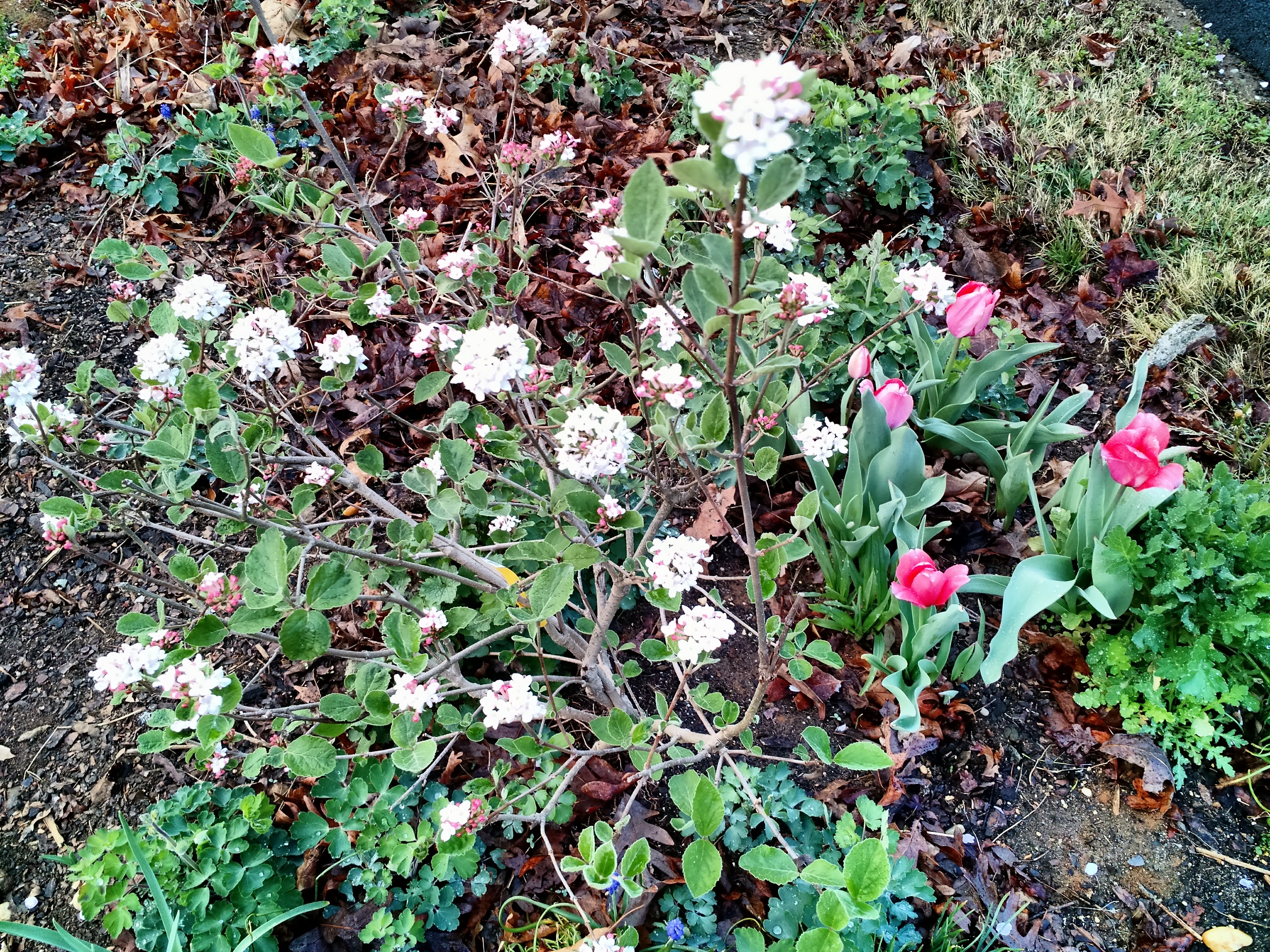
These pink tulips (French single late from WFF?) beautifully echoed the pale pink viburnum ‘Judd.’  I did not realize I was doing this but will take all the credit for it anyway.  Will they bloom at the same time next year?  We’ll see.

Viburnum and tulips

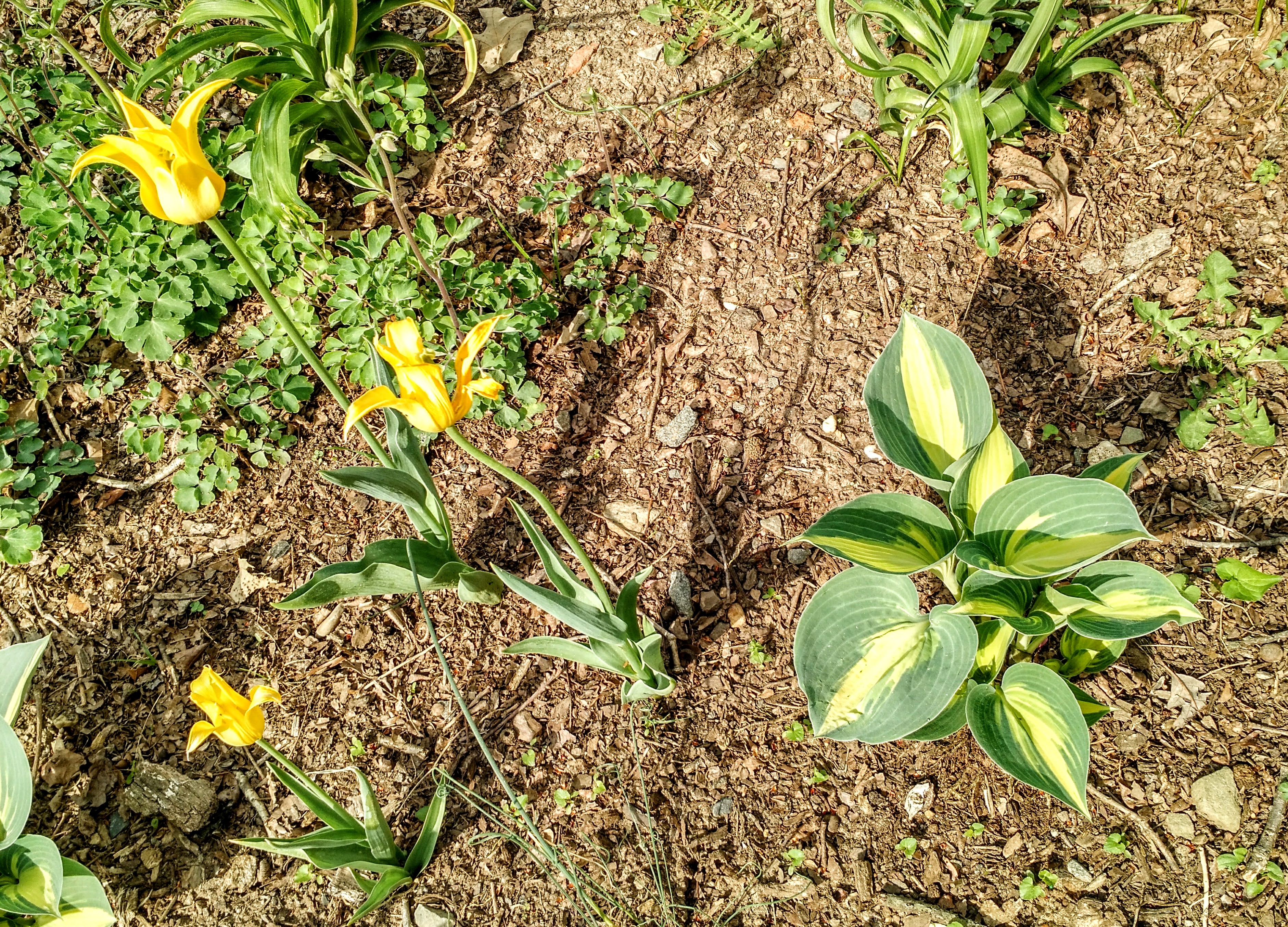
The yellow hostas and yellow ‘West Point’ are another striking combination for which I will also take )unwarranted) credit.westpoint2

Old Favorites Do Well

These are Tommy crocuses caught in just the right amount of sunshine.Tommies

And these are my favorite lily-flowered tulips, ‘West Point,’ that go on year after year.  I hope these do the same even though they’re in a pot.Westpoint

Echoing Ruth Krauss, daffodils are to give everybody enough.daffodils for cutting

Sometimes There’s a Mystery

The ipheion in the walkway bed seem to have petered out, so I ordered more.  Here is one, looking a bit different from the originals, in the bed by the sidewalk.  So I think it’s ipheion ‘Constellation of Blue Stars’ but maybe not?Ipheion maybe

For next year:  more anemone blanda, especially under the maple tree.  I also added more trout lilies and English bluebells under the oak tree, and that was a Good Thing.

The Great Culling of 2016

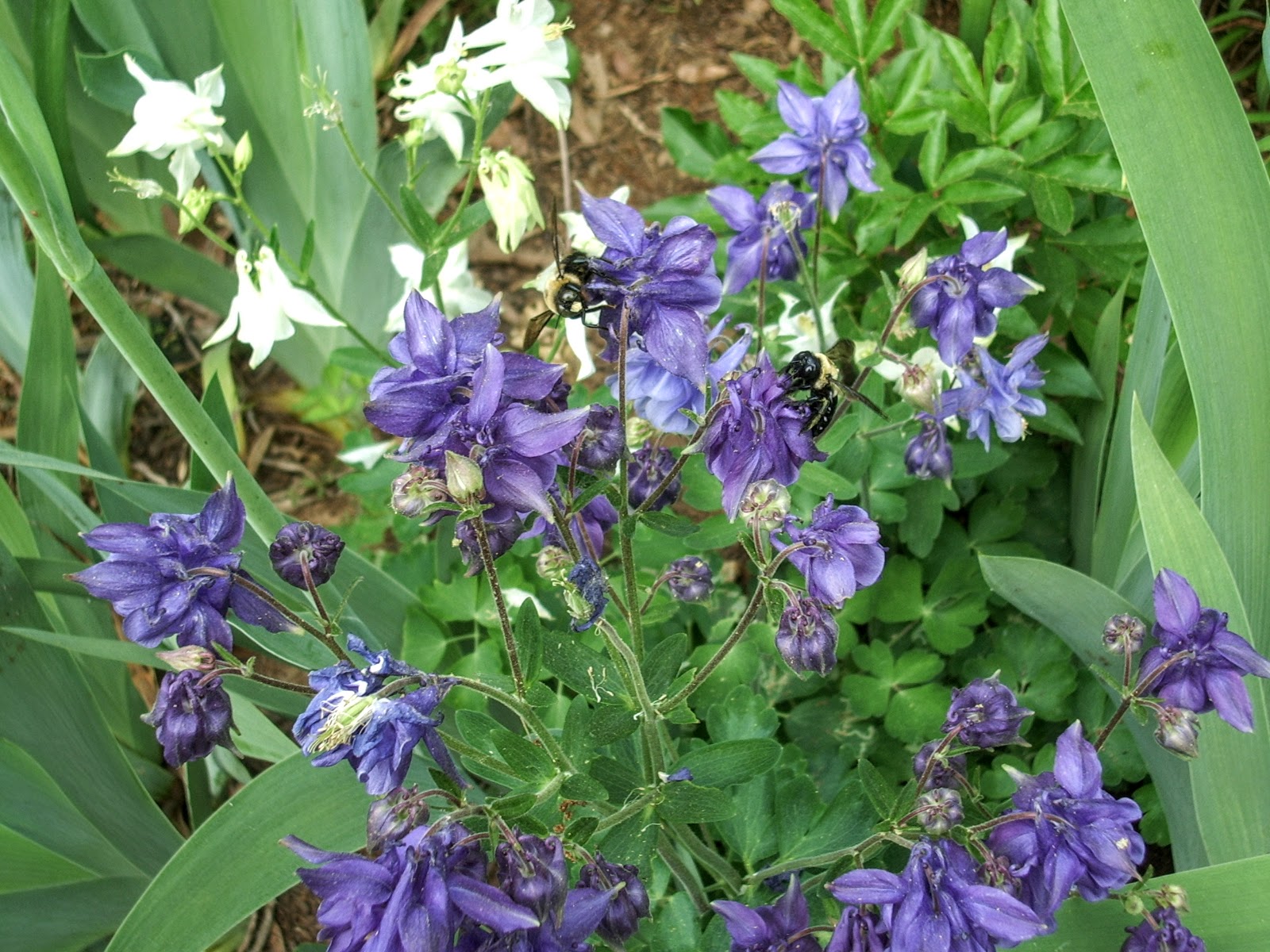
Years and years ago, Mom gave me some of her columbines, mostly blue, and they happily grew and self-seeded throughout the garden.  The bees love them (as you can see below), they provide a sea of blue in April and May, and they fill in lots of gaps.

Bees on the columbine

Bees on the columbine

But this year I looked around and realized that the columbines had taken over.  They were EVERYWHERE, leaving no room for what had been purposely planted and no room for any new plantings or annual seedlings.  Time for the great culling!

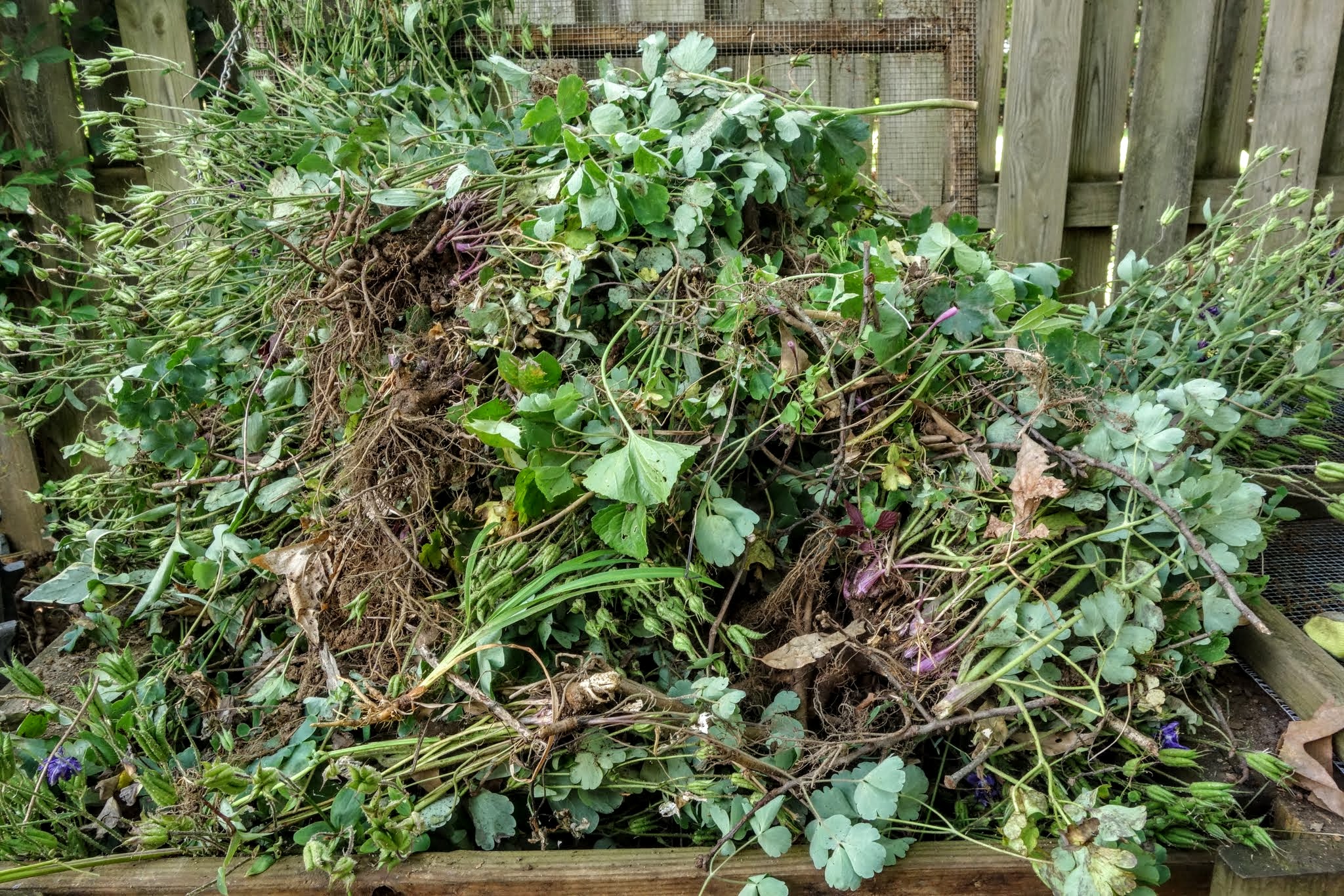
I learned quickly that although they have self-seeded, many must have come back every year, digging their fleshy roots even deeper into the ground.  Here’s just one pile of uprooted plants, sent to the compost pile (where they will doubtless self-seed again).columbines in compost

If you look closely, you can see how big some of those roots are.

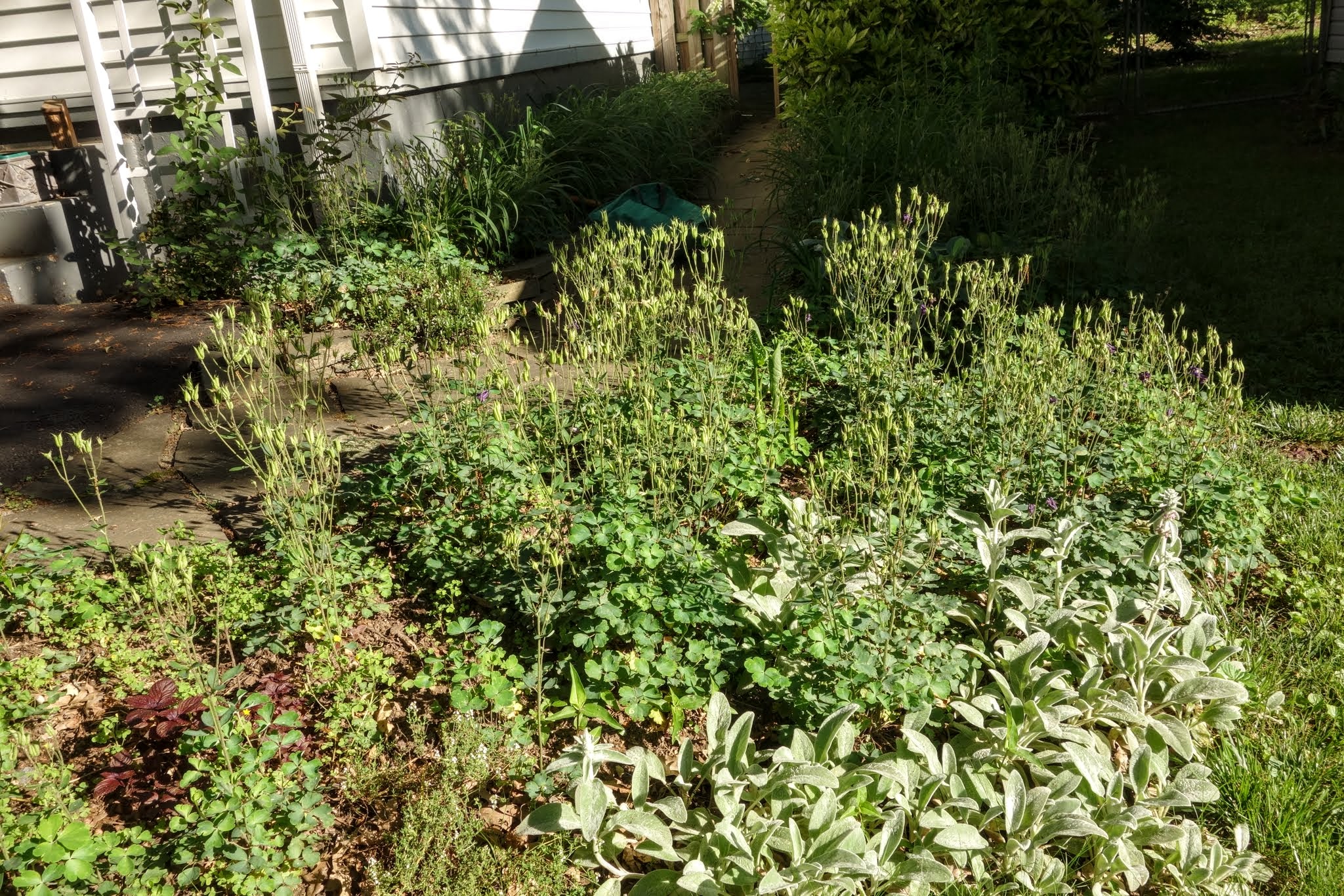
I started in the sunny border, then moved on to the front side garden (underneath the bedroom windows) and finally turned to the walkway garden.  To see what a difference it makes, here is a before picture of the walkway garden:columbines before

All those upright stems are seedheads, ready to start the cycle over again.  But after the culling you see this:after columbines

I’ve planted three Juno hostas and you can actually see them now.  The calla lilies, which I got as a freeby with a bulb order years ago, have room to grow and might even bloom this year.  The bare ground I’ve sowed with zinnias in hopes that they will fill in and add some color.  A very satisfactory result.