Category Archives: Amsterdam

Image

Last Hurrah in Amsterdam

Today dawned cool and cloudy, the kind of weather that makes it hard to tell what time of day it is. But we forged on to Centraal Station, where we scoped out tomorrow’s train and then found our tram for the Hermitage Amsterdam.

This Hermitage is related to THE Hermitage, of Russian fame, which for many years has been lending exhibits from Russia to this location and others. However, the Board here decided after the Ukraine invasion that they could no longer support this partnership:

Russia’s attack on Ukraine made this aloofness no longer tenable. The Board and Supervisory Board therefore decided on Thursday, March 3, 2022 to sever ties with the State Hermitage Museum. The museum on the Amstel is now reflecting on its long-term future. 

Well, good for them, I say!

The current exhibit is called Rembrandt and his Contemporaries and focuses on “history paintings,” which are often religious in nature. The show includes only two actual Rembrandts, though they are both stellar, one a gorgeous painting of Minerva (likely modelled on his Rembrandt’s wife Saskia),
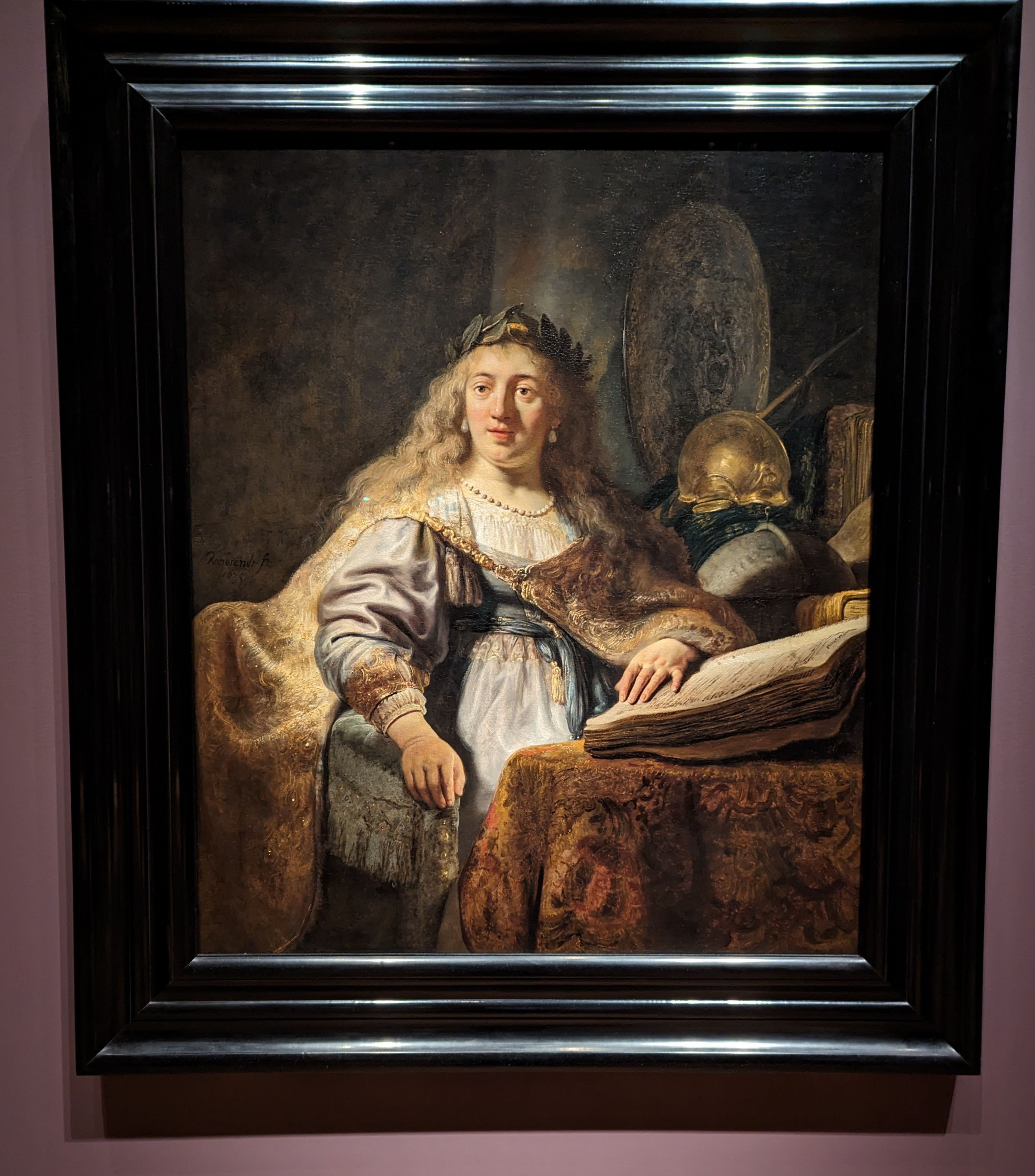
and the other a jewel of a small portrait done in grisaille. The others are paintings by teachers, students and friends including Jan Steen (who adds a necessary robust humor to the proceedings)
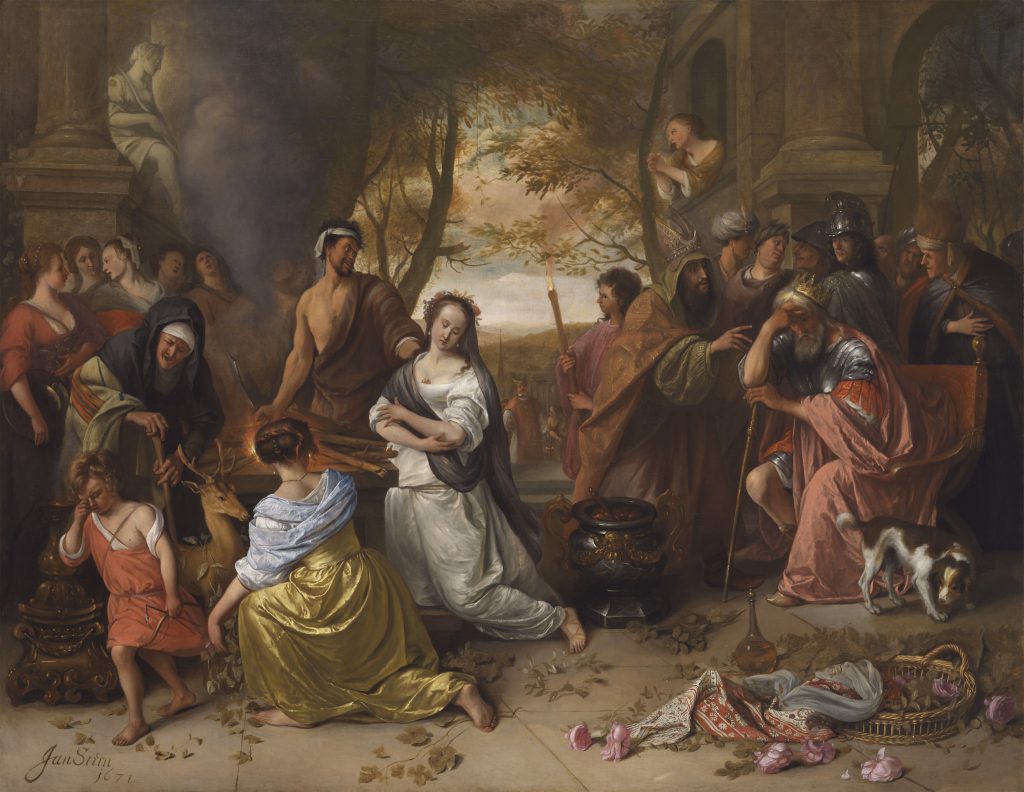
and Carel Fabritius, he of the Goldfinch (and the one who died far too early when an arms store in Delft blew up).

The show was interesting enough, and we had to marvel at the founders of the Leiden collection, who have more money than you can imagine and over twenty years have collected lots and lots of paintings from the Golden Age of Dutch art. Very kind of them to share it all with us!

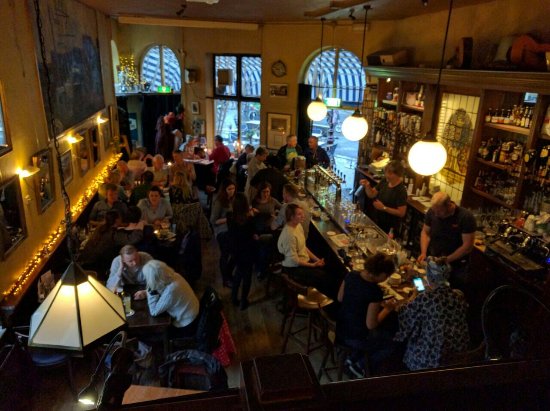
Time for lunch, and a kind woman in the elegant museum cafe that seemed to feature only coffee and cake recommended that we try a “brown cafe” just around the corner. These are traditional cafes that are called brown I think because of all the pipe smoke over the centuries. With pea soup (me) and cheese toast (Alison),
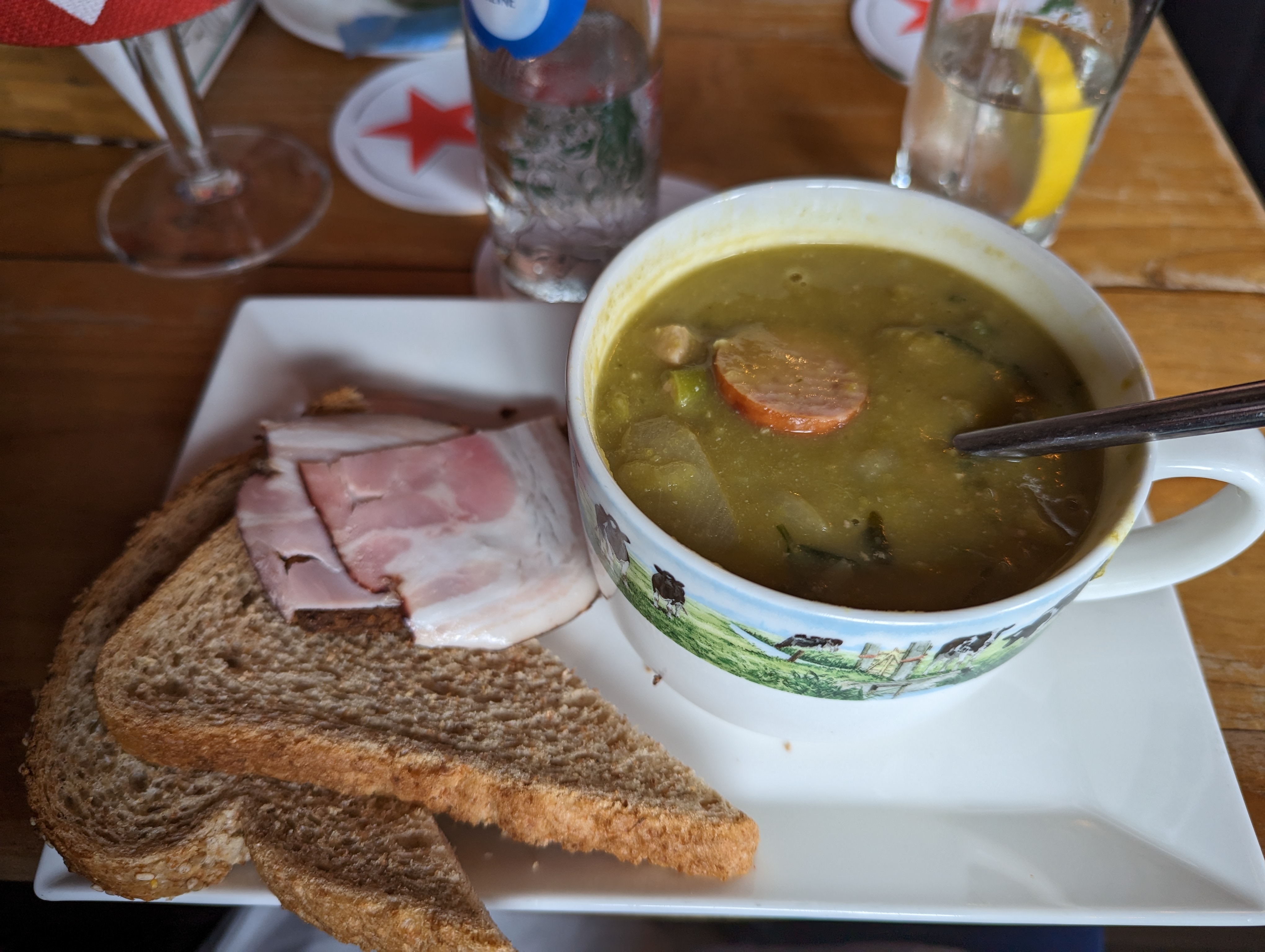
we enjoyed a warming lunch while perched on the upstairs level of the small bustling cafe. I particularly noticed this family group, with the parents featuring zipper motifs on their clothing!

We contemplated visiting the Dutch Resistance Museum, but a combination of museum legs and our need to pack up for tomorrow’s train led us to regretfully turn back home. Next time!
Image

Walking through the Jordaan

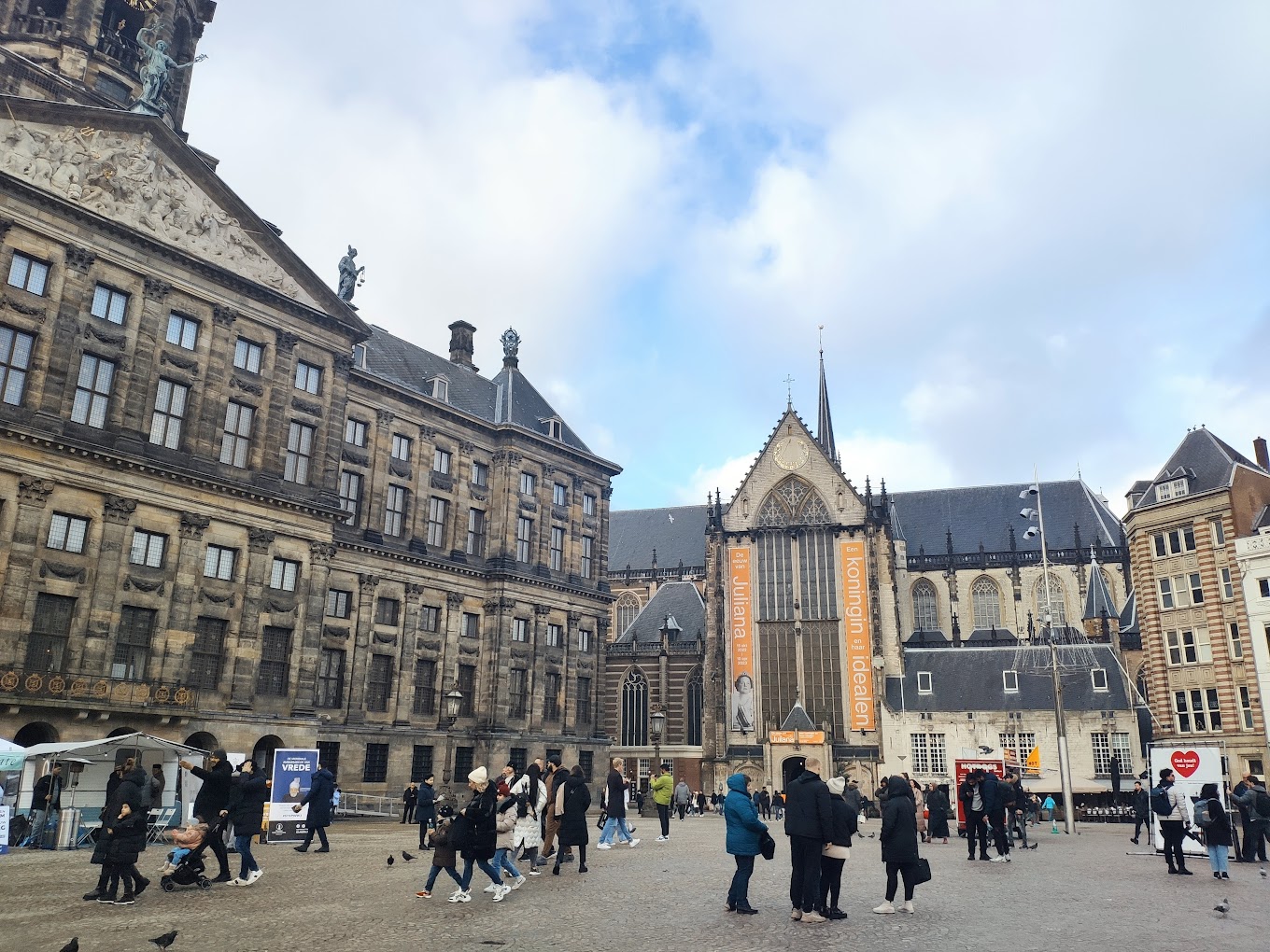
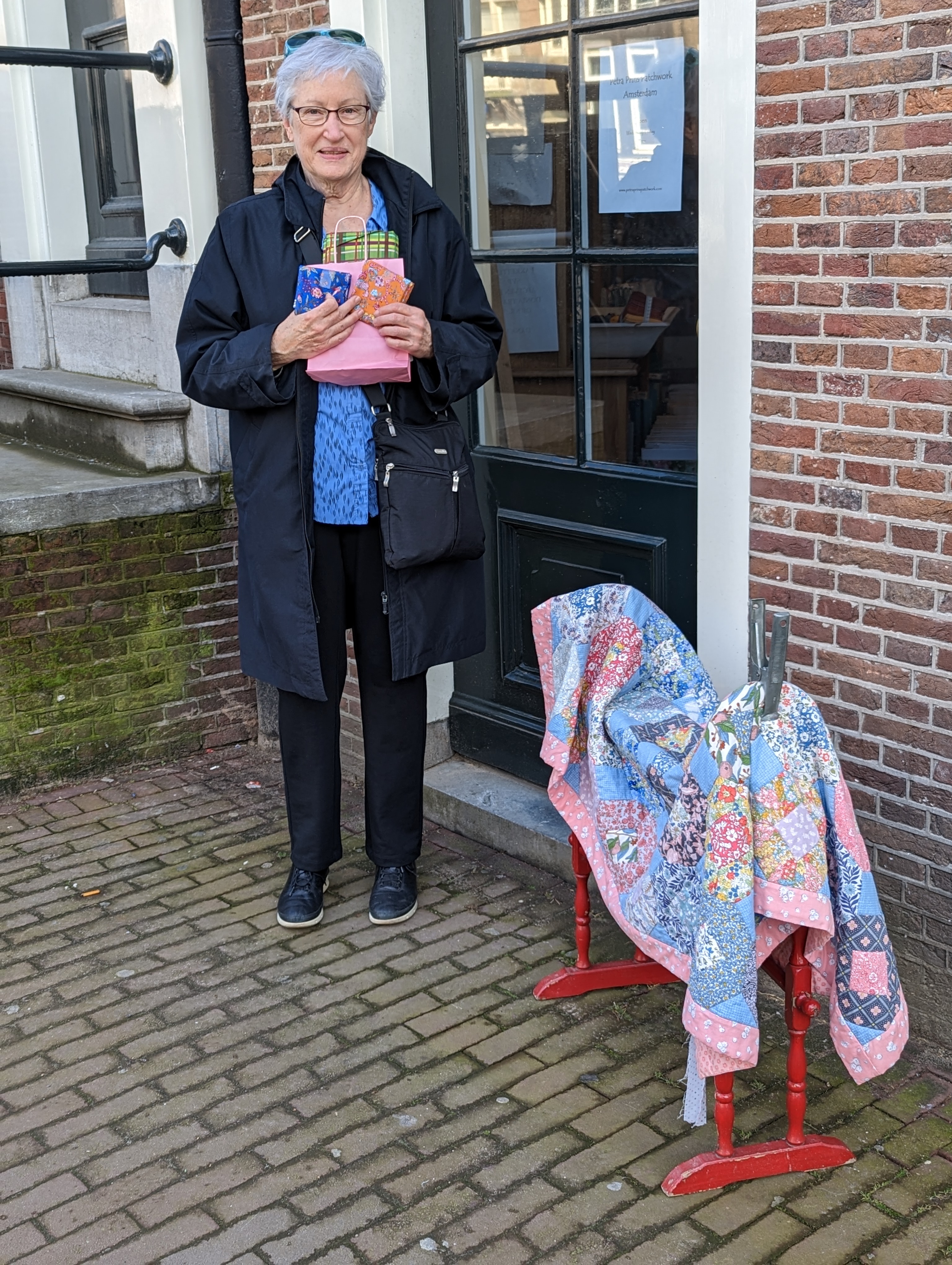
After last night’s little contretemps, and because we had no appointment times to worry about, we slept late and took our time getting started. From Centraal Station we walked in a leisurely way down to Dam Square, filled with tourists like us. We slipped past the Juliana exhibit and found our way to, of all things, a quilt shop! In fact, two of them!

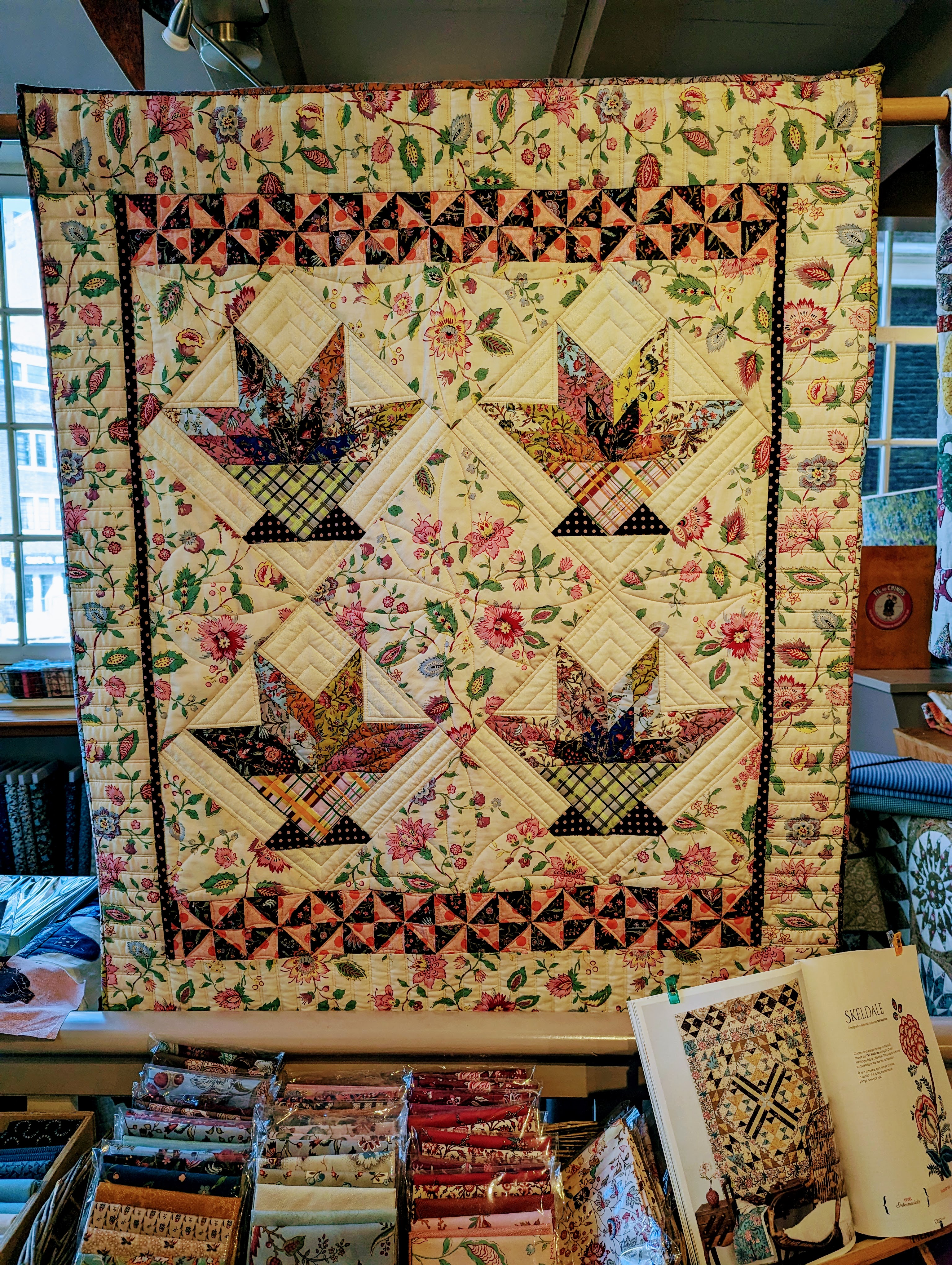
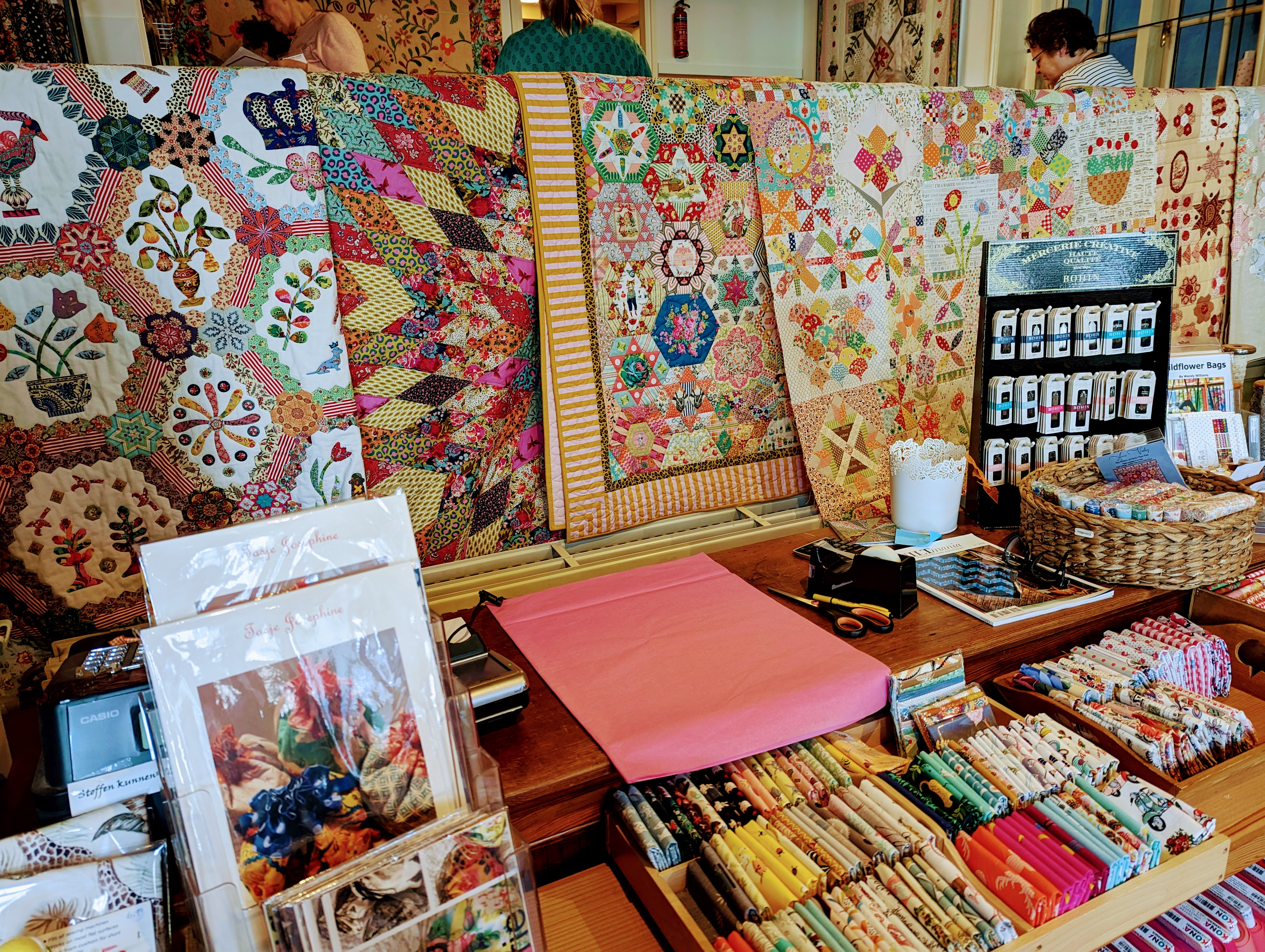
On our last trip I took home several fat quarters from Den Haan & Wagenmakers, so of course I wanted to return so that I could collect more unused fabric more of these delicious fabrics and make them into a quilt – eventually. Imagine my delight to discover that well-known Dutch quilter Petra Prins has a shop that adjoins Den Haan! Since I have no room in my suitcase, I brought only a few fat quarters back with me, but I enjoyed chatting with the staff (who, like everyone else in Amsterdam, with only minor exceptions, spoke English). The place was bustling with a couple of bees that were working on applique and other handwork, and the mood was entirely warm and friendly.

Very traditional quilts, but with bright colors and playful designs. Yum!

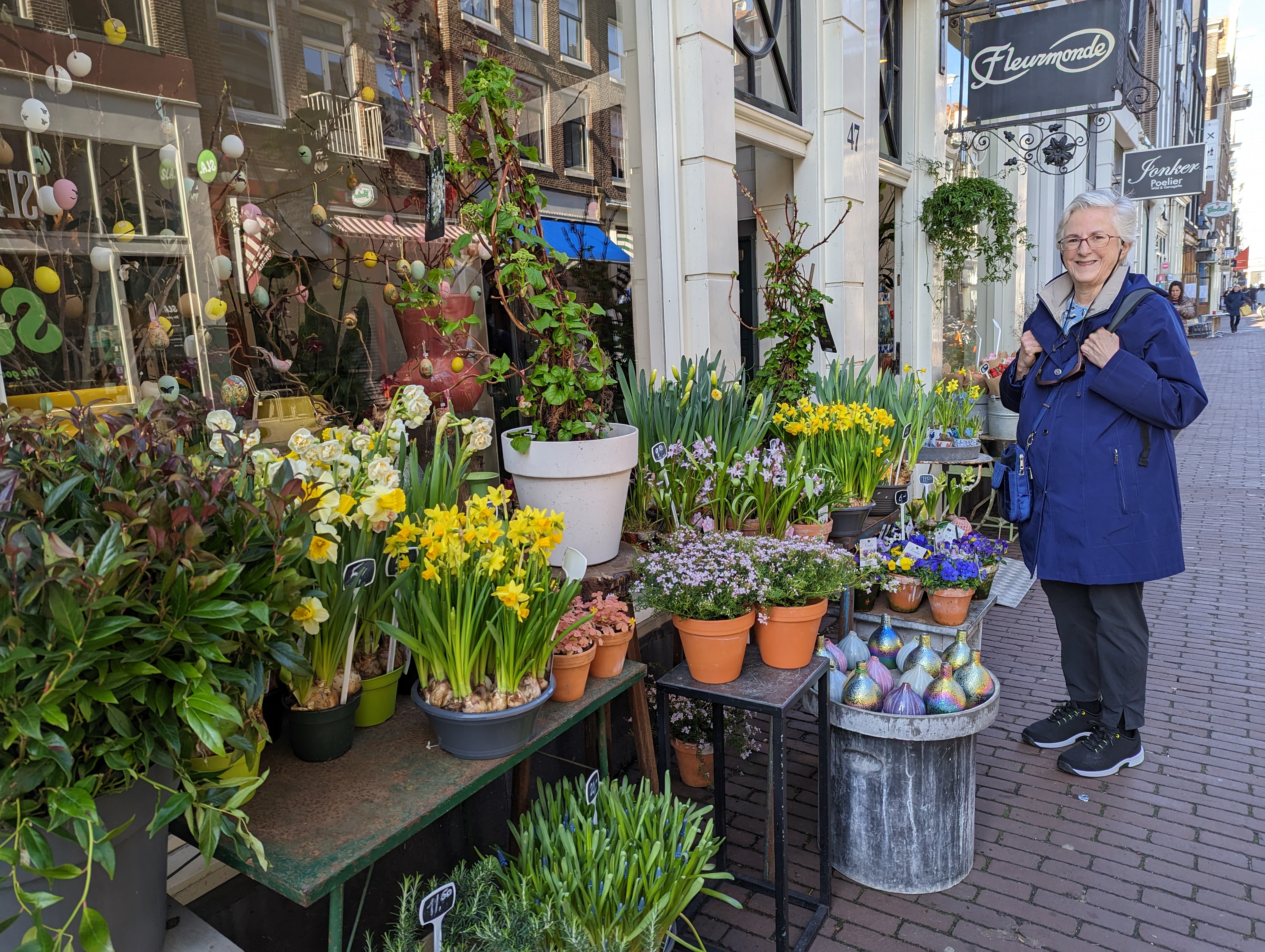
Our main focus was a walk through the Jordaan district, following Rick Steves’s directions. We enjoyed the flower shops like this one,

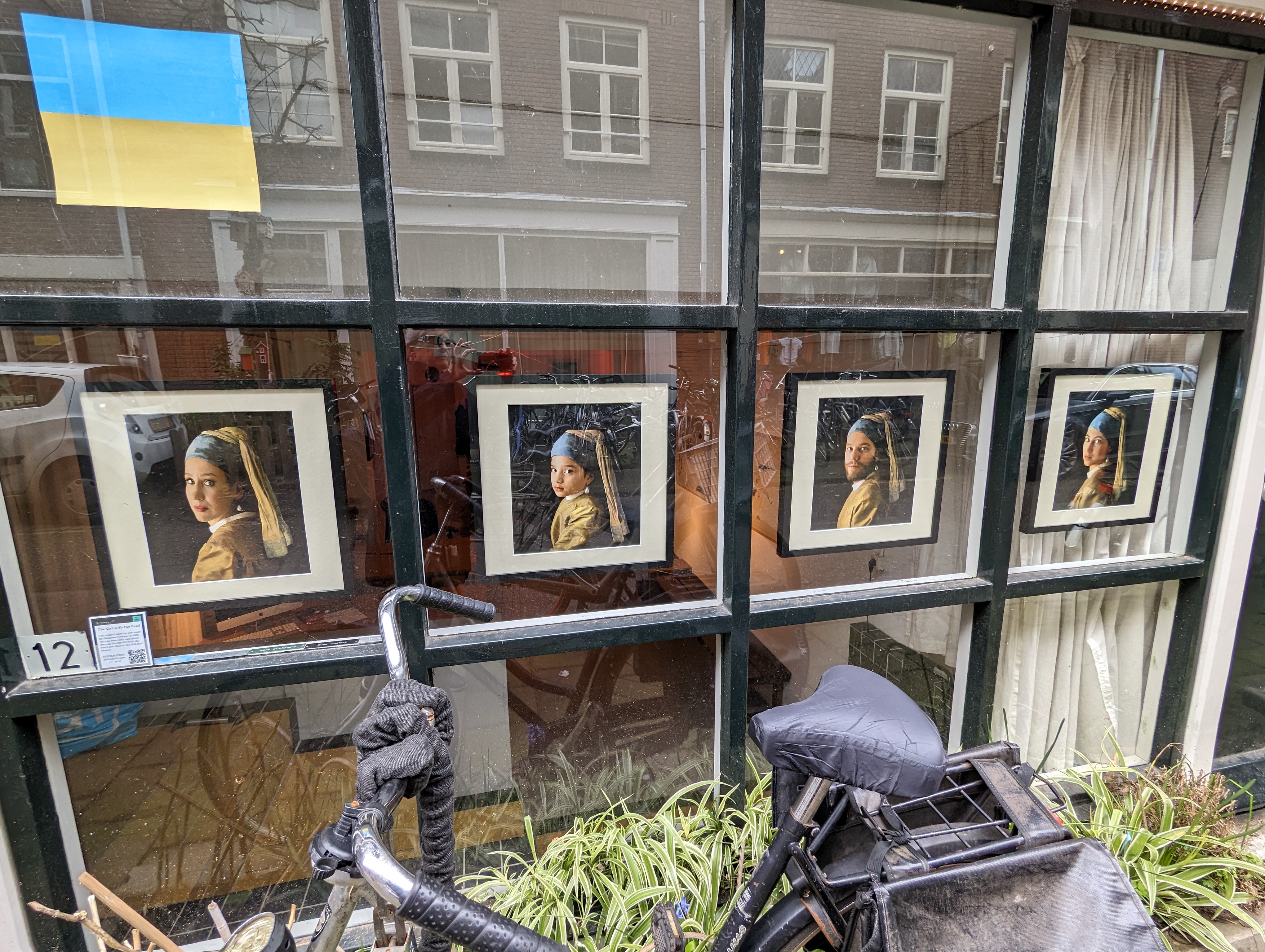
this display of many people with a pearl earring,

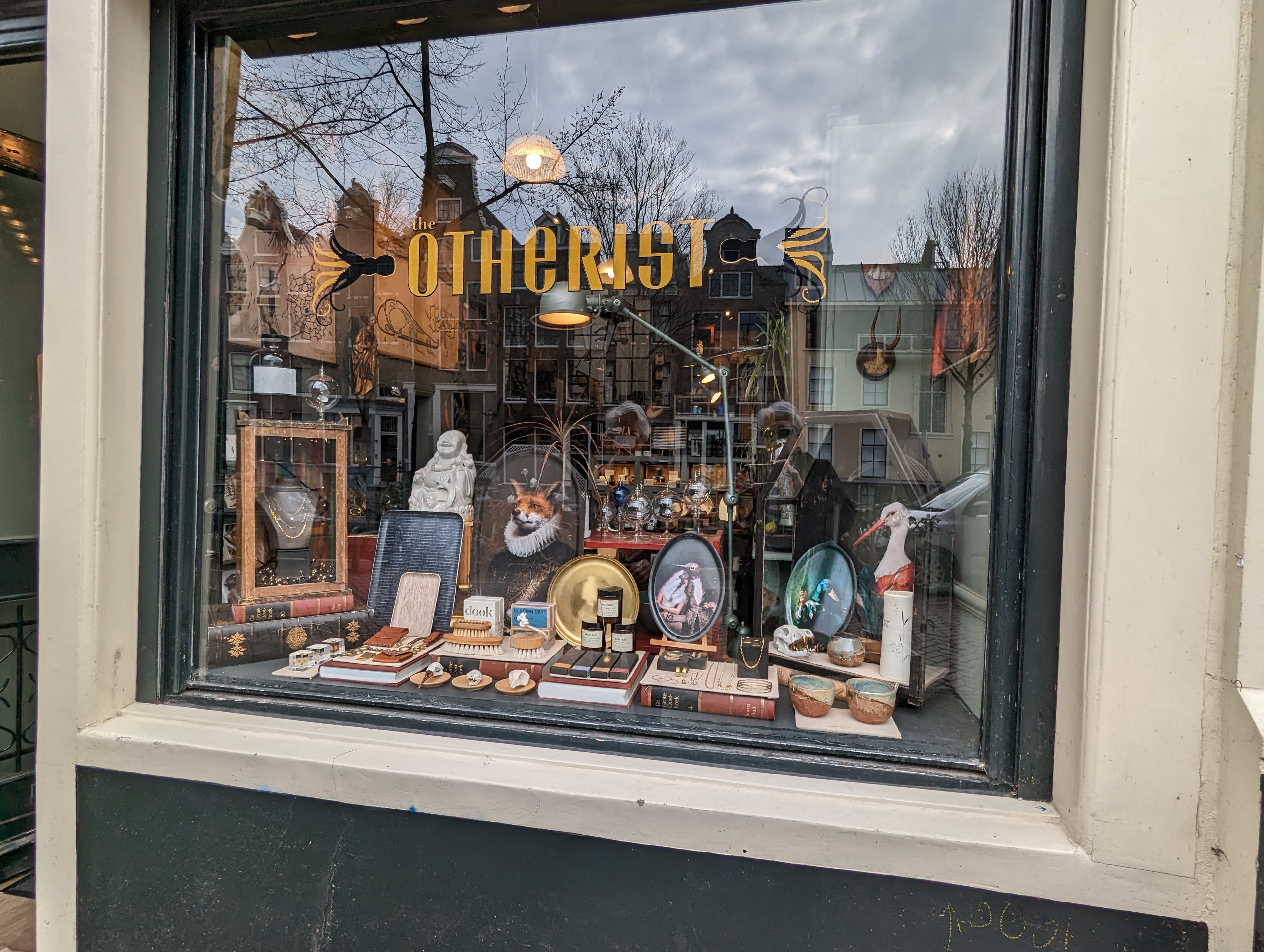
this elegantly quirky shop

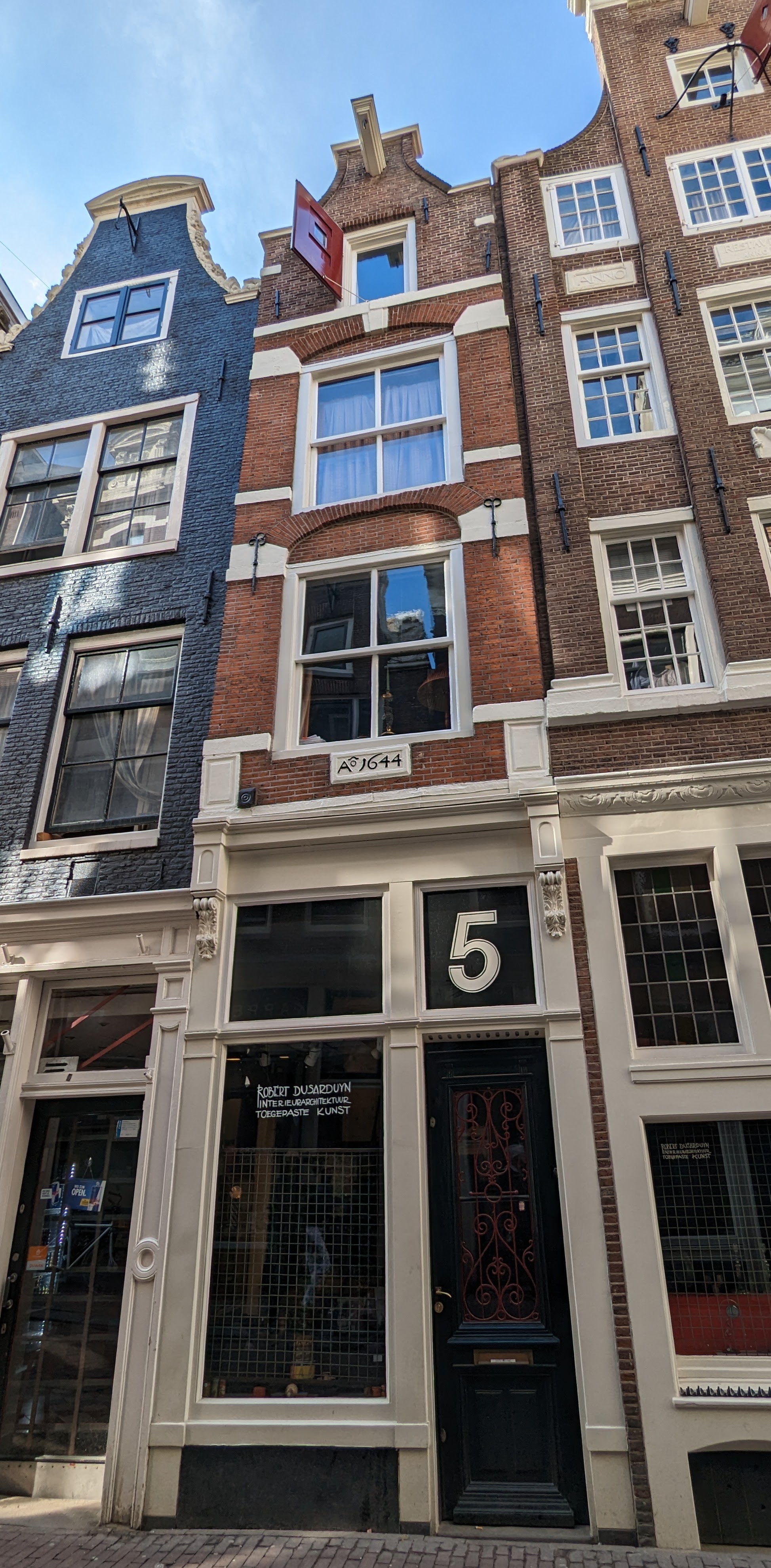
and this historic house on the Moolsteeg, dated 1644, one of the oldest in Amsterdam.

Hard to tell in this photo, but the house leans just a bit out to the street so that when you attach a pulley to the hook above, you can hoist your cargo safely up through an upper-story window. Once you notice the hooks, you see them everywhere!

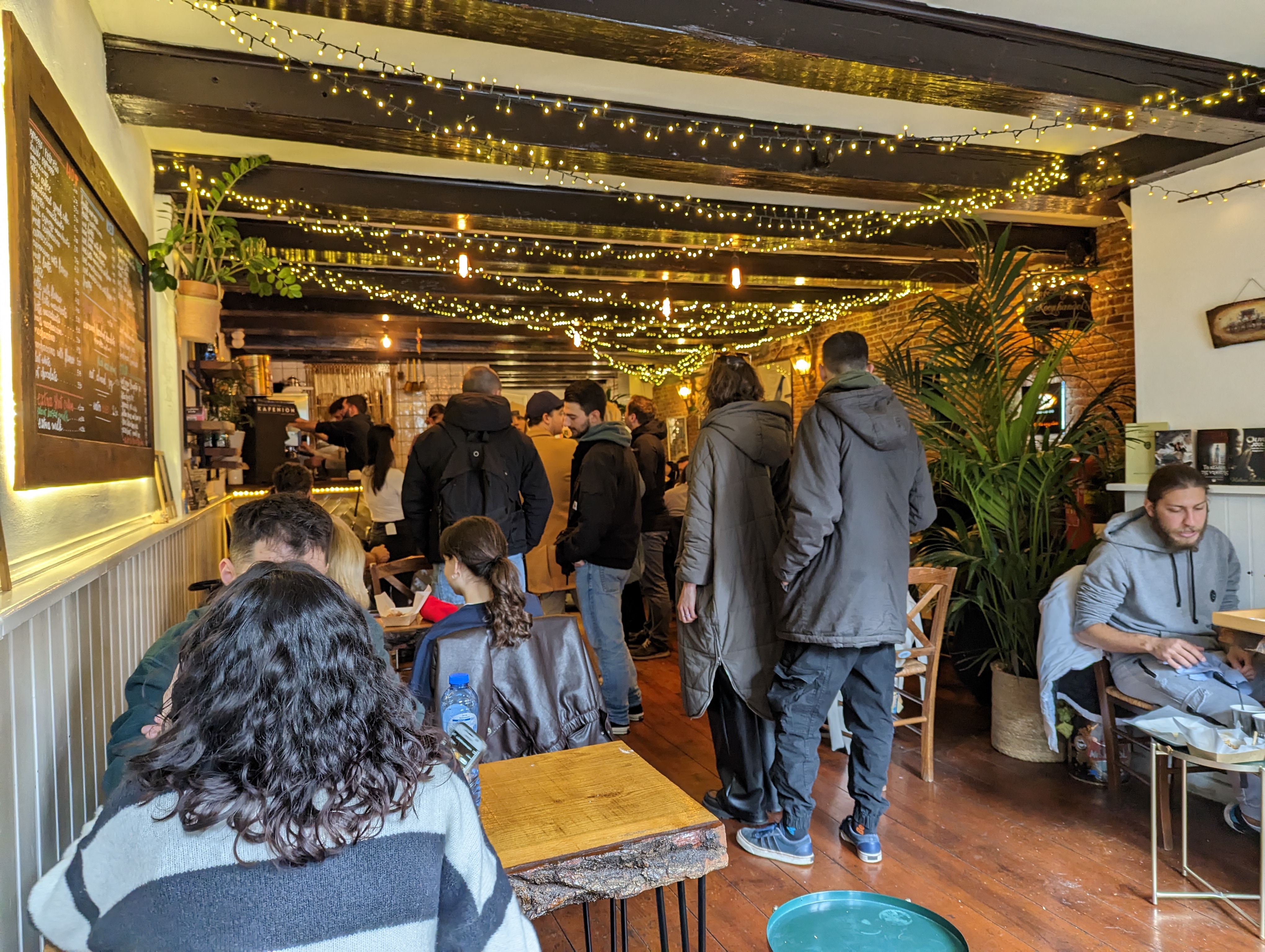
It was past time for lunch and just beginning to rain, and we identified a nearby coffee shop, but it was so crowded that we didn’t think we could find a seat.

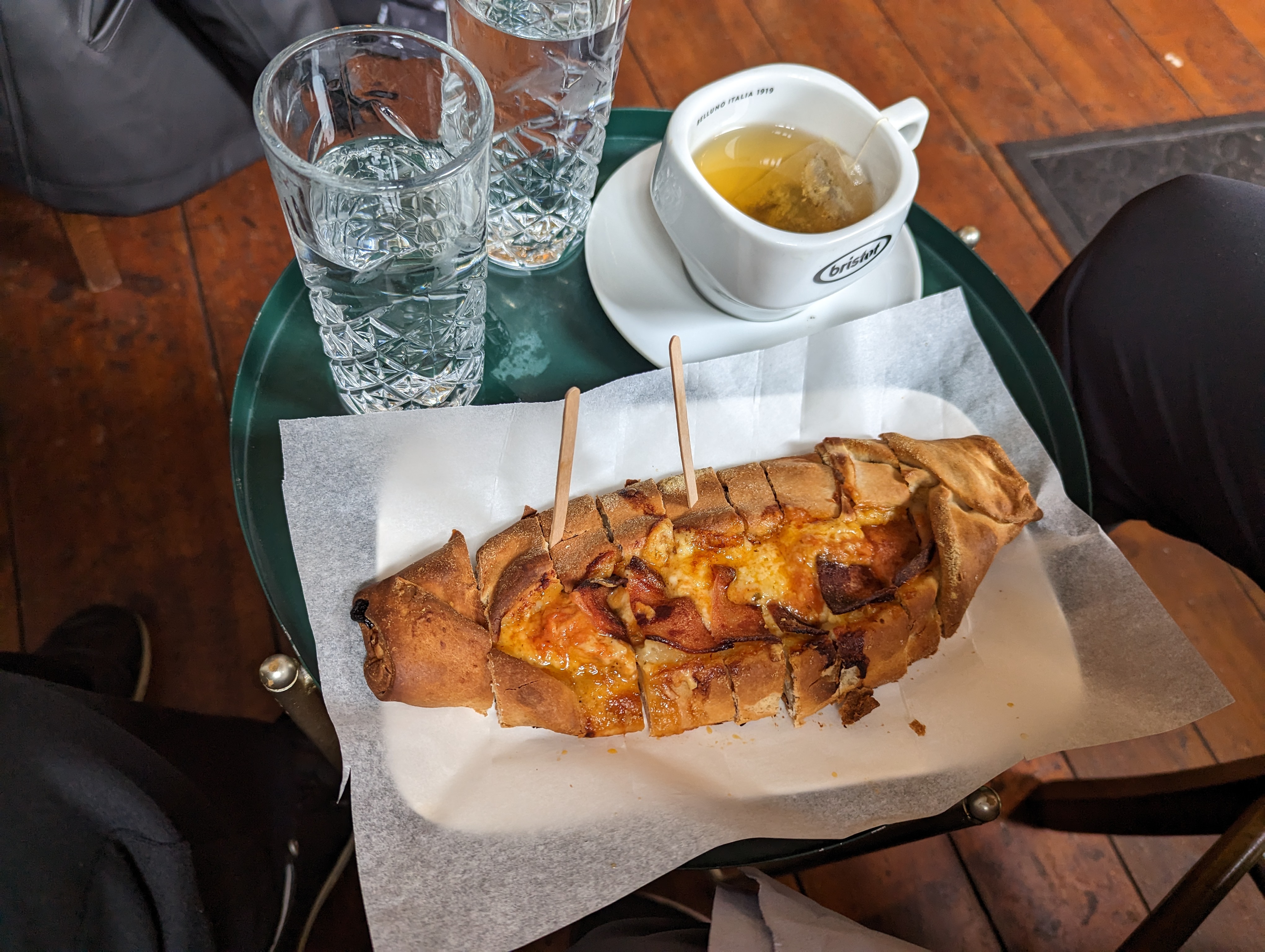
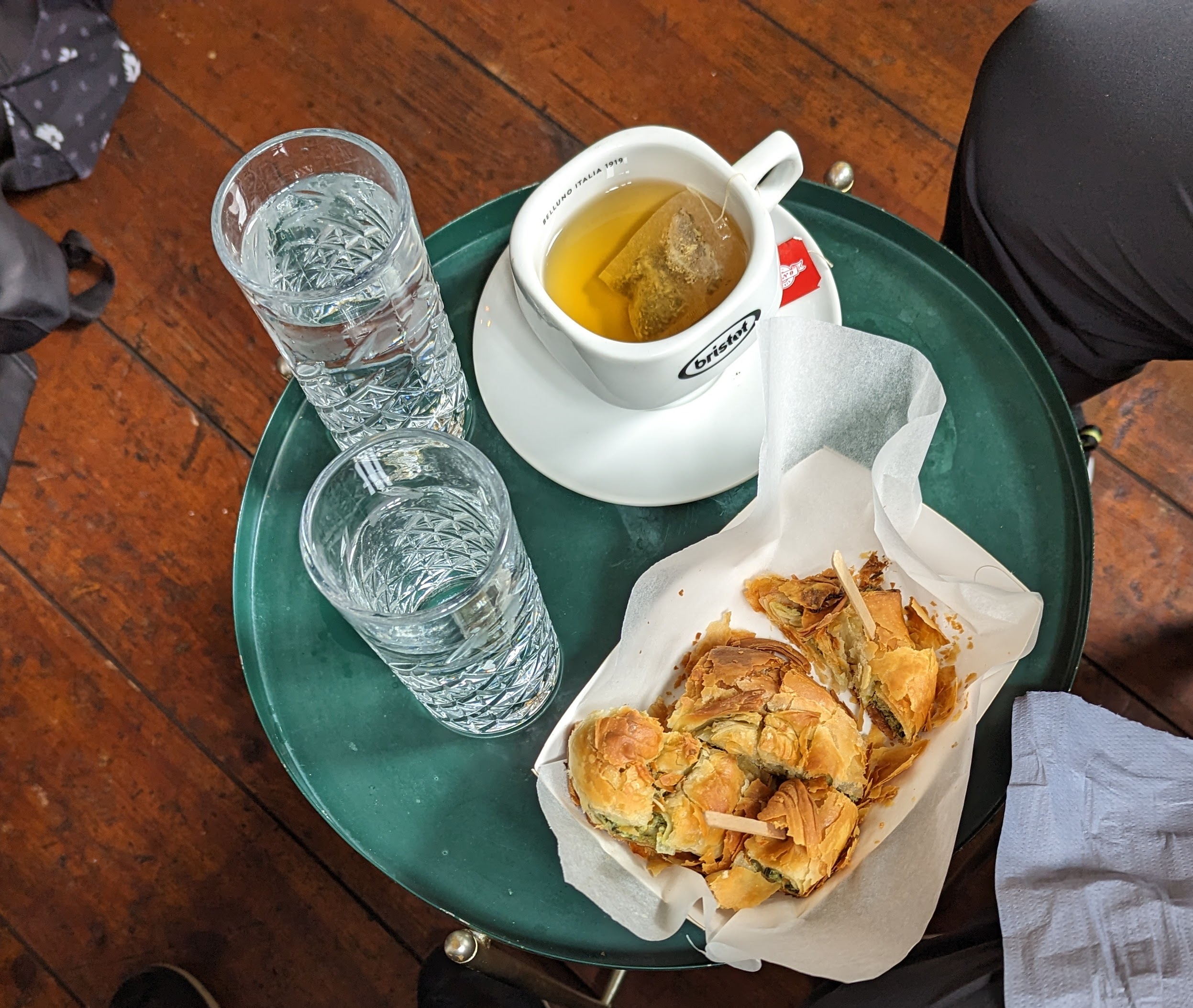
Somehow the nice young waiter squeezed out two chairs and a tiny table for us. It’s a Greek place, so we had spanakopita with feta and spinach (me) and with ham and cheese (AO).

The place was full of young folk, a couple guys playing backgammon, etc. But as the rain began to relent, they gradually melted away, and so did we.

From here we headed to the Noordemarkt, which was allegedly right down the Prinsengracht but in actuality not that easy to find. But we got there eventually, scoping out the fresh-cut forsythia, fresh shellfish, sausages, and more.

The advertised textiles and clothing were not so enticing, so we found some apple pie to bring home for dessert and otherwise enjoyed the doorways and steps of the neighborhood.

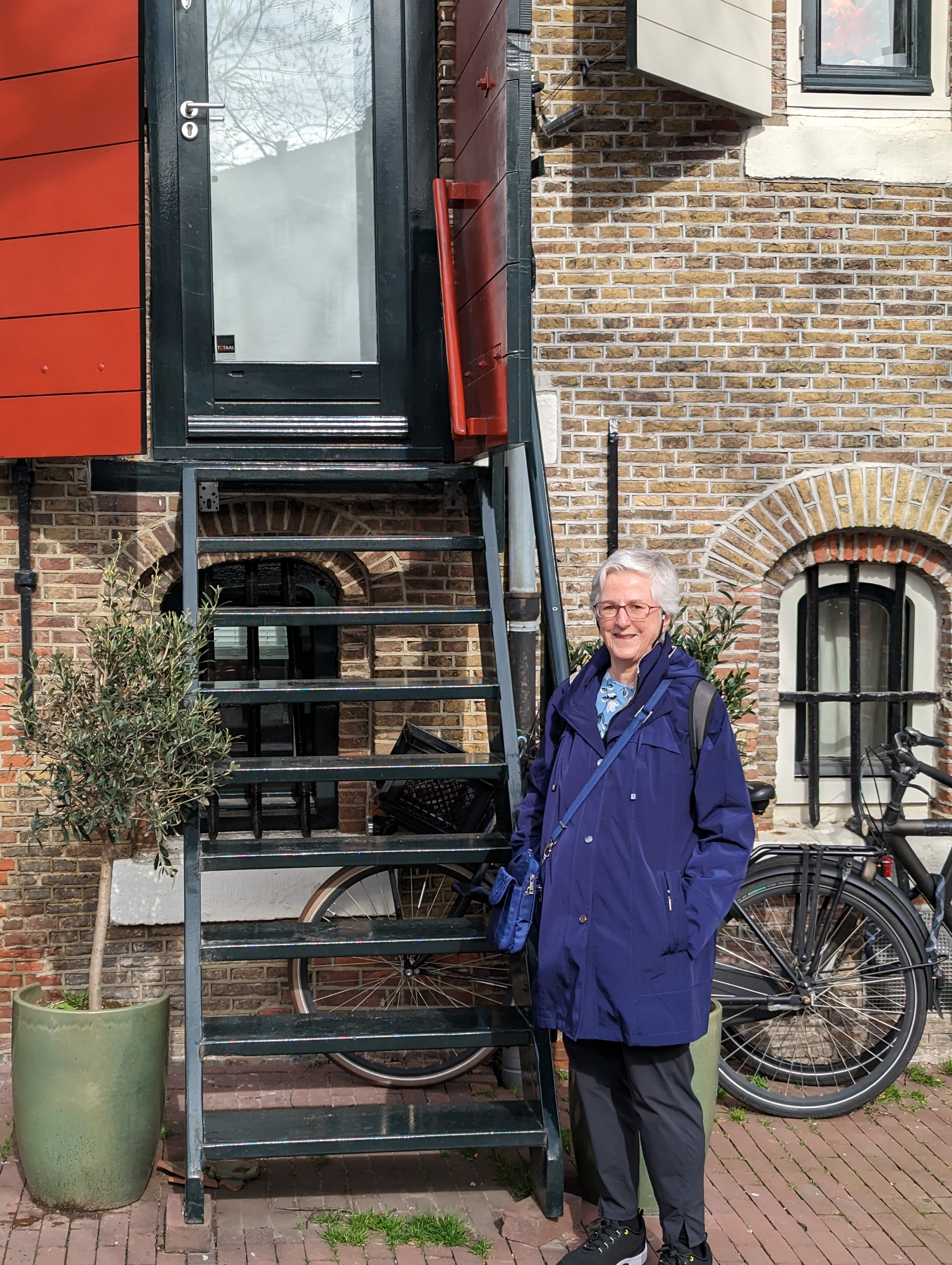
Although these steps would be a bit daunting if you had to scurry up and down them every day!
Home to pick up our laundry (thank you, Sebastian, for recommending this local service) and find dinner for tonight. We went back to the Lunch Place for takeout, which is really all we want to do if it’s not our local dive. Sadly, tomorrow is our last day, but we will take in a few more museums before we leave.

Image

Back to the Rijks

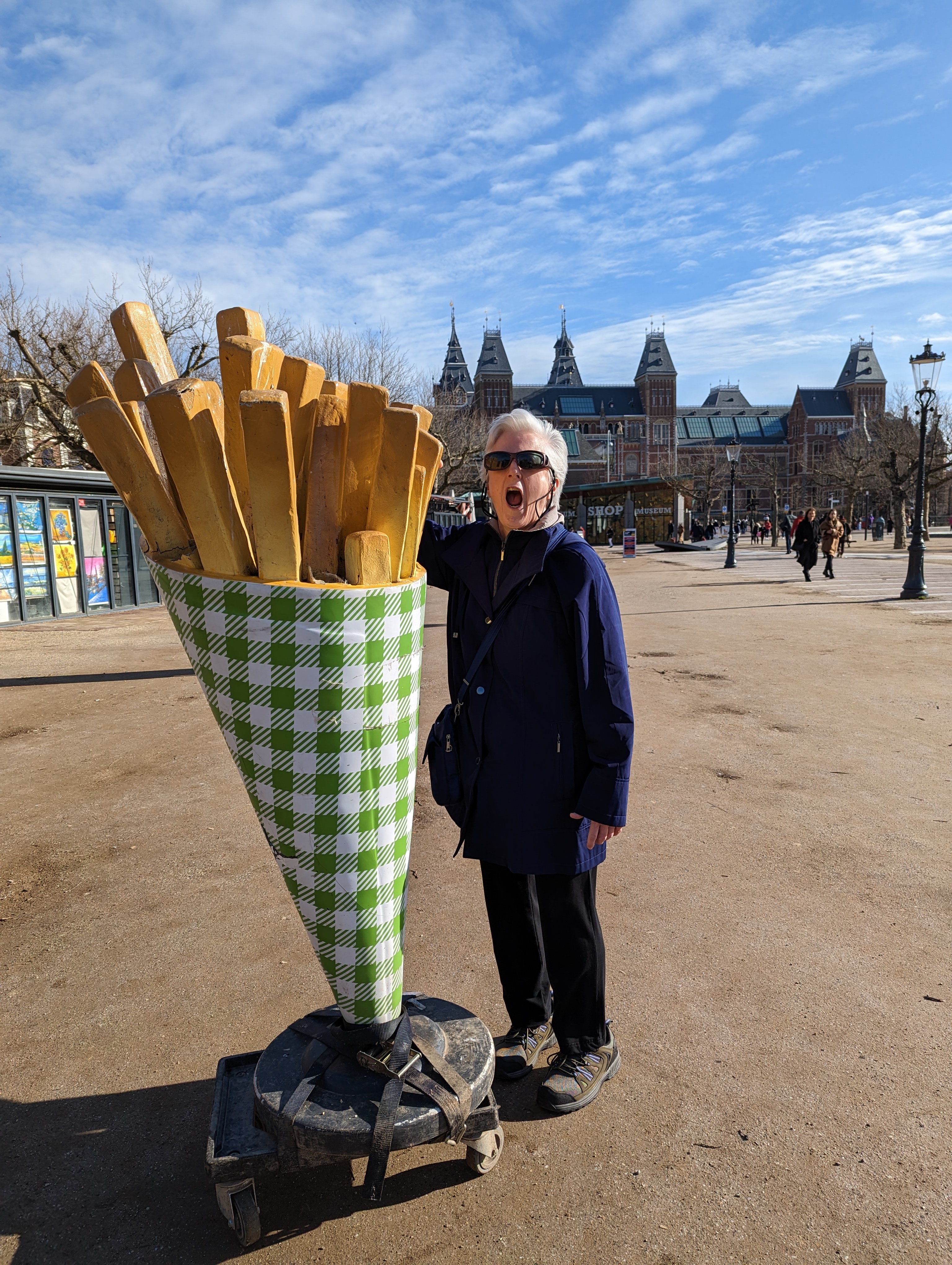
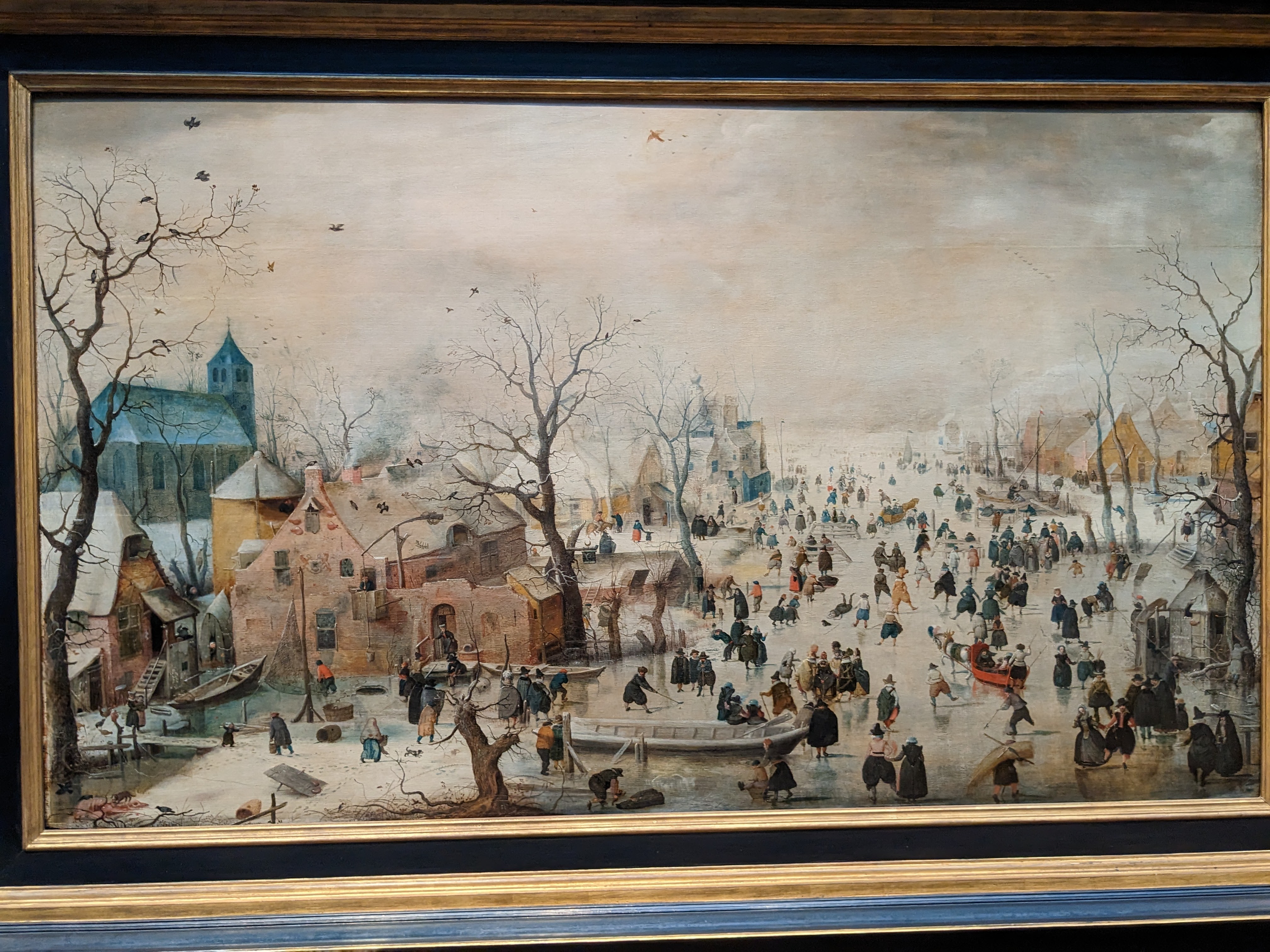
Today was another trip to the Rijks, which a person could visit every day for a year without growing tired (see also The National Gallery London, the National Gallery DC, the British Museum, the Met, the Prado, etc. etc.). We had a little easier time finding our way this time and enjoyed this monument to frites with mayonnaise.

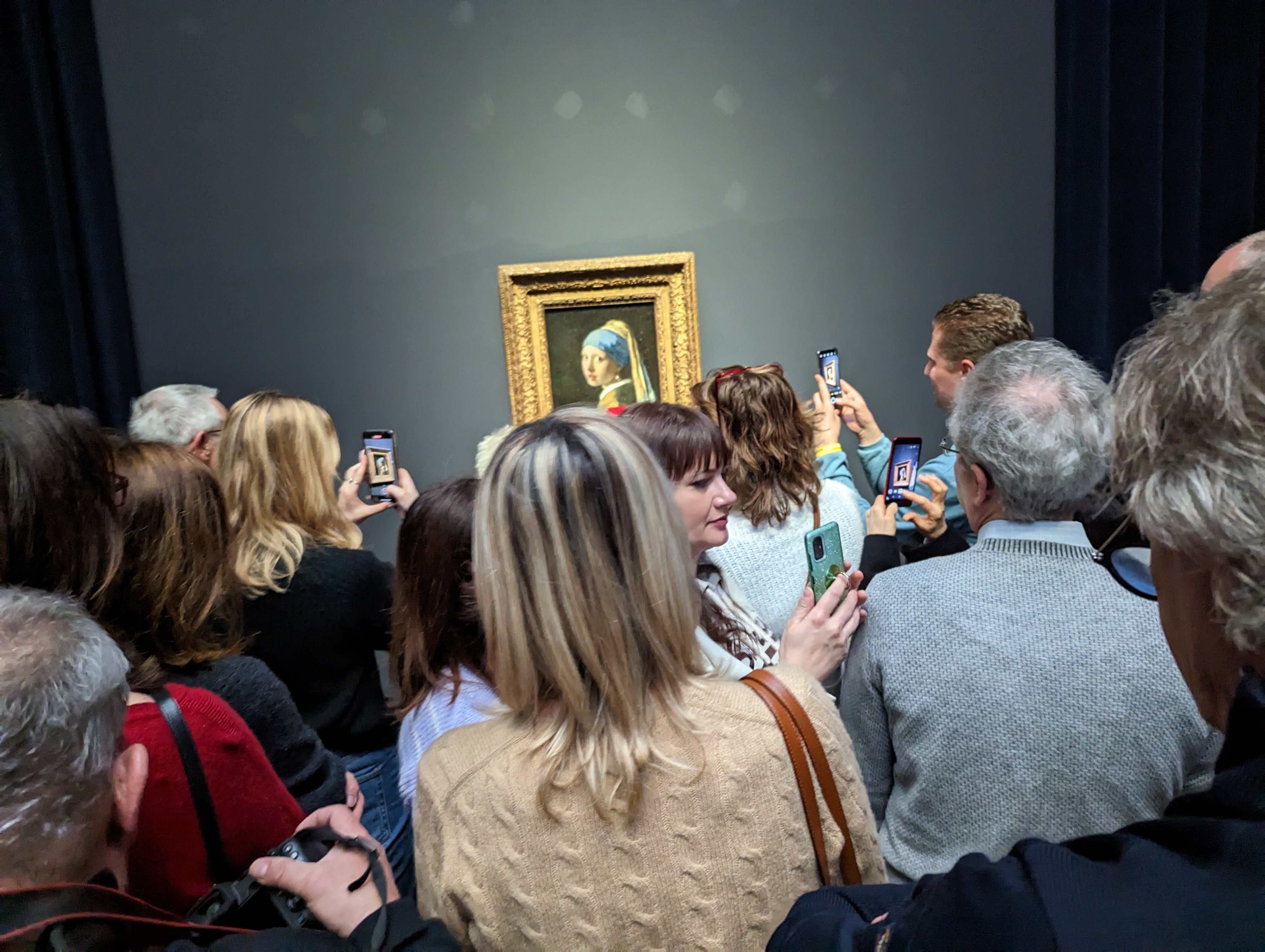
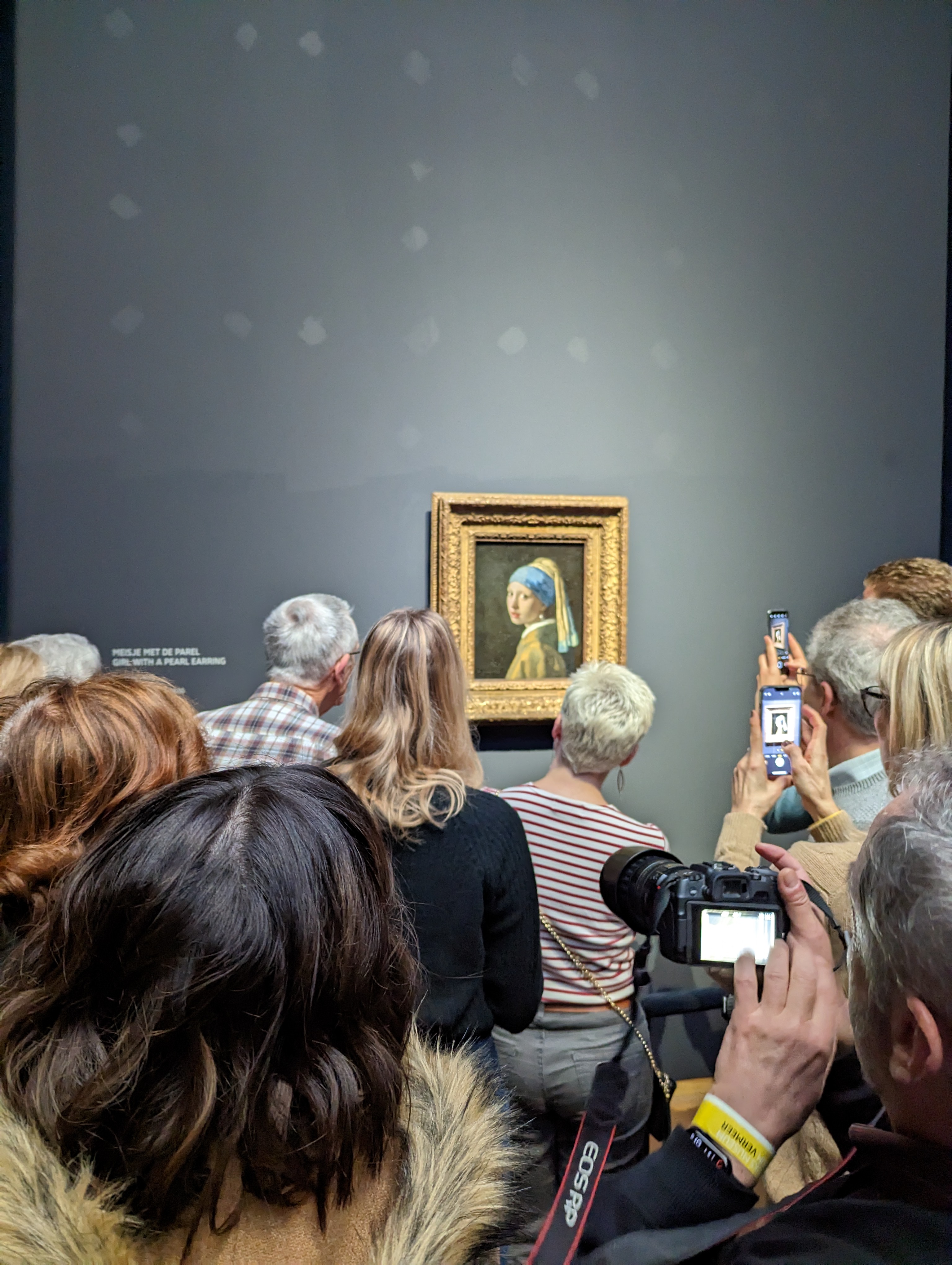
We made a very quick visit to the Vermeer one more time, slipping by the pictures we could easily see in DC and NYC. This photo shows how crowded the galleries could get,

but they have timed it so well that you had to wait only moments before finding yourself right in front of these marvelous, glowing paintings.

We had booked a private tour of highlights, which was well done by our guide Fedor, who moved quickly, answered our questions, and obviously enjoyed showing off the museum. He told us that if you looked at each object for only 10 seconds, it would take you some huge amount of time which I’ve now forgotten to see it all! But he did well by the Averkamp, pointing out the numerous details of daily life;

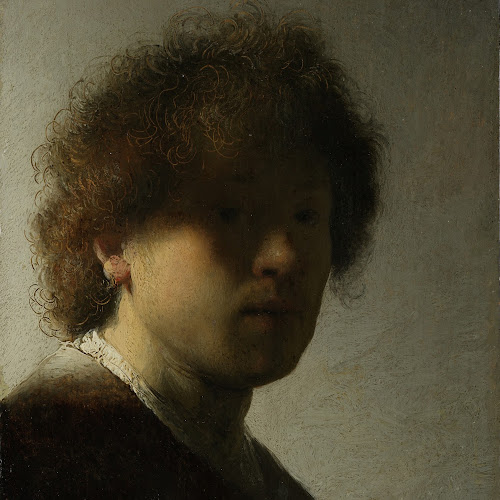
the self-portrait of Rembrandt as a wild young man;

and the Cuypers art history library which of course, being librarians, we had to see. (Imagine running up and down the circular stairs every day!)

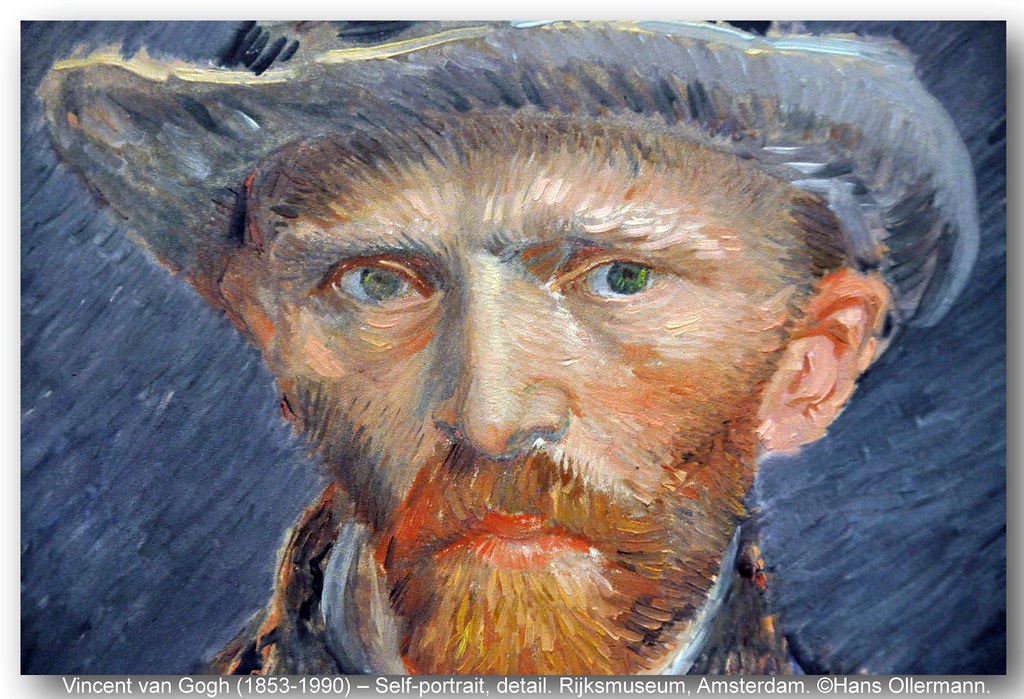
He ended with the Van Gogh, which in Dutch is of course so very throaty that I didn’t know what he was talking about until we got to the painting, and he reminded us that the man had eyes of two different colors.

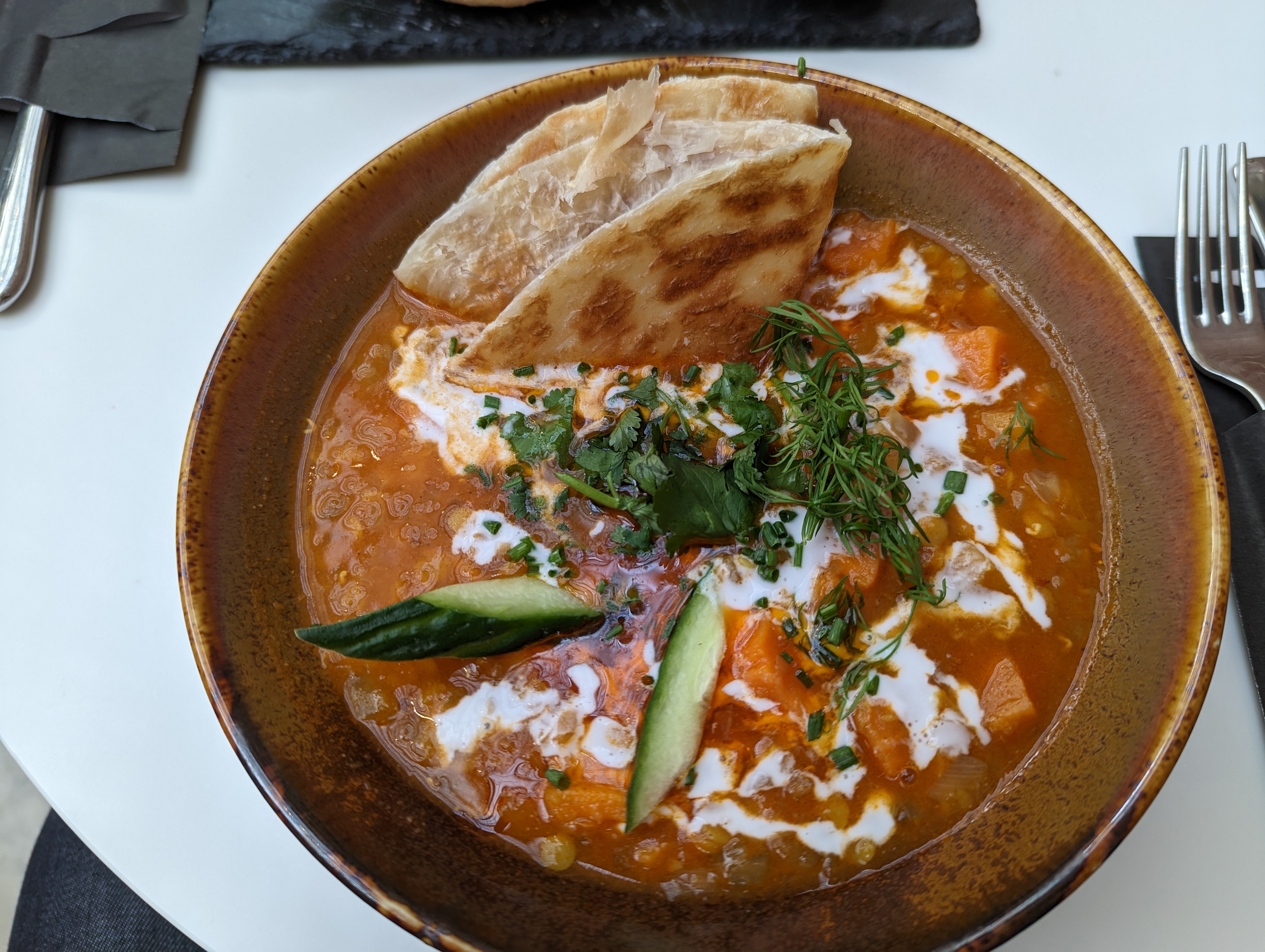
Lunch was again at the cafe, where I loved my pumpkin dal with coconut (of which this is one of a zillion recipes you can find online).

We exited through the gift shop and trammed our way home.

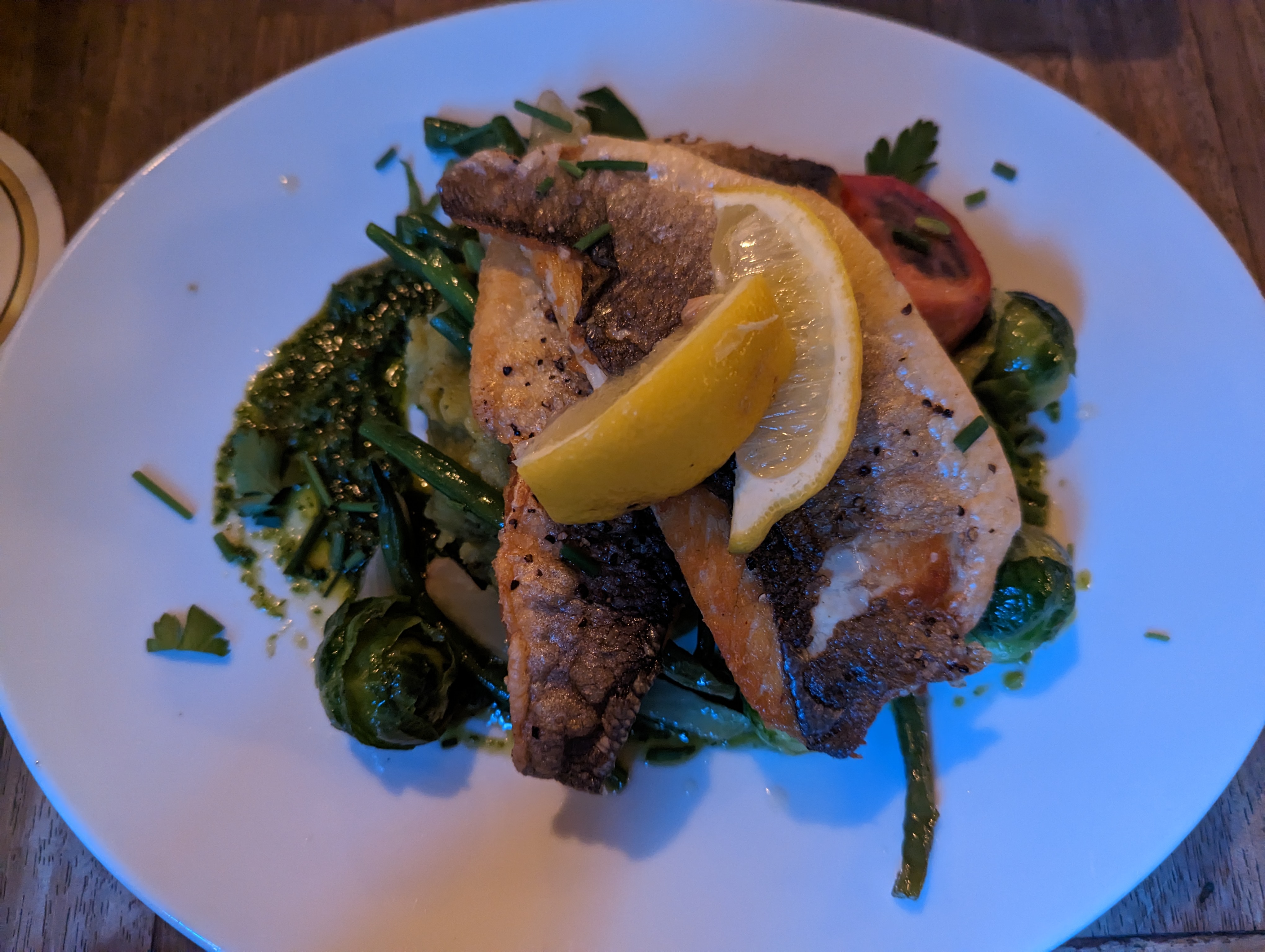
Dinner was to have been uneventful, BUT as I hurried towards the restaurant (our old fave from a few nights ago) I tripped on a stone and fell flat down on my hands and knees!! OMG!! Two very nice young men not only helped me up but also procured ice for my wounds. I hobbled into the restaurant, bloodied but unbowed, and enjoyed delicious sea bass and wine and frites to make me feel better.

Alison and I were both in shock but enjoyed our dinner and walked home without incident. Damn you, foot drop!!

Image

Hanging out with Hals

This morning we took the train to Haarlem to visit the Frans Hals museum. It is breathtakingly easy and efficient to travel by train in this country, and it made me want to hang my head in shame at the state of US train service. Everything here is done virtually or with a credit card, and the resulting ticket is simply scanned as you enter the station and/or again as you leave. We never did clap eyes on a conductor, and we didn’t need to. It took us approximately 30 minutes to buy a ticket, find our platform and sit back as we were whisked along to Haarlem.

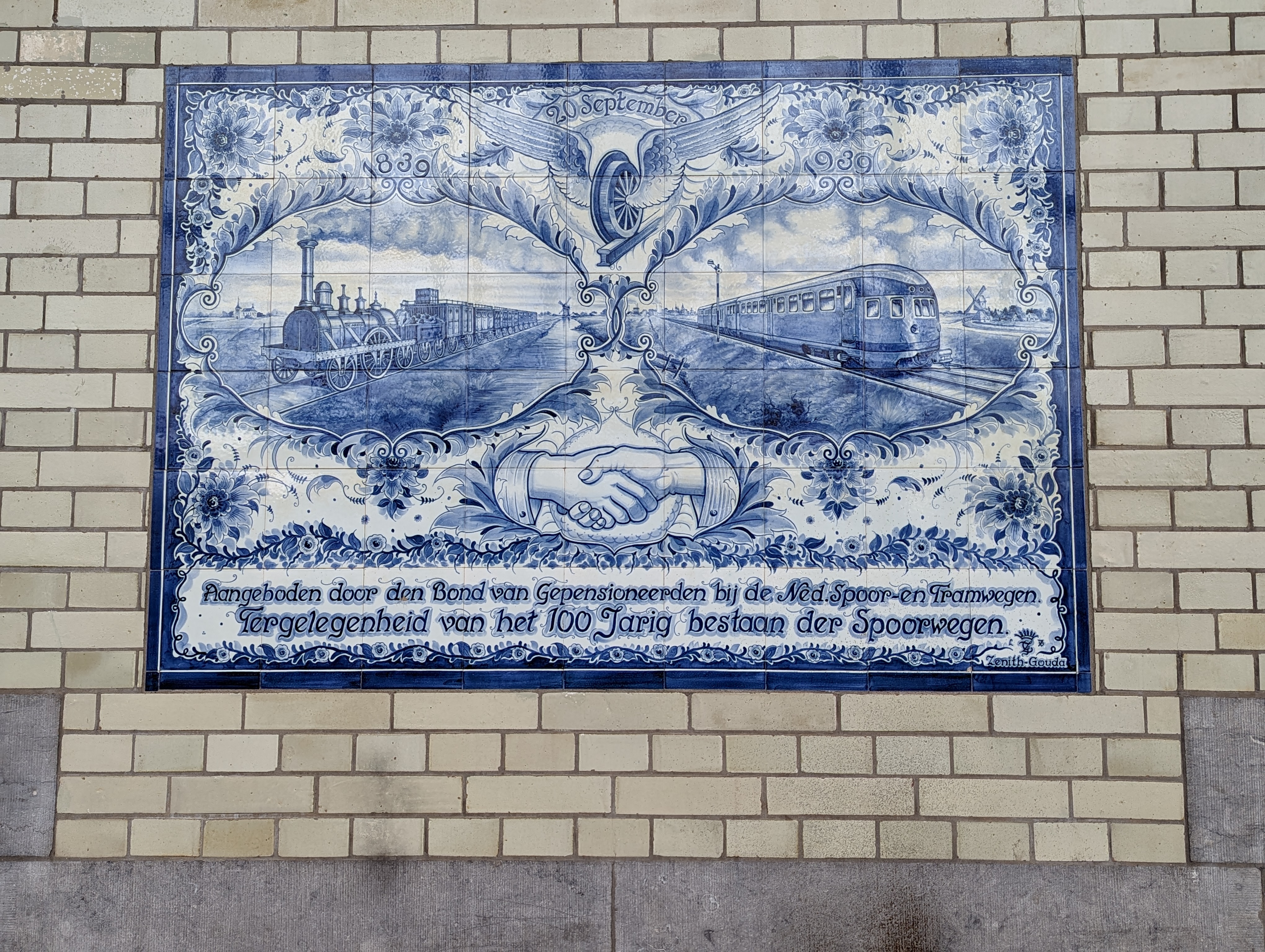
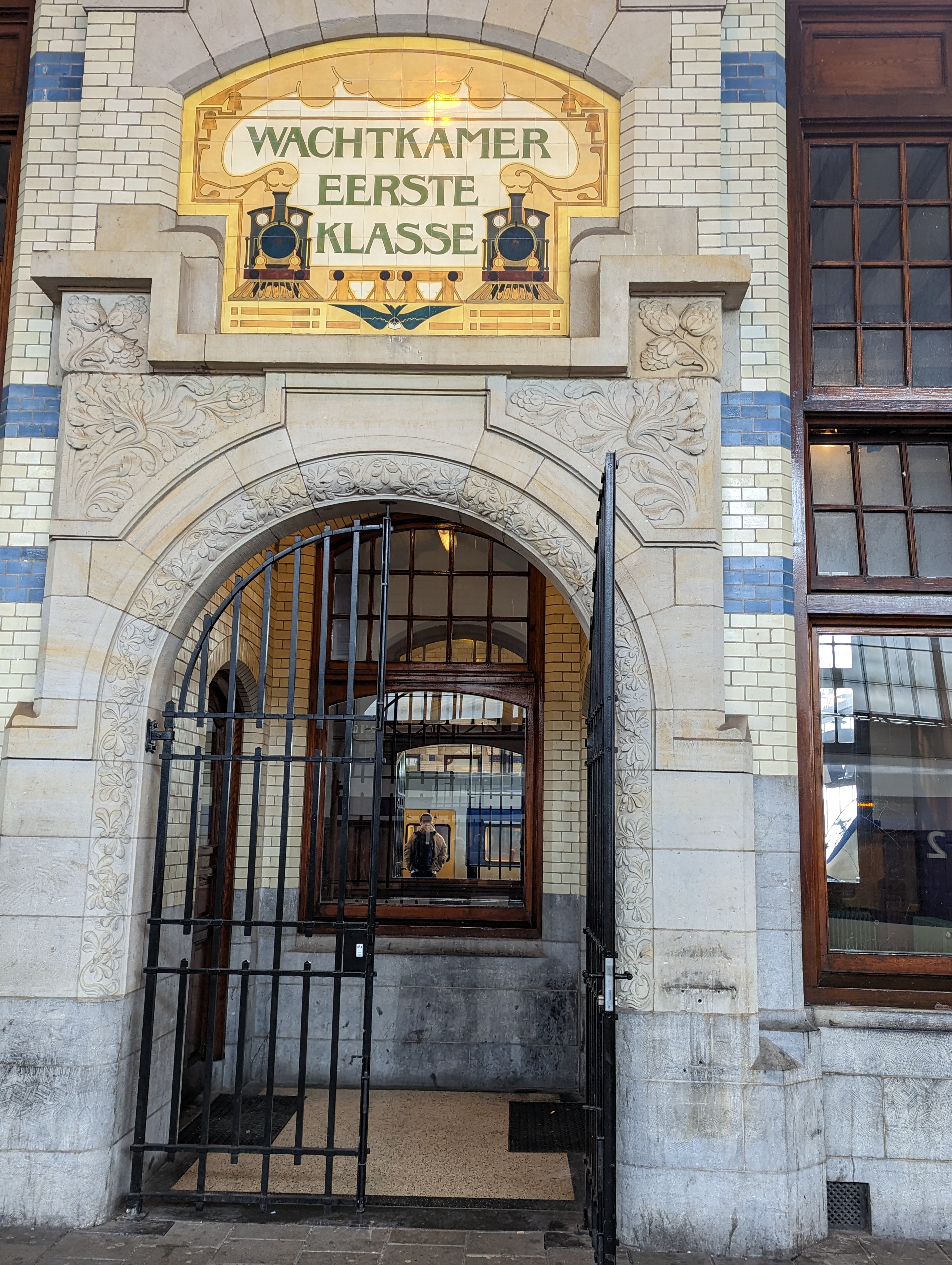
I admired these tiles in the Haarlem train station, echoes of an earlier time. The first celebrates the first 100 years of the railroad, and the second is the sign for the first class waiting room. Find out more about this Art Nouveau station here.

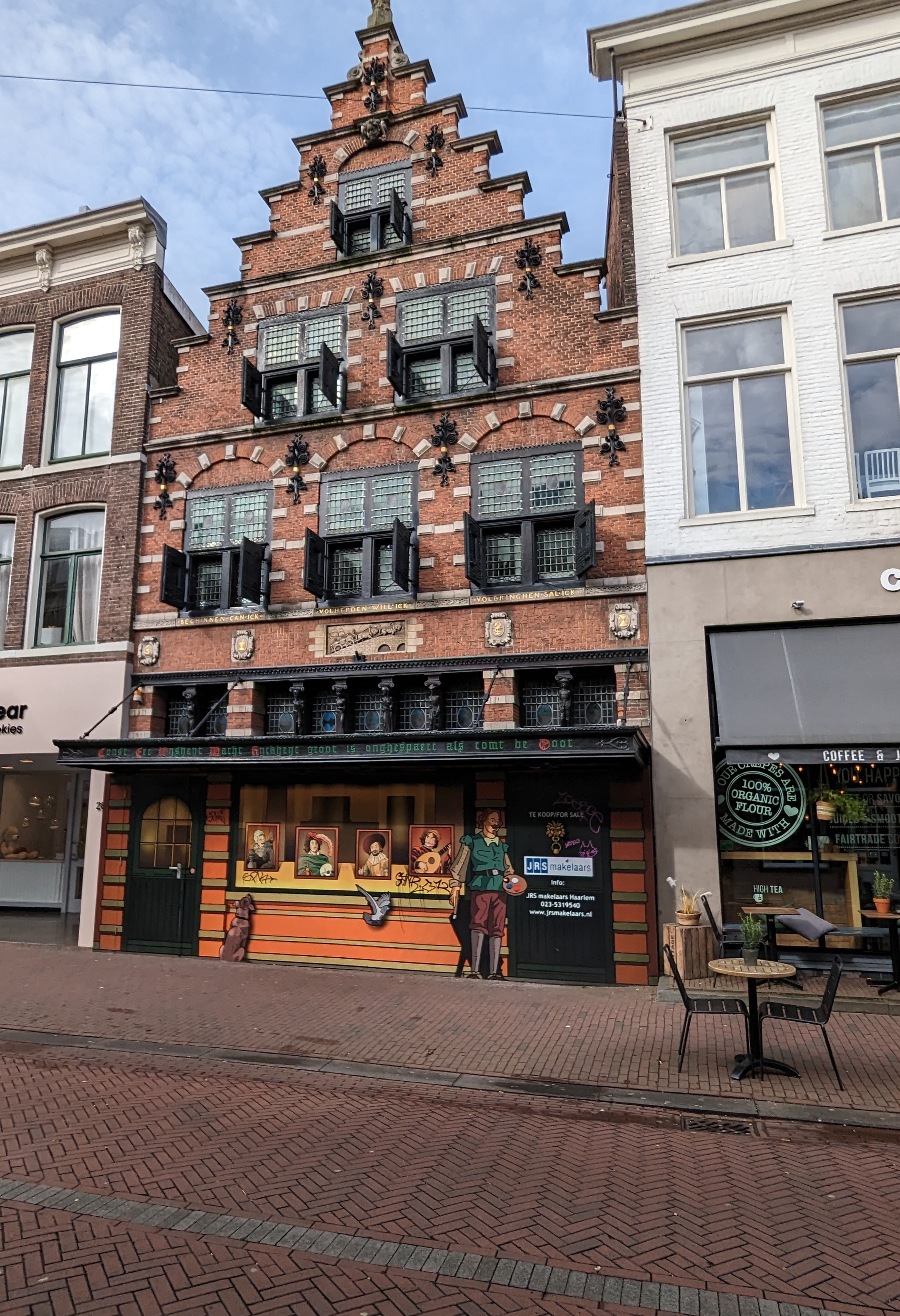
It was cold and blustery today, so we huddled down in our coats and hoods and walked along the streets to our destination. We saw some interesting storefronts,

including this inviting cheese shop (with cheese, wine, bread and charcuterie, what else could you need?),

but we didn’t stop.

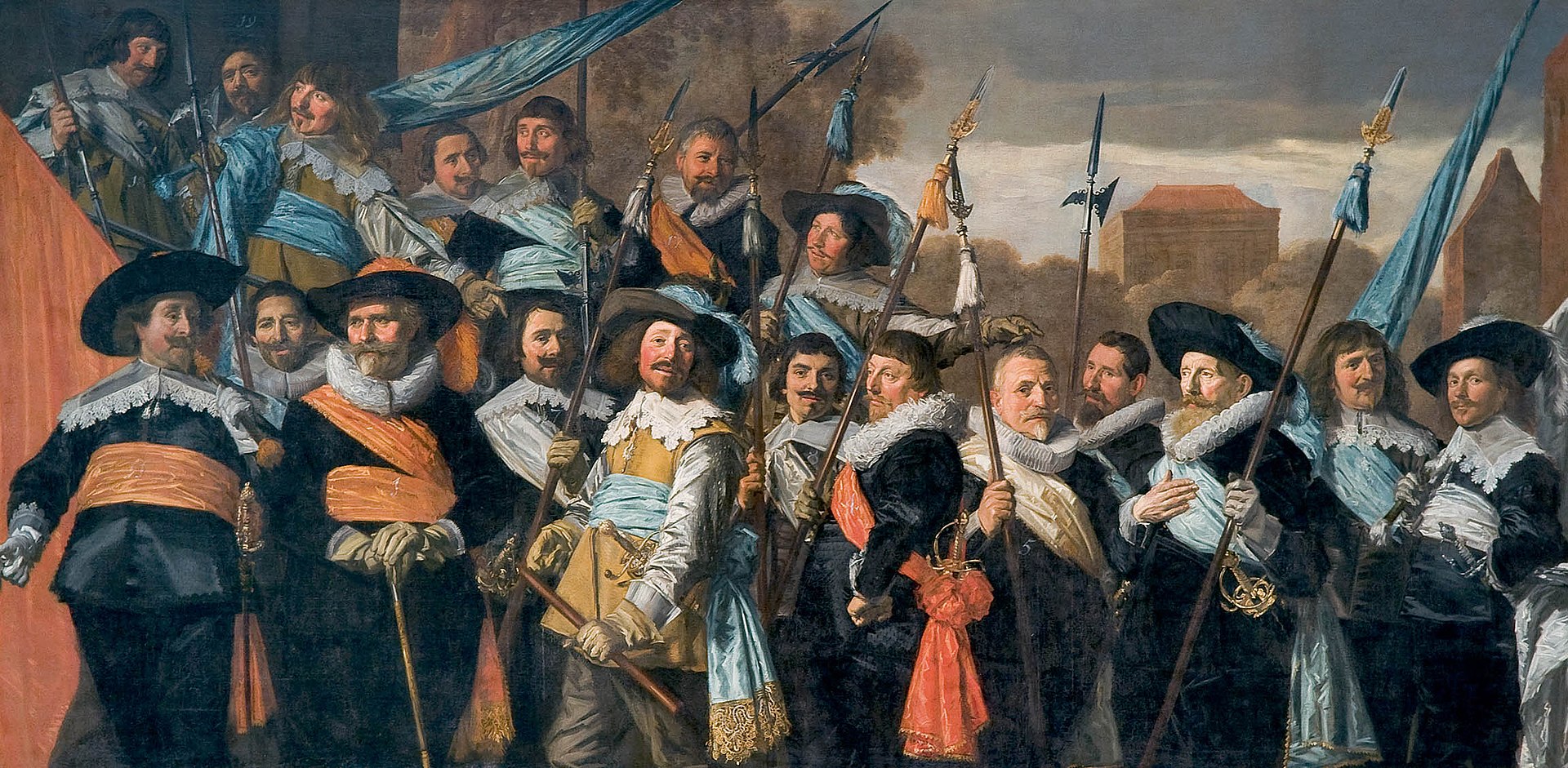
Finally at the Hals (yes, a nice flower shop owner pointed us in the right direction), we started out with a very well designed film about the man, his times, his subjects and his techniques. He’s well known for his lively group portraits of militia men, whom Hals painted as individuals rather than a dull lot of wealthy men wearing lots of black and looking stern. This museum has the most of these militia paintings, and they’re quite impressive as a group.

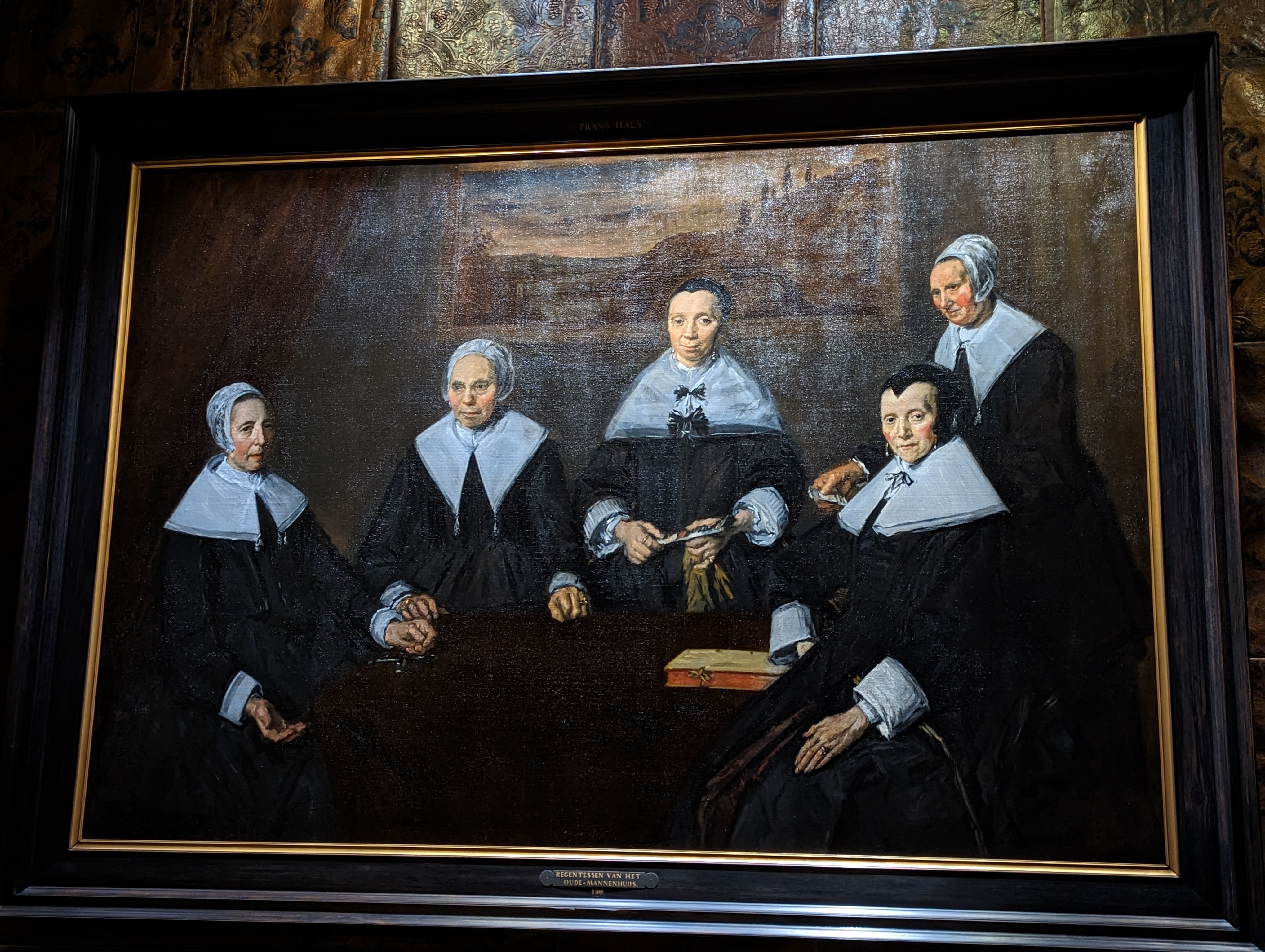
We aso saw the Regentesses group portrait, which our History of Western Art lecturer covered in great detail, drawing special attention to their hands and posture.

Of course, his ordinary characters are the most appealing portraits, at least to 21st century eyes. Several of these are at the Rijks, with the Marriage Portrait of Isaac Massa and Beatrix van der Laen being perhaps the best known and most loved.

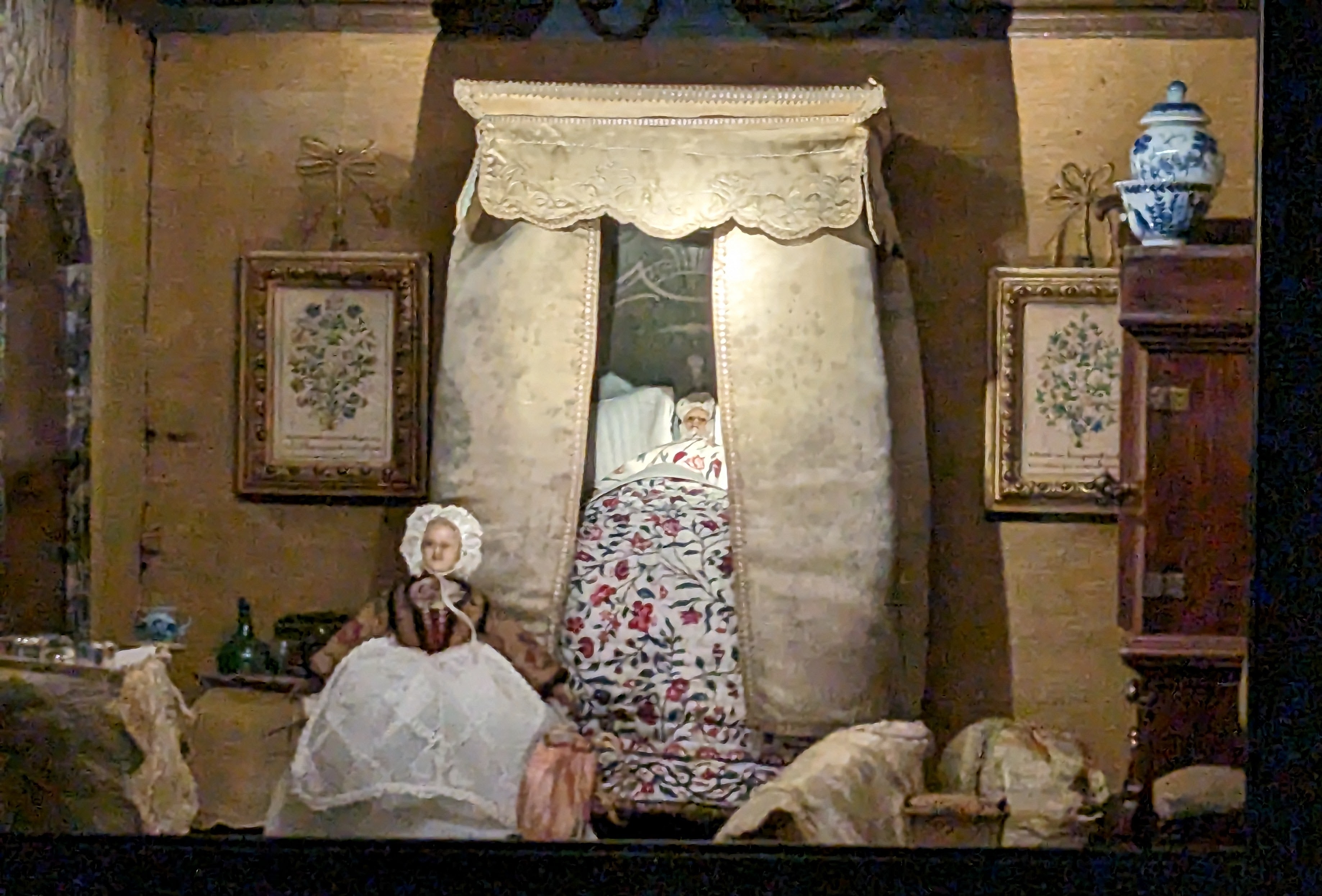
Also on view was a fancy Poppenhuis, or dollhouse, which was of particular interest to me because one of the beds was covered by a tiny (scale of 1 to 10) palampore, a type of chintz made in India for the export market, including the US, and often quilted. #quiltsareeverywhere

We liked the gently curved back streets of Haarlem

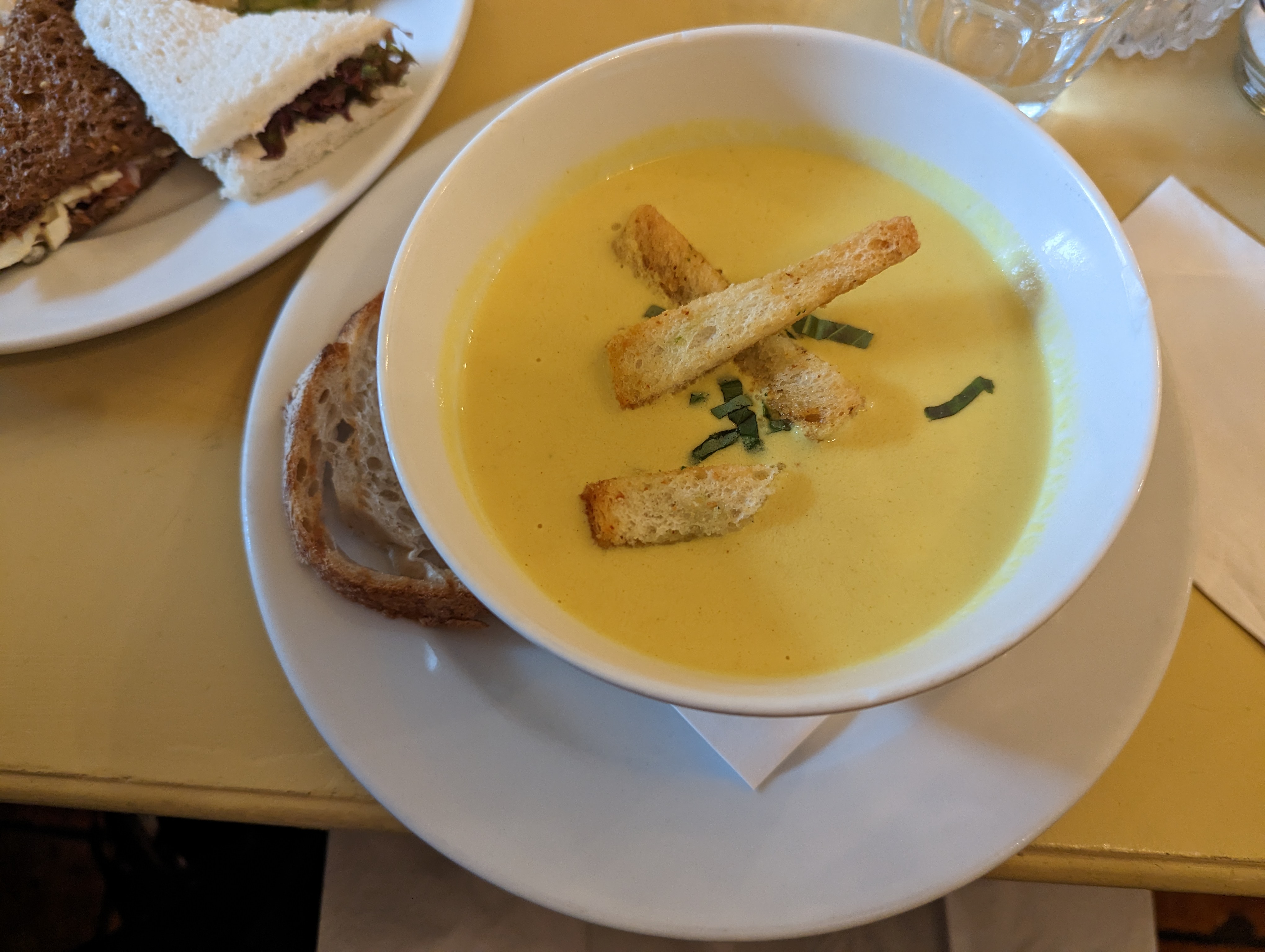
and found our way to a small restaurant that served a most delicious mustard and cream soup (recipes, anyone? here’s one and here’s another one) and assorted small sandwiches, the perfect lunch.

A short stroll took us to St. Bavo,

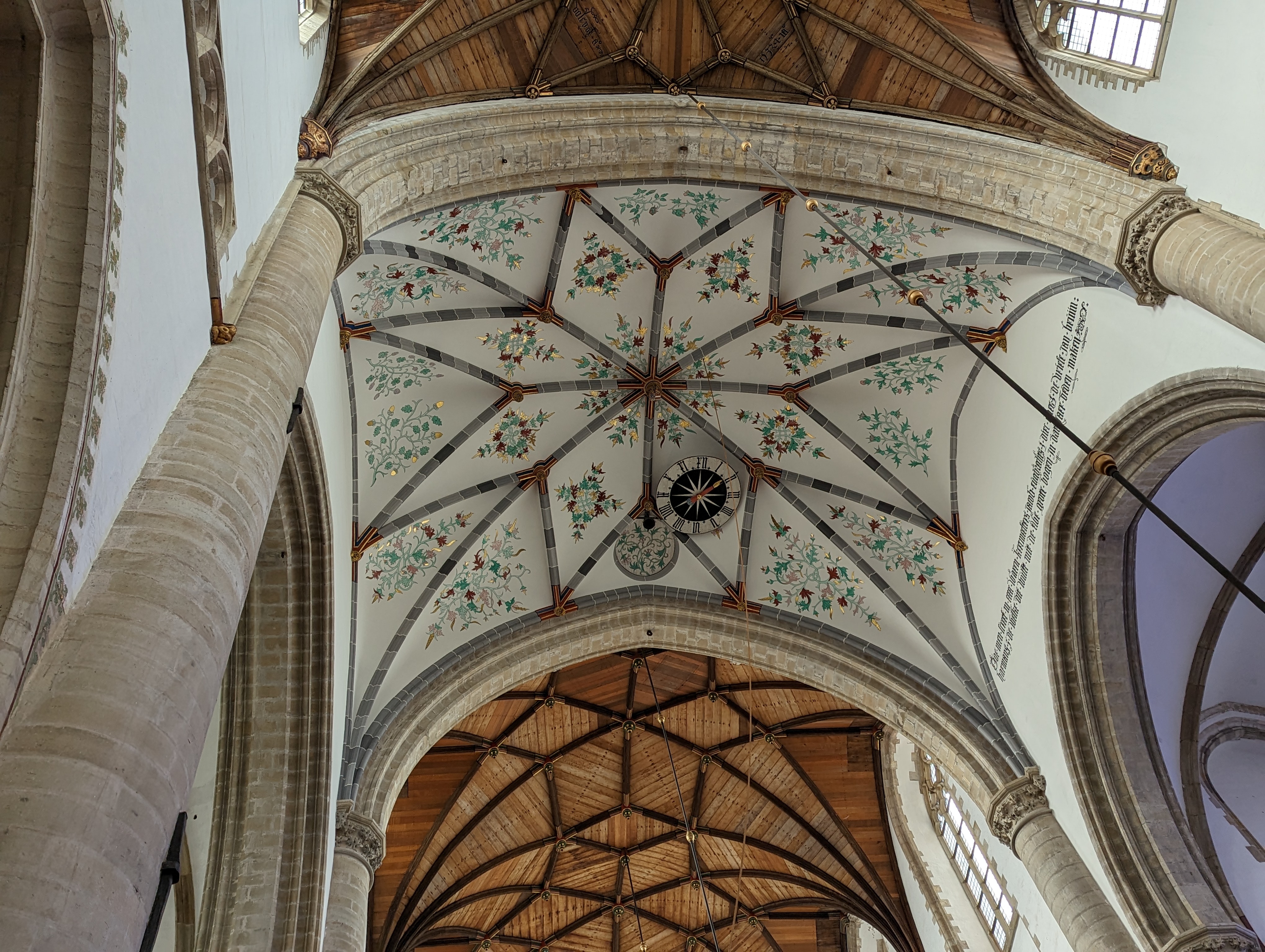
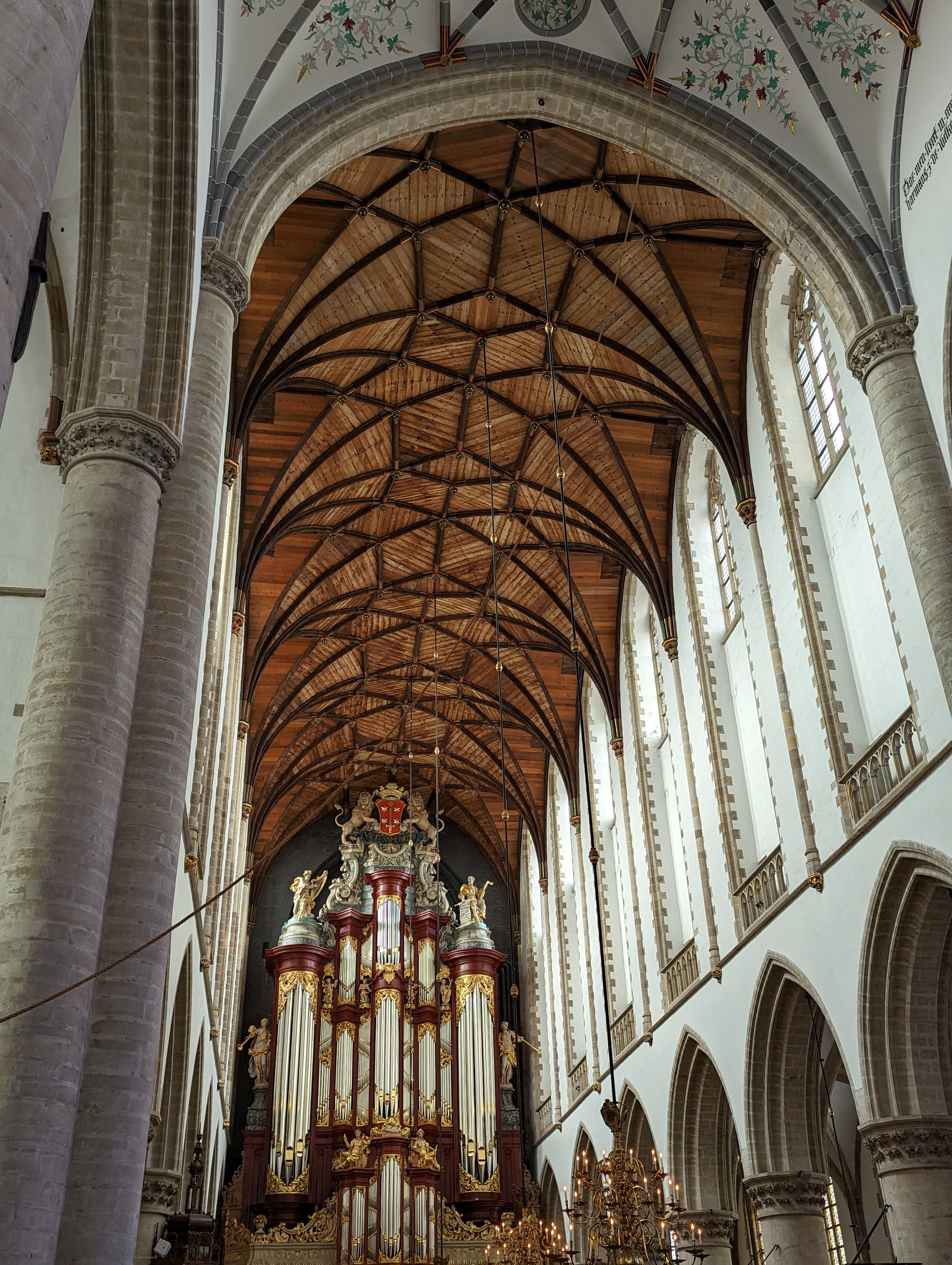
a former Catholic cathedral turned Reformed Protestant church, with its stunning fan-vaulted ceiling

and enormous organ that was played by Mozart when he was young.

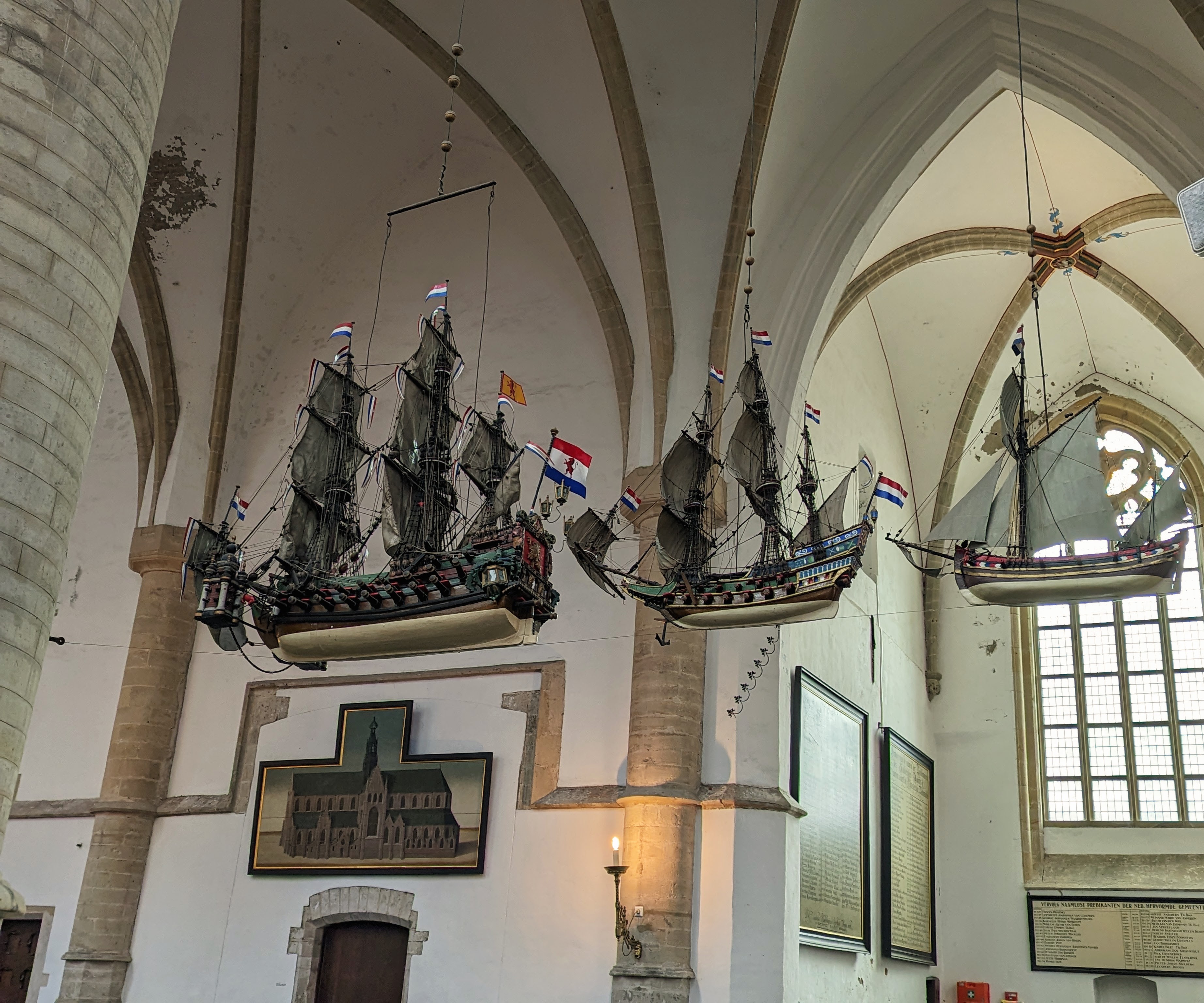
The three model ships hanging from the ceiling recall the country’s shipping history, as does a memorial nearby to hydraulic engineers.

Among the carvings, we appreciated (?) this one showing a man biting a pillar.

Find out what the heck that is all about here.

We also enjoyed the pelican lectern, which as Rick Steves points out was made by someone who had probably never seen a pelican, shaped as it is like an eagle.

The cathedral was so filled with stories and iconography that we could have lingered longer, but instead exited through the gift shop and headed back through the Haarlem streets to the station, which we had no trouble finding!

On the way home, we stopped at Centraal Station to pick up some delicious carrot cake to have with tea at home. Dinner consisted of little pies from the market. So nice to warm up dinner rather than actually cooking…

Image

Wandering through Amsterdam

Of course, we’re not wandering, we’re following our itinerary! We bussed to Centraal Station, then walked along to the Our Lord in the Attic Church. There was a time when Catholics were forbidden to worship openly, so a few hidden churches sprang up. This one was built into a five-story building and was tolerated by Protestants as long as the Catholics didn’t flaunt it.

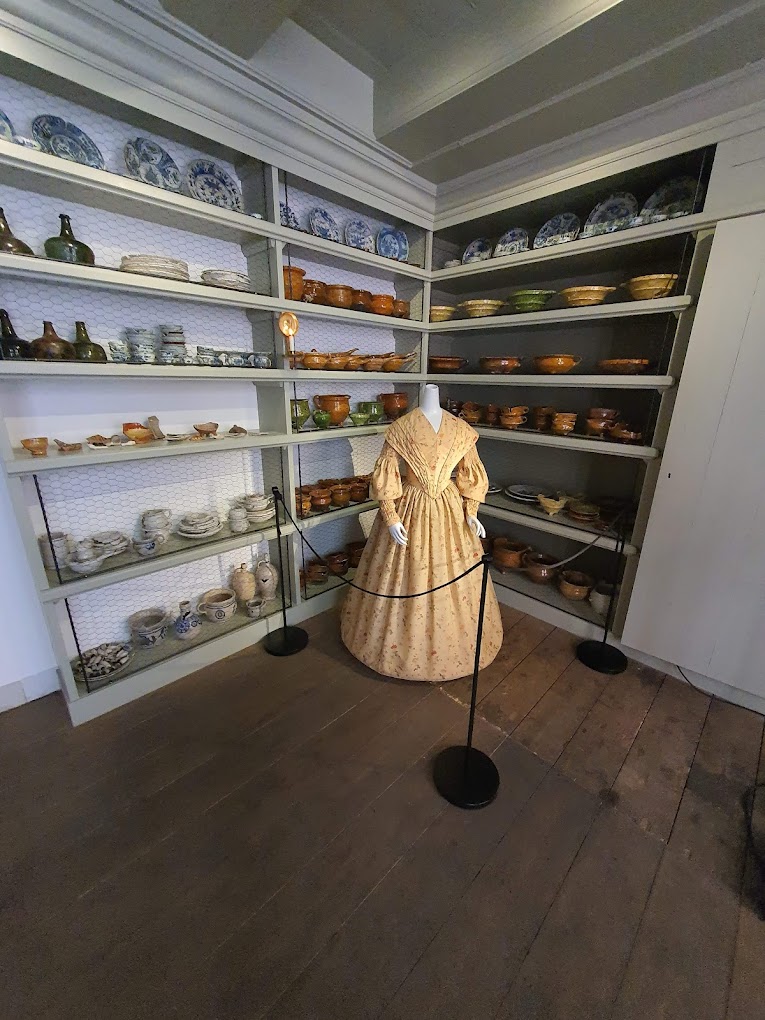
The history of everyday life that was revealed here is interesting: a midden threw up lots of pottery and sherds that are displayed in one room,

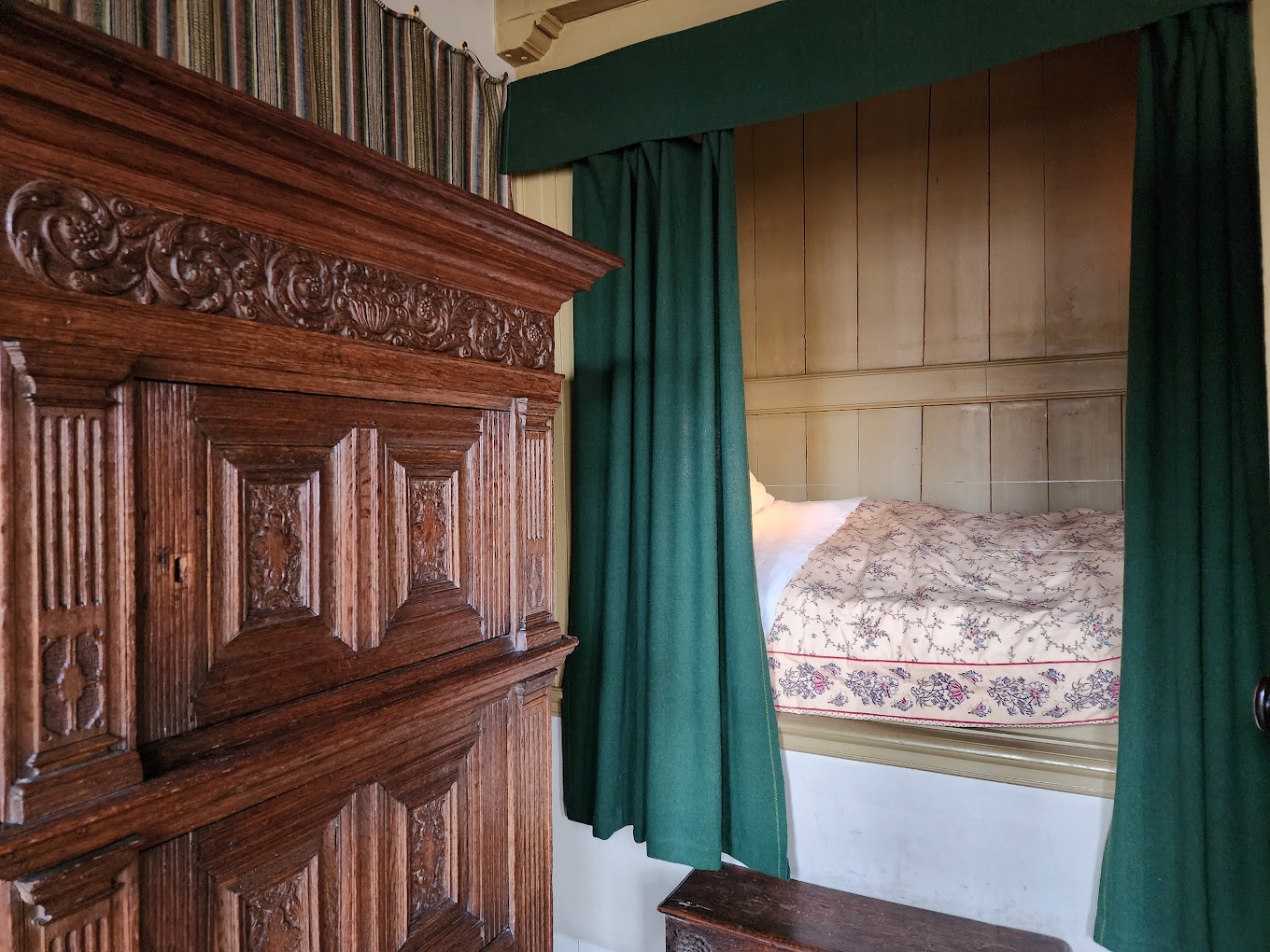
we saw charming seventeenth century tiles that surround a fireplace, and marveled at the cozy-looking cupboard bed that kept out the draft.

The main draw is the church that you get to by climbing several sets of steep stairs until you come out on a small but fully equipped Catholic church complete with pews, altar, and a cleverly designed pulpit that you pull out and set up the way you might put together an Ikea desk.

For someone who is unchurched, this is not too terribly interesting, except that it shows that religious prejudice is ubiquitous.

Our next stop, the Old Church, we simply walked by since there’s not a lot to see inside.

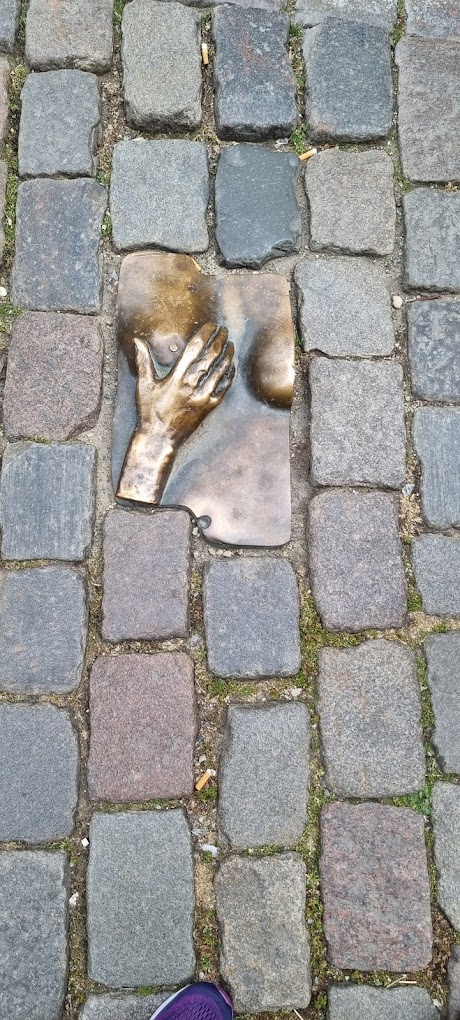
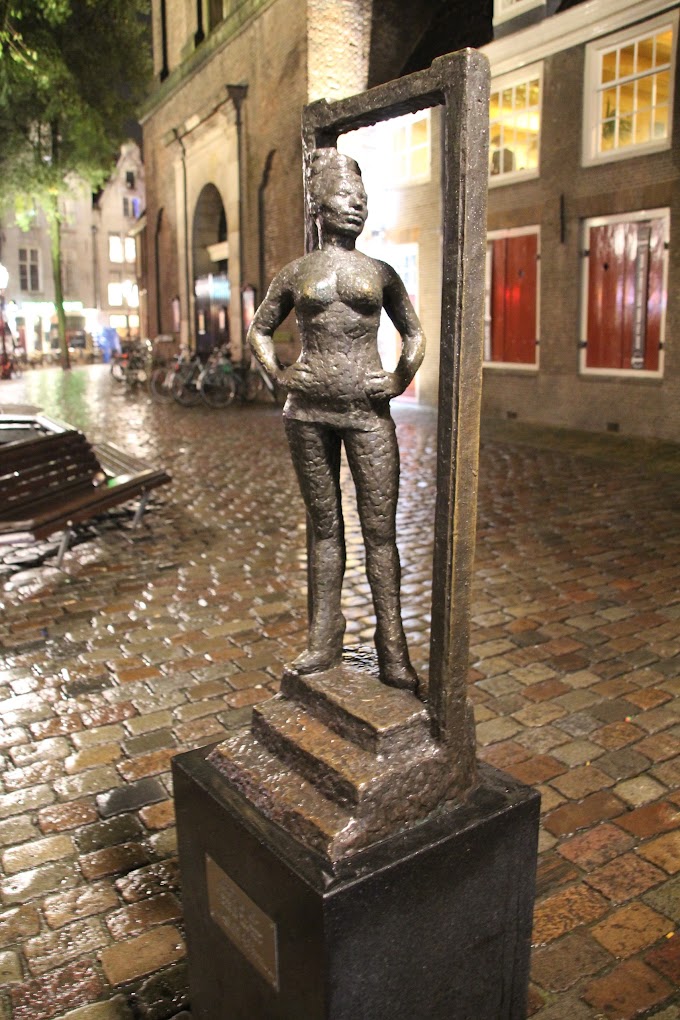
Outside, though, are two pieces of art that honor the prostitutes that have traditionally lived in this area.

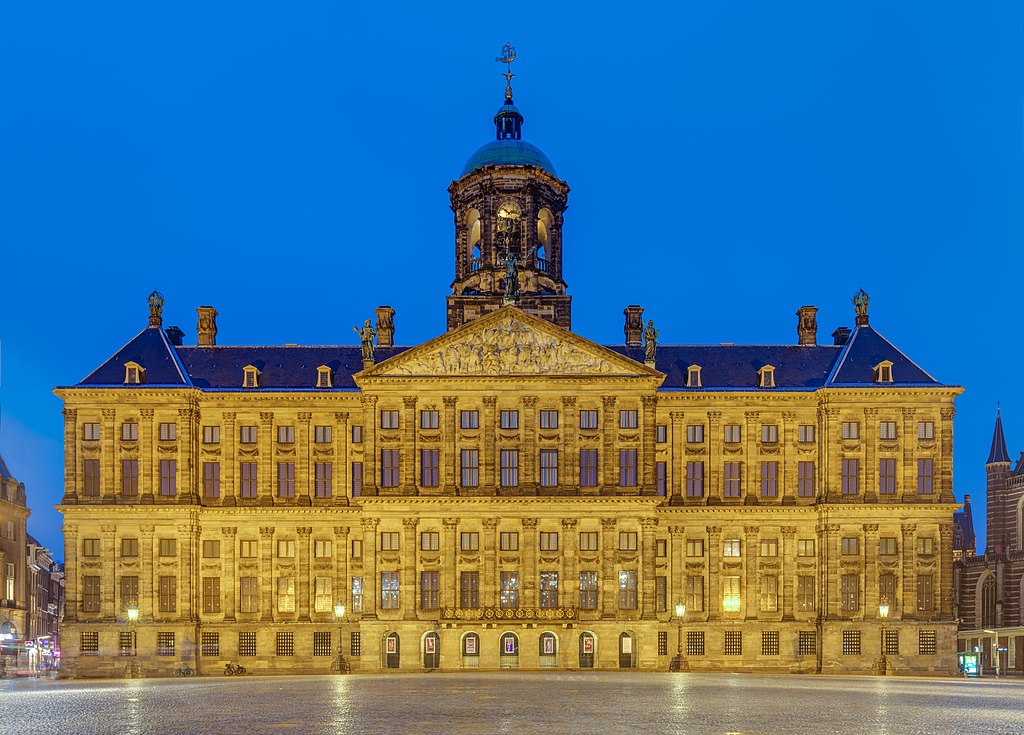
Before our final stop, we walked to Dam Square, home of City Hall, which has been here since Napoleon’s brother was crowned as king back in 1806. (You can’t swing a cat in Europe without hitting Napoleon or members of his family.) However, since we had been there last time, we simply observed the building (looking very glitzy here)

from the restaurant across the way where we had a restorative cup of split pea soup and that deliciously dense yet delicate rye bread with bacon that is a specialty of the Dutch.

We were fading just a wee bit as we made our way to the New Church, tucked away in the corner of the square. No longer used as a church, it has been turned into a museum currently housing an exhibit honoring the late Queen Juliana, who is certainly portrayed as a strong-minded, no-nonsense queen.

However, there were very few English translations on the audio guide, so we were a bit at sea until we came across a video of her life that was interesting enough that I’d like to know more. She greatly admired Eleanor Roosevelt and was miffed when, after her first grandson was born (she had four daughters, if you can imagine such a thing), some of her subjects loudly announced their relief. I wonder if she and the late Queen Elizabeth were friends.

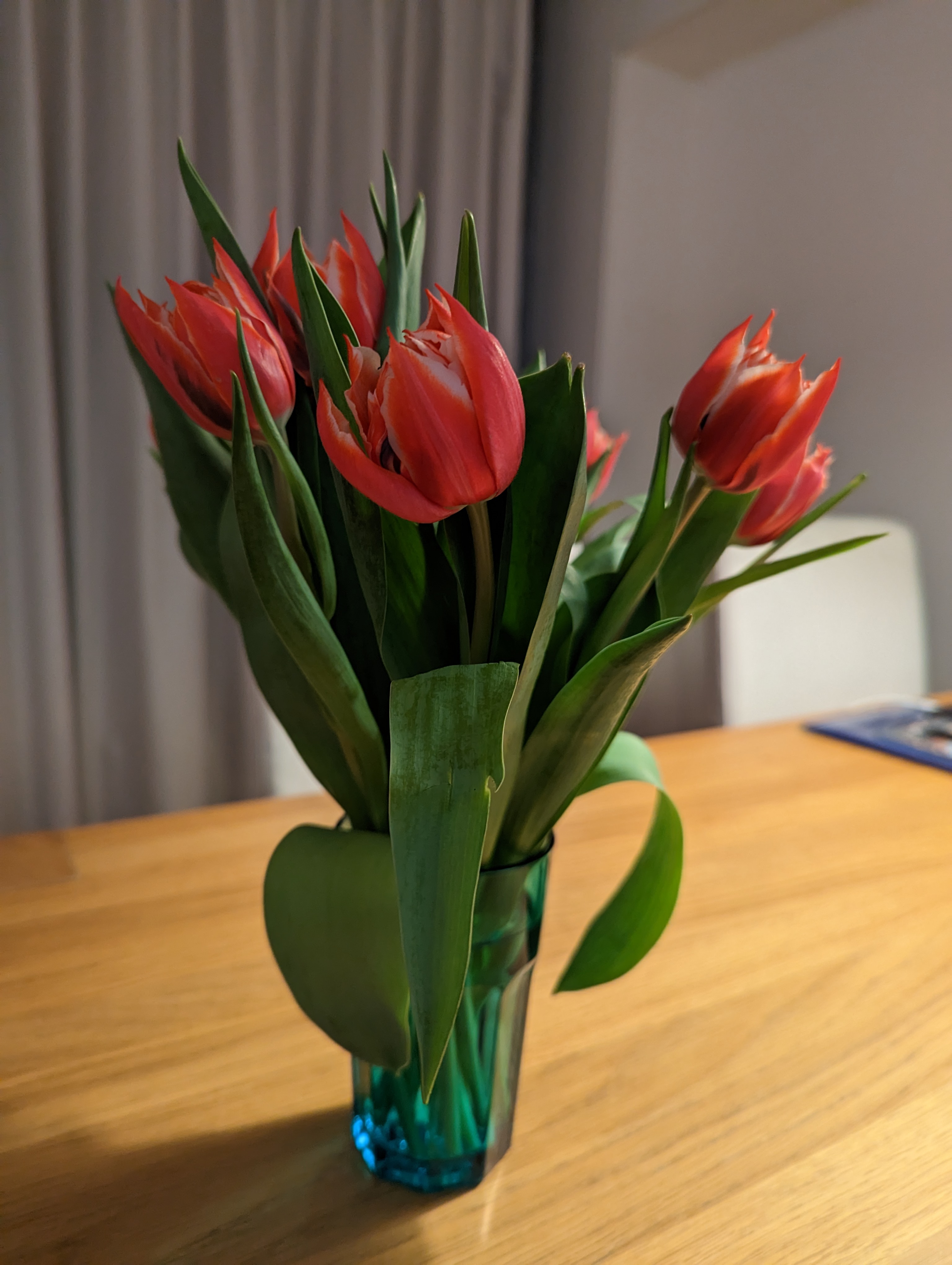
It was now mid-afternoon, so we walked back up to Centraal Station and bussed to Haarlemerplein. There was a market there today, selling tulips (we bought some for the house),

little delicious savory pies (ditto), lots of cheeses (we have already indulged) and some quiche from our favorite place, from whence we purchased a salad dinner on our first night. Tonight will be a night in with quiche and salad and wine as we rest up for tomorrow’s day trip to Haarlem and the Frans Hals museum.

Image

Seeing Vermeer

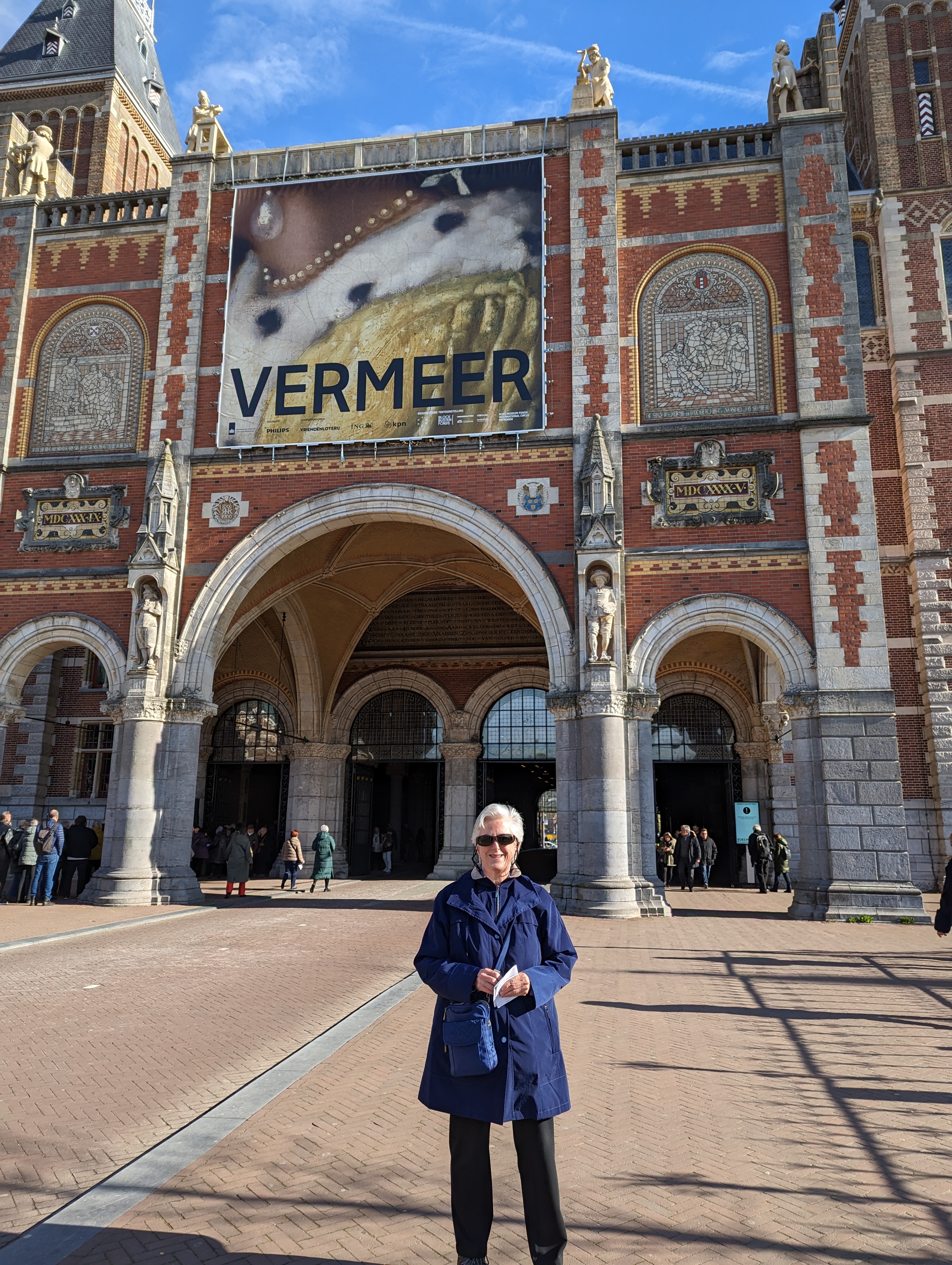
We planned this trip in order to see the once-in-a-lifetime exhibit of most of the Vermeers that exist. The curators state that it will never be repeated because the paintings are too fragile to travel ever again. Thanks to Alison, we joined the Friends of the Rijksmuseum one day about a year ago and were able to book our tickets the second they became available to insiders like us. And since they sold out really quickly, I’m incredibly grateful to her for making this possible!
The Rijks has done a great job of guiding viewers straight to the exhibit. Follow the blue lines,

and you’ll get right to it. And how was it? Quietly magnificent. Knowing that there are zillions of images of Vermeers online, I took only one picture, of The Little Street. My photo is not great, but the painting certainly was.

It’s hard for me to pinpoint the appeal of this image. It’s simple and straightforward, but the more you look the more there is to see.

The exhibit in general was so beautifully lit that, between the lighting in the museum and Vermeer’s masterful use of light inside and out, every picture just glowed. And yes, it was crowded, but if you waited patiently you would find yourself right in front of each painting.

It looks like quite a crowd, I know, but it was not hard to make your way to the front. Alison was a knowledgeable companion, having read so much, and was able to fill me in on the details. As with our tour of the Carpaccio exhibit at the National Gallery last fall, we found that knowing what to look for made a diference in how much we appreciated every detail.

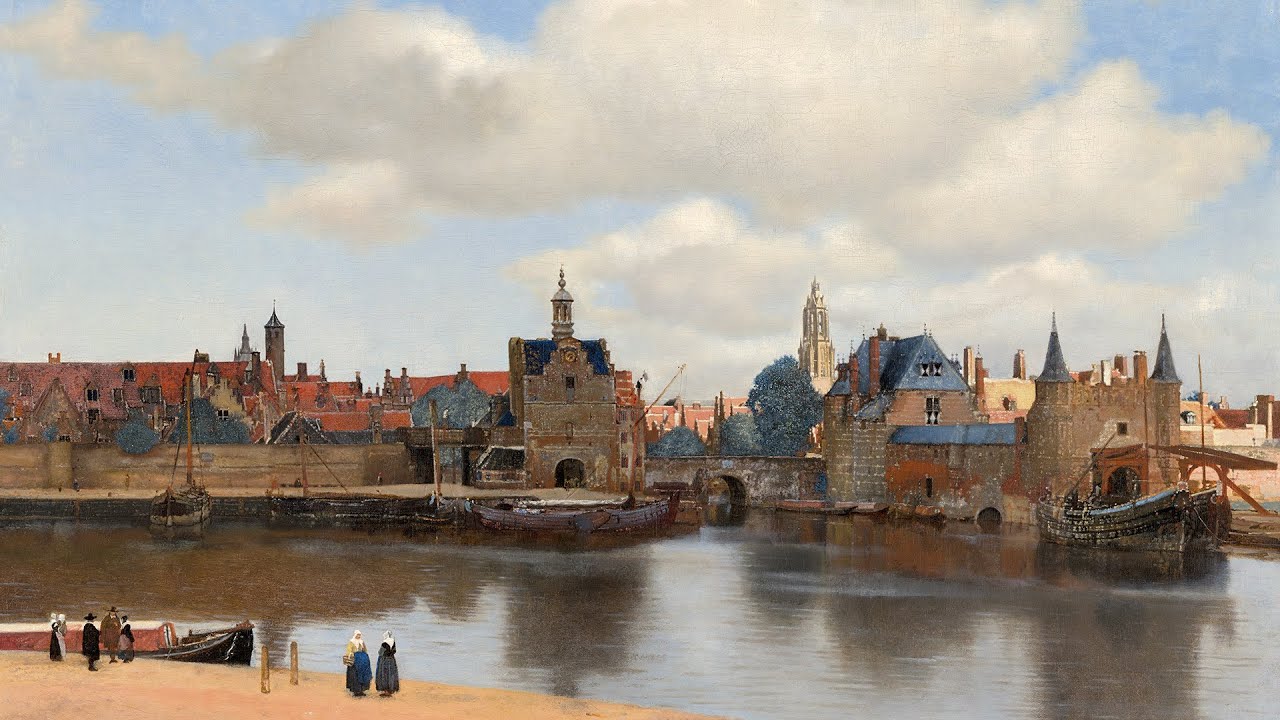
The Lttle Street, in all its apparent simplicity, is still my favorite, along with The View from Delft

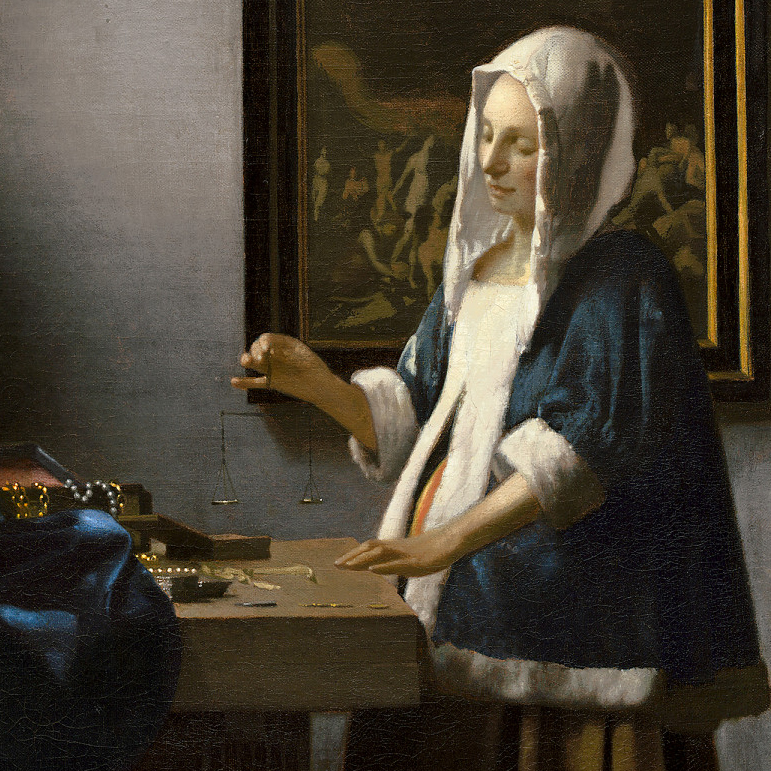
and The Woman Holding a Balance (which we count as one of “ours” since it’s at the National Gallery in DC where we can walk in and see it for free any day of the week).

And there’s more! Even The Girl with the Pearl Earring, which has become such a cliche since the novel and the movie, was fresh and new today.

The Rijks has done well by Vermeer and the public.

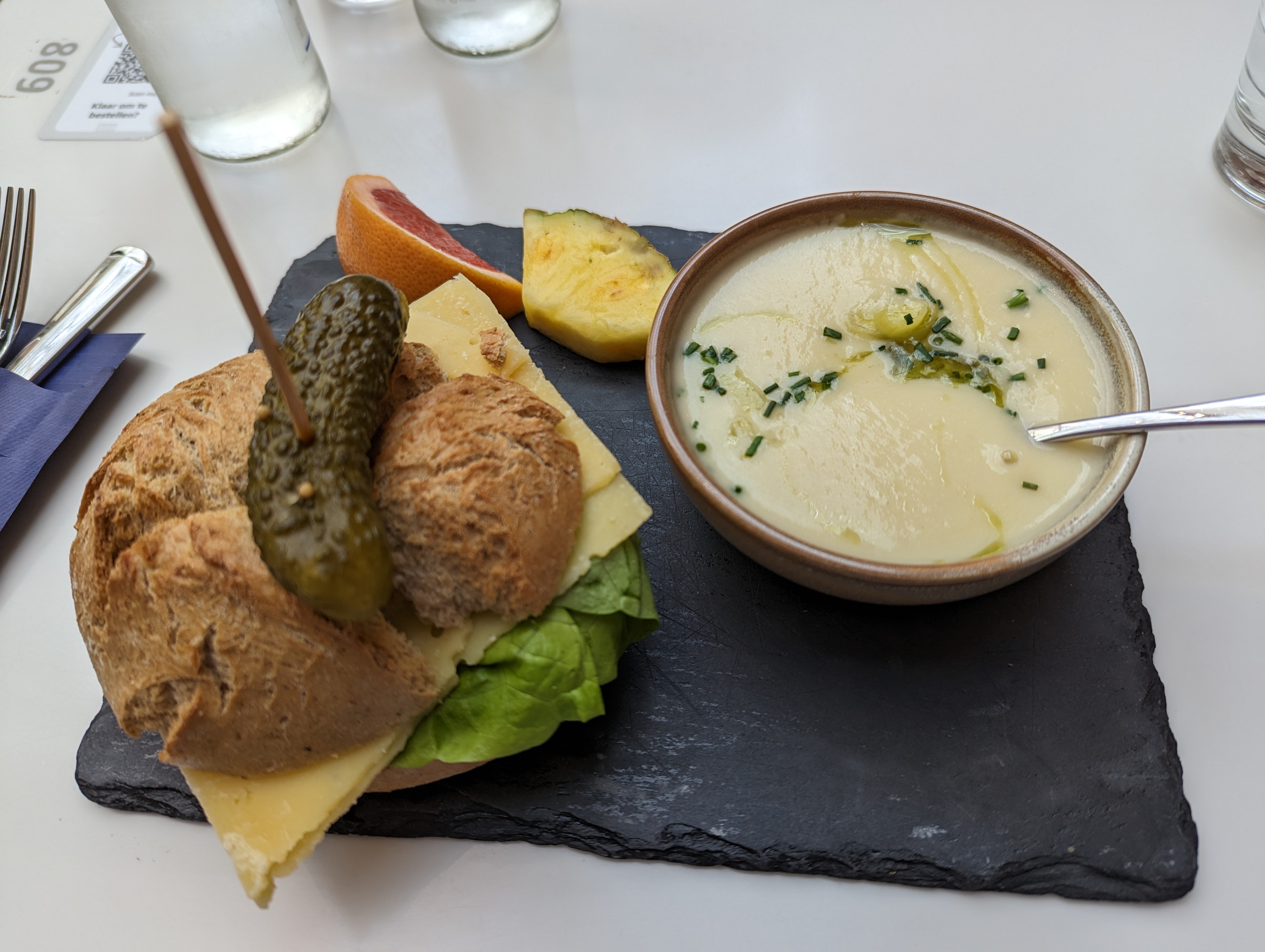
After that, what is there to do but proceed to the cafe and the gift shop! We had a very Dutch lunch of a root vegetable soup, a cheese sandwich and two little pieces of fruit.

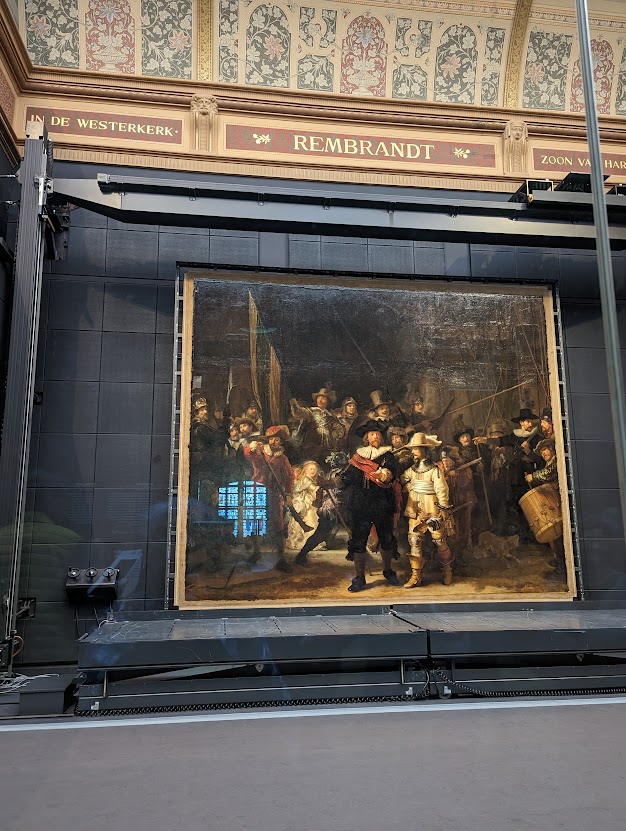
Then on to the gift shop, where I found a short book about the voyage to Nova Zembla and a magnet of the Little Street. From here we paid a visit to the Hall of Honor, which includes the newly restored Night Watch

still adjusting to its new frame, hence its complicated setup. Eventually the equipment will go away and we will be able to see it unadorned.

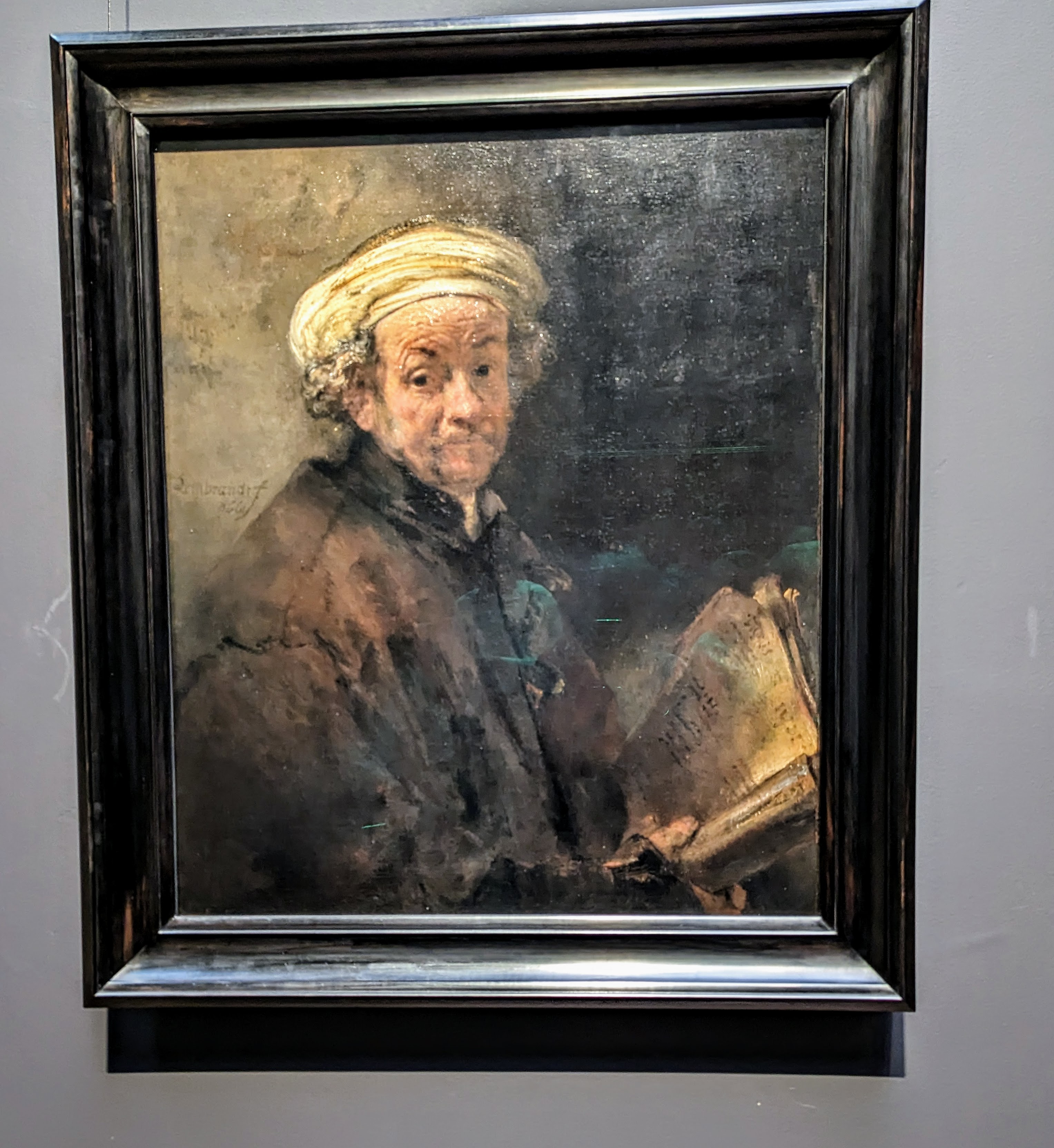
Also in the Hall of Honor (aka the Rijks’ greatest hits) were the threatened swan,

a few Judith Leyster paintings, and several Rembrandts, including this self-portrait as the Apostle Paul.

We paid a brief visit to the Java room,

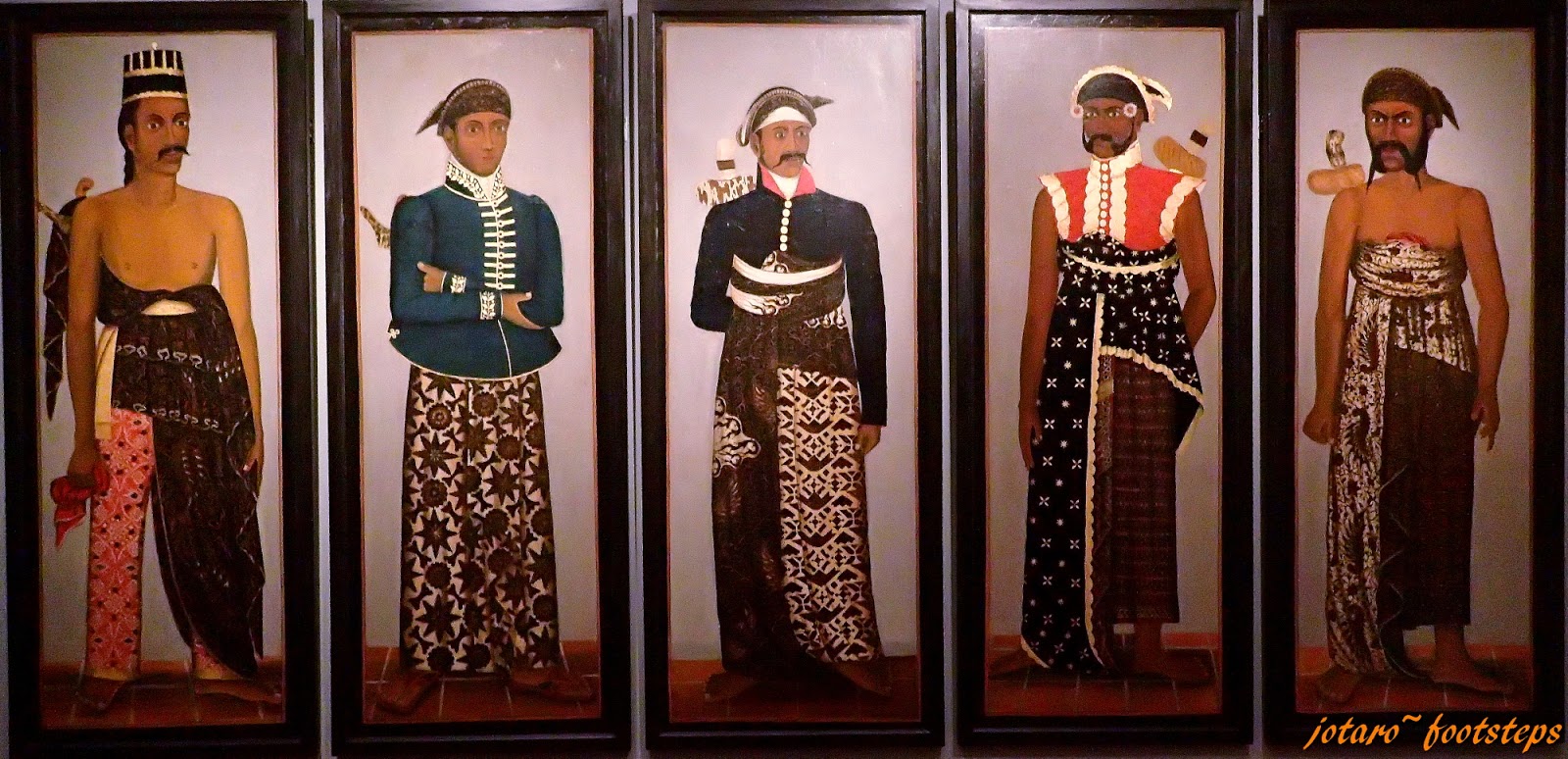
with this portrait of Javanese officials, as well as a number of dioramas set in Java and environs. This one portrays a plantation in Suriname.

Yes, the Dutch were huge colonialists, with areas of South America and the then-Dutch East Indies just some of their territory. Interestingly, the museum has started adding labels that expand on the history to, for example, point out that the salt that features as a sign of wealth in some paintings was the product of enslaved people. Ditto in the Java rooms, which chronicle a long history of Dutch oppression of the people of Java and Suriname. The dioramas seem to have been a fashion of the time, carefully crafted in every detail.

To see what the always interesting David Byrne thought of the Rijks, go to his post about it here.

Home on the tram (though we did have to go to and fro before we found the right way to go), then a bit of R&R before dinner. On our host Sebastian’s recommendation, we tried the local pub, t’ Blaauwhooft, which hit the spot.

Chicken satay for AO and a portabello mushroom sandwich with frites and mayonnaise for me. A very friendly spot with good service and tasty food. We’ll be back!

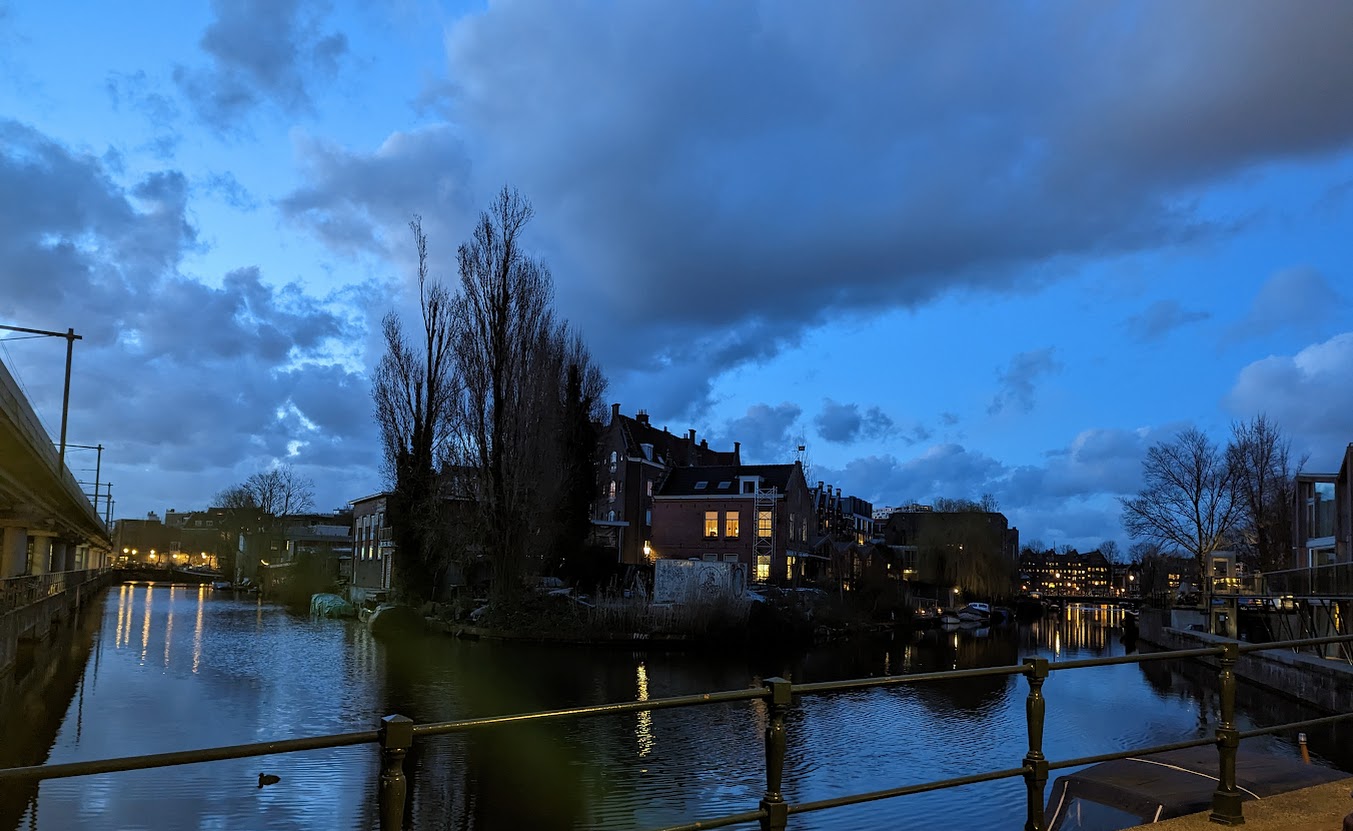
And a dramatic Dutch sky to follow us home.

Image

A Windy day in Amsterdam

It was so windy when we tried to land that the pilot was forced to go in a circle and try again from a different angle. But we’re here! We have a week in Amsterdam and then a week in Paris. On the agenda: art, art, art, and lots of walking and good food.

The apartment is really perfect. We were afraid that it would be too small – one bedroom and a tiny kitchen and bathroom – but in real life it’s fine. The bed is huge, but there’s an option to use the sofabed in the living room if we need to. Clean, simple, efficient, attractive and altogether delightful. A fancy coffee machine, similar to this model,

made coffee-making a breeze. Plus our host, Sebastian, is well-organized and friendly and encouraged us to call him if we need help; he has an apartment just upstairs.

Today was napping interspersed with a few errands. We went out for lunch at a friendly spot in Haarlemmerplein, aka Haarlem Square, enjoying an omelet on crusty bread (me) and fried eggs on crusty bread (AO).

The owner was quite friendly and marveled, as we did, at the ferocious winds. Thank goodness the sun was out and the temps were in the mid-40s, otherwise it would have felt like the Arctic!

We found the stop for our tram to the Rijksmuseum tmorrow, stocked up on cereal, fruit, cheese, crackers, and wine, plus interesting salads from a place right on the square, De Deli Haarlemmerbuurt, that also offers quiche and sandwiches.

That’s tonight’s dinner sorted. The rest of the time we ignored the beautiful surroundings and unpacked, napped some more, figured out the wifi, and did all the things you can just about manage to do after jet lag. Onward!

A Day in the Country

In Friesland, to be exact.  We took a day trip in memory of Pat, who always told us that Friesland, where his family comes from,  is NOT the same as the Netherlands.  Plus, Judy told me how beautiful it was, so we went.

We rented a car at the airport, neglecting to bring our passports, since we usually travel with photocopies and leave the originals in our rooms.  Luckily, the nice car agent assessed us as harmless if gormless old ladies and allowed us to proceed without the proper documentation.  Whew!

Since the Dutch sensibly drive on the right side of the road, the trip was not difficult.  We were traveling north of Amsterdam and slightly east, up the narrow peninsula that used to end in water.  Since 1932 when Afsluitdijk was built, there has been a causeway between the Zuider Zee, a salt water inlet of the North Sea and the IJsselmeer, which is fresh.  Can you tell I got these details from Wikipedia?

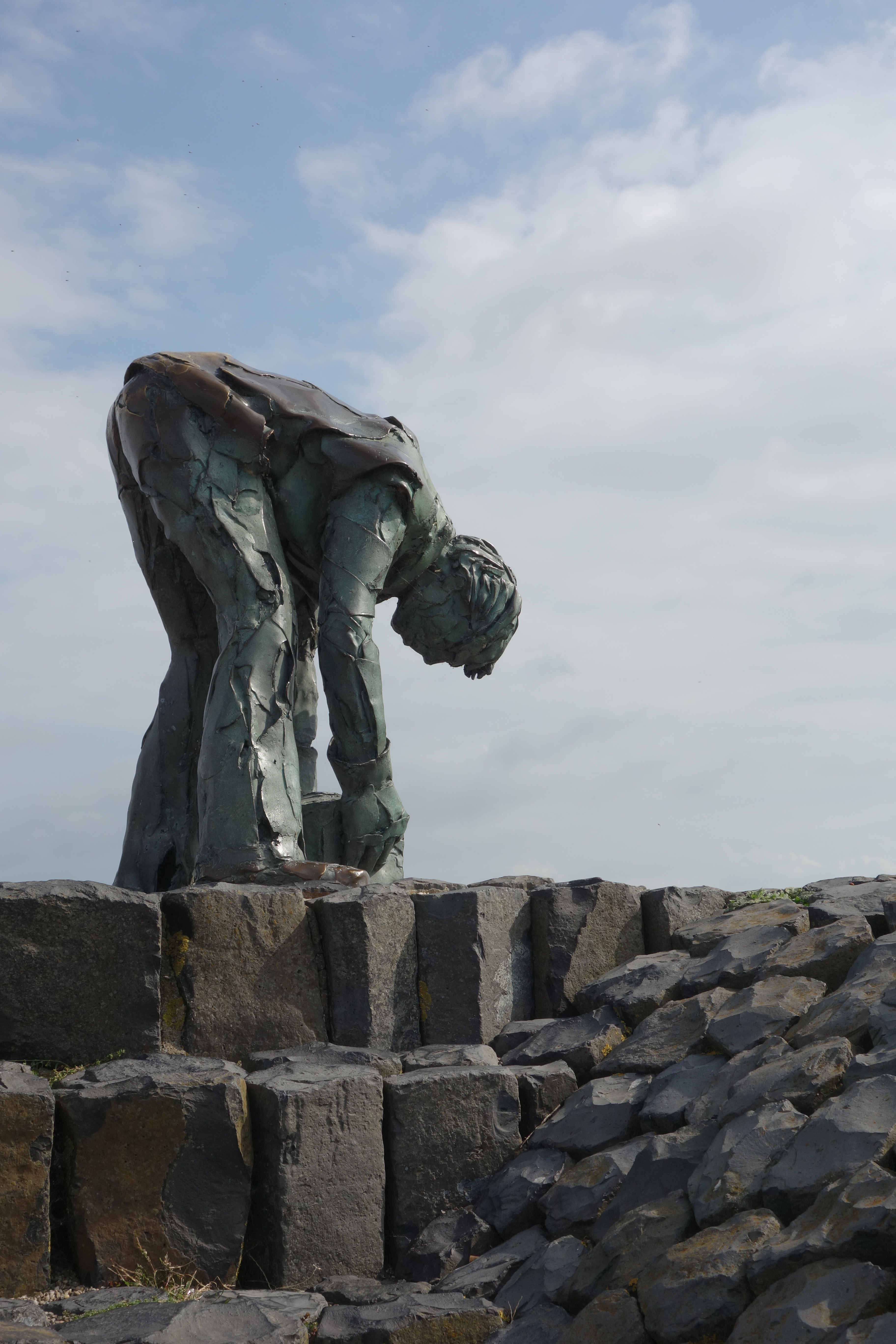
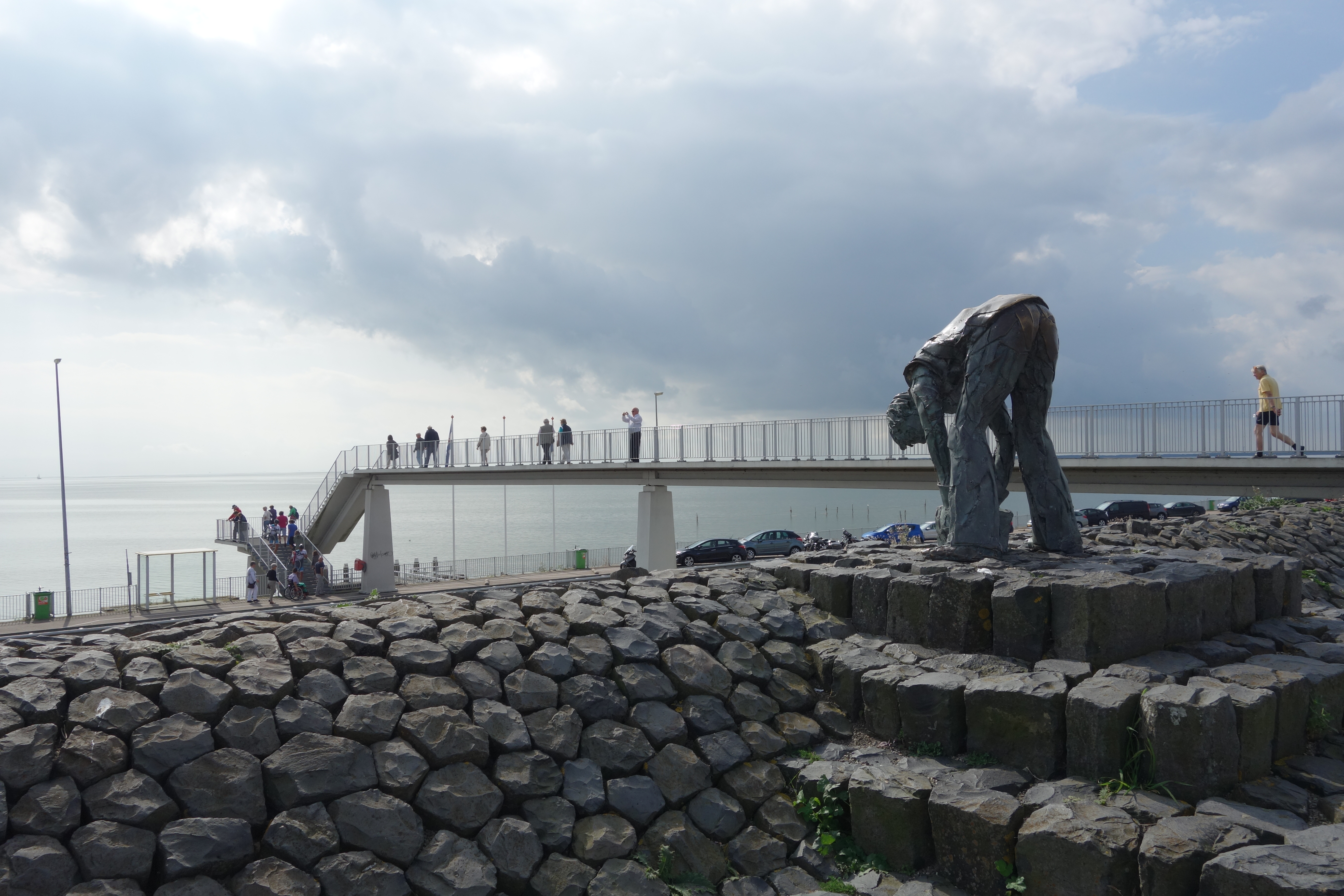
Here is the engineer who made it all happen but died before the dike was completed.  He looks a lot like Churchill.  You can see the two bodies of water separated by the dike.

DSC04296

Building it was a heroic endeavor, and to honor that work is a statue of a young man laying the stones that make up part of the dike.  DSC04291The whole thing is quite a tourist attraction, with a layby offering coffee and snacks (stroopwaffel) and a walkway to the other side.  DSC04292There are also informative signs about the differences between the saltwater and freshwater environments.  But my favorite was this one:DSC04299Indeed, we managed not to get lost one bit!

We went to Makkum, highly recommended by Judy as a charming little village.  It was indeed, though mostly shut up tight on a Sunday.  DSC04304Luckily, we found a restaurant serving pannekoeken.  We chose the savory – apple and cheese – and they were so delicious we could hardly stand it.DSC04303We sat outside in the sun, enjoying our lunch and watching a very few people go by.  Though, of course, that included cyclists…

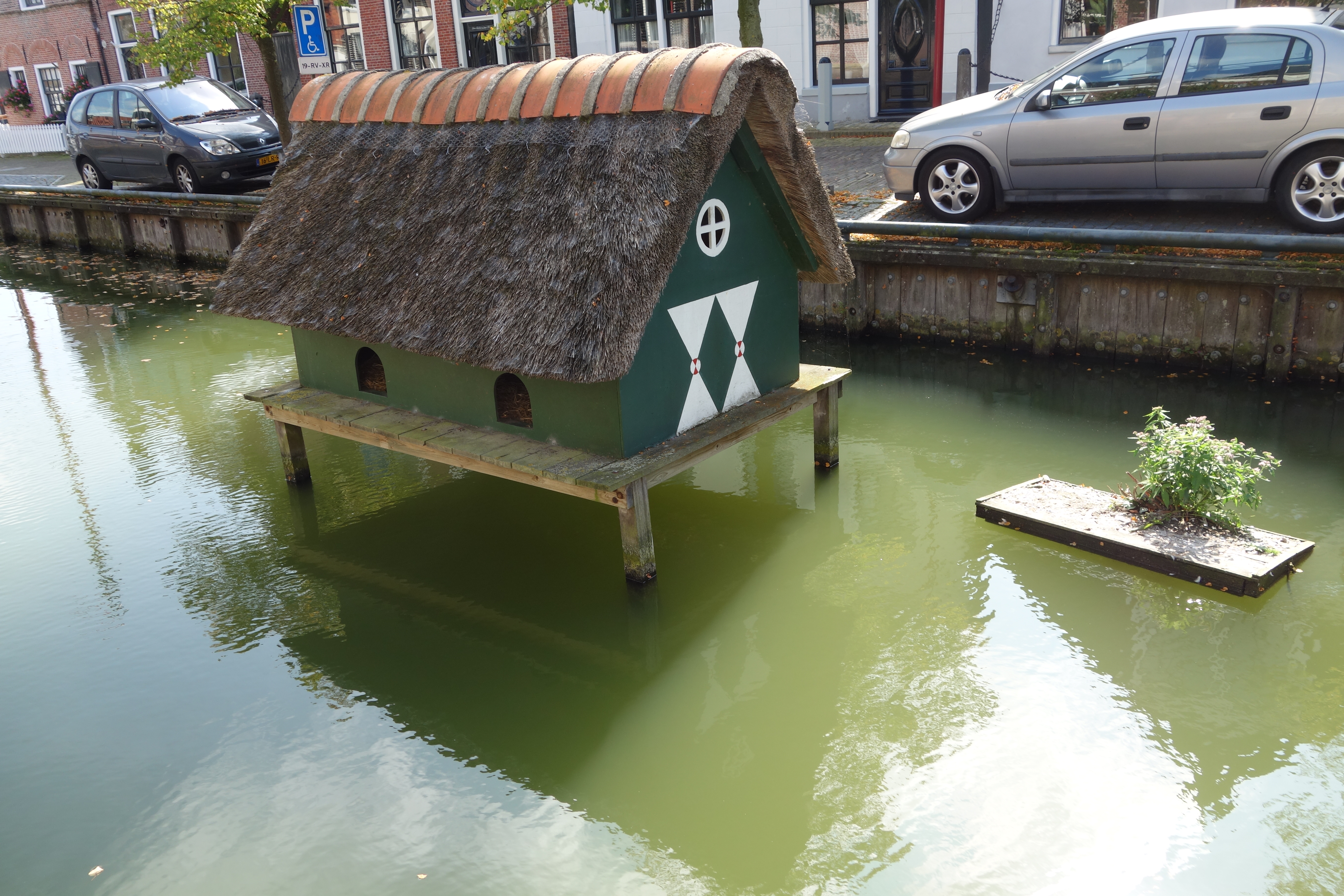
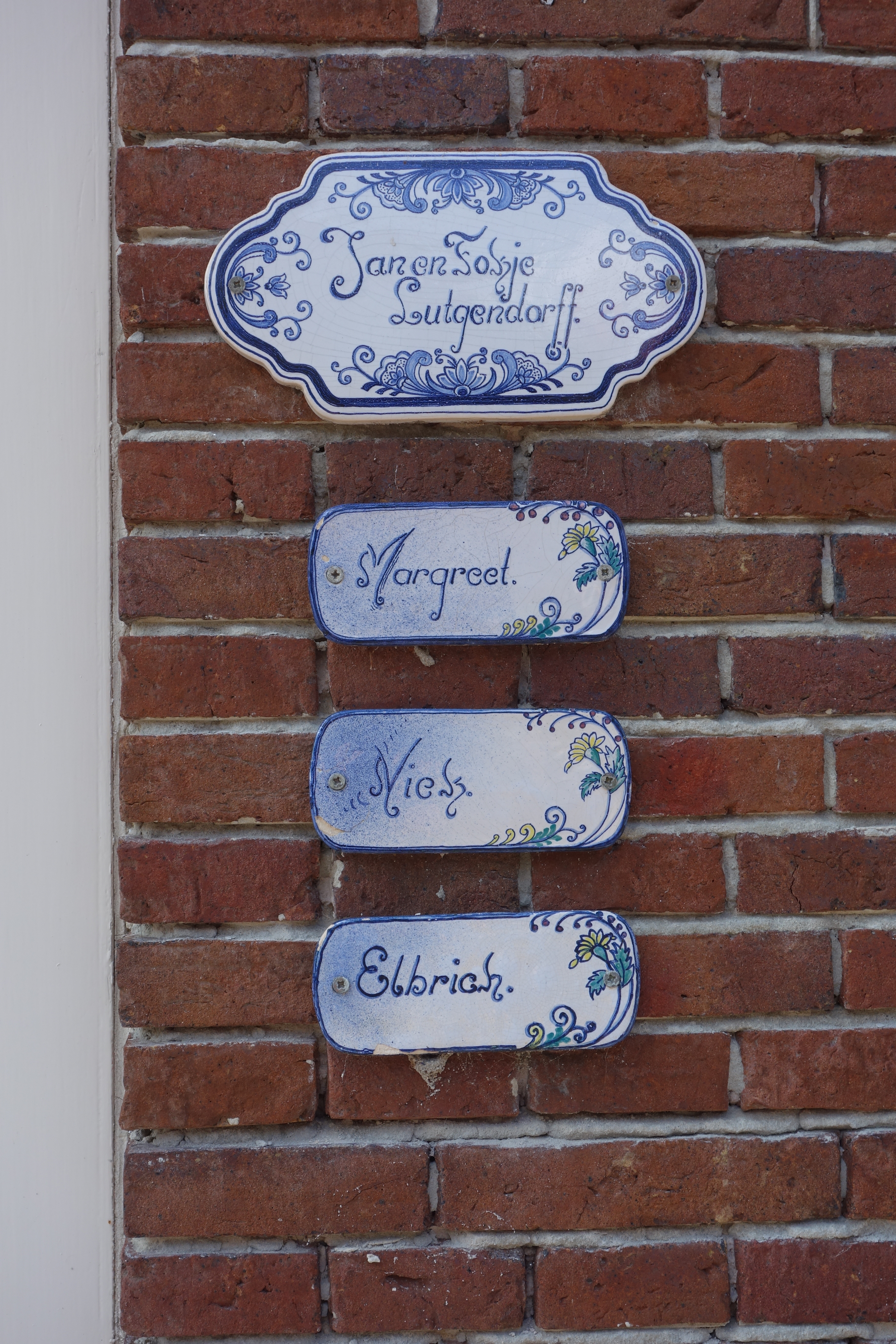
Then we had a wander, enjoying the canalsDSC04309and this little house that someone explained was for pigeons.DSC04307We liked looking in the windows, which in the Dutch way are often wide open day or night, inviting you in.DSC04308 DSC04311We also enjoyed this family listing outside one door.  The old-established pottery in Makkum  had closed its shop a year before, although if you have lots of lovely money you can visit them online or even commission something.  So we gently moved on.

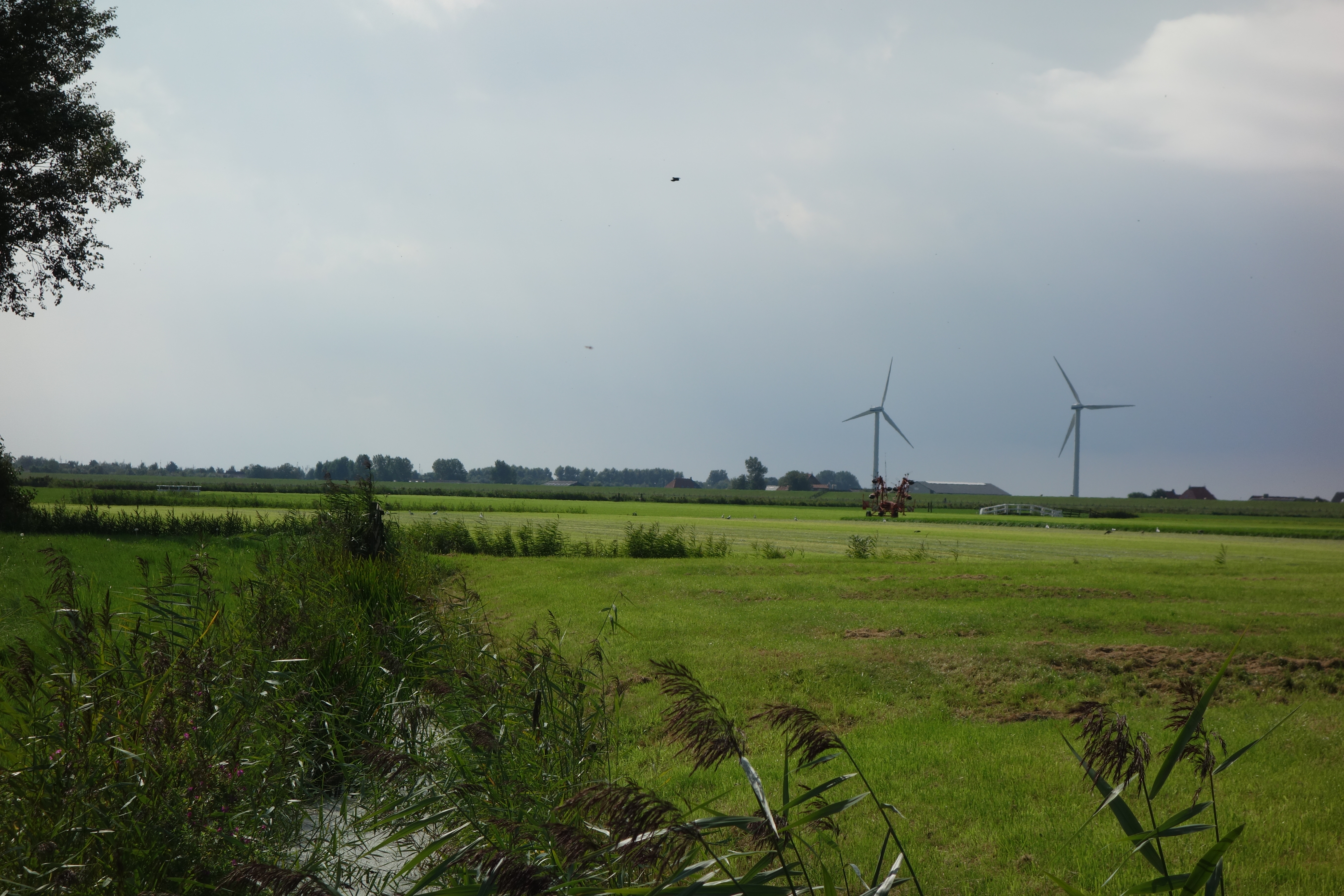
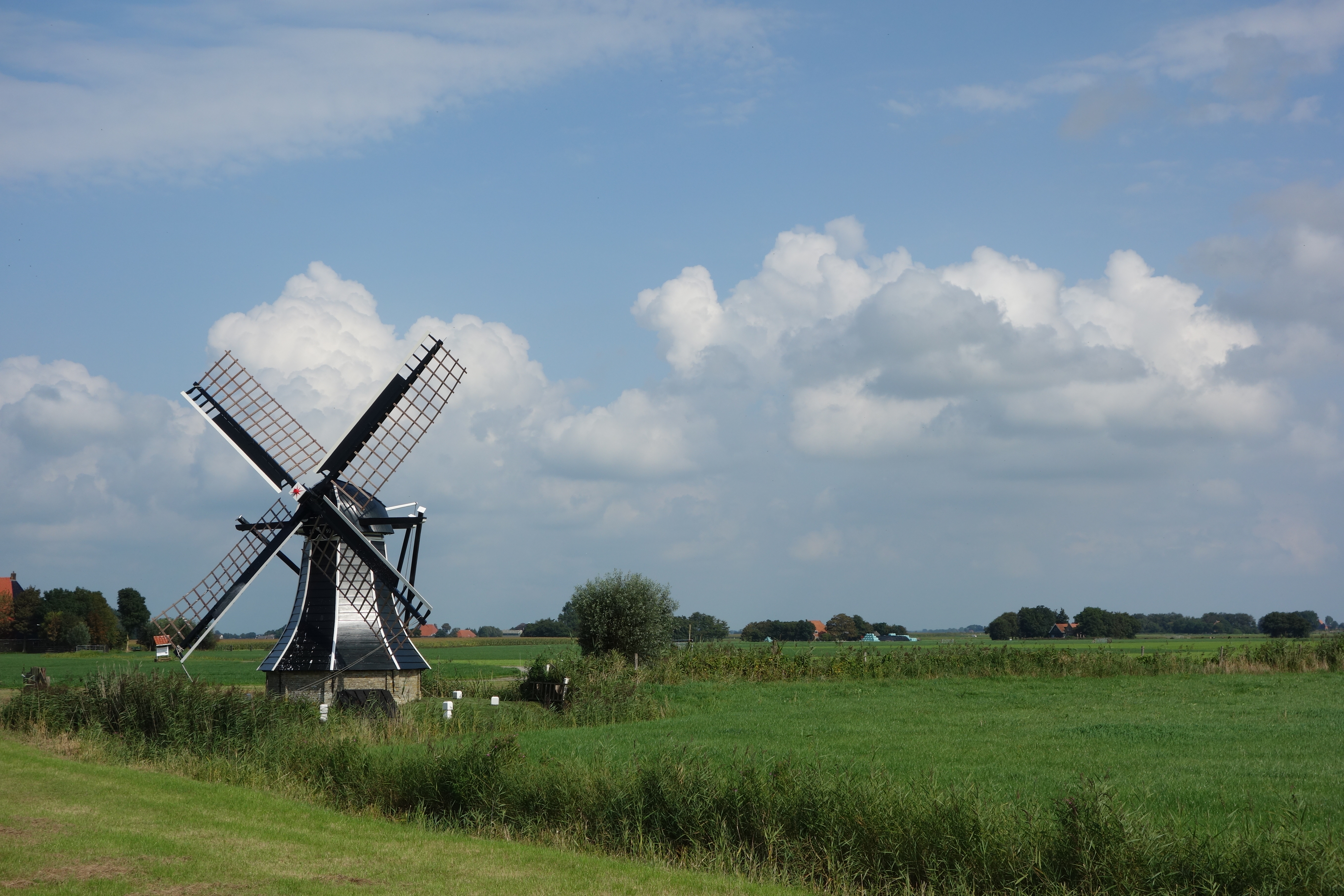
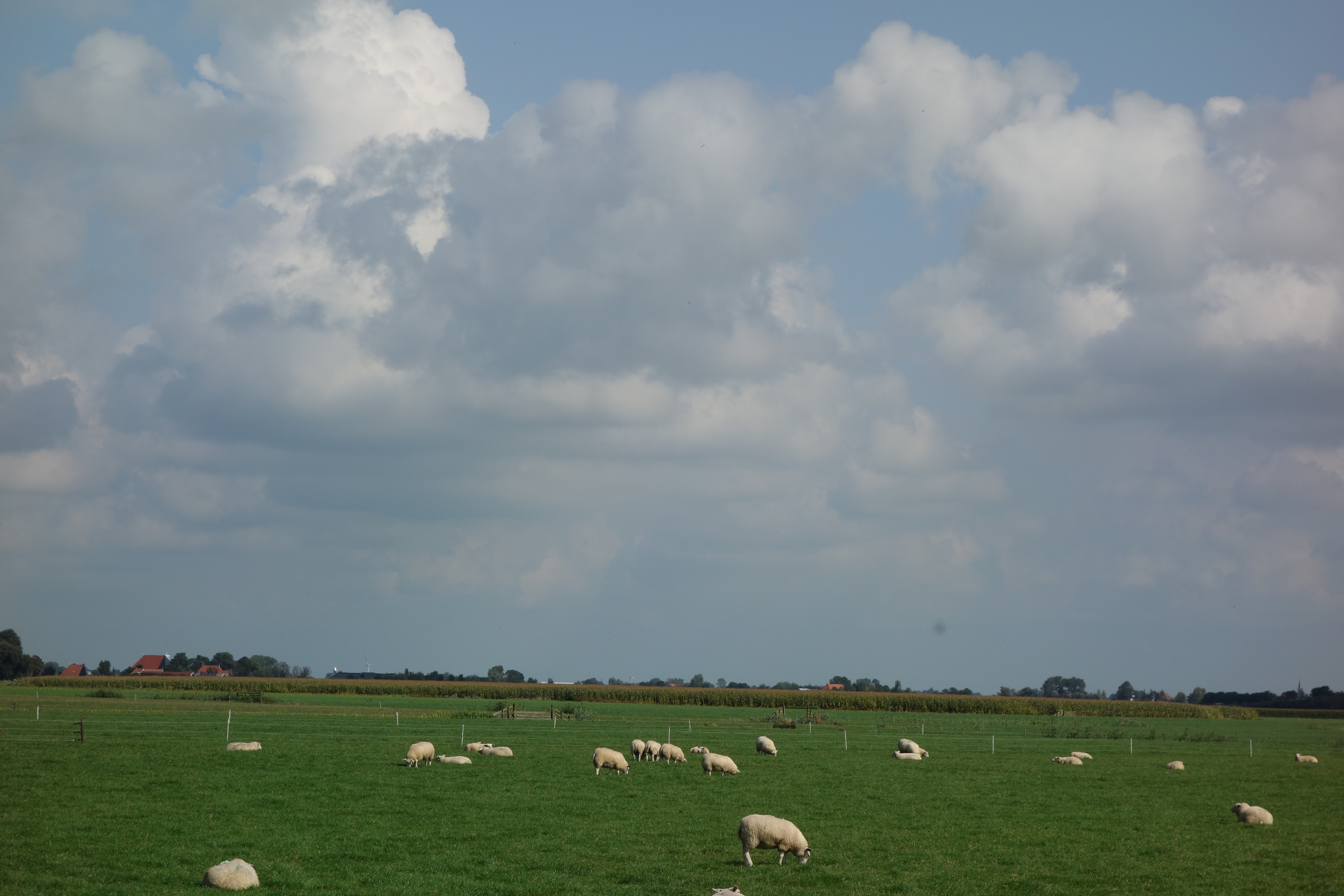
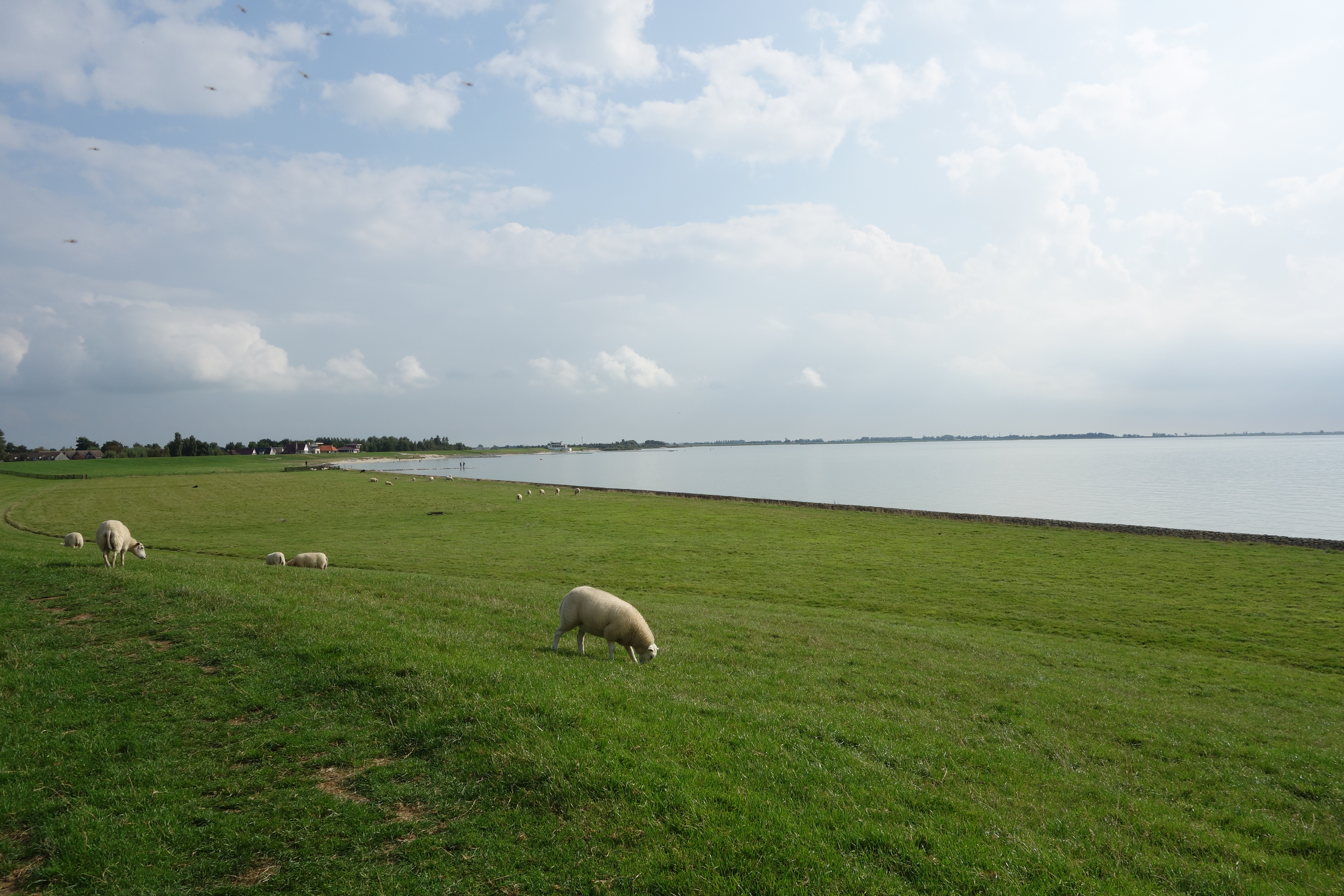
We had a tiny bit of trouble finding Hindeloopen, since in the English style the Dutch tell you what the next village is, but not the next but one.  That gave us a chance to snag some windmills (both kinds), sheep and enormous Dutch skies.DSC04323DSC04321DSC04319Here are the sheep “in action.”

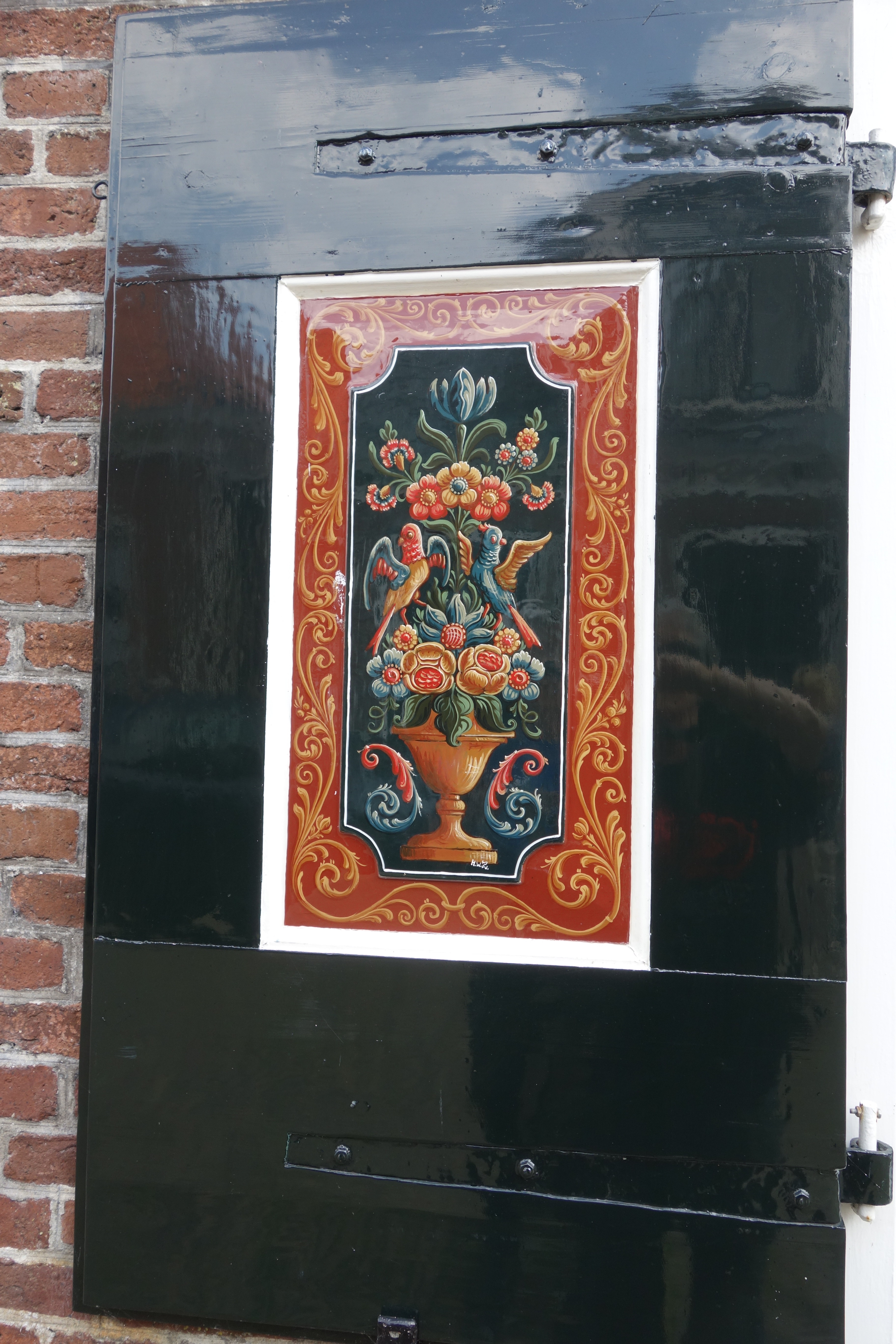
Hindeloopen is known for its painted furniture, but it is also just a charming place.  We came across this painted doorDSC04329and saw this chest in a nearby store.DSC04330Apart from these charms, Hindeloopen also had lovely gardensDSC04332and, best of all, a wonderful dike to walk along.

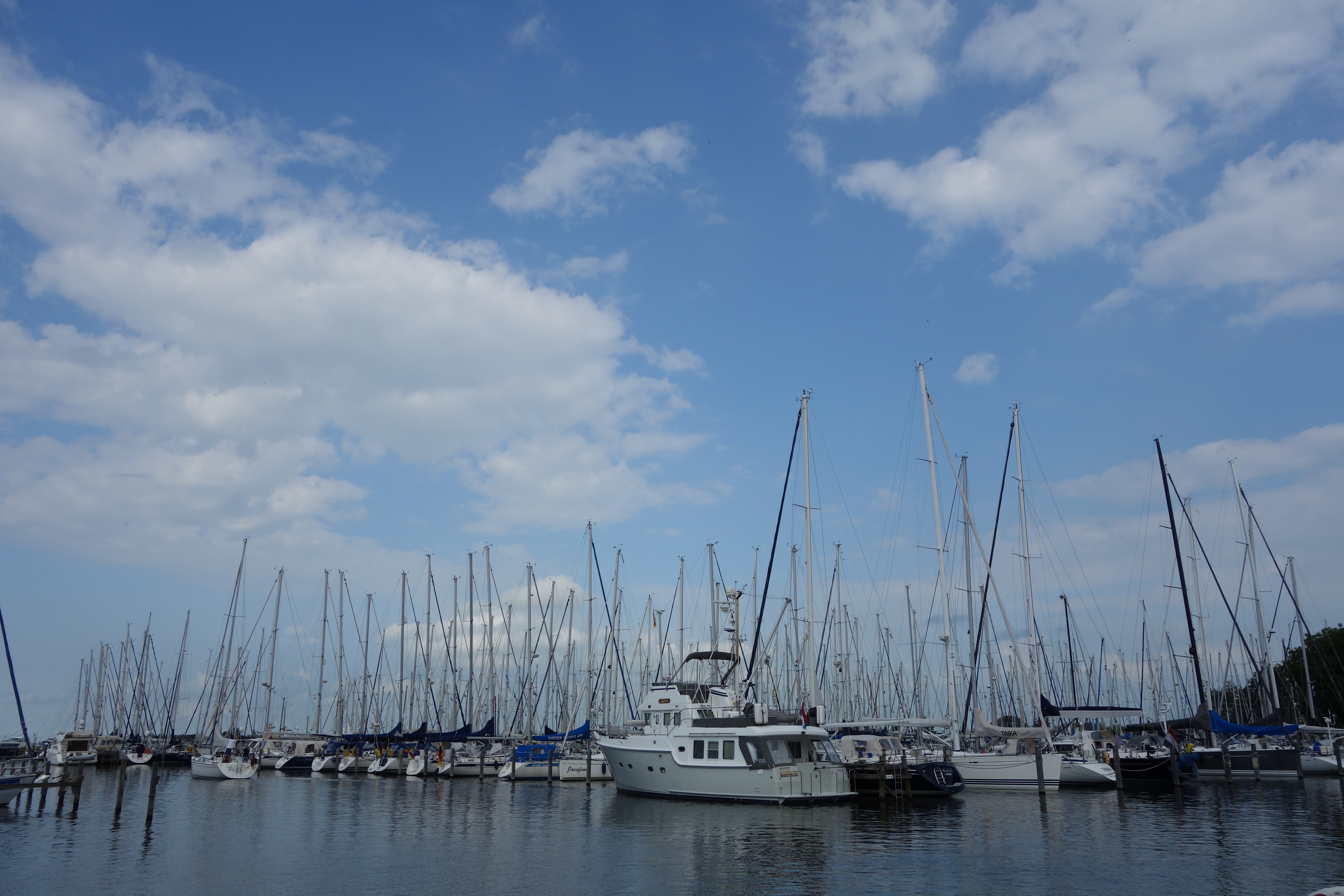
First we walked down to the harbor, where the phrase “a forest of masts” must have come from.DSC04333

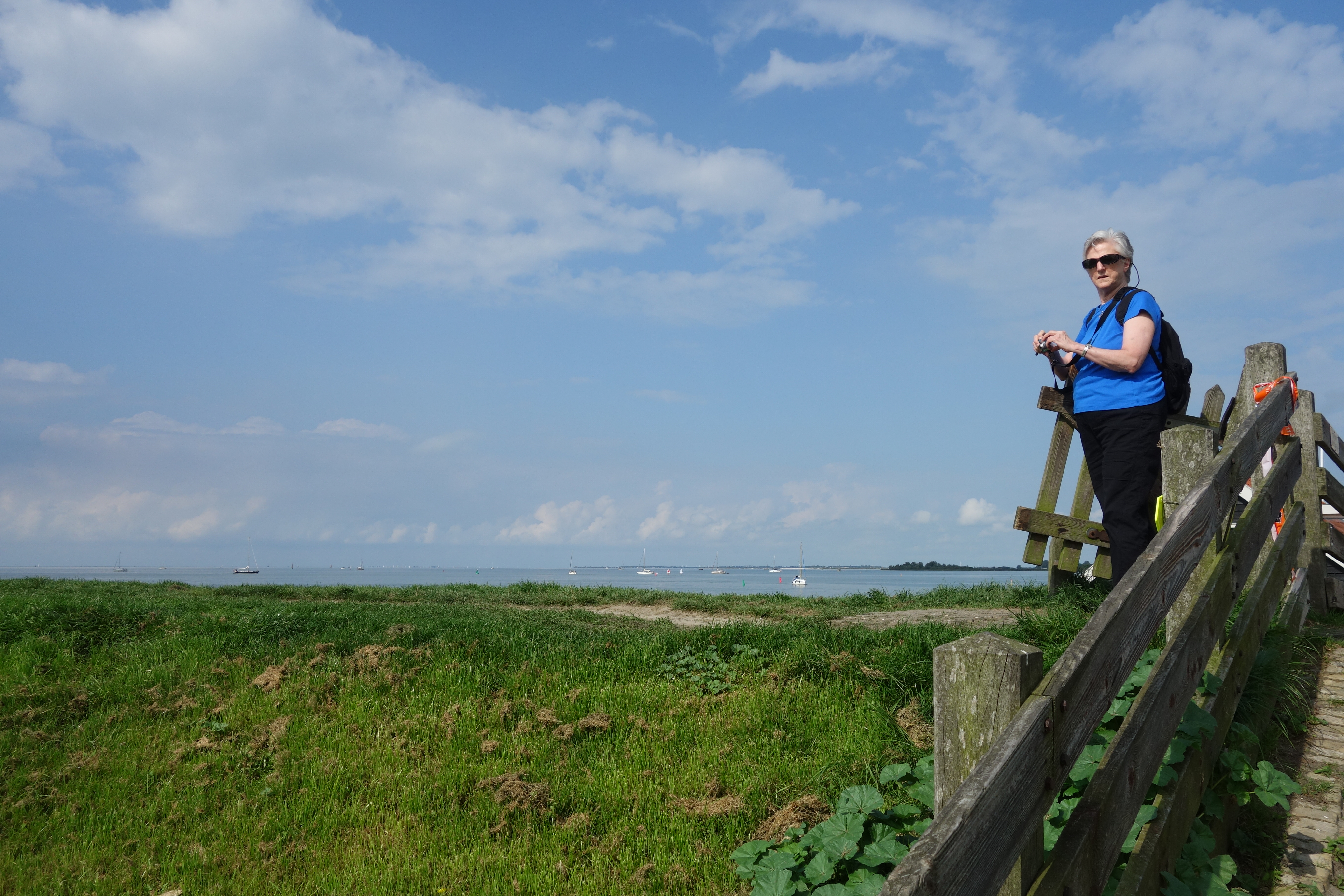
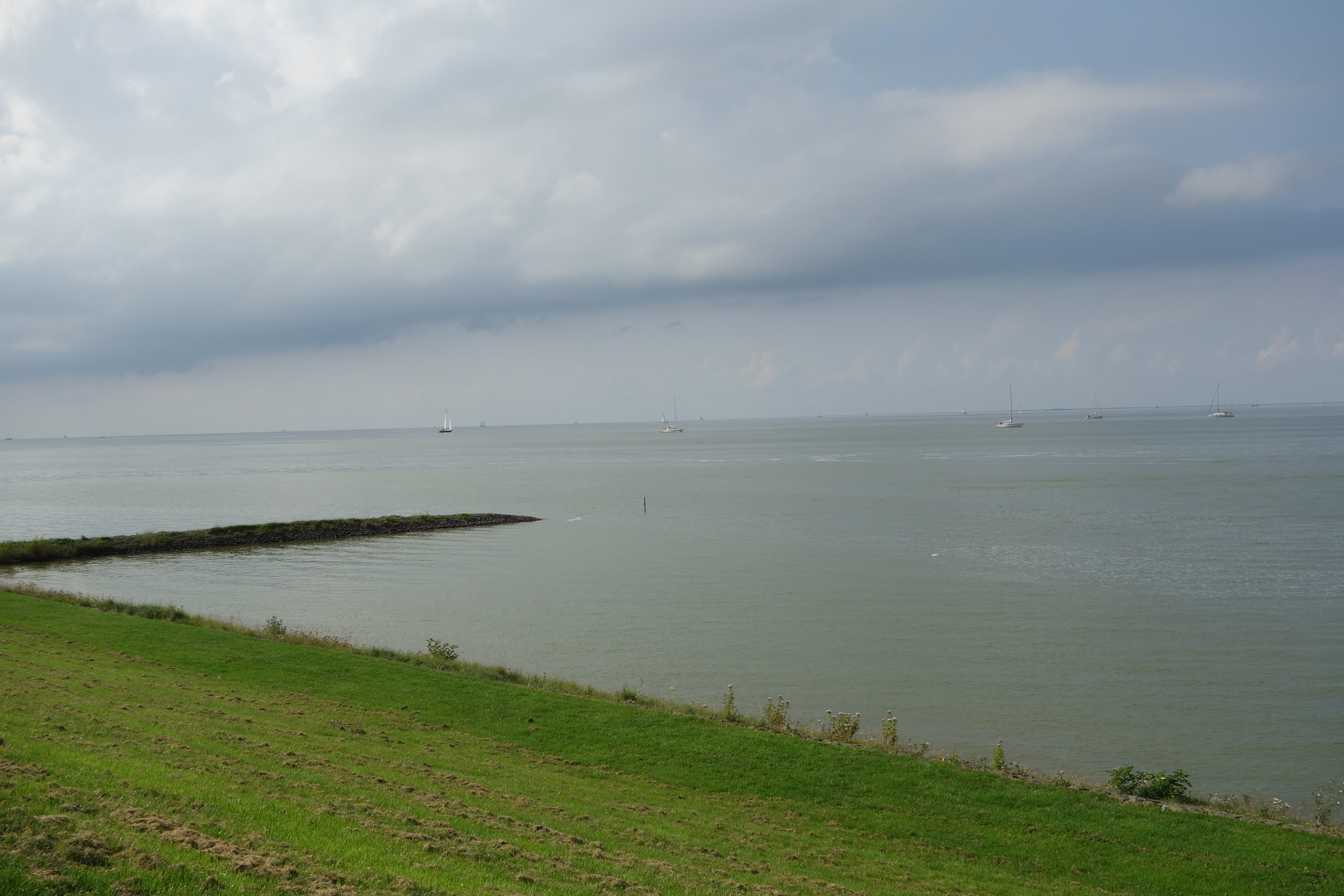
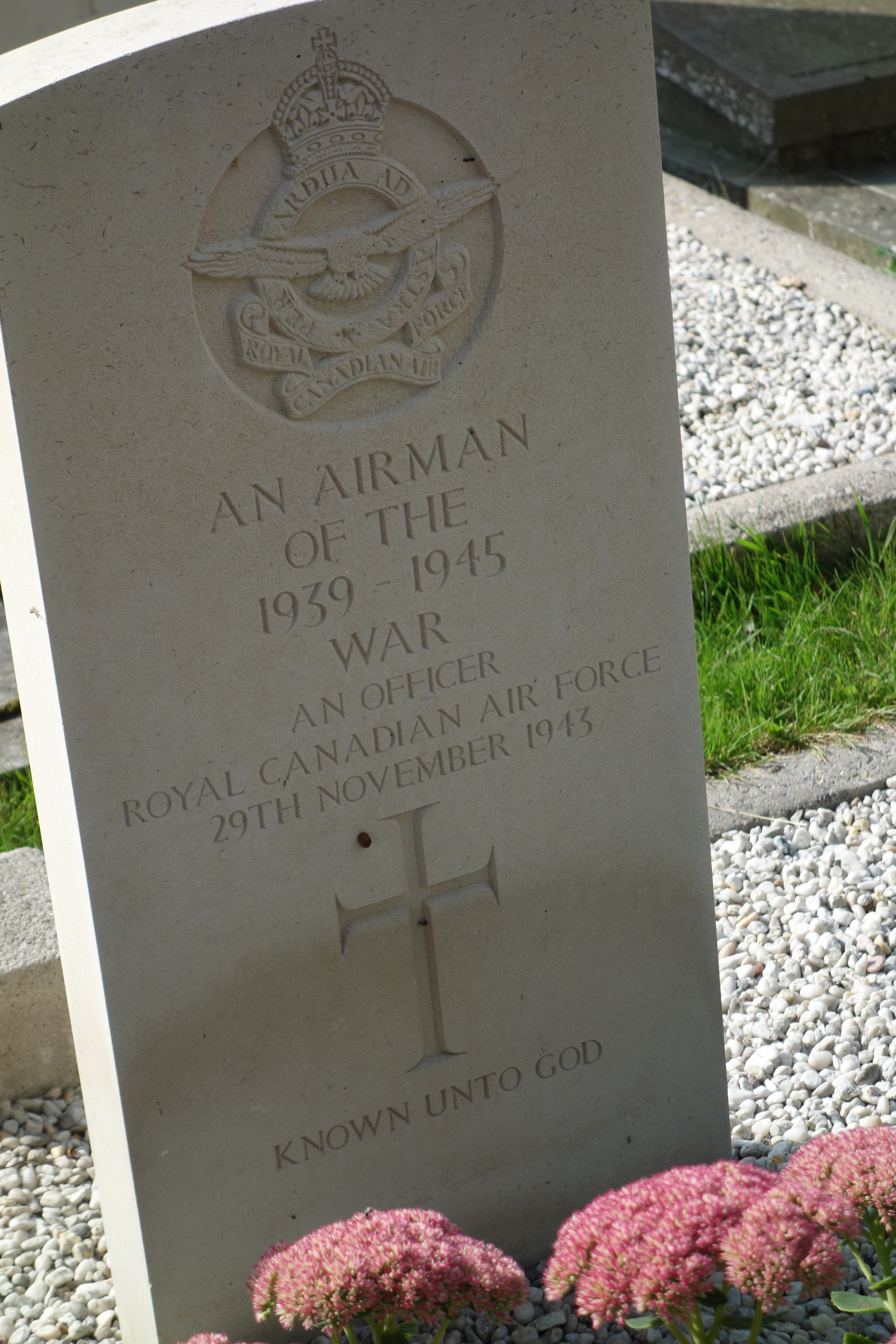
Then we walked around the town to the dike.  DSC04336It really is just an embankment that keeps the sea away.  You climb up a small hill, walk through a stile, and there you are.  This scene could have come right out of a 17th century Dutch painting.  I don’t think much has changed.DSC04337There was nothing to see on this sunny day but sky, sea, sheep and the Dutch at play.  DSC04351We paid a brief visit to the Commonwealth graves outside a church, marking the anonymous airmen who died here during the war.DSC04342Then it was back down the road, across the big dike, and home again.

In which we behave like the tourists we are


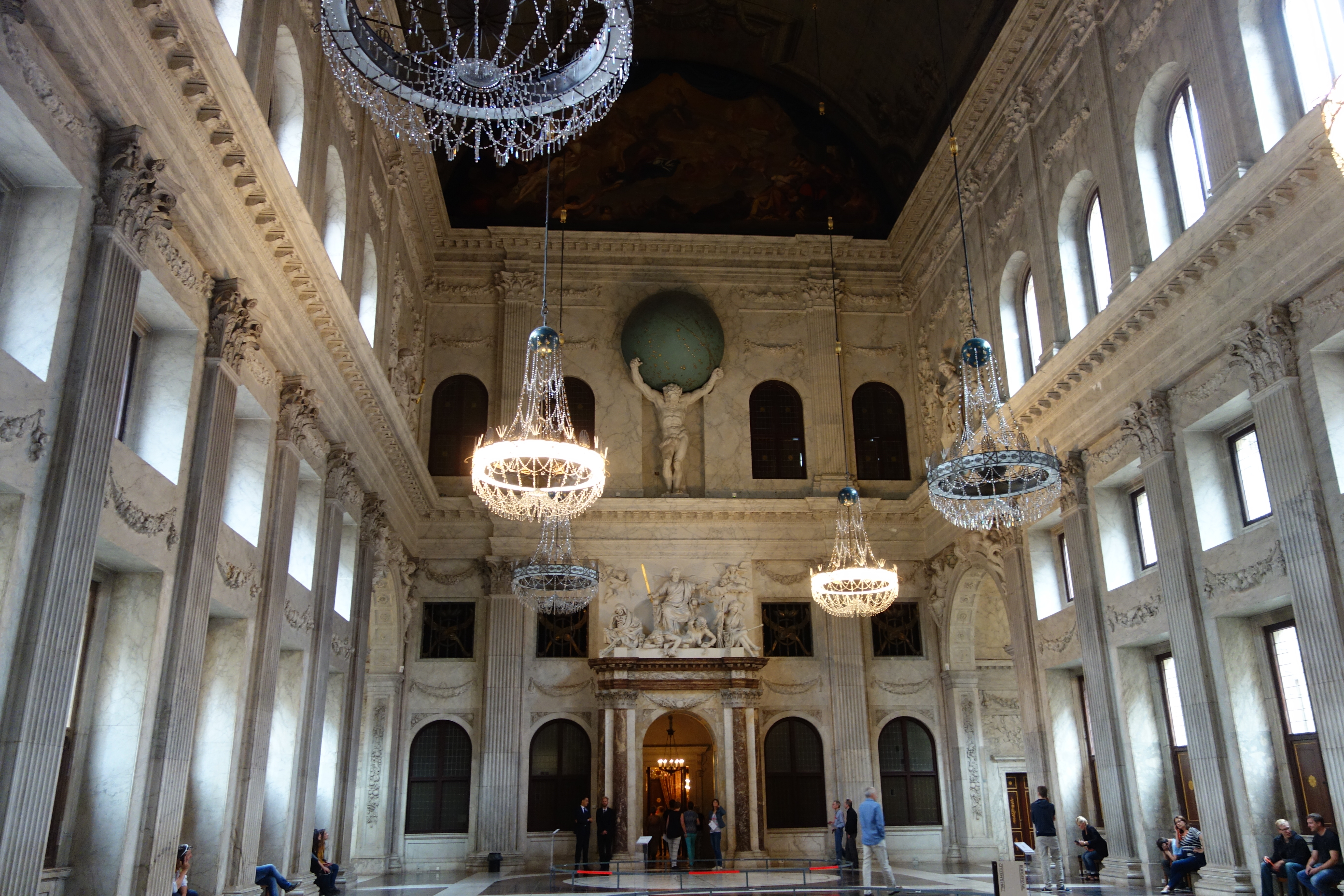
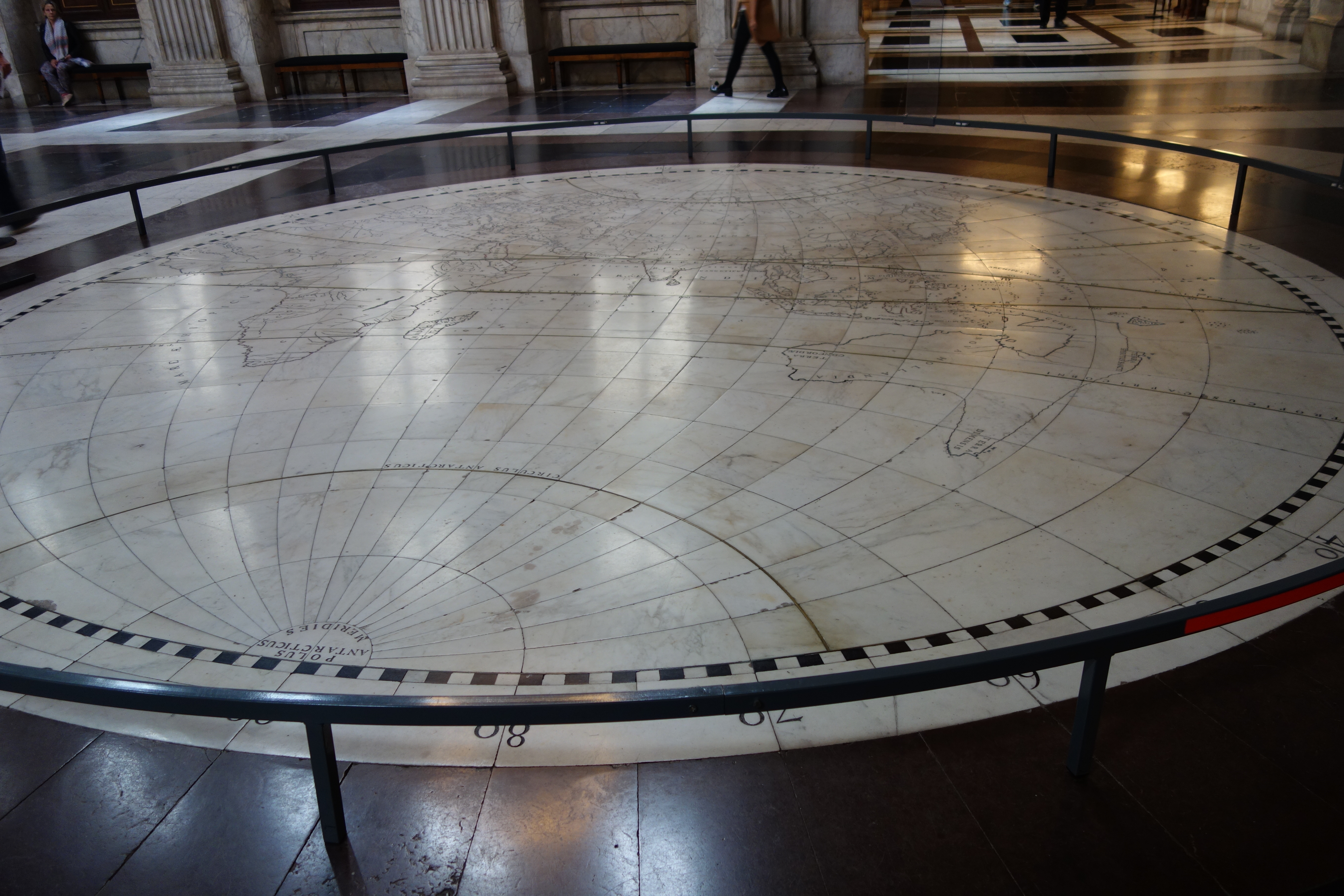
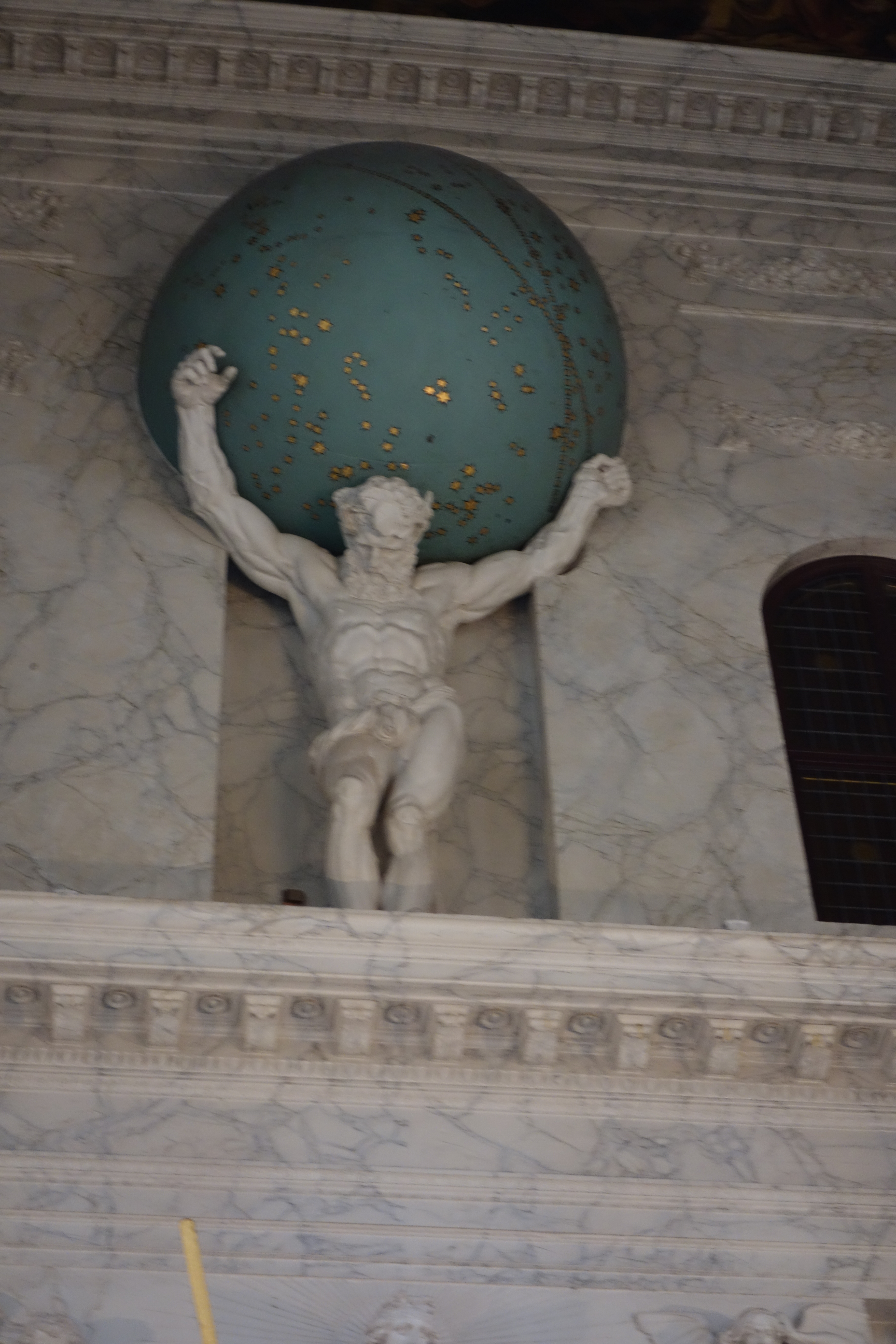
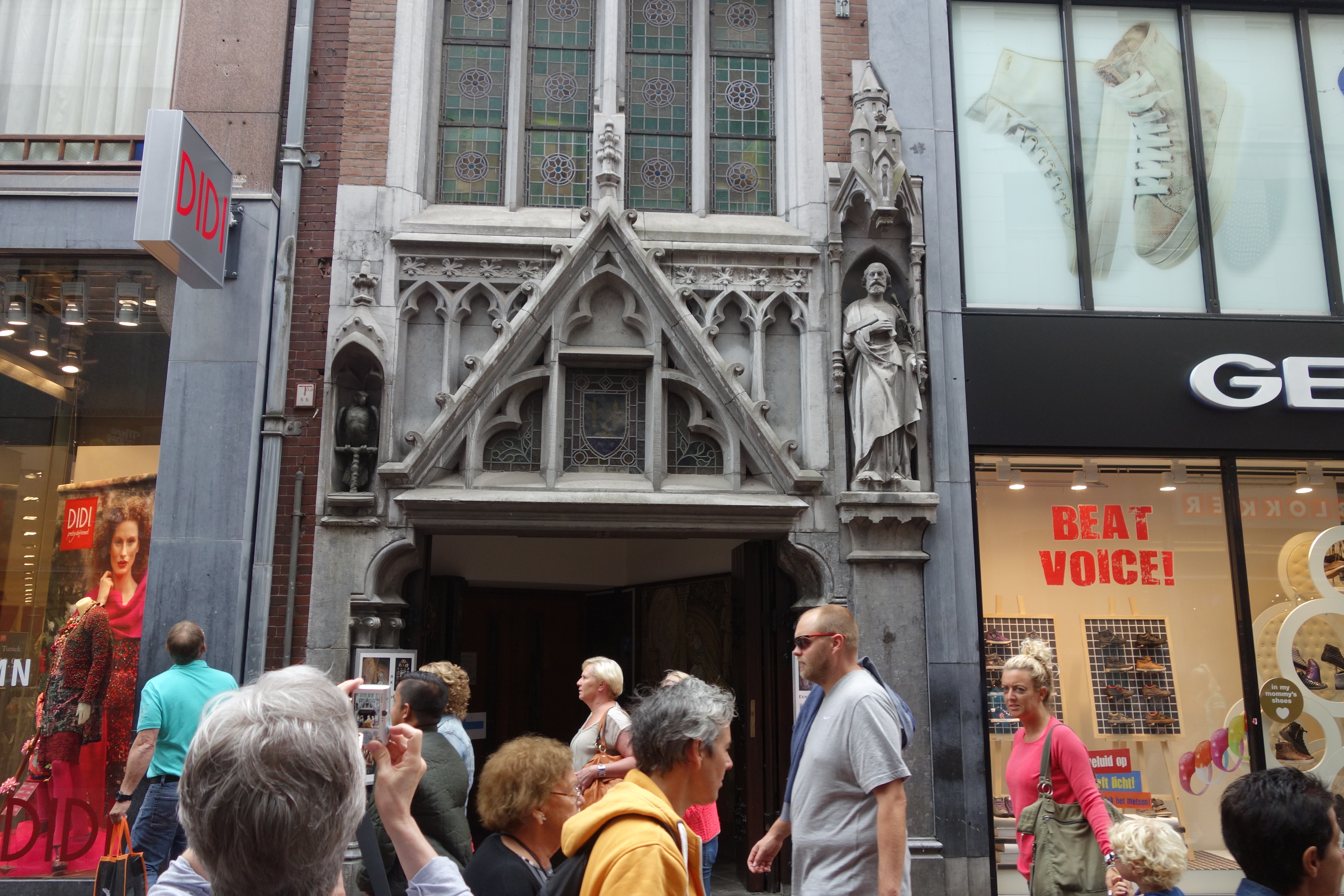
We got our bearings by following Rick Steves’ podcast city tour through some touristy highlights.   From Central Station, the Victorian red brick building where every journey begins, a  short tram ride along Damrak brought us to Dam Square, the center of the historic district.  We dutifully went into the Royal Palace (aka City Hall), so named by Napoleon’s brother.  The central hall was quite impressive, if you like marble floor maps and classical statues.  DSC04239Here  is part of the world circa 1750.DSC04238and a close-up of Atlas.  Unseen above is a painted ceiling showing Amsterdam triumphant.DSC04234Enough.  We moved on to the hidden Catholic church.  There are several of these dating from the Reformation.  This one is located on what’s now a very busy tourist street.  DSC04242It’s known as the Papegaai,  meaning parrot, after the bird carved into a niche at the entrance.  Inside all was calm and serene in contrast to the commercial bustle outside.

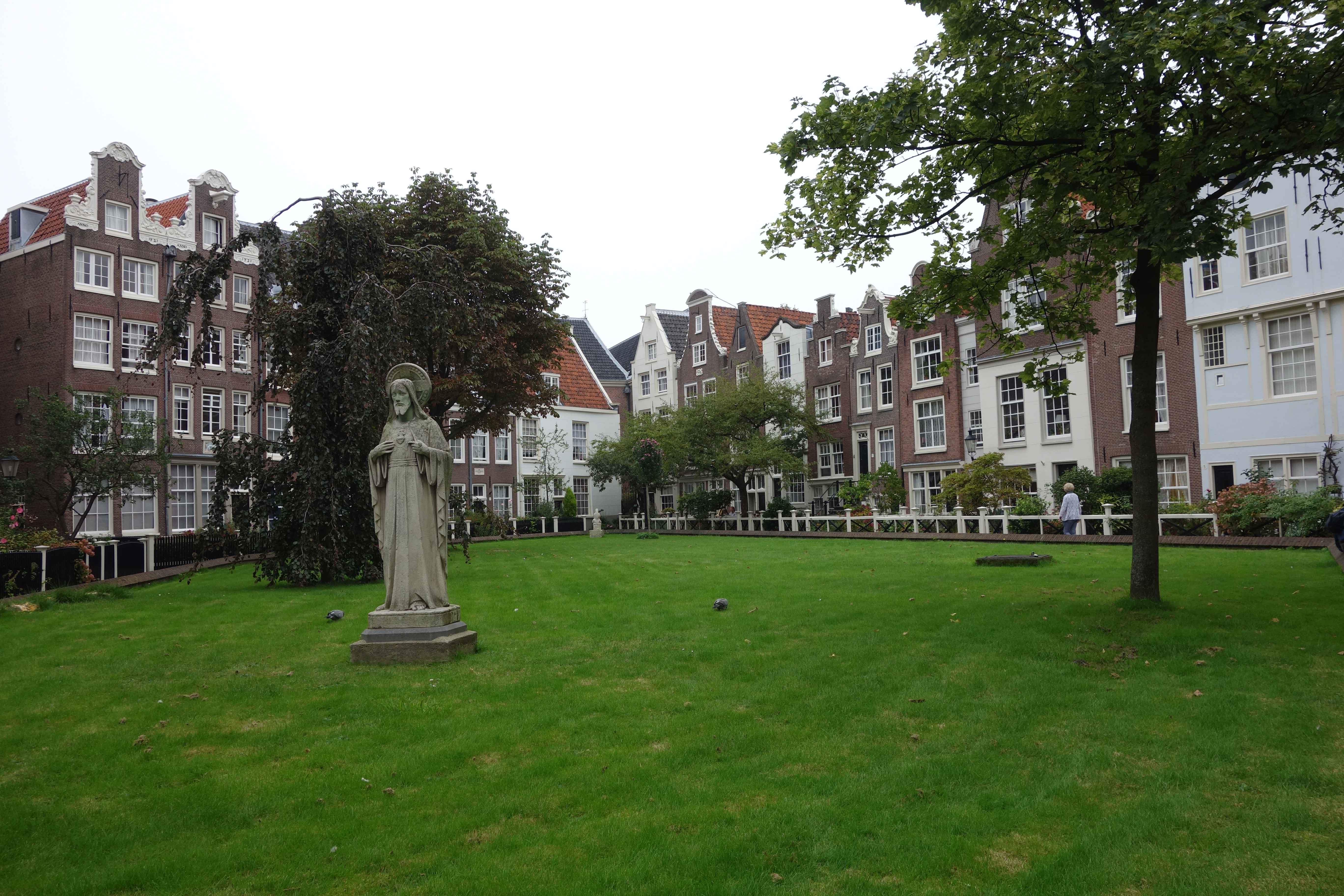
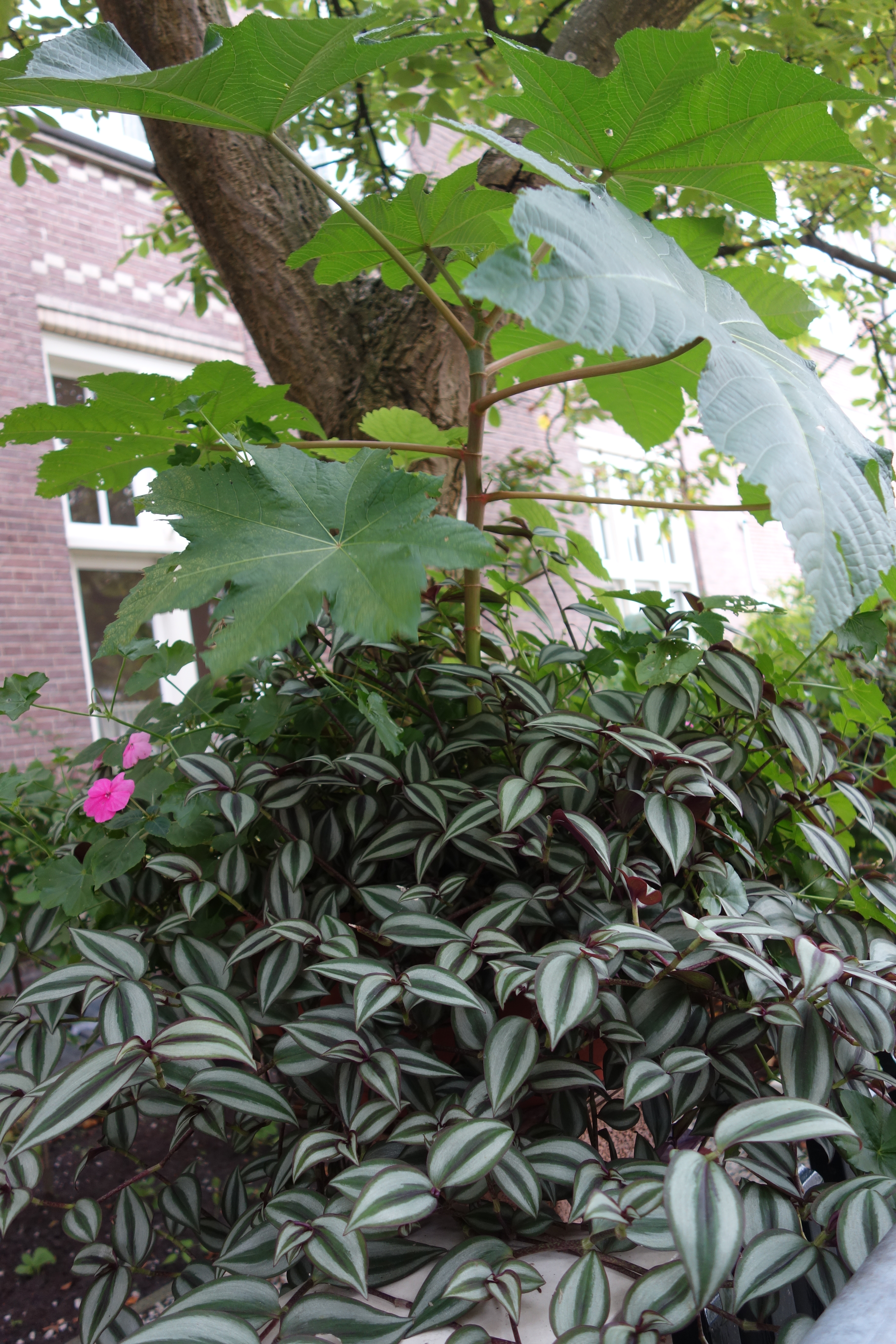
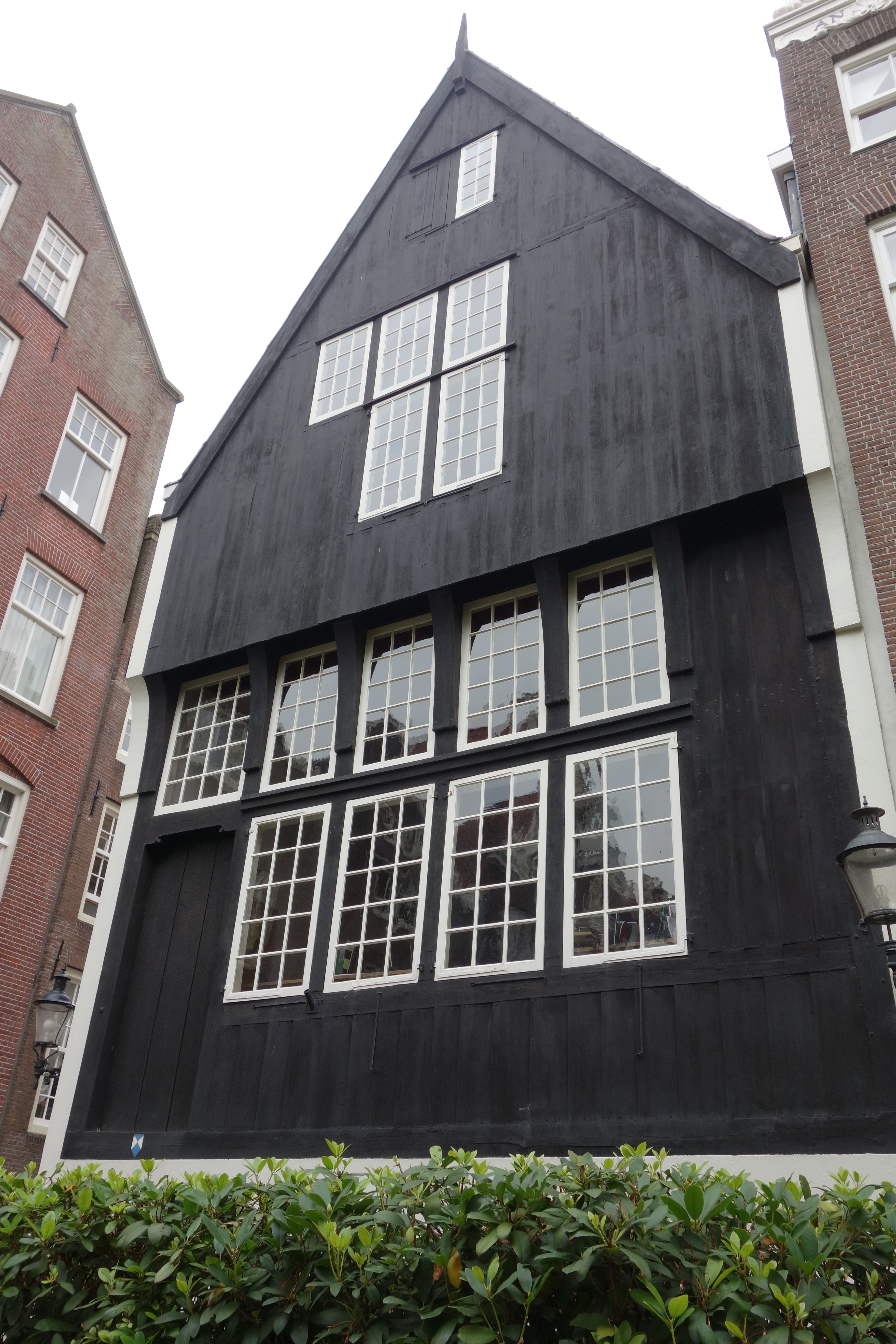
Just around the corner is the Amsterdam Museum, housed in what was once an orphanage.  Sharp eyes will see the boys asking for charity in the relief above the entrance.DSC04244We skipped the museum but did walk through a glassed-in passageway exhibiting contemporary versions of the well-known Dutch civic portrait.  The classic is, of course, Rembrandt’s Night Watch (q.v.), while this photograph takes the same approach to workers at an outdoor market.  DSC04245Just around the corner we came to the Begijnhof, a quiet courtyard that used to house pious women starting in the 14th century and now is home to single Catholic women (presumably there  is a difference between these two varieties?).  DSC04249Here is the courtyard with the houses around, serene and quiet.   We admired the small gardens like this one, with its imaginative combination of annuals.  DSC04250Also of note, the collection of gable stones painted with scenes from the Bible,DSC04252and the oldest wooden house in the city, dating from 1477.DSC04251Just around the corner – which seems to be the best direction, next to “just over the canal” – we found Spui Square.  We stopped for lunch at Cafe Hoppe, which has been here since the 17th century.  DSC04258Just as we were finishing our meals, we heard a brass band start to play.  Here’s a short clip to give you a sense of the exuberance of the band and the audience.  Fun!

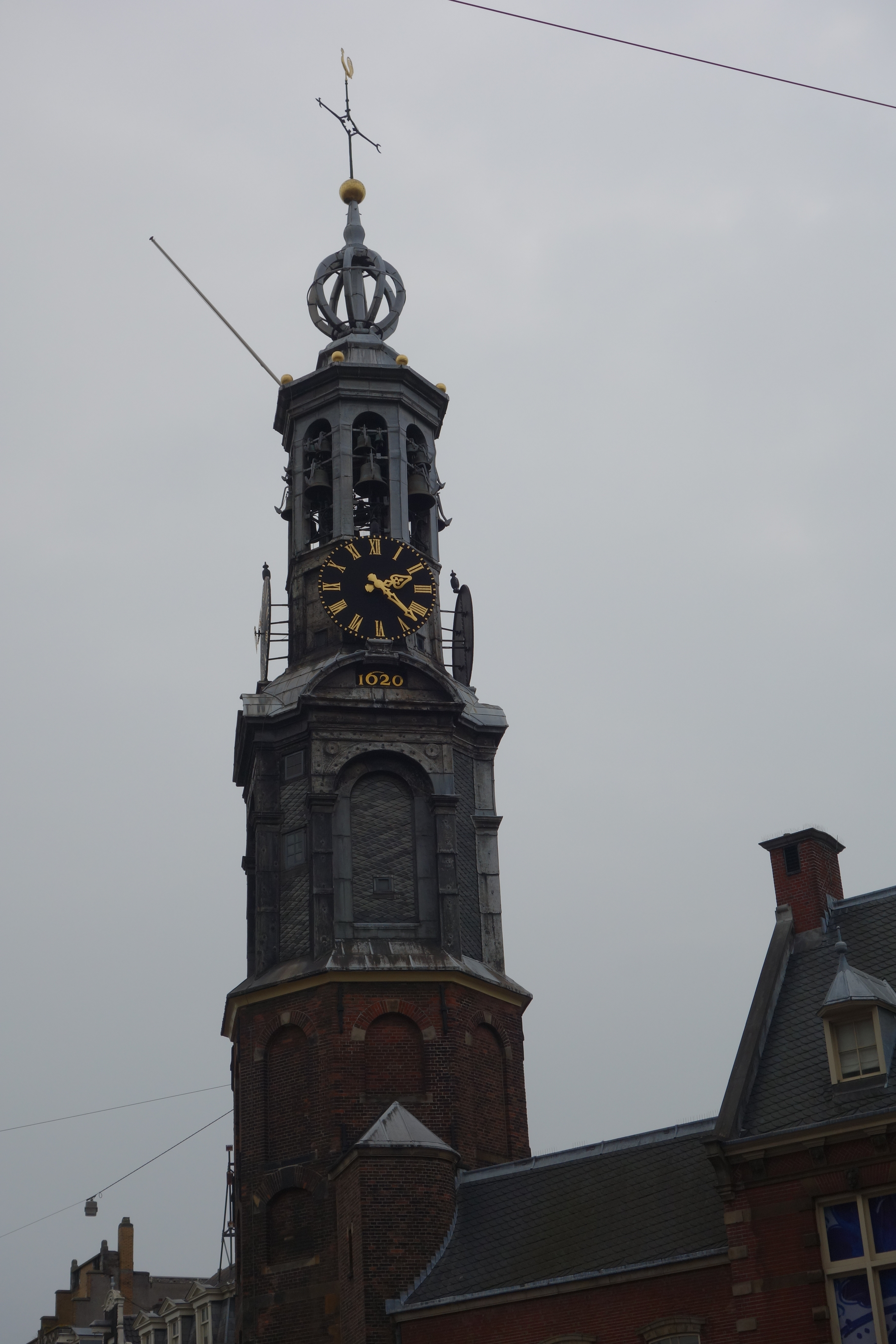
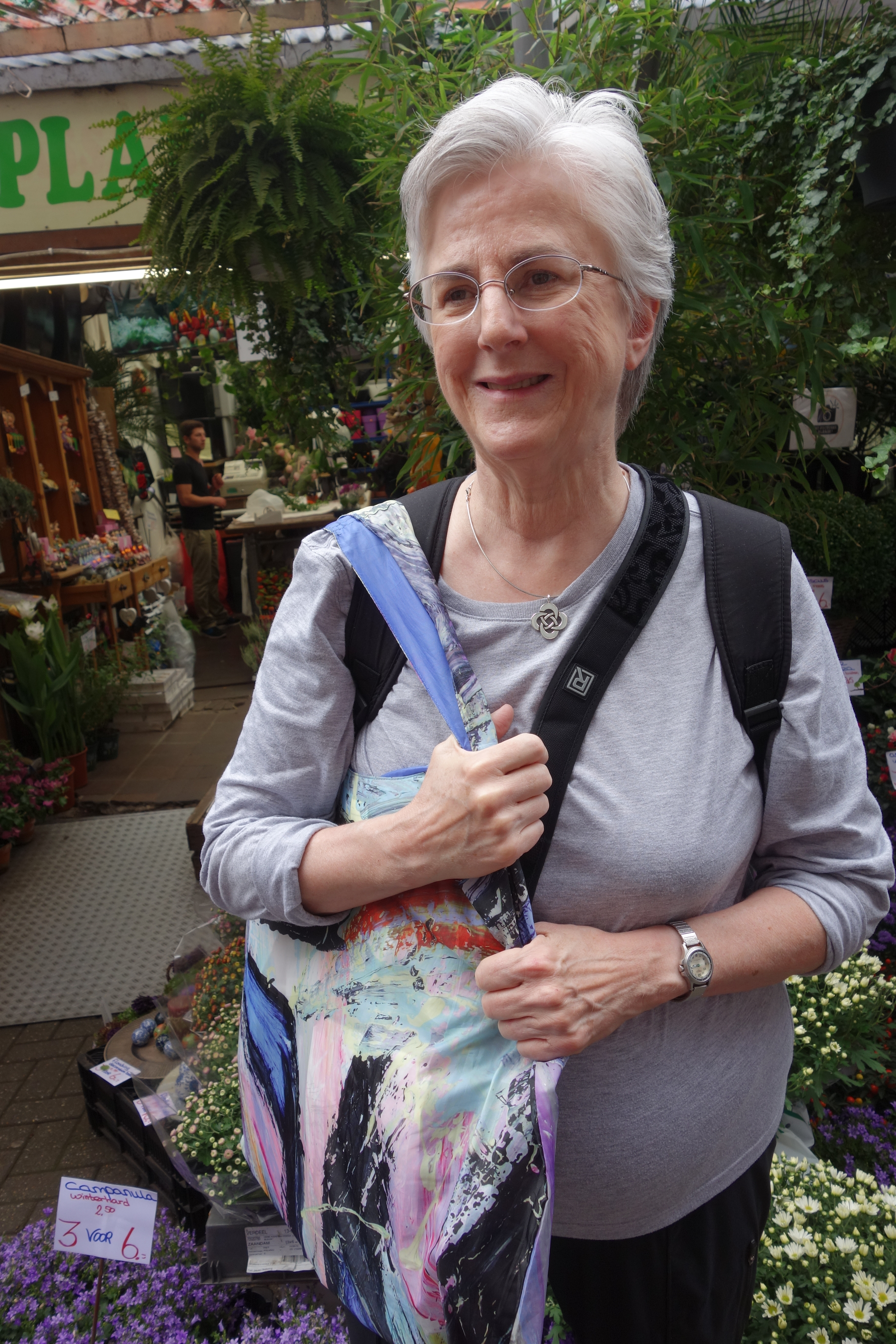
We continued on our walk, past the Mint Tower DSC04260and the Flower Market, where I had to buy some Rembrandt tulips which of course I could have bought just as well at home, but there you are.  Here is my patient companion in front of one of the stalls.  DSC04261

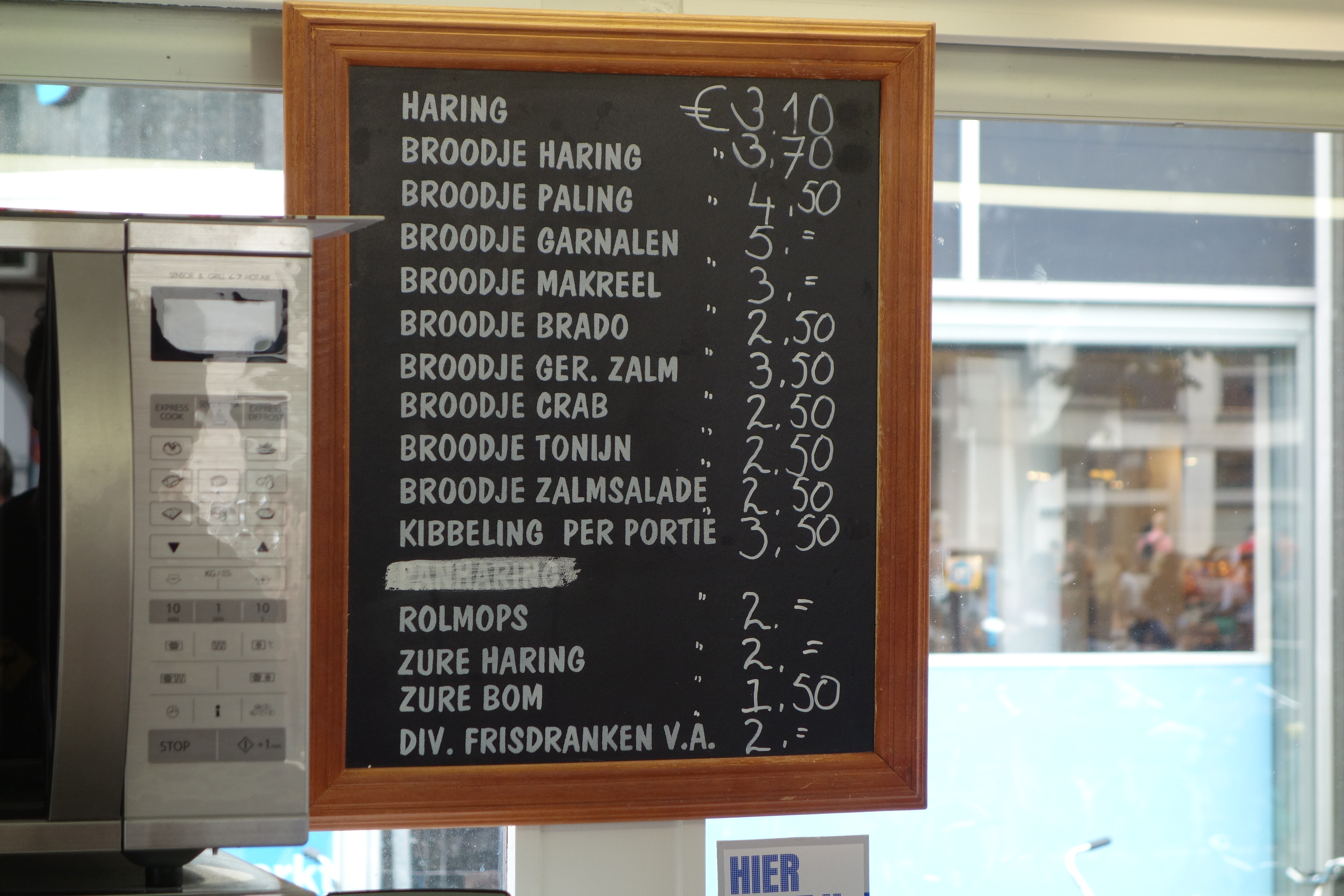
Then it was time for a herring break.  This popular stand offered raw herring with onion.  DSC04262“How do I eat it?” I asked the friendly purveyor.  “Use the flag,” she explained.  I speared with herring with the toothpick flag and ate it all up, yum.


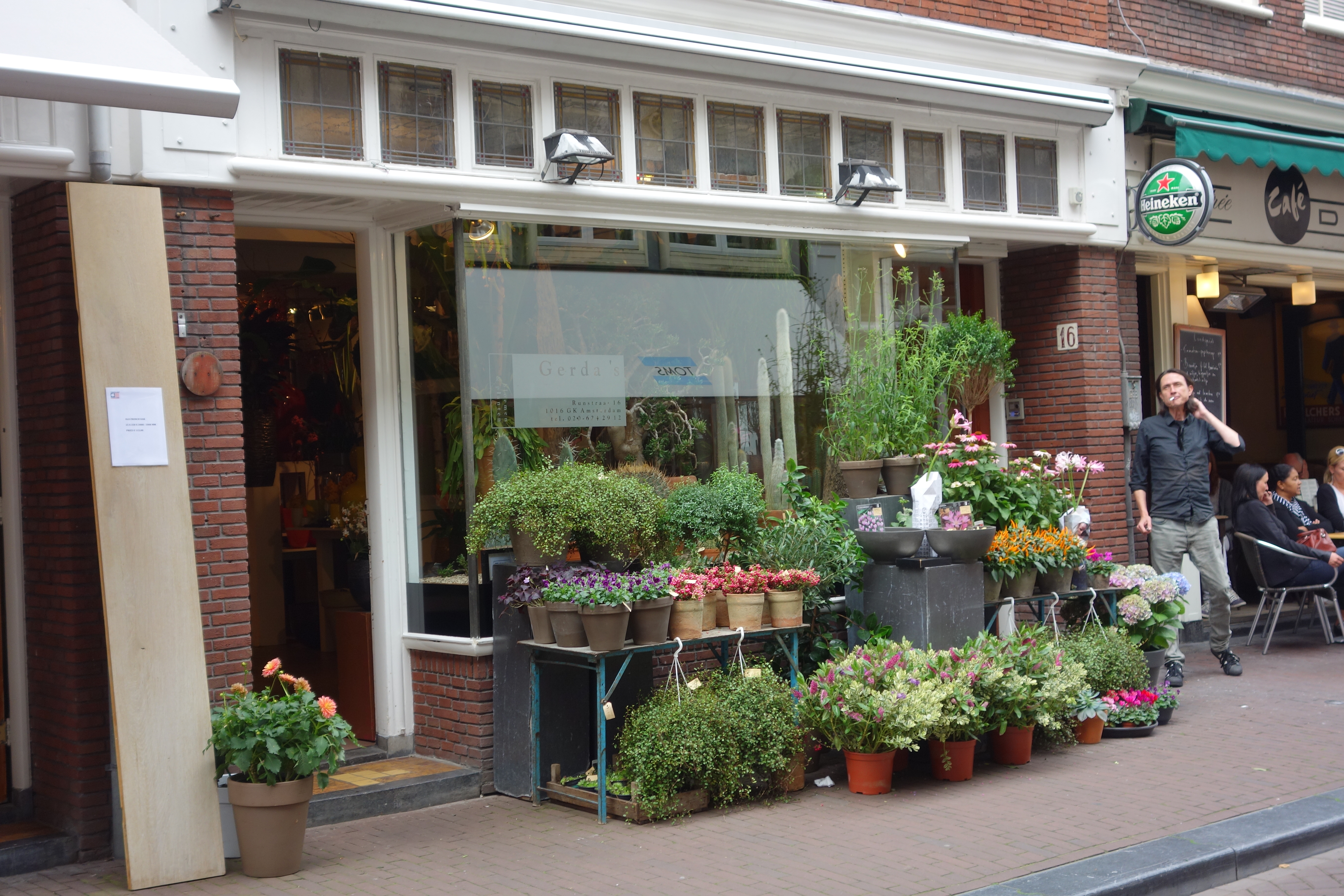
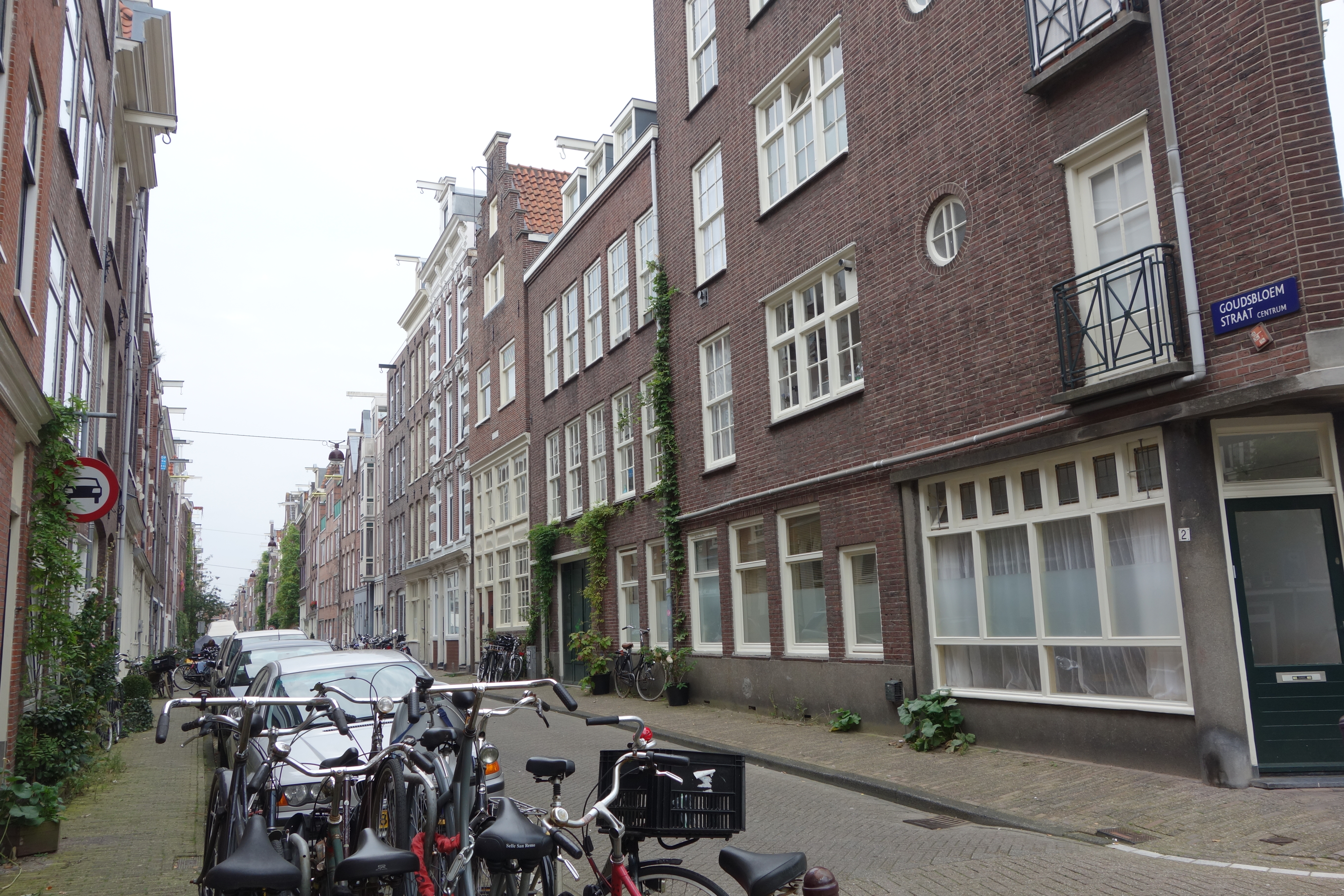
Speaking of flags, we were beginning to flag just a bit but went home via the Nine Little Streets, a charming shopping district.  We stopped at this florist shop, DSC04267very friendly as well as elegant.  I love these bulbs striving for the light.DSC04266From here we toddled home to our little apartment in the Jordaan.DSC04279

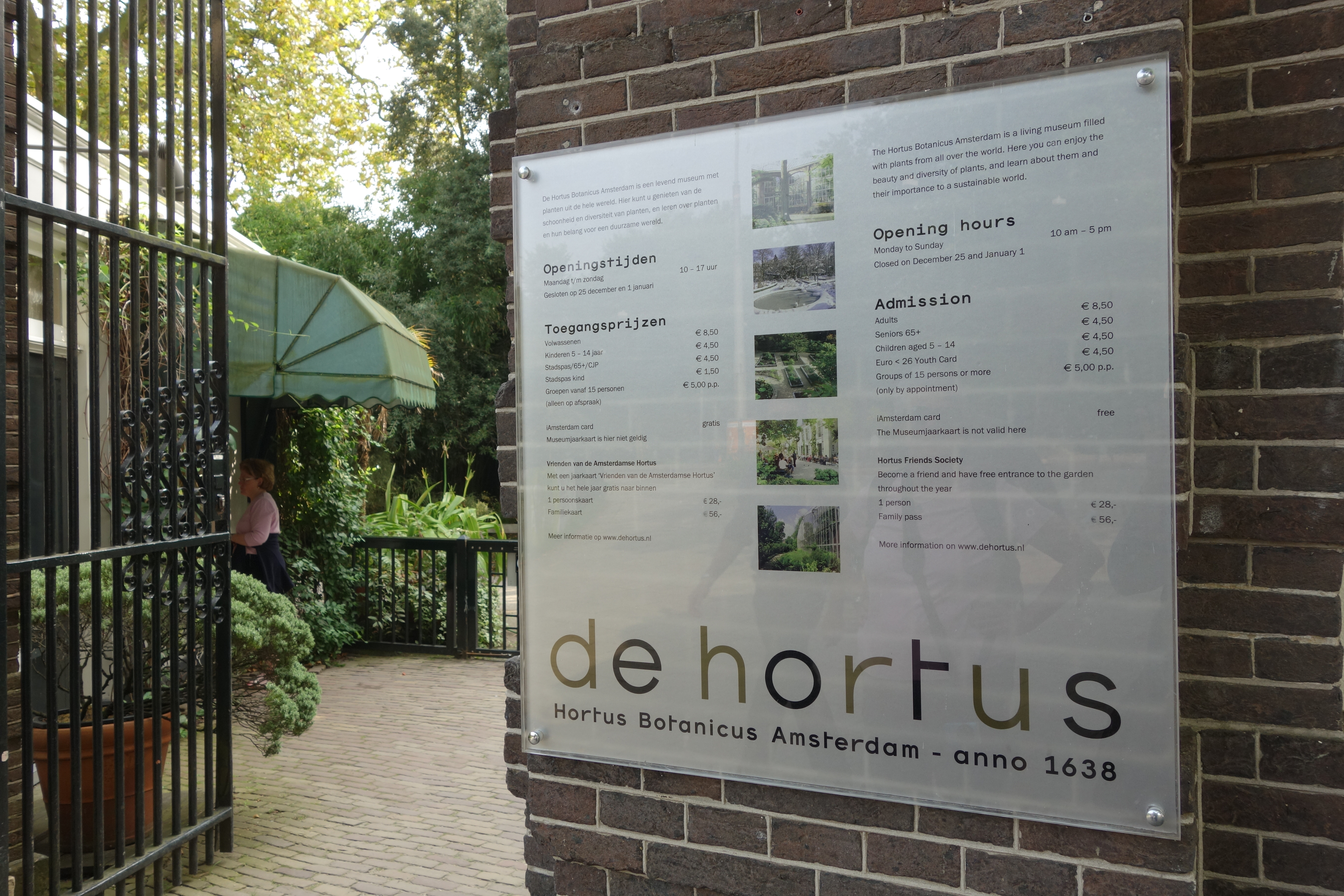
Hortus Botanicus

DSC04186The botanical garden in Amsterdam is one of the oldest in the world and at three acres also one of the smallest.  It’s tucked into the Plantage district, a green area of central Amsterdam, near a big public park and the zoo.

One of us took this opportunity to sit in the cafe and read, but I did my best to explore the compact, diverse plantings, ranging from water garden to desert, in the hour we had before closing.

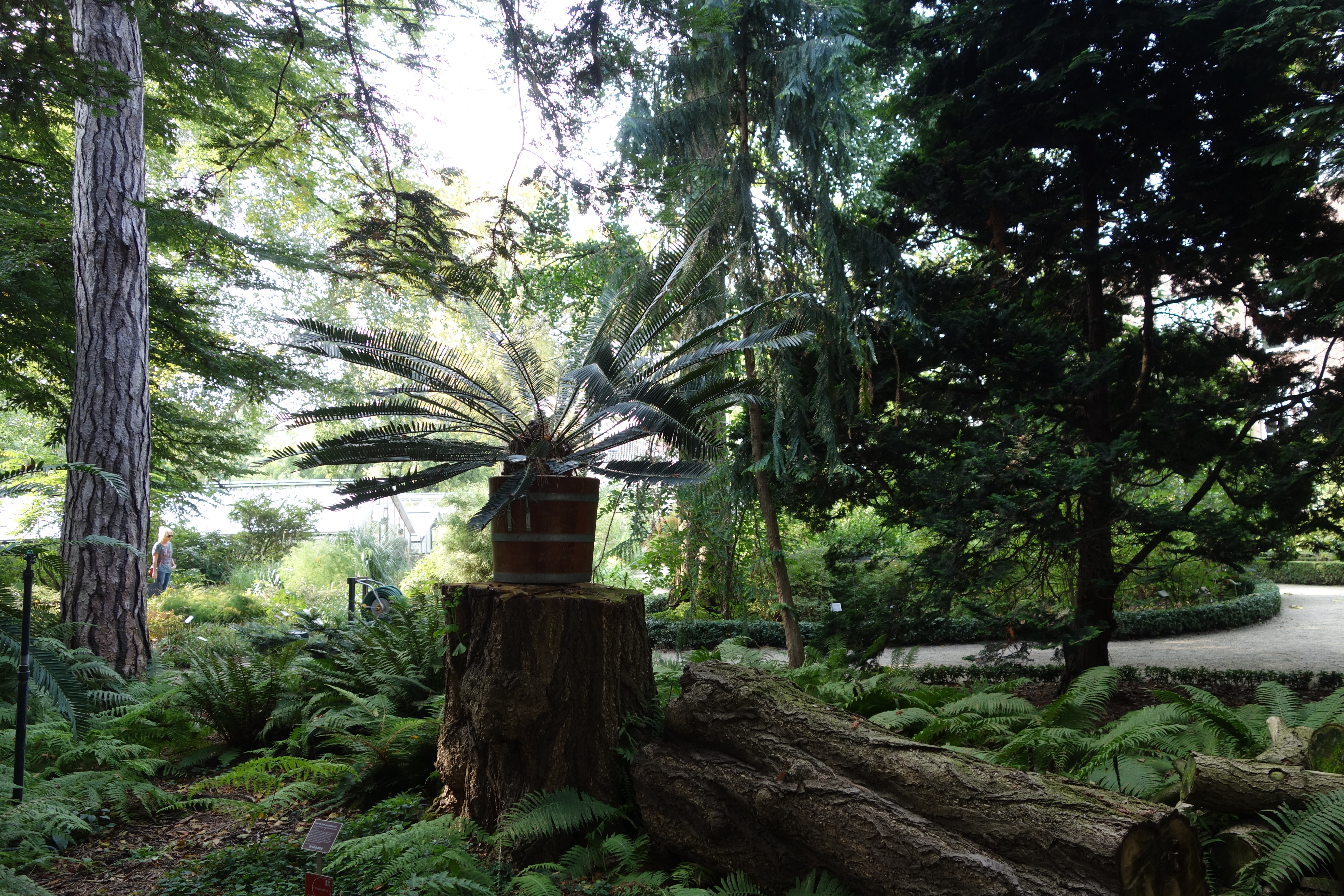
The water garden featured these beautiful tropical leavesDSC04187 – shades of the Oxford Botanical Gardens (which I really should report on even if my visit was back in 2009).  The water garden was roughly circular, with these giant water lilies (they start them from seed in May) in the pond, while a huge gunnera plant, which you see everywhere in English gardens, dominated the central point.DSC04210I couldn’t resist closeups of the blooms.DSC04188DSC04211But the garden is really known for its collection of cycads, primitive plants that have been around since before the dinosaurs.  They mostly lived in a glasshouse, but some were growing along the paths.DSC04189This one is so rare that it lives in a cage, apparently.  DSC04190I think it’s the Wollemi pine, known only through fossils until it was collected in Australia in 1994  and distributed to botanical gardens around the world to keep the species alive.

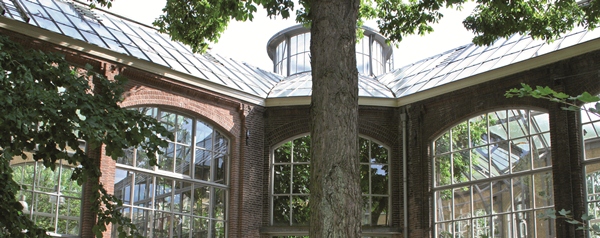
The glasshouses are renowned although I have to confess that I was underwhelmed, perhaps because these plants don’t interest me too much.  In fact, I have no pictures of them so you will have to look at this one from their website, which does display their elegance but gives no sense of scale. palmenkas_foto02Both in the glasshouses and along the paths are plants first collected by the VOC in the East Indies in the 18th century, including coffee plants from seeds brought here in 1706.  They formed the basis of the coffee plantations later established in South America.

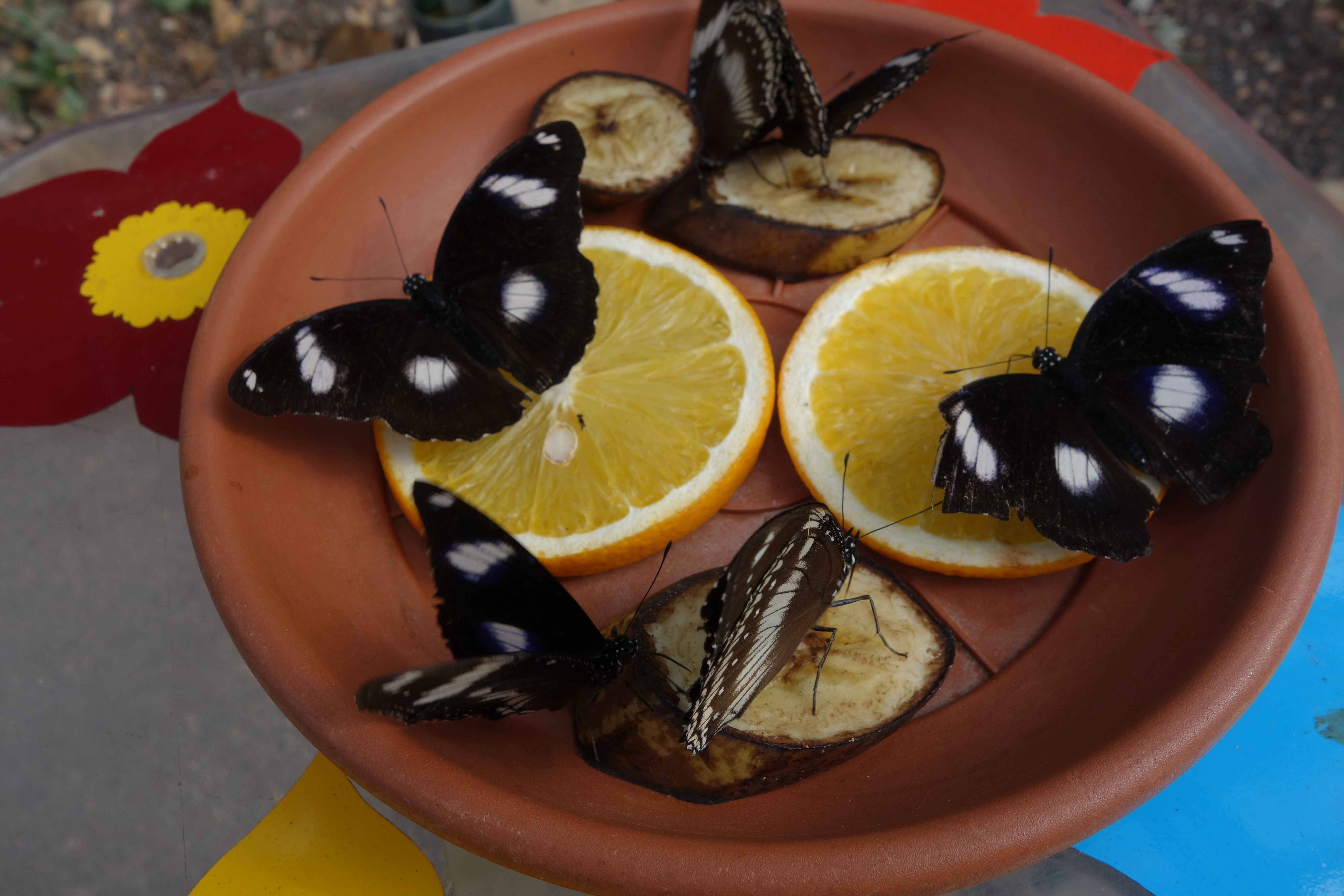
On the other hand, the butterfly house was enchanting.  DSC04199How could you not like these butterflies?  Hypolimnas bolina, according to the sign, that live on sweet potato vines and flourish in Madagascar and New Zealand.

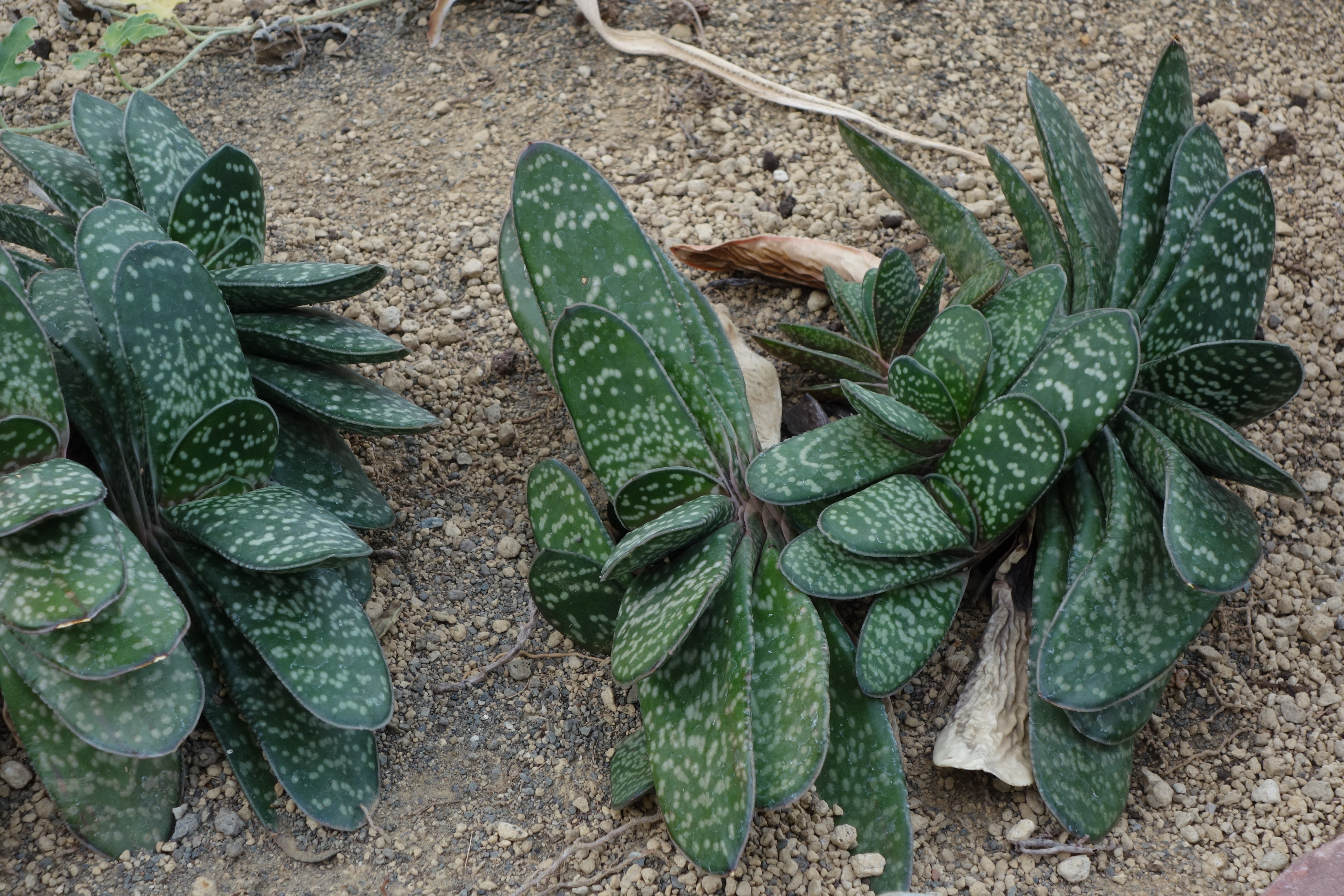
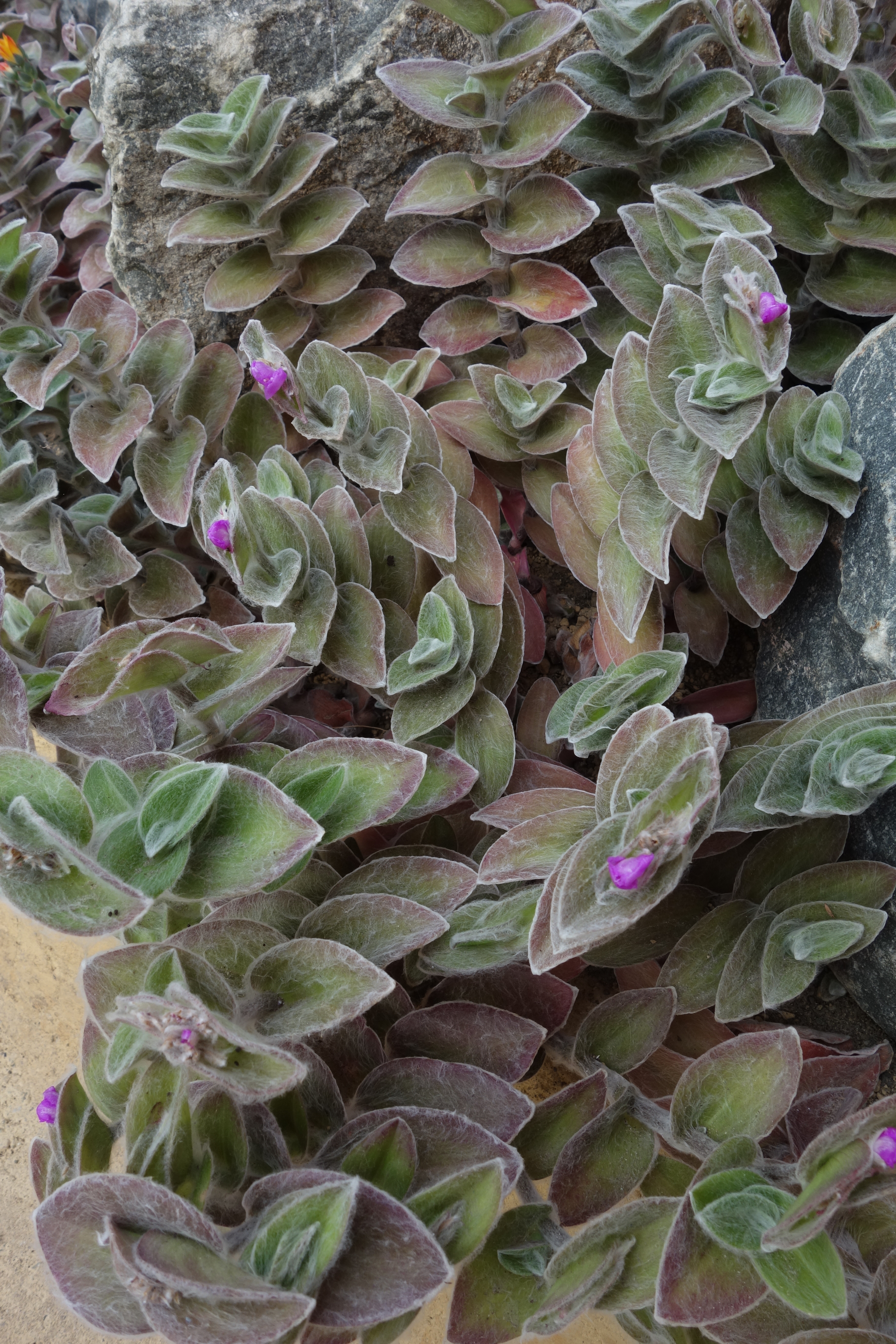
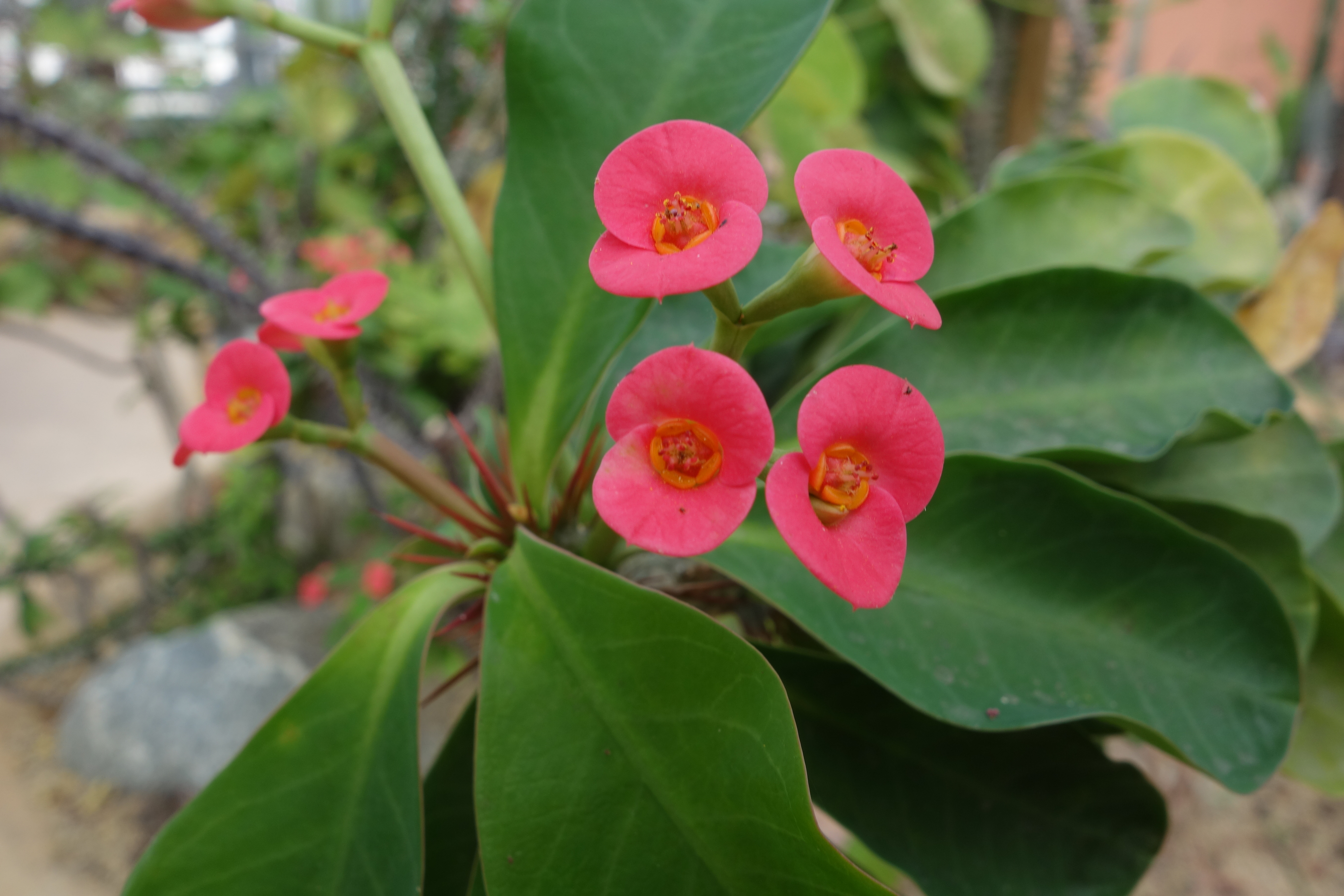
In the green houses were tropical and desert gardens, the latter of which I fell in love with for their shapes and patterns.  This one looked like stacked tongues (but in a good way).DSC04202This one is some kind of tradescantia, weirdly:  sillamontana Matuda from northern Mexico.  Softly fuzzy and subtly shaded in purple and green.  I had no idea that spiderwort could be so succulent.DSC04205I loved these flowers as inspiration for applique.DSC04204Finally a small tree that is actually clethra – a bit scary that it could get that big.DSC04208C. arborea Aiton, native to Madeira, so I probably don’t need to worry about my C. alnifolia.

My favorite story from the arboretum is about the famous 19th century director, Hugo de Vries.  He once threatened to leave unless the board installed the glasshouses that allowed him to display palms and cycads.  Another perk was the installation of a private gate on one side of the garden, that opened on the street directly across from his house.  If you like your director, make it easy for him to stay!