Image

Museum hopping and “social activities”

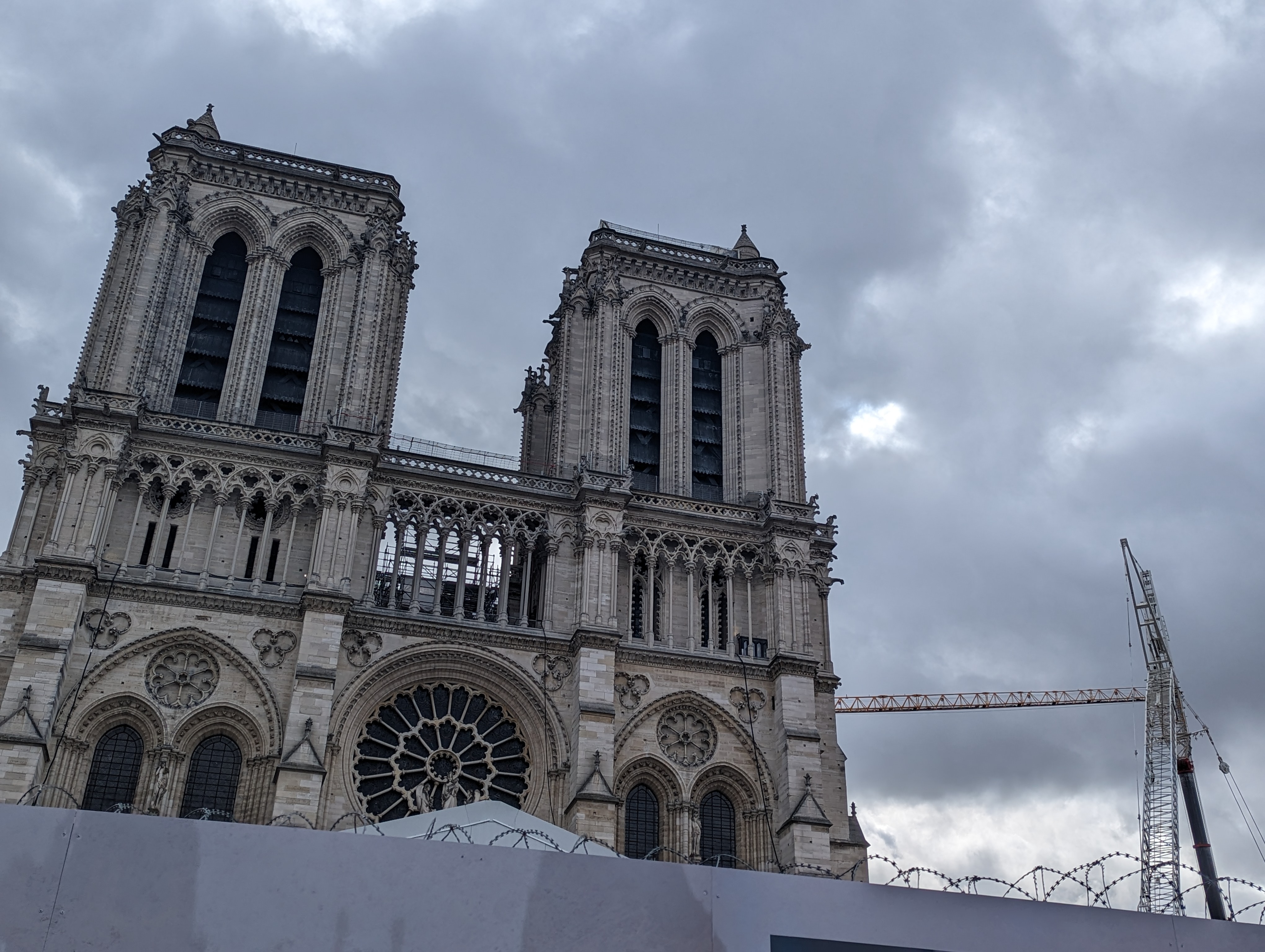
Today started out with a walk to Notre Dame Cathedral. Of course, we couldn’t go in, since it is still very heavily under renovation, but the display outside was well worth it.
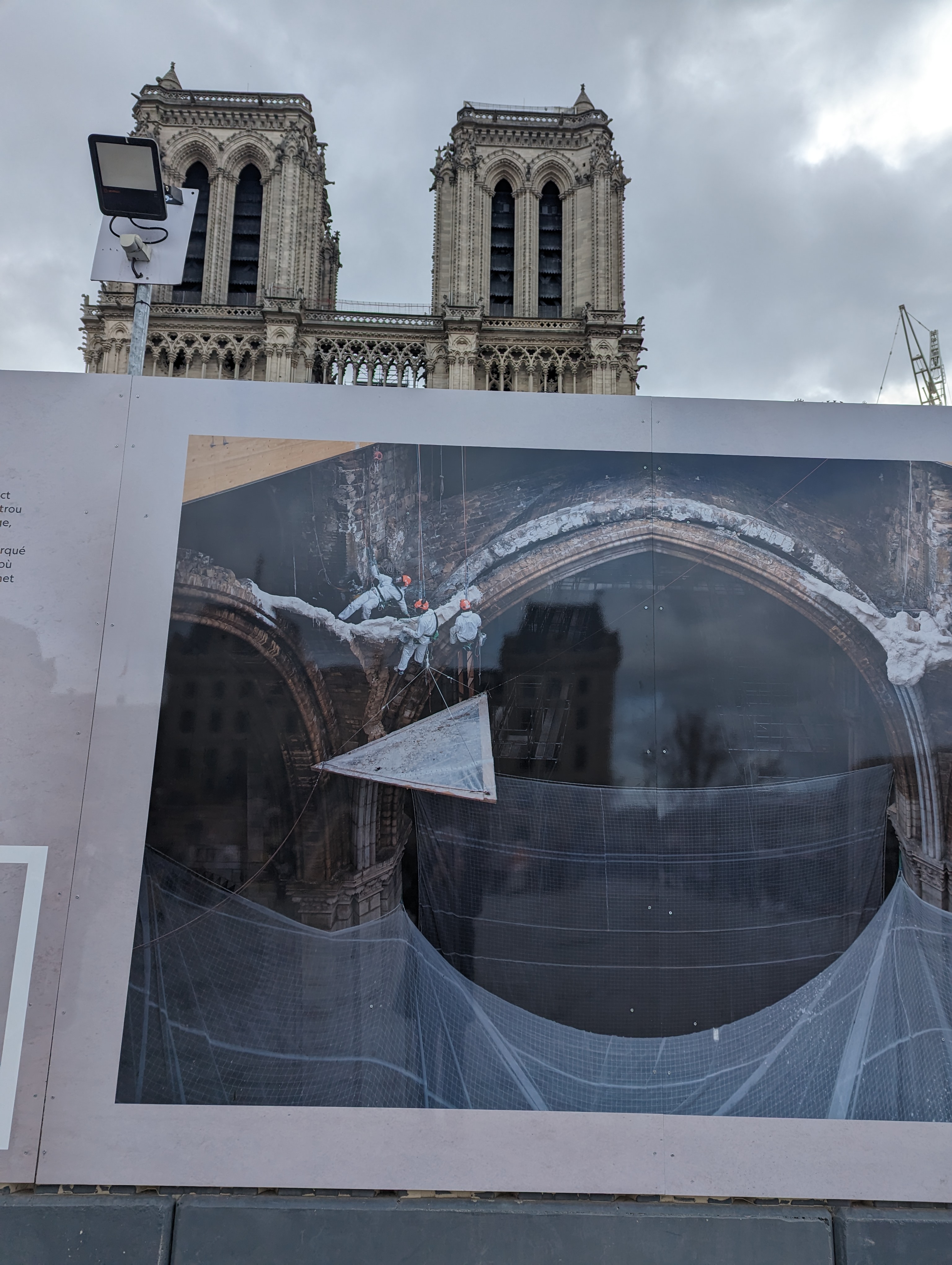
It’s an astonishing feat of project management, to say the least: organizing stone masons, conservators, carpenters, even aerial workers who rappel up and down as they work on saving and restoring the stones, gargoyles, carvings, organ and other myriad pieces of the cathedral. Truly a magnificent effort that they aim to finish in 2024. We’ll see.

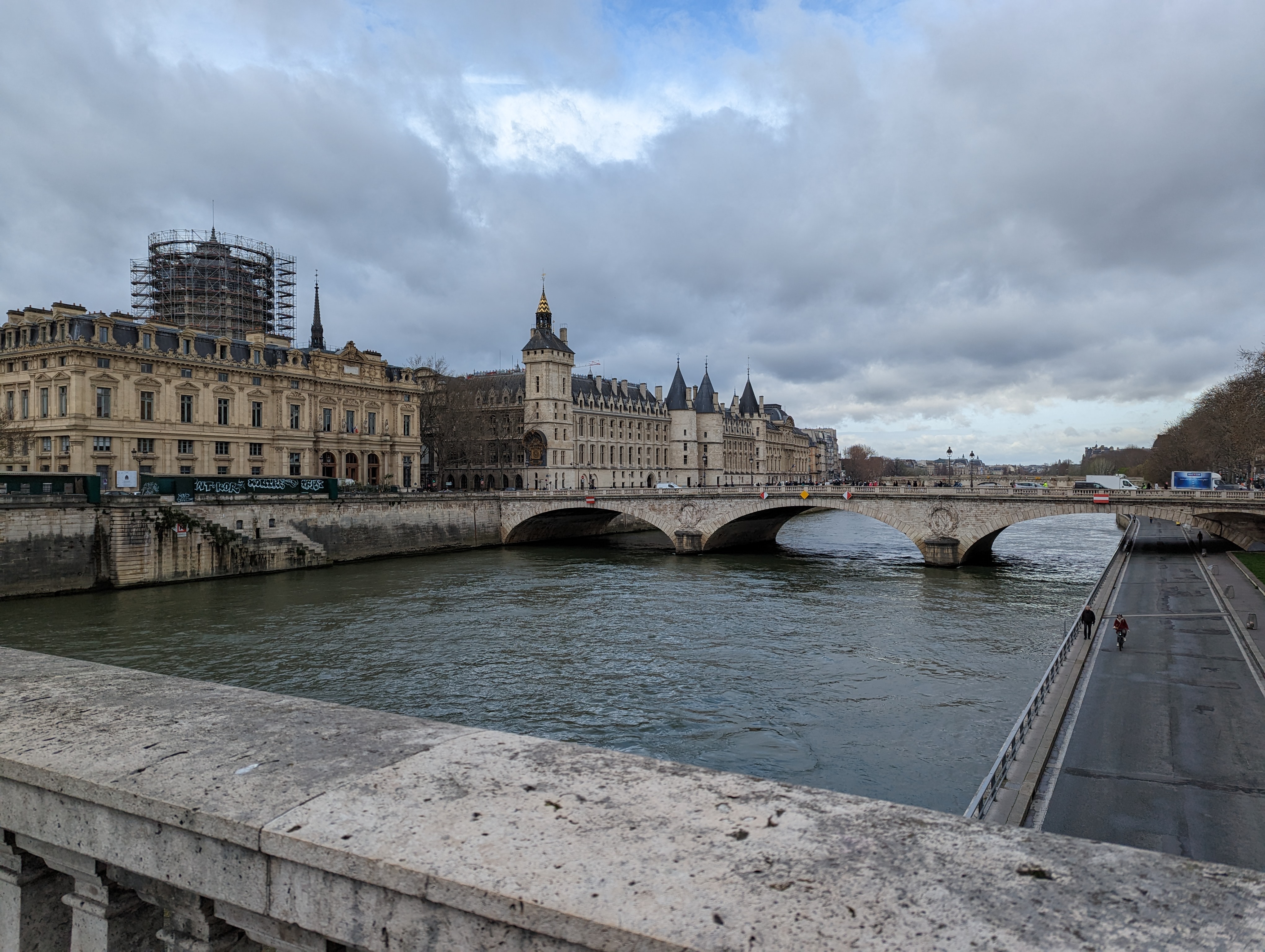
We walked along the Seine, with another view of Notre Dame swathed in scaffolding,
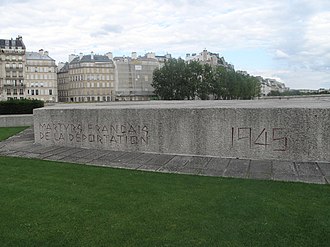
stopping at the memorial to those deported from Vichy France to the camps. Most of it is underground, and it’s quite moving.
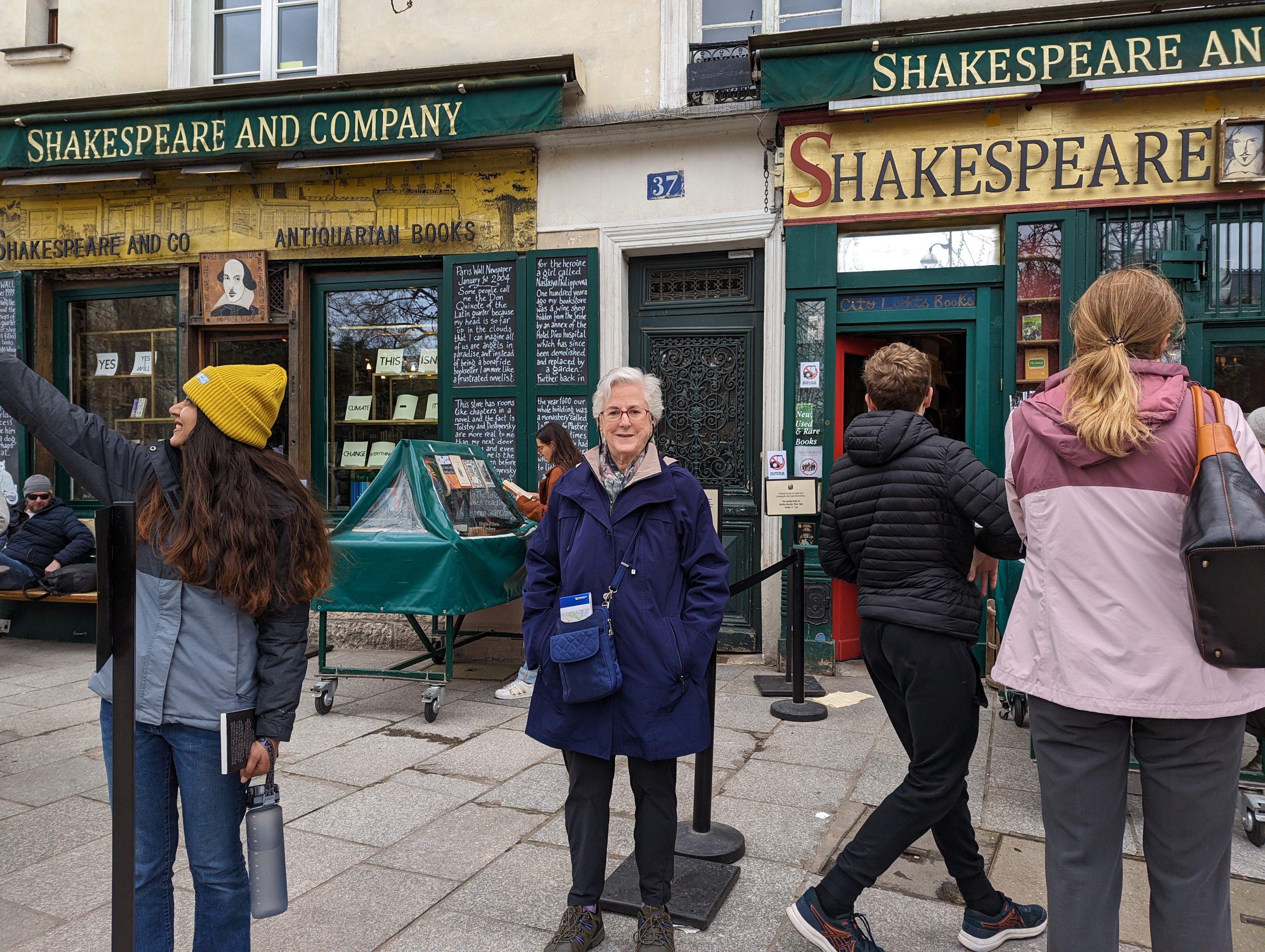
Across the Seine we found an elegant little cafe, almost deserted at 11 a.m., where we had expensive orange juice, tea and a croissant. We strolled by the bouquinistes and on to Shakespeare & Company, the English language bookstore founded by Sylvia Beach in 1919, frequented by every writer you’ve ever heard of. It’s now so popular that they actually limit the number of people who can be inside at the same time.
We browsed about and came back with little souvenirs, including this Jerome K Jerome that I’ve never read!
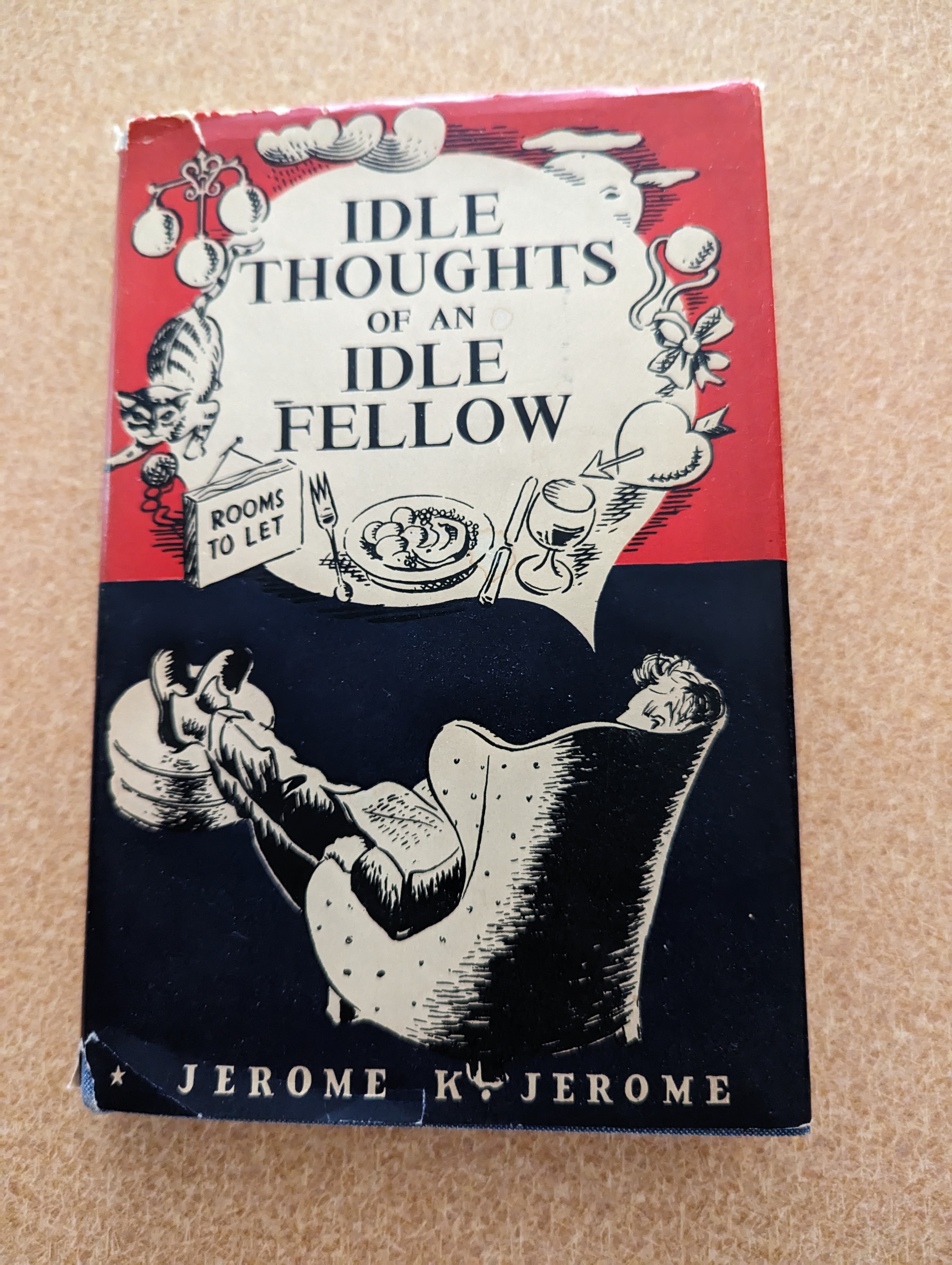
And they offered to stamp the book, too, which was ridiculous but makes a great souvenir:

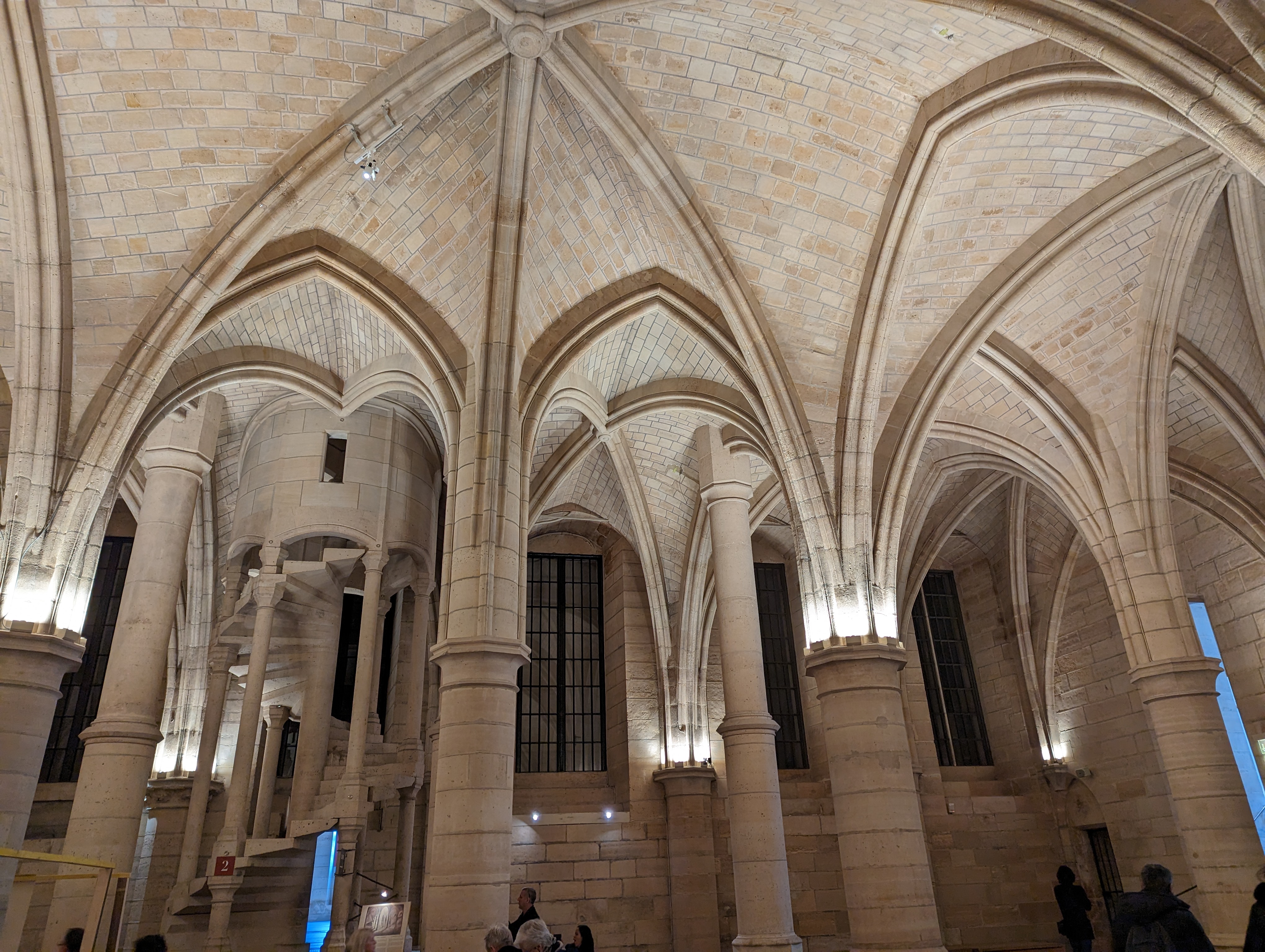
We stopped by Ste Chappelle to check out the lines (still long) and realized that the Conciergerie, where Marie Antoinette was jailed, was right next door with immediate entry, so we went on in. They are using technology to show you what the building would have looked like back then, so as you move your tablet around, you see fires flickering, view the uncomfortable beds, and hear people walking by. Not entirely successful, but interesting. It turns out Marie was there for only a few months, while thousands of other people spent more time there, so they sort of downplay her presence. But look at this striking Gothic ceiling!
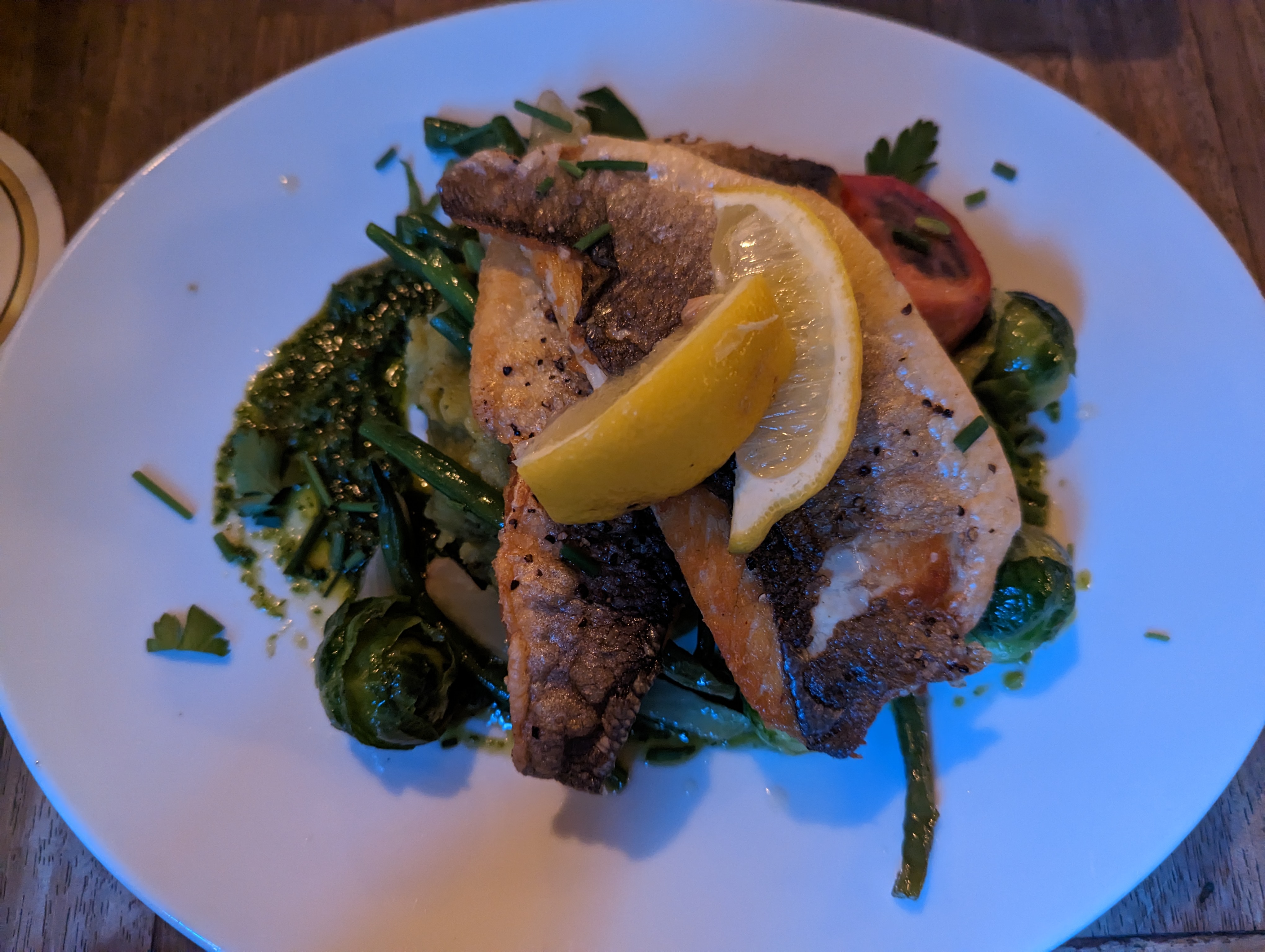
Dinner tonight was back in the Montorgueil neighborhood, with its rows of restaurants, food stores and wine shops. We had another good dinner – mine was salmon and green beans, which does not in any way convey how delicious it was.

BUT after dinner, we came home to sounds of breaking glass, police sirens, trash burning in the streets, and other signs that the people are not happy about the change in retirement age from 62 to 64 (which seems ridiculously generous to many Americans but has enraged the French). We had seen lines of police cars with flashing blue lights as we came home from the museum, but it was not until after dinner that we heard the sounds of breaking glass, the sirens going up and down, and saw the trash smoldering in the street.

Luckily we are on a narrow street with shops on the bottom floors and apartments above, so we can feel safe above the fray. Several waves of protestors (though only scattered groups of three or four) came through for about an hour, with a few neighbors hauling trash cans inside and admonishing them. As of now, 9:00, things on our street seem to have quieted down, though there are still random sounds of breaking glass and motorcycles revving their engines. We still feel very safe in our apartment on the third floor and hope that things will quiet down for good soon!

Here’s a short video of the “social action” at this link:

https://photos.app.goo.gl/5NdwP7G95rhWX48T7

Image

Early June in the Garden

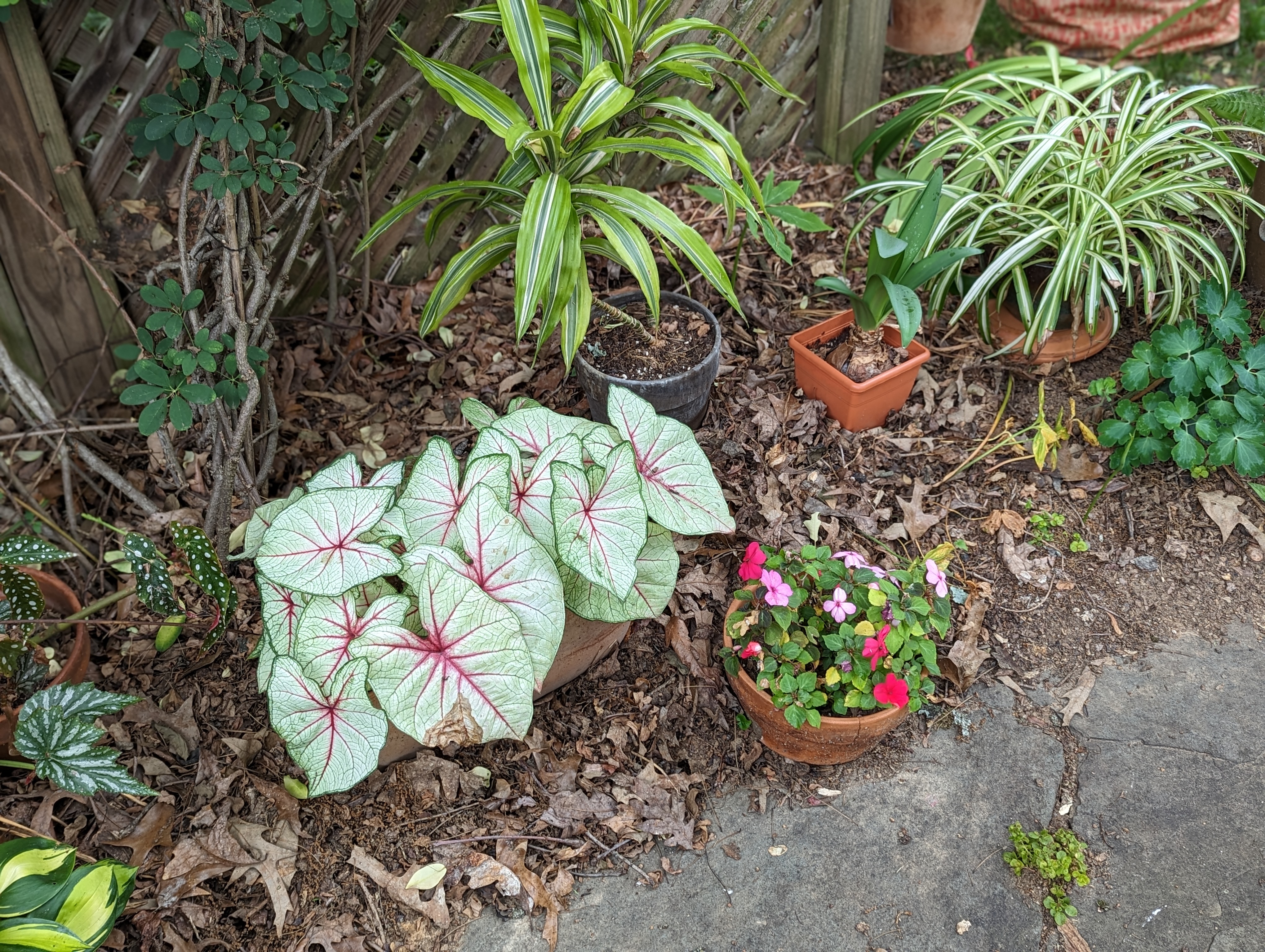
Yes, from time to time this blog does return to its original focus. Here’s a look at what’s blooming now.

White

When I moved here thirty years ago, I planned to create a white garden à la Vita Sackville-West. I soon discovered that a shade garden is a bit challenging if you’re seeking only white flowers, so I gradually included a bit of everything. But there are still a number of white blooms scattered here and there.

The back garden includes an Annabelle hydrangea, Itea ‘Henry’s Garnet,’ and a variegated hosta that was a pass-along from Sara Toye. Without my conscious planning, they all bloomed together. You’d think it was meant! (Yes the hosta does look a bit bedraggled, but what can you do? Just squint)

The perennial pea is thanks to my mother, and though it romps about too much, I can’t let go of it. It’s such a pure, creamy white. The oakleaf hydrangea ‘Snowflake’ is a reliable bloomer that I need to cut back every year lest it prevent entry to the terrace.

In the sunny border, the yucca that I tried to eradicate has returned and is a nice size at the moment. The blooms of penstemon ‘Husker Red’ seem to float above the foliage, which is green rather than the dark purple-red it should be. Maybe it’s a different variety?

Pink

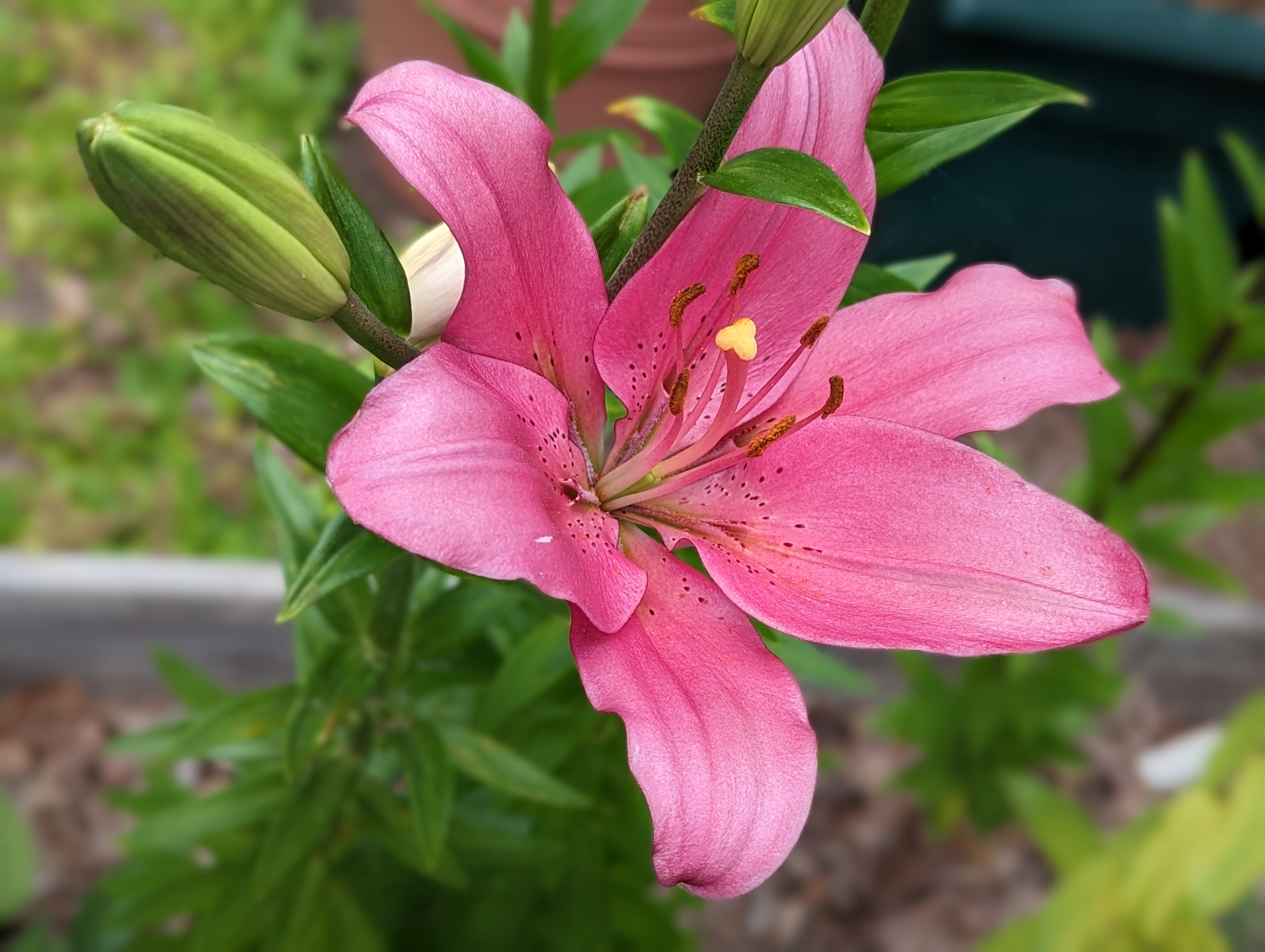
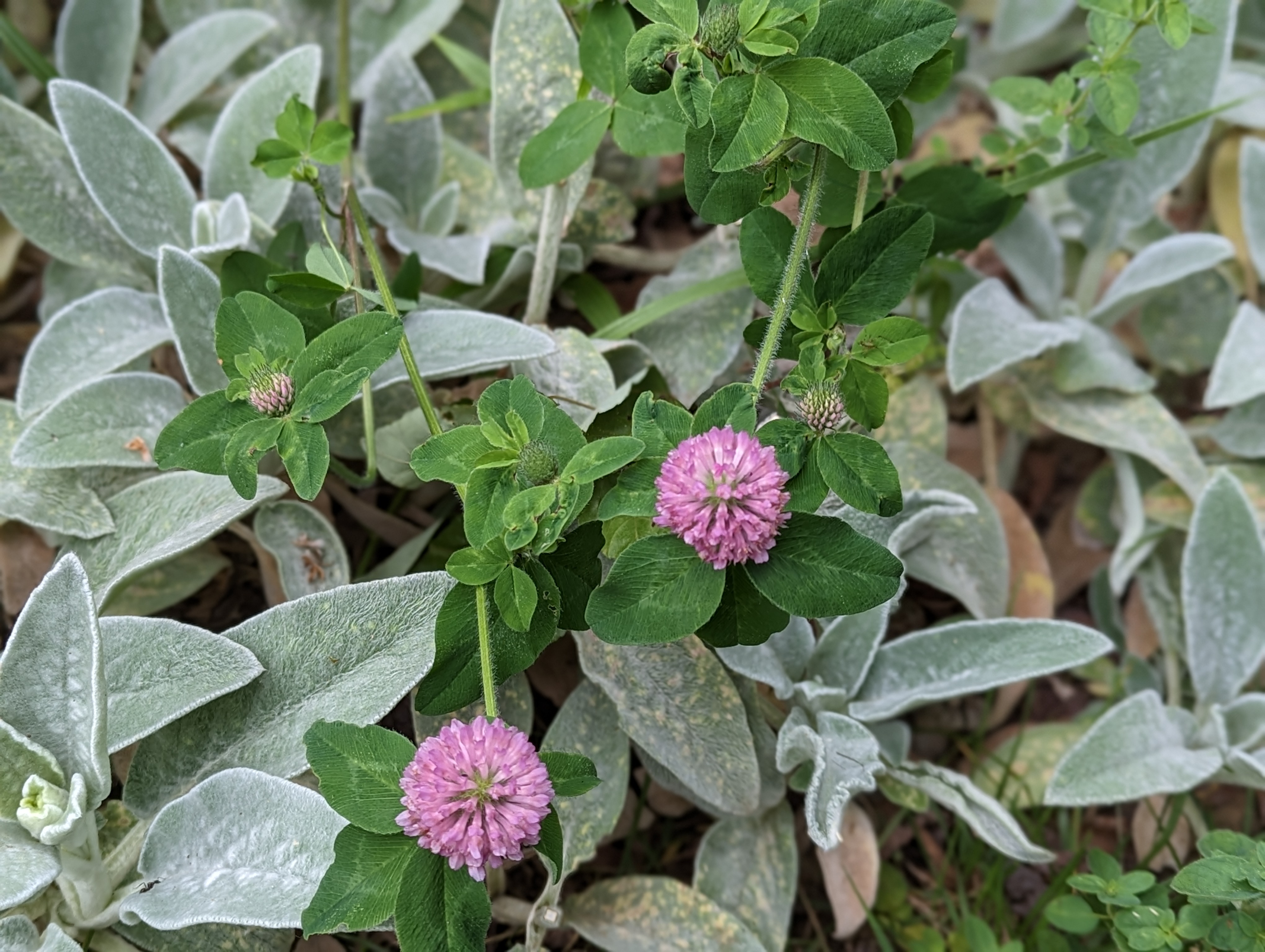
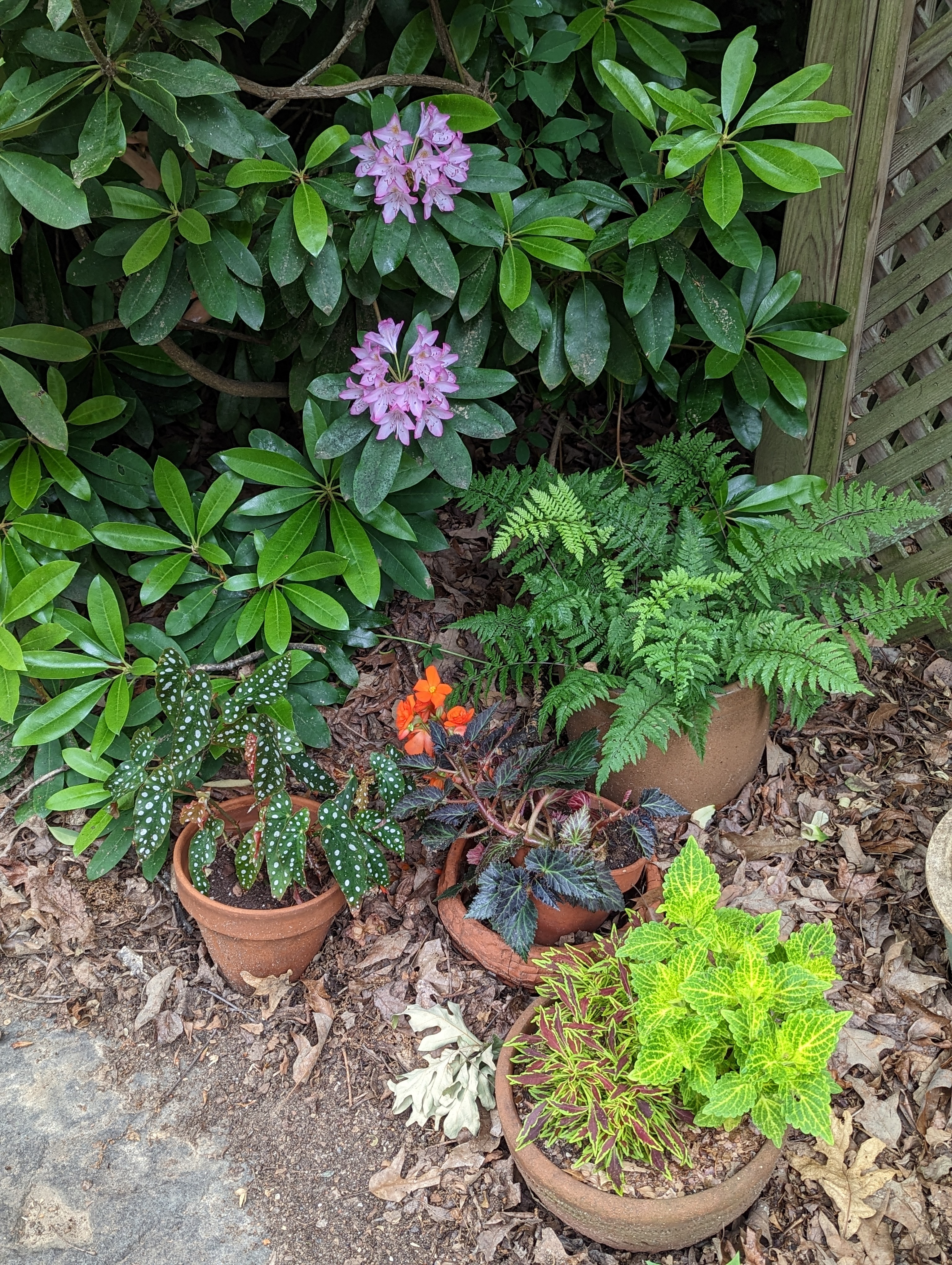
I planted a row of lilies in the raised bed, and here’s the first to bloom. The spirea needs to be cut back drastically, and I hope that will make it more floriferous next year. Yes, that’s clover there on the right. It popped up and for now I’m leaving it to help the pollinators. And below is a rhododendron bloom from the shrub that was here when I moved in. It never blooms very abundantly, but I do like its soft pinky purple color.

This canna, Cannova® Bronze Scarlet Canna Lily, is an experiment. It’s in a blue pot in the sunny border, and it does add an interesting splash of dark purple and red, plus the bloom is dramatic. The other is a Eupatorium purpureum subsp. Maculatum ‘Gateway,’ at least I think so. Or it could be asclepia??

The rest

On the left are some volunteers, a morning glory and a Tradescantia. The foxglove at right is a perennial one that I should probably reposition where it can get more attention.

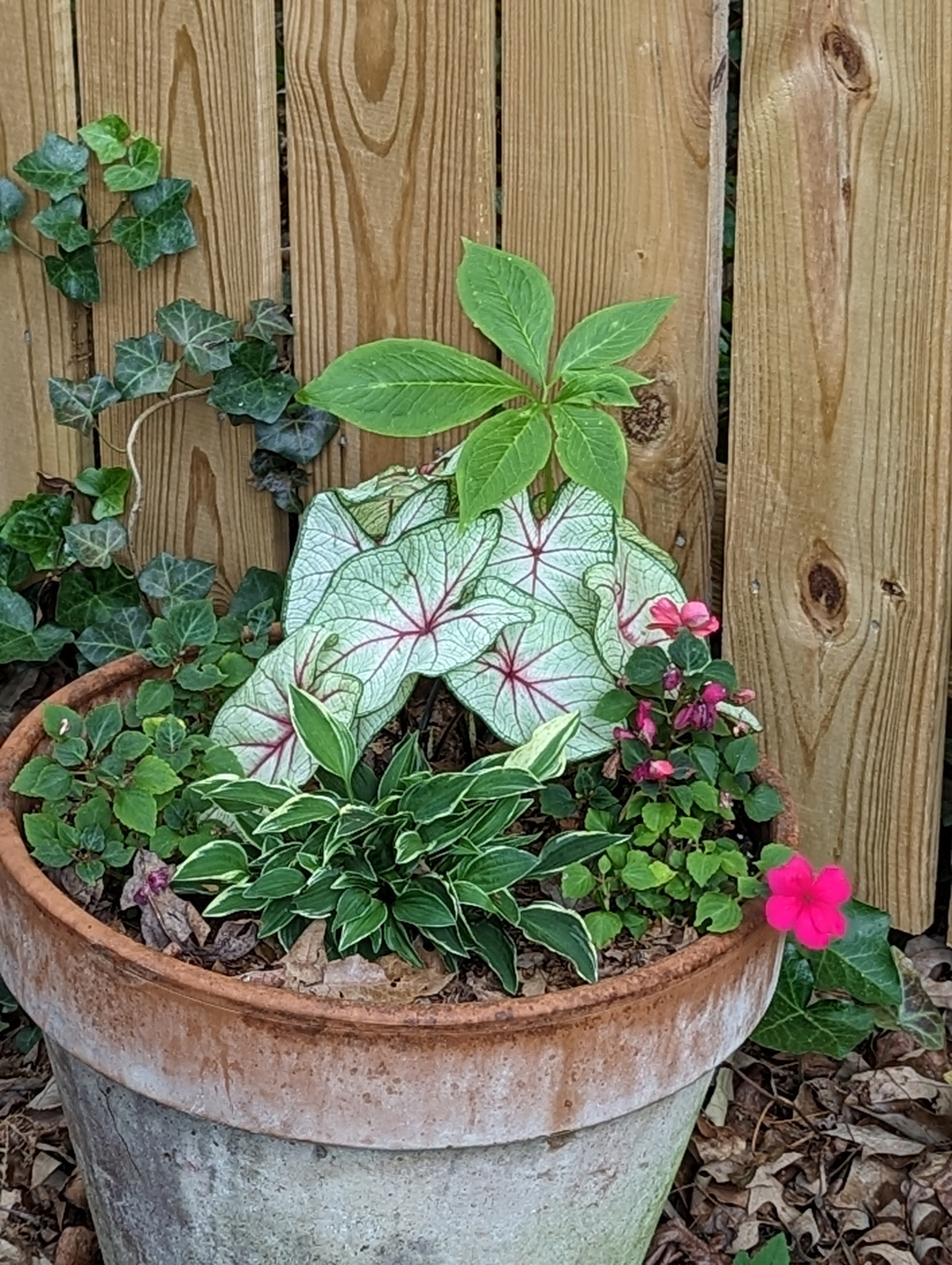
These are the containers on the terrace. The first is too bitty and crowded but maybe it will come into its own over time?? The others are a few houseplants that are summering on the terrace, plus some coleus, a tuberous begonia and more caladiums.

Image

More art and a happy reunion

Being wise travelers, we didn’t want to tackle the enormous Louvre by ourselves, so we booked a Context tour. Context never disappoints! This tour was led by Pablo, a brilliant guide who knew just where to go and what to see.

We started with architecture, which I can too easily overlook. The Louvre started out as a fortress built in the 12th century, and rather than just walk by the walls on the way to somewhere more interesting, we stopped and really looked at what we were seeing.

Surrounded by a moat and reinfoced by ten towers, the fortress was meant to keep the English away (of course). These massive walls were uncovered back in the 80s and are part of the Medieval Louvre exhibit.

Next, we looked at sculpture, another kind of art that I too easily overlook. Pablo positioned us just right and commanded that we turn around to look back. Each time he did this, we saw a vista of room after room connected by doorways in perfect symmetry.

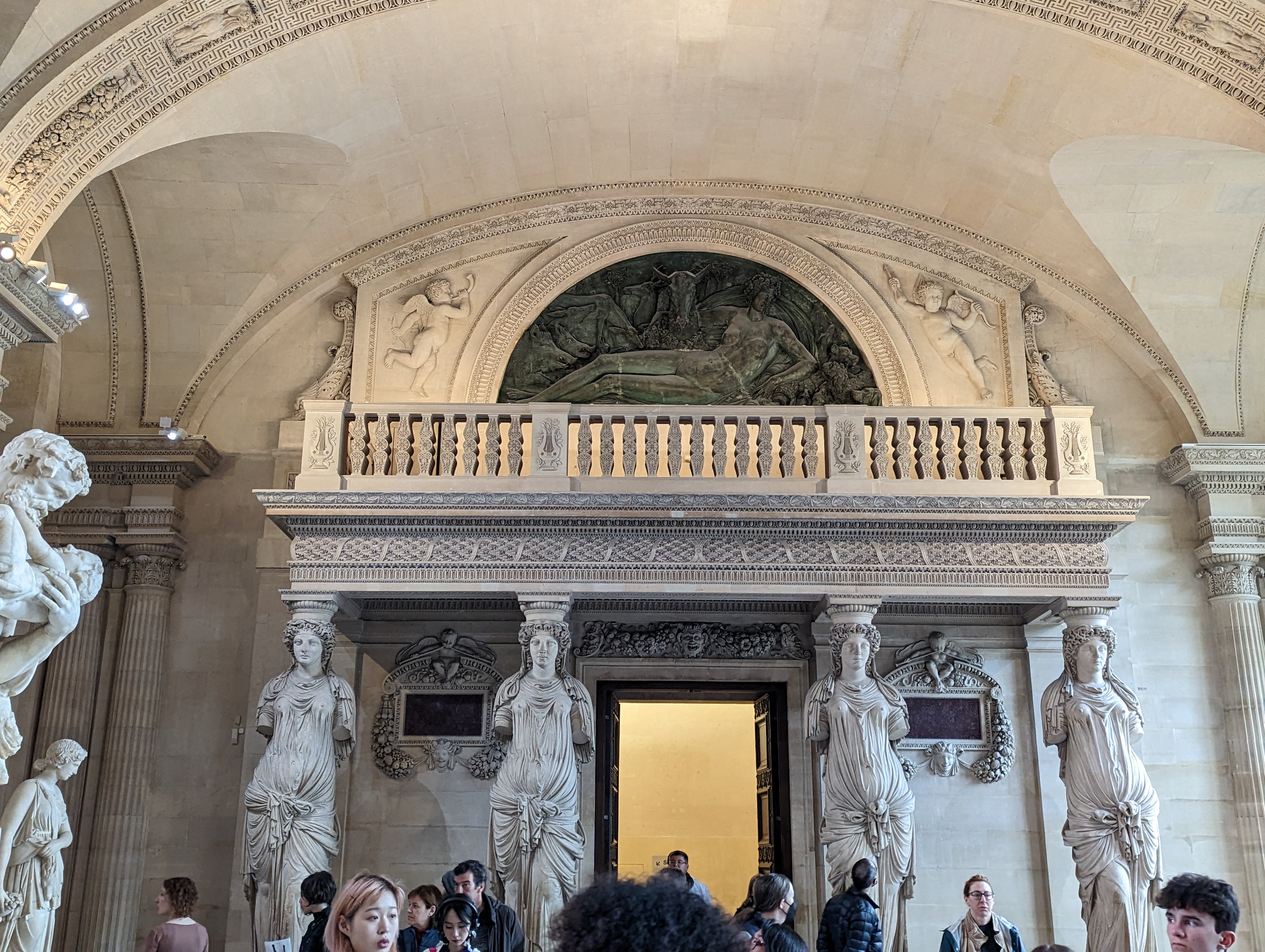
The Caryatids Room, completed during the reign of Henri II, is a good example.

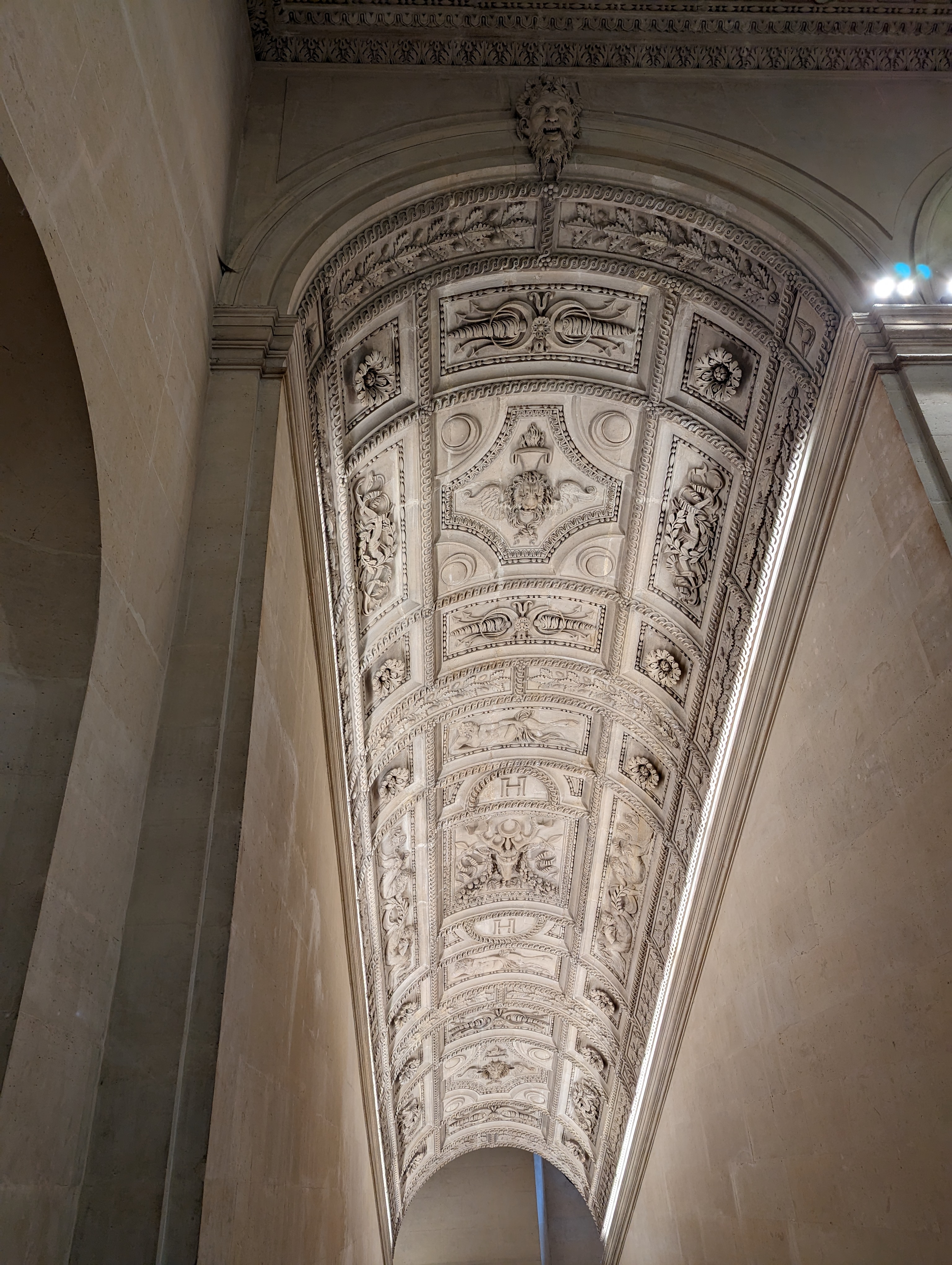
And we looked up to see these heavily decorated ceilings that celebrate Henri, just in case visitors or courtiers weren’t sure just who was in charge. Note the H’s everywhere.

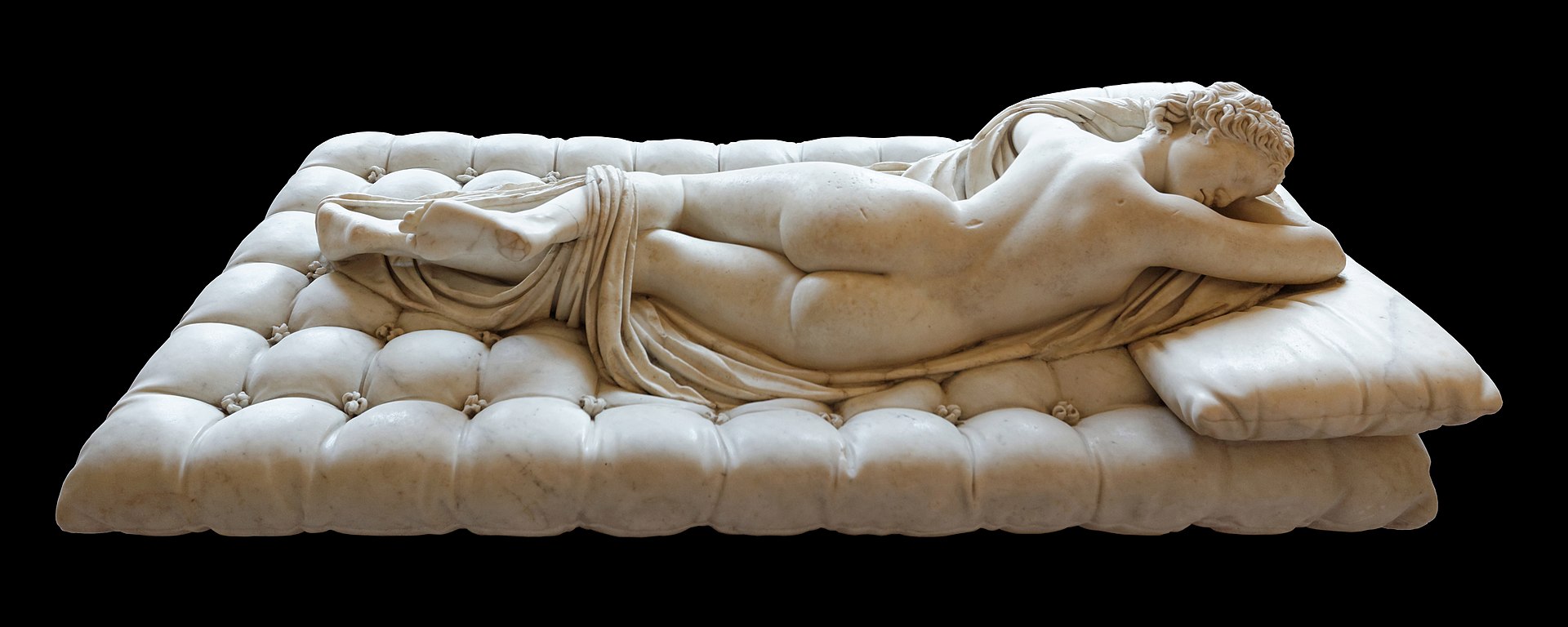
Pablo knew how to engage his audience. Here, for example, is an exquisite sculpture of a sleeping woman.

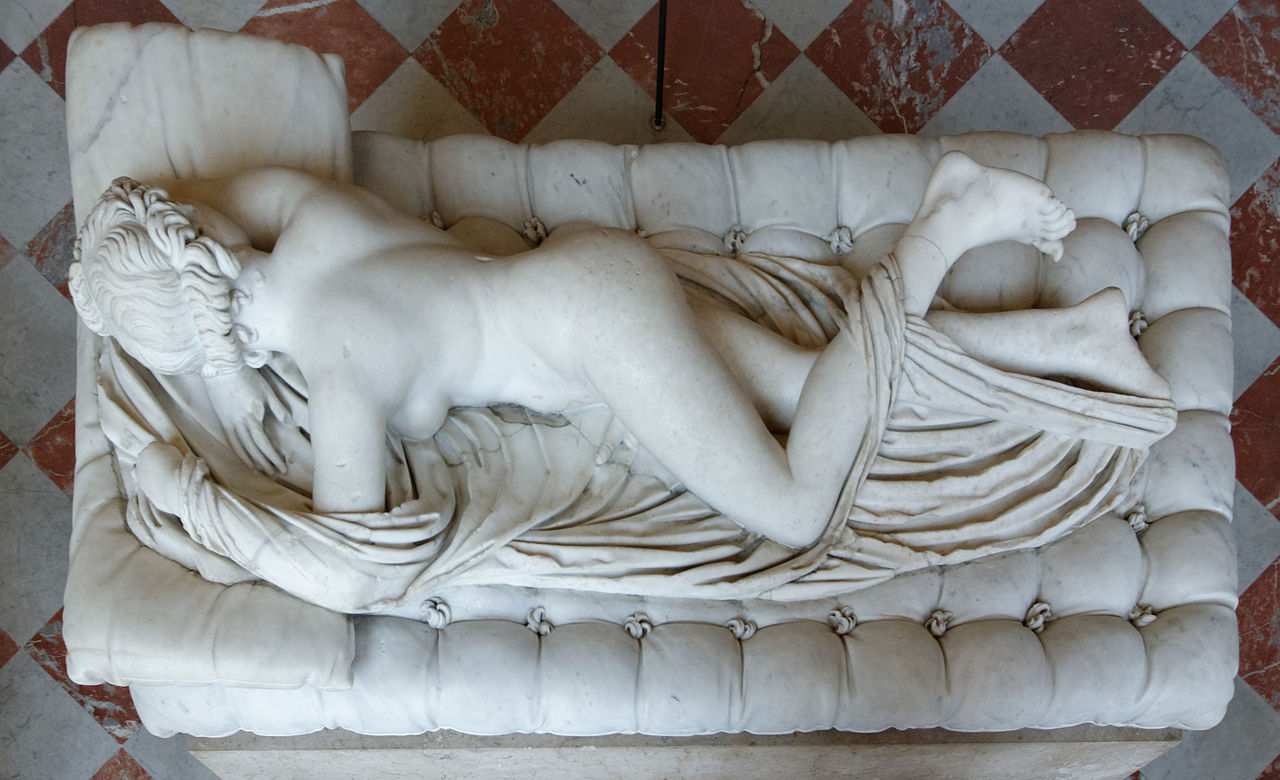
After we had admired her from this angle, he told us to walk slowly around it and tell him what we saw. We dutifully shuffled along and then saw this:
It took a moment for the penny to drop. Luckily, all four of us had no idea what to expect and were astonished, as we should be!

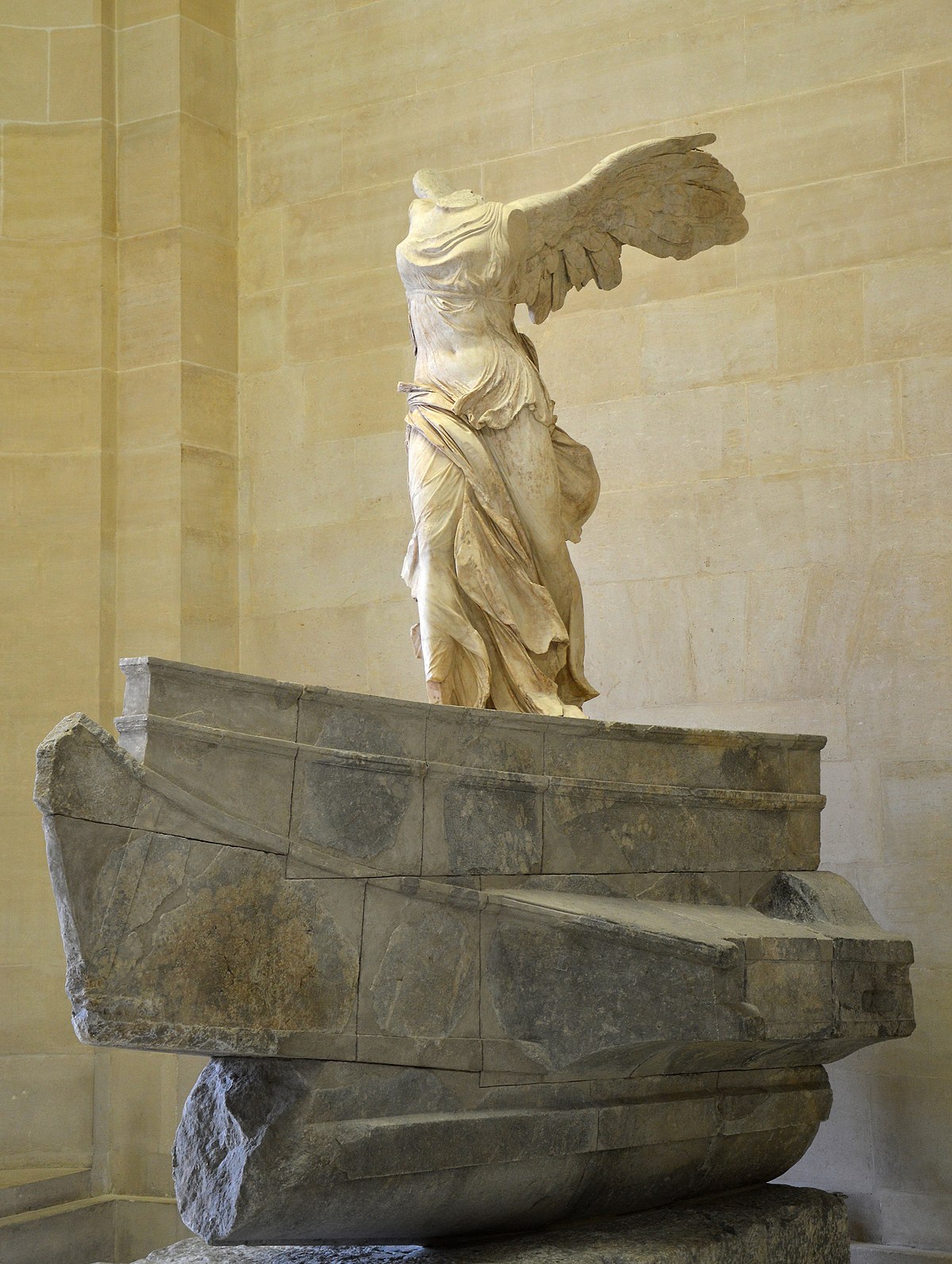
And then there was the enormous Winged Victory of Samothrace, dominating the space, which we examined from all angles.

Again, he told us to turn around and enjoy the vistas through the galleries from this vantage point. It’s placed here for a reason, but we might not have noticed its position without Pablo’s help.

The final hour was spent visiting old friends:
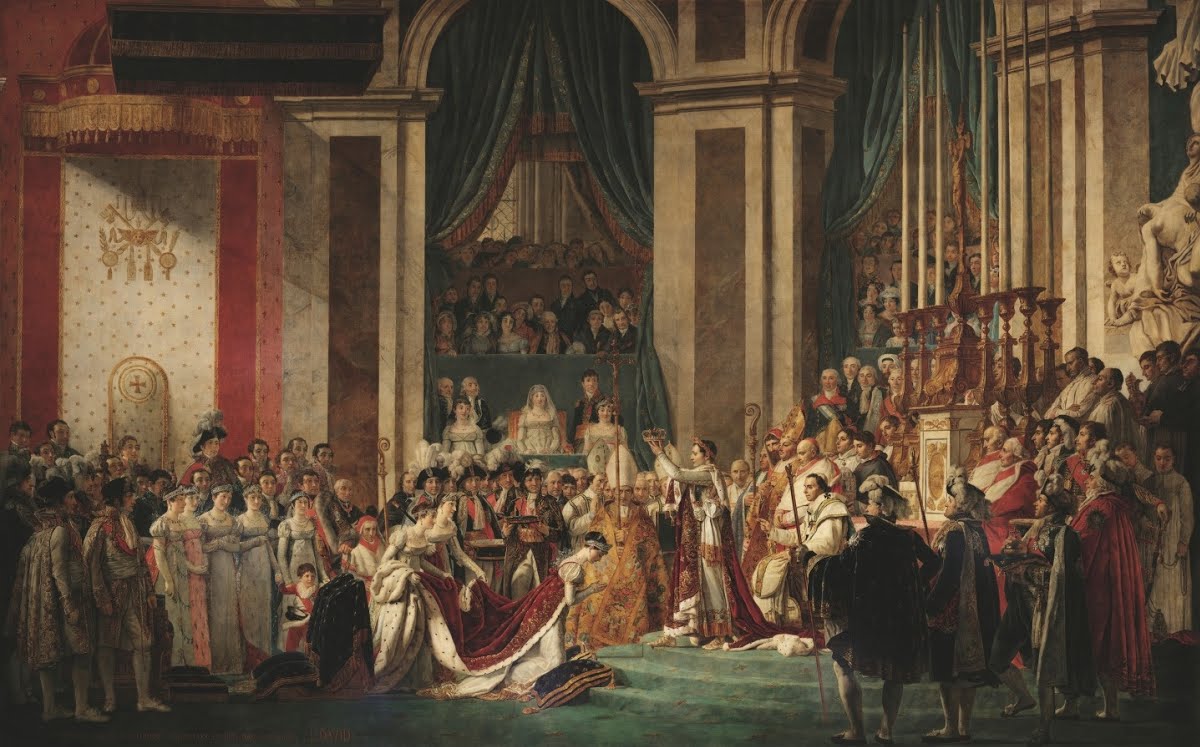
The Coronation of Napoleon by David (an early example of fake news, since some people pictured were not there, and some others who were there were not pictured)

The stirring Liberty Leading the People by Delacroix

Veronese’s Wedding at Cana (which is positioned directly across from the Mona Lisa and as we all agreed is a much more interesting and significant painting)

This tender Old man and His Grandson by Ghirlandaio

And more, of course. The tour was terrific because Pablo made us not just look but see.

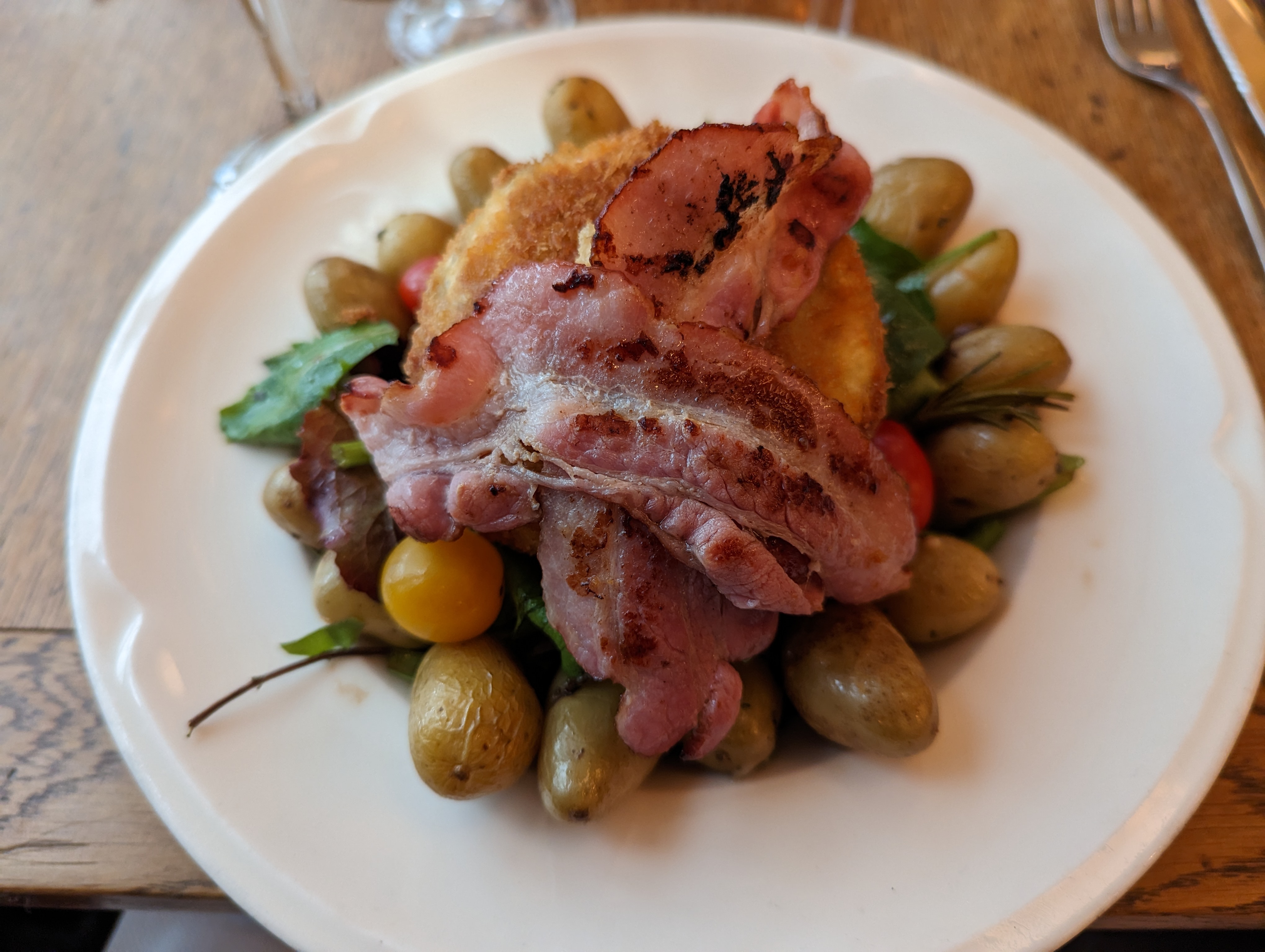
Then, of course, lunch, and Pablo recommended Café Blanc, a place that was filled mostly with French people eating their food with precision and appreciation. This was mine, a salad whose flavors were primarily that of cheese, ham and potatoes. Notice how beautifully the tiny potatoes are placed on the plate.

Then home to the apartment to await Silla’s arrival. I looked up the street and down the street, and there she was! What joy to see her again.

After Silla got settled in, we walked over to our favorite food street to find dinner. We brought home something that I failed to record, but there’s no doubt that we ate something and it was good! More adventures to come tomorrow.

Image

Bonjour, Paris!

We said goodbye to Amsterdam on a rainy morning. Thanks to Sebastian who called for the cab and made sure we were safely on board before bidding us farewell, we got to Centraal Station (for the last time!) and soon found ourselves on the Thalys train to the Gare du Nord, Paris. It had been a really good week, in part because of the comfortable, efficient apartment, and of course because of the VERMEER! On to the next.

The otherwise efficient train was late getting in, but no matter. We checked into the apartment on the Rue du Caire and were disappointed with what we found. This is what was advertised, which was technically accurate,

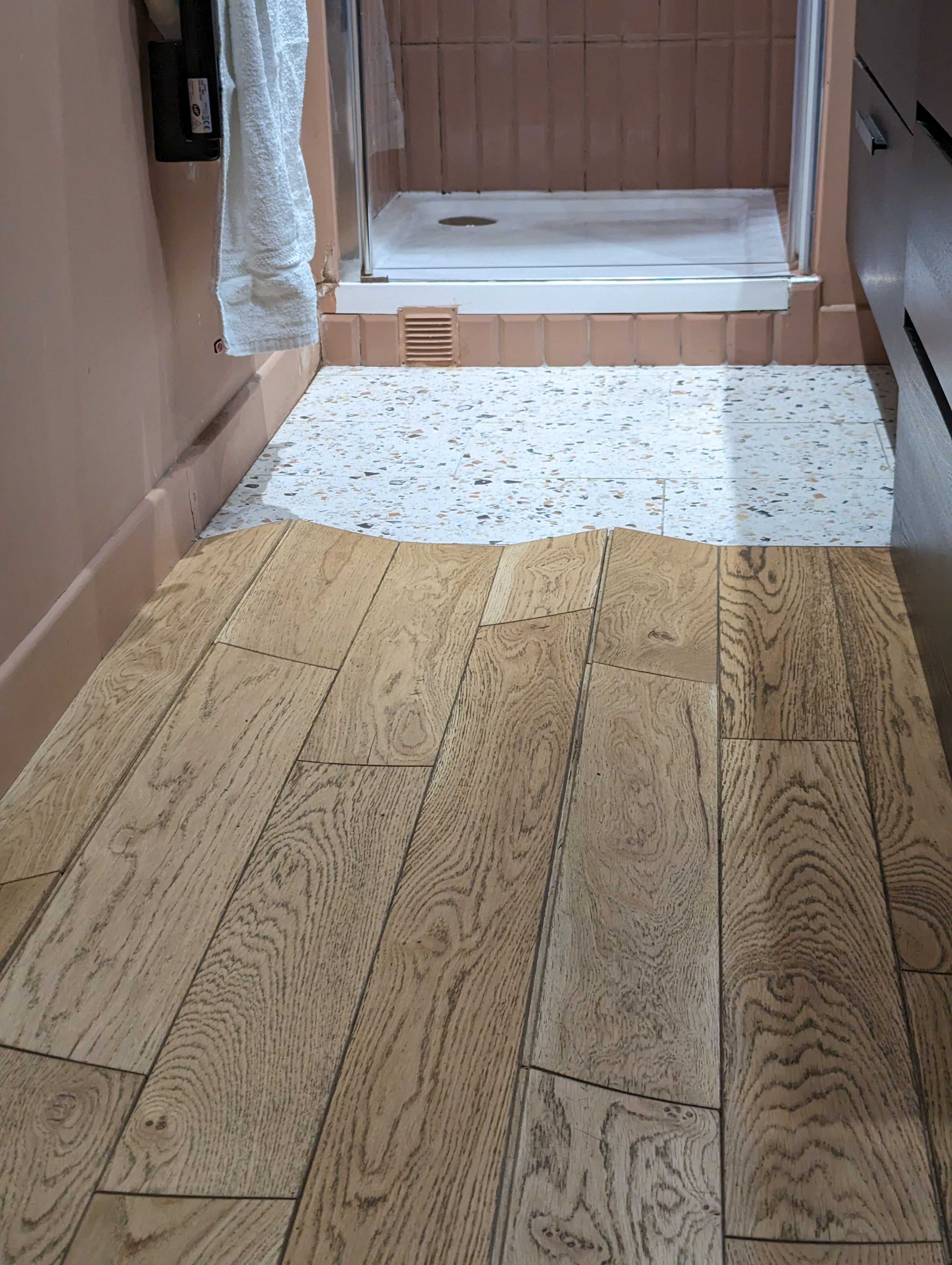
but in real life the space, though roomy, was dark and depressing, especially the bare gray flooring (not the warm color pictured) and weird lighting (mostly overhead). The ensuite bathrooms had only sinks and showers, with the shared toilet in a separate spot, which was inconvenient and would have been clearer to us on a closer reading. But the real problem was that the apartment appeared to be in the middle of a half-finished renovation. The kitchen, toilet and my bathroom had recently been updated. But Alison’s bedroom floor was severely buckled, which is a tripping hazard, at the very least.

Cedric, our contact, promised that new flooring was to be installed the week after we left, and in the meantime he could offer a rug, which was unlikely to help and in fact never showed up. Alison tread carefully the whole time we were there. And the sight of trash on the streets, seen from the cab, was a glimpse of real life in Paris during a strike, but hardly welcoming.

Oh, well, we miss our friendly host Sebastian (where’s the complimentary bottle of wine? the high end coffee maker well stocked with beans? directions to the best local restaurants? the offer to take out the trash for us? etc.). We will just have to adjust…

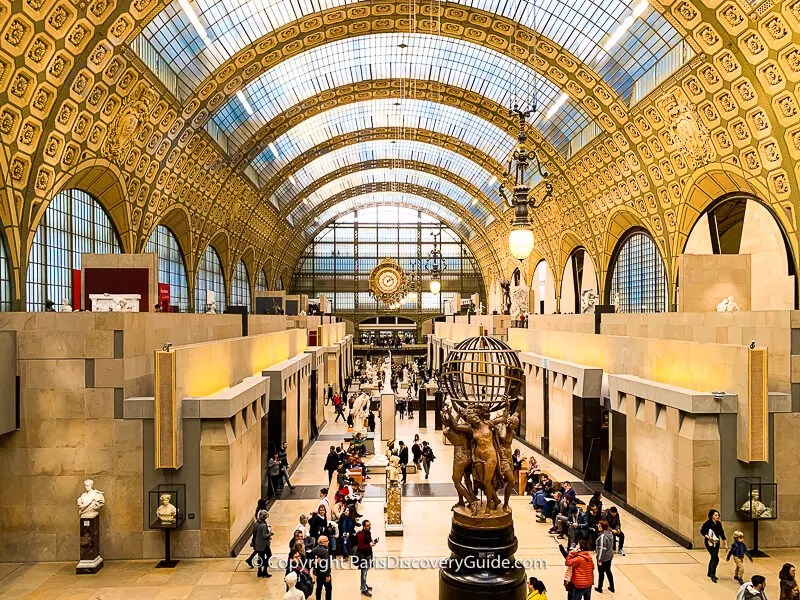
It took us a while to get out the door the next morning, but we finally got on the Metro with our newly purchased Navigo passes and made our way without much incident to the Musée d’Orsay. As soon as we stepped inside, it all came back to me. The train station is so vast and spacious, and the art has room to breathe.

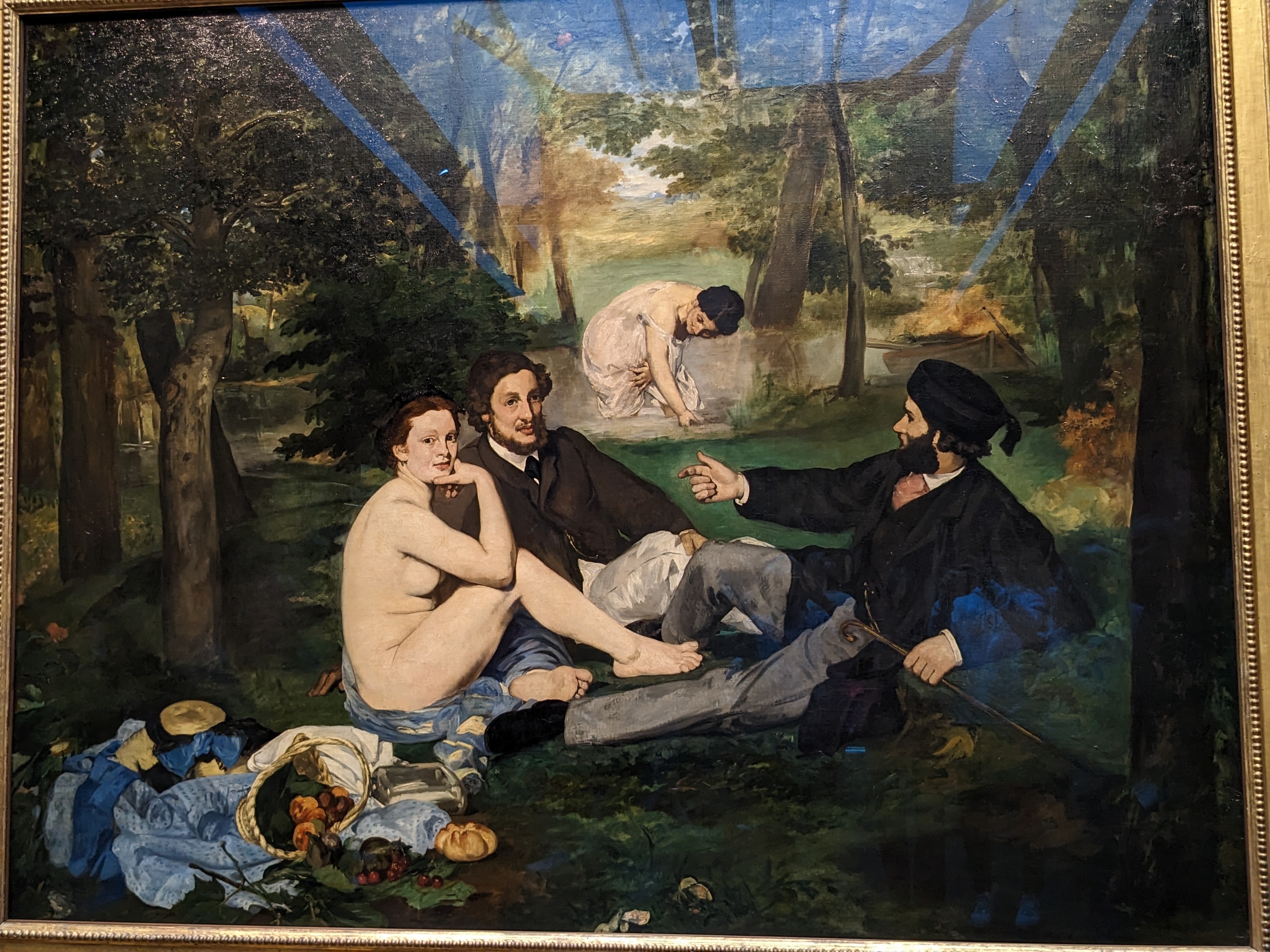
Or course we had a list: famous paintings that we had learned about in our Western Art series, like Dejeuner sur l’Herbe (so much bigger in person)

and the lovely Manet mockingbird and fife player (the empty background so reminiscent of Velazquez).

I could really develop a passion for Manet.

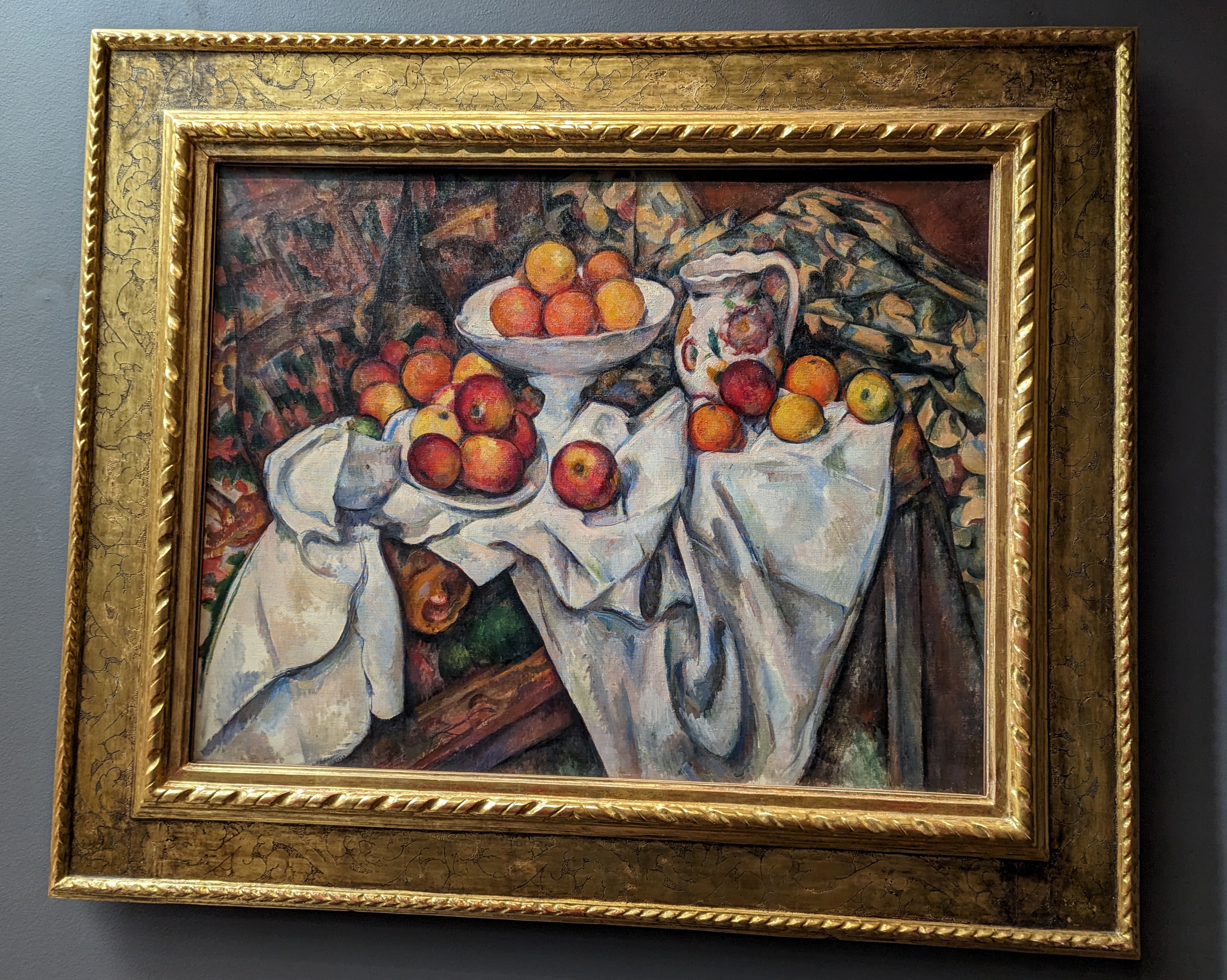
Cezanne’s still life with oranges must have been in the house because it looks so familiar, and here was the real thing.

Also Degas, Van Gogh, Caillebotte and more. A surfeit of impressionists but there’s nothing wrong with that!

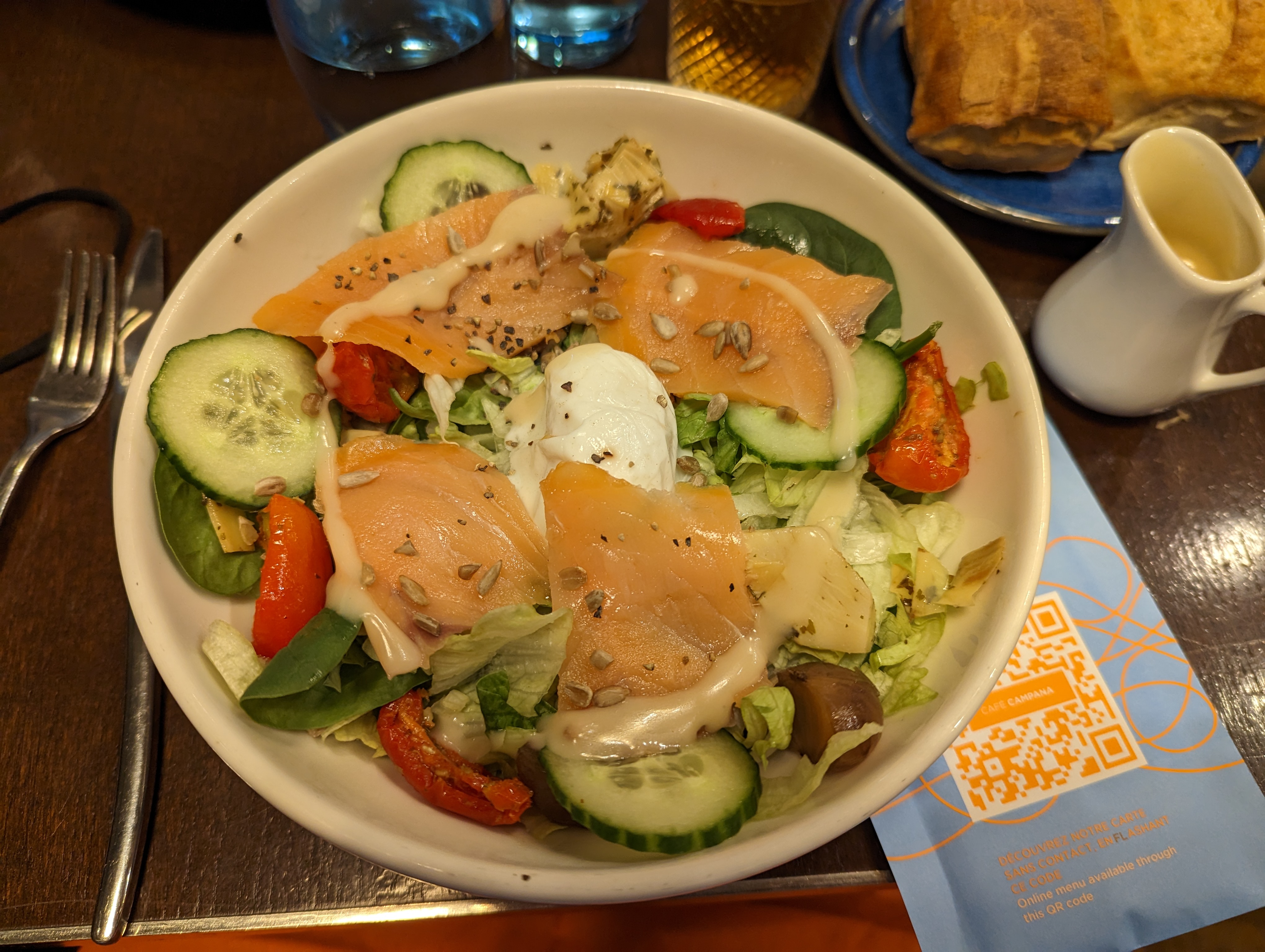
Lunch was in the cafe and hit the spot. A salad for me with artichokes, salmon, a poached egg, candied cherry tomatoes (not really candied but more like cooked down), and pickled onions. Plus a simple dressing that was quintessentially French and just delicious.

AND a small glass of beer because I never had any in Amsterdam. Alison’s quiche and salad were equally good.

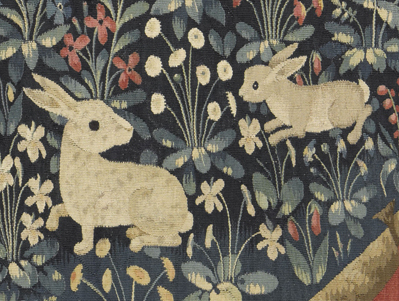
From here we traveled by Metro to the Cluny, of which I have fond memories from last time. Though we were both a bit museum-weary, we did have to stop and admire the Unicorn tapestries (time to go back to the Cloisters in NYC),

as well as the stained glass and the Adam and Eve sculptures. (I might have to specialize in A & E the way Alison does with annunications.)

They both look a bit nonplussed here.

The Cluny was lovely, but somehow not as enchanting as last time. “You never can recapture that first, fine careless rapture…” Plus, by this point we had museum feet.

Back home we took a detour to the Montorgueil neighborhood in search of dinner for tonight and possible eat-out opportunities when Silla joins us tomorrow. We came home with two vegetable gratins and some chopped beets and hoped we’d like it! (Guess what, we did!)

Image

Last Hurrah in Amsterdam

Today dawned cool and cloudy, the kind of weather that makes it hard to tell what time of day it is. But we forged on to Centraal Station, where we scoped out tomorrow’s train and then found our tram for the Hermitage Amsterdam.

This Hermitage is related to THE Hermitage, of Russian fame, which for many years has been lending exhibits from Russia to this location and others. However, the Board here decided after the Ukraine invasion that they could no longer support this partnership:

Russia’s attack on Ukraine made this aloofness no longer tenable. The Board and Supervisory Board therefore decided on Thursday, March 3, 2022 to sever ties with the State Hermitage Museum. The museum on the Amstel is now reflecting on its long-term future. 

Well, good for them, I say!

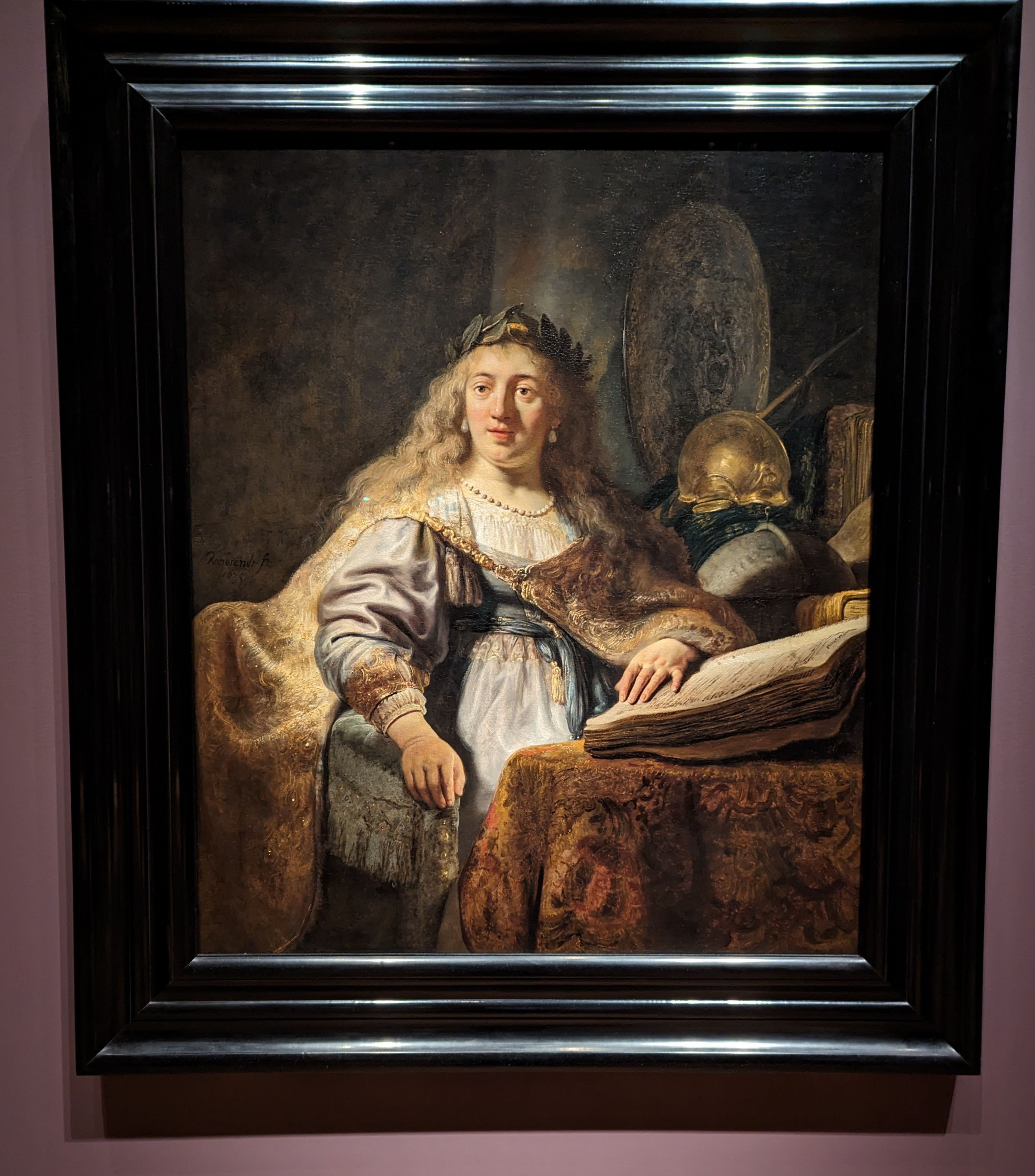
The current exhibit is called Rembrandt and his Contemporaries and focuses on “history paintings,” which are often religious in nature. The show includes only two actual Rembrandts, though they are both stellar, one a gorgeous painting of Minerva (likely modelled on his Rembrandt’s wife Saskia),

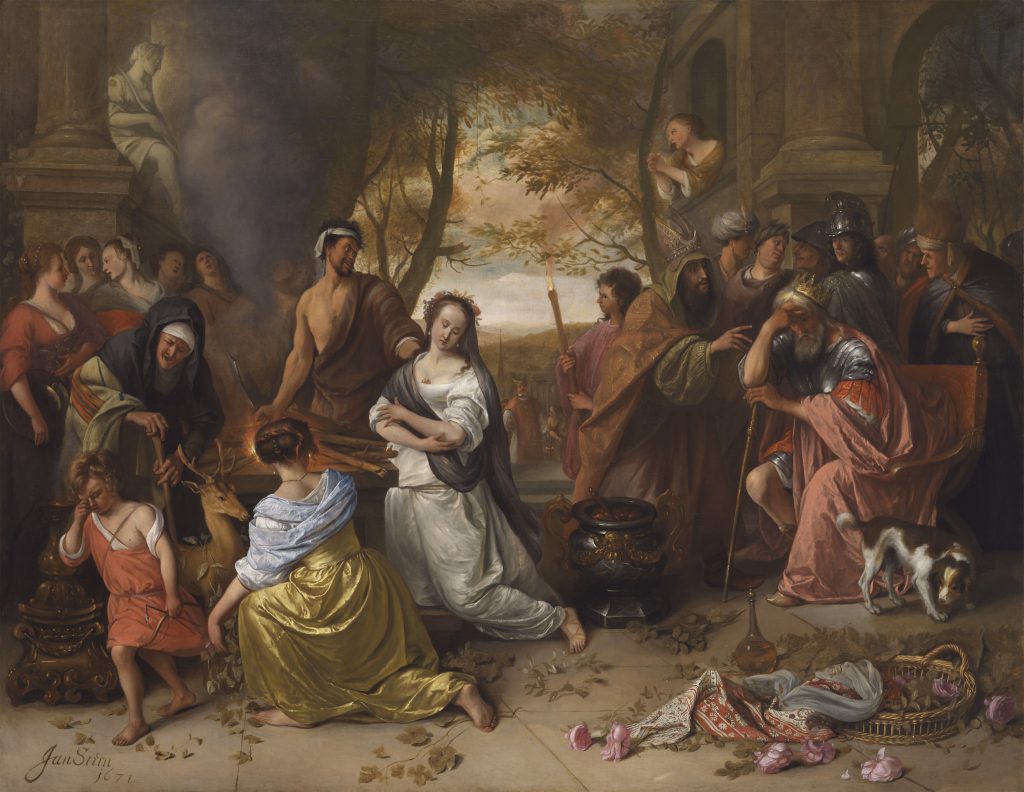
and the other a jewel of a small portrait done in grisaille. The others are paintings by teachers, students and friends including Jan Steen (who adds a necessary robust humor to the proceedings)

and Carel Fabritius, he of the Goldfinch (and the one who died far too early when an arms store in Delft blew up).

The show was interesting enough, and we had to marvel at the founders of the Leiden collection, who have more money than you can imagine and over twenty years have collected lots and lots of paintings from the Golden Age of Dutch art. Very kind of them to share it all with us!

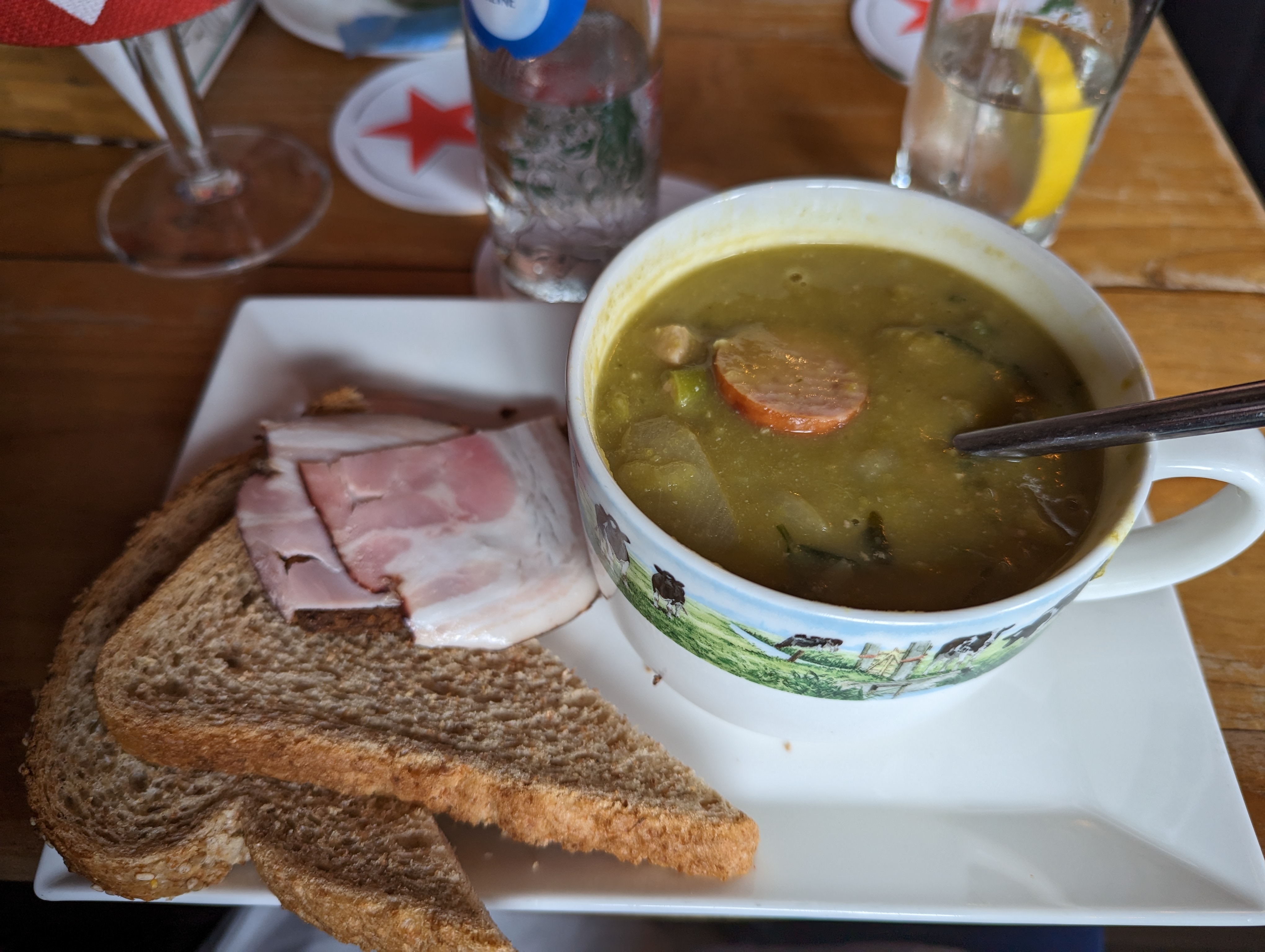
Time for lunch, and a kind woman in the elegant museum cafe that seemed to feature only coffee and cake recommended that we try a “brown cafe” just around the corner. These are traditional cafes that are called brown I think because of all the pipe smoke over the centuries. With pea soup (me) and cheese toast (Alison),

we enjoyed a warming lunch while perched on the upstairs level of the small bustling cafe. I particularly noticed this family group, with the parents featuring zipper motifs on their clothing!

We contemplated visiting the Dutch Resistance Museum, but a combination of museum legs and our need to pack up for tomorrow’s train led us to regretfully turn back home. Next time!

Image

Walking through the Jordaan

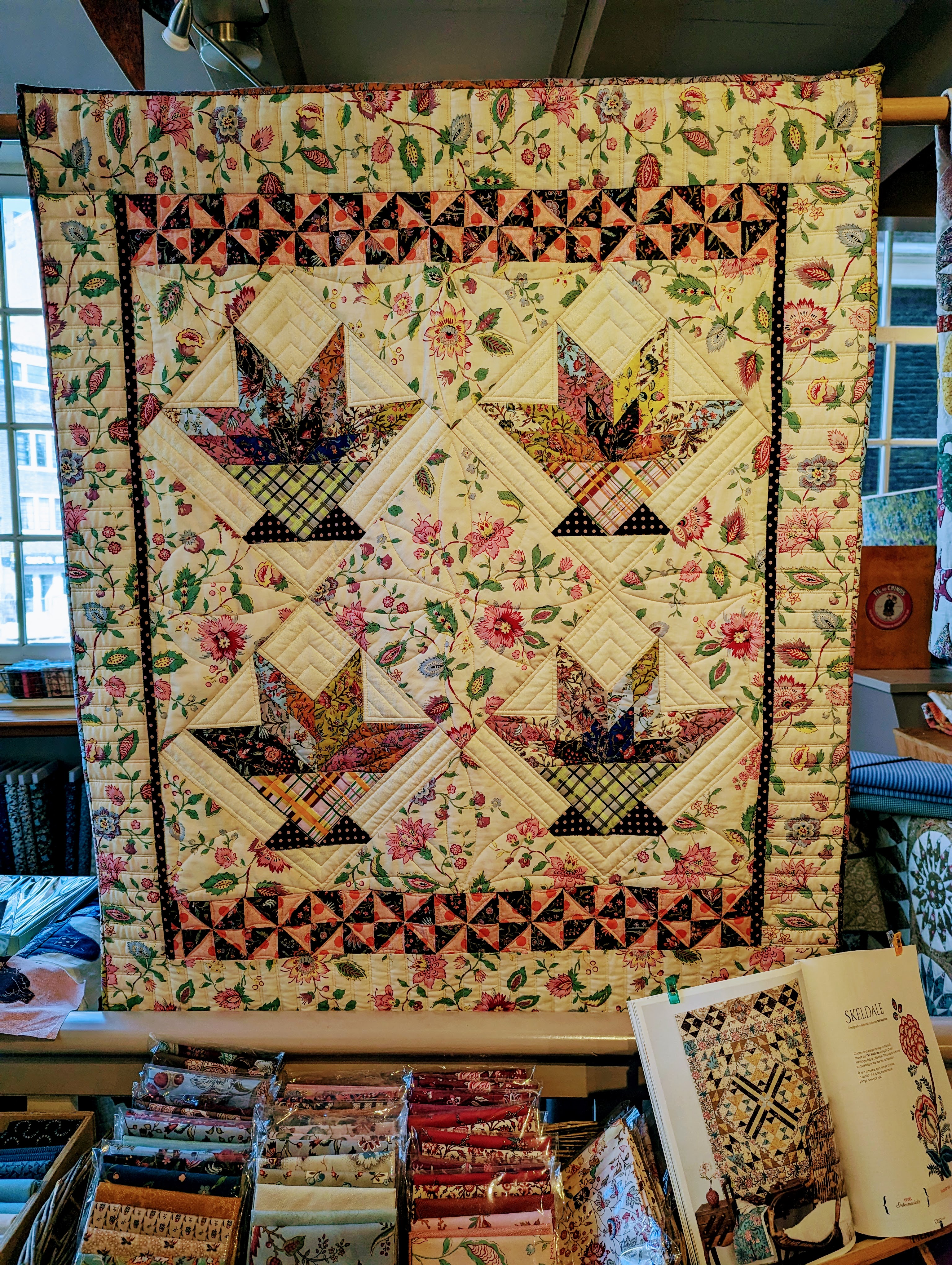
After last night’s little contretemps, and because we had no appointment times to worry about, we slept late and took our time getting started. From Centraal Station we walked in a leisurely way down to Dam Square, filled with tourists like us. We slipped past the Juliana exhibit and found our way to, of all things, a quilt shop! In fact, two of them!

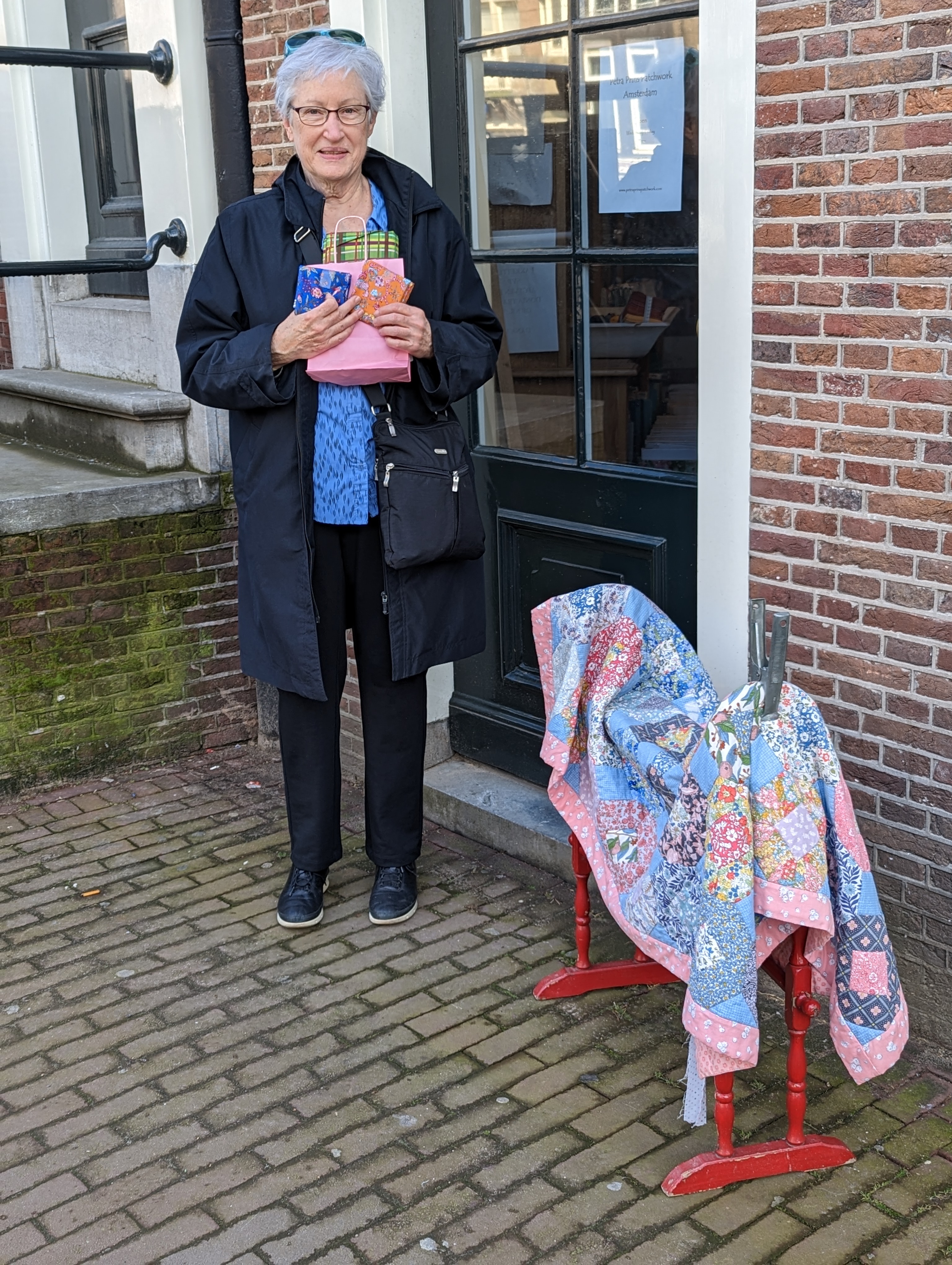
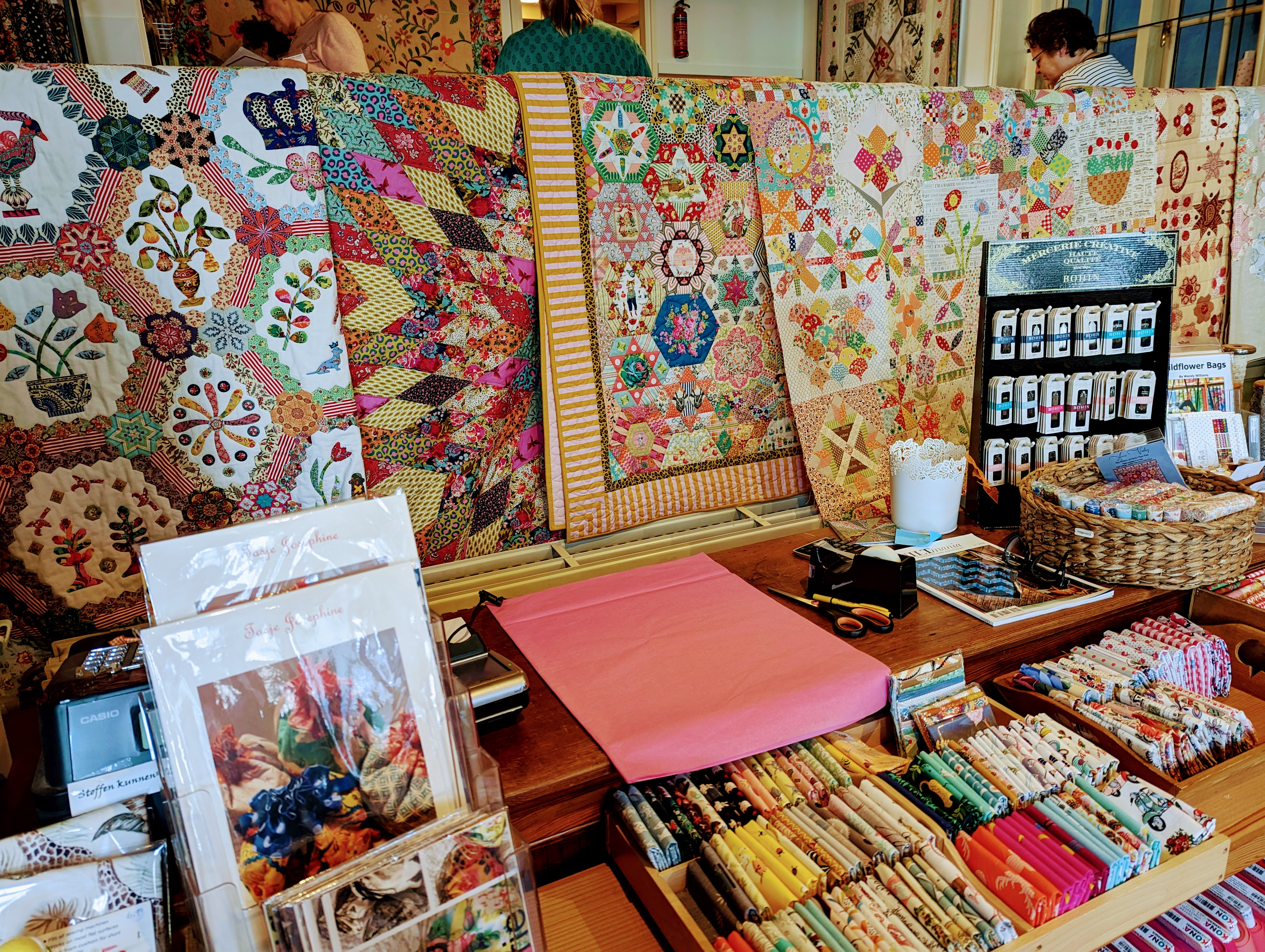
On our last trip I took home several fat quarters from Den Haan & Wagenmakers, so of course I wanted to return so that I could collect more unused fabric more of these delicious fabrics and make them into a quilt – eventually. Imagine my delight to discover that well-known Dutch quilter Petra Prins has a shop that adjoins Den Haan! Since I have no room in my suitcase, I brought only a few fat quarters back with me, but I enjoyed chatting with the staff (who, like everyone else in Amsterdam, with only minor exceptions, spoke English). The place was bustling with a couple of bees that were working on applique and other handwork, and the mood was entirely warm and friendly.

Very traditional quilts, but with bright colors and playful designs. Yum!

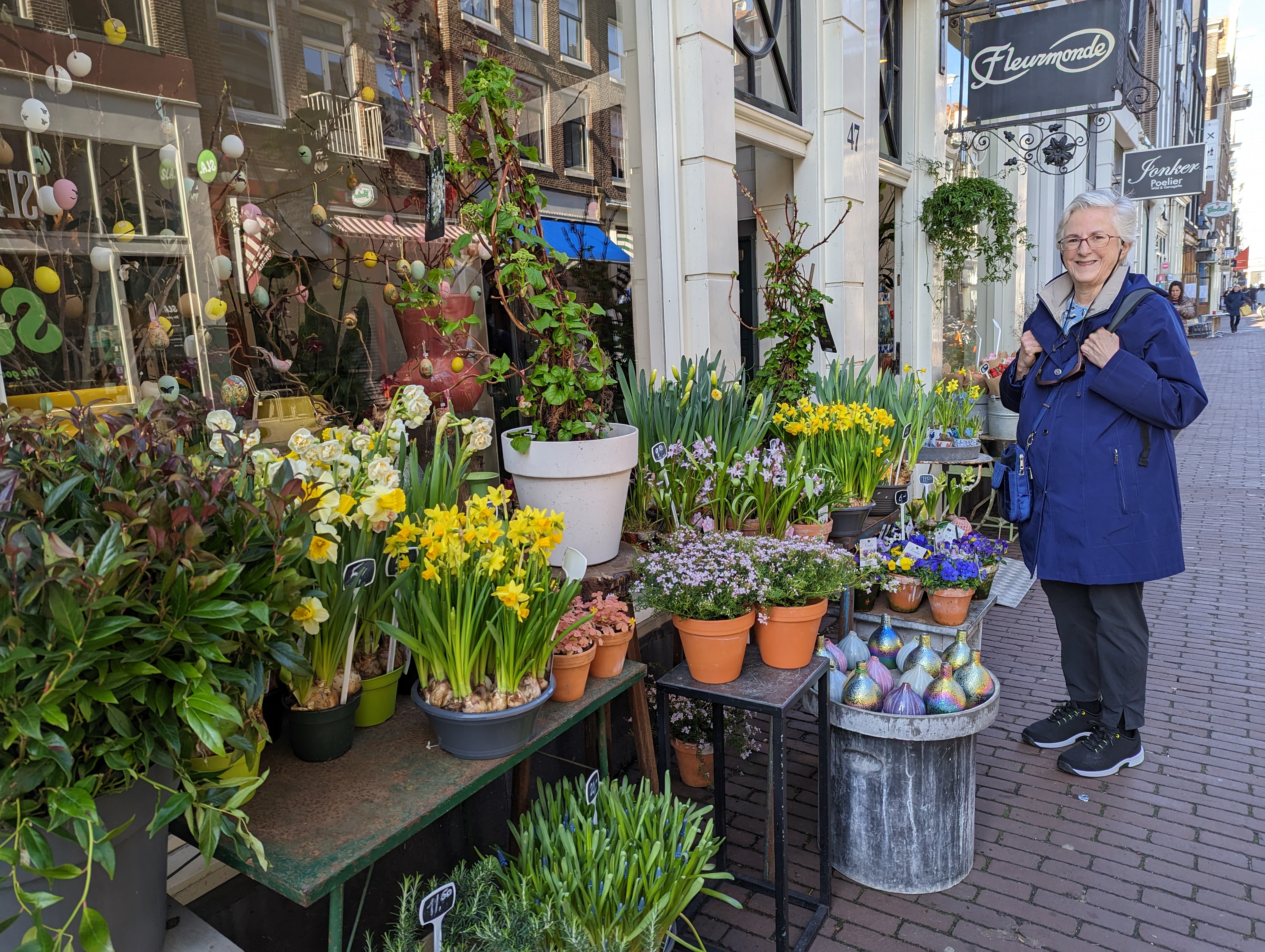
Our main focus was a walk through the Jordaan district, following Rick Steves’s directions. We enjoyed the flower shops like this one,

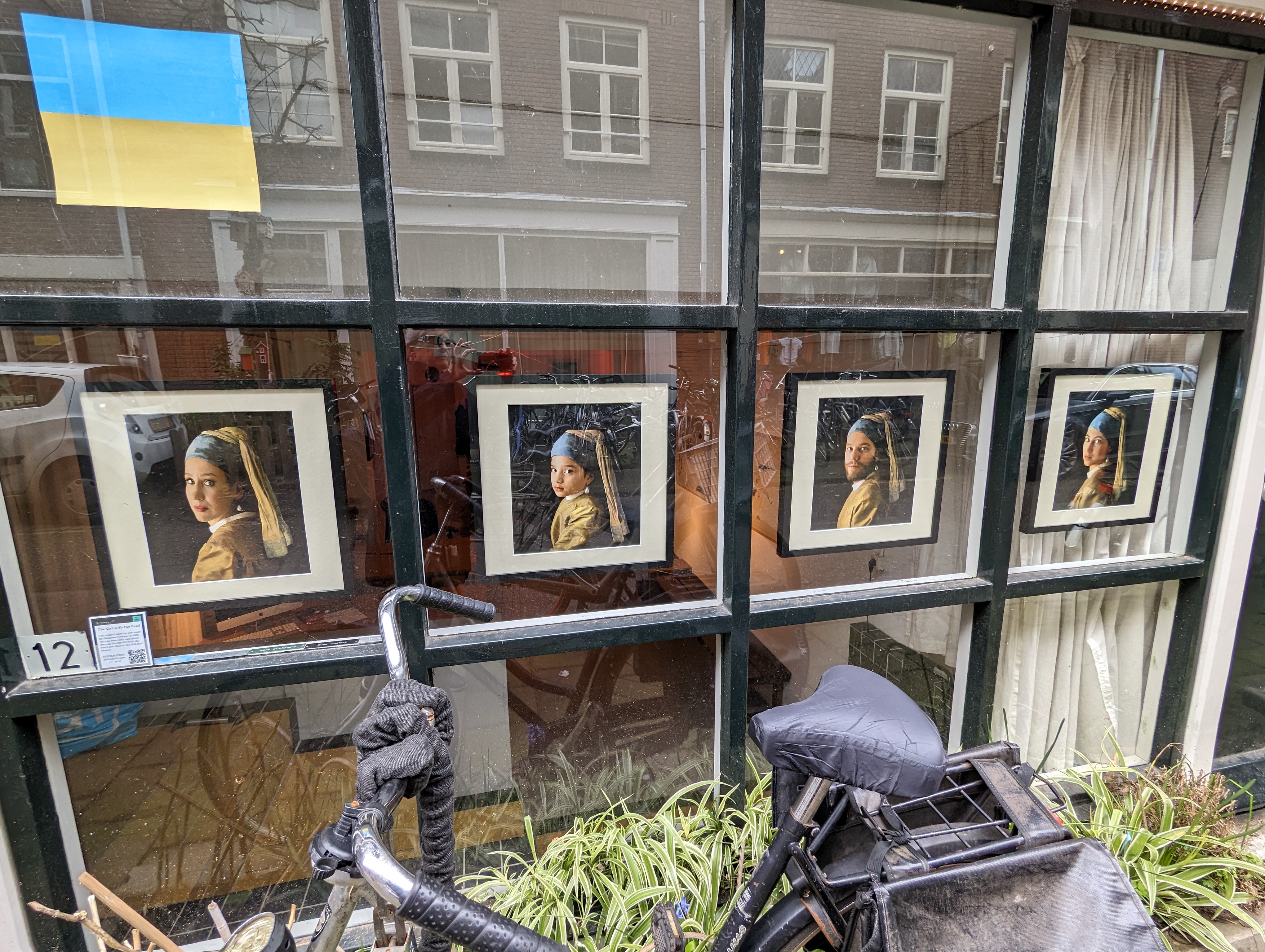
this display of many people with a pearl earring,

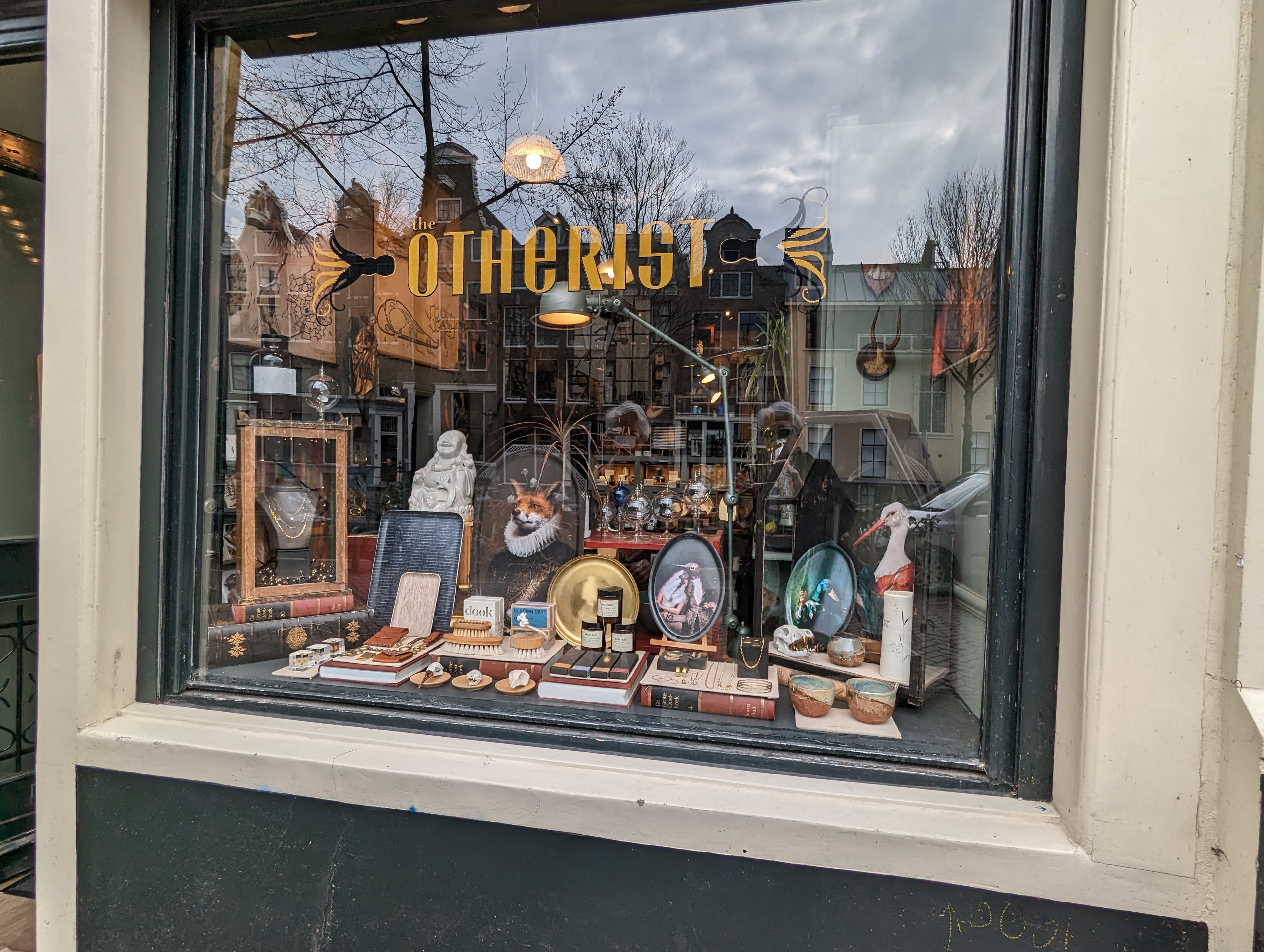
this elegantly quirky shop

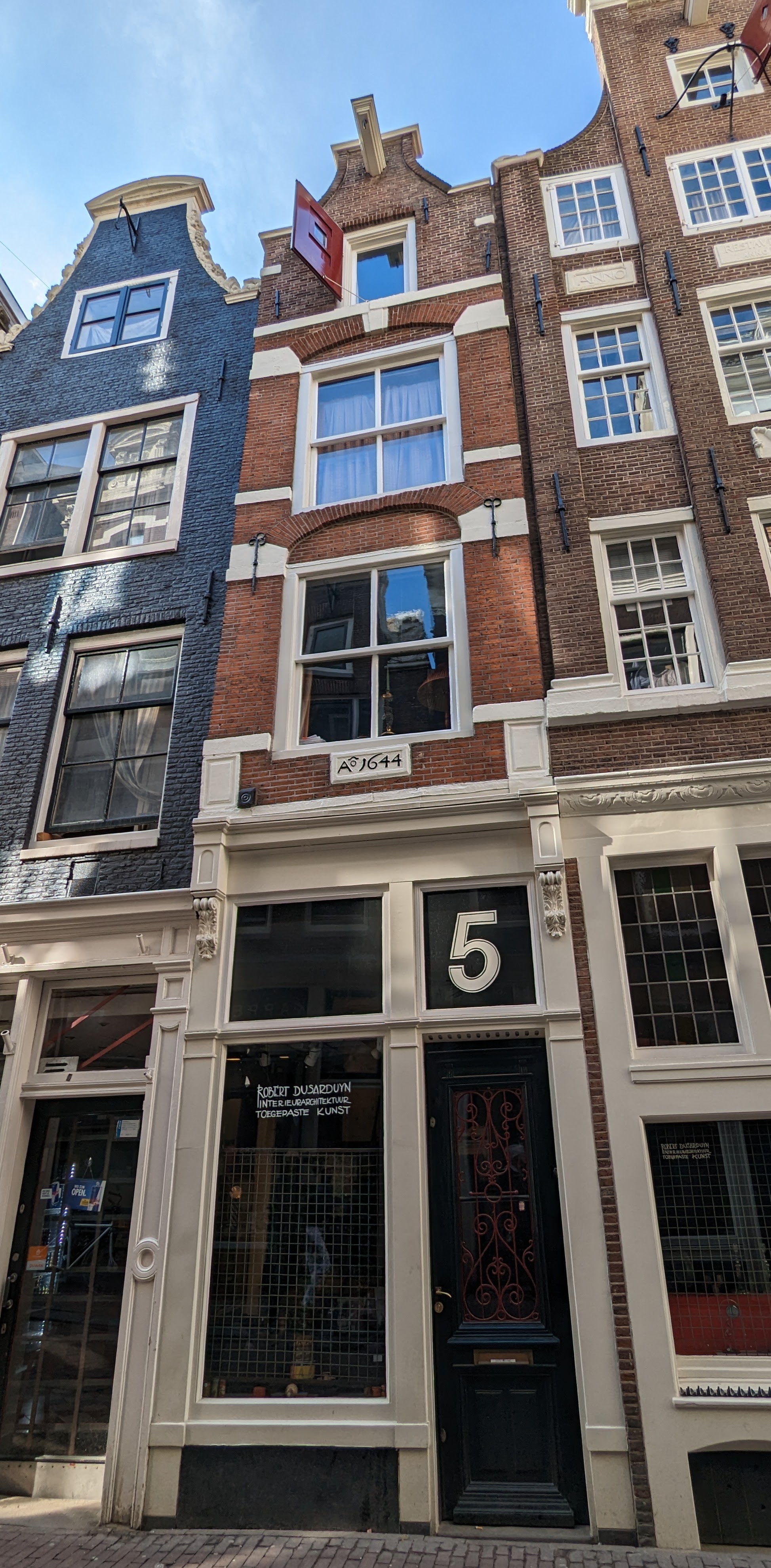
and this historic house on the Moolsteeg, dated 1644, one of the oldest in Amsterdam.

Hard to tell in this photo, but the house leans just a bit out to the street so that when you attach a pulley to the hook above, you can hoist your cargo safely up through an upper-story window. Once you notice the hooks, you see them everywhere!

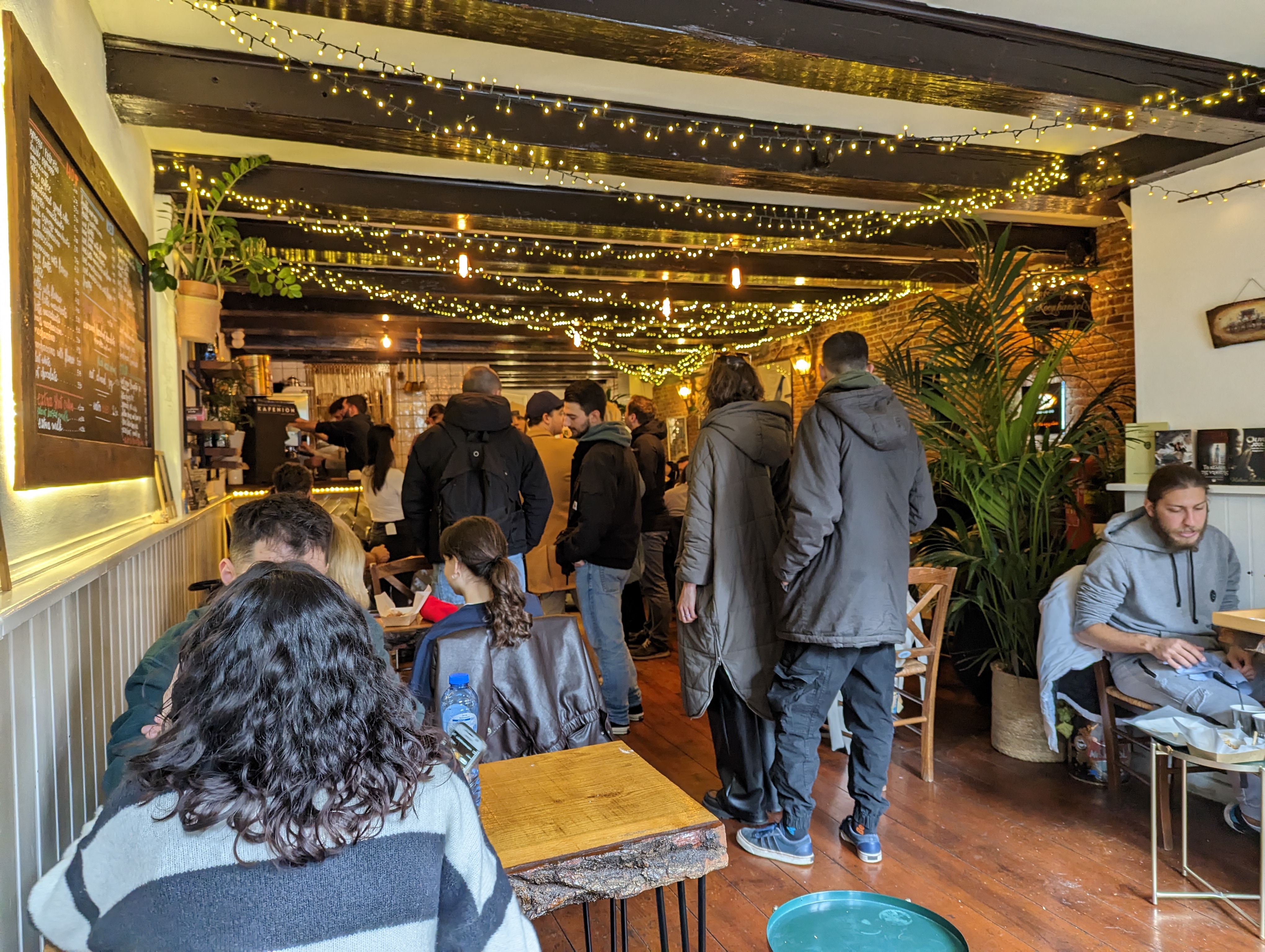
It was past time for lunch and just beginning to rain, and we identified a nearby coffee shop, but it was so crowded that we didn’t think we could find a seat.

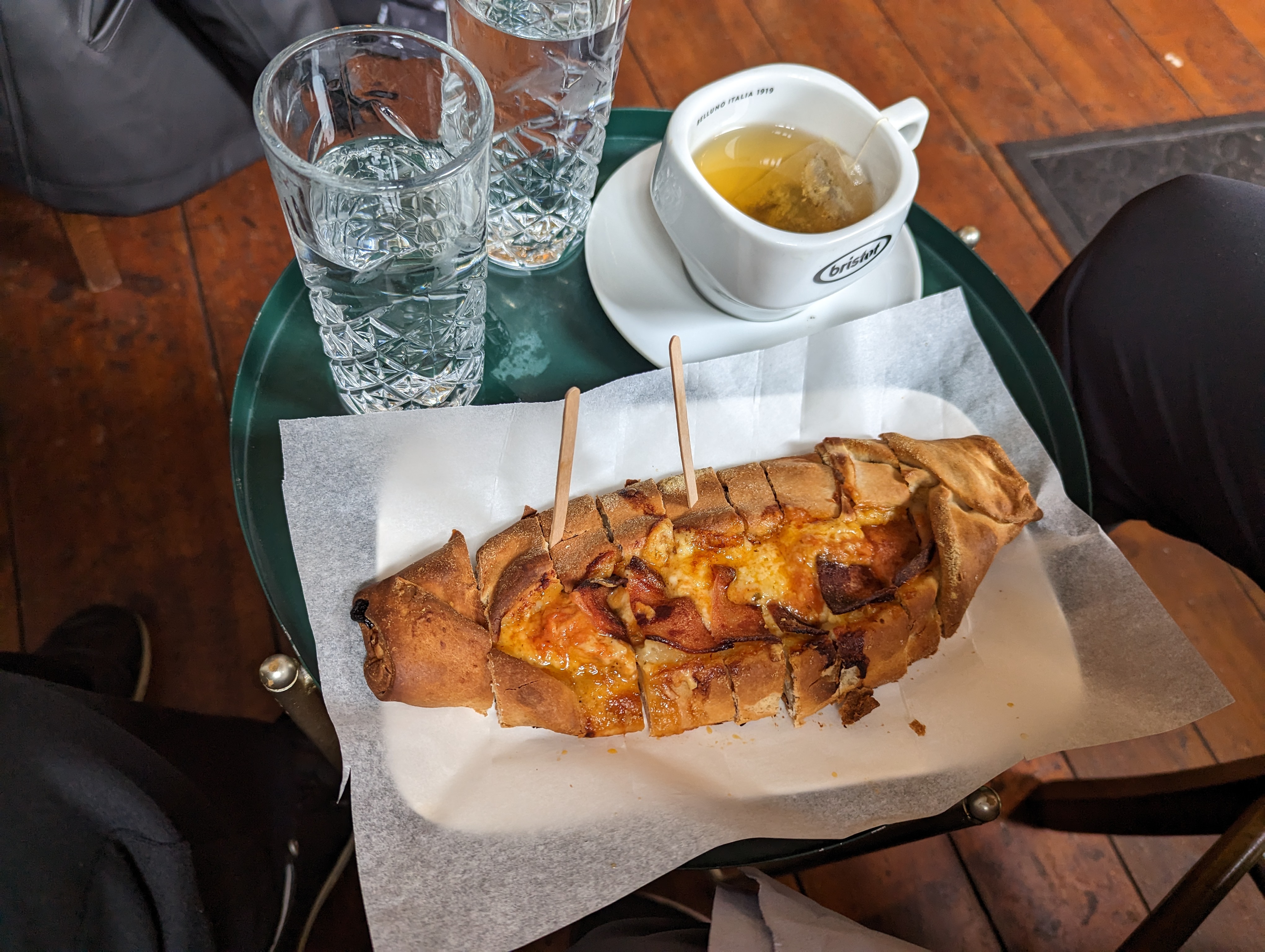
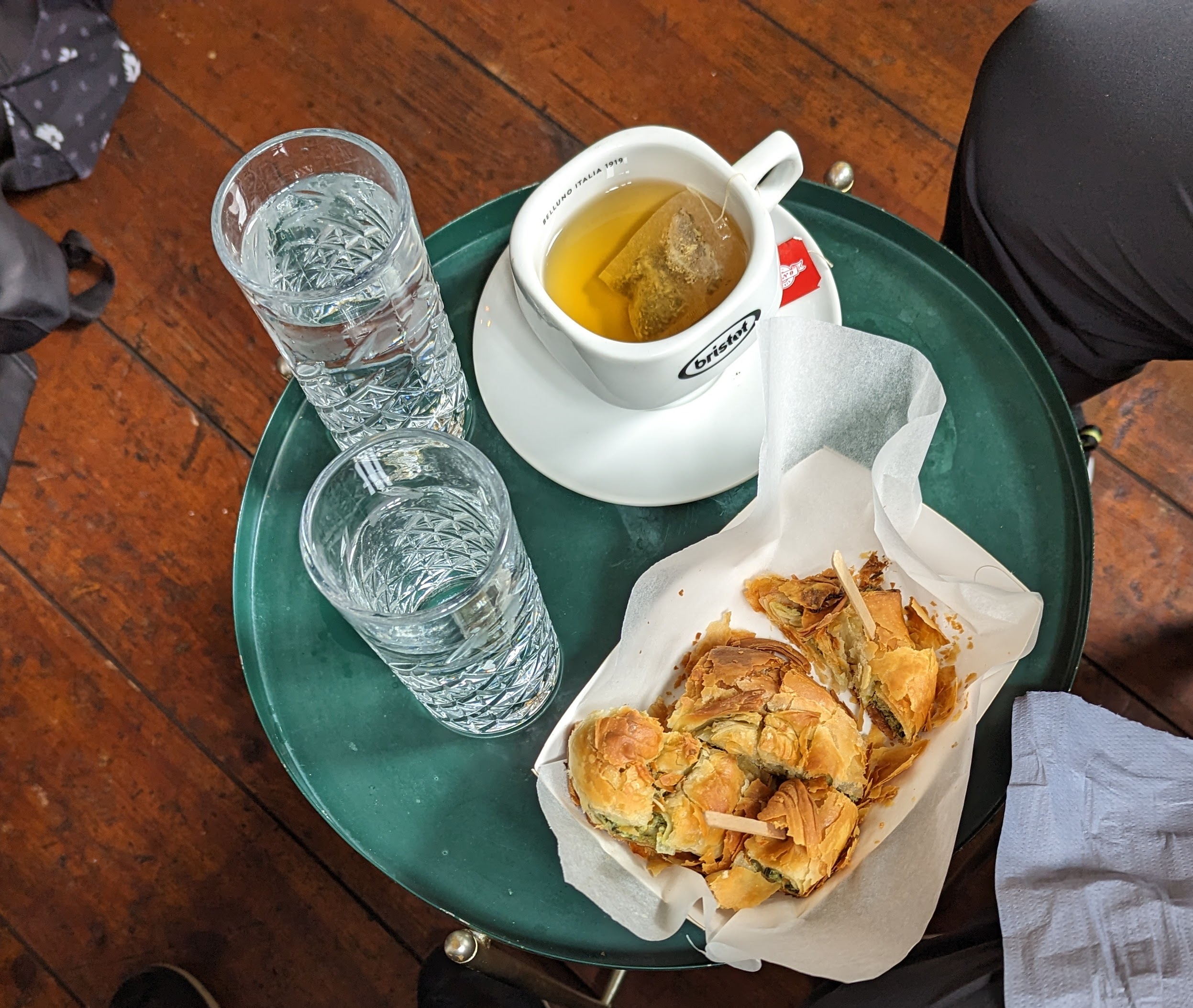
Somehow the nice young waiter squeezed out two chairs and a tiny table for us. It’s a Greek place, so we had spanakopita with feta and spinach (me) and with ham and cheese (AO).

The place was full of young folk, a couple guys playing backgammon, etc. But as the rain began to relent, they gradually melted away, and so did we.

From here we headed to the Noordemarkt, which was allegedly right down the Prinsengracht but in actuality not that easy to find. But we got there eventually, scoping out the fresh-cut forsythia, fresh shellfish, sausages, and more.

The advertised textiles and clothing were not so enticing, so we found some apple pie to bring home for dessert and otherwise enjoyed the doorways and steps of the neighborhood.

Although these steps would be a bit daunting if you had to scurry up and down them every day!

Home to pick up our laundry (thank you, Sebastian, for recommending this local service) and find dinner for tonight. We went back to the Lunch Place for takeout, which is really all we want to do if it’s not our local dive. Sadly, tomorrow is our last day, but we will take in a few more museums before we leave.

Image

Back to the Rijks

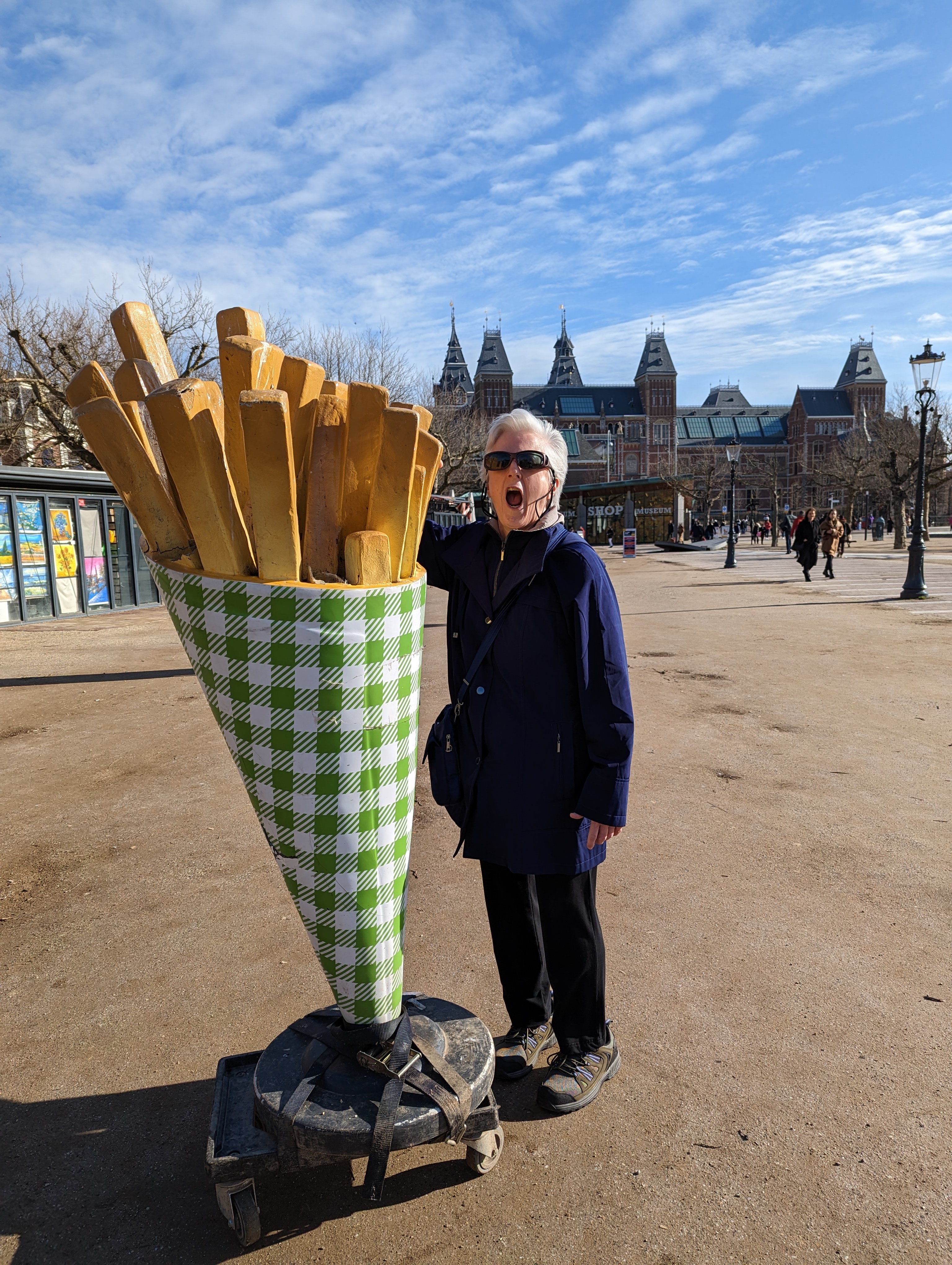
Today was another trip to the Rijks, which a person could visit every day for a year without growing tired (see also The National Gallery London, the National Gallery DC, the British Museum, the Met, the Prado, etc. etc.). We had a little easier time finding our way this time and enjoyed this monument to frites with mayonnaise.

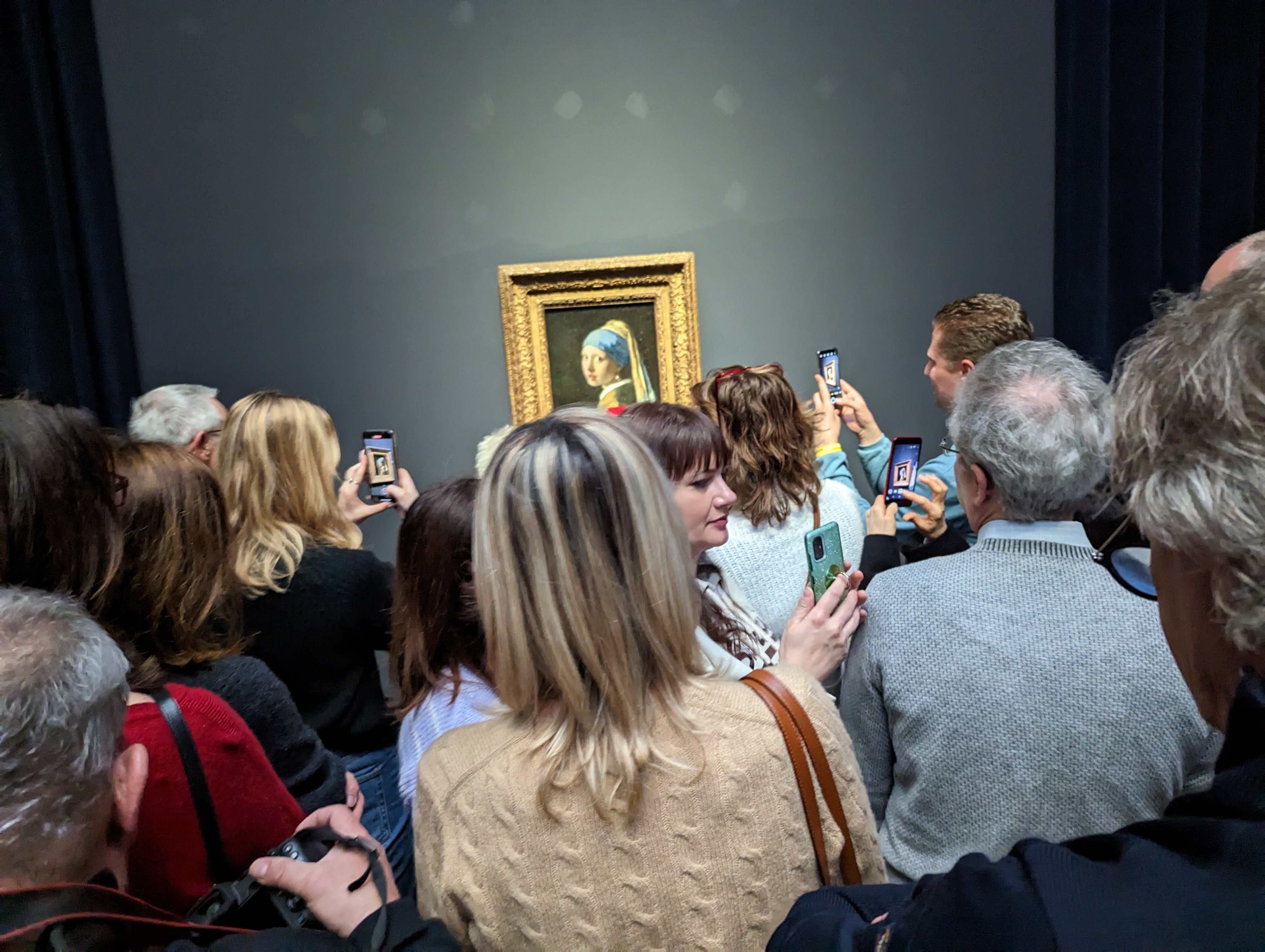
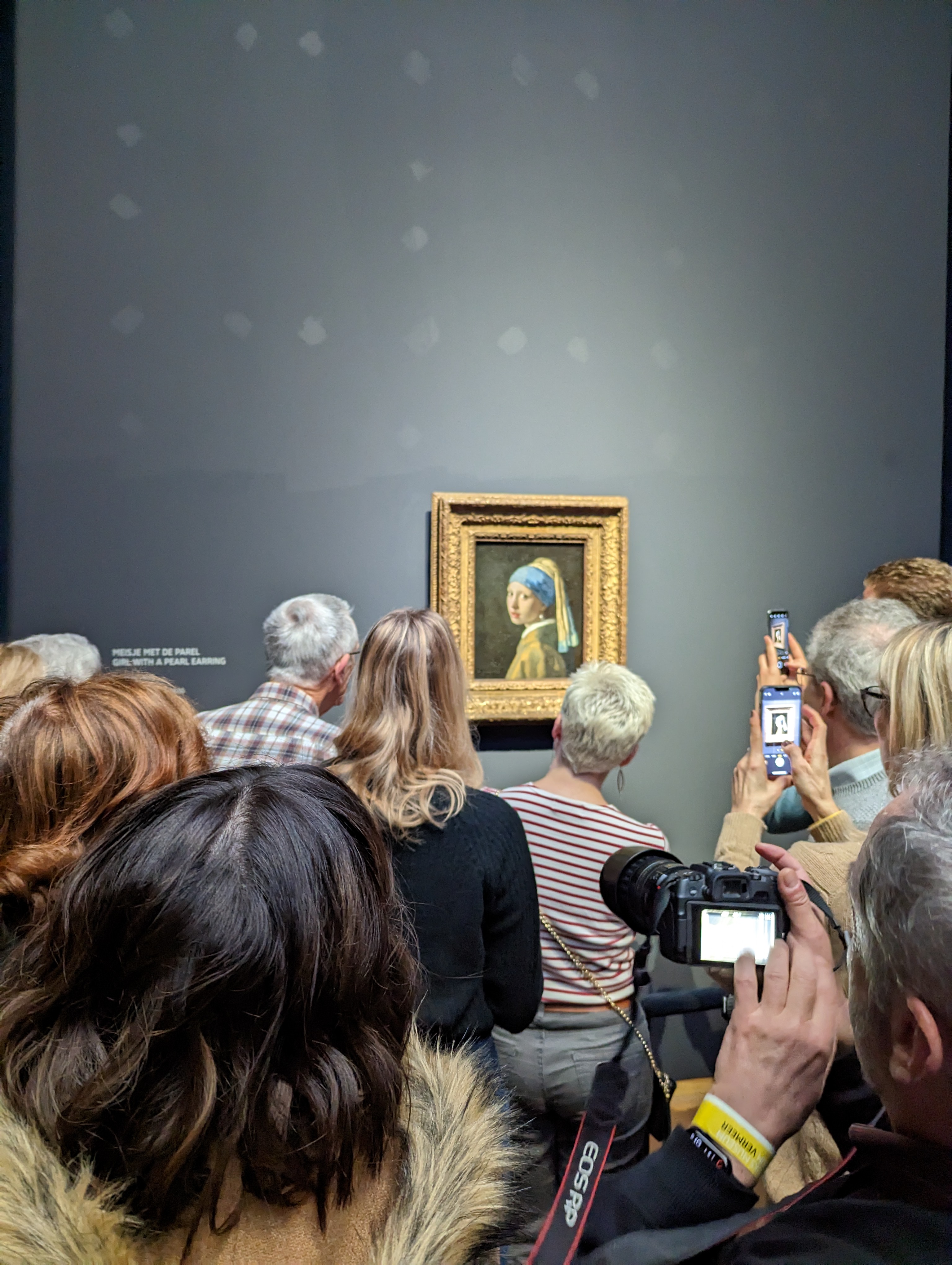
We made a very quick visit to the Vermeer one more time, slipping by the pictures we could easily see in DC and NYC. This photo shows how crowded the galleries could get,

but they have timed it so well that you had to wait only moments before finding yourself right in front of these marvelous, glowing paintings.

We had booked a private tour of highlights, which was well done by our guide Fedor, who moved quickly, answered our questions, and obviously enjoyed showing off the museum. He told us that if you looked at each object for only 10 seconds, it would take you some huge amount of time which I’ve now forgotten to see it all! But he did well by the Averkamp, pointing out the numerous details of daily life;

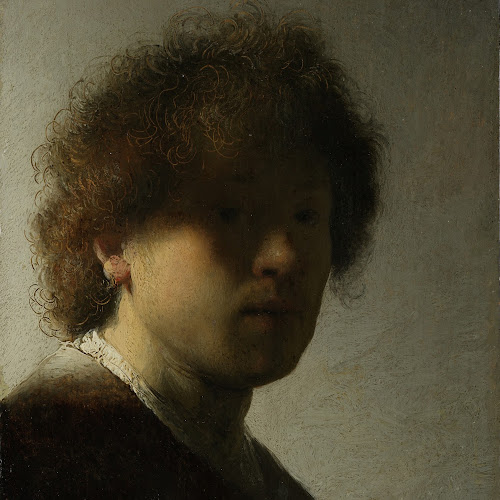
the self-portrait of Rembrandt as a wild young man;

and the Cuypers art history library which of course, being librarians, we had to see. (Imagine running up and down the circular stairs every day!)

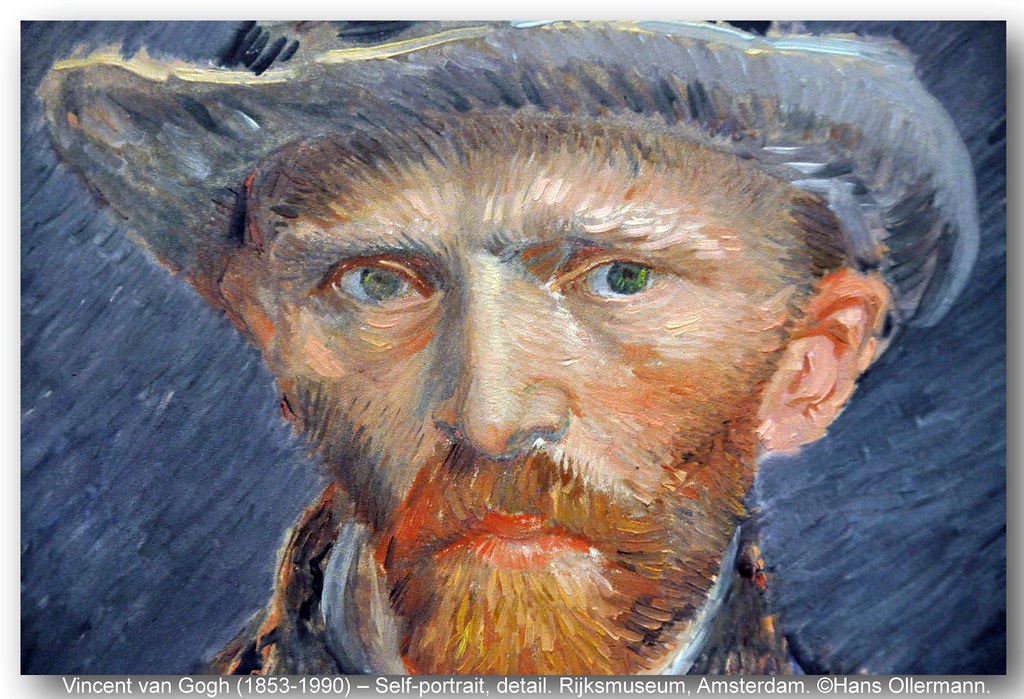
He ended with the Van Gogh, which in Dutch is of course so very throaty that I didn’t know what he was talking about until we got to the painting, and he reminded us that the man had eyes of two different colors.

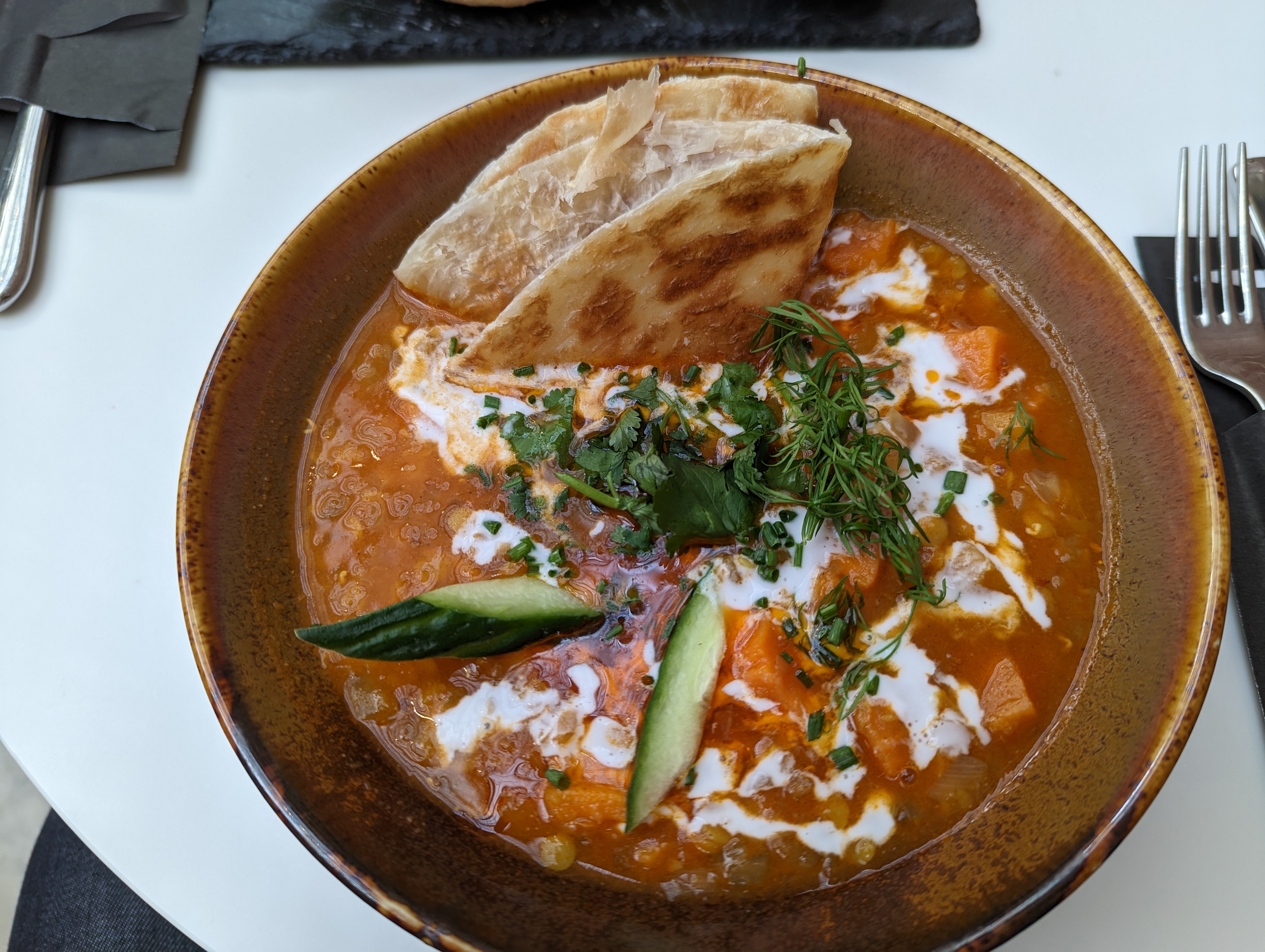
Lunch was again at the cafe, where I loved my pumpkin dal with coconut (of which this is one of a zillion recipes you can find online).

We exited through the gift shop and trammed our way home.

Dinner was to have been uneventful, BUT as I hurried towards the restaurant (our old fave from a few nights ago) I tripped on a stone and fell flat down on my hands and knees!! OMG!! Two very nice young men not only helped me up but also procured ice for my wounds. I hobbled into the restaurant, bloodied but unbowed, and enjoyed delicious sea bass and wine and frites to make me feel better.

Alison and I were both in shock but enjoyed our dinner and walked home without incident. Damn you, foot drop!!

Image

Hanging out with Hals

This morning we took the train to Haarlem to visit the Frans Hals museum. It is breathtakingly easy and efficient to travel by train in this country, and it made me want to hang my head in shame at the state of US train service. Everything here is done virtually or with a credit card, and the resulting ticket is simply scanned as you enter the station and/or again as you leave. We never did clap eyes on a conductor, and we didn’t need to. It took us approximately 30 minutes to buy a ticket, find our platform and sit back as we were whisked along to Haarlem.

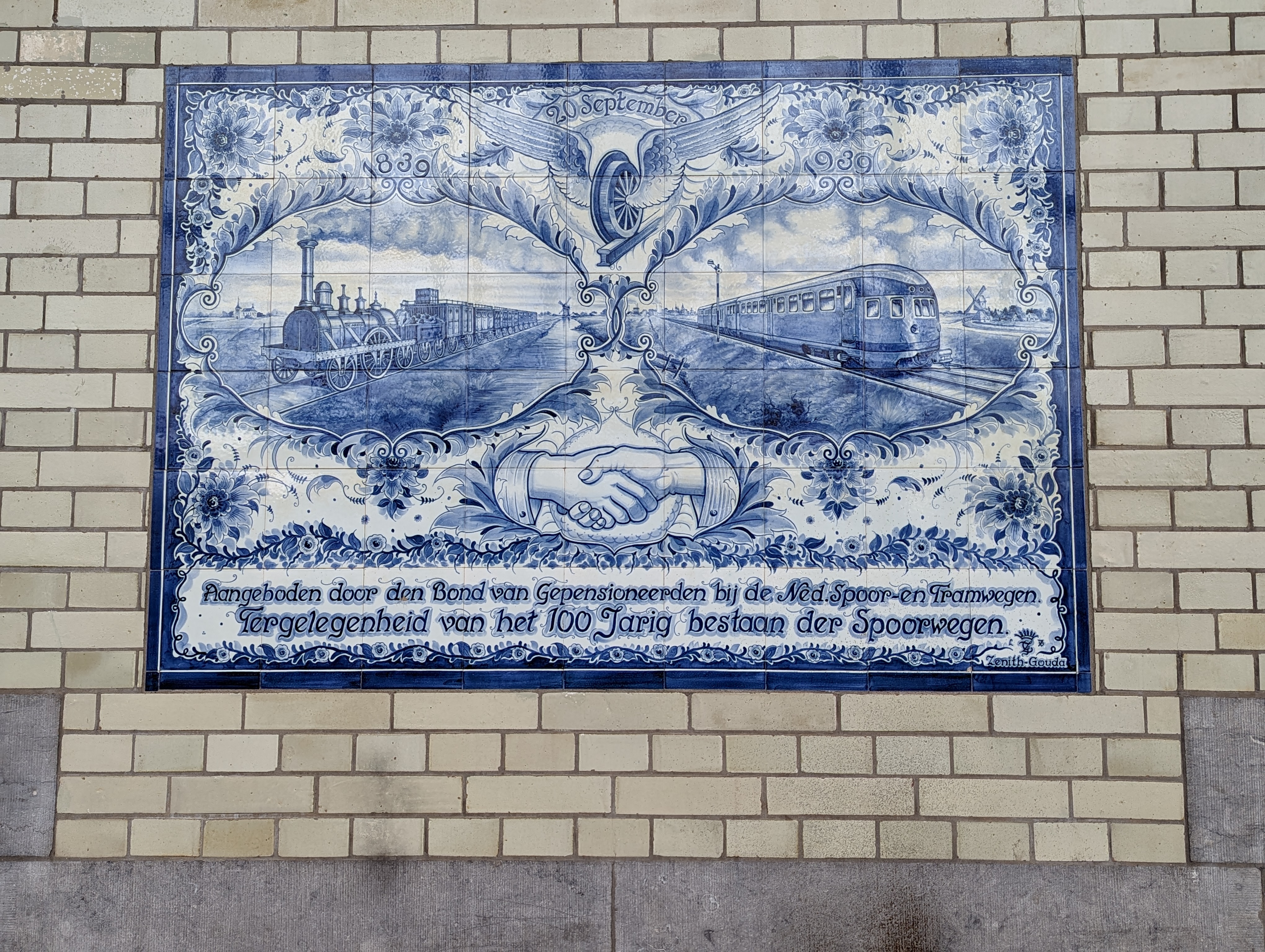
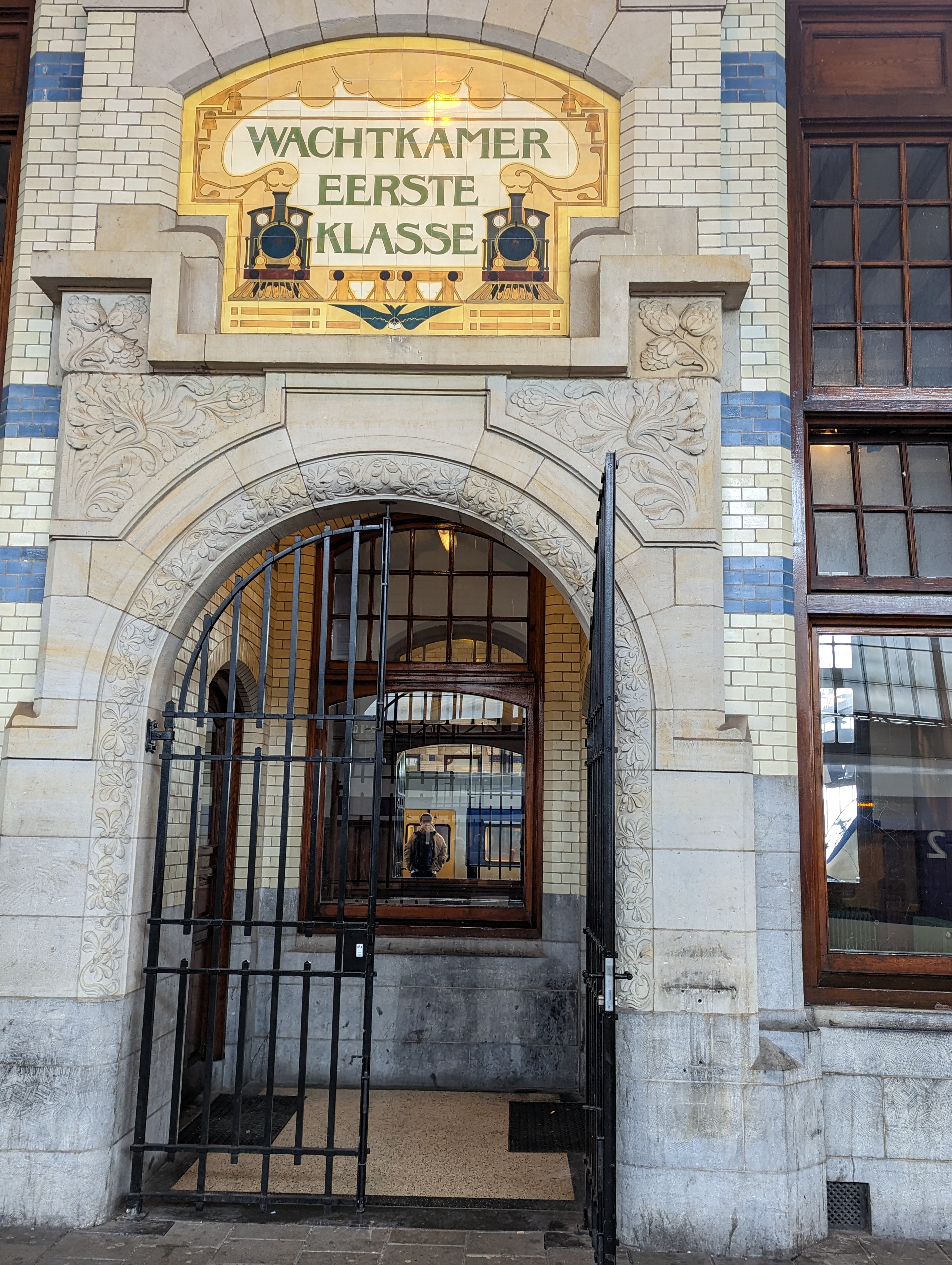
I admired these tiles in the Haarlem train station, echoes of an earlier time. The first celebrates the first 100 years of the railroad, and the second is the sign for the first class waiting room. Find out more about this Art Nouveau station here.

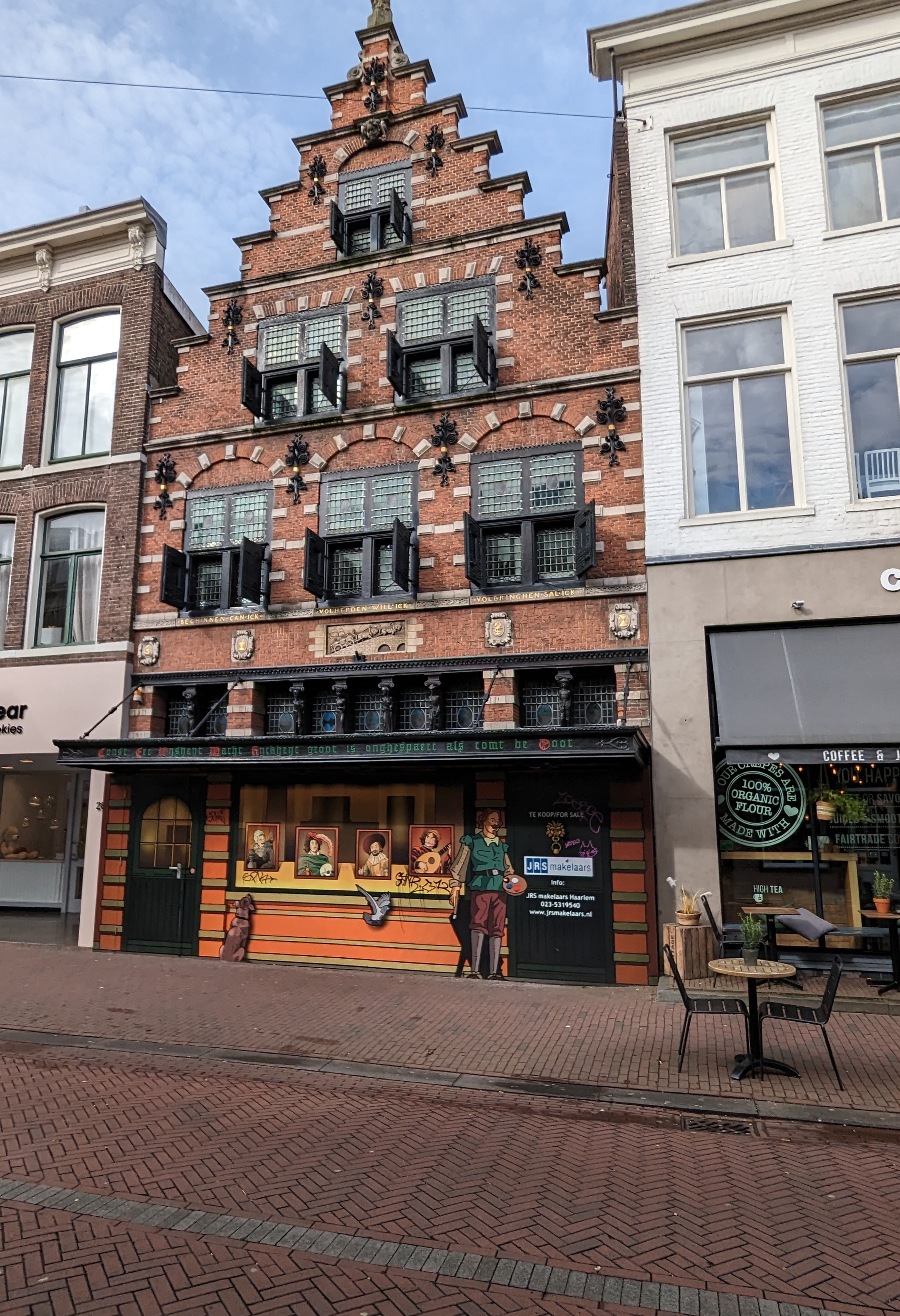
It was cold and blustery today, so we huddled down in our coats and hoods and walked along the streets to our destination. We saw some interesting storefronts,

including this inviting cheese shop (with cheese, wine, bread and charcuterie, what else could you need?),

but we didn’t stop.

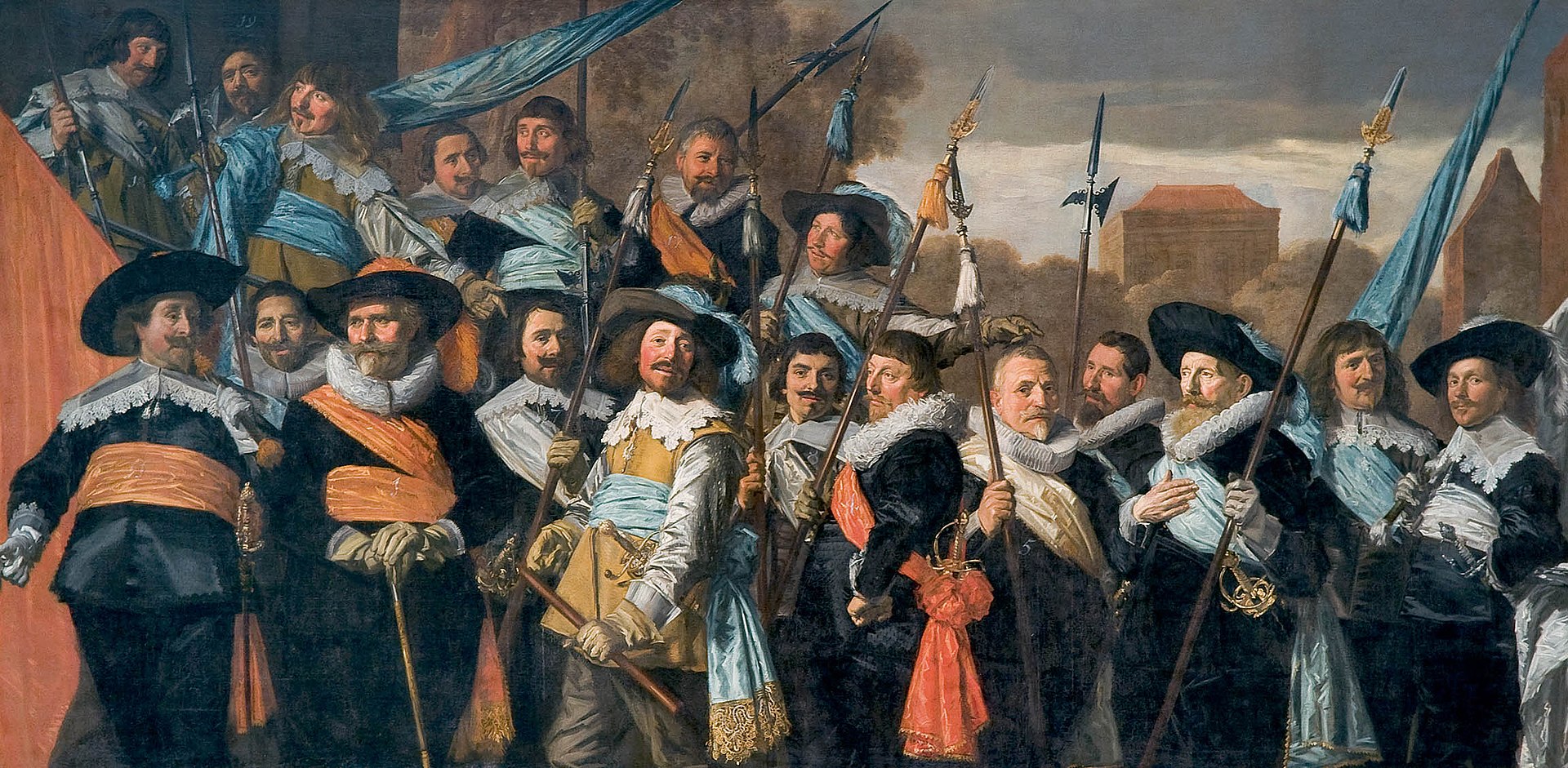
Finally at the Hals (yes, a nice flower shop owner pointed us in the right direction), we started out with a very well designed film about the man, his times, his subjects and his techniques. He’s well known for his lively group portraits of militia men, whom Hals painted as individuals rather than a dull lot of wealthy men wearing lots of black and looking stern. This museum has the most of these militia paintings, and they’re quite impressive as a group.

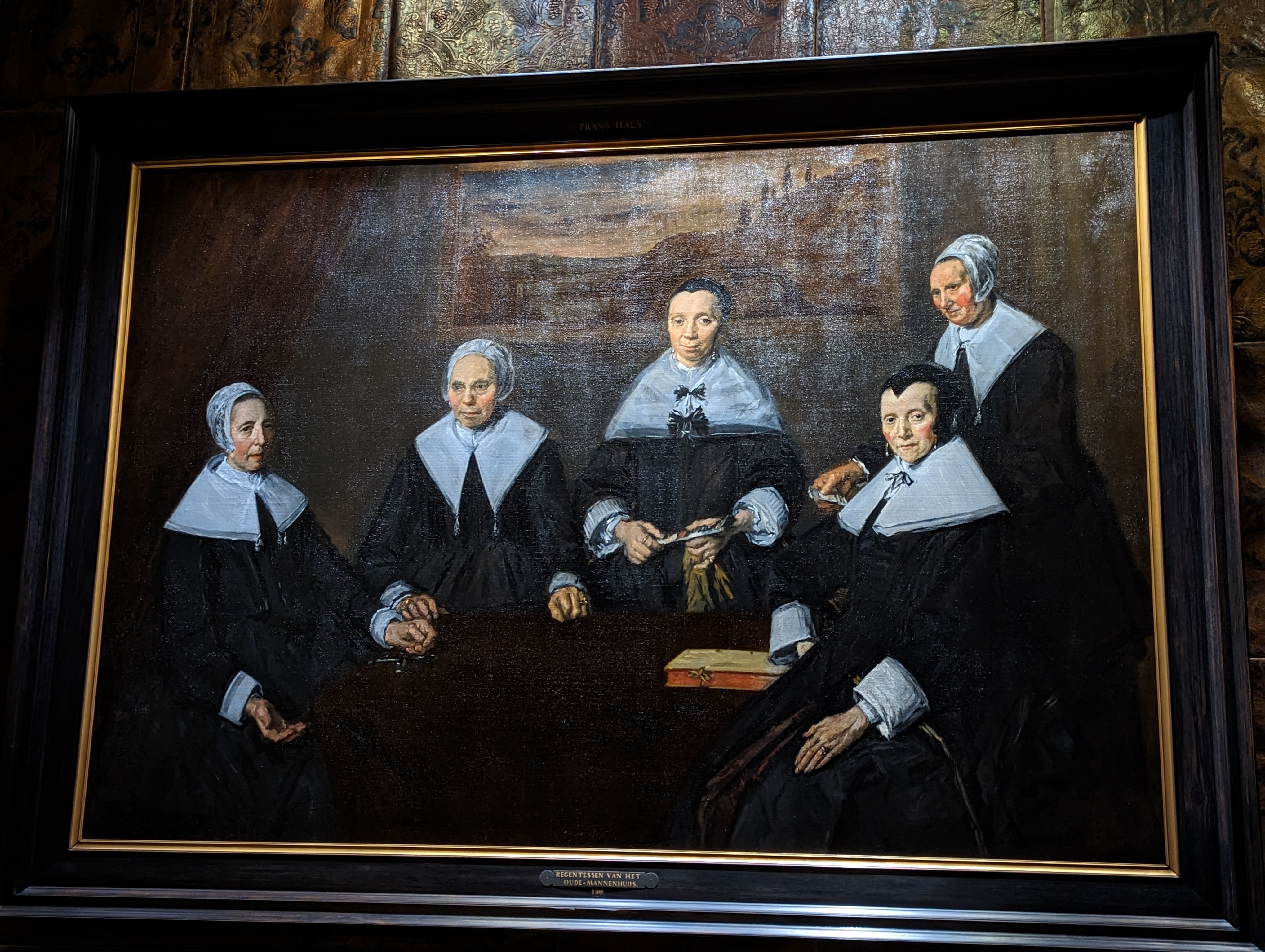
We aso saw the Regentesses group portrait, which our History of Western Art lecturer covered in great detail, drawing special attention to their hands and posture.

Of course, his ordinary characters are the most appealing portraits, at least to 21st century eyes. Several of these are at the Rijks, with the Marriage Portrait of Isaac Massa and Beatrix van der Laen being perhaps the best known and most loved.

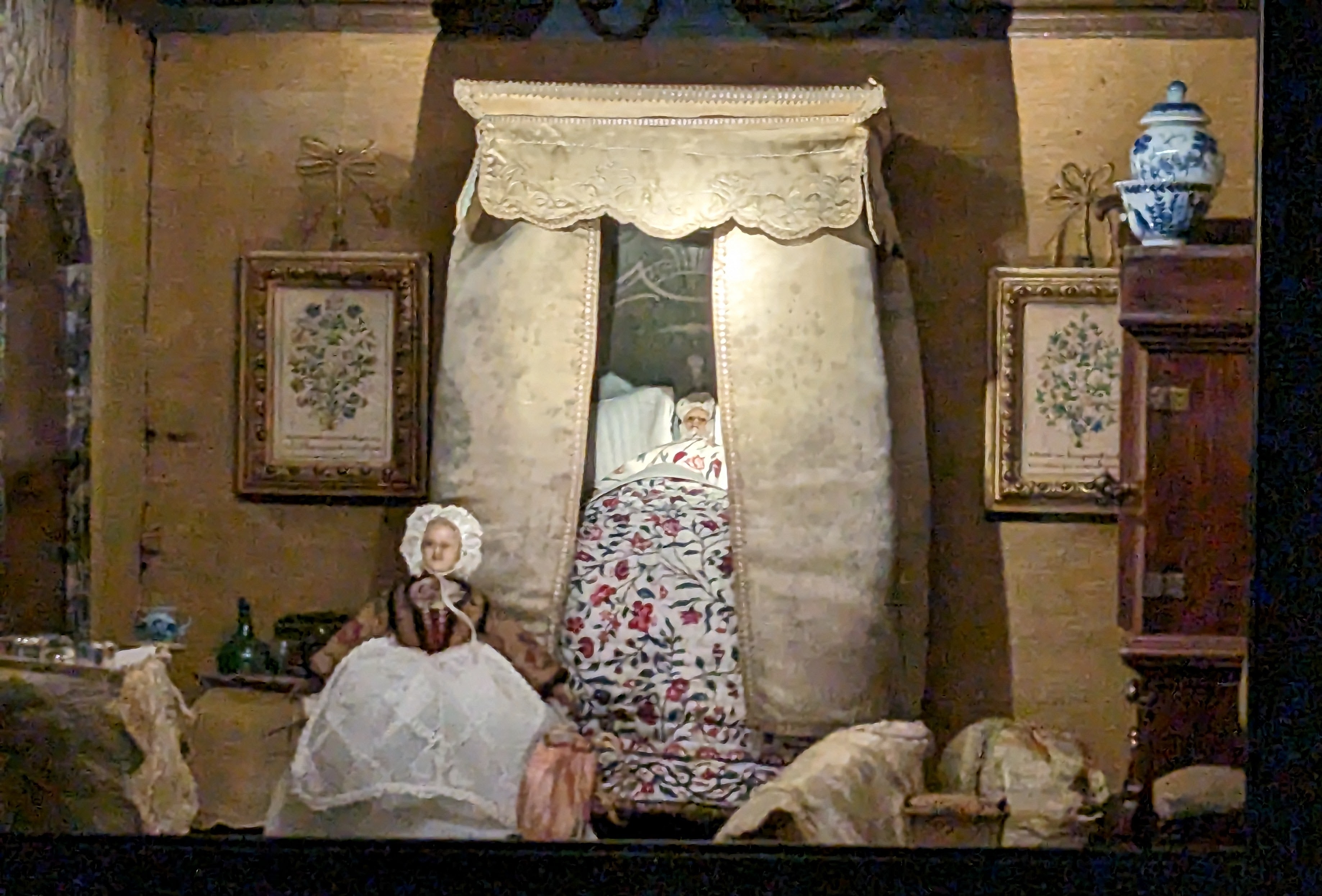
Also on view was a fancy Poppenhuis, or dollhouse, which was of particular interest to me because one of the beds was covered by a tiny (scale of 1 to 10) palampore, a type of chintz made in India for the export market, including the US, and often quilted. #quiltsareeverywhere

We liked the gently curved back streets of Haarlem

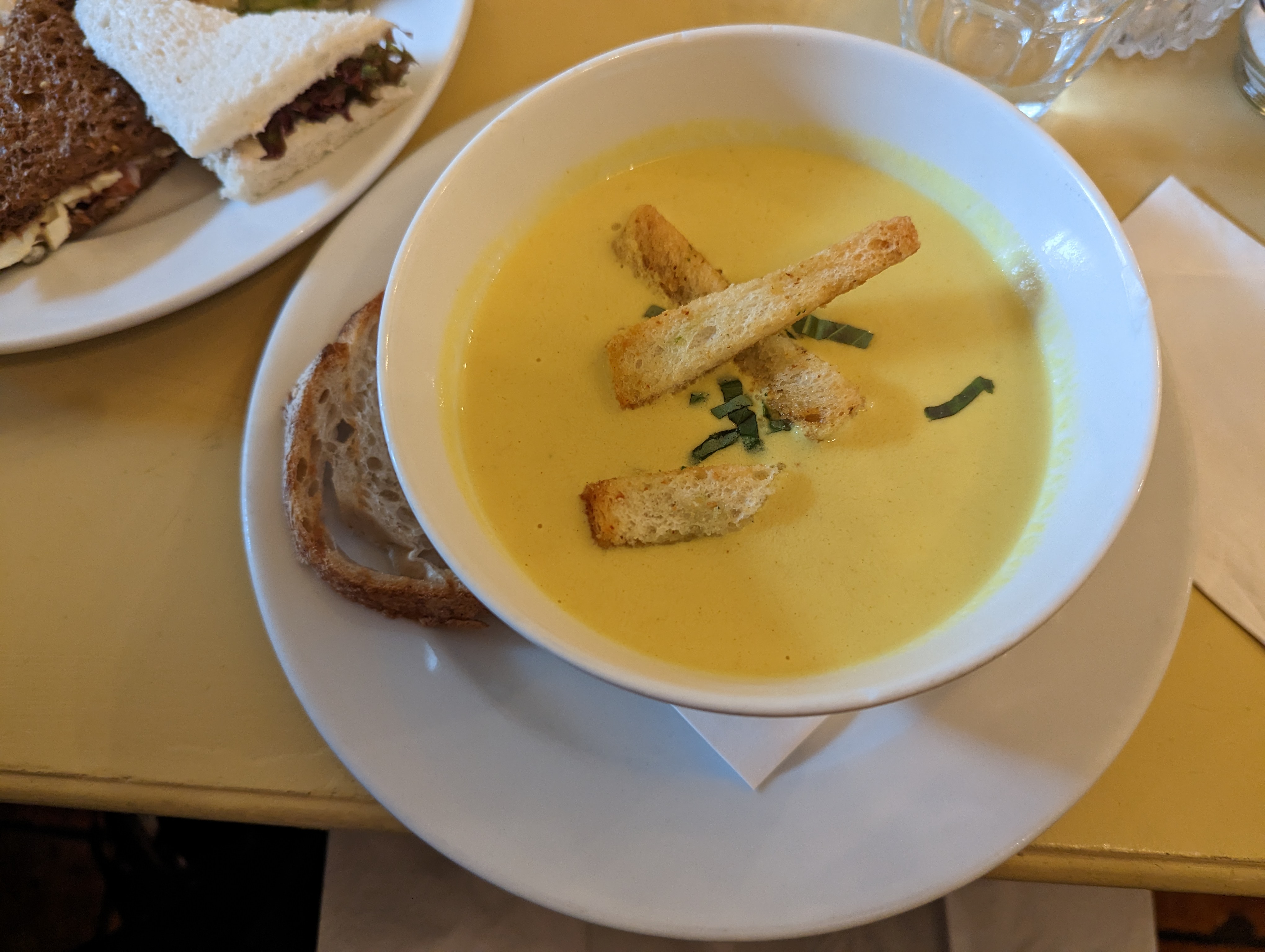
and found our way to a small restaurant that served a most delicious mustard and cream soup (recipes, anyone? here’s one and here’s another one) and assorted small sandwiches, the perfect lunch.

A short stroll took us to St. Bavo,

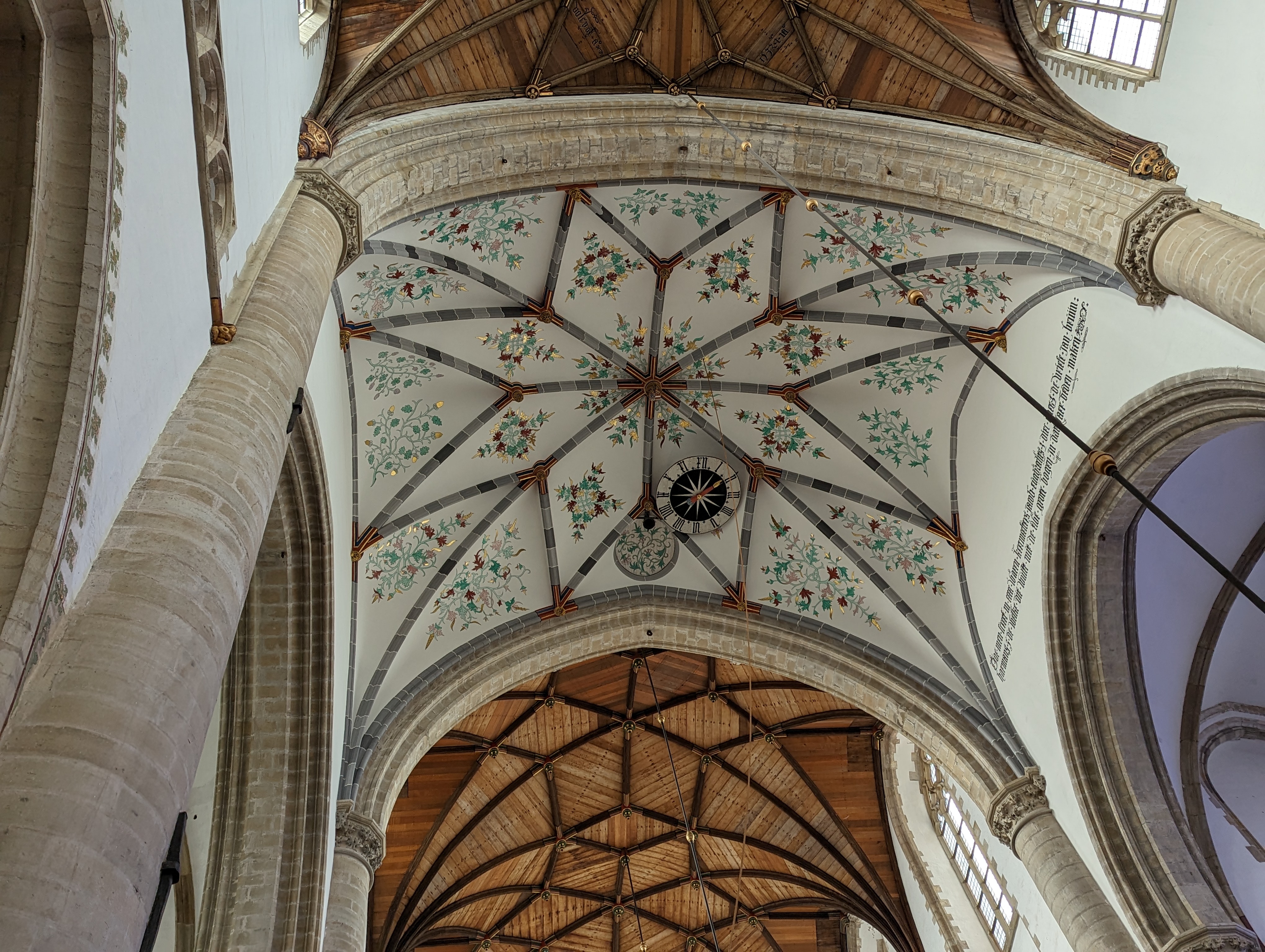
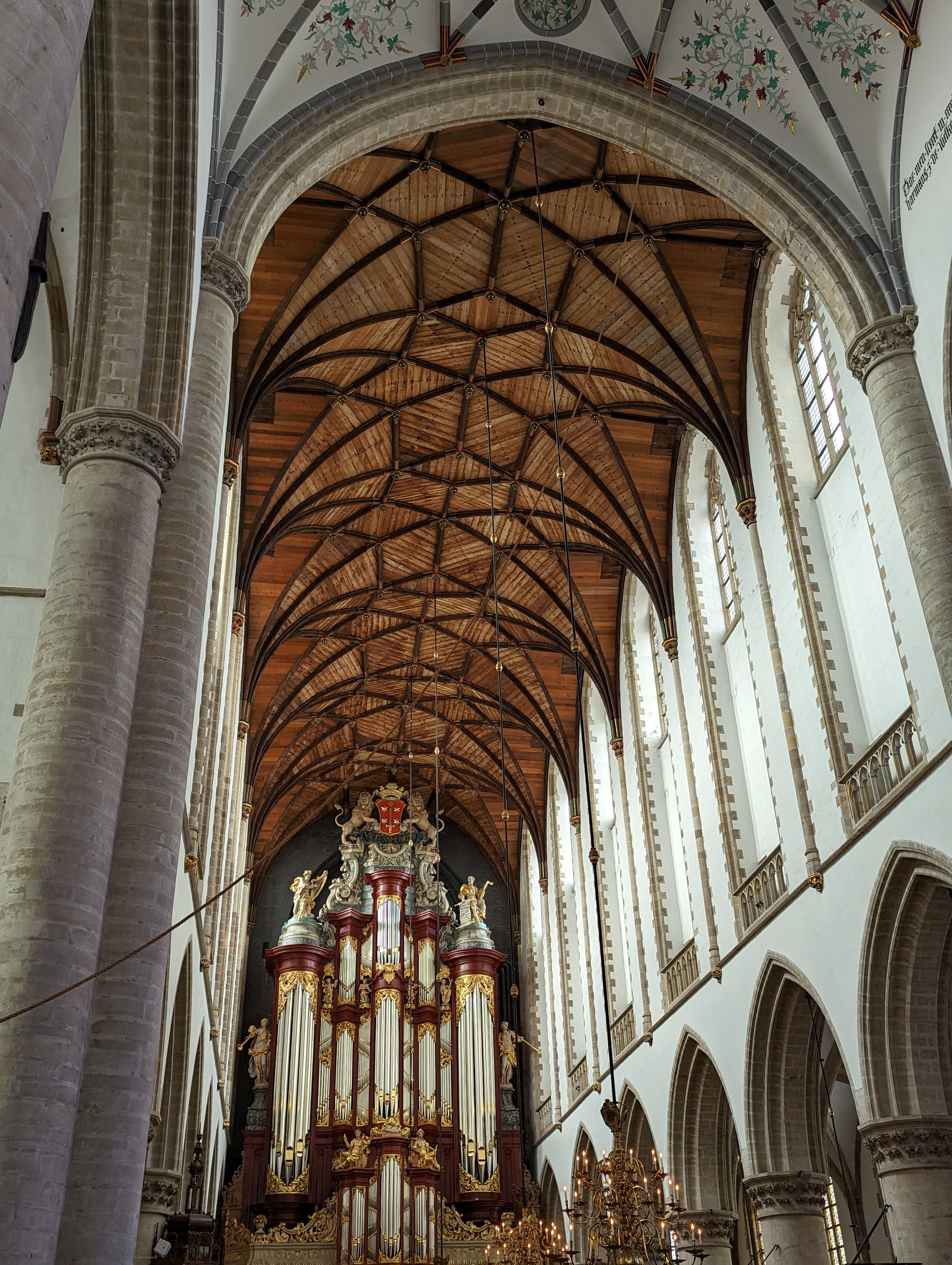
a former Catholic cathedral turned Reformed Protestant church, with its stunning fan-vaulted ceiling

and enormous organ that was played by Mozart when he was young.

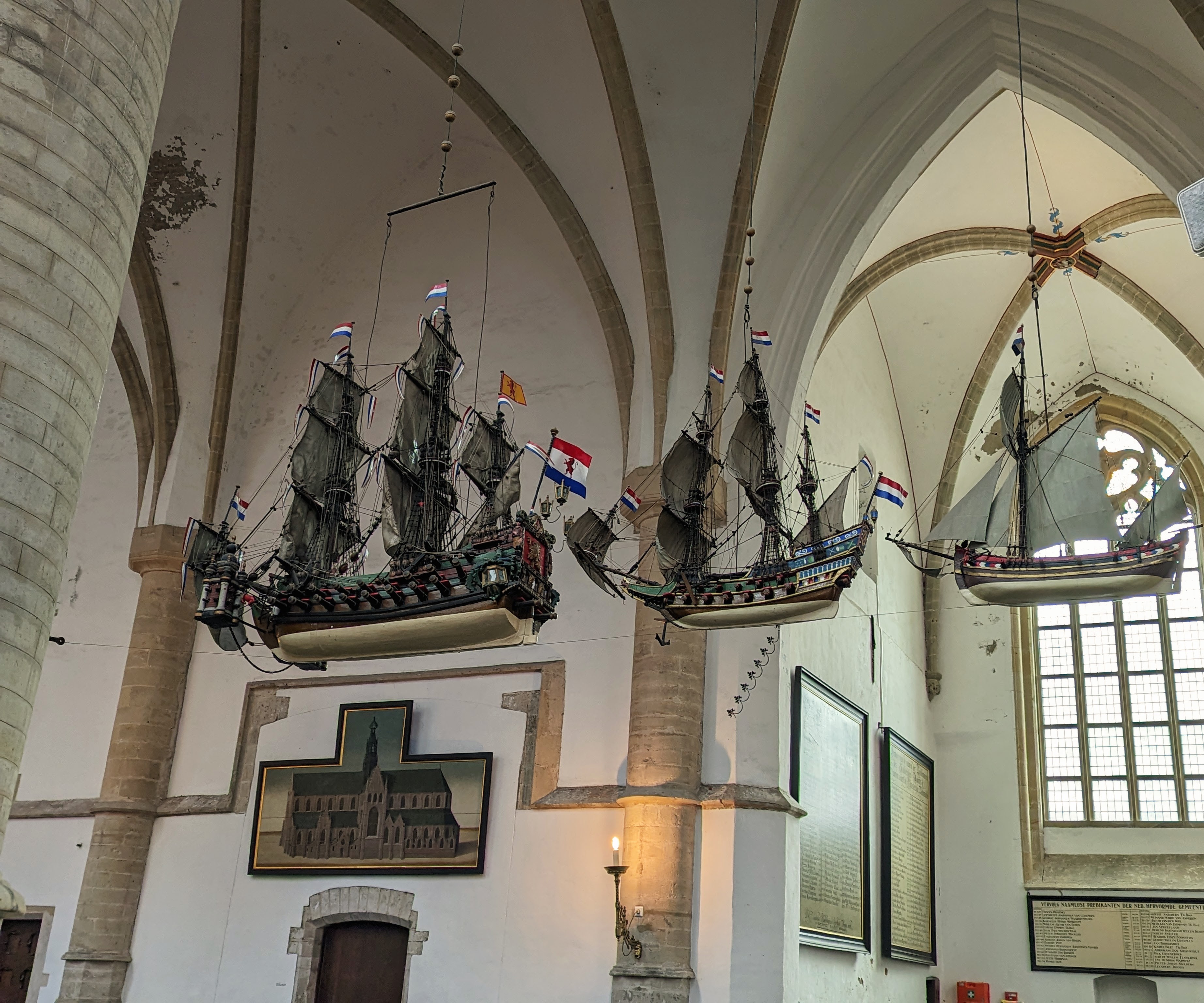
The three model ships hanging from the ceiling recall the country’s shipping history, as does a memorial nearby to hydraulic engineers.

Among the carvings, we appreciated (?) this one showing a man biting a pillar.

Find out what the heck that is all about here.

We also enjoyed the pelican lectern, which as Rick Steves points out was made by someone who had probably never seen a pelican, shaped as it is like an eagle.

The cathedral was so filled with stories and iconography that we could have lingered longer, but instead exited through the gift shop and headed back through the Haarlem streets to the station, which we had no trouble finding!

On the way home, we stopped at Centraal Station to pick up some delicious carrot cake to have with tea at home. Dinner consisted of little pies from the market. So nice to warm up dinner rather than actually cooking…

Image

Wandering through Amsterdam

Of course, we’re not wandering, we’re following our itinerary! We bussed to Centraal Station, then walked along to the Our Lord in the Attic Church. There was a time when Catholics were forbidden to worship openly, so a few hidden churches sprang up. This one was built into a five-story building and was tolerated by Protestants as long as the Catholics didn’t flaunt it.

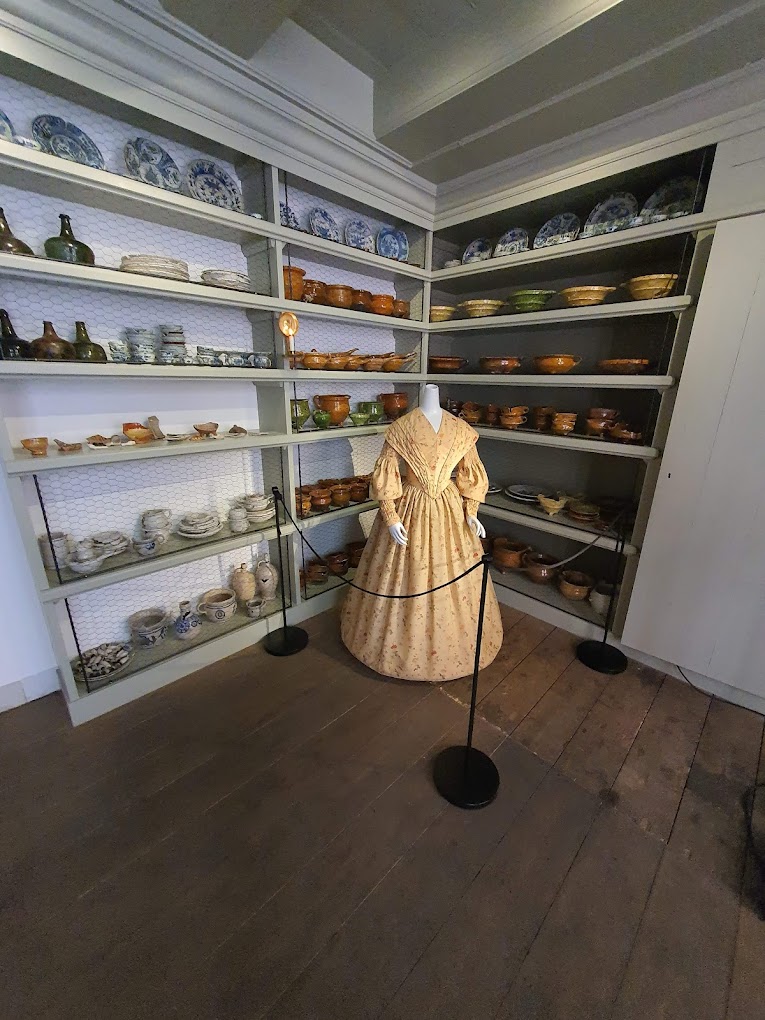
The history of everyday life that was revealed here is interesting: a midden threw up lots of pottery and sherds that are displayed in one room,

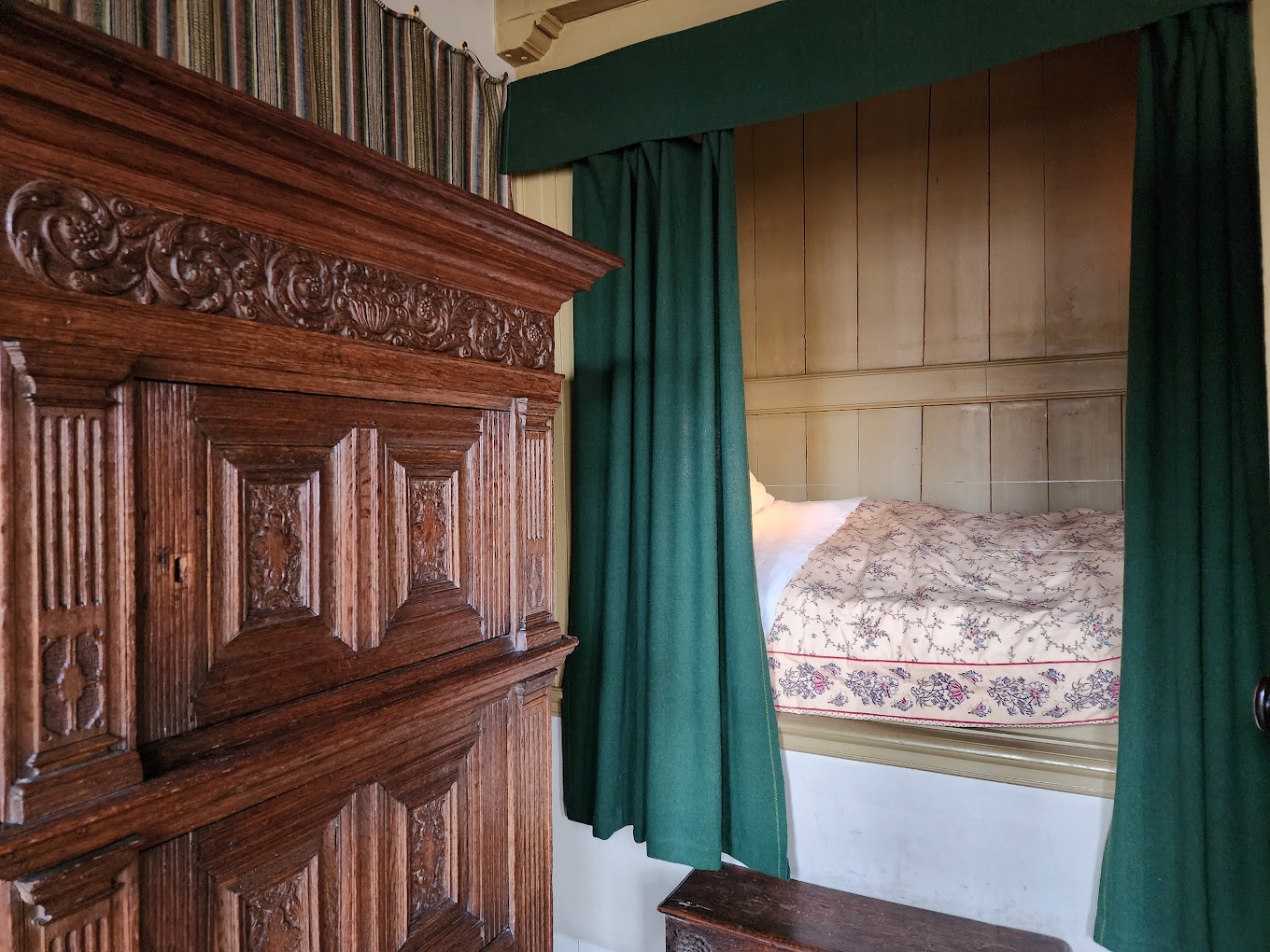
we saw charming seventeenth century tiles that surround a fireplace, and marveled at the cozy-looking cupboard bed that kept out the draft.

The main draw is the church that you get to by climbing several sets of steep stairs until you come out on a small but fully equipped Catholic church complete with pews, altar, and a cleverly designed pulpit that you pull out and set up the way you might put together an Ikea desk.

For someone who is unchurched, this is not too terribly interesting, except that it shows that religious prejudice is ubiquitous.

Our next stop, the Old Church, we simply walked by since there’s not a lot to see inside.

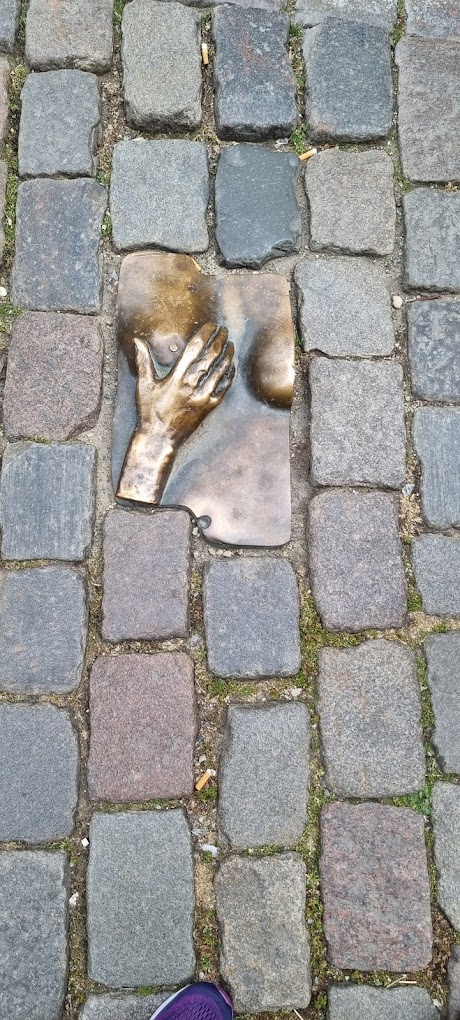
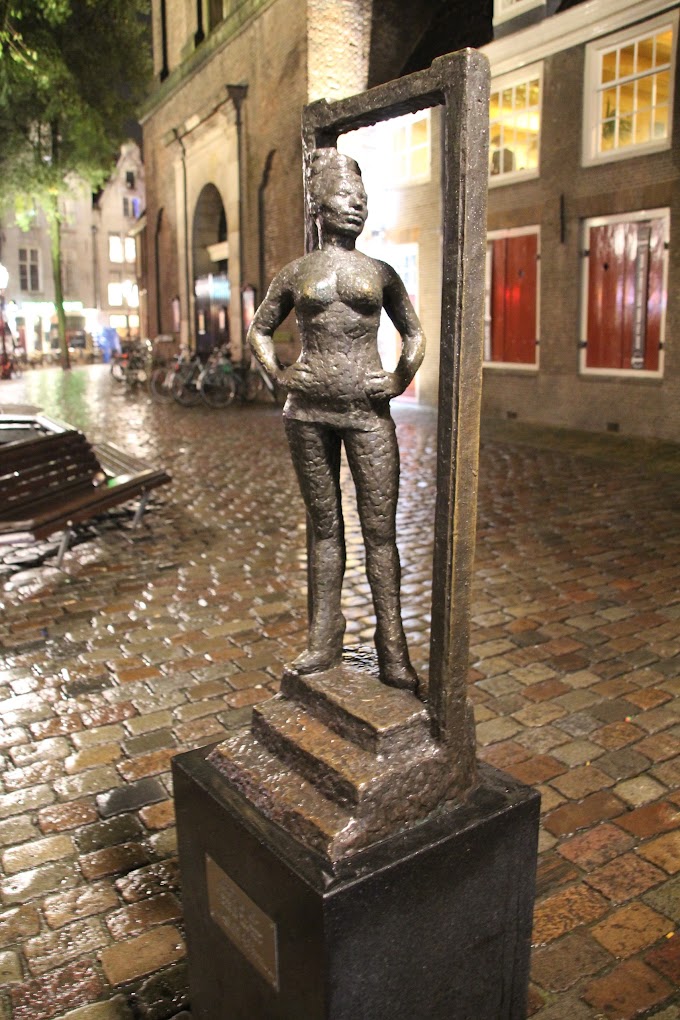
Outside, though, are two pieces of art that honor the prostitutes that have traditionally lived in this area.

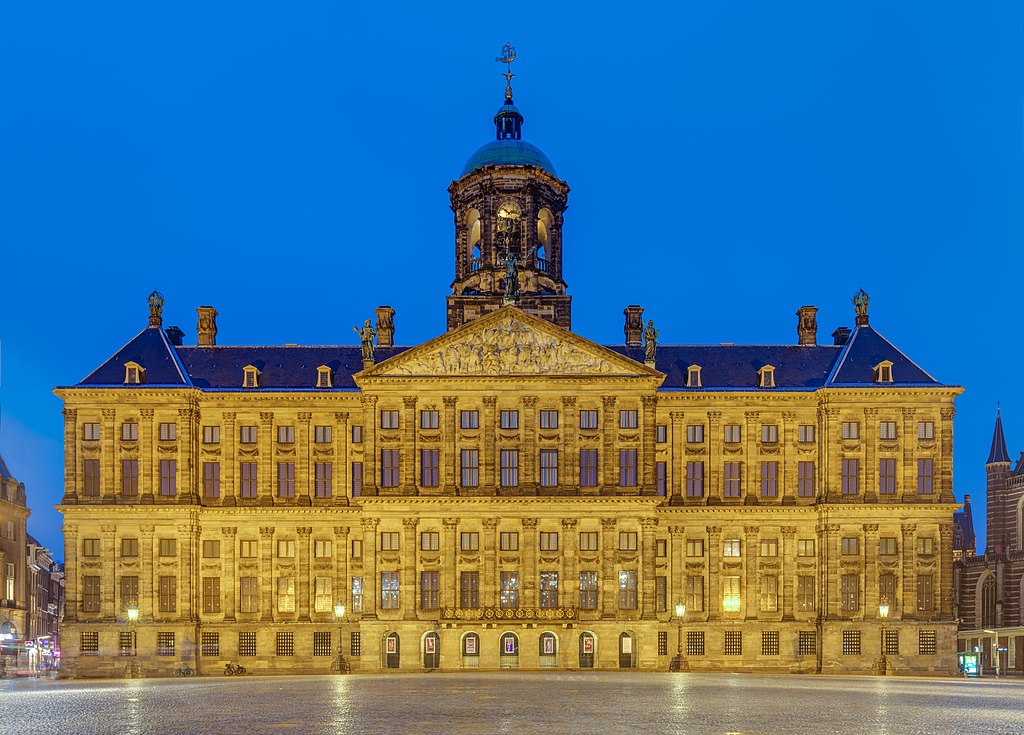
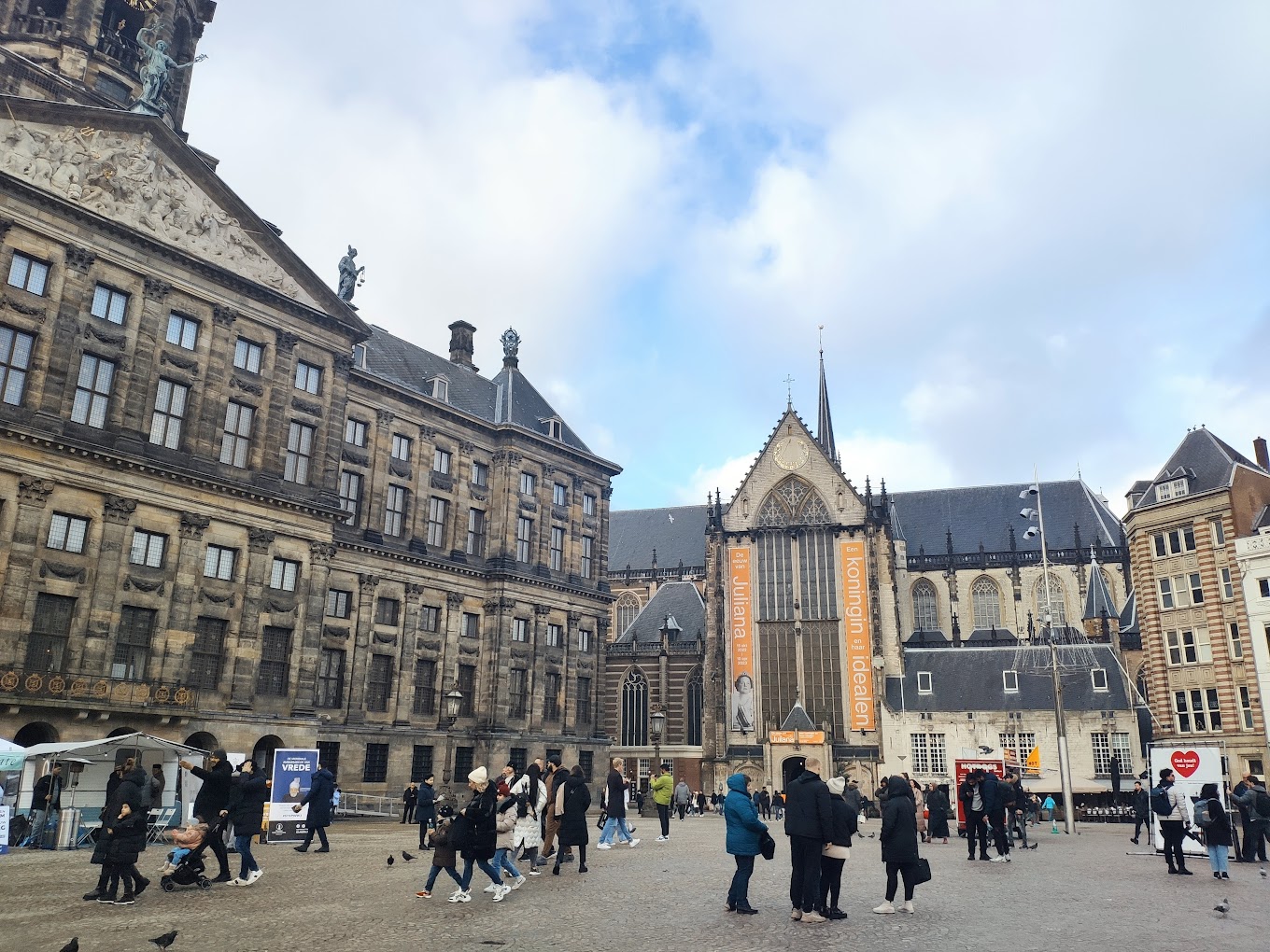
Before our final stop, we walked to Dam Square, home of City Hall, which has been here since Napoleon’s brother was crowned as king back in 1806. (You can’t swing a cat in Europe without hitting Napoleon or members of his family.) However, since we had been there last time, we simply observed the building (looking very glitzy here)

from the restaurant across the way where we had a restorative cup of split pea soup and that deliciously dense yet delicate rye bread with bacon that is a specialty of the Dutch.

We were fading just a wee bit as we made our way to the New Church, tucked away in the corner of the square. No longer used as a church, it has been turned into a museum currently housing an exhibit honoring the late Queen Juliana, who is certainly portrayed as a strong-minded, no-nonsense queen.

However, there were very few English translations on the audio guide, so we were a bit at sea until we came across a video of her life that was interesting enough that I’d like to know more. She greatly admired Eleanor Roosevelt and was miffed when, after her first grandson was born (she had four daughters, if you can imagine such a thing), some of her subjects loudly announced their relief. I wonder if she and the late Queen Elizabeth were friends.

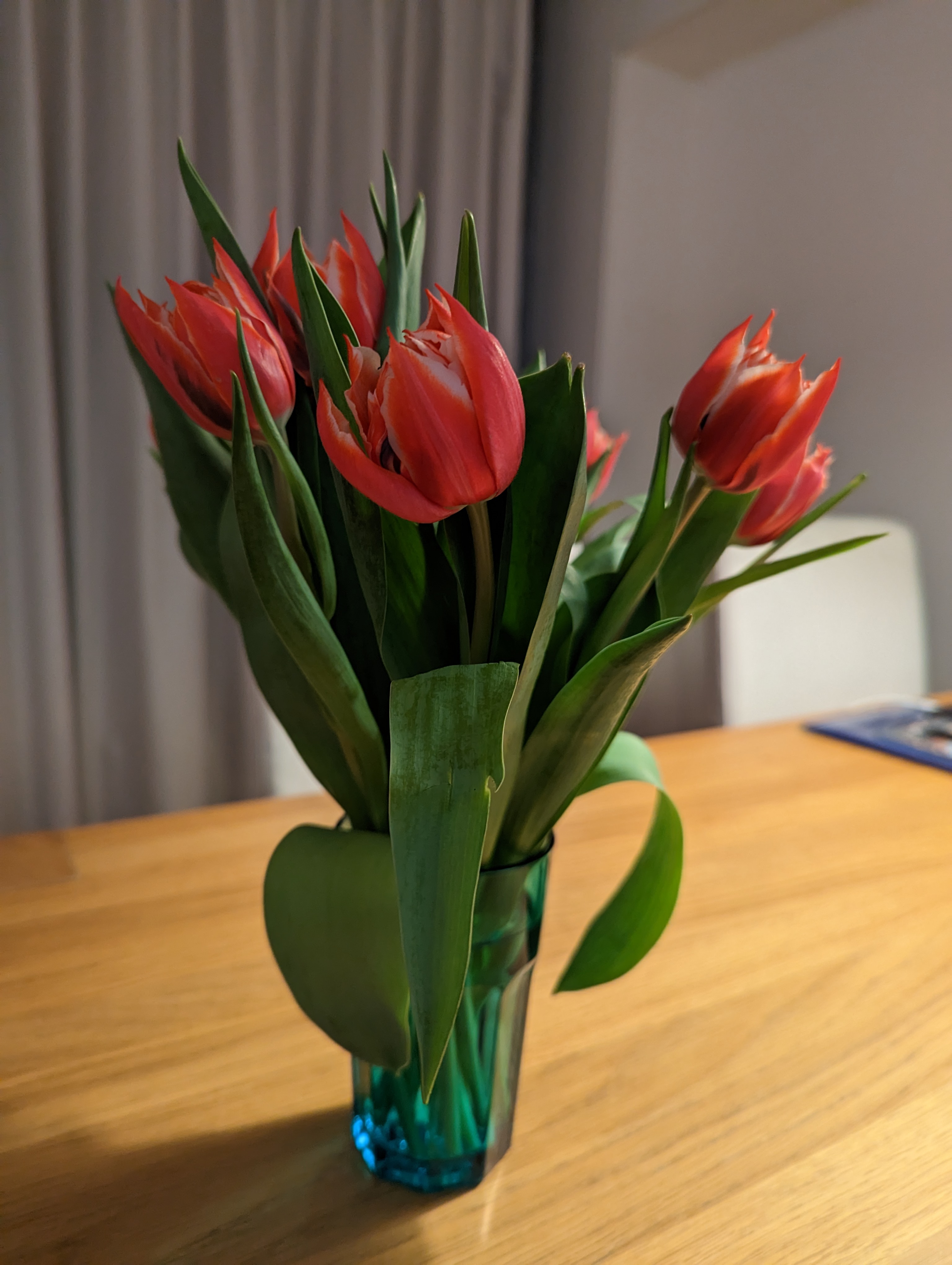
It was now mid-afternoon, so we walked back up to Centraal Station and bussed to Haarlemerplein. There was a market there today, selling tulips (we bought some for the house),

little delicious savory pies (ditto), lots of cheeses (we have already indulged) and some quiche from our favorite place, from whence we purchased a salad dinner on our first night. Tonight will be a night in with quiche and salad and wine as we rest up for tomorrow’s day trip to Haarlem and the Frans Hals museum.

Image

Seeing Vermeer

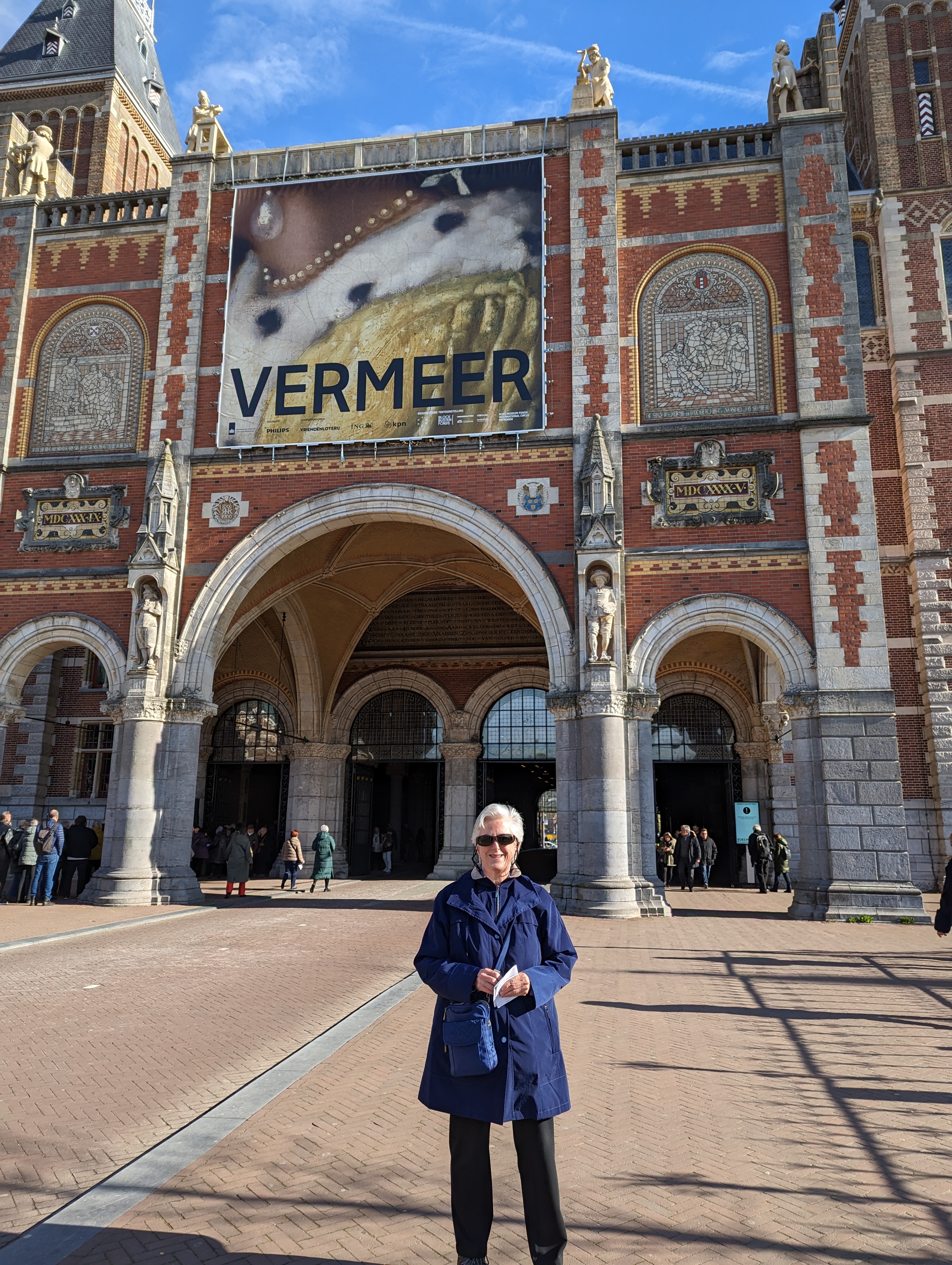
We planned this trip in order to see the once-in-a-lifetime exhibit of most of the Vermeers that exist. The curators state that it will never be repeated because the paintings are too fragile to travel ever again. Thanks to Alison, we joined the Friends of the Rijksmuseum one day about a year ago and were able to book our tickets the second they became available to insiders like us. And since they sold out really quickly, I’m incredibly grateful to her for making this possible!

The Rijks has done a great job of guiding viewers straight to the exhibit. Follow the blue lines,

and you’ll get right to it. And how was it? Quietly magnificent. Knowing that there are zillions of images of Vermeers online, I took only one picture, of The Little Street. My photo is not great, but the painting certainly was.

It’s hard for me to pinpoint the appeal of this image. It’s simple and straightforward, but the more you look the more there is to see.

The exhibit in general was so beautifully lit that, between the lighting in the museum and Vermeer’s masterful use of light inside and out, every picture just glowed. And yes, it was crowded, but if you waited patiently you would find yourself right in front of each painting.

It looks like quite a crowd, I know, but it was not hard to make your way to the front. Alison was a knowledgeable companion, having read so much, and was able to fill me in on the details. As with our tour of the Carpaccio exhibit at the National Gallery last fall, we found that knowing what to look for made a diference in how much we appreciated every detail.

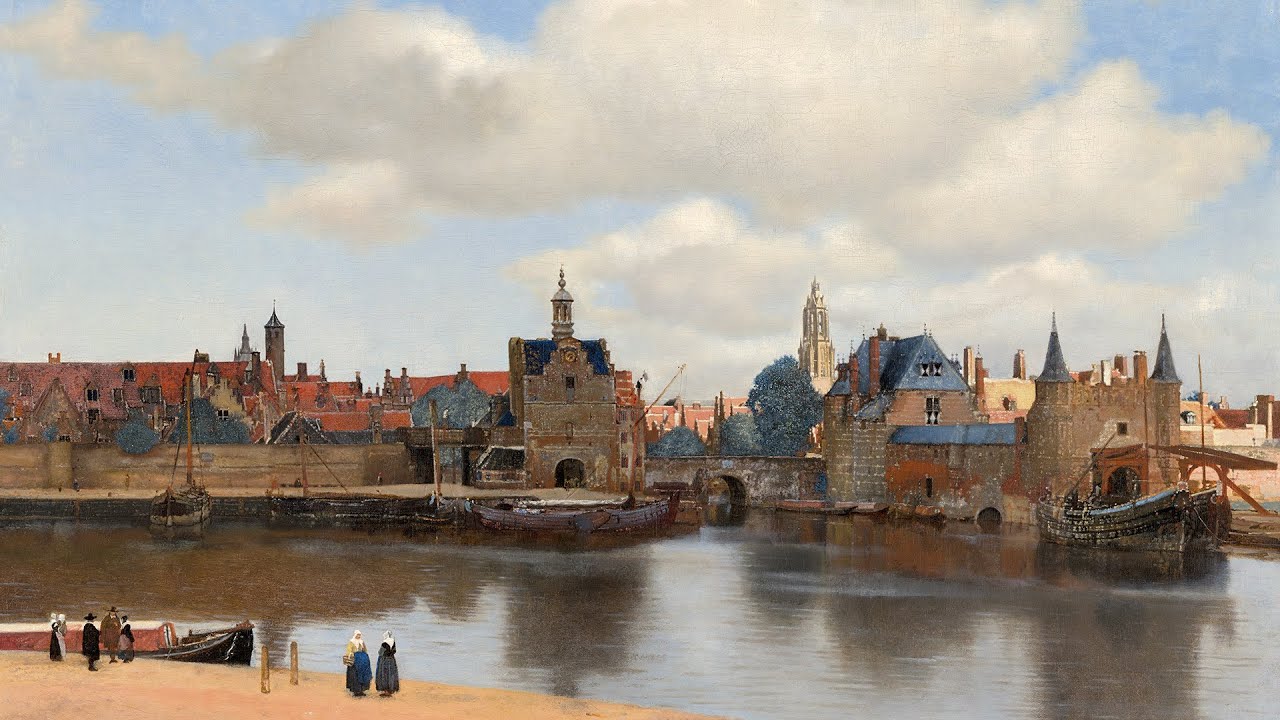
The Lttle Street, in all its apparent simplicity, is still my favorite, along with The View from Delft

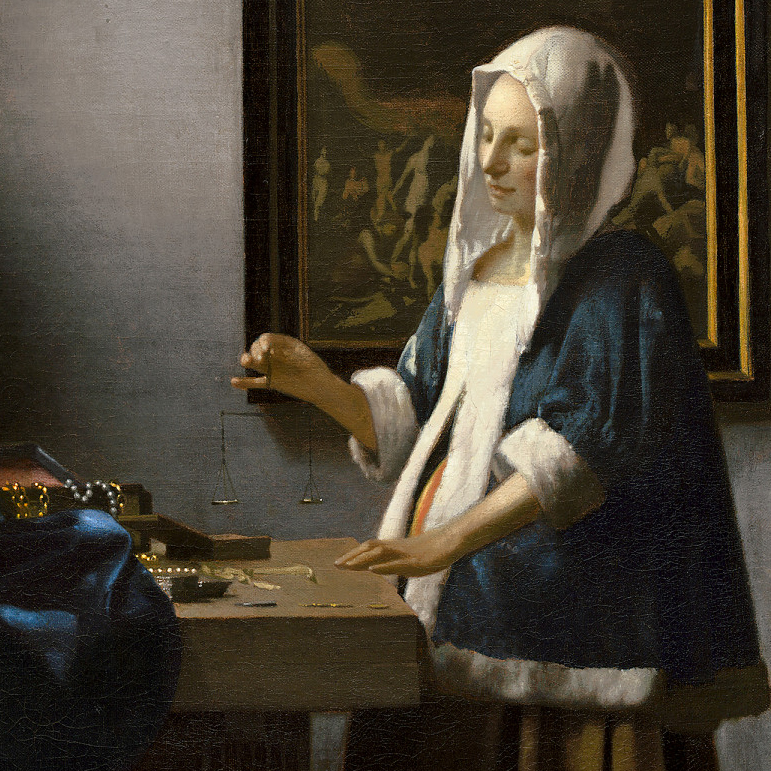
and The Woman Holding a Balance (which we count as one of “ours” since it’s at the National Gallery in DC where we can walk in and see it for free any day of the week).

And there’s more! Even The Girl with the Pearl Earring, which has become such a cliche since the novel and the movie, was fresh and new today.

The Rijks has done well by Vermeer and the public.

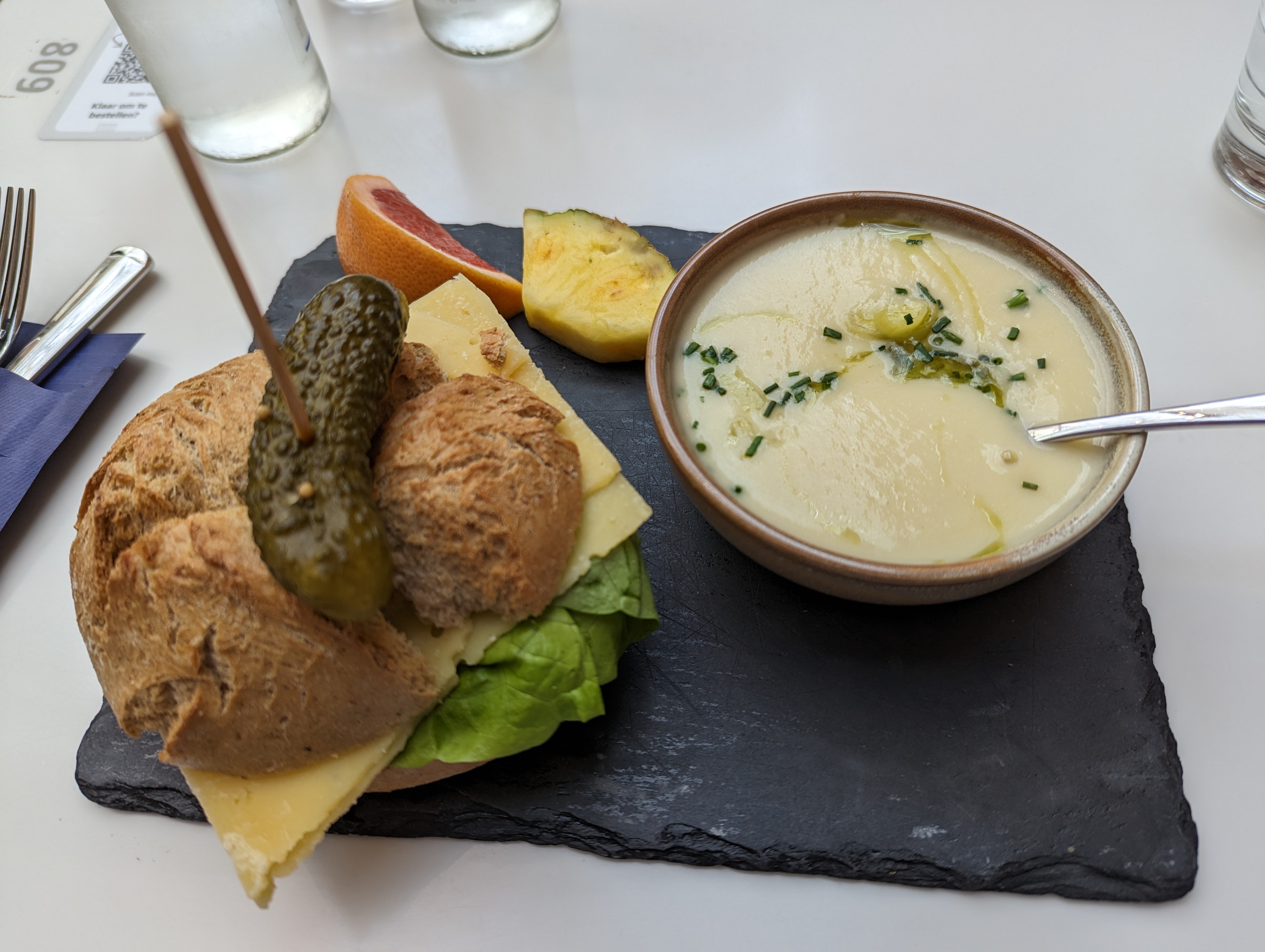
After that, what is there to do but proceed to the cafe and the gift shop! We had a very Dutch lunch of a root vegetable soup, a cheese sandwich and two little pieces of fruit.

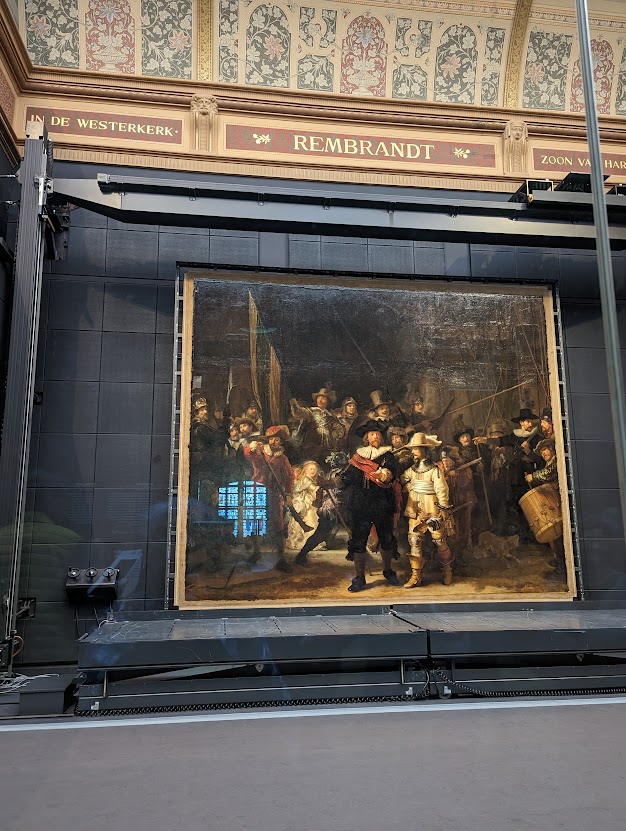
Then on to the gift shop, where I found a short book about the voyage to Nova Zembla and a magnet of the Little Street. From here we paid a visit to the Hall of Honor, which includes the newly restored Night Watch

still adjusting to its new frame, hence its complicated setup. Eventually the equipment will go away and we will be able to see it unadorned.

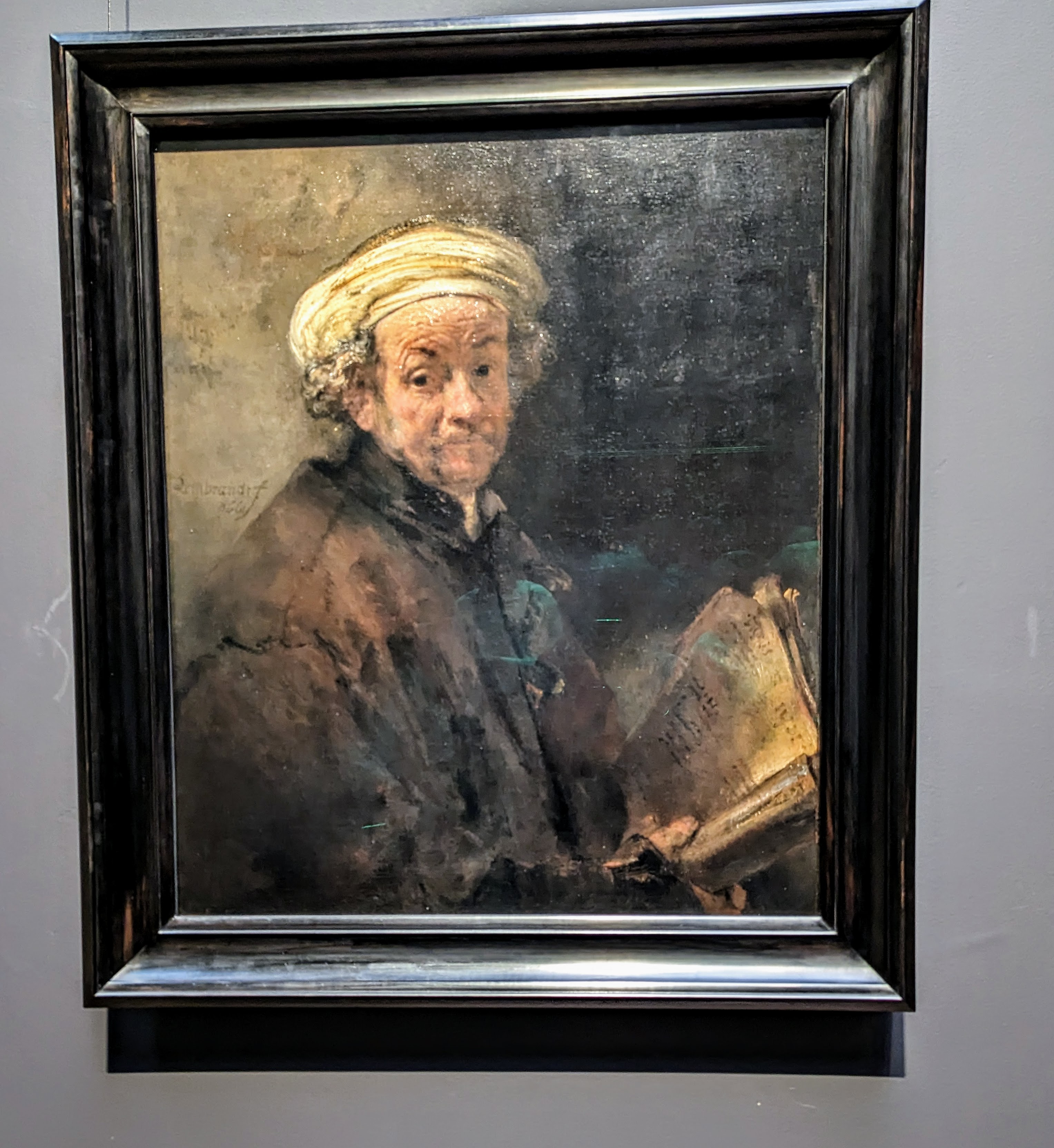
Also in the Hall of Honor (aka the Rijks’ greatest hits) were the threatened swan,

a few Judith Leyster paintings, and several Rembrandts, including this self-portrait as the Apostle Paul.

We paid a brief visit to the Java room,

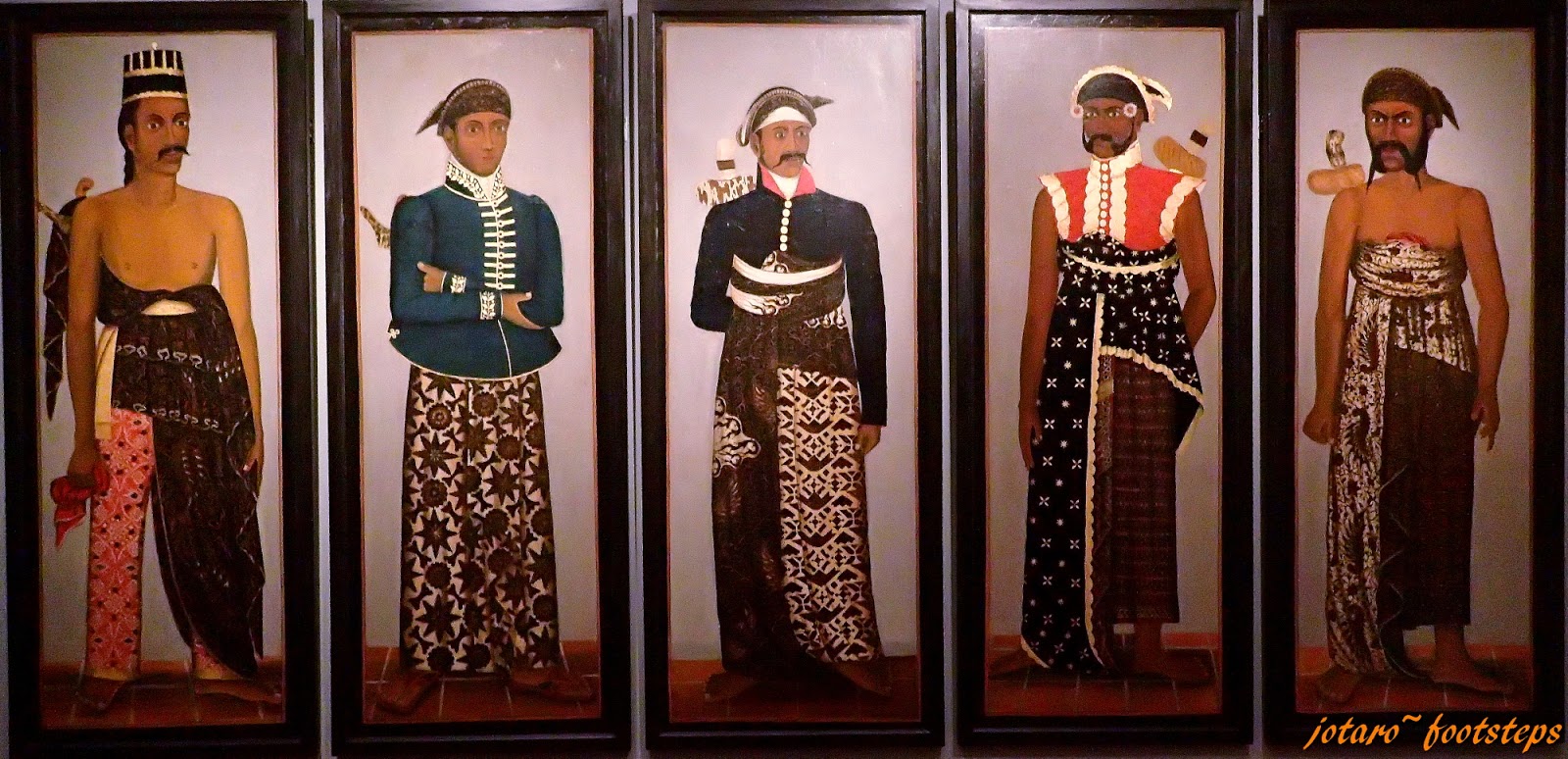
with this portrait of Javanese officials, as well as a number of dioramas set in Java and environs. This one portrays a plantation in Suriname.

Yes, the Dutch were huge colonialists, with areas of South America and the then-Dutch East Indies just some of their territory. Interestingly, the museum has started adding labels that expand on the history to, for example, point out that the salt that features as a sign of wealth in some paintings was the product of enslaved people. Ditto in the Java rooms, which chronicle a long history of Dutch oppression of the people of Java and Suriname. The dioramas seem to have been a fashion of the time, carefully crafted in every detail.

To see what the always interesting David Byrne thought of the Rijks, go to his post about it here.

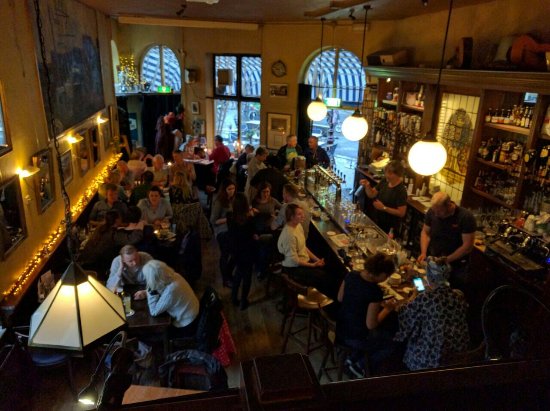
Home on the tram (though we did have to go to and fro before we found the right way to go), then a bit of R&R before dinner. On our host Sebastian’s recommendation, we tried the local pub, t’ Blaauwhooft, which hit the spot.

Chicken satay for AO and a portabello mushroom sandwich with frites and mayonnaise for me. A very friendly spot with good service and tasty food. We’ll be back!

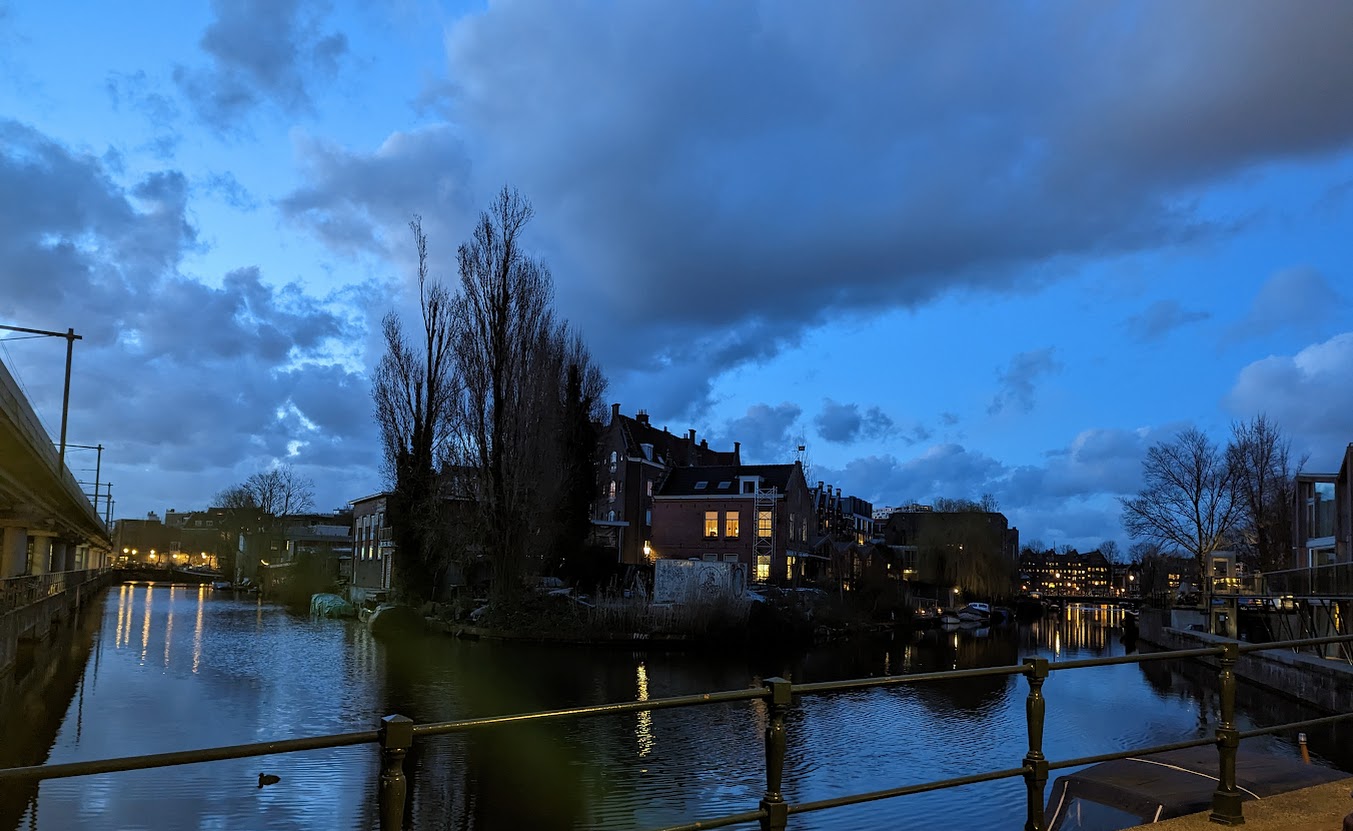
And a dramatic Dutch sky to follow us home.