For the last couple of years, I’ve planned to take out the butterfly bush that anchors the northern end of the sunny border and replace it with the perfect small tree or shrub. It can be tall but can’t be too wide lest it impinge on the neighbors’ driveway, which they are very proud of and guard jealously. Ideally, it would be a native that supports lots of wildlife AND has at least two-season interest.
Well, perfect is the enemy of the good, as we all know, and I’ve been paralyzed. Here are just a few of the possibilities.
The first is probably too big:
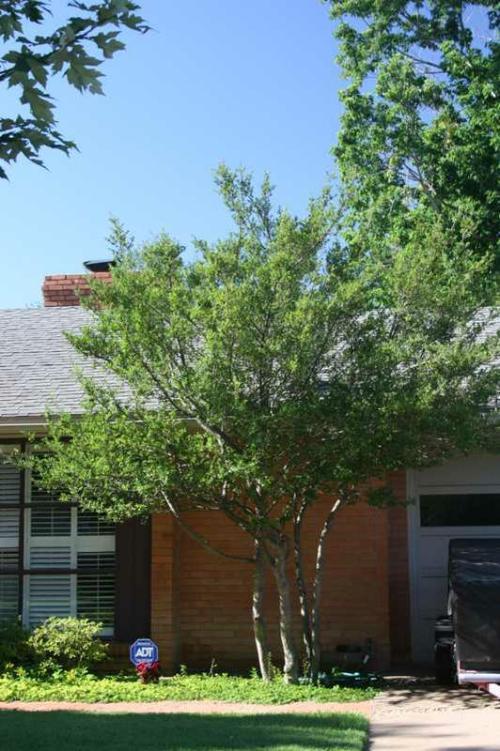 Ilex vomitoria commonly known as Yaupon is native to a variety of areas including sandy woods, dunes, open fields, forest edges and wet swamps, often along the coastal plain and maritime forests, from Virginia to Florida, Arkansas and Texas. This is a thicket-forming, broadleaf evergreen shrub or small tree that typically grows in an upright, irregularly branched form to 10-20’ tall and to 10’ wide, but may grow taller in optimum conditions. Elliptic to ovate-oblong, leathery, glossy, evergreen, dark green leaves (to 1.5” long) have toothed margins. Small greenish-white flowers appear on male and female plants in spring (April). Flowers are fragrant but generally inconspicuous. Pollinated flowers on female plants give way to berry-like red (infrequently yellow) fruits 1/4” diameter) which ripen in fall and persist into winter. Birds are attracted to the fruit. -Missouri Botanical Garden
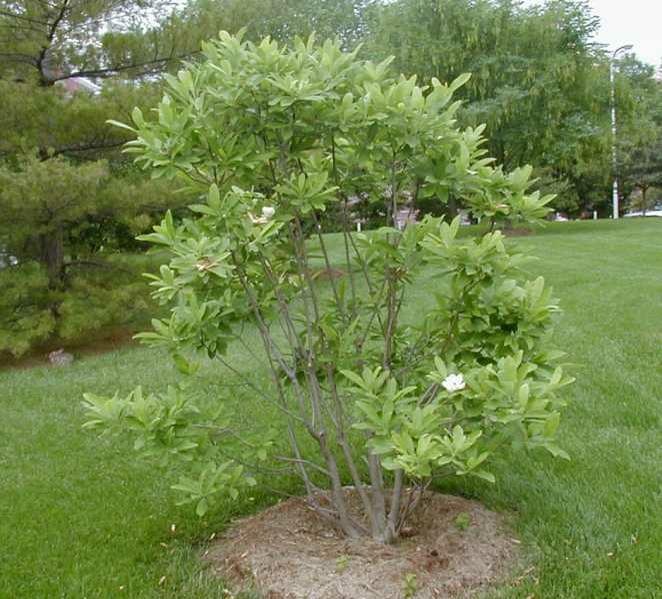
The second is one that Anne Little had recommended for the back garden:
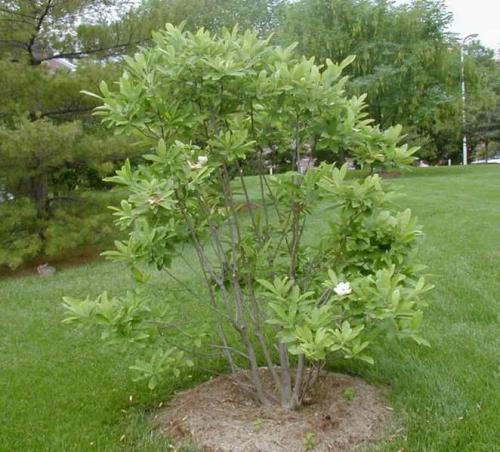
Magnolia virginiana, commonly called sweet bay magnolia, is native to the southeastern United States north along the Atlantic coast to New York. In the northern part of its cultivated growing range, it typically grows as either a 15-20′ tall tree with a spreading, rounded crown or as a shorter, suckering, open, multi-stemmed shrub. In the deep South, it is apt to be more tree-like, sometimes growing to 60′ tall. Features cup-shaped, sweetly fragrant (lemony), 9-12 petaled, creamy white, waxy flowers (2-3″ diameter) which appear in mid-spring and sometimes continue sporadically throughout the summer. Oblong-lanceolate shiny green foliage is silvery beneath. Foliage is evergreen to semi-evergreen in the South, but generally deciduous in the St. Louis area. Cone-like fruits with bright red seeds mature in fall and can be showy. See also Magnolia virginiana var. australis which primarily differs from the species by being somewhat taller, having more fragrant flowers and being more likely to be evergreen. -Missouri Botanical Garden
It’s said to prefer moist soils but everyone claims that once it’s established it would be fine through a Virginia summer. But does it have more than spring interest? And, 60 feet tall?? Though I’ve also read that it’s easily pruned.
Doug Tallamy recommends the native black cherry because it is a host plant for so much “vertebrate and invertebrate wildlife.” However, a Dave’s Garden poster says:
In the garden or small property, I give this thumbs-down. It does not make an ornamental specimen, even in full bloom. The flowers are tiny and I don’t find them at all showy. I also find them mildly malodorous. The foliage is consistently troubled by tent caterpillars and webworms, and the twigs are commonly disfigured by black knot.
Like most cherries, it has thirsty, competitive roots. It self-sows weedily and aggressively. The wood is brittle and presents a hazard when it breaks. And the cherries stain everything black when they fall, those that the birds leave. Read more: http://davesgarden.com/guides/pf/go/2519/#ixzz38gH65R00
Too bad…
Tallamy also recommends a river birch, but they suck up all the water and get too big for my space.
Now, I do love crabapples, and he says that the non-native species seem to attract just as many creatures as the natives do, so maybe that’s the way to go. Maybe Michael Dirr can recommend a small variety.
At least I have a silver (?) maple and a white oak, which both host myriad species. I have yet to see a moth on the oak tree, but on the other hand I’ve only just started looking.

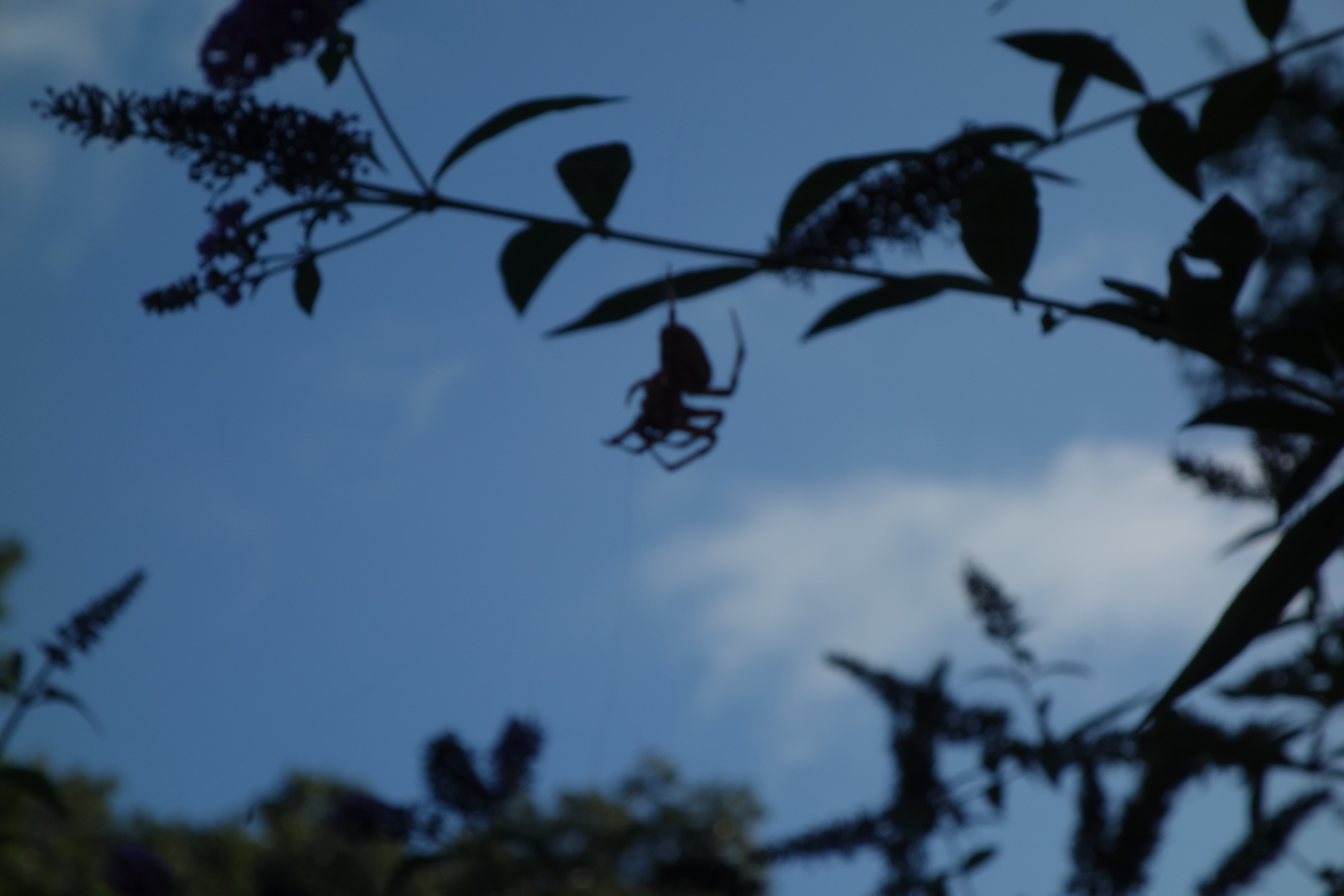
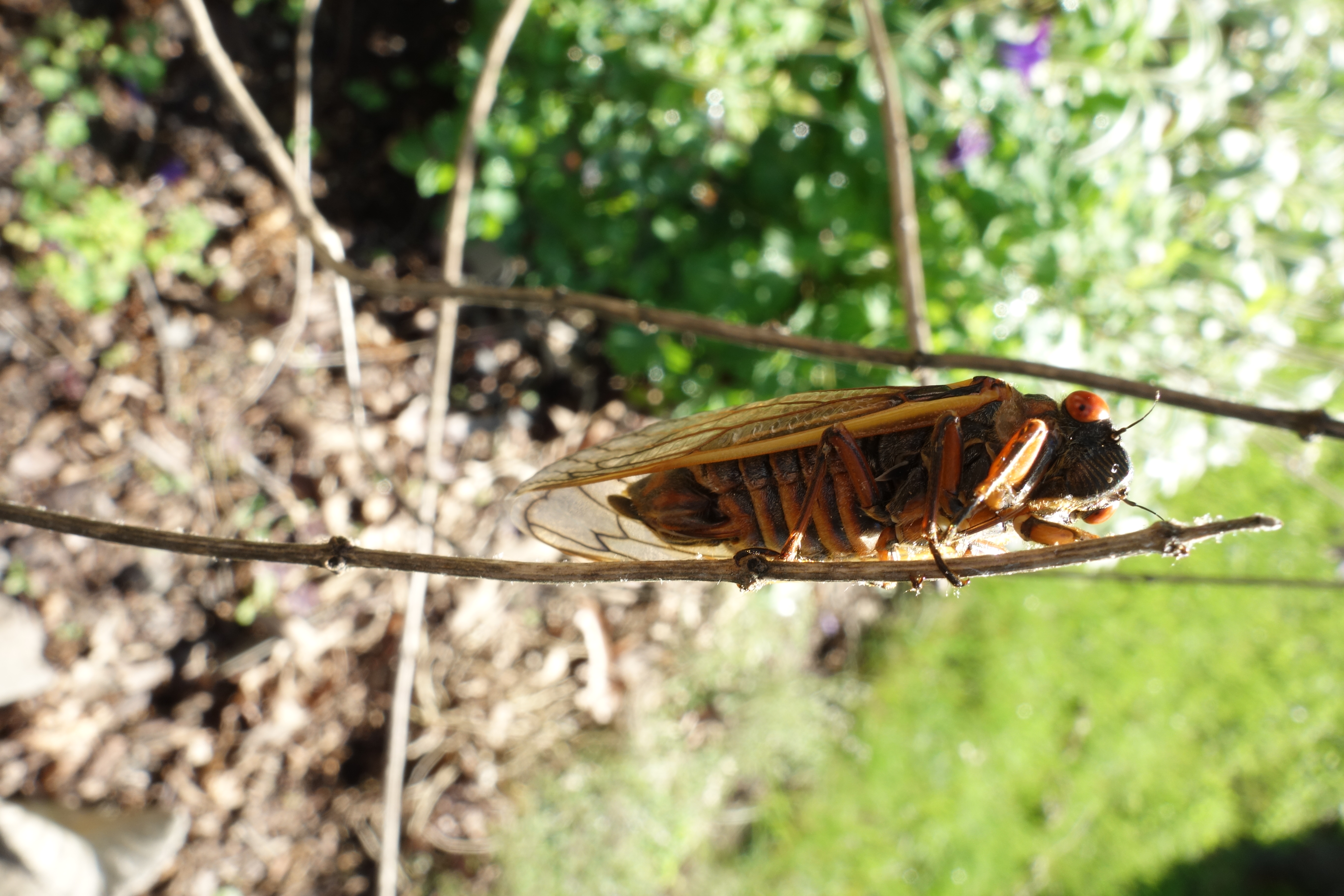
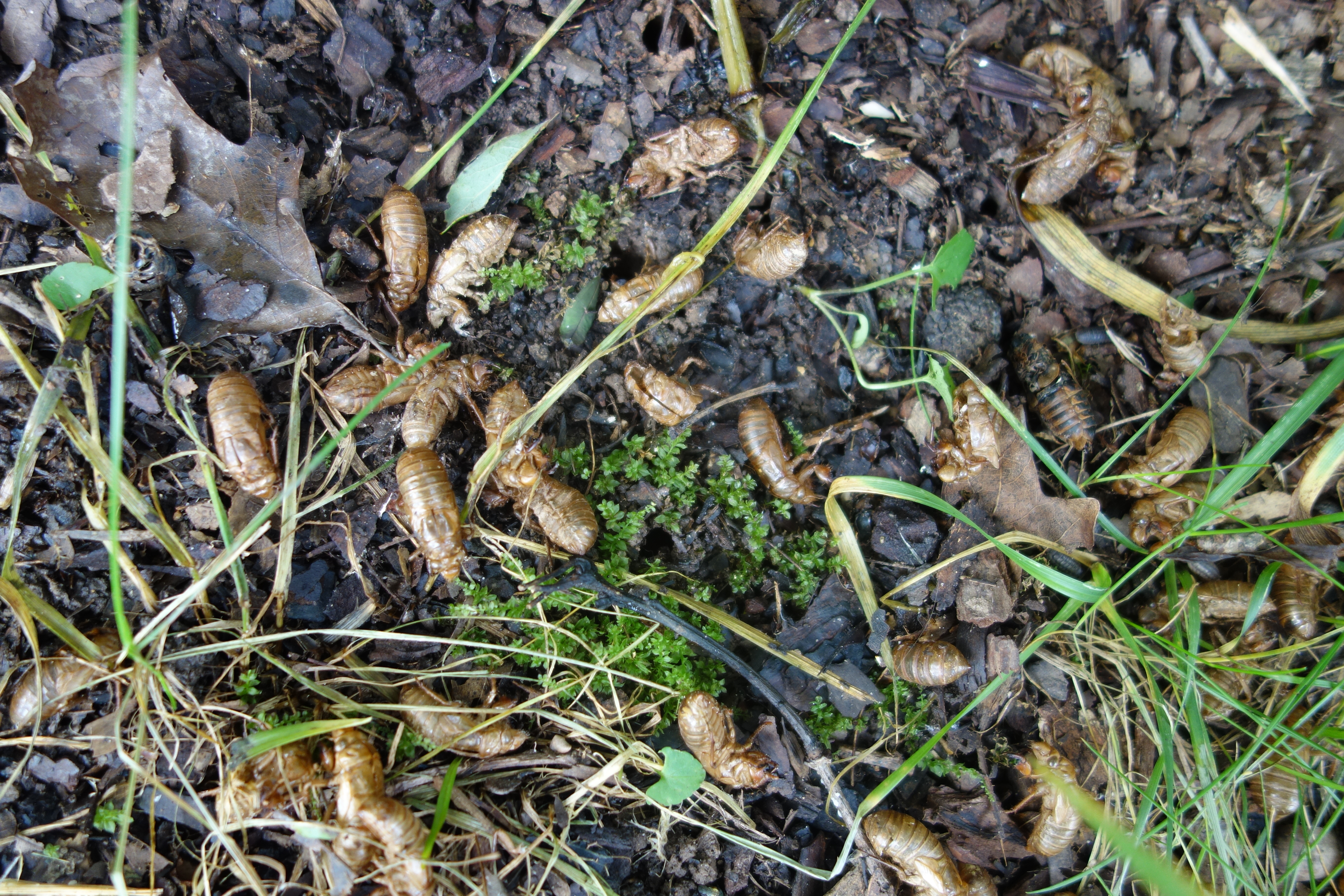
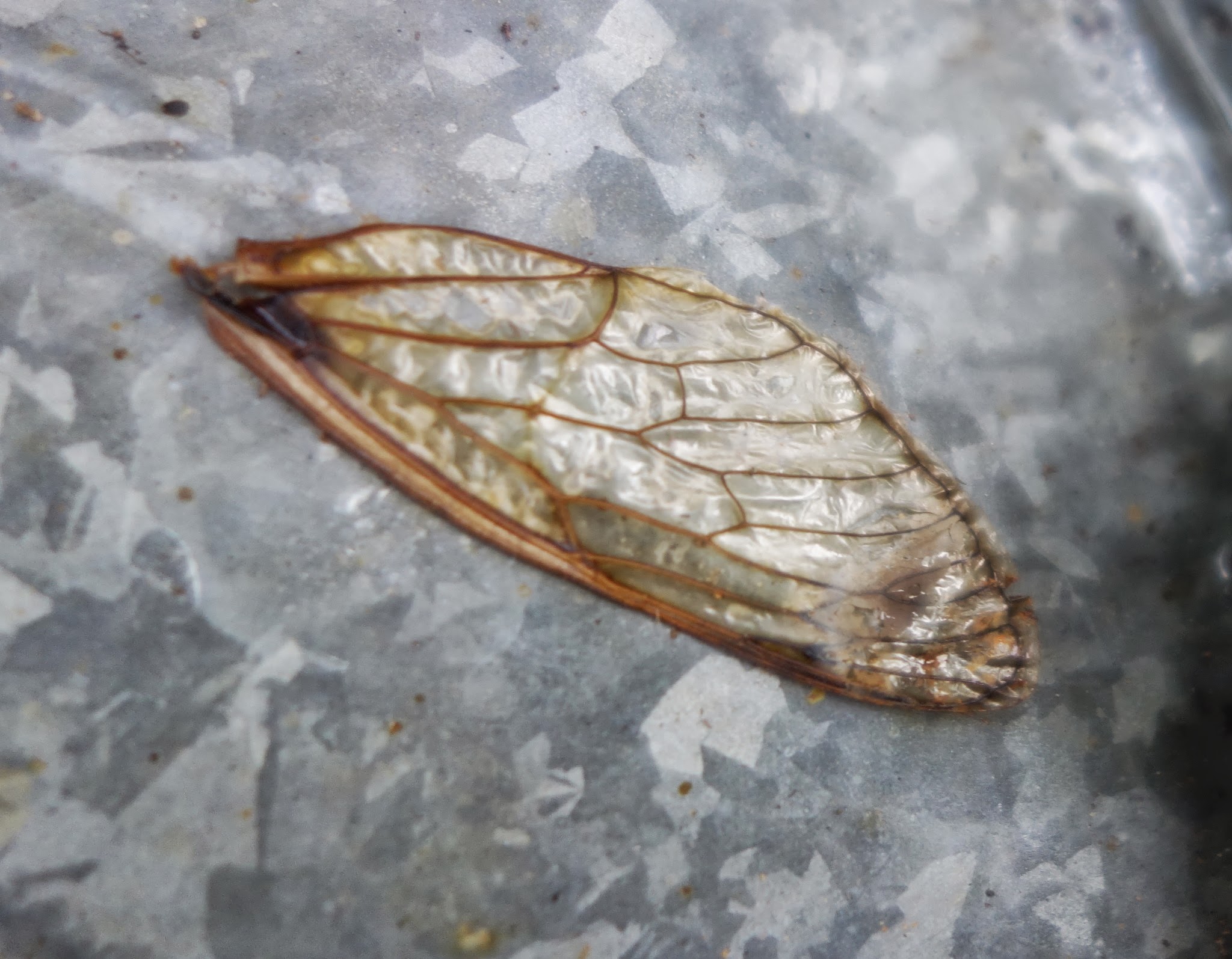
 I found this one on the back lawn.
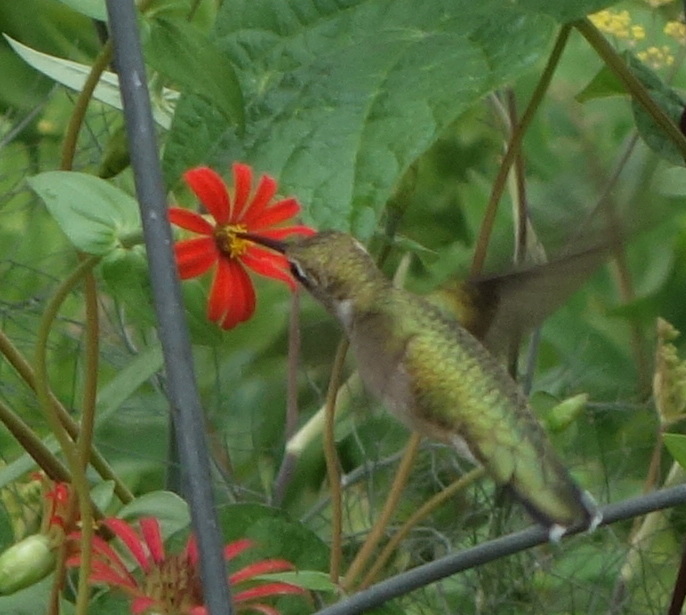
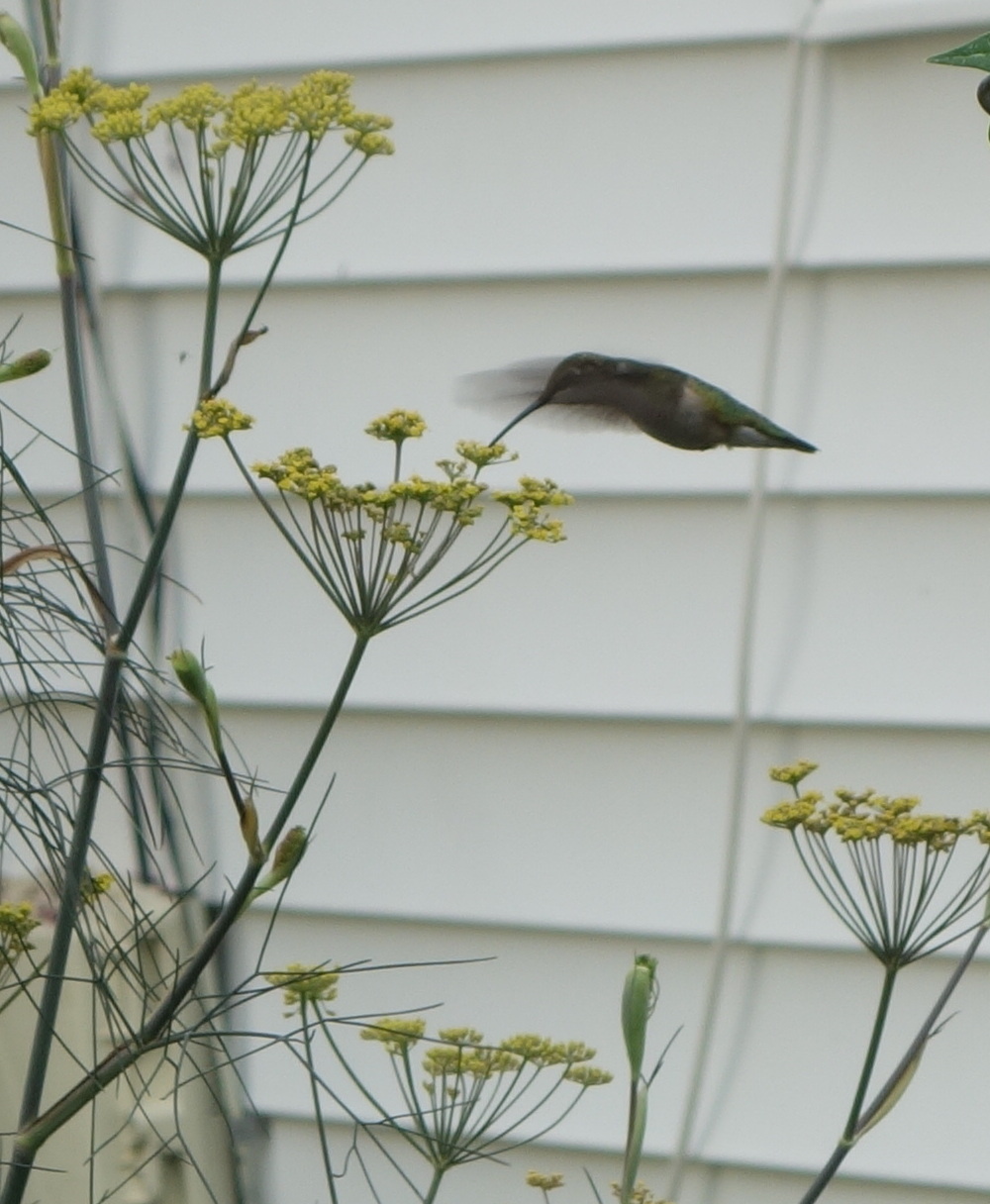
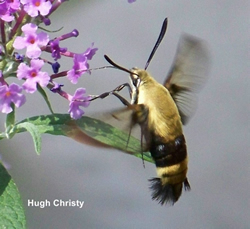
 My other fail at photography has to do with hummingbirds. This morning I saw one fly away from the morning glory (yes, one tiny vine has persisted even though I tried to root it out) and rush to the cardinal climber vine. It was followed by either three baby hummingbirds or three big bugs that can fly really fast. Wow, do I fail at nature. Here’s what attracted them.
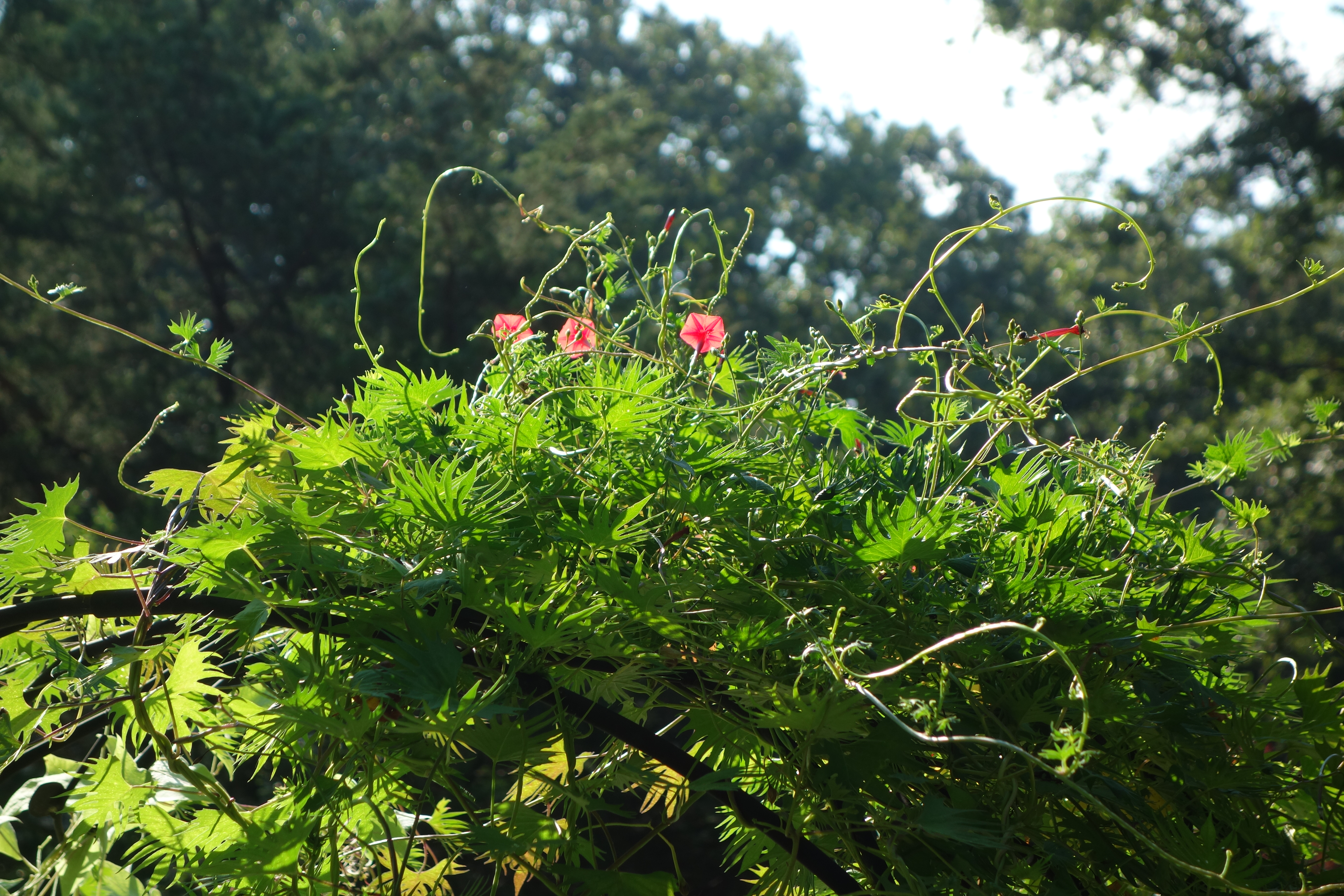 Not many flowers, but what there is, is choice. Plus beautifully cut leaves.



 Caroline's Garden and Travel Record