Category Archives: other people’s gardens

Not your average garden book

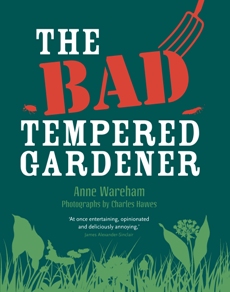
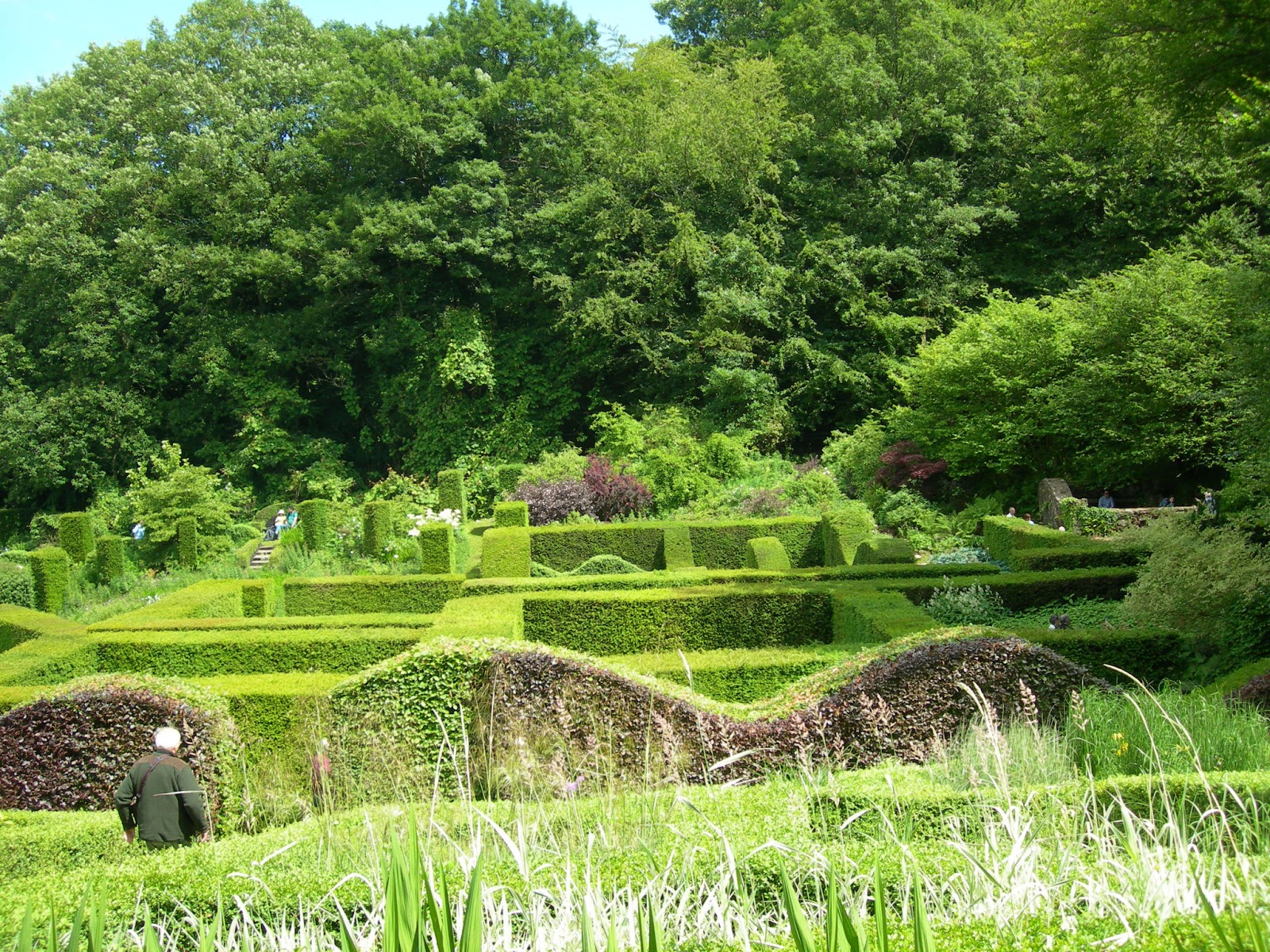
The-Bad-Tempered-Gardener-by-Anne-WarehamAnn Wareham may be a contrarian, but it’s not just for the sake of it.  She is genuinely puzzled by gardeners who put together a collection of plants rather than design a garden.  Her garden, Veddw, in the Welsh borders, is two acres of carefully designed garden (plus two acres of managed woods) that include some startling juxtapositions of colors and shapes.  She’s a big believer in pattern and repetition – not for her the wispy gardens of mixed perennials that are “pretty.”  Take a look at the glorious pattern of her hedges, echoing the Monmouthshire hills:

veddw_hedgesveddw_hedges2

Another look at the power of pattern and repetition:veddw_symmetryAnd she’s hardly afraid of color:veddw_house_gardens_originalveddwgardens

She has a melancholy streak, too.

 Gardens confront us with the relentless passage of time, as the flowers come and go in a parade that gains in speed as year passes year.  Gardens are in endless, remorseless change and are always confronting us with our race towards death.  Historic gardens remind us that garden-makers like ourselves made a garden and then had to let go, die, and that the garden continued cheerfully without them.  Is this what is beneath the insistent upbeat jolliness of the garden world?  Is this what we conspire to avoid contemplating?

Refreshing, no?

She lives in the world of English gardeners in a country that may not do it right, according to her lights, but certainly pays a lot of attention to gardeners.  They are all over in newspapers, magazines and television, in ways that US gardeners can only envy.  It’s a small world, and Anne Wareham, with her thinkingardens, has carved out a very particular niche.

Oh, and it must be time to return to Wales and see the marvelous Veddw in person.

Majorelle Gardens

DSC02377

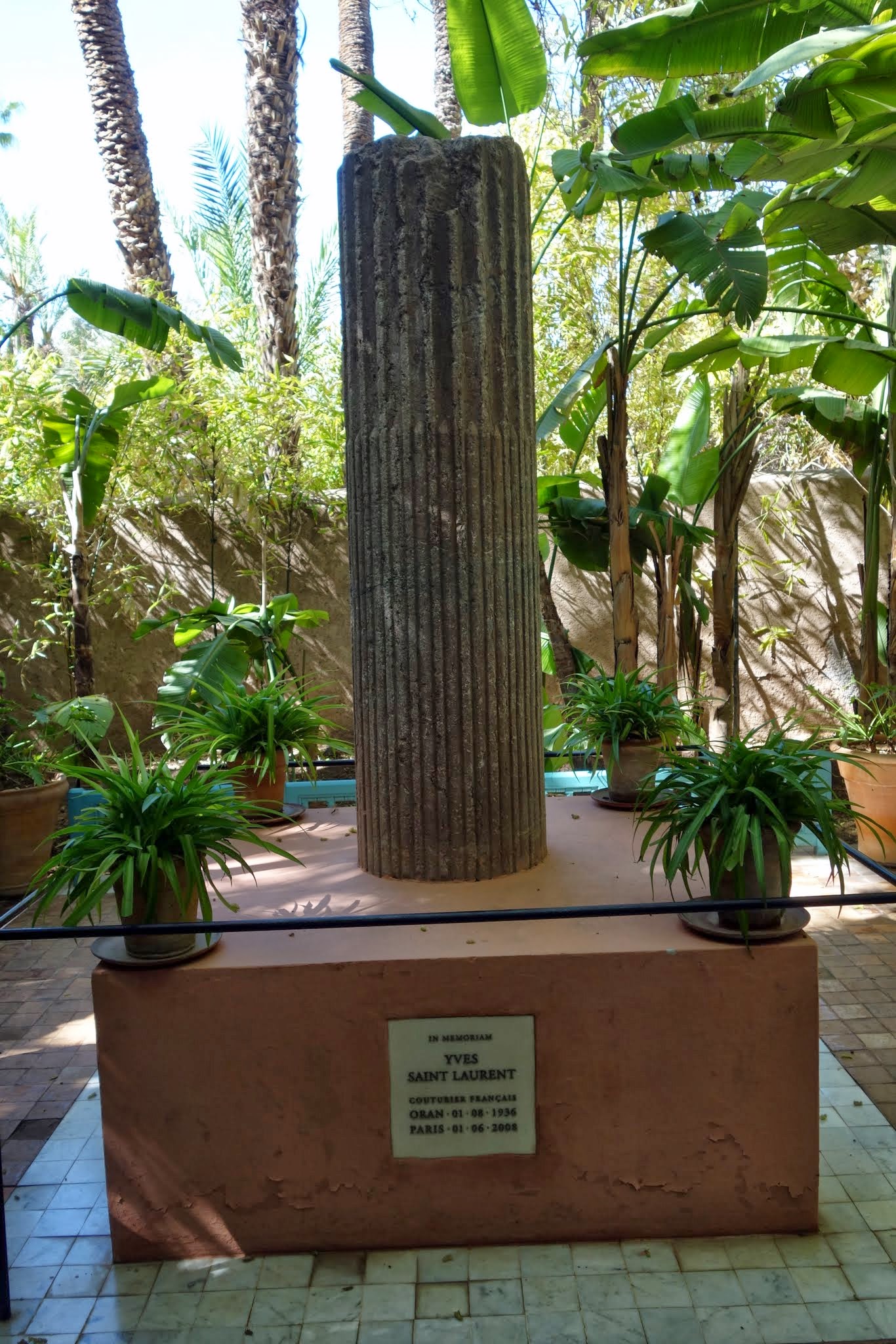
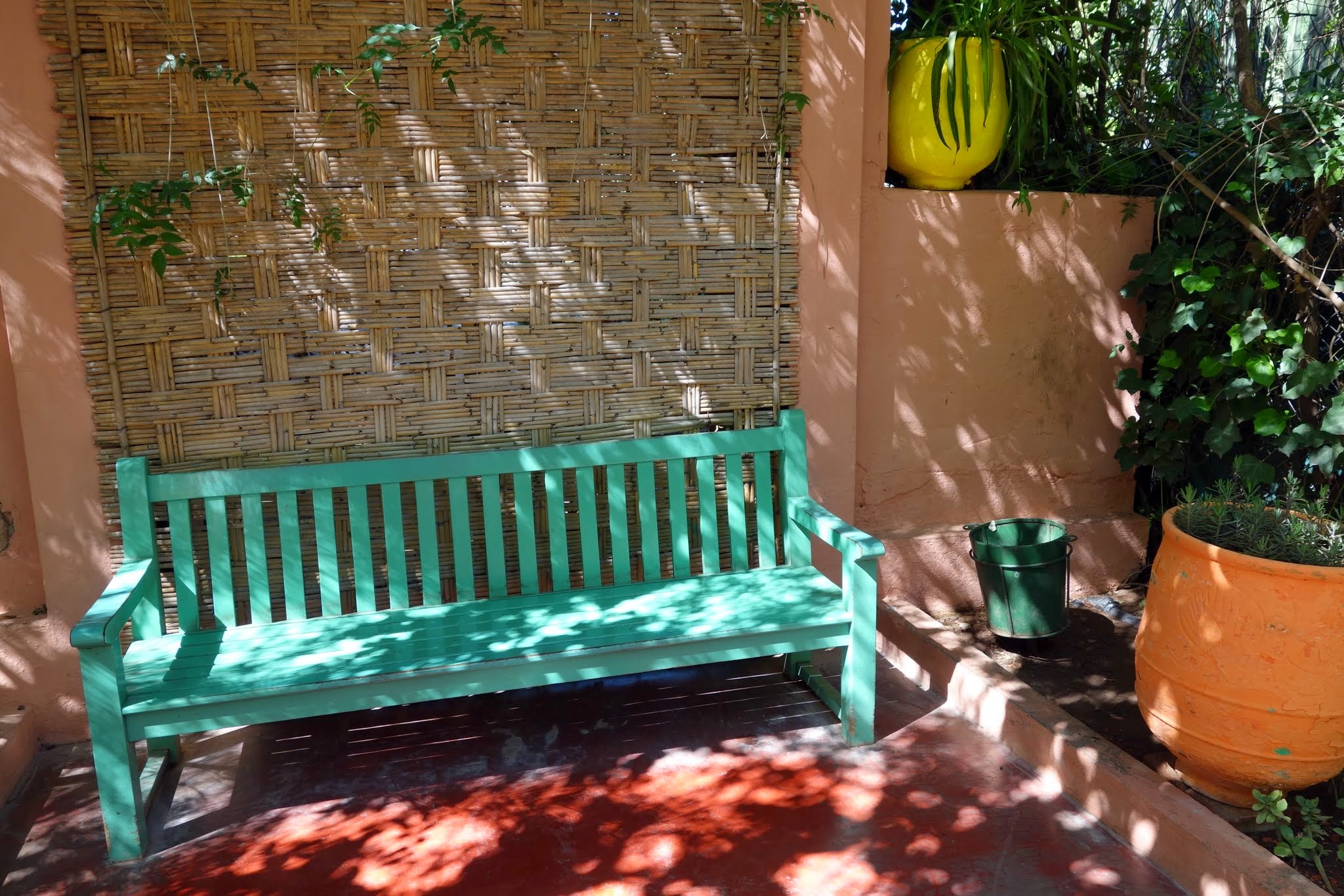
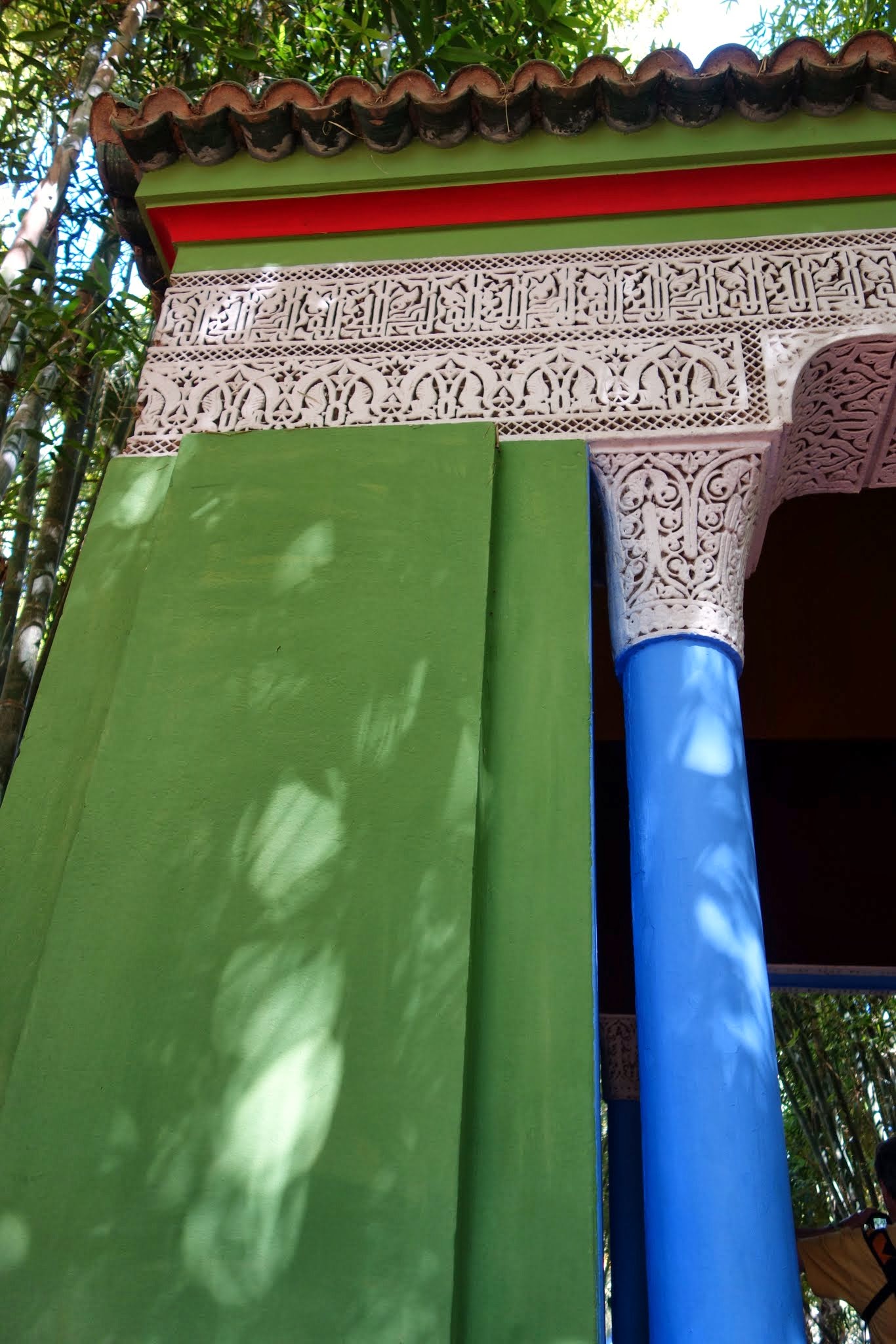
This blog is returning to its roots for just a moment to focus on an actual garden, Majorelle Garden in Marrakech.  Designed by artist Jacques Majorelle in the 1920s, it has been a public garden since 1947. It was purchased and restored by Yves Saint Laurent in 1980, and his ashes were scattered here when he died in 2008.  See more in this post by another visitor.

monument to St. Laurent

One room featured his annual “Love” prints from the sixties up until his death – very much of their time.

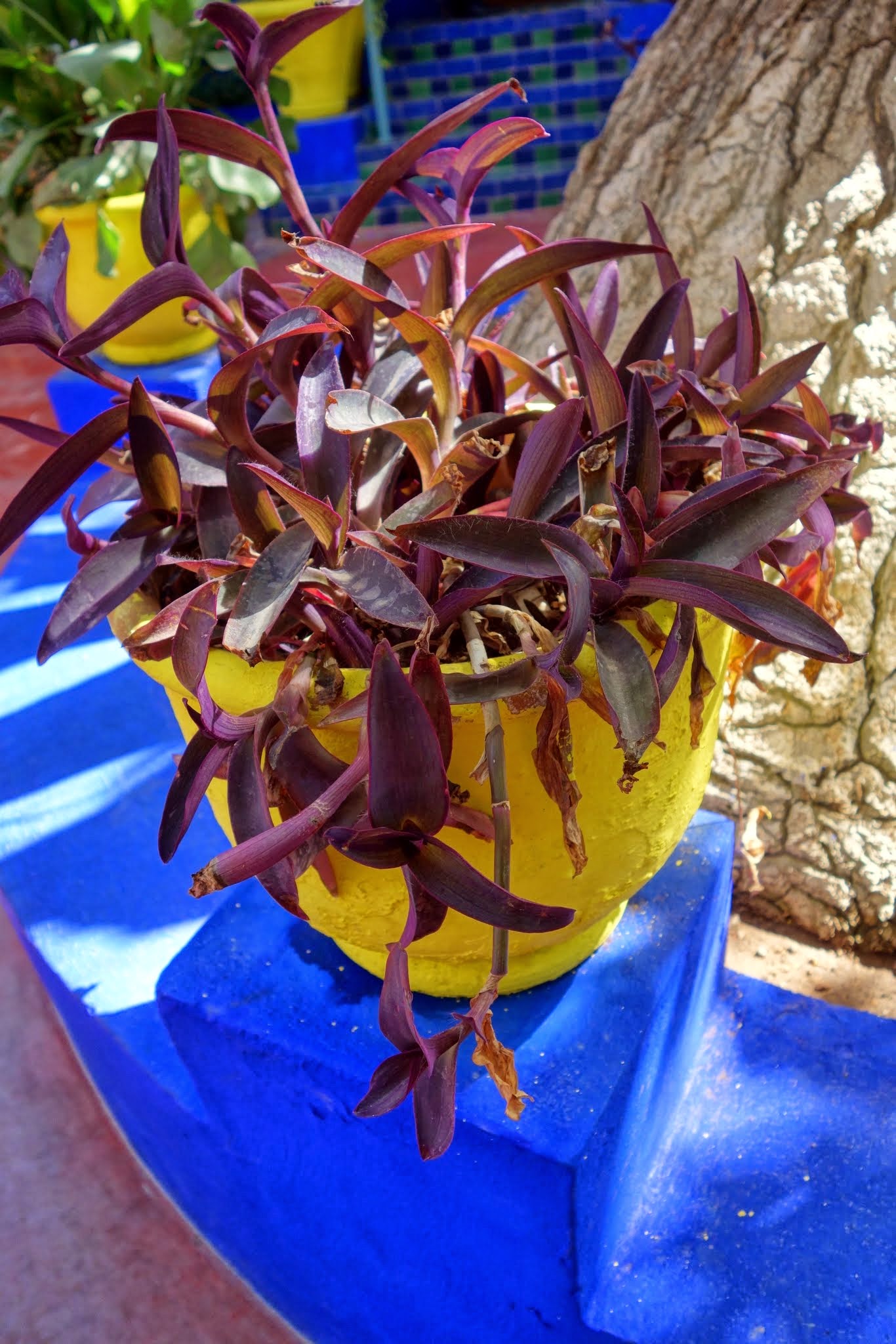
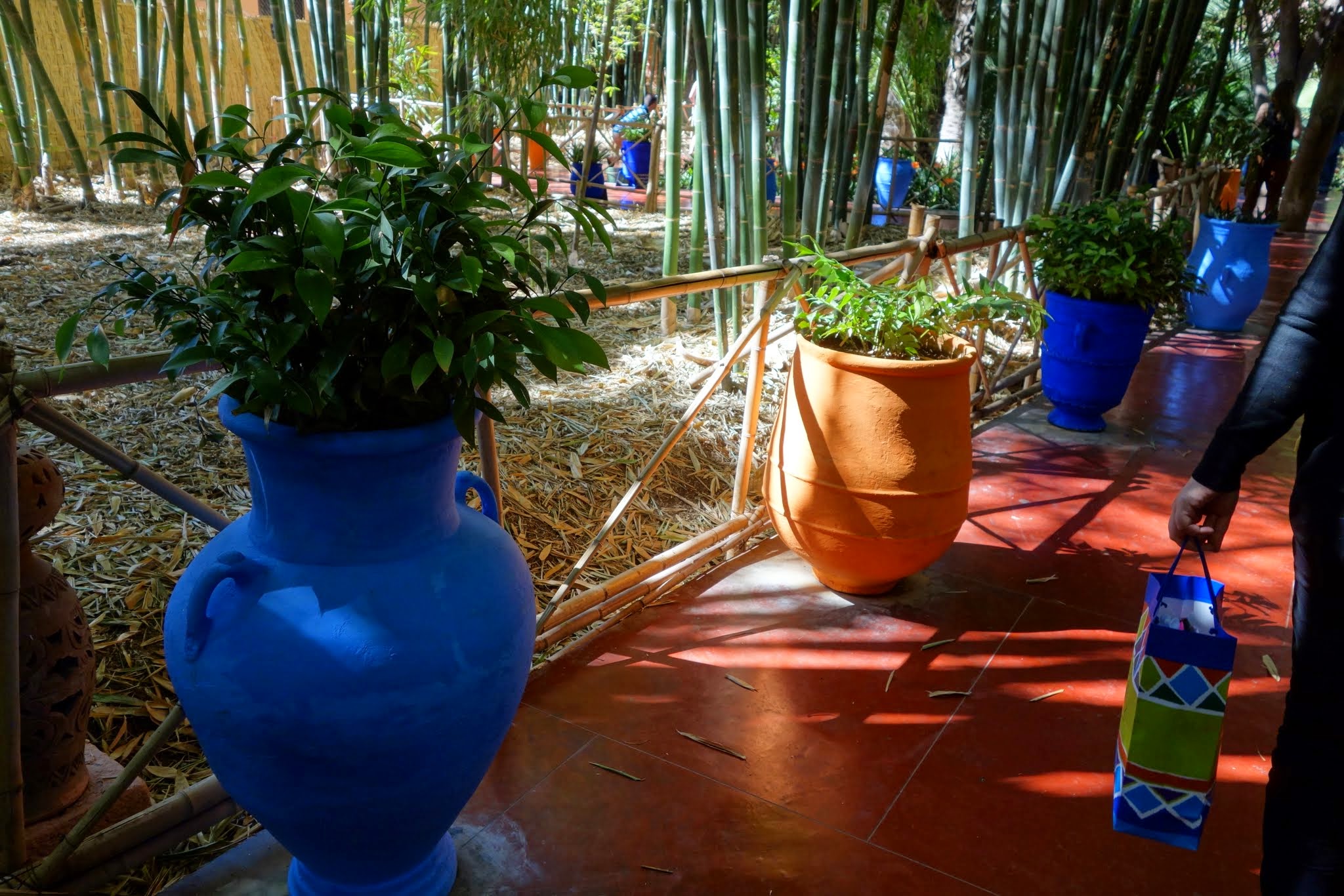
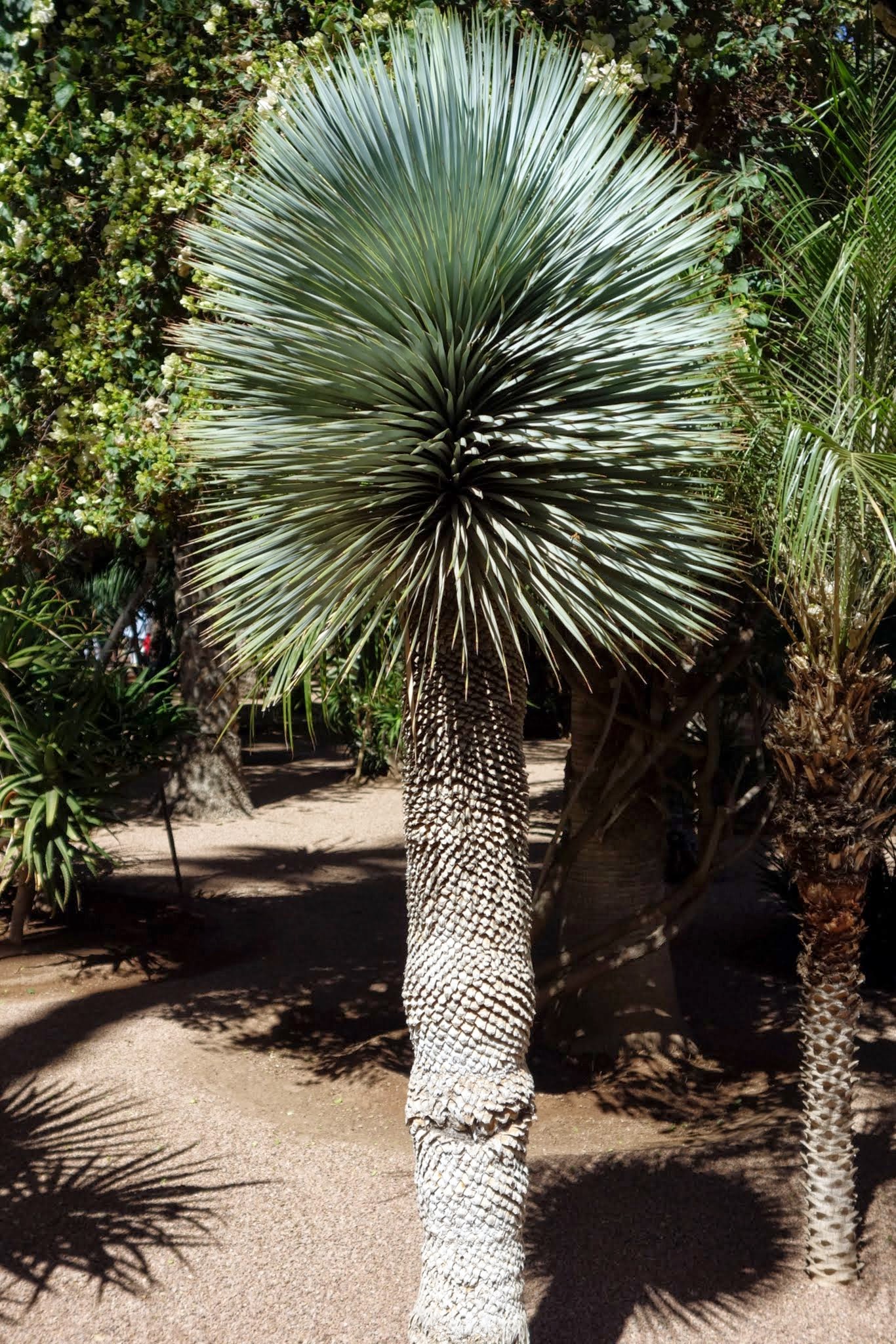
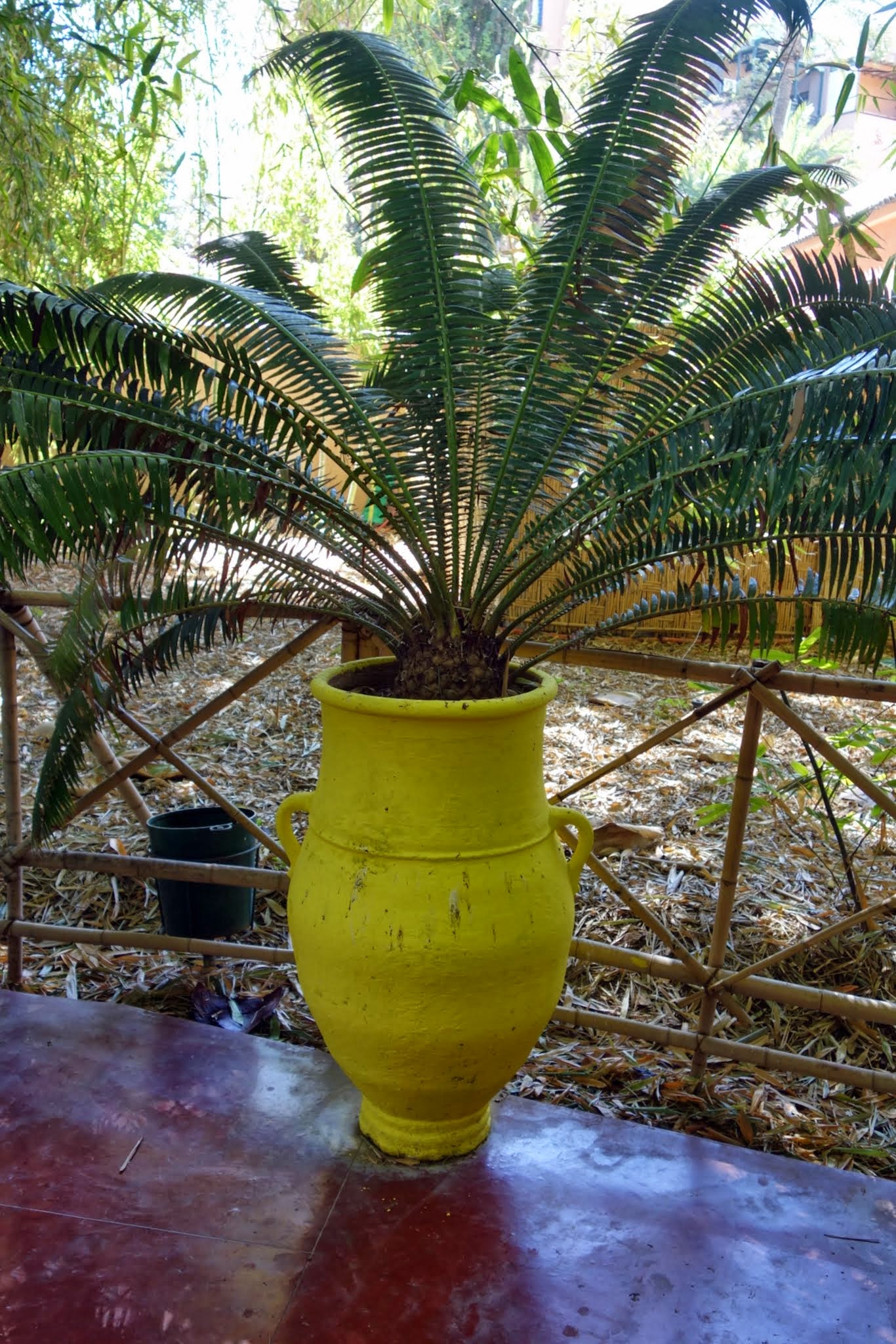
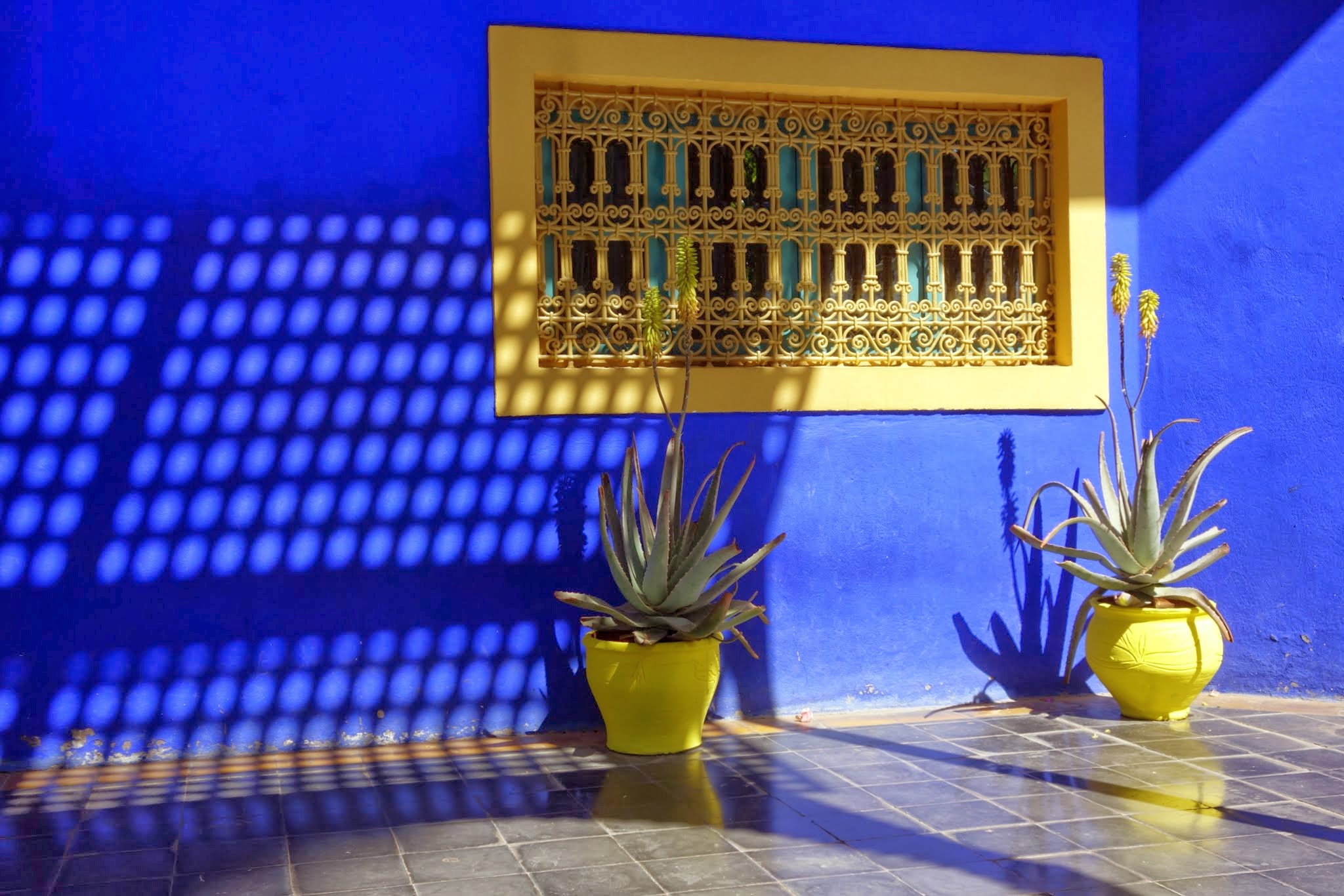
St. Laurent's annual LOVE posterThis garden is most famous for the color known as Majorelle Blue.  I decided my only souvenir would be a can of paint, but I didn’t see any in the gift shop, which mainly features designs by Saint-Laurent.  It’s apparently a difficult color to find – the closest approximation is either a cobalt blue or ultramarine.  Here are some examples from the garden, where you can see how perfectly the blue sets off the plants.purple, yellow, blue DSC02361pots in a rowTo my eye, this garden is all about color and form.  Lots of palms and cactus, plus some Mediterranean flowering plants.  Take a look.  Here are a few palms, plus a wild and crazy yucca.DSC02348 palmDSC02367 yucca gone crazy

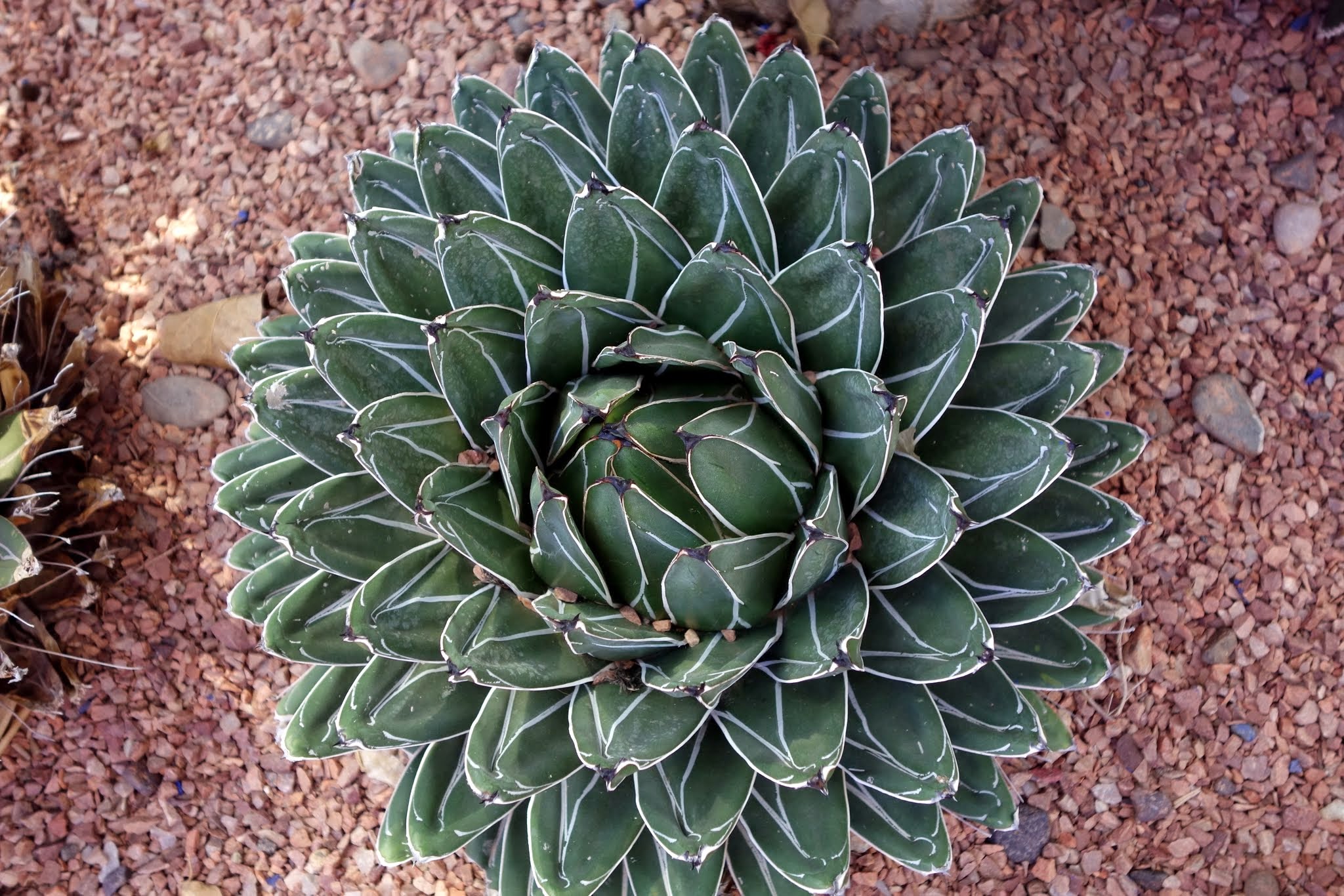
Next up, a gorgeously perfect succulent (I should know what kind but I don’t.).DSC02363

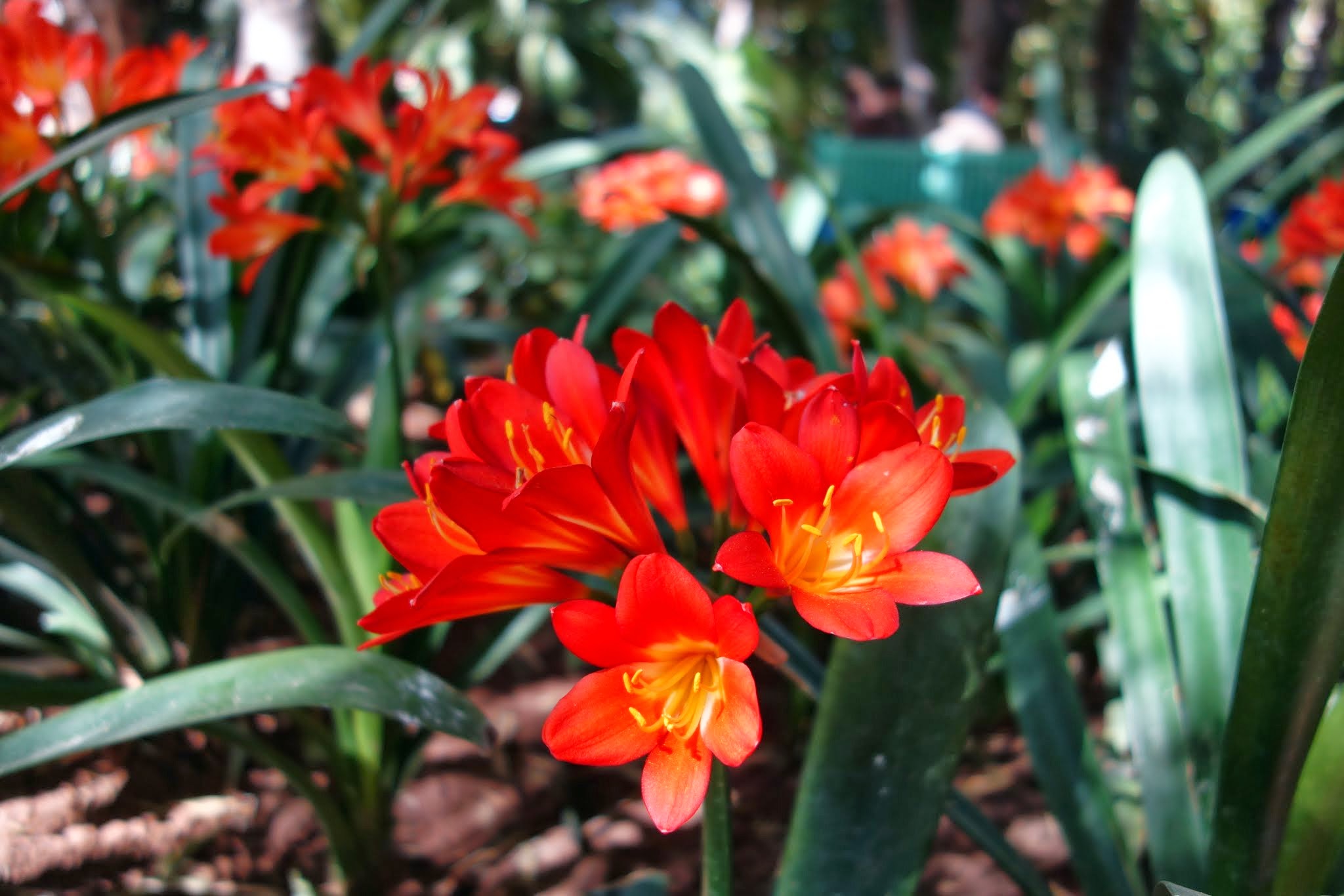
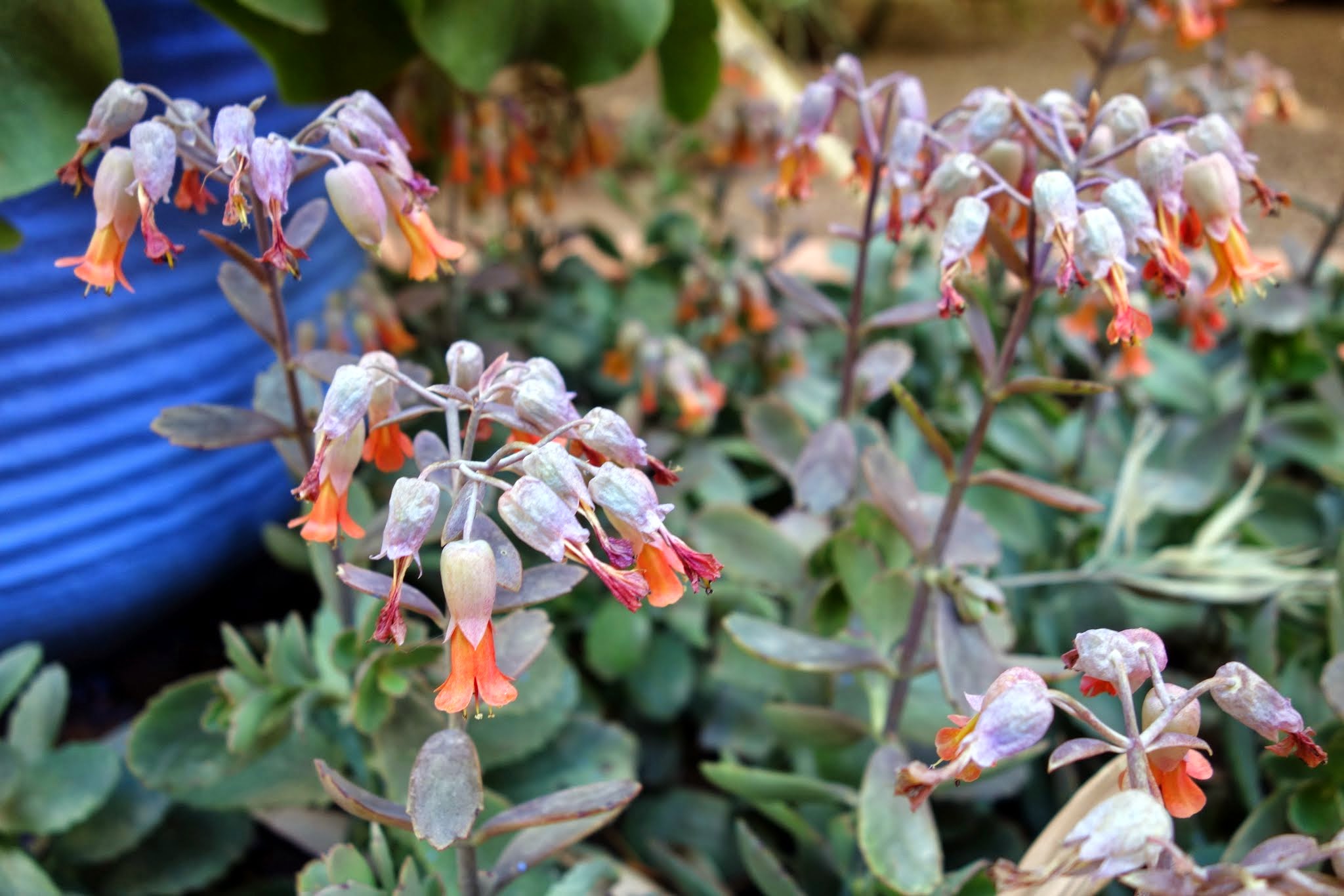
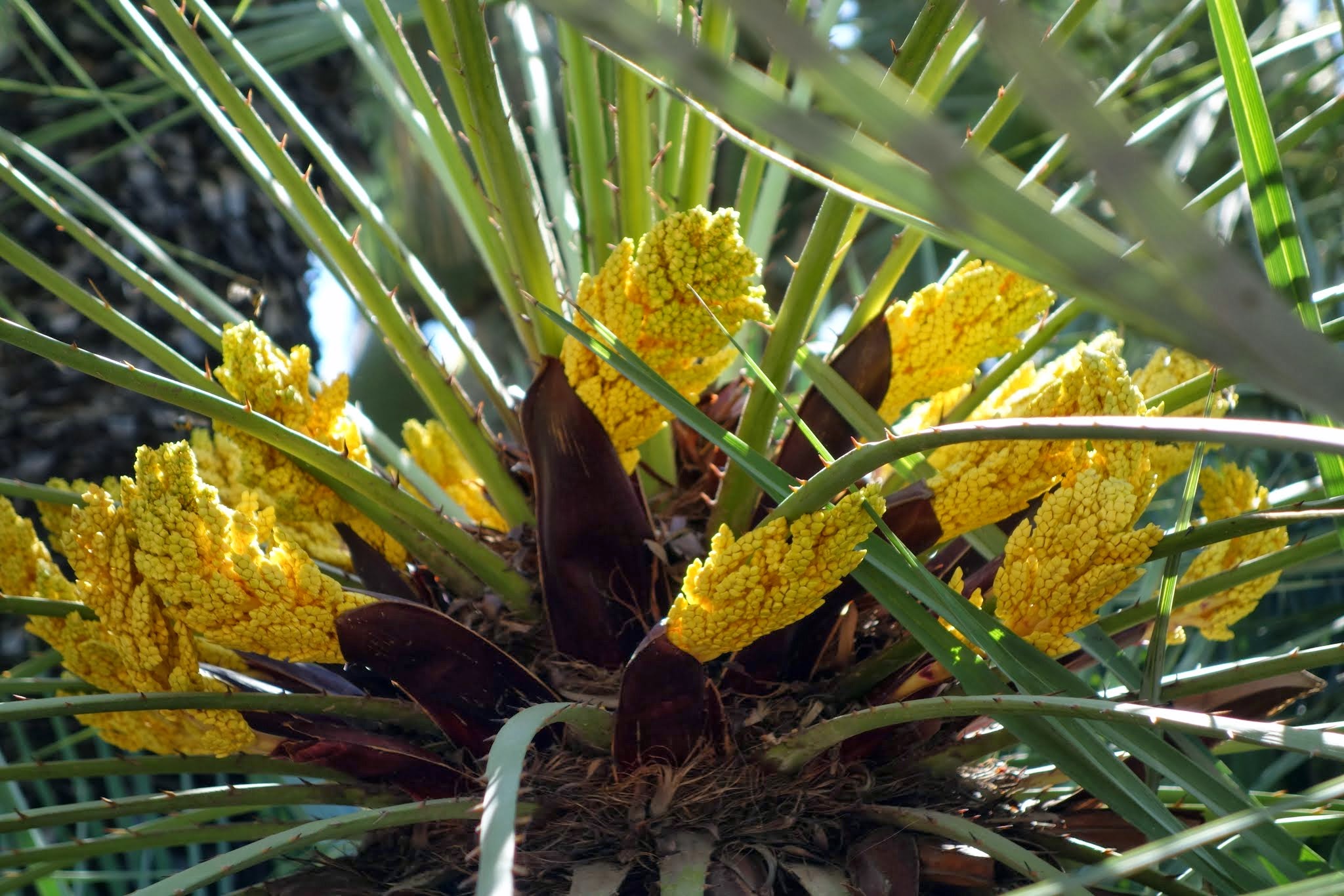
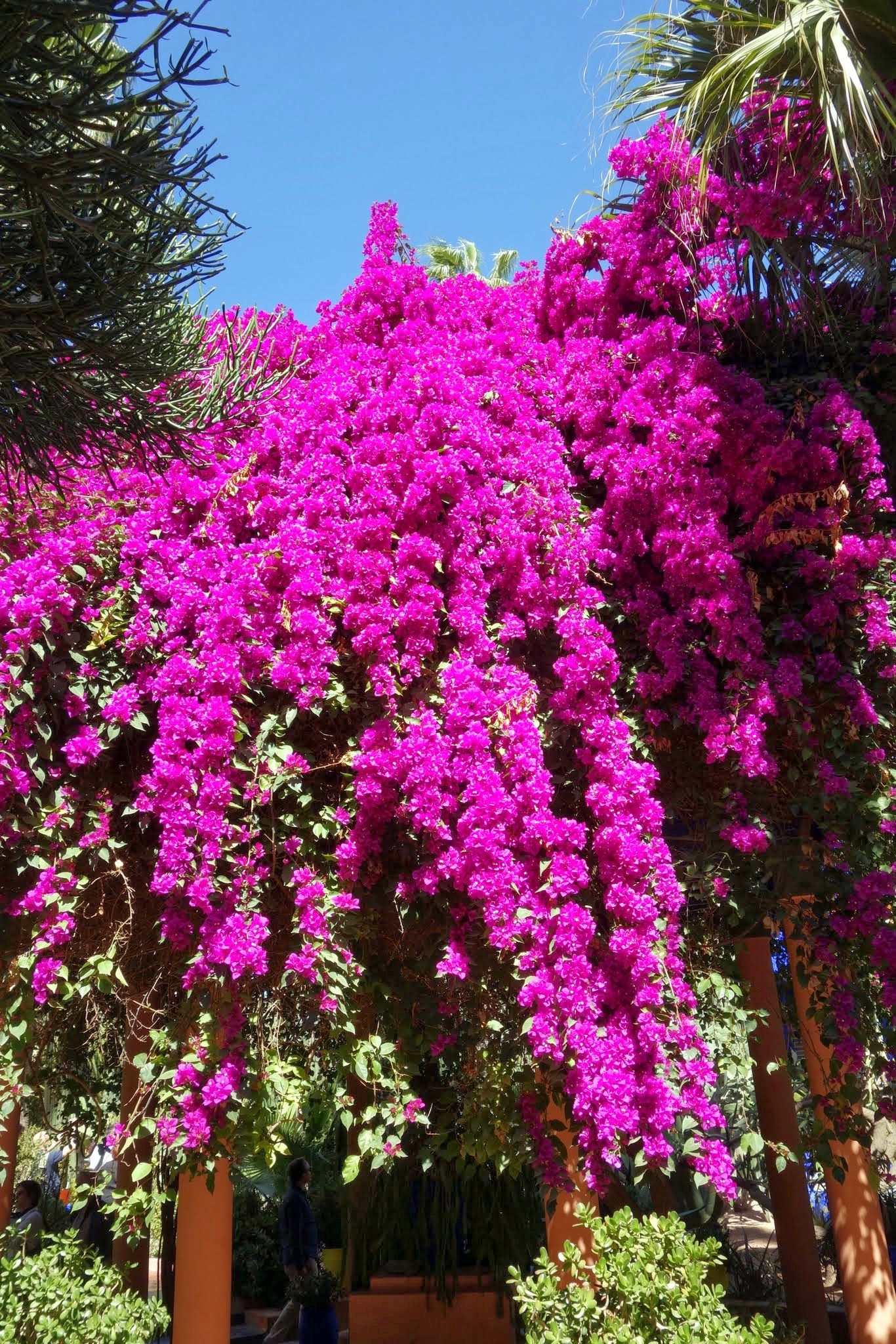
Then some flowering plants:  clivia, something I can’t identify, kalenchoe, the flowers of a palm tree, bougainvillea.CliviaDSC02349 kalenchoe DSC02366DSC02372

But it’s not just the species, it’s how they are put together, using water, color, form, light.

aqua, yellow, orangeblue pool more colors DSC02342DSC02334DSC02368

Best of all is the Majorelle blue in this iconic image.I want to live here

And I will leave you with these blue shadows.

blue

Chanticleer

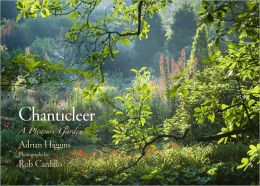
ChanticleerNot a single discouraging word is heard in this account of Chanticleer’s beauty, but judging by the spectacular photos by Rob Cardillo, the praise is justified.  Though only twenty years old as a garden cultivated for public display, Chanticleer has great bones thanks to a 1930s stone house and mature trees, as well as a stream that runs through the site.  Like me, the gardeners have made a woodland garden under a giant oak tree that used to sit in a sea of grass.    Of course, they also have an Asian woods, an orchard, a pond garden, and so on.  Clearly worth a visit!

Adrian Higgins is one of my favorite garden writers.  He clearly writes about  Chanticleer with great knowledge and experience.  Still, I couldn’t help feeling that this was written to order as a puff piece.  (It’s copyrighted by Chanticleer rather than by Higgins.)  Not quite a criticism, since I devoured every word, just an observation.

Notes to self: find out what is this air spade* they used to remove the existing grass from under the oak tree; consider adding Anemone sylvestris and nemorosa along with the blanda, and Phlox stolonifera ‘Sherwood’s Purple’ (bought this week at Merrifield).  Shrub rose Lady Elsie May (‘Angelsie’) is semidouble, coral pink, and freely produces blooms all season long (whatever that means, and allowing for the slightly cooler climate there) and might do for the pink garden.  ‘Sea Shell’ peony, another possibility, is “cupped, single pink, robust and fragrant.  It is one of the classic peonies for cutting.”  Look for the Karma series of dahlias “which have been bred for cutting.  They have a long vase life and straight stems.”

*It turns out that an air spade costs almost $2000 and must be used mainly by professional landscapers and builders.  So, never mind.

Cherry Tree Festival in Fredericksburg

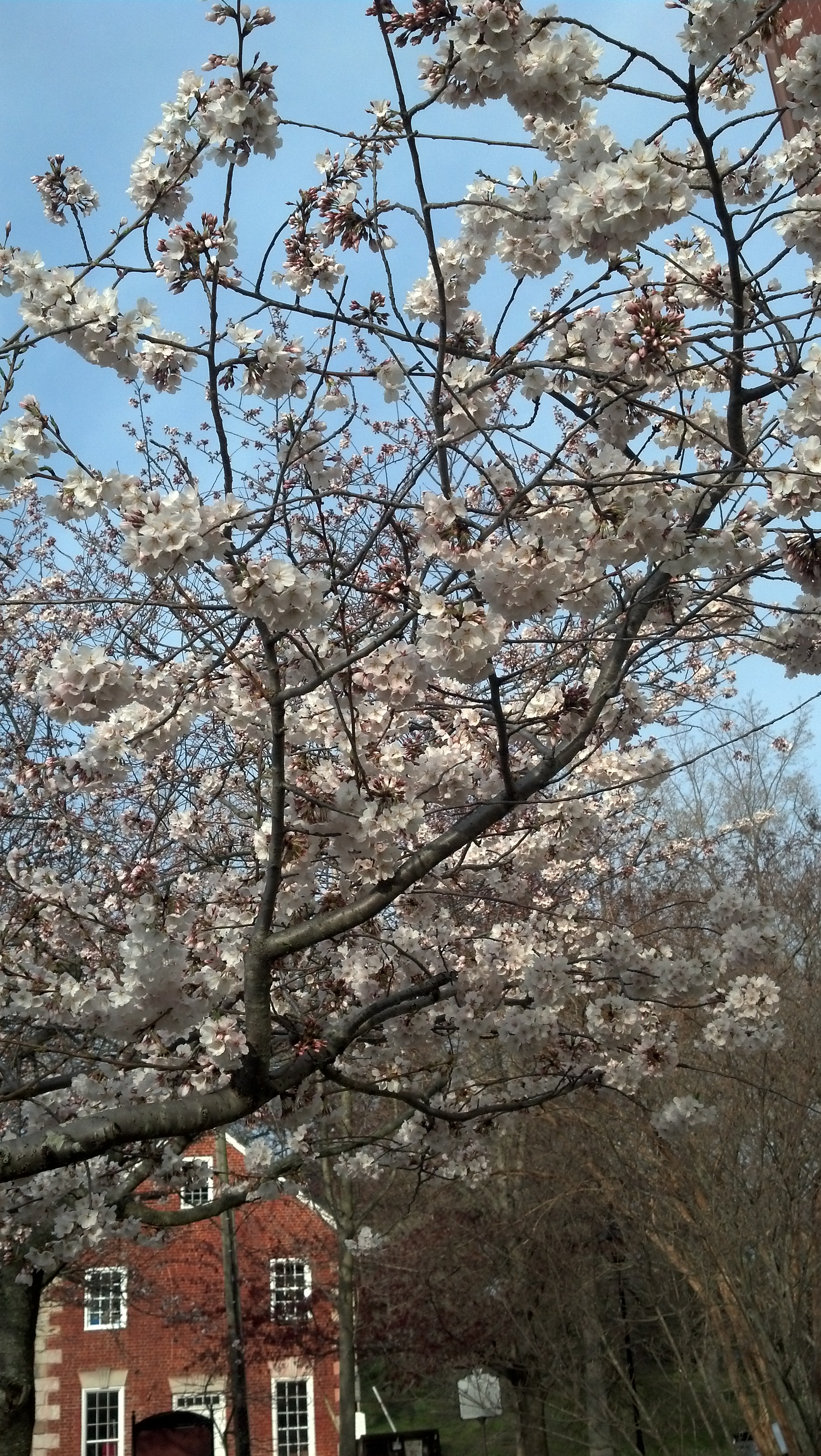
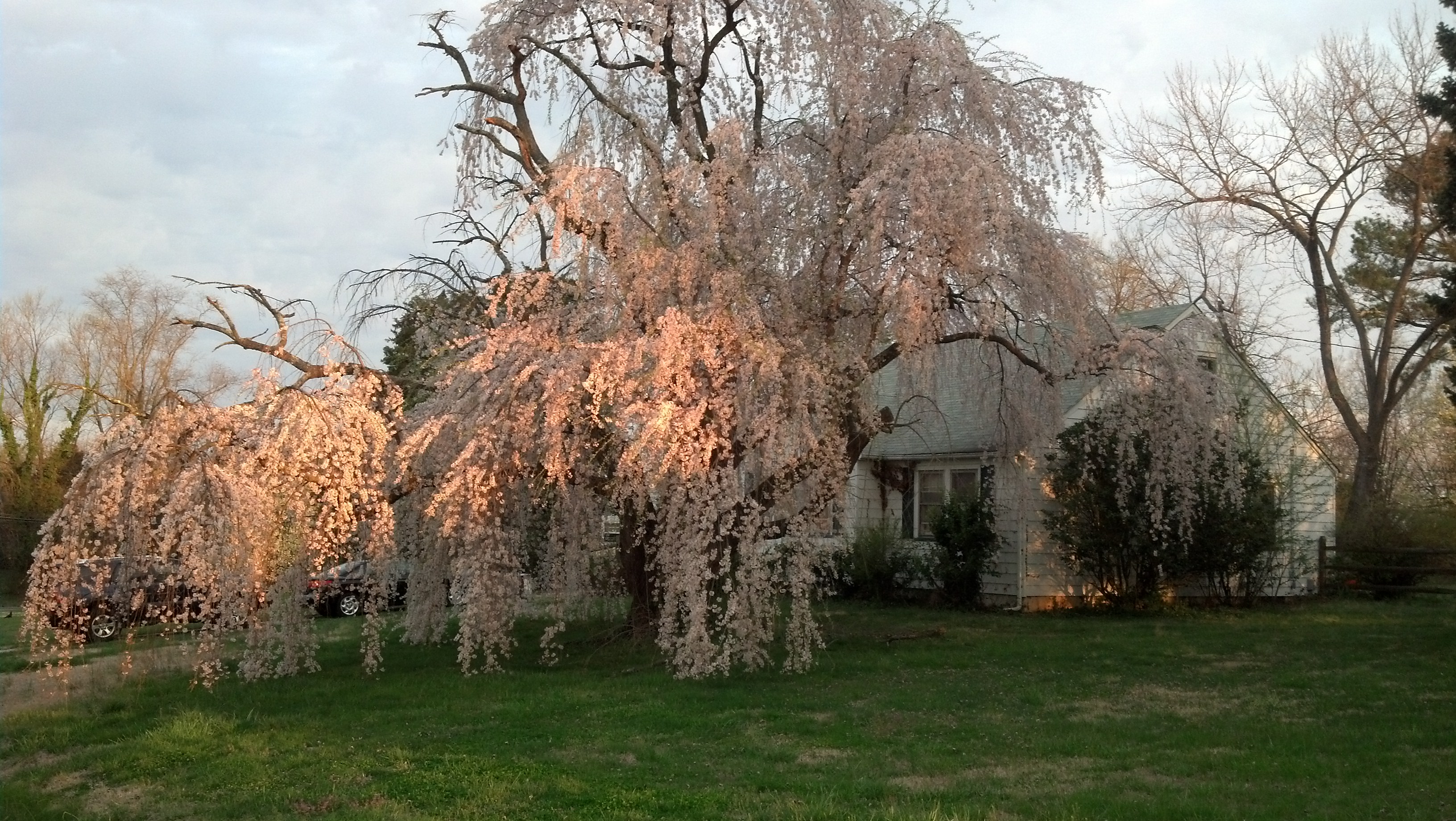
The cherry blossoms were late this year, at least, later than the poor organizers of the DC festival predicted.  Here at home, you just walk around and eventually the blossoms pop.  Here’s the Fredericksburg festival, which lasted from  April 8 through the 12th.  It wasn’t helped by the typical April week in the 80s, followed by a strong morning rain.IMG_20130408_082622_929The cherry trees lining Lewis Street, looking back towards Caroline Street.

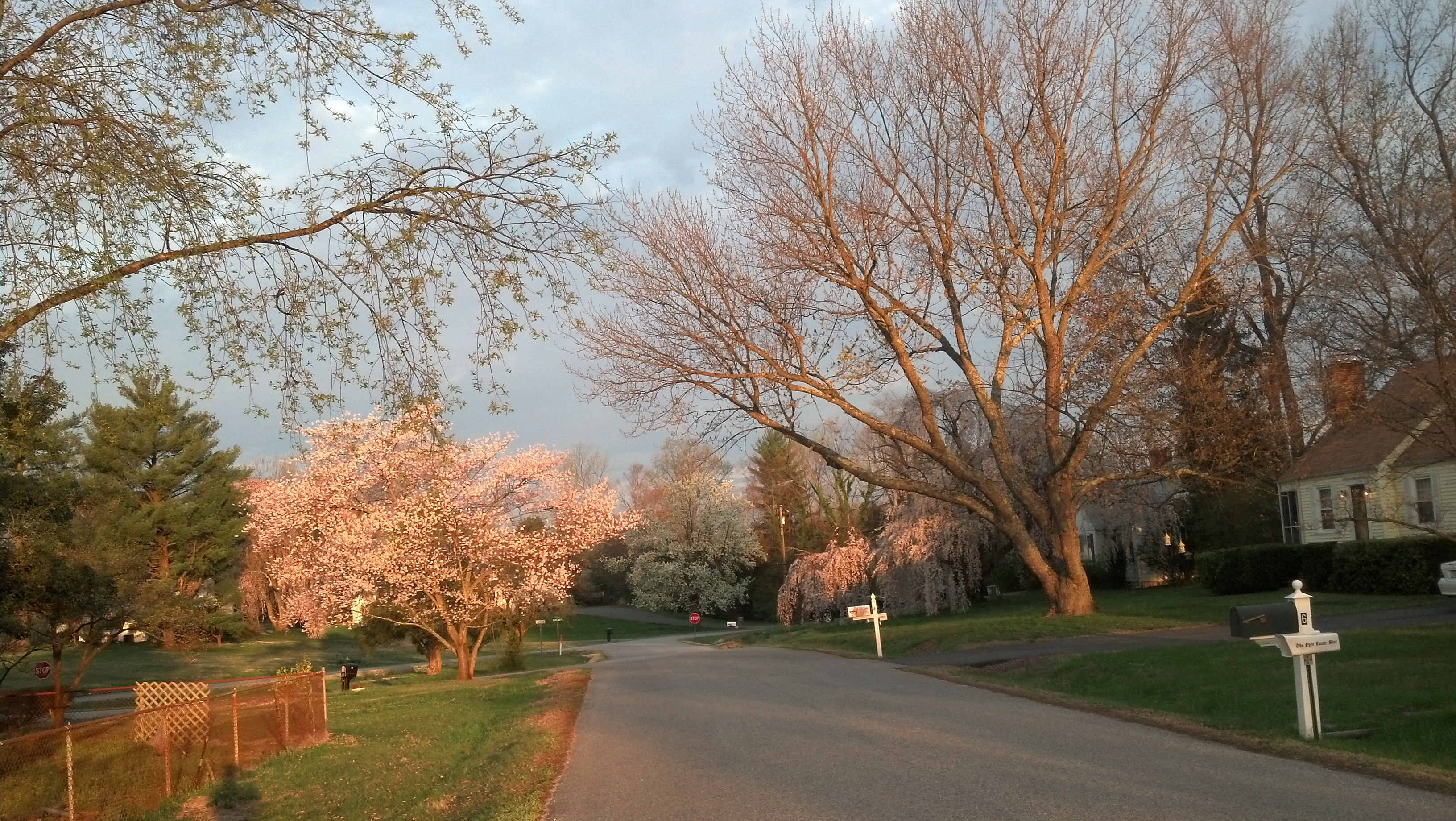
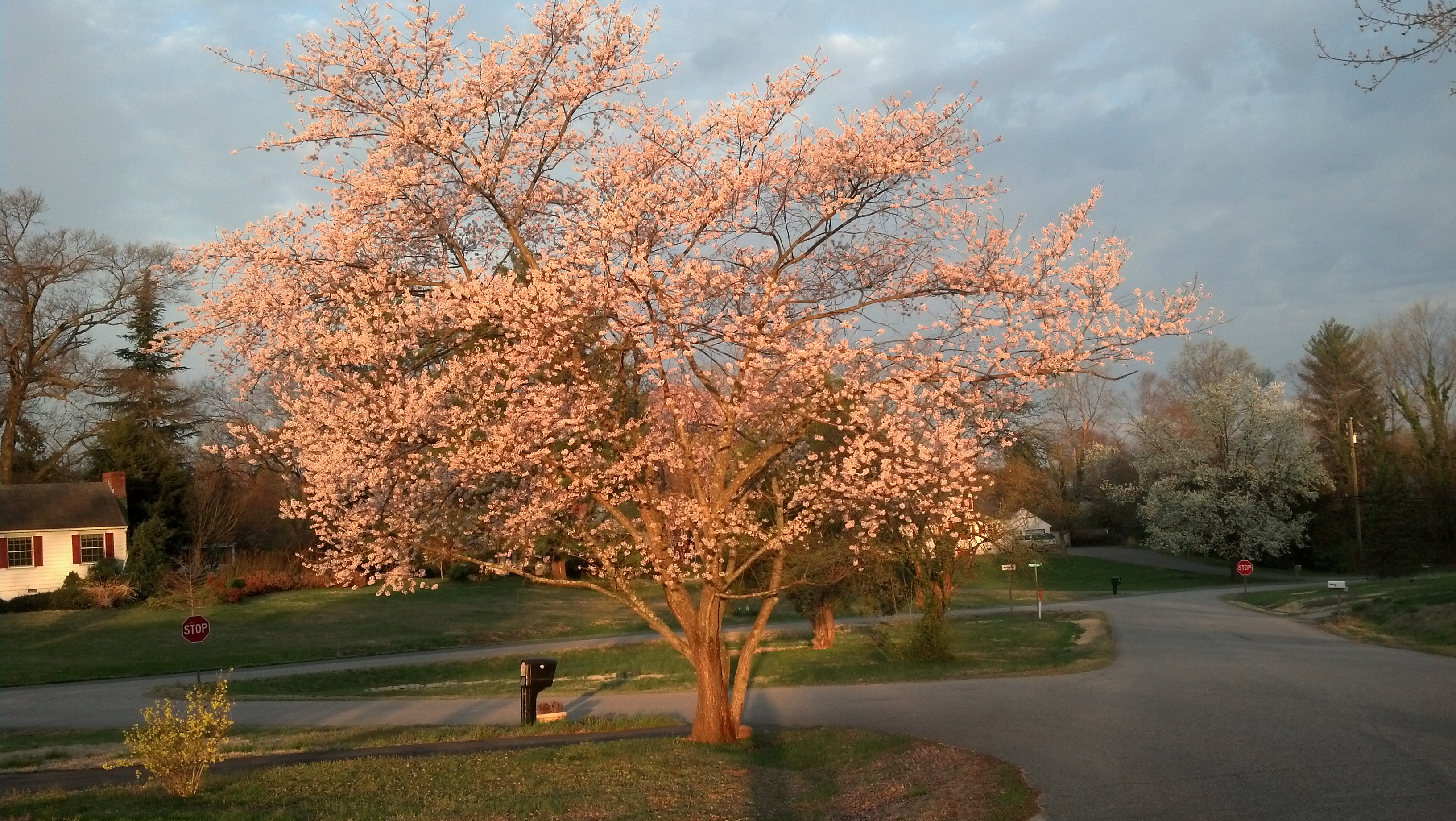
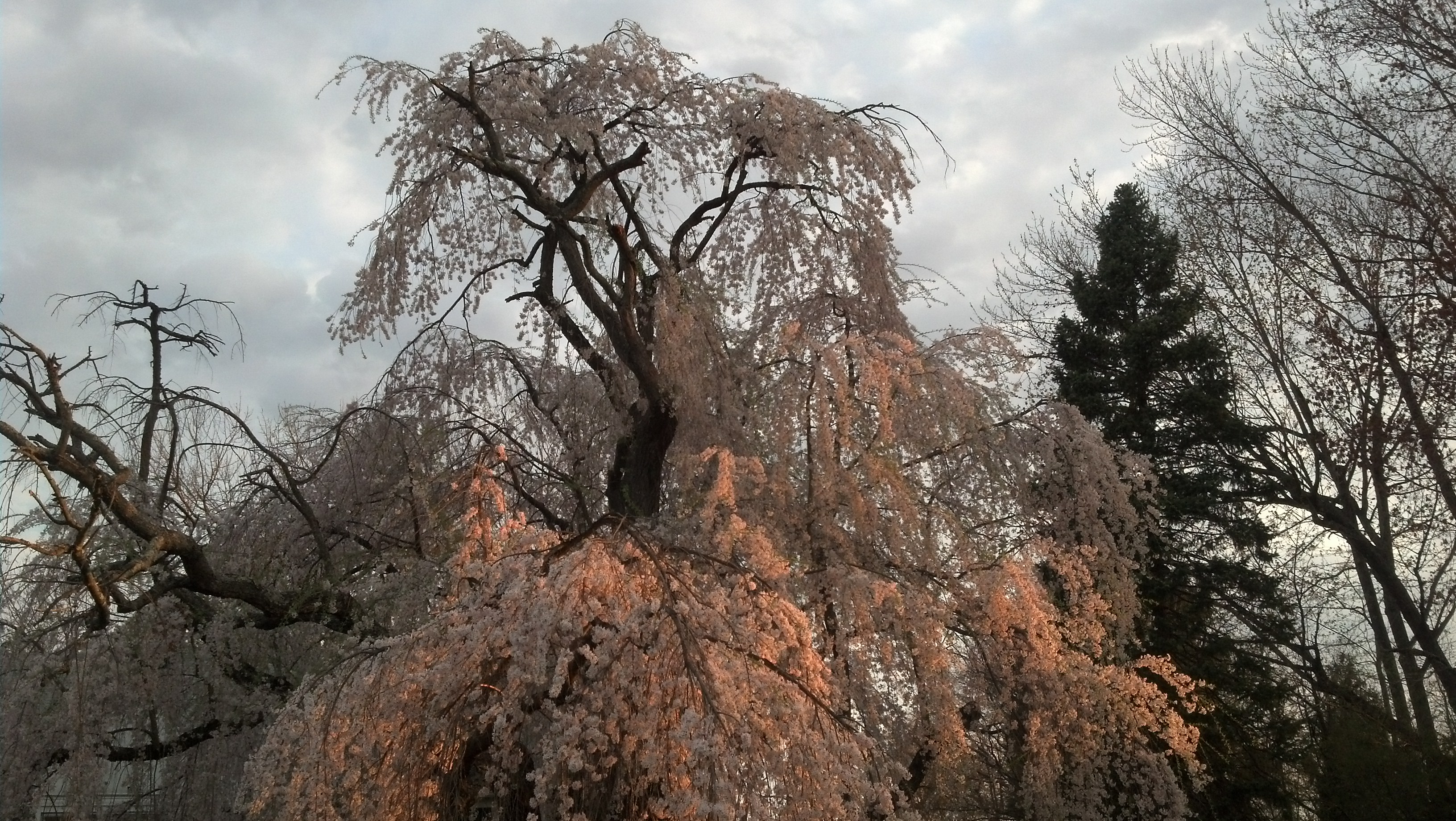
Next come cherries and weeping cherries in the neighborhood, snapped during an early morning walk.

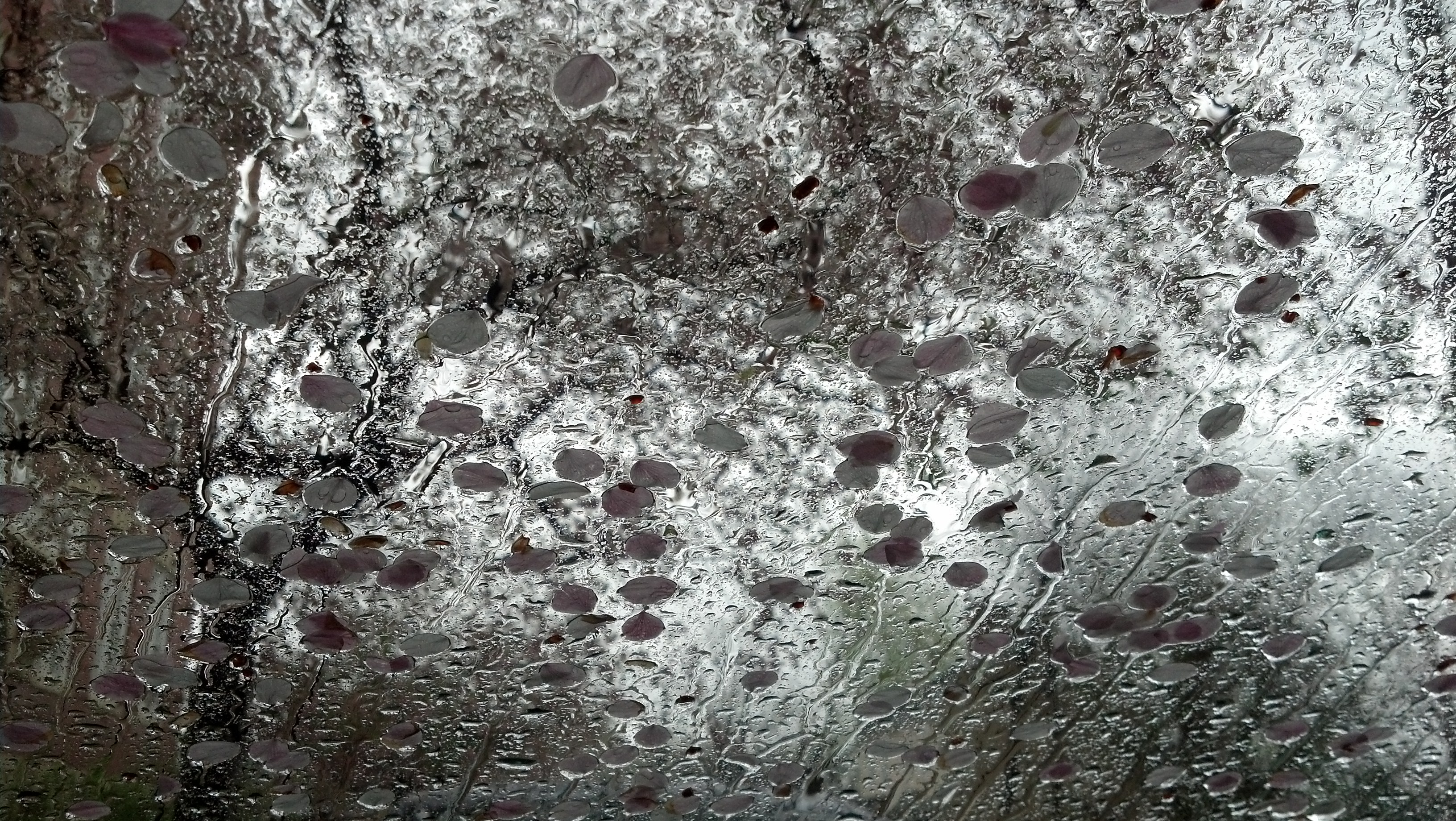
IMG_20130410_071502_853 IMG_20130410_071529_531 IMG_20130410_071549_594 IMG_20130410_071615_466 Finally, the blossoms on Lewis Street plastered on the windshield during the rain, and the last blossoms stuck to my car that afternoon.

IMG_20130412_115513_408

IMG_20130412_115455_751IMG_20130412_141309_792

Open Days

open gardens

I know about the famous yellow book that lists private gardens in the UK open to the public, but didn’t realize we have the same thing here.  For some reason, no Virginia gardens are included in the Garden Conservancy Open Days program, but any travel plans could be cross-checked against the list.  Filter by state, and a pleasant diversion might appear.

The ultimate Maine garden

Note:  written in July 2012 and never posted.  If I ever find the photos, I’ll add them. ;(

Our route to Cushing takes us right past a sign for the Coastal Maine Botanical Garden, and this year everything aligned for us to make a visit.  As the brochure points out, most botanical gardens arise from a rich person’s bequest of an existing garden or are associated with a university, but not this one.  It was envisioned by passionate gardeners more than twenty years ago and is largely  staffed by volunteers.  But if that sounds like amateur hour, think again.

The perennial borders in full sun were magnificent – not because the plants were unusual – they’re not – but because of the sweeps of color and use of natives.  The lilies were particularly beautiful and so fragrant that the aroma should be wafting from these photos. [3633 n 3634]  These are ‘Golden Stargazer’ Orienpets.

The hillside garden offered miniature landscapes like these [3636] as it sloped gently down to the water.  Lots of lichen, bark, and rocks, quintessentially Maine.  This part of the garden is about the native landscape as much as about the individual plants.

But the outstanding feature was the use of sculpture.  This year’s theme is Feathers and Foliage, Celebrating Bird and Plant Interactions in Maine, and to that end they have placed sculptures everywhere.  (Maybe they do this every year? Another reason to return.) Some, like these stone faces and this gorgeous stone sofa, are permanent fixtures.  But the birds!  There was an owl in flight

a pair of crows

a marauding eagle,

and a nightjar that rocked gently on its metal stand.

This grasshopper only looks like a statue – he was perched on the fence surrounding the children’s garden.

This orb shows how scale makes such a difference in garden art.

So does this pinecone, which is stunning on its own and also repays a closer look.

Then there are the kinetic sculptures, like these birds in the frog pond.  The wind lifts and moves them.

My favorite was “Wind Orchid,” the hypnotic sculpture in one of the perennial borders.  Watch these videos and see if you are not mesmerized.

See more of their sculptures here.

The children’s garden included a marvelous garden gate, with Peter’s blue jacket in the background.  Sal’s bear lives here to, complete with an overturned bucket of blueberries.

And the quote from Miss Rumphius was the perfect touch.

We also enjoyed the bullfrogs in the pool.

Plants to remember include this purple-tinged datura

and the gorgeous blue of this salvia. More salvias!

Perhaps in the end this garden is not really about the individual plants, of which I seem to have few pictures.  It’s really about building a garden that incorporates native plants and uses the existing sweep of the land to its best effect.  AKA, bloom where you’re planted – which, in my case, means returning to the heat and drought of midsummer in Virginia.


A classical beauty

Ann and I celebrated Mother’s Day by taking advantage of the rare opening of the Mt. Sharon garden to the public.  Adrian Higgins’ article in the Post this week prompted us to be among the first in line to see this central Virginia estate on a day of sun, high clouds and just enough breeze to keep you going.

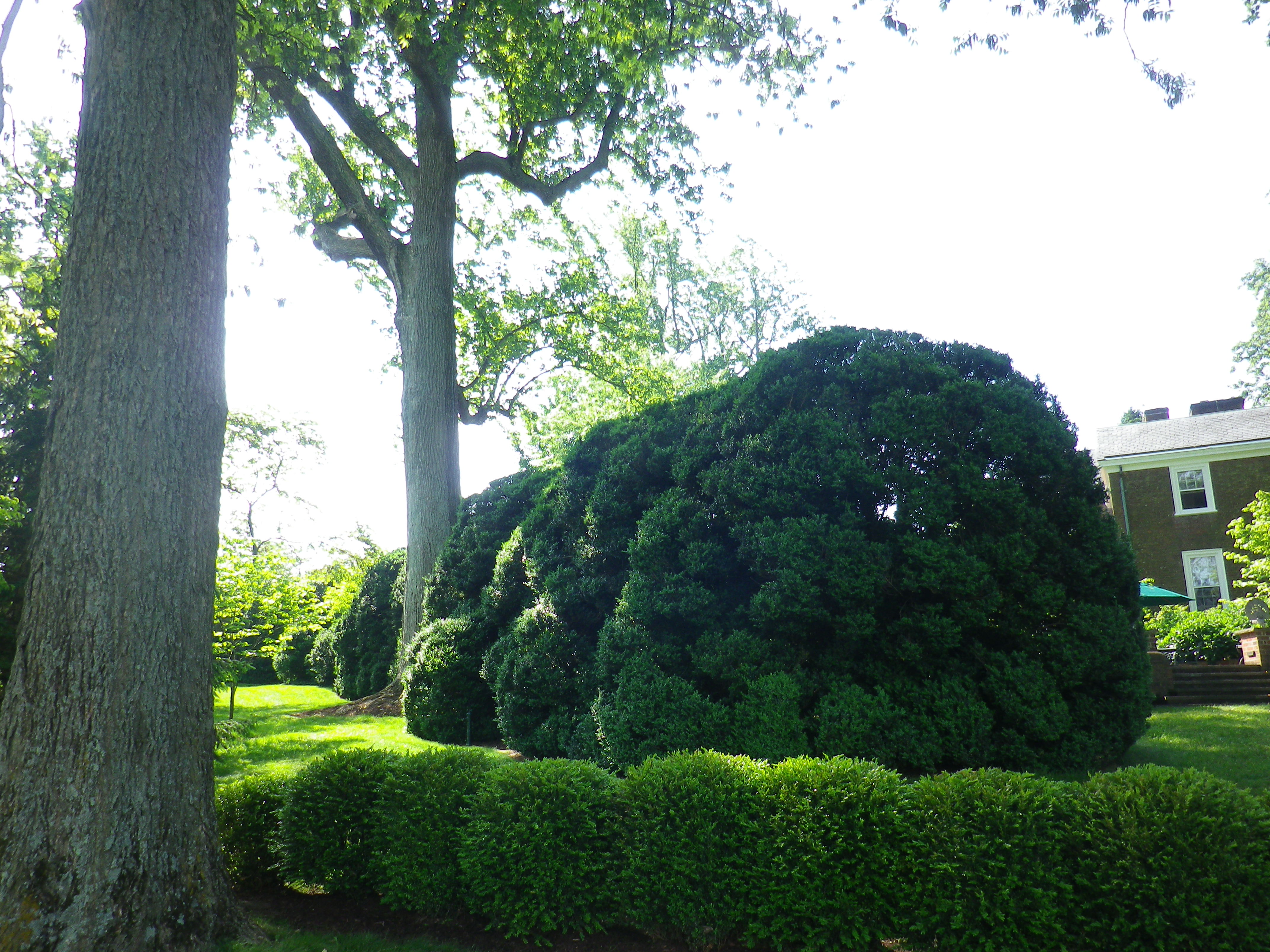
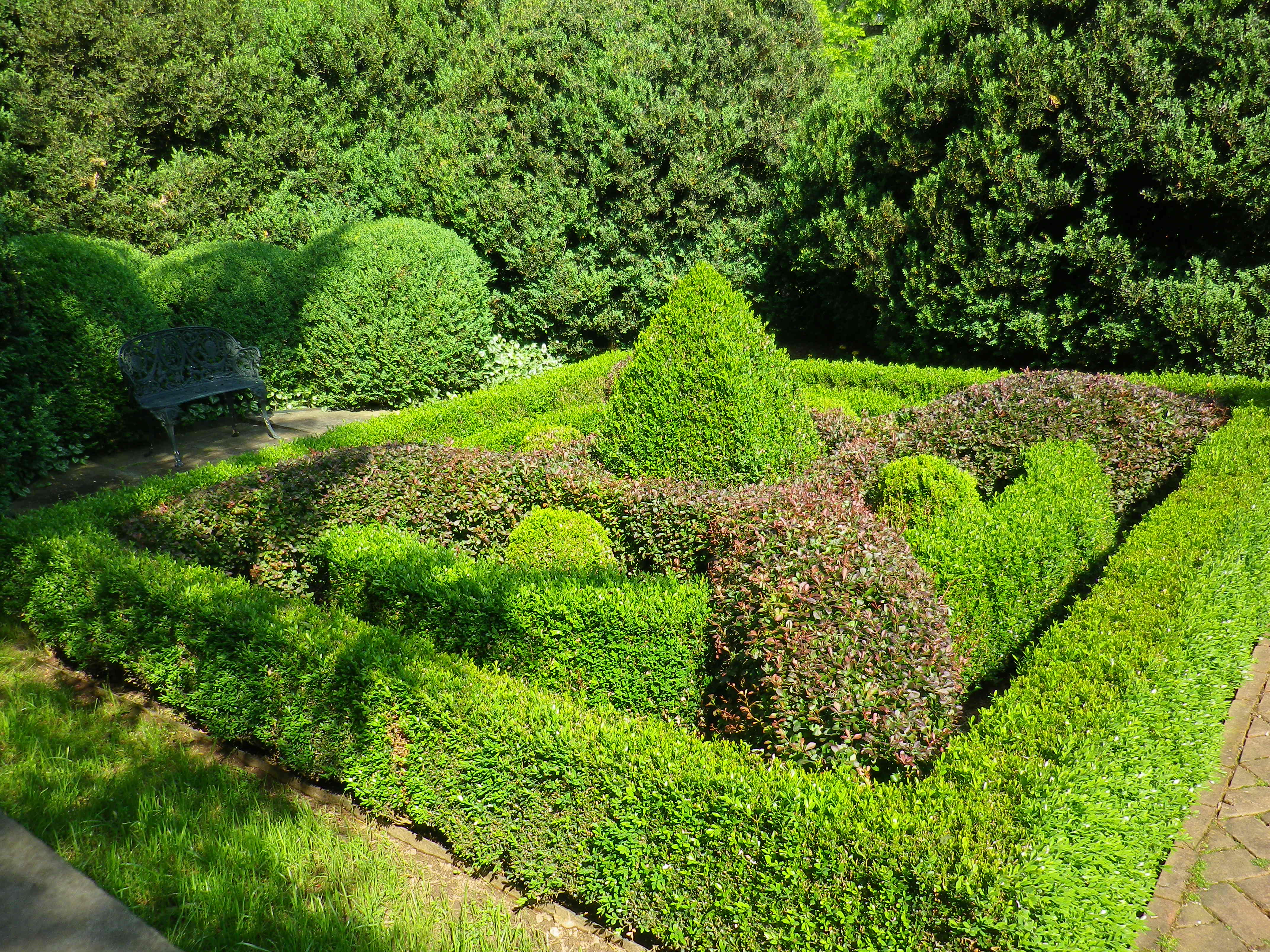
Signage directed us around the enormous, hundred-year-old boxwoods to the first garden room, a knot garden composed of boxwood and barberry (‘Crimson Pygmy’).I could no more maintain a garden like this than fly to the moon, but I can certainly admire it.

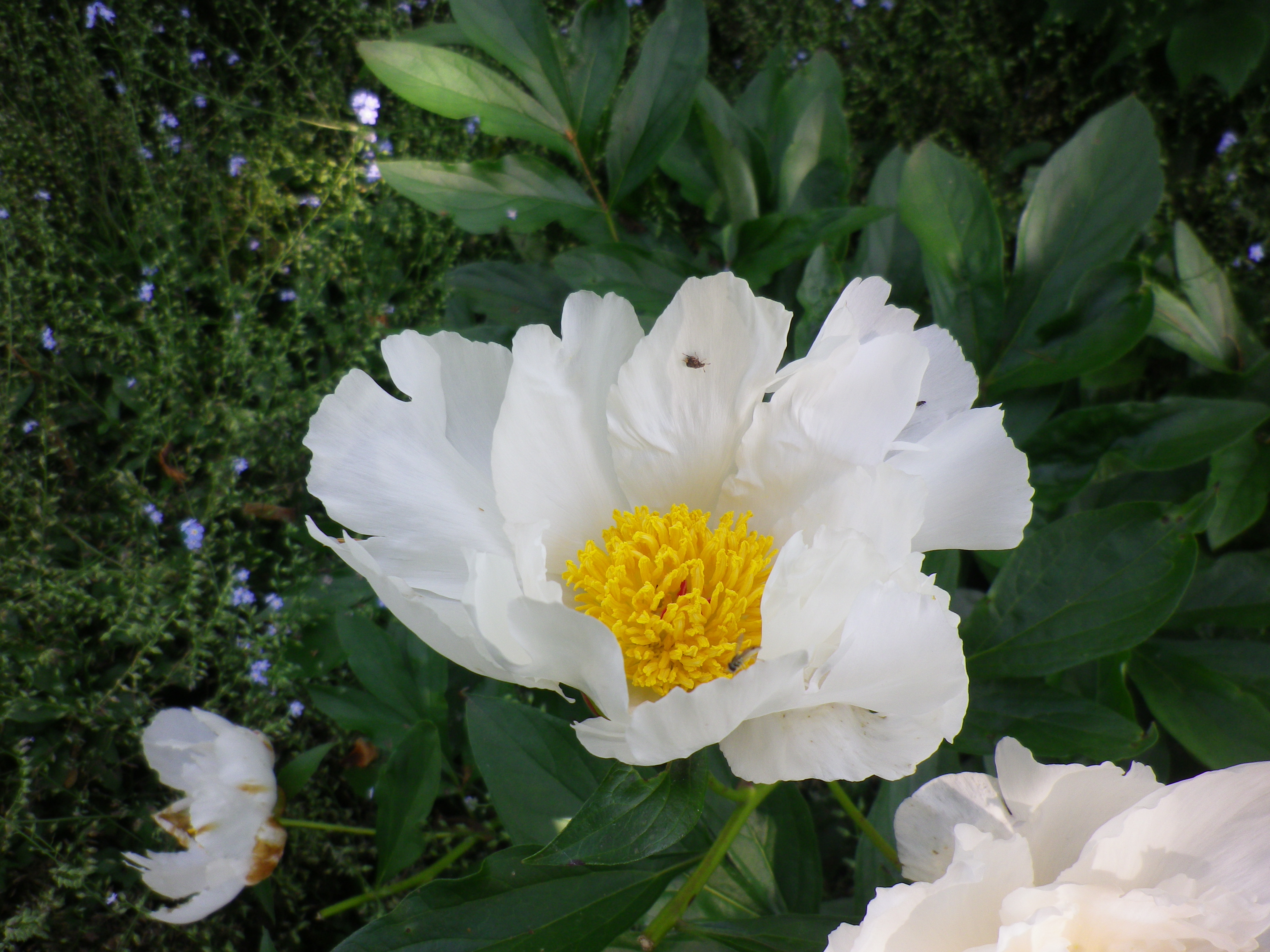
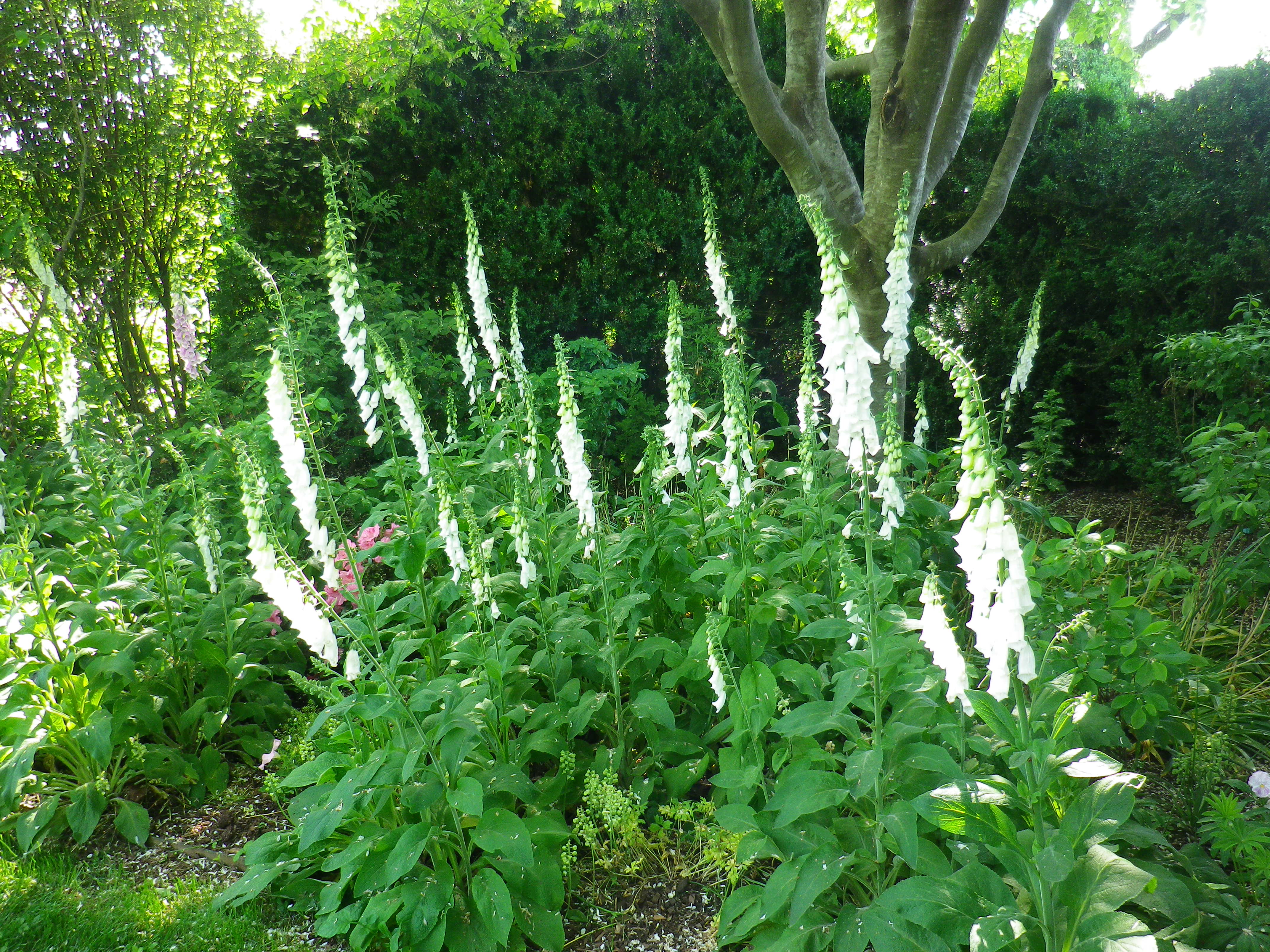
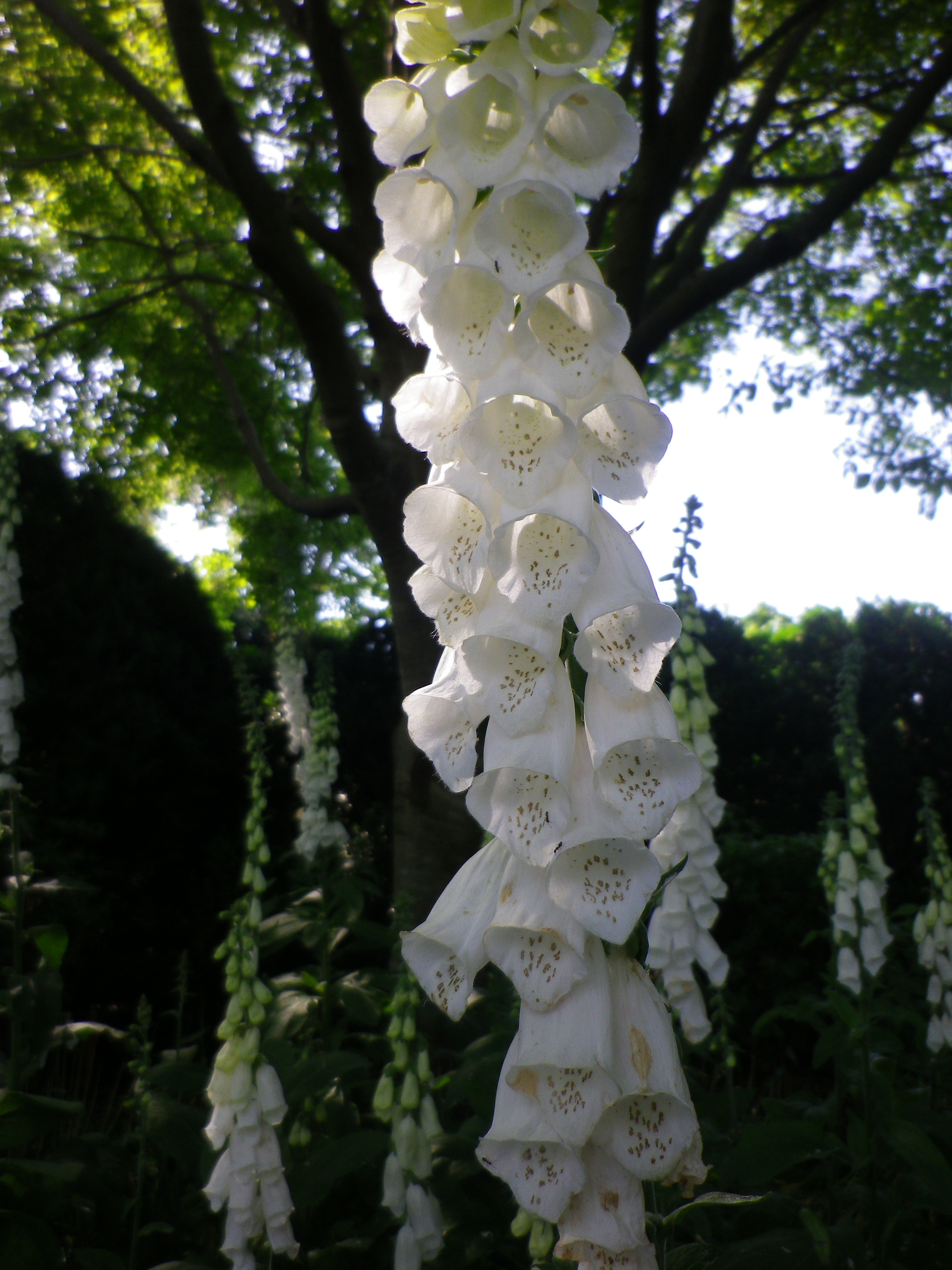
Beyond the knot garden was the spring garden, featuring gorgeous peoniesand white foxgloves.There must be a photographer’s trick to taking pictures of white flowers that don’t wash out.  Here’s a closer look at them.   Click through to see how beautiful the blossoms are.Continuing on we came to a sunny border that mixed lupines in with the foxgloves.  How does she do it in the heat and humidity of Virginia?

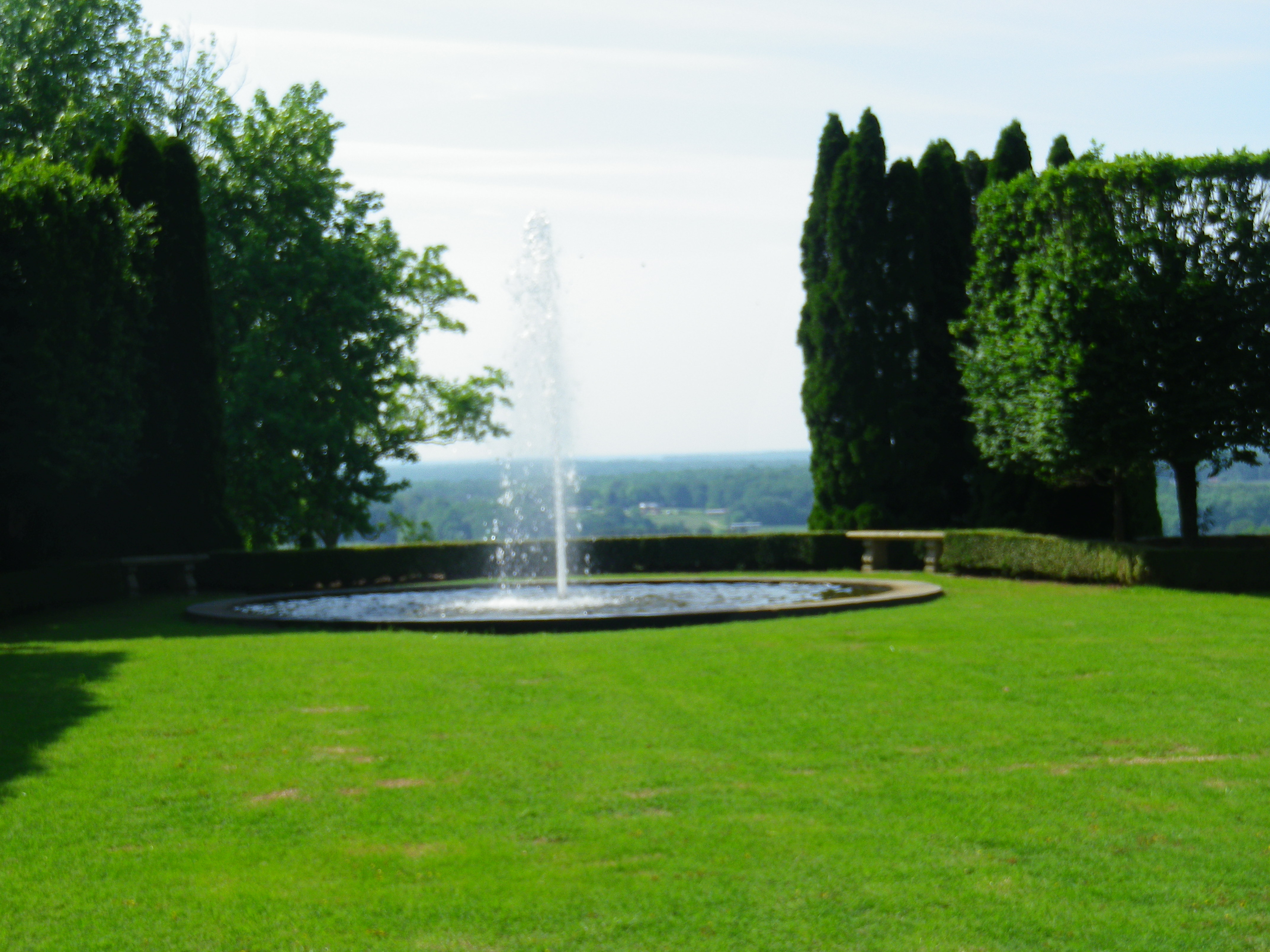
Soon we came to one of the many vistas that reminded me of English gardens – or, I guess, any formal gardens you can name.  The “borrowed landscape” here undoubtedly belongs to the owners of Mt. Sharon, and for formality and expansive views it rivals any vistas I’ve seen at English gardens like Hidcote.  Sorry for the blur, but you can appreciate the fountain and the ranks of cypresses.

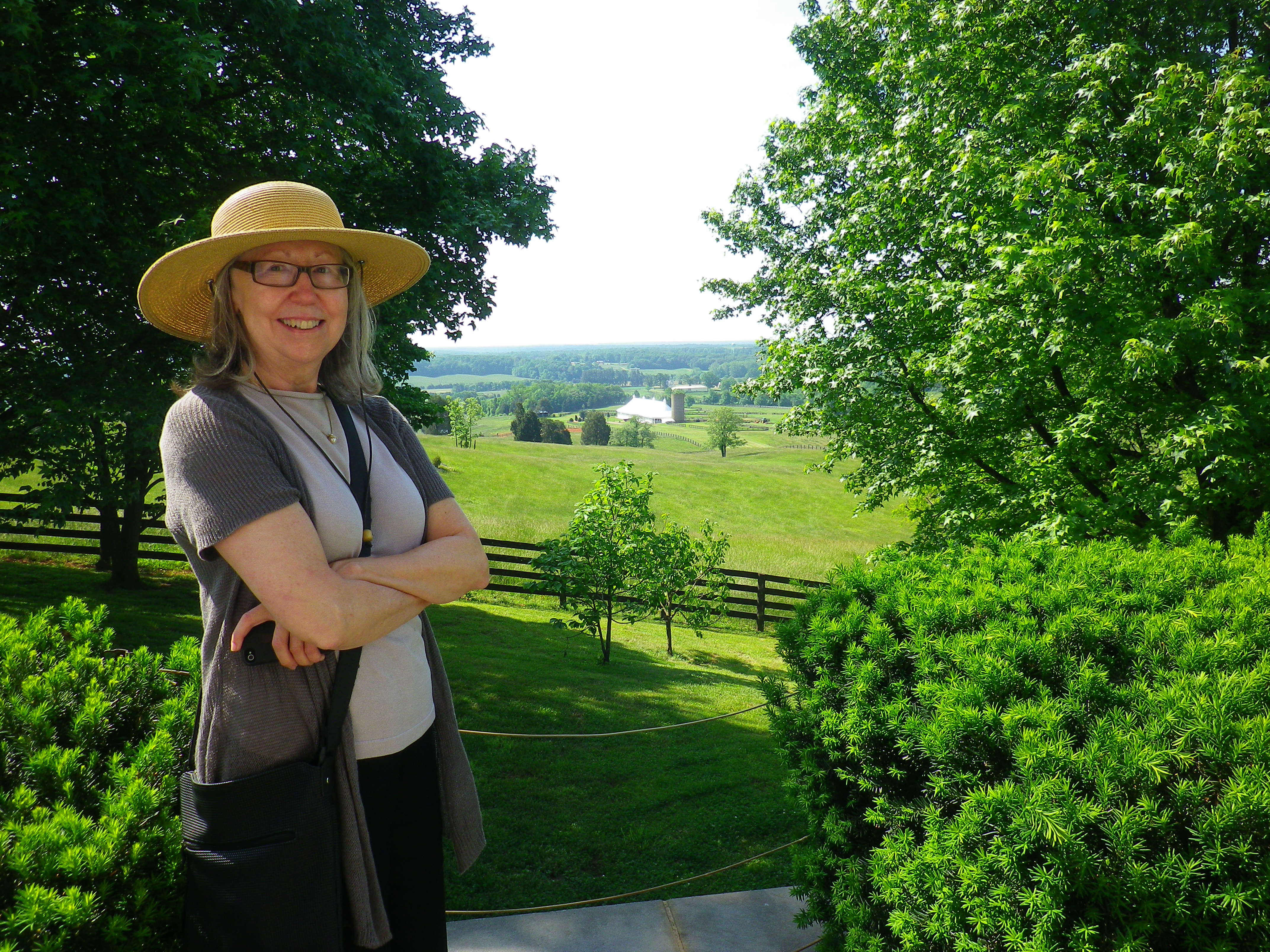
Beyond this sculpture are the rolling hills of Central Virginia.

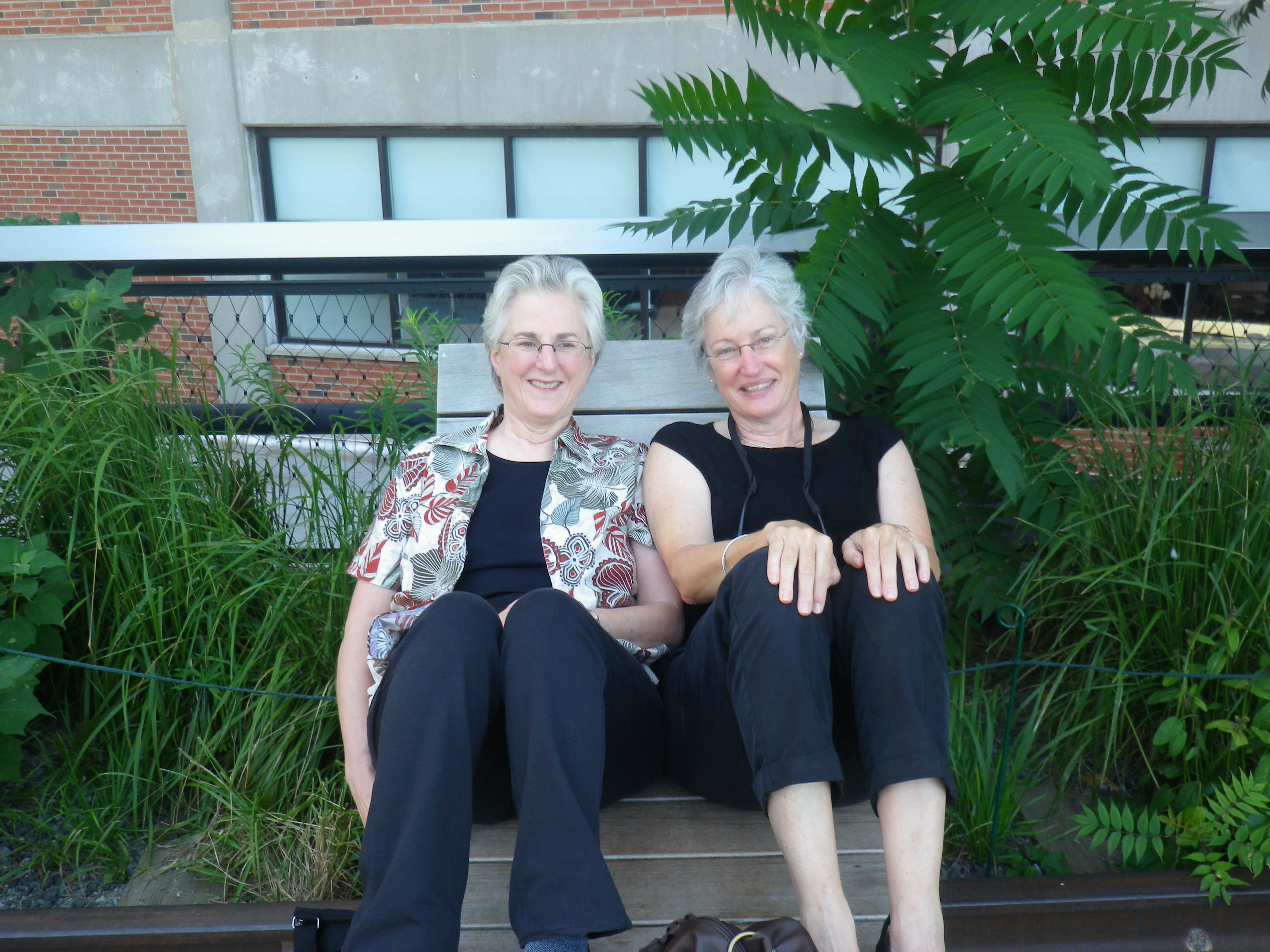
Annie looks pleased to see the vista.

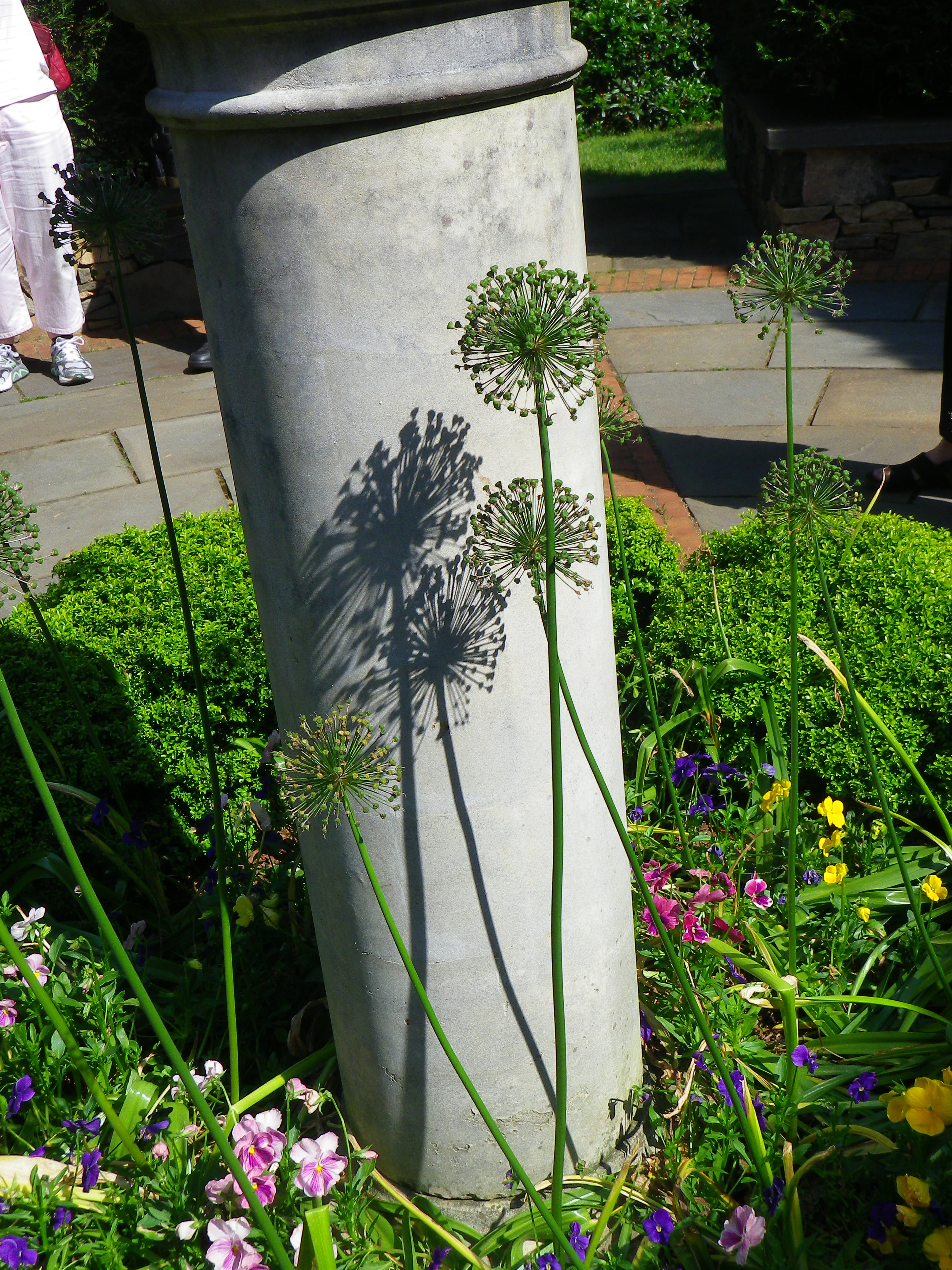
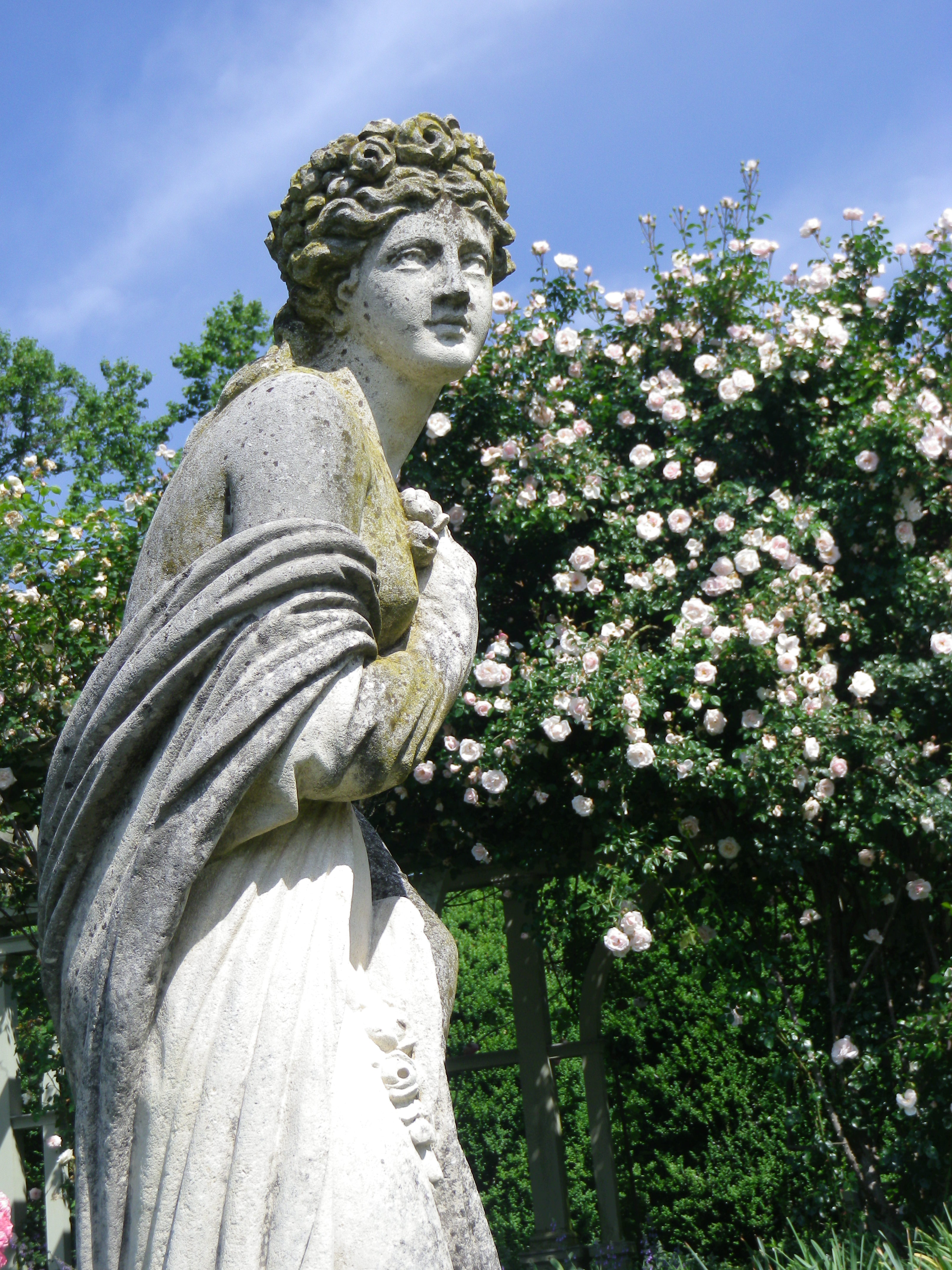
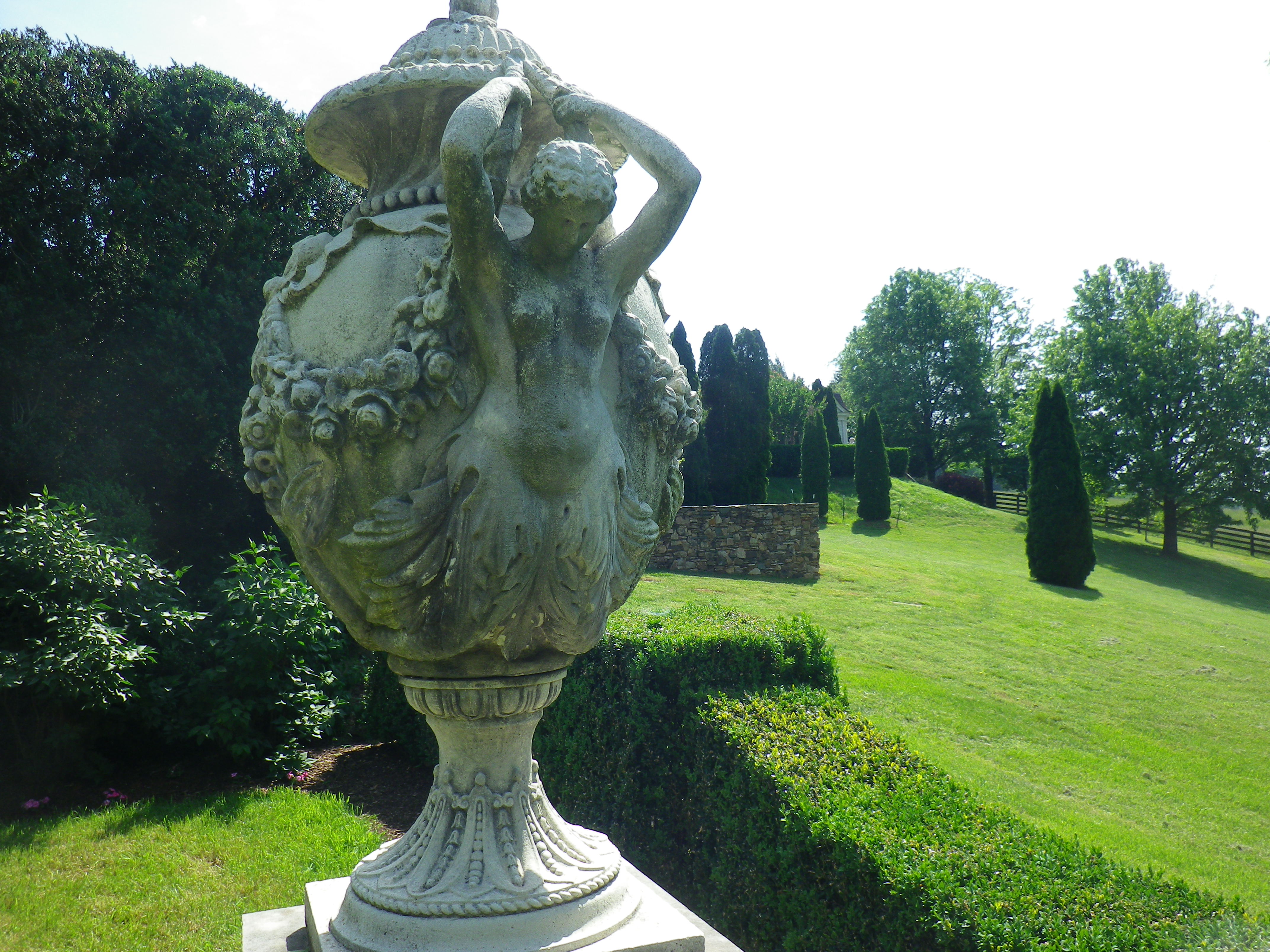
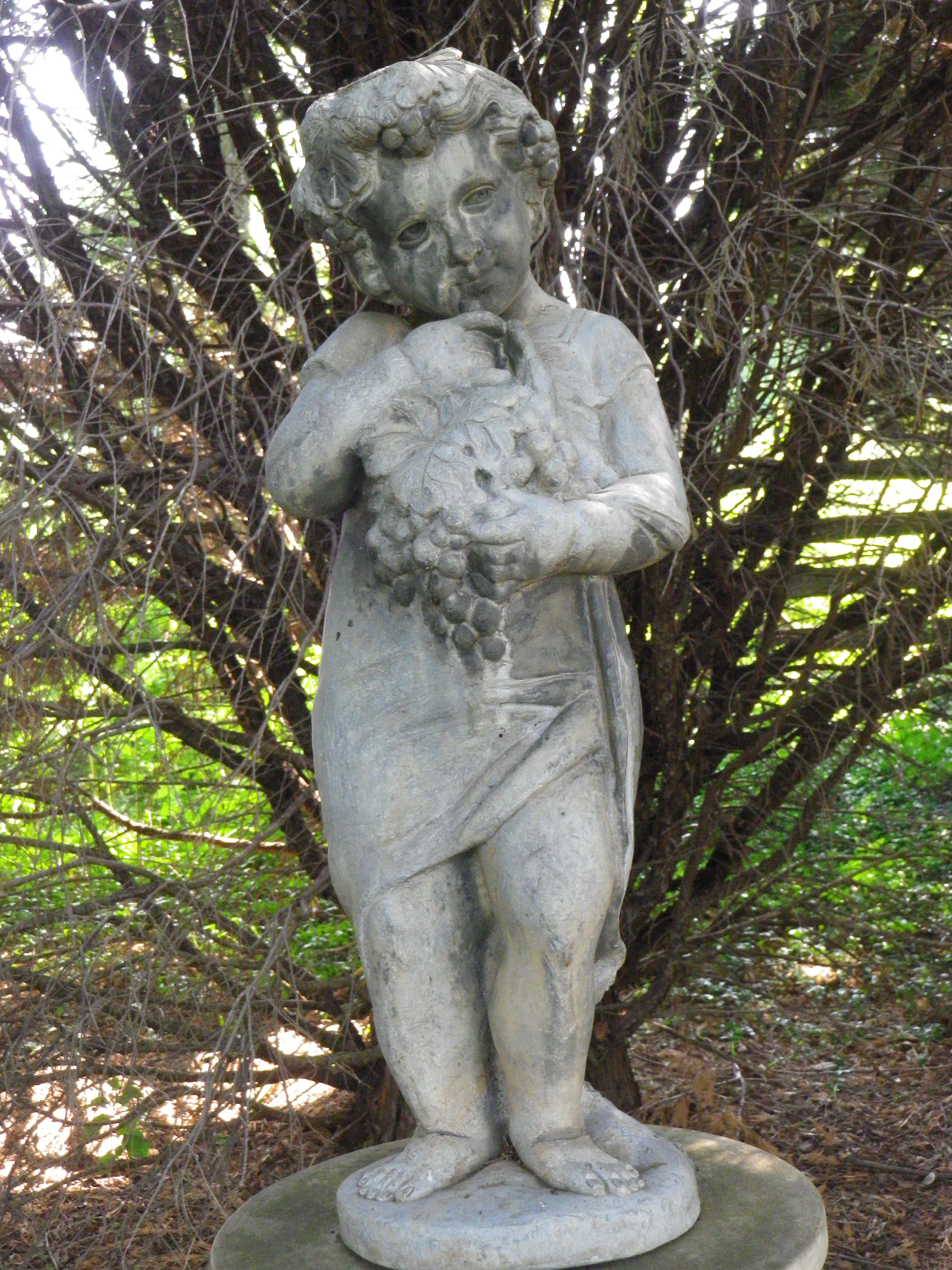
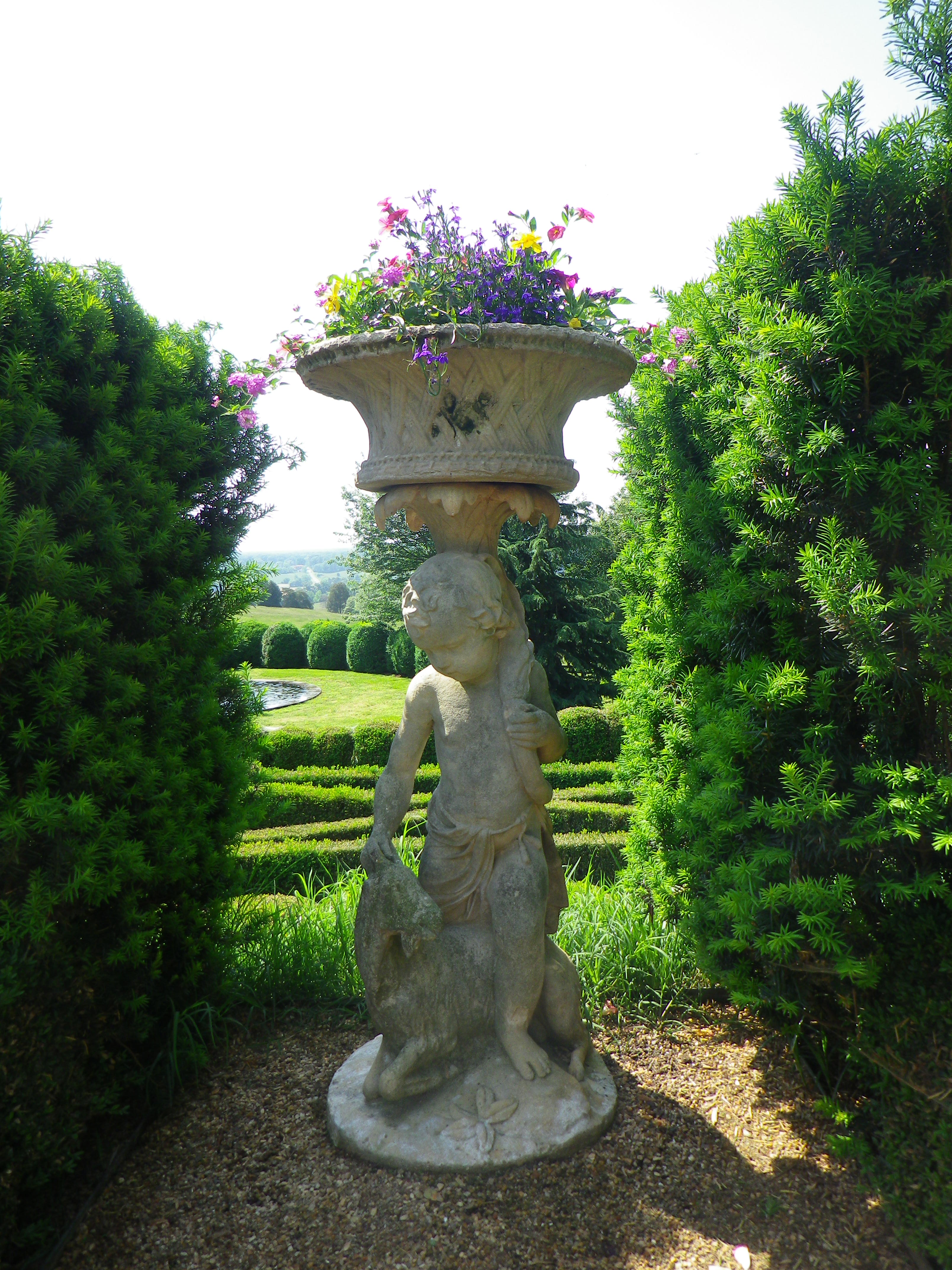
Besides the vistas, there are statues, which Higgins explains “play a vital role in setting the mood and defining spaces.”  Eros, installed in honor of the owners’ 40th anniversary, is centered in the exedra, named “after gardens where the Ancients positioned statues of their worthies for contemplation and discussion.”Here are the shadows of the alliums against the column.More perfectly placed statuary includes this beauty in front of the New Dawn roses on the pergola,and Mercury tucked into the hedge.This urn draws the eye to yet another vista, but I liked this sideways glimpse at the nearby hillside and its architectural trees.I don’t know who this grape-eater might be, but he is charming,as is this little boy carrying a basket of flowers.

Speaking of flowers, I was pleased to see many that I grow myself – baptisia, foxgloves, catmint, perovskia, hydrangeas – yet somehow, they look very different in this setting.    And the roses!  Here is one in the perennial border,

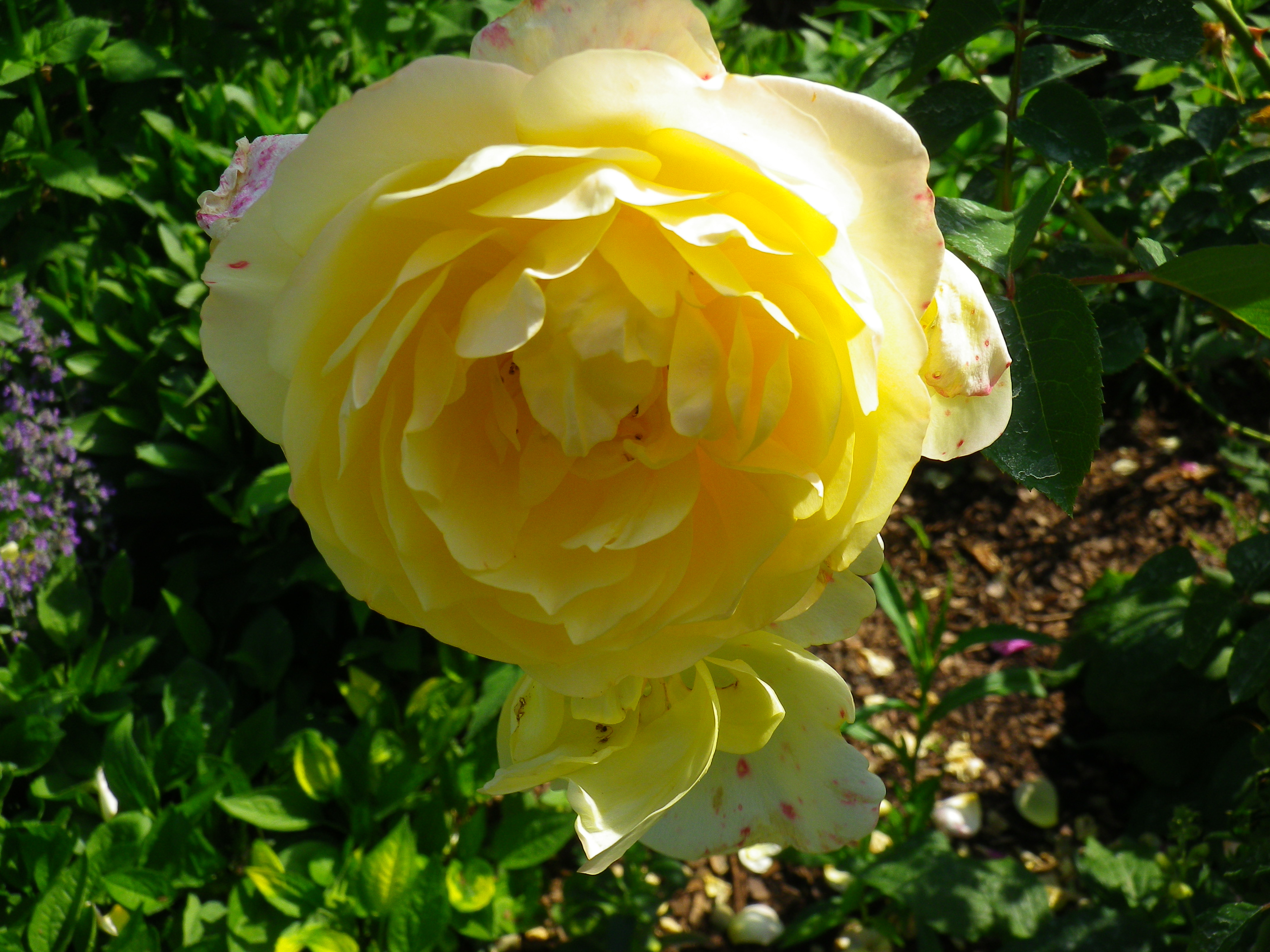
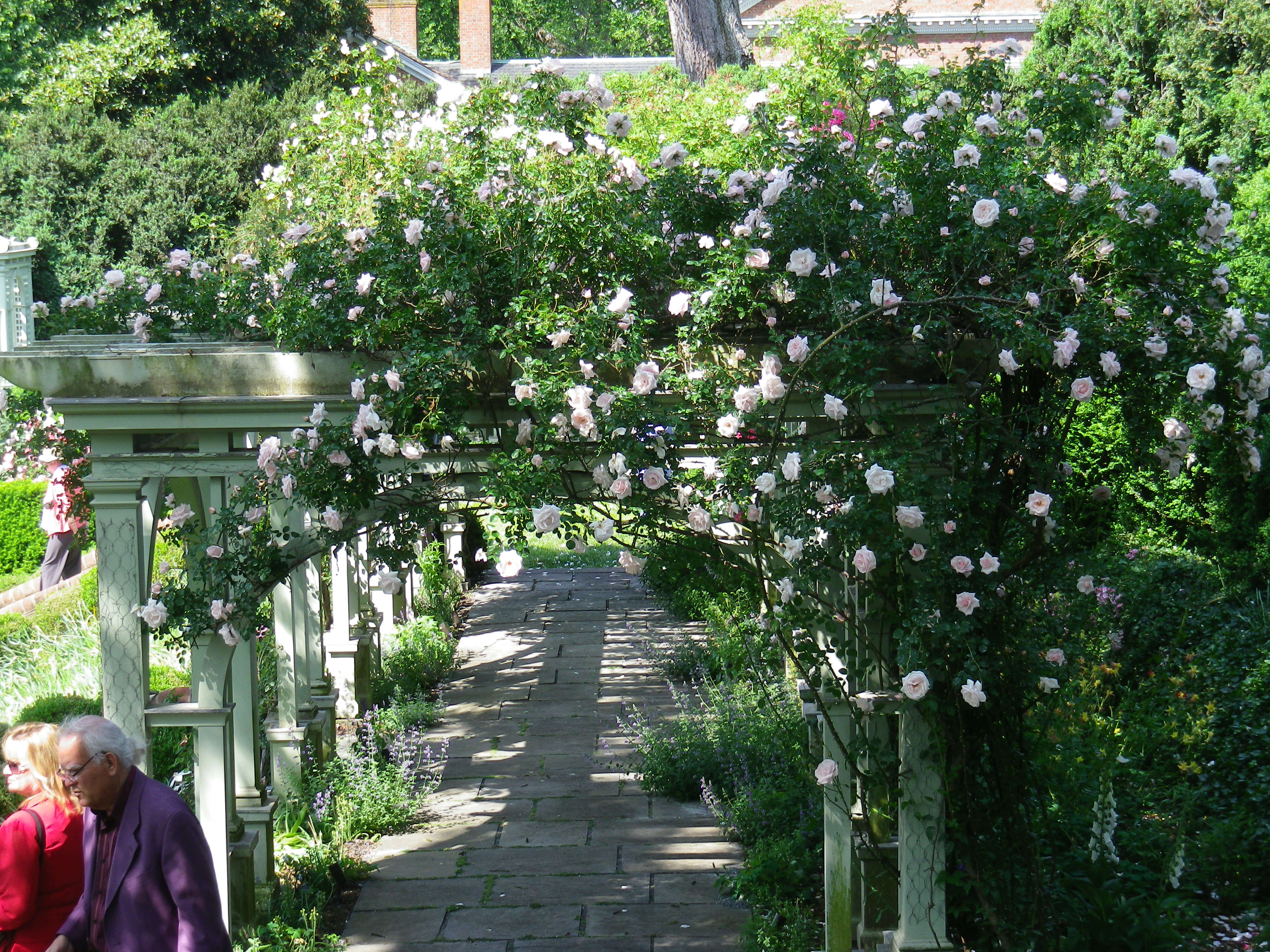
and here is ‘New Dawn’ on the pergola.  The rose gardens were amazing.  Here’s just one more picture.  You can see what a beautiful day it is!

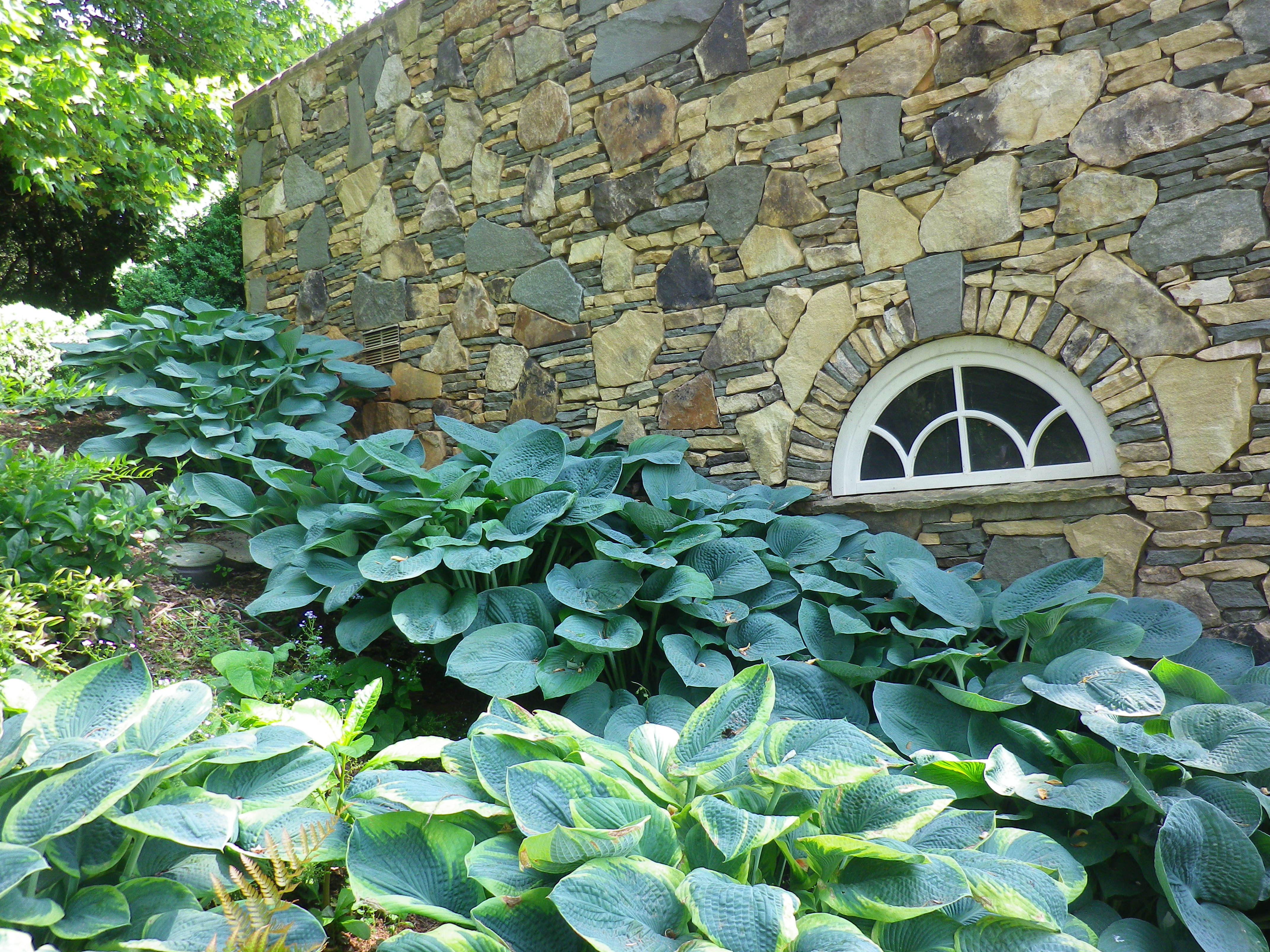
After all this color and scent, a small shade garden came as a welcome contrast.  This river of hostas not only shows off their gorgeous leaves but gives you a view of the dry stone wall construction that we saw in several places.And I haven’t even shown you the swimming pool beyond the wisteria pergola, or the hot tub nestled in the trees, or the many more garden rooms that make up the whole.

So, any tips for the home gardener?  That is, besides looking for property with views of the Blue Ridge?  Well, I’m always interested in edging.  They use this metal edging in the borders

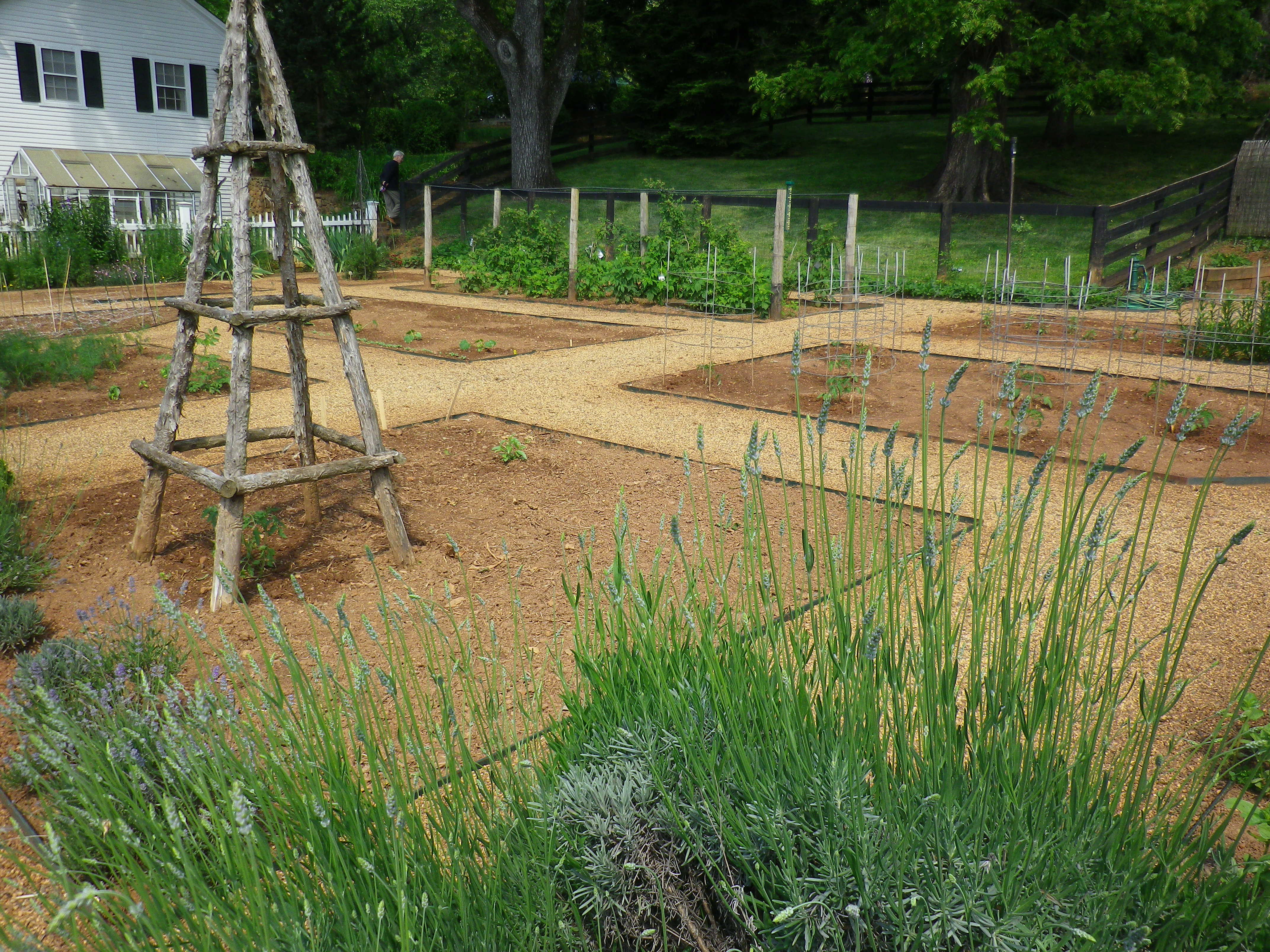
as well as in the expansive vegetable garden.  I’ve seen it in catalogs and  been intrigued.This is probably the best solution, but I seem to be committed to stone for now.

Searching for more about the garden, I discovered that their working plans are now housed at the Smithsonian, which makes me wonder if they might eventually leave the estate to a conservation trust one day.  You can find out more about how they created the garden through this link to the Garden Week tour when the garden was last opened publicly (the writing is a bit amateurish but you can discover what they tore out and built in to create what we saw today).

And though the owner is quoted as saying that maintaining this garden is full-time with no days off, it’s clear that you can’t do it without staff.  Well, if you have loads of lovely money, good taste, and a love of gardening, why not?  Their generosity allowed us to enjoy a perfect garden day.

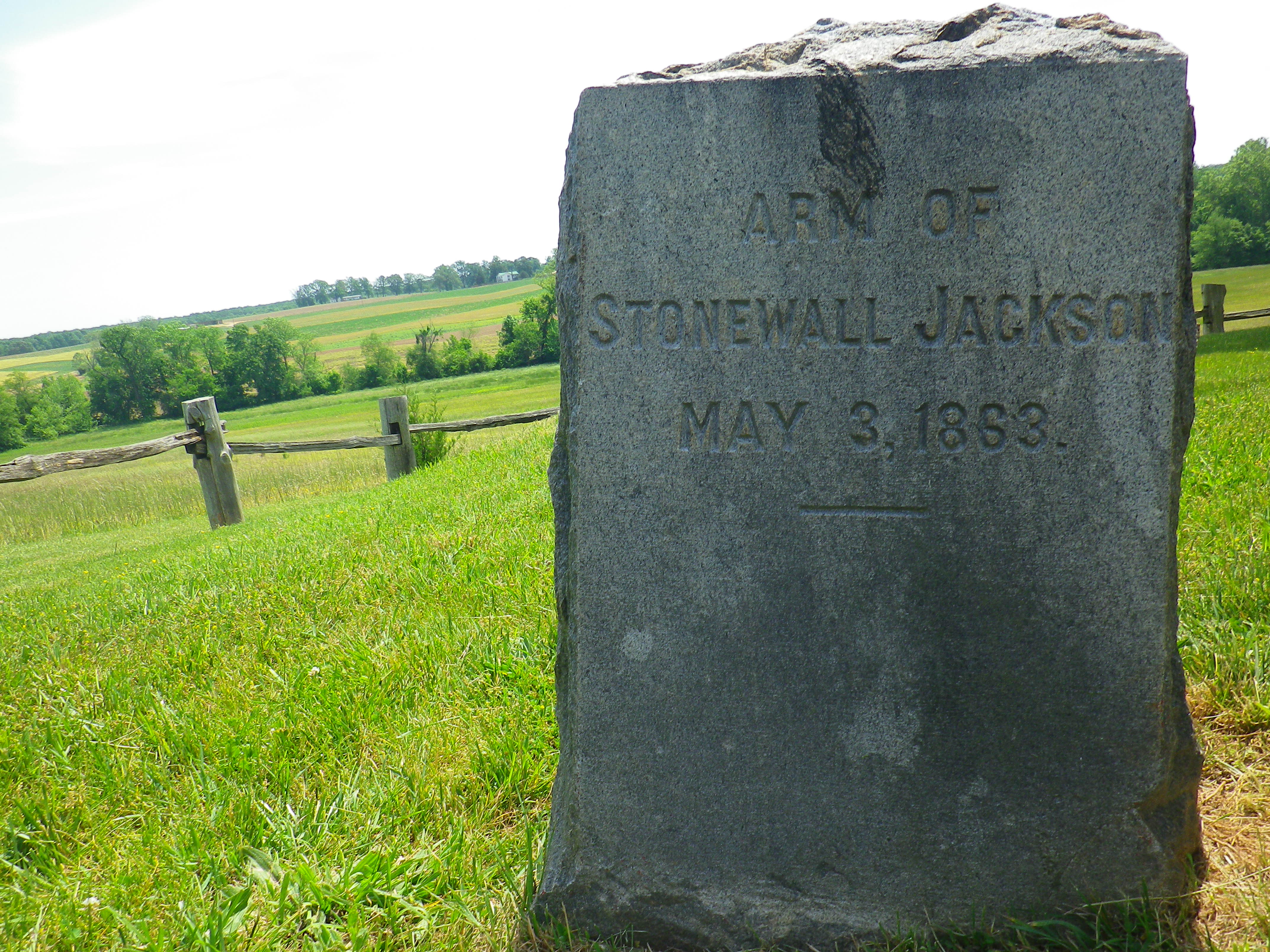
But, wait – it’s not over until the picnic and the arm!  On the way home we stopped at Ellwood, where I remembered that Stonewall Jackson’s arm was buried (to my father’s amusement).  Sure enough, we walked through the grounds to the little cemetery and there it was.  It’s the only grave that’s marked.We enjoyed our chickpea salad, crackers and cheese, oranges and chocolate just outside the fence, while a light breeze made the late spring heat bearable.  A delightful excursion!

Philadelphia Flower Show

The last time I was here, I must have been ten years old. Mom and Mrs. Heller, her best friend, would go every year and take us children with them, at least sometimes.  Resolved not to keep putting off experiences, I booked my ticket and an Amtrak trip, and here I am.

What I remember most about those long-ago visits is the overpowering smell of damp earth and flowers.  When I mentioned this to our tour guide, she told me that back then the show was in a different place, where you took an escalator down to the main floor, inhaling the scent of banks of blooming hyacinths as you descended.  That must have been it.  This show didn’t have the same scents, but it certainly had the flowers.

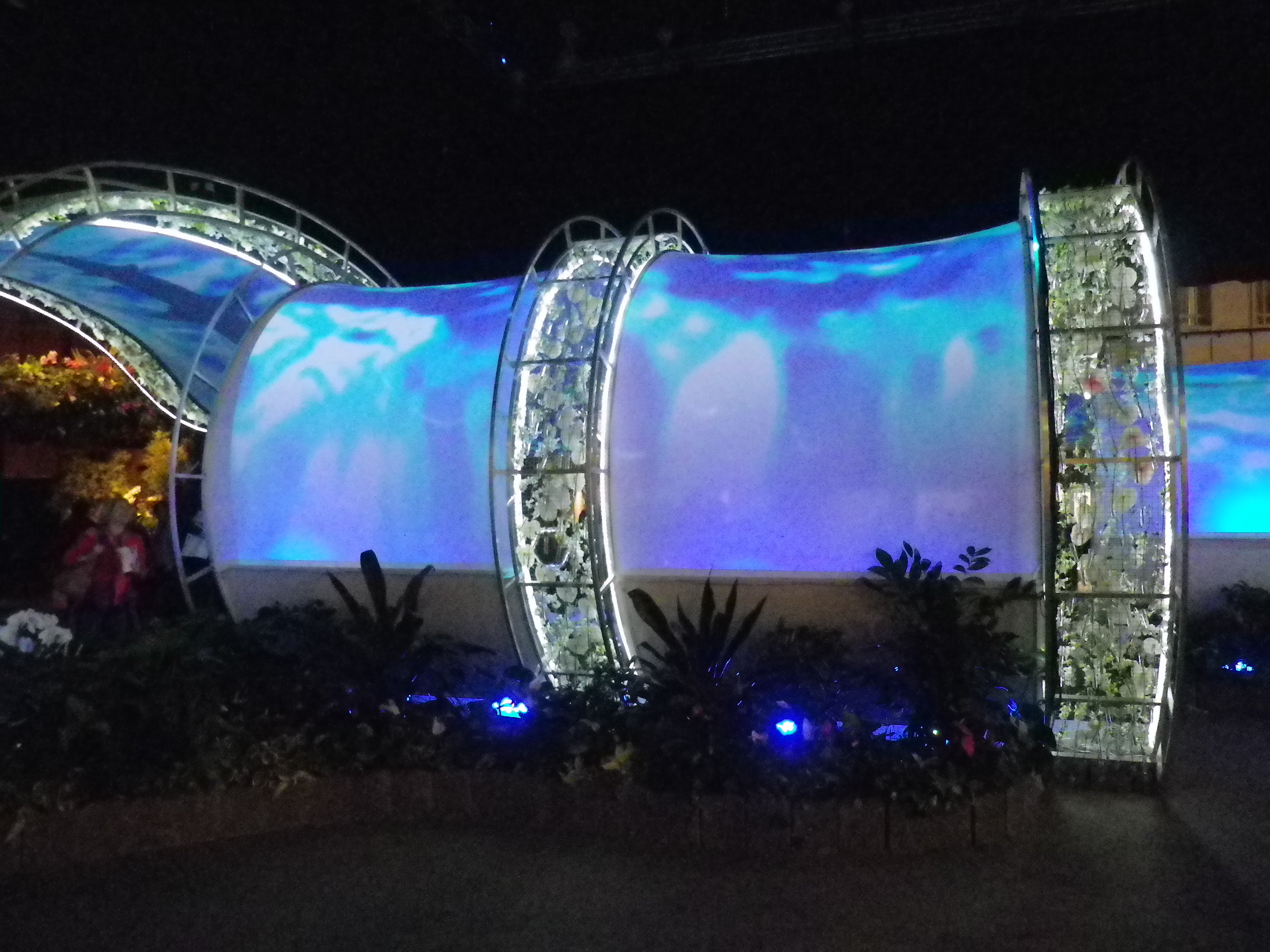
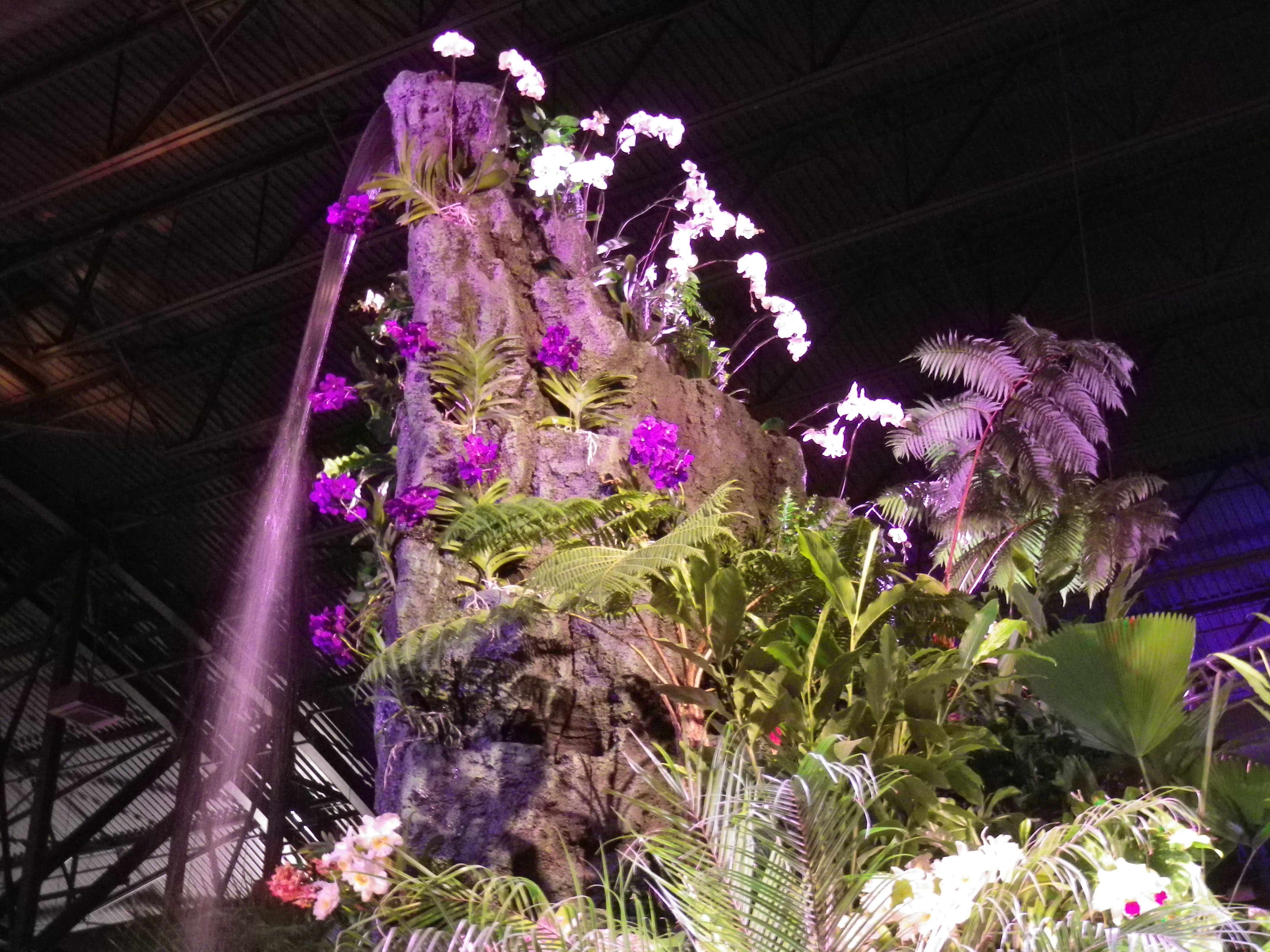
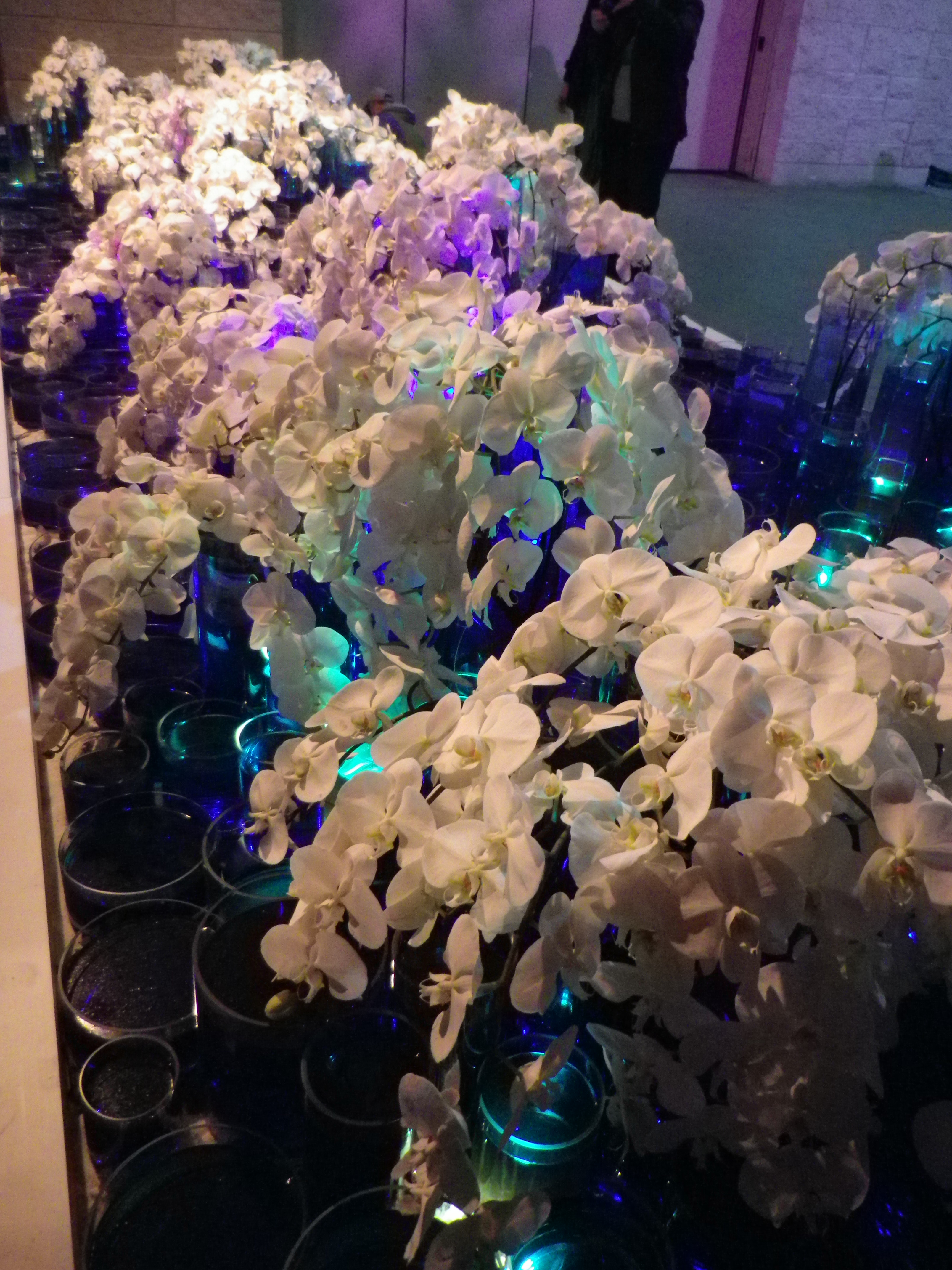
The theme was Hawaii, about as far from Philadelphia as you can get. You enter through a wavy canopy ringed with white orchids and other tropical flowers, with computer-generated images of waves swooping and swirling around to make you feel as though you’re underwater.  entrance to the Flower ShowNext up is a thirty-foot high waterfall ringed with tropicals, mostly orchids, and illuminated with lights in every vivid tropical color you can imagine.  Adjacent is a huge screen with Hawaiian images projected on it, and a stage in front of it where hula dancers appear several times each day.  There’s an arbor with Hawaiian flowers threaded through it, and an elegant display of white orchids illuminated by blue lights at either end.

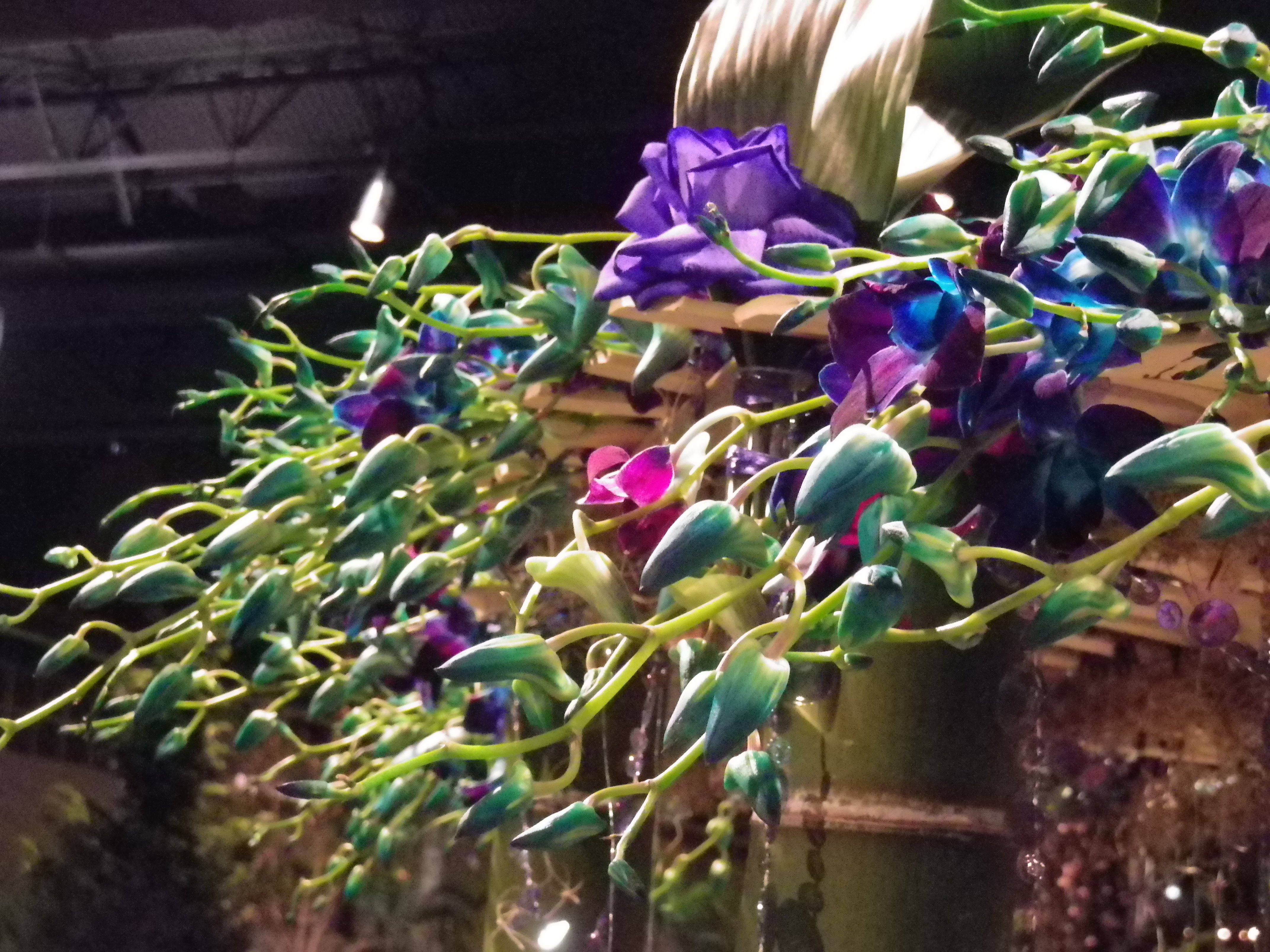
The most over-the-top display must have been this one, a three-part display that involved bamboo, sparkling lights, dangling sparkling things, and dyed flowers.  YES!  We happened to run into the designer during our behind the scenes
tour, and he told us there is a new technique for dying that mimics what you can do with hydrangeas: adding chemicals to the soil rather than actually dying the flowers.  Here’s the result with some orchids:  definitely wild but more subtly colored than you might expect.  Not to my taste, but worthy of admiration.
Anthuriums were everywhere.  Mom and I always agreed that they weren’t quite nice, not to say icky, but when you see them used right they can actually be attractive.  Or, at least, interesting.  I’m still not convinced.  The greenish ones are less intrusive than the more common red ones.
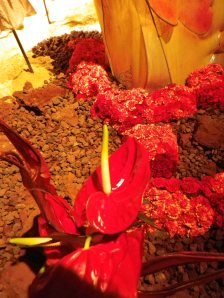
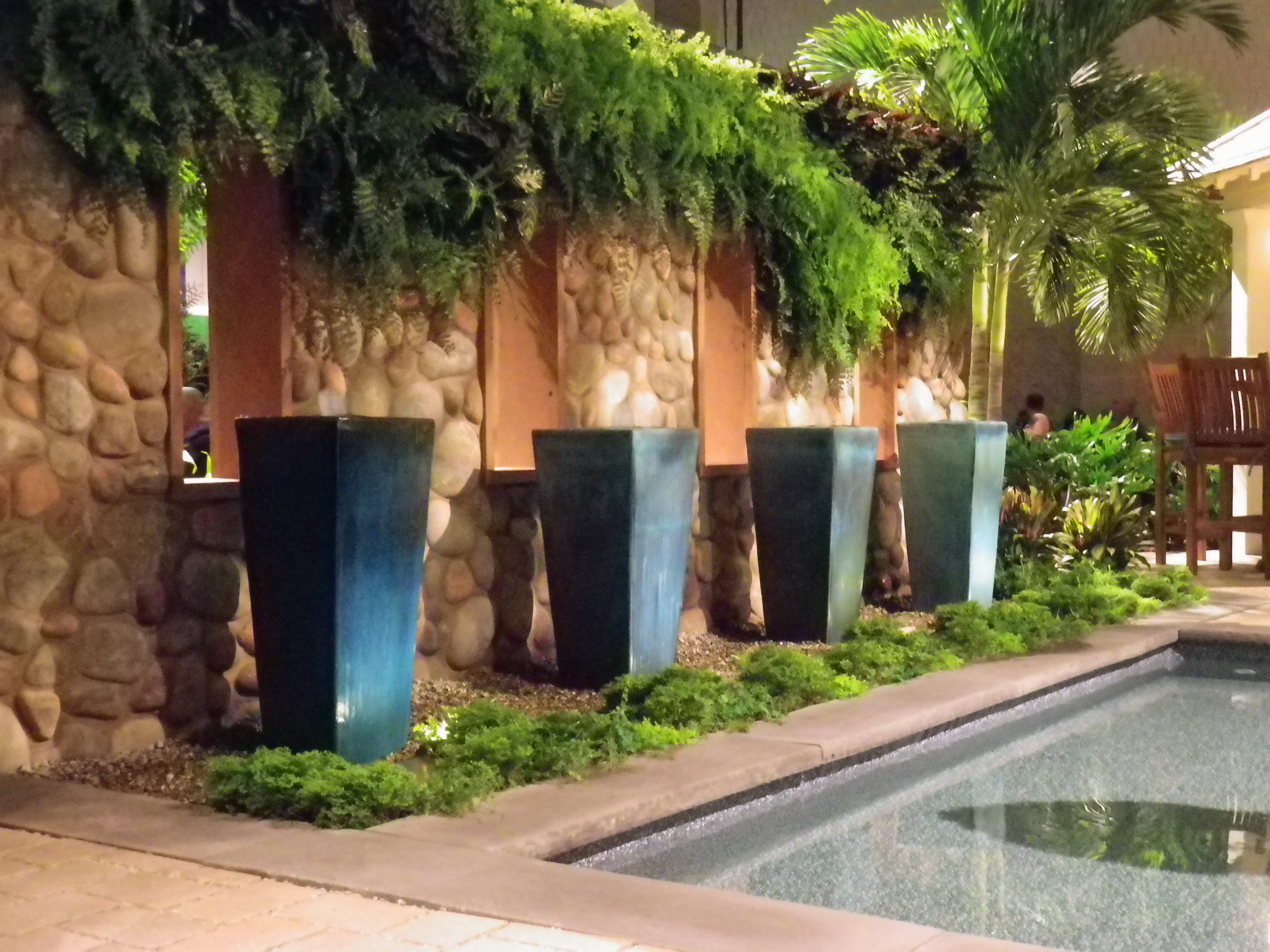
This poolside garden exhibit appealed mightily to me.  Unfortunately, I don’t think I’m the kind of gardener who could sustain the gorgeous simplicity of this row of geometric pot fountains.  But I can certainly admire it from afar.
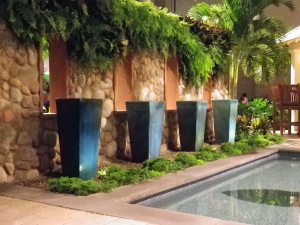
The simple pool was enhanced by the reflection of an enormous tropical leaf from the plantings nearby.

The plant collector in me noted the following interesting possibilities.

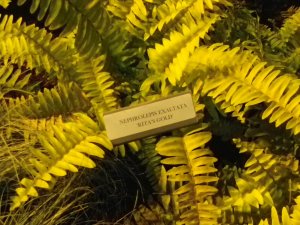
Nephrolepsis Exaltata ‘Rita’s Gold’ looks like a golden fern and turns out to be the plain old Boston fern, only gold.
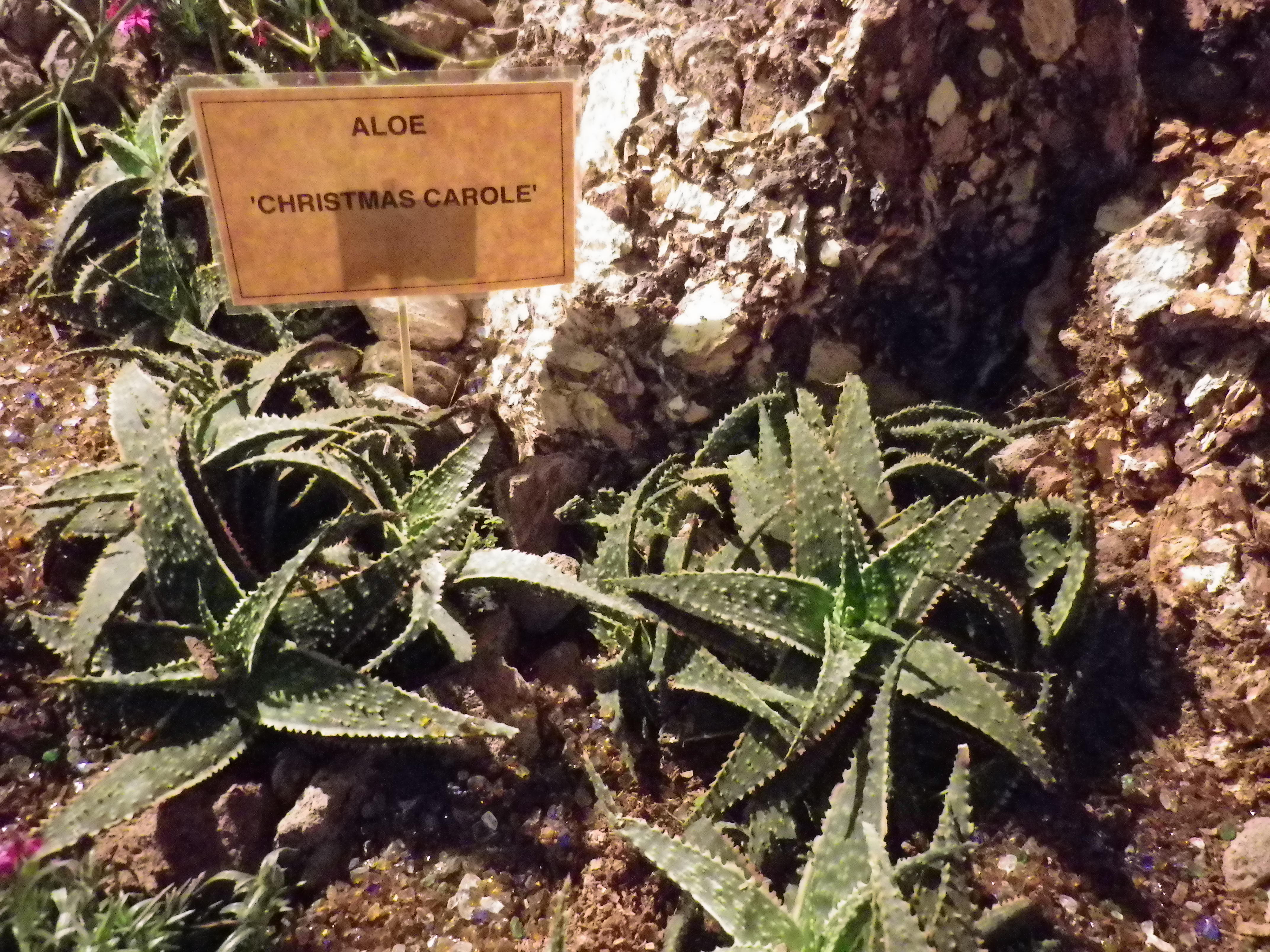
Aloe ‘Christmas Carol’ is so pretty that I bought one!

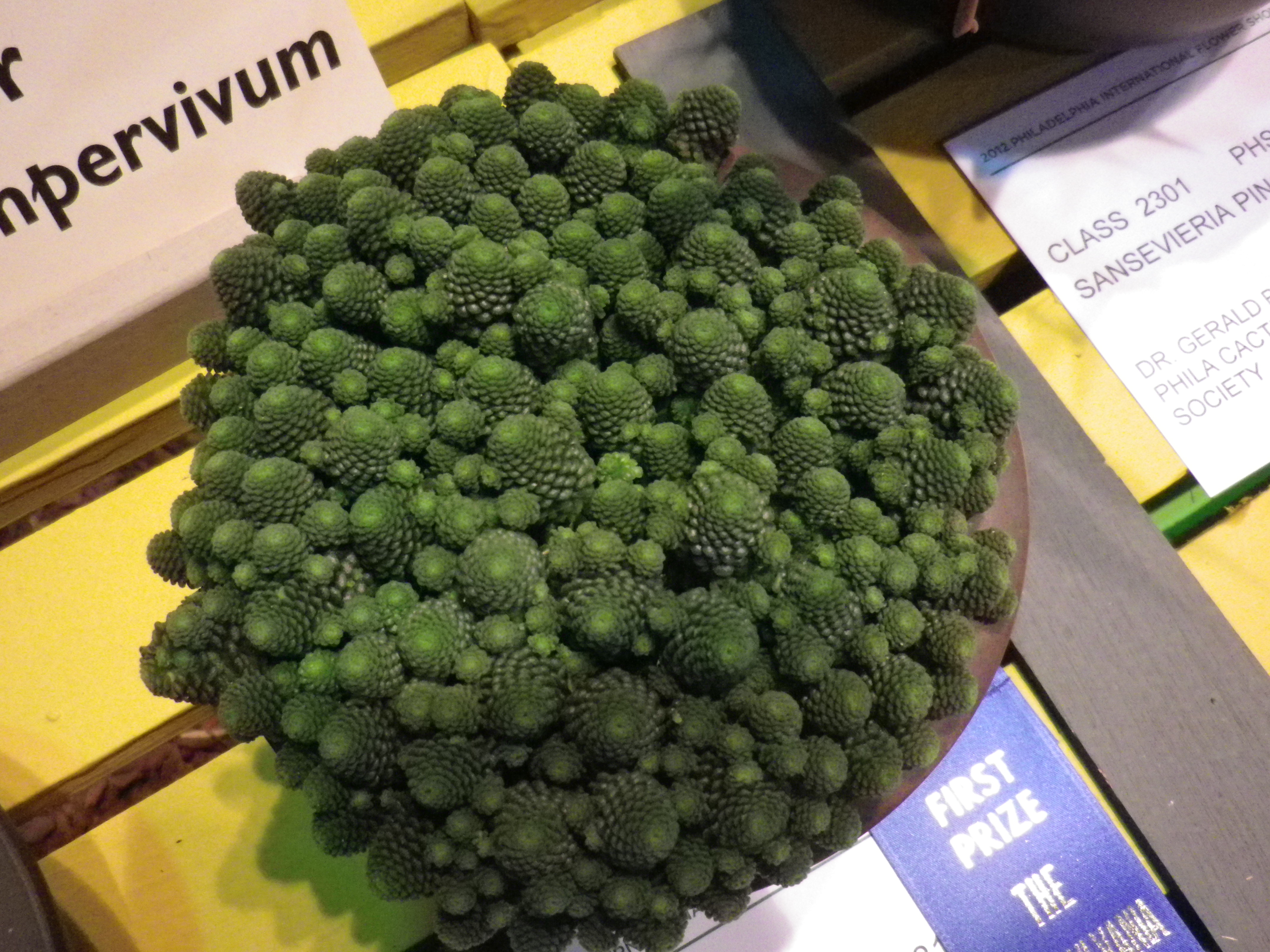
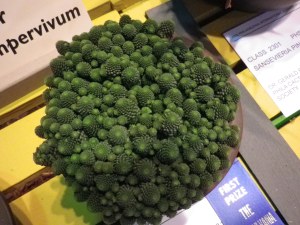
Monanthes polyphylla had a fascinating texture.
Lavandula stoechas had interesting flowers.
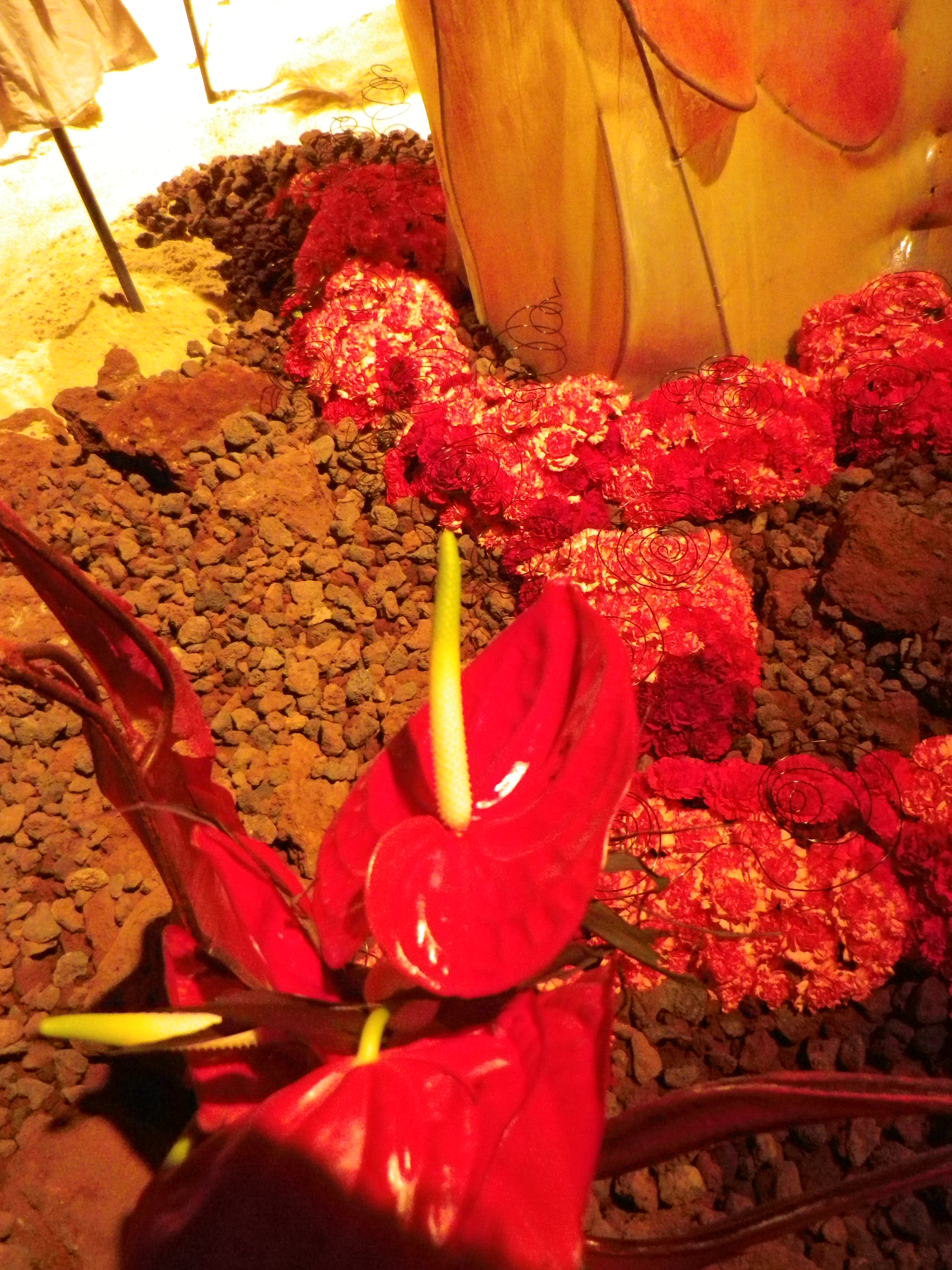
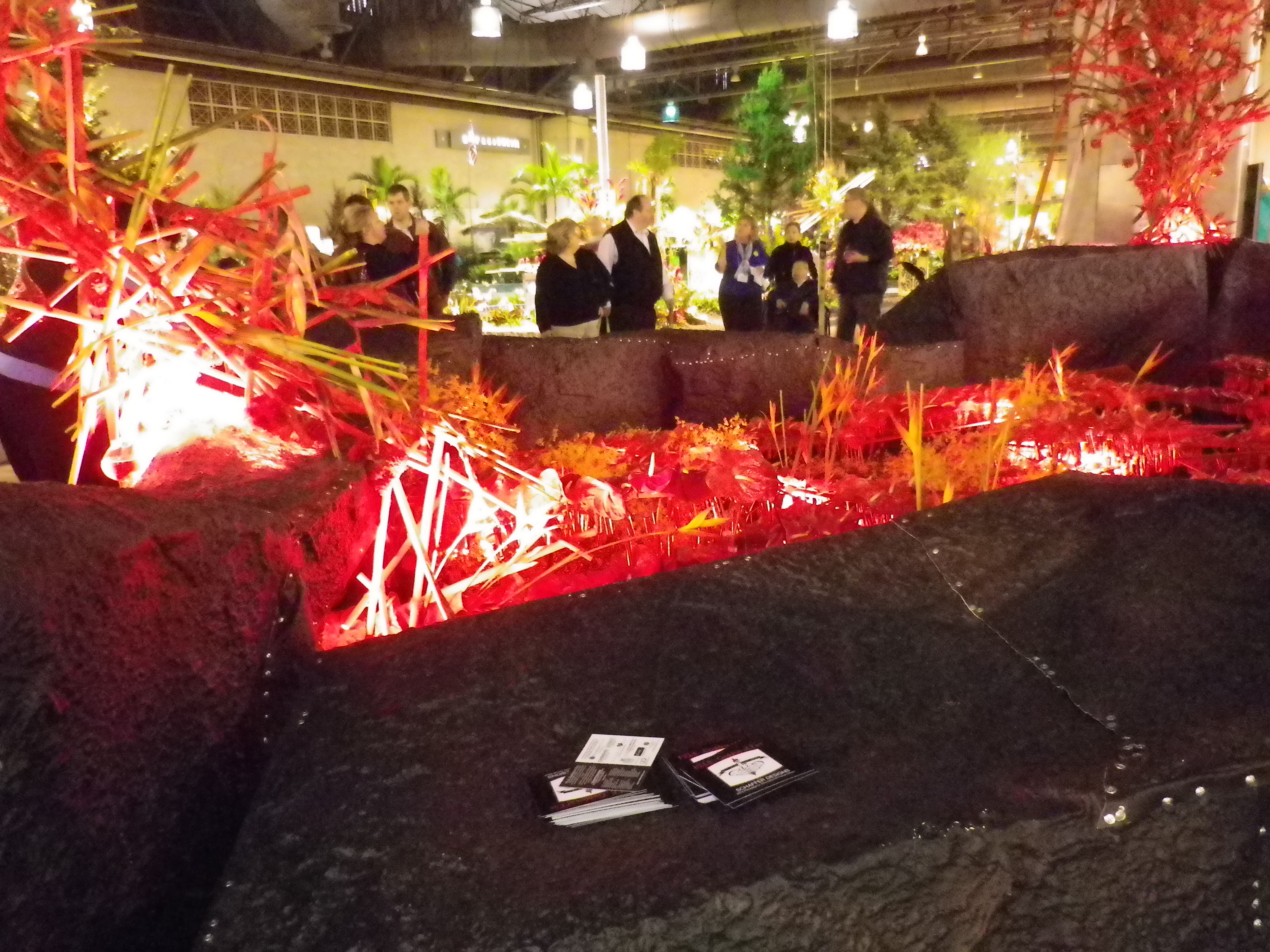
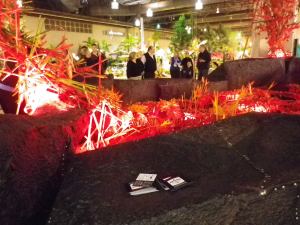
If you are visiting Hawaii, you have to expect volcanoes.  Here’s a response by designers that included “lava rocks,” “fire,” and “smoke.”  All done with mirrors of course, that is, with lighting and plenty of red flowers.  One of the designers is English and has exhibited at Chelsea.  I wonder if she’s ever done something like this in England!  This exhibit won best of show.
After all this abundance and color, it’s refreshing to see the Garden of the Gods, emphasizing succulents, cactus, and other native plants that display a muted palate and thrive on little water. This installation was very effective, and who
would ever have guessed that the lava rocks were really made of Styrofoam?

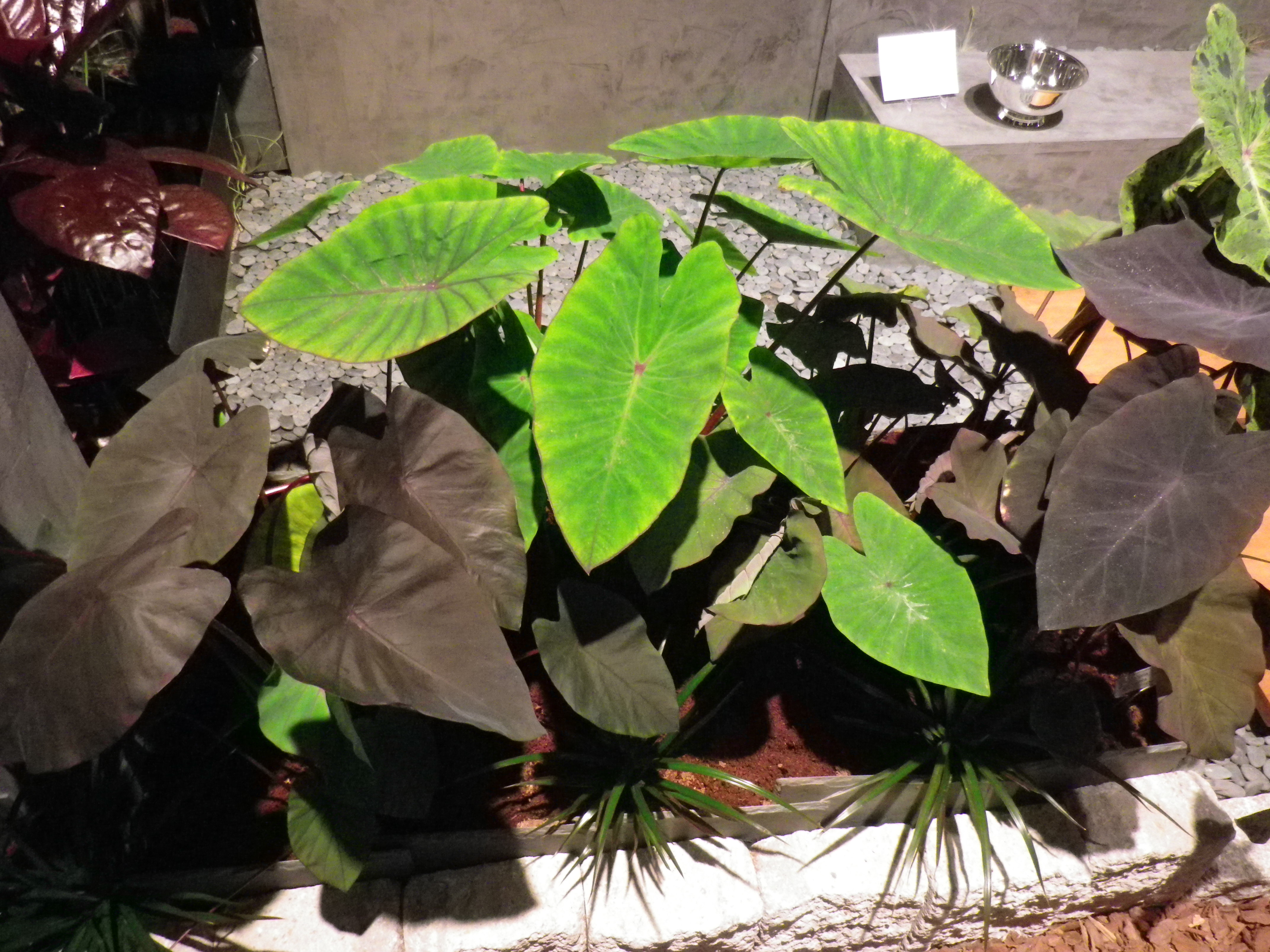
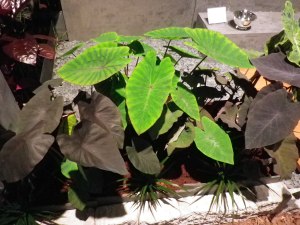
Once you’re over the dazzling colors of the tropicals, you start to notice the beautiful array of leaf colors and textures. Here is a simple but effective display of colocasias.
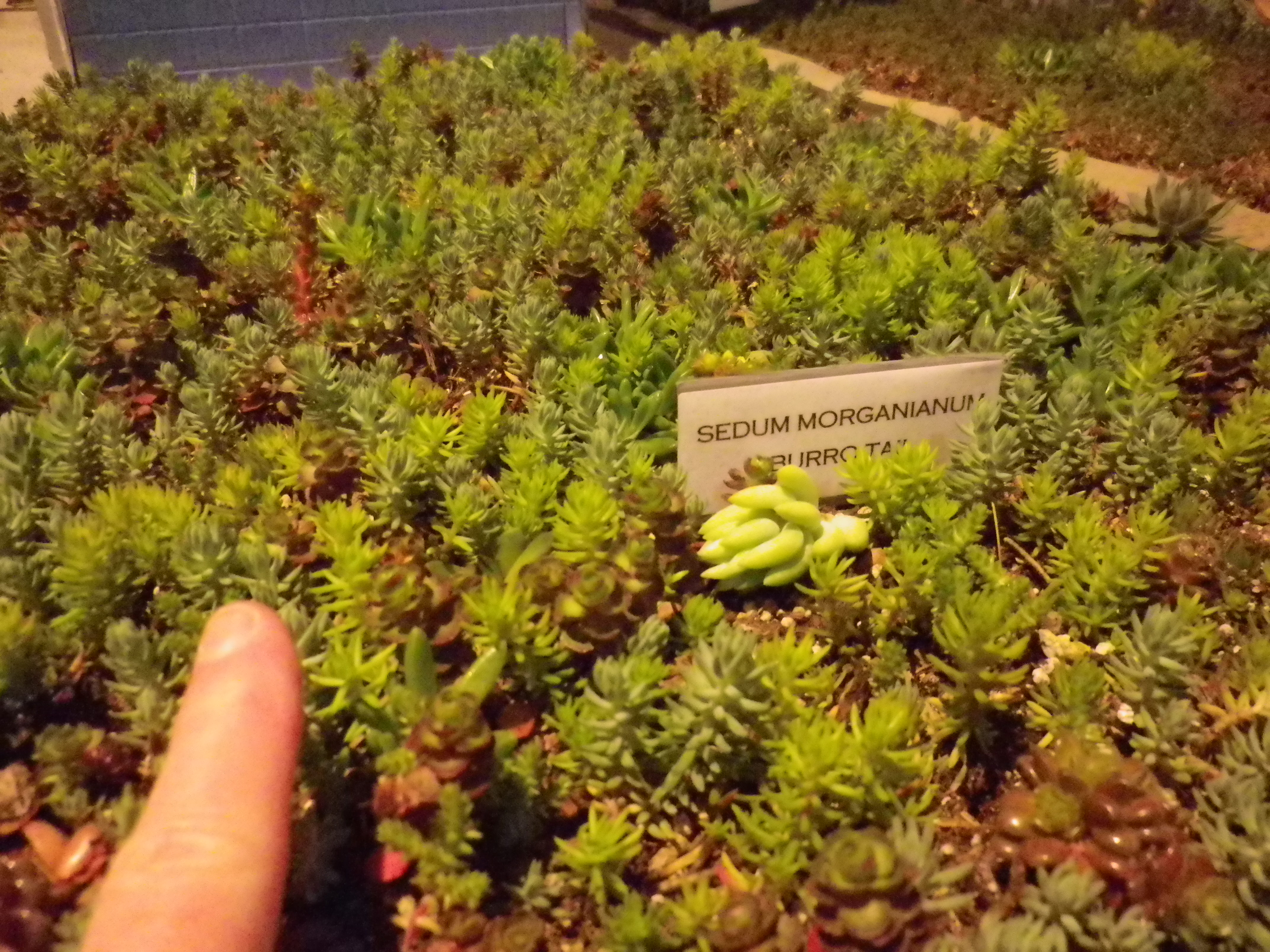
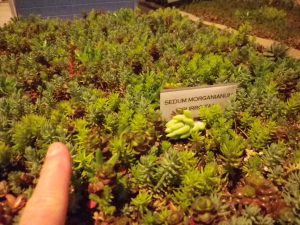
Someone civic – I forgot who – installed a miniature cityscape showing the benefits of plantings in an urban setting, including roof plantings.  Sedums made up the bulk of these plantings, and they were adorable.
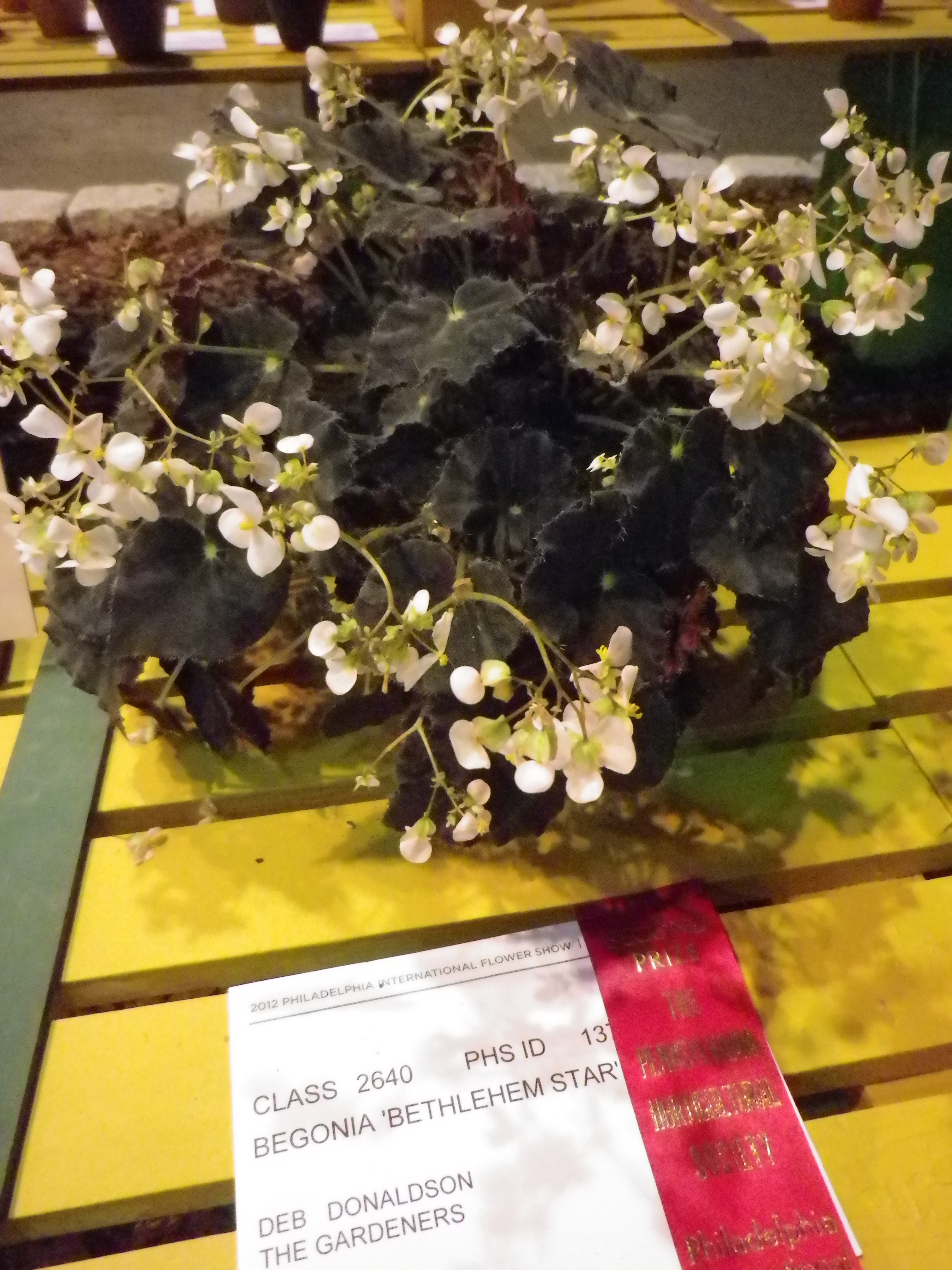
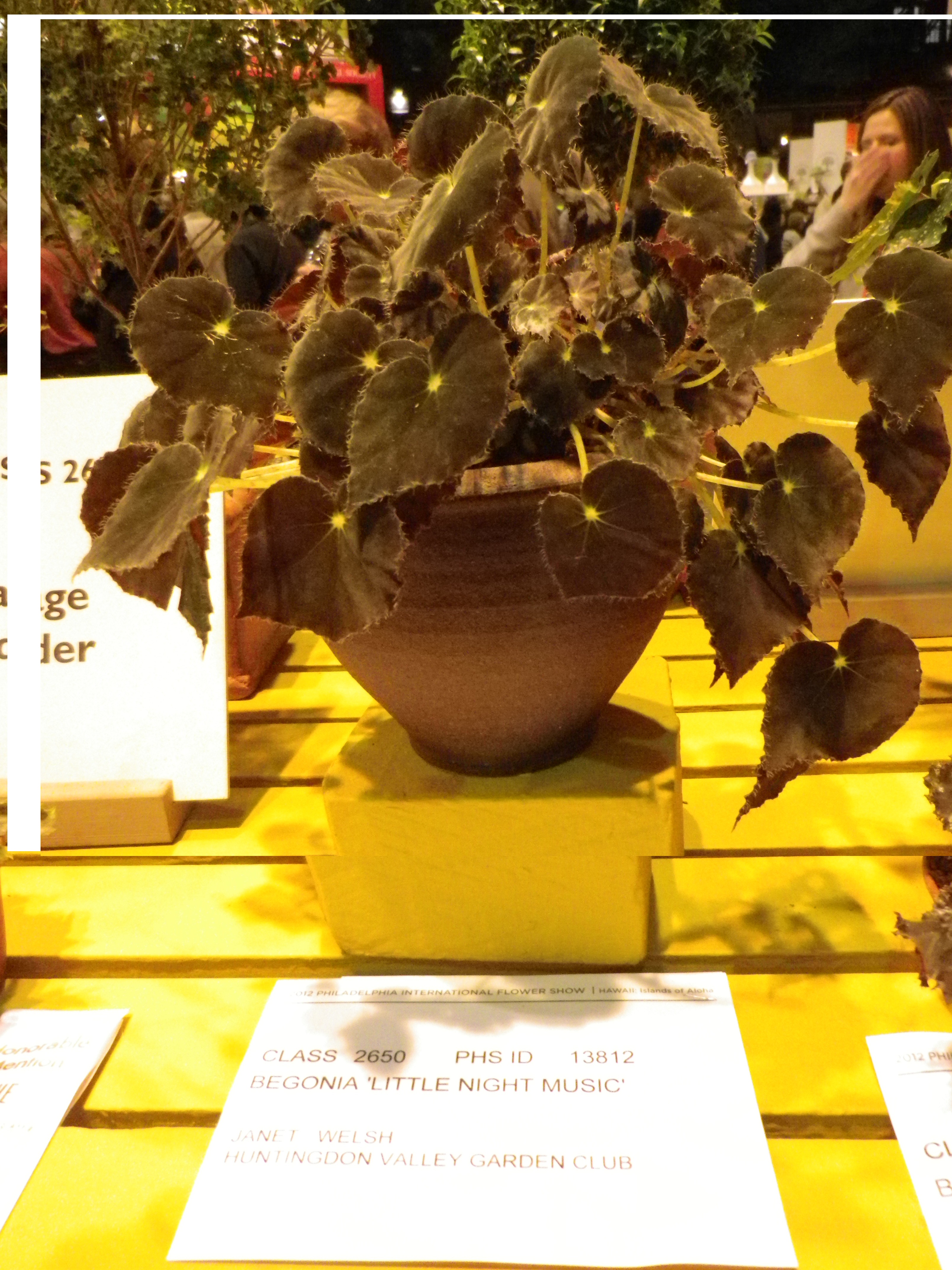
Although the focus is on the installations – one a typical Hawaiian fruit stand complete with hidden pool, another a display of Pennsylvania natives that echo the colors of Hawaii – I was drawn to the individual entries in a million different categories, from miniature succulents, to forced bulbs, to house plants. The begonias particularly caught my eye, and here are a few that I now long for.  Note to self: find a good book on begonias.

Begonia ‘Bethlehem Star’ and
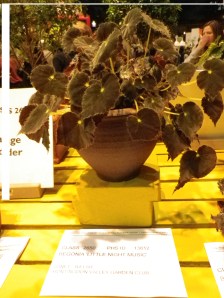
Begonia ‘A Little Night Music’

Who says gardeners don’t have a sense of humor?  Check out this inventive mailbox planting.

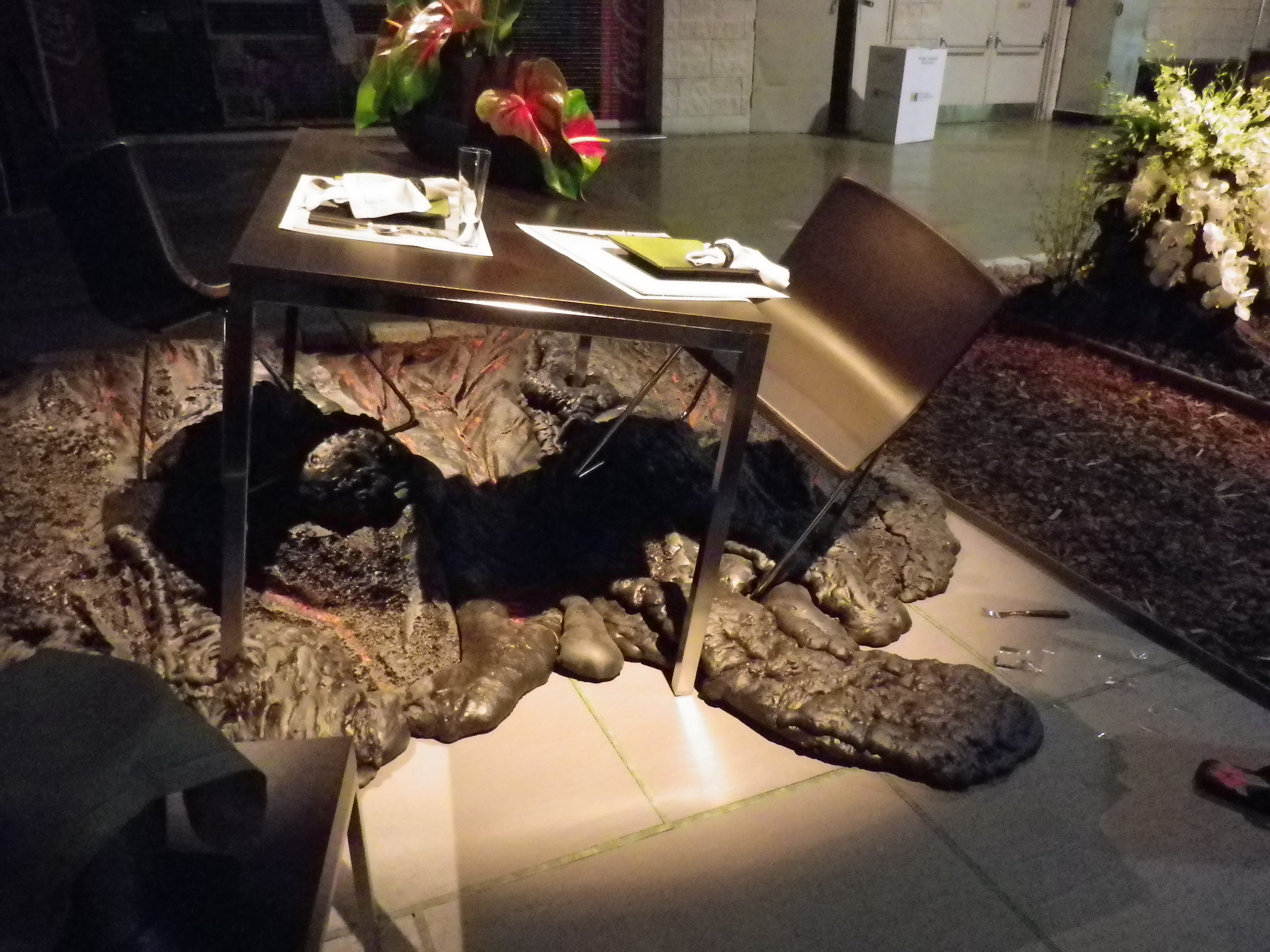
This display showed the results of an earthquake on outdoor dining.

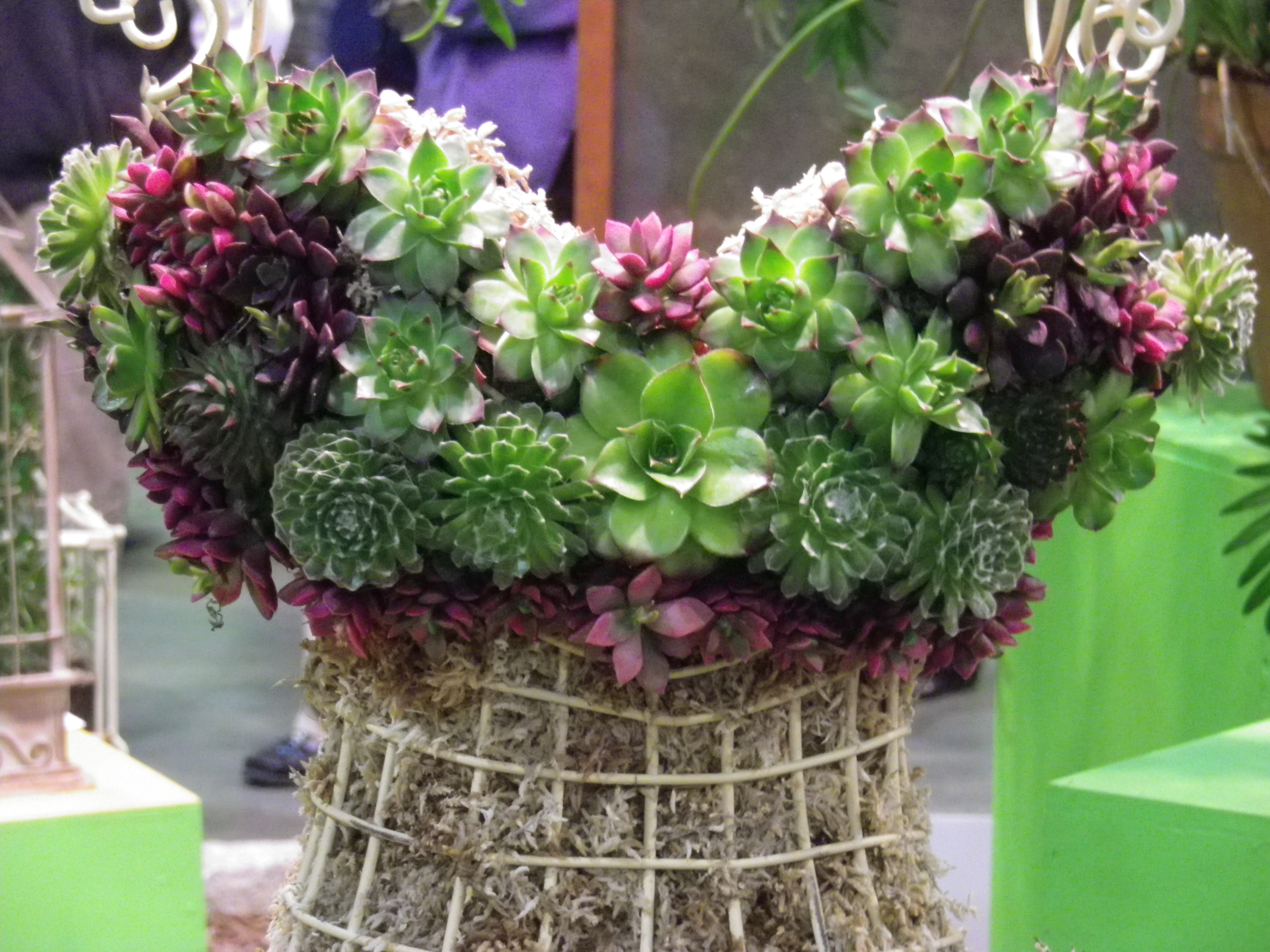
Then there was the display of succulents formed into the bodice of a dress.  Wonderful!

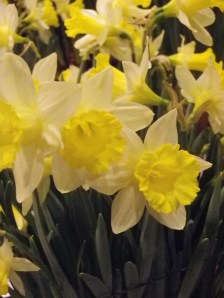
Among the bulbs, I kept coming back to the Topolino narcissus, which would make a good addition to the cut flower garden.
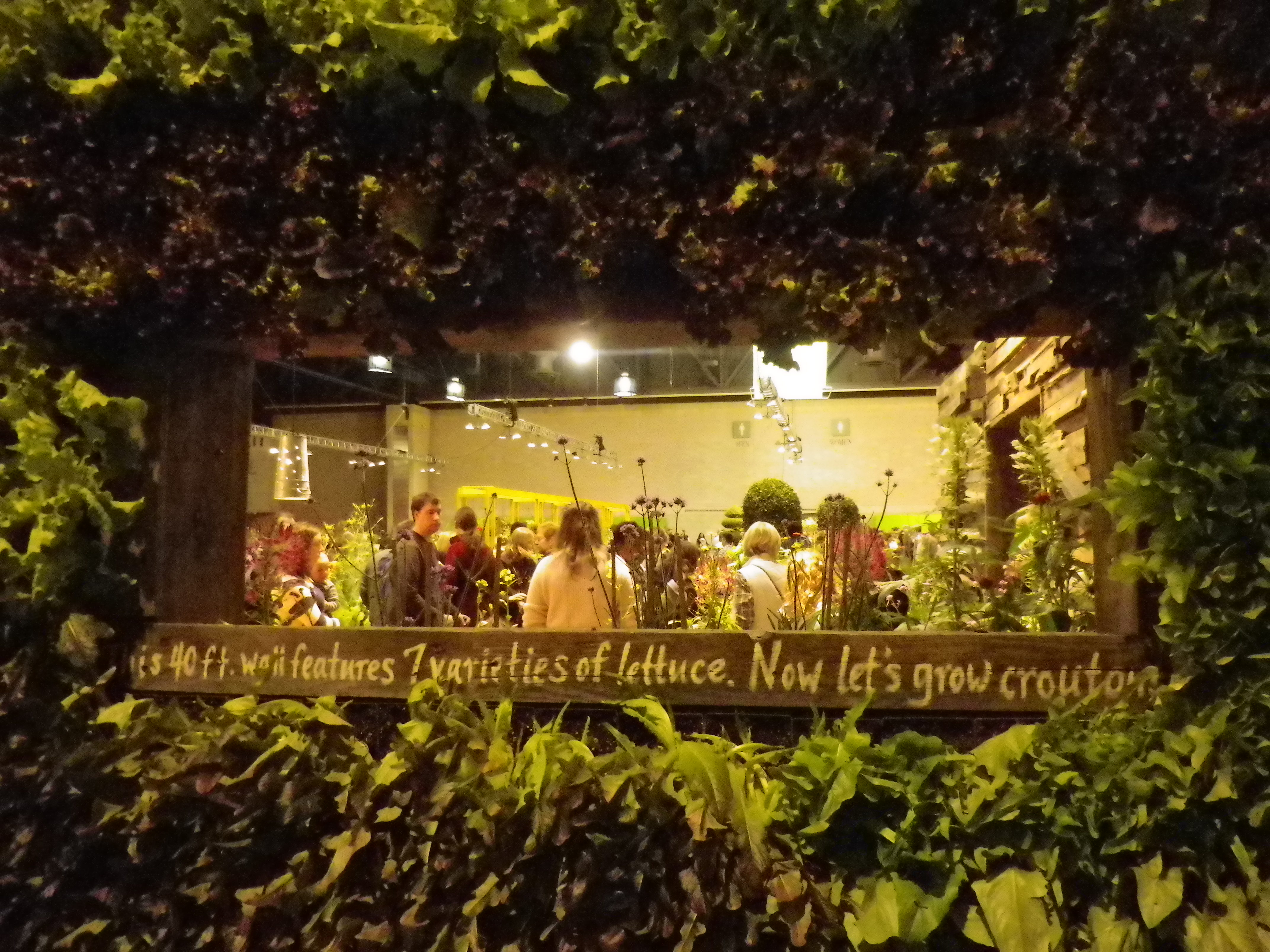
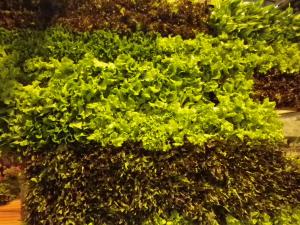
One of my favorite exhibits was from the Pennsylvania Horticulture Society, which mounted a mixed vegetable and flower garden display that knocked my socks off.  First there is the WALL of lettuce, with a one-way mirror inserted.  Love the quote.

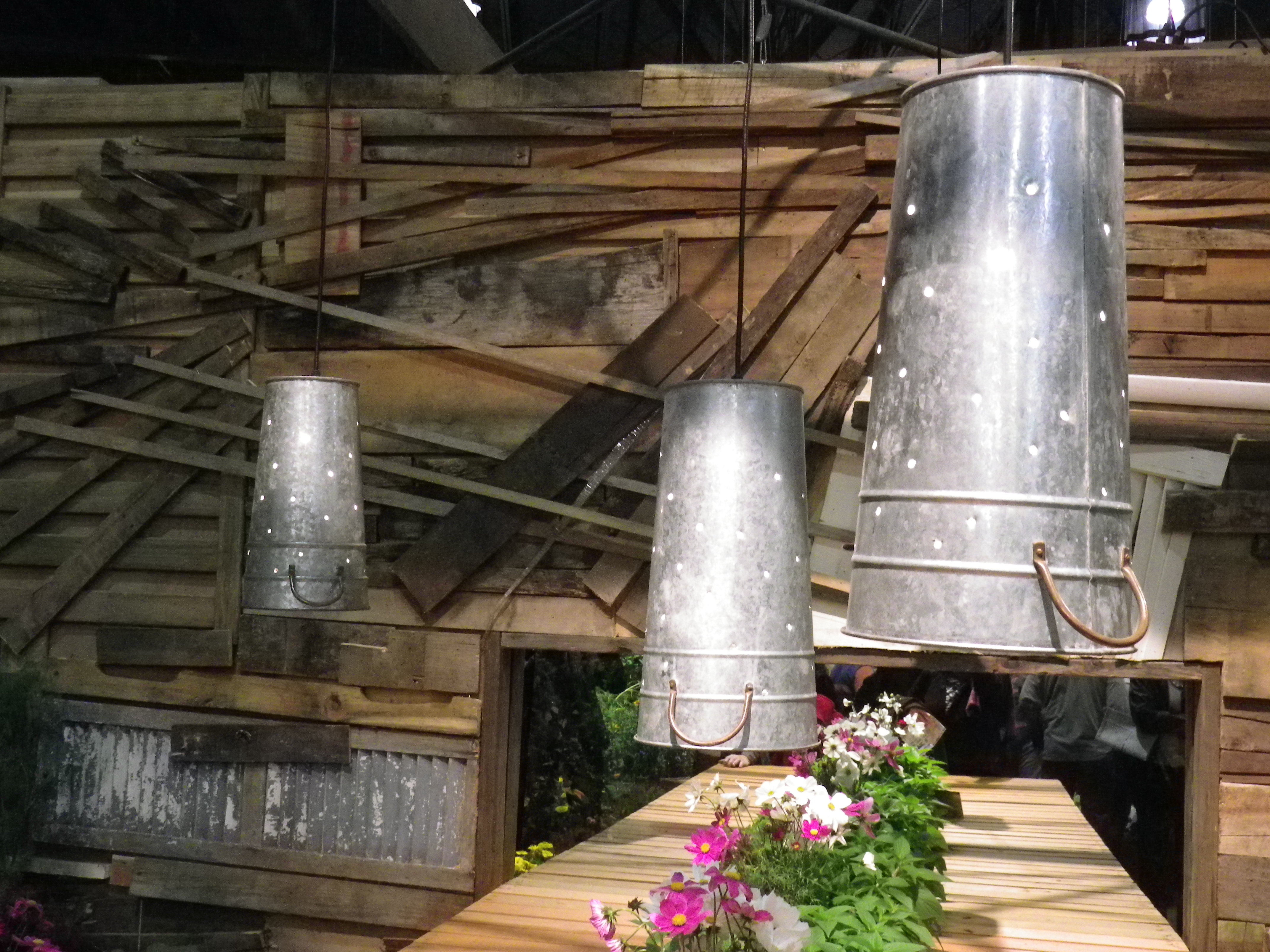
You see how beautiful rows of lettuce can look.  Inside it was funky and countrified, with rows of canned fruits and vegetables and found objects turned into garden features.  Aren’t these lamps great?
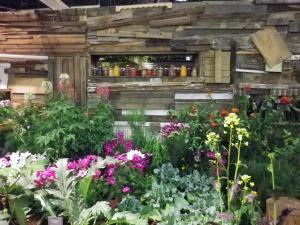
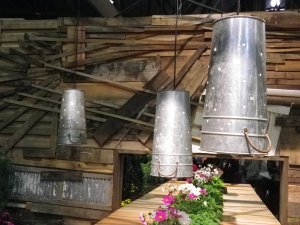
The behind the scenes tour first thing Monday morning gave us a chance to visit the exhibits without crowds of people and was well worth it.  We heard a couple stories about putting the show together, including the minor disasters.  A sandy beach, imported with great difficulty, slid into the pool it was bordering, and the whole thing had to be drained and redone.  Tick tick tick, as they have two weeks to prepare and then they have to open, ready or not.

I also heard a couple lectures, one on Irish castles and gardens that had more about the Titanic than necessary (100th anniversary, it launched from Belfast) but offered some good hints about gardens worth visiting.  The other was by Amy Goldman, heirloom vegetable gardener, who had lots of luscious words to describe the squash, tomatoes and melons she grows by the acre in upstate New York.

The verdict?  You never can recapture the Flower Show of yore, but I enjoyed this one.  Next year, “Brilliant” – aka England – is the theme, and I might just have to come back.

Other People’s Gardens: NYC

We really went to New York to see the Italian Renaissance art at the Metropolitan.

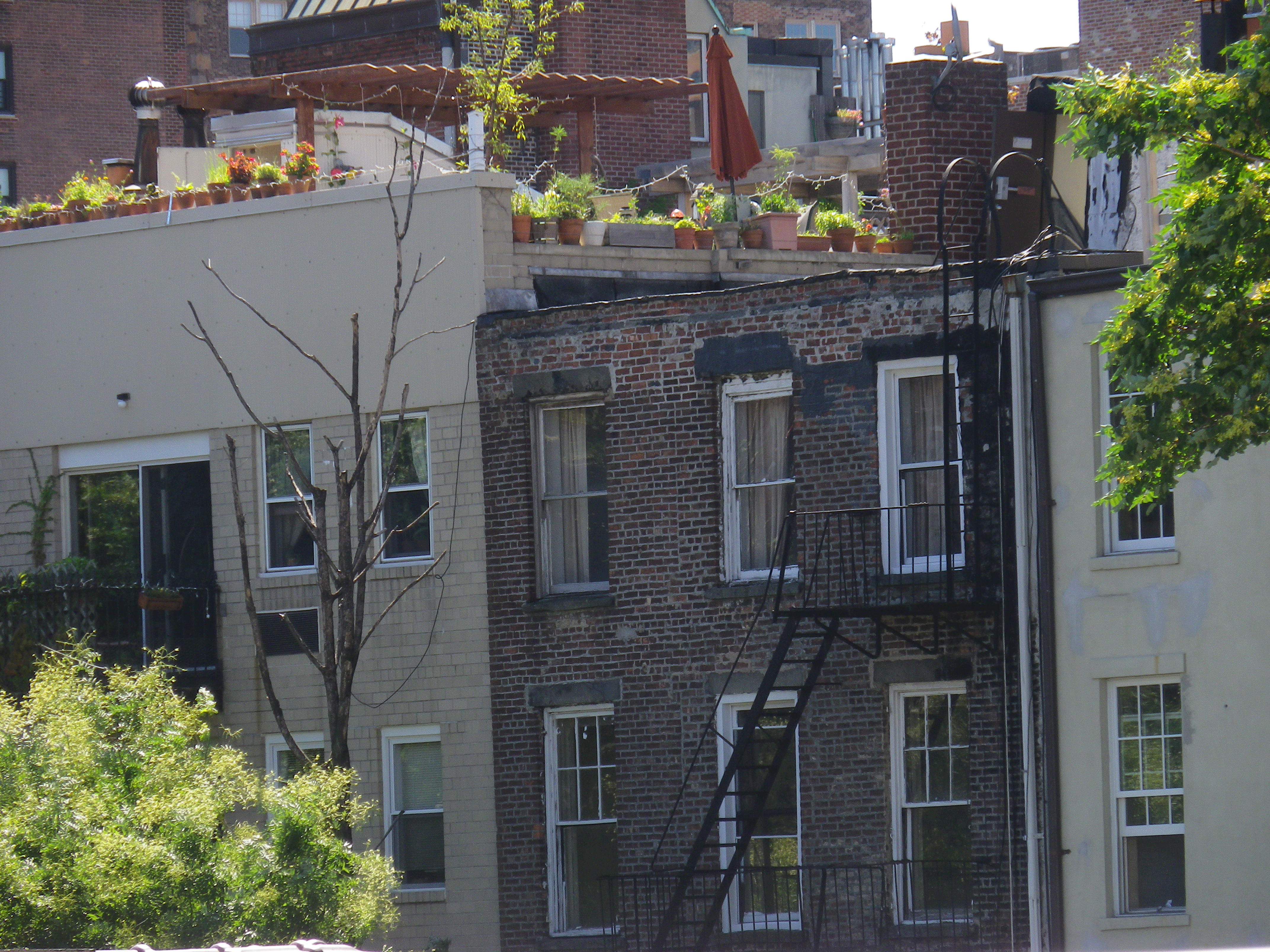
But there are always gardens to see, of course.  Our hotel room on the 11th floor overlooked this rooftop garden.  When you see how many plants and containers are crammed into this little space, you know these people are dedicated gardeners.

Here are some similar gardens in the west Village.

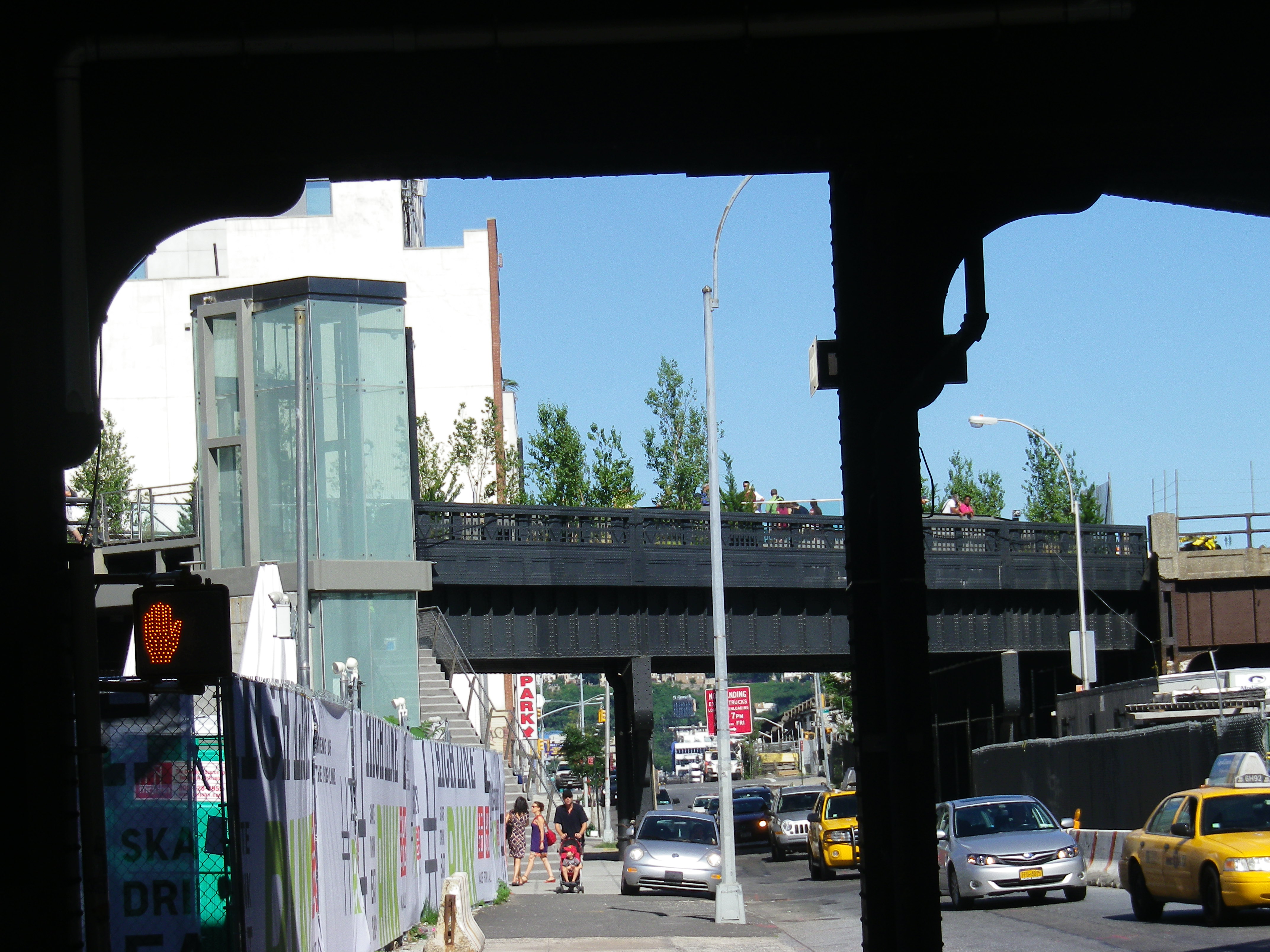
But the real garden of the day was the High Line.  I’d been wanting to visit this rail-trail for years.  The second section opened earlier this summer, so we were able to walk the trail from 30th St. down to Gansevoort St. in the west Village. It was a clear, sunny day with low humidity and a light breeze, perfect for strolling along.

Our starting point was right by the Lincoln Tunnel entrance, a not very promising spot that was loaded with cars, trucks and confusing street patterns.  But we knew we were on the right track (ha) when we saw the trees waving above us in the distance.

We took the elevator, which featured a button surely found nowhere else.  Are you headed for G or HL?

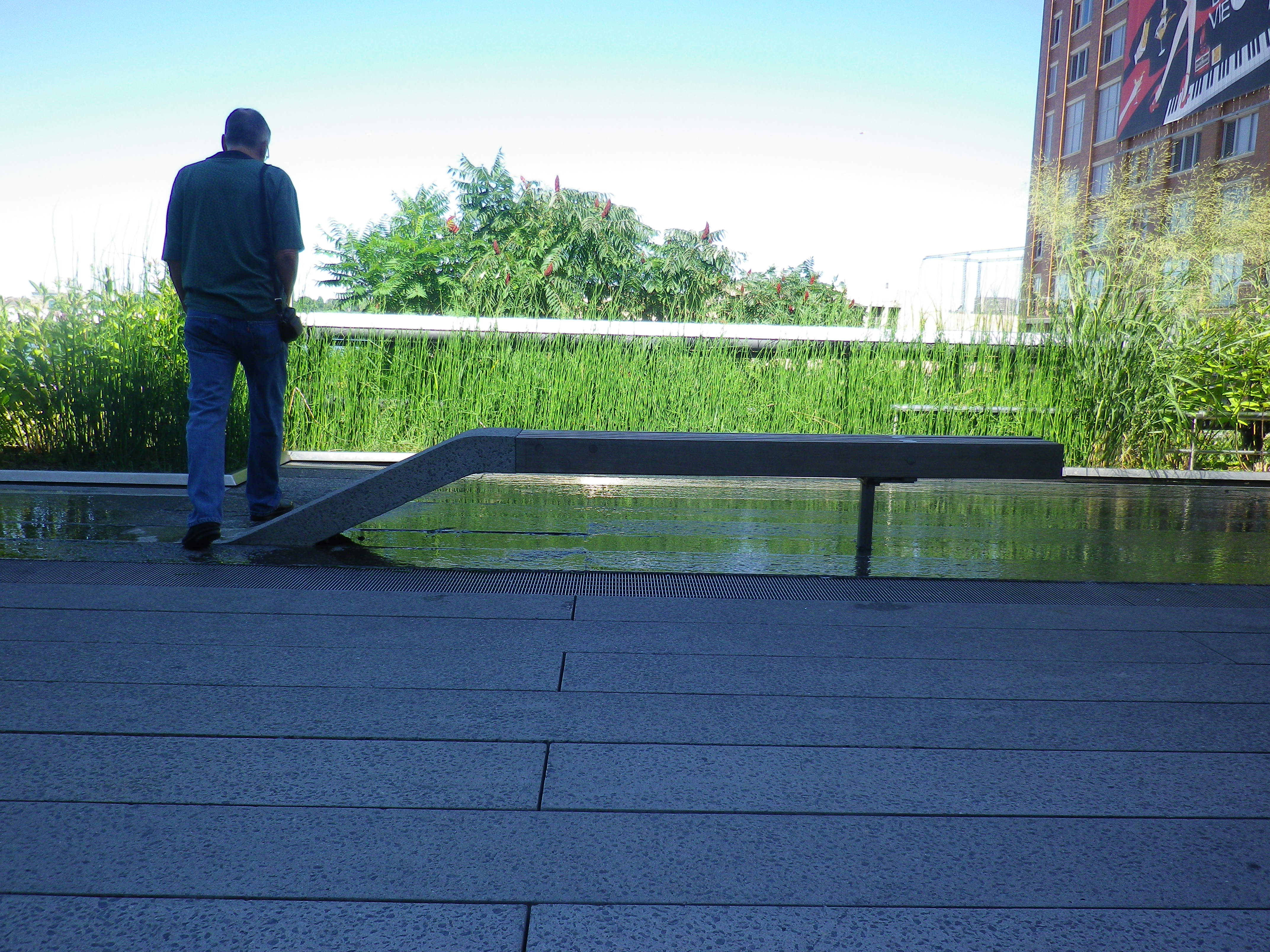
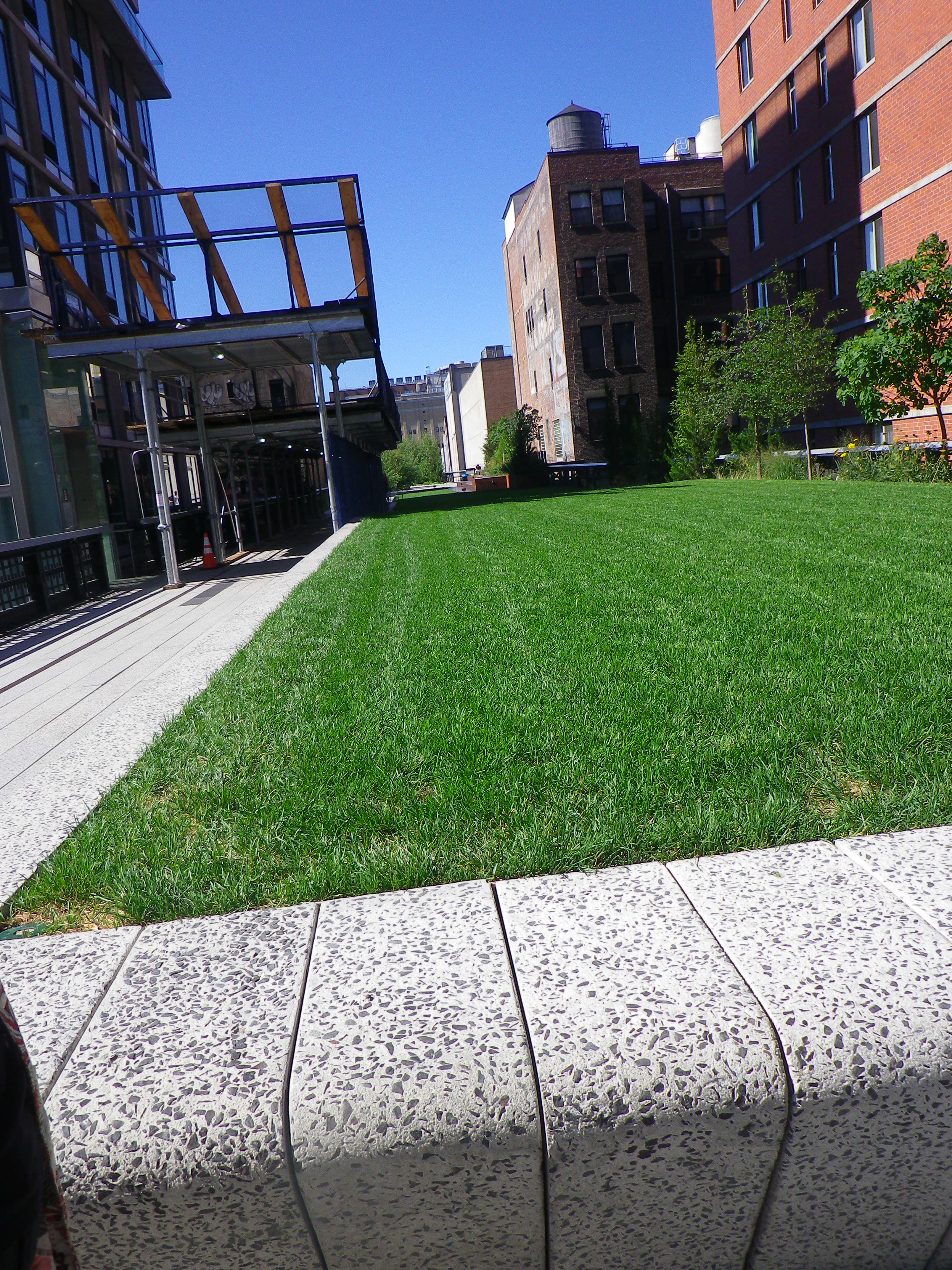
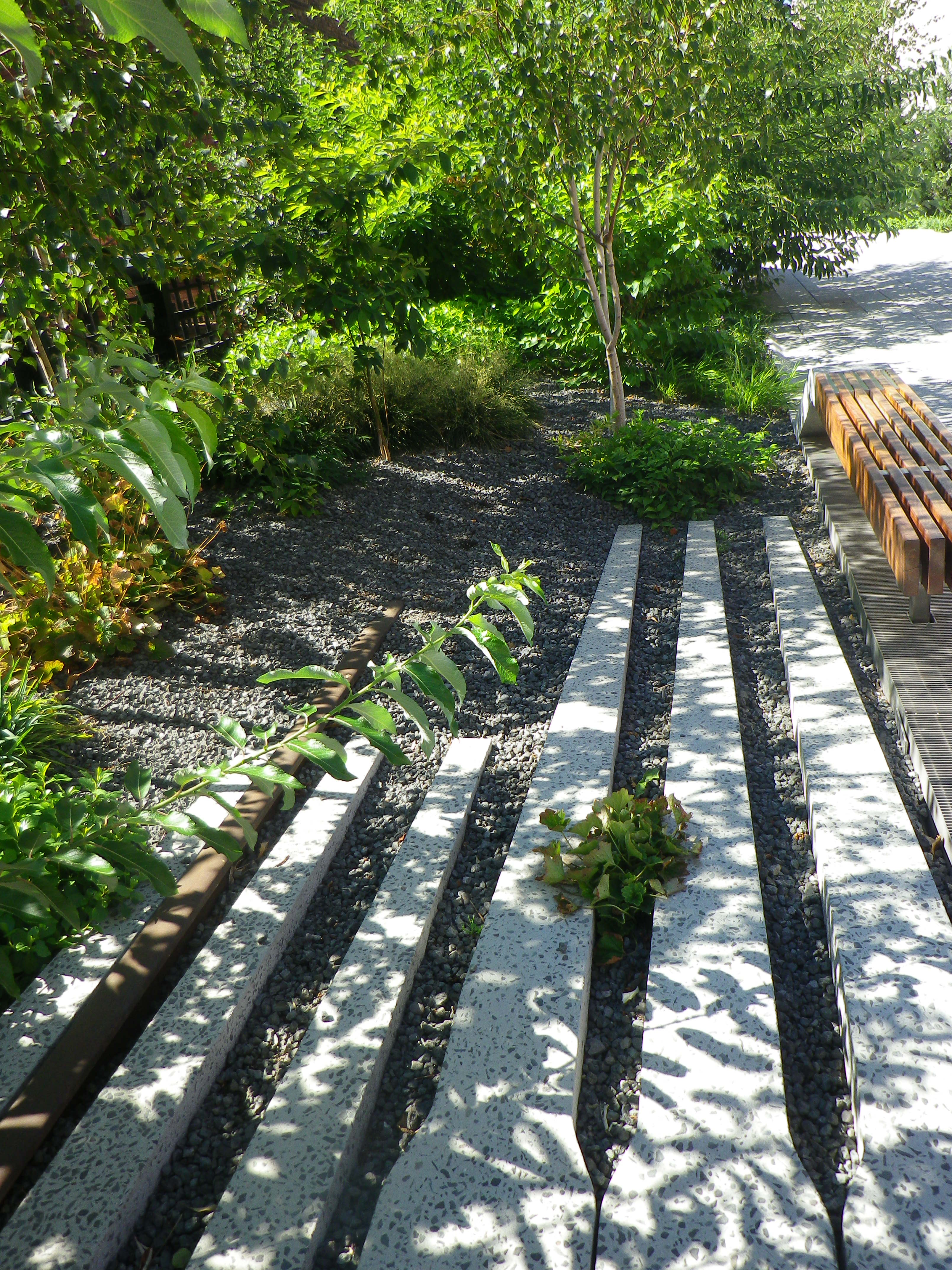
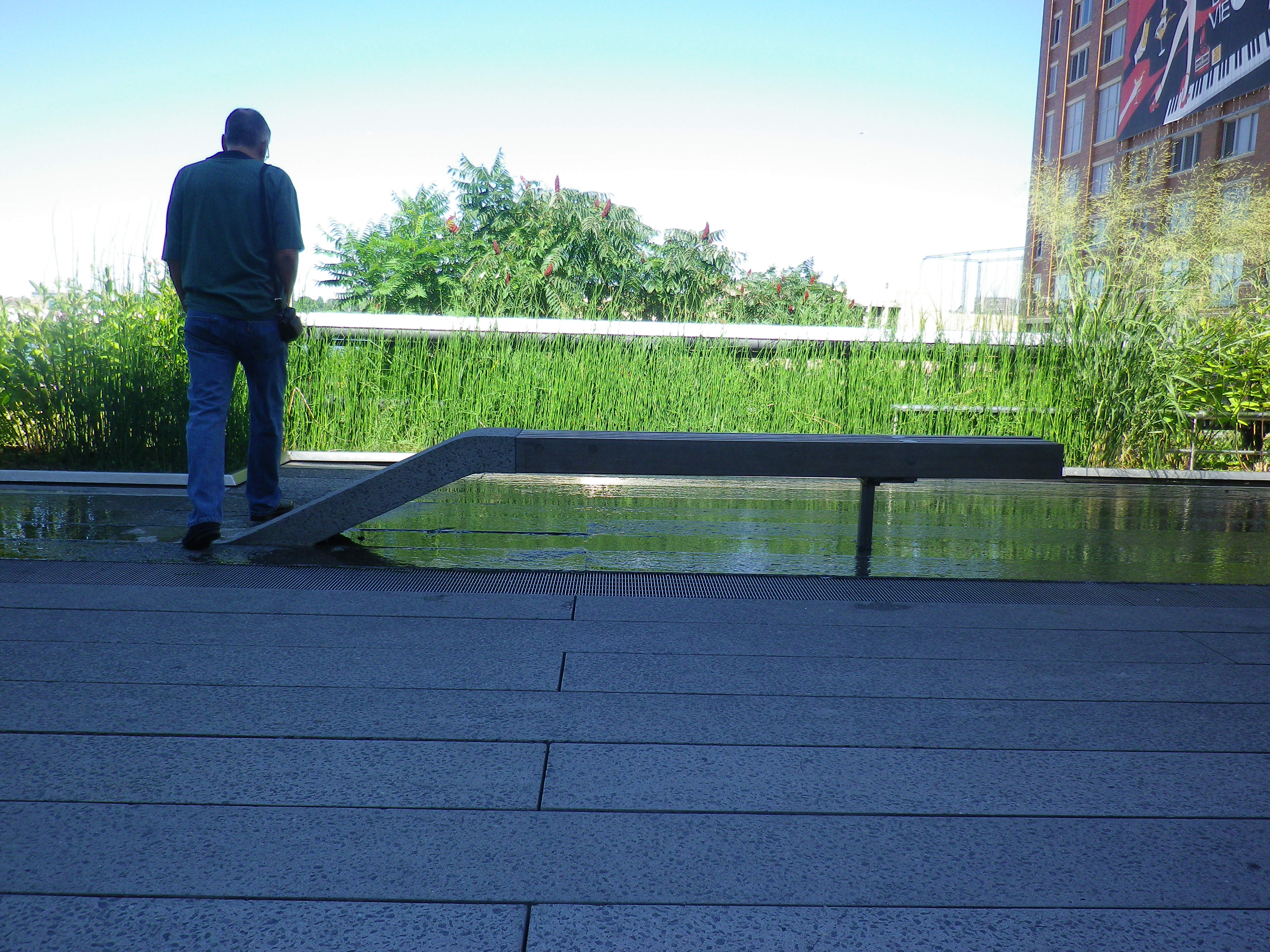
Our first sight featured just about everything that makes the High Line so wonderful:  clean, thoughtful design using lots of wood; sun-loving, drought-tolerant, often native plants; and an elevation that gets you above the street but not so high that you’re removed from the life of the city.  Also, lots of places to sit and enjoy the view.
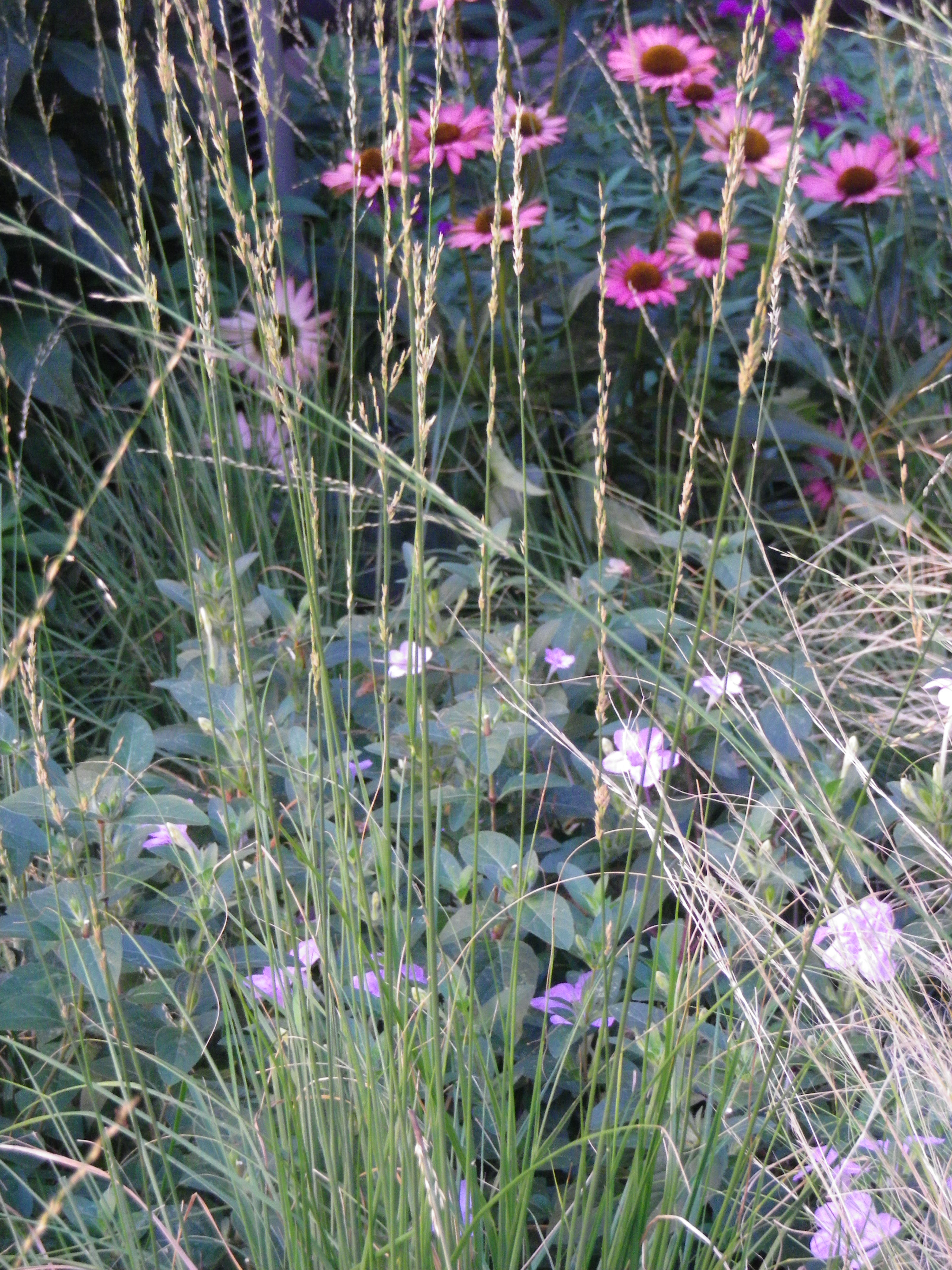
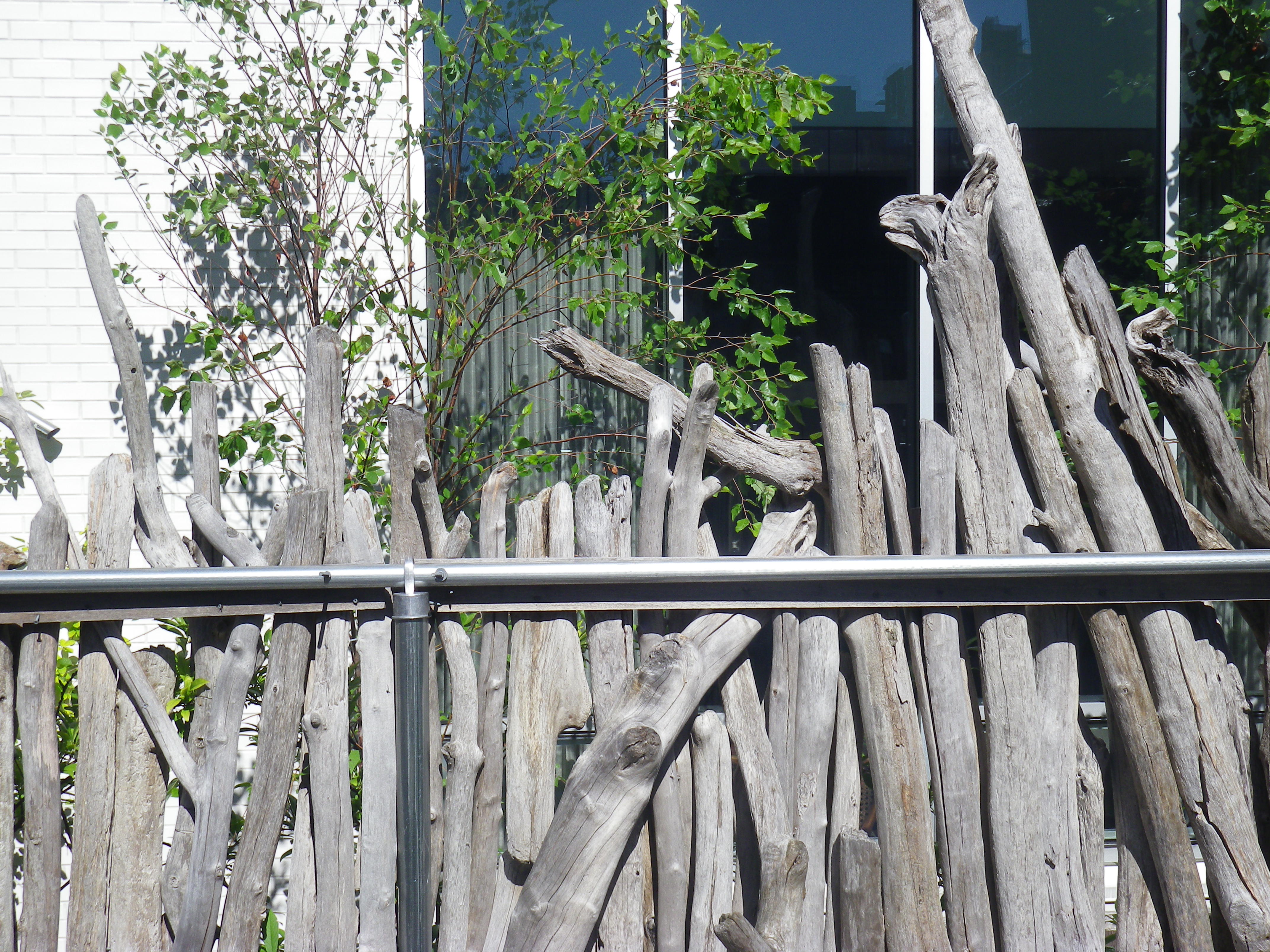
Here’s a look at what we saw.  Mouse over for captions.


I foolishly asked one of the gardeners about maintenance, and she said firmly that this was NOT a low-maintenance garden, that despite its wild look it was carefully planned and took a lot of work.  Sorry!  I wasn’t sure if she was sick of this question or was just tired of weeding.

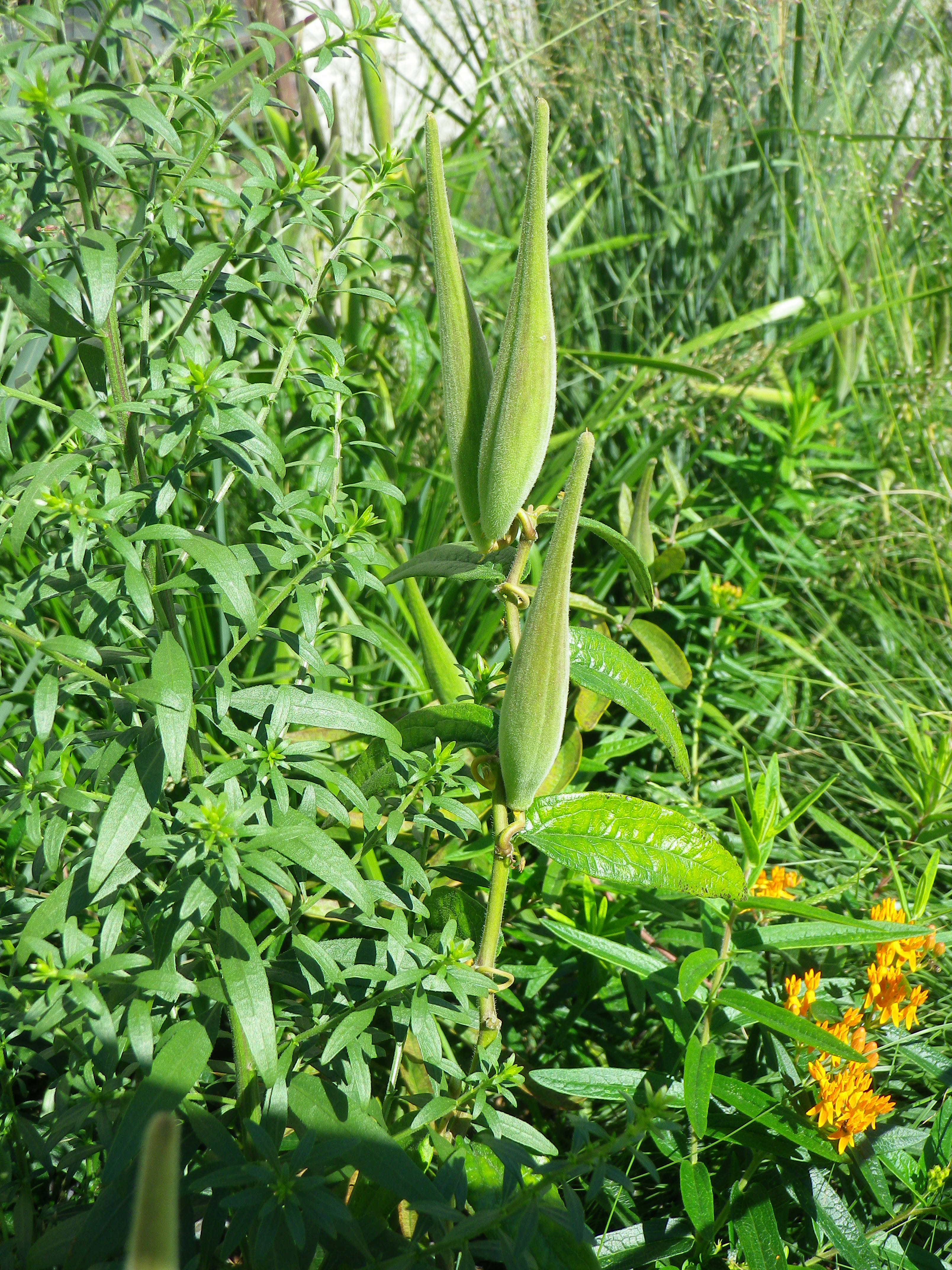
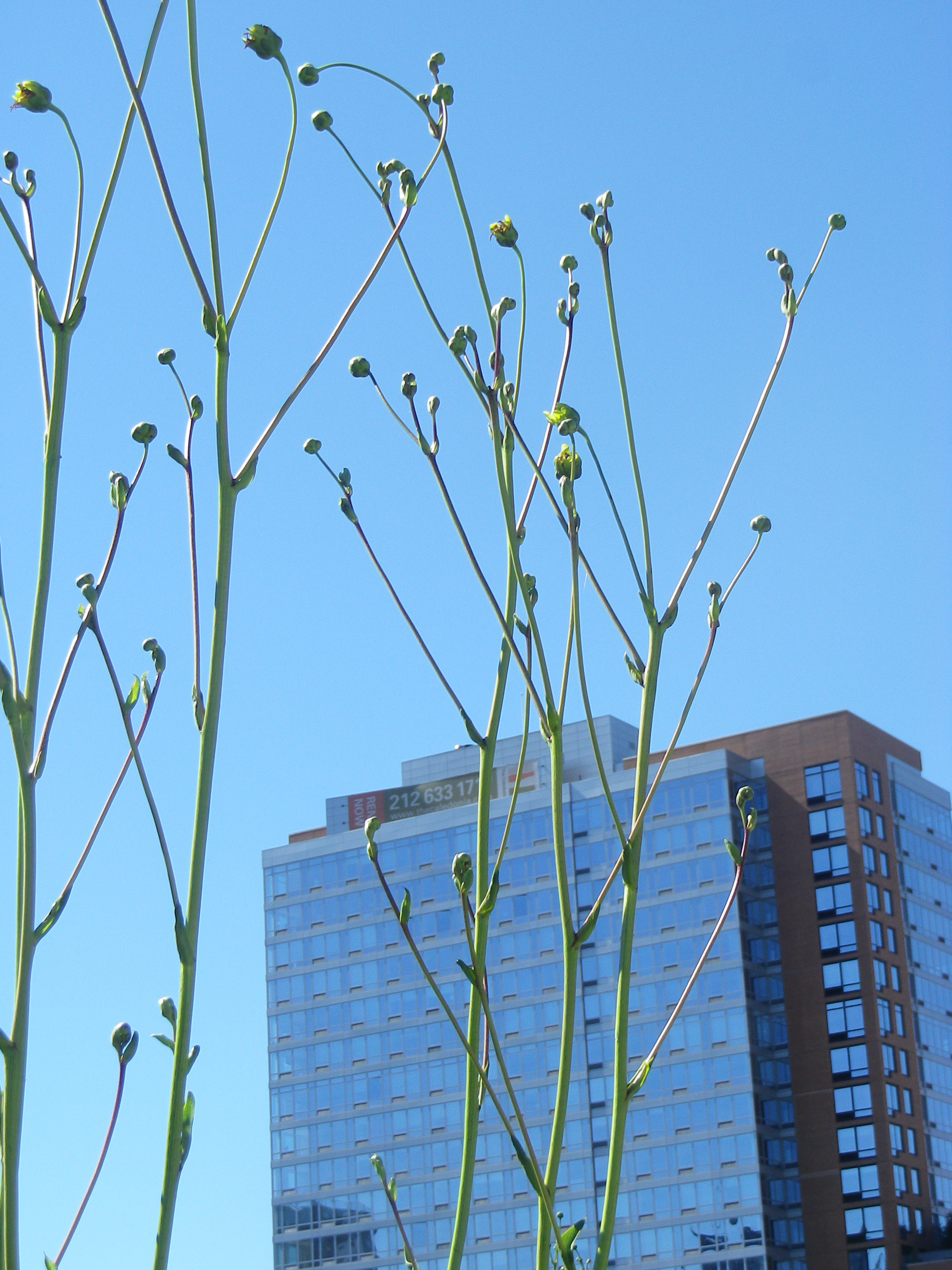
We didn’t see many birds or butterflies, but the bees were all over this plant (unknown to me).

It might be difficult to have your bedroom window looking out onto the High Line.  Here was one person’s stylish solution.

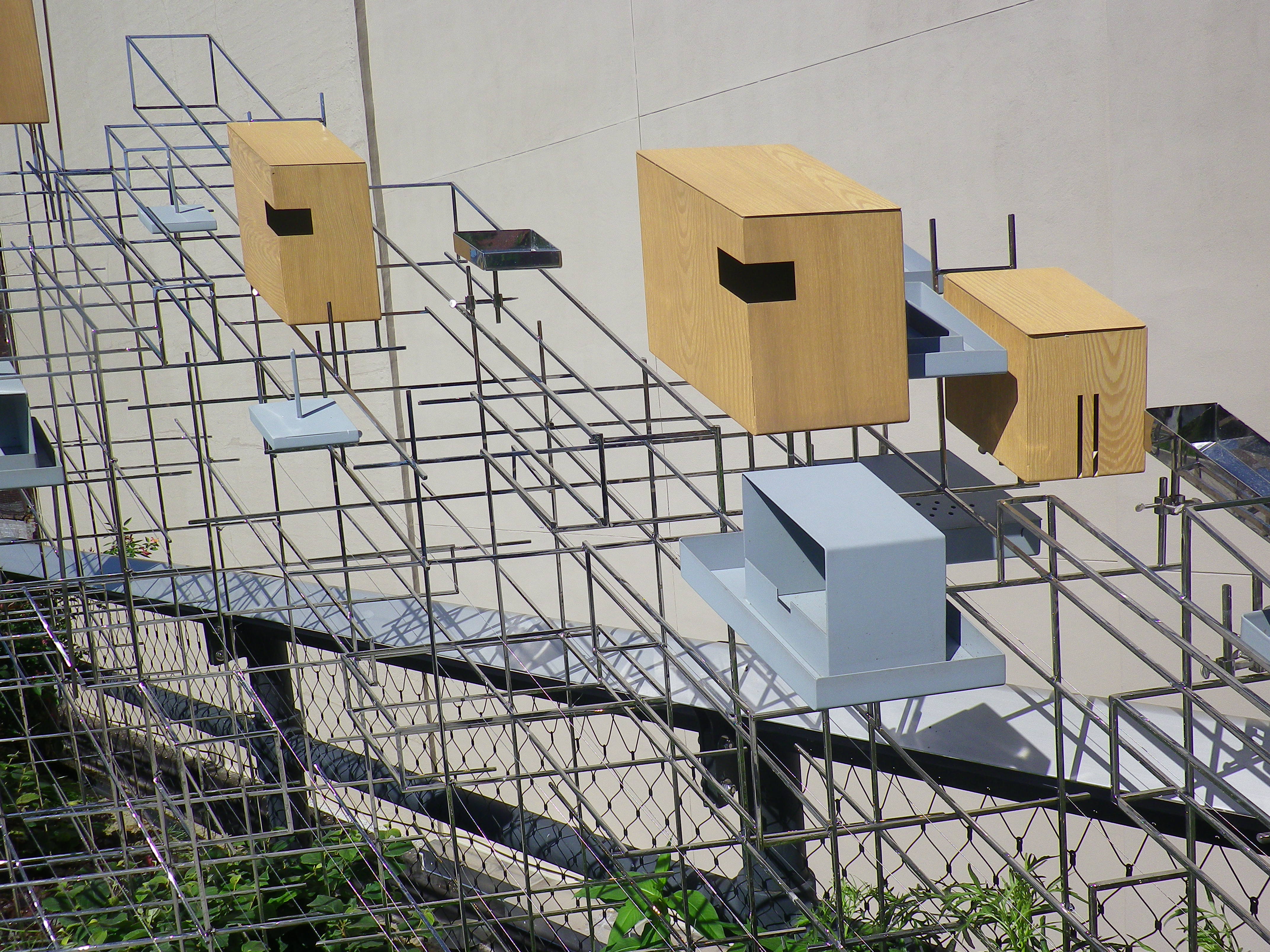
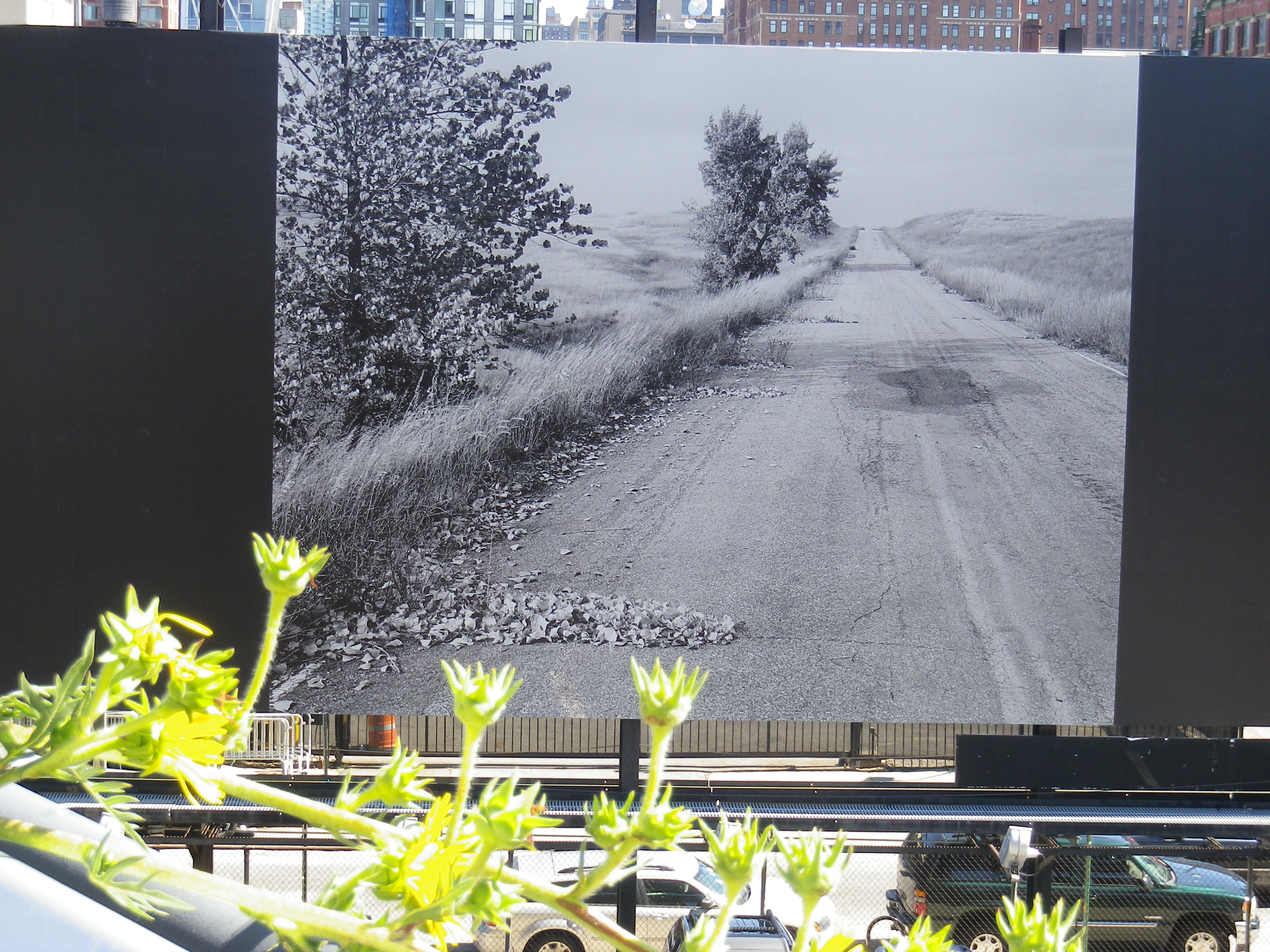
There’s plenty of art to be seen, from bird houses to this photo on the wall of a nearby building.


A plant list for August is here, so even though I couldn’t identify everything, there is hope.

We had a wonderful time, and I’d love to go back at other times of the year to watch it change.


Other People’s Gardens: Maine Edition

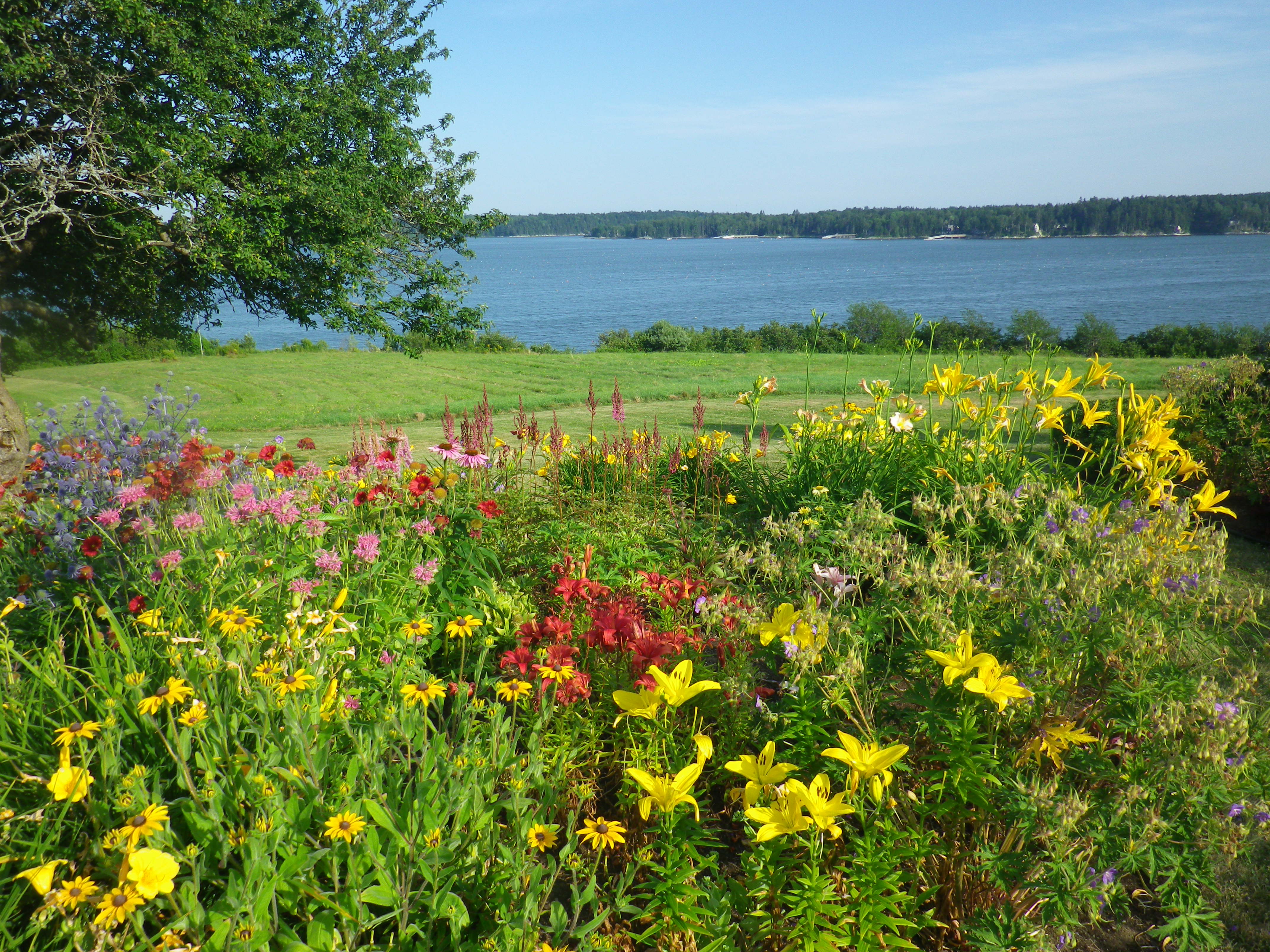
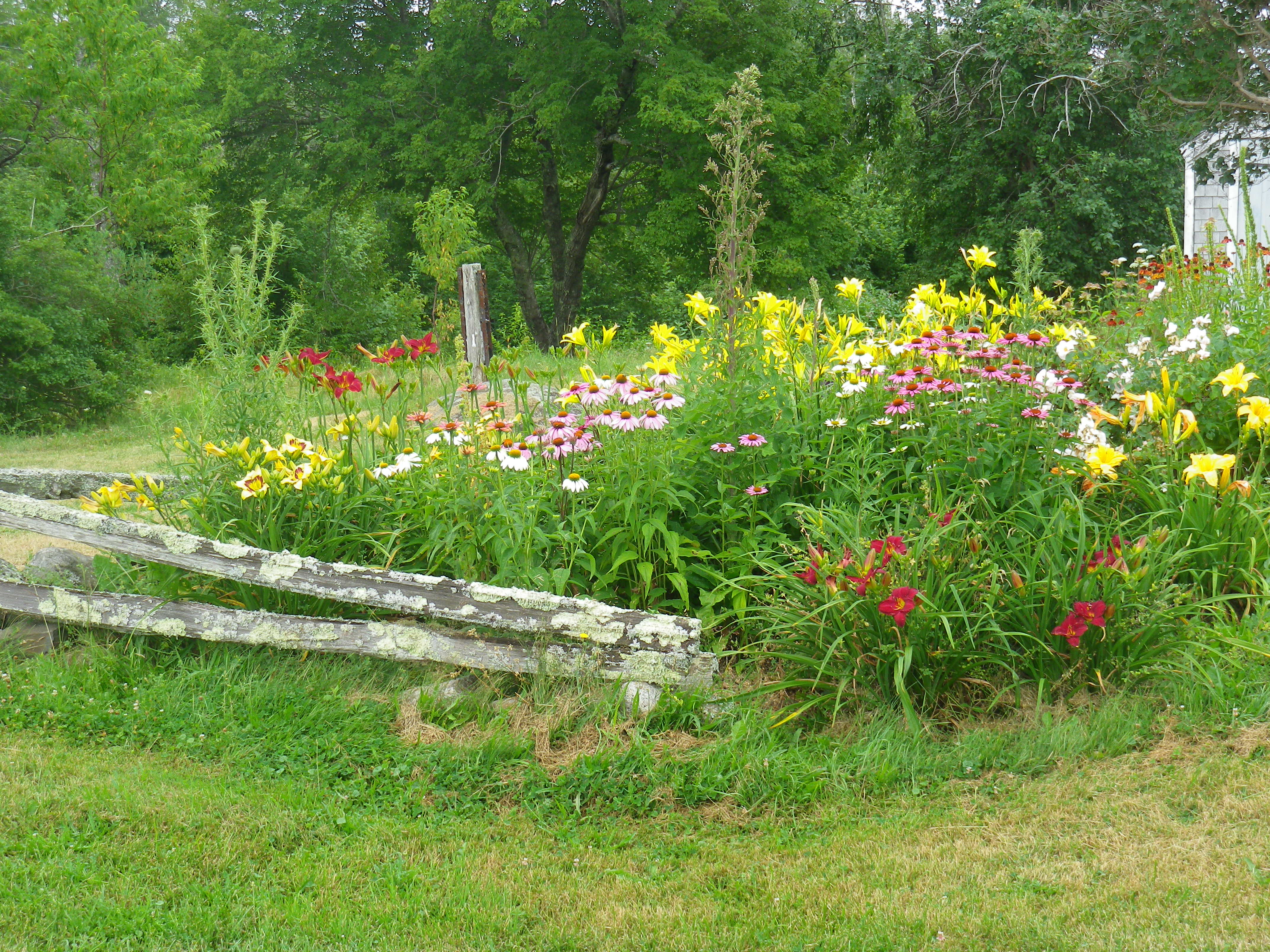
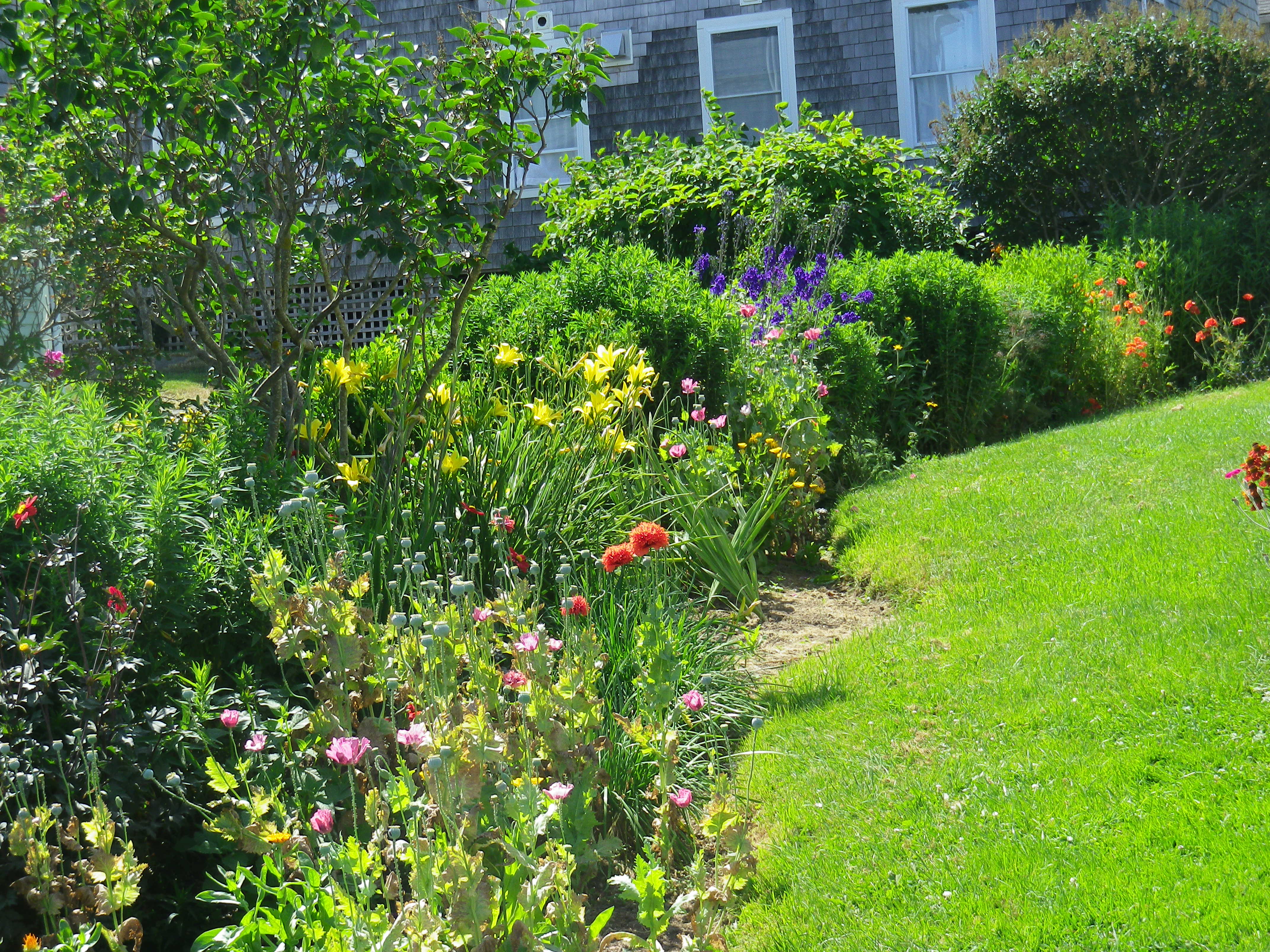
Maine in July was sunny, cool, misty, bright, rainy (but only at night), and altogether glorious. Our house in Cushing featured several beautiful borders, maintained by a pair of gardeners who chatted with me about the gardens.  Here’s a view with the St. George’s River in the background.  In the way of northern gardens, everything seems to be in bloom at the same time.  Here were day lilies, eryngium, sedums, and more.


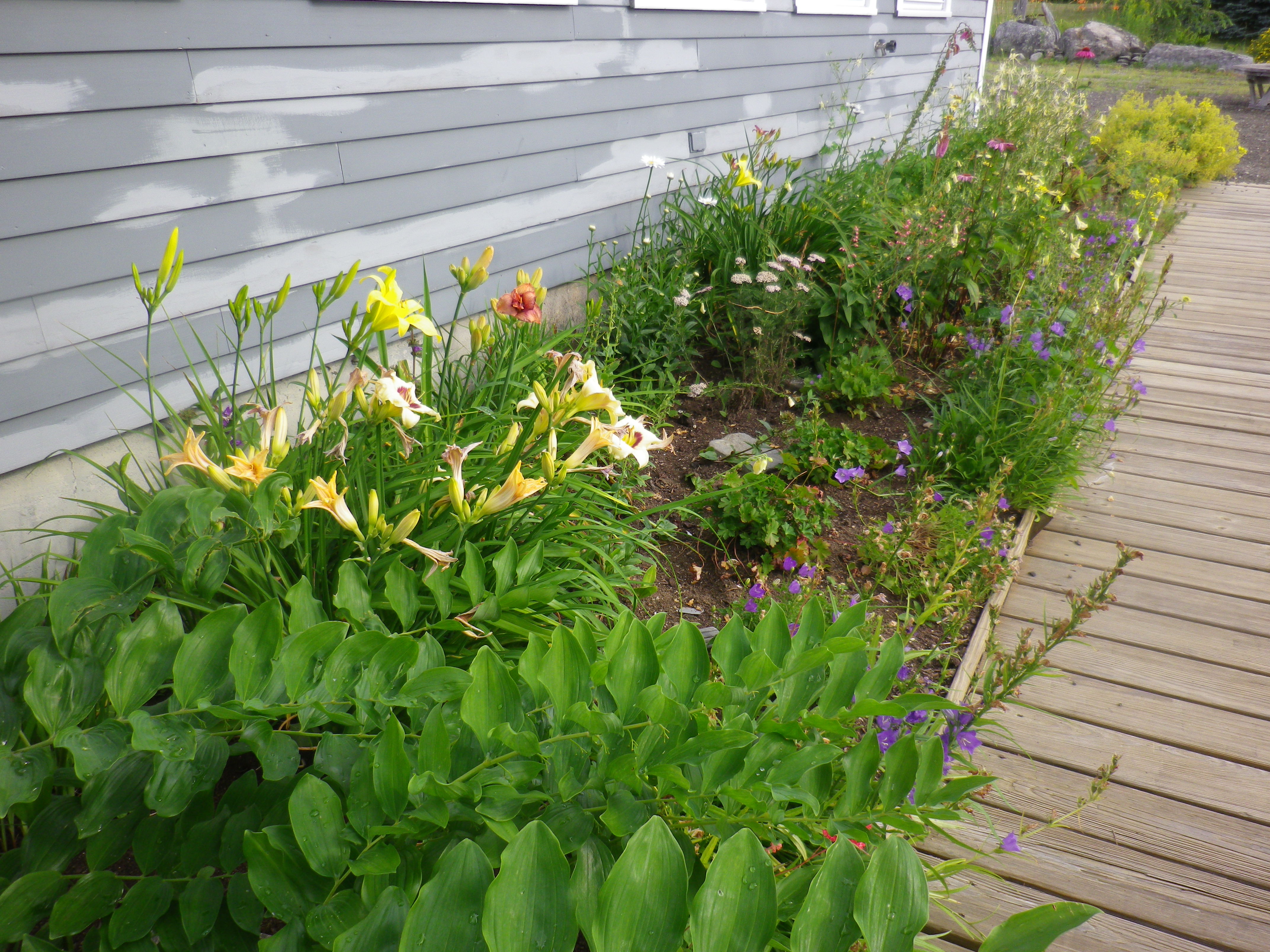
This little garden by the side of the house had day lilies, Solomon’s seal, achillea, white columbine, balloon flower, and gloriously blooming lady’s mantle.


Here are the blooms.

Clearly, these plants are much happier in the cool, moist air of Maine than they are in my drought-ridden front garden.


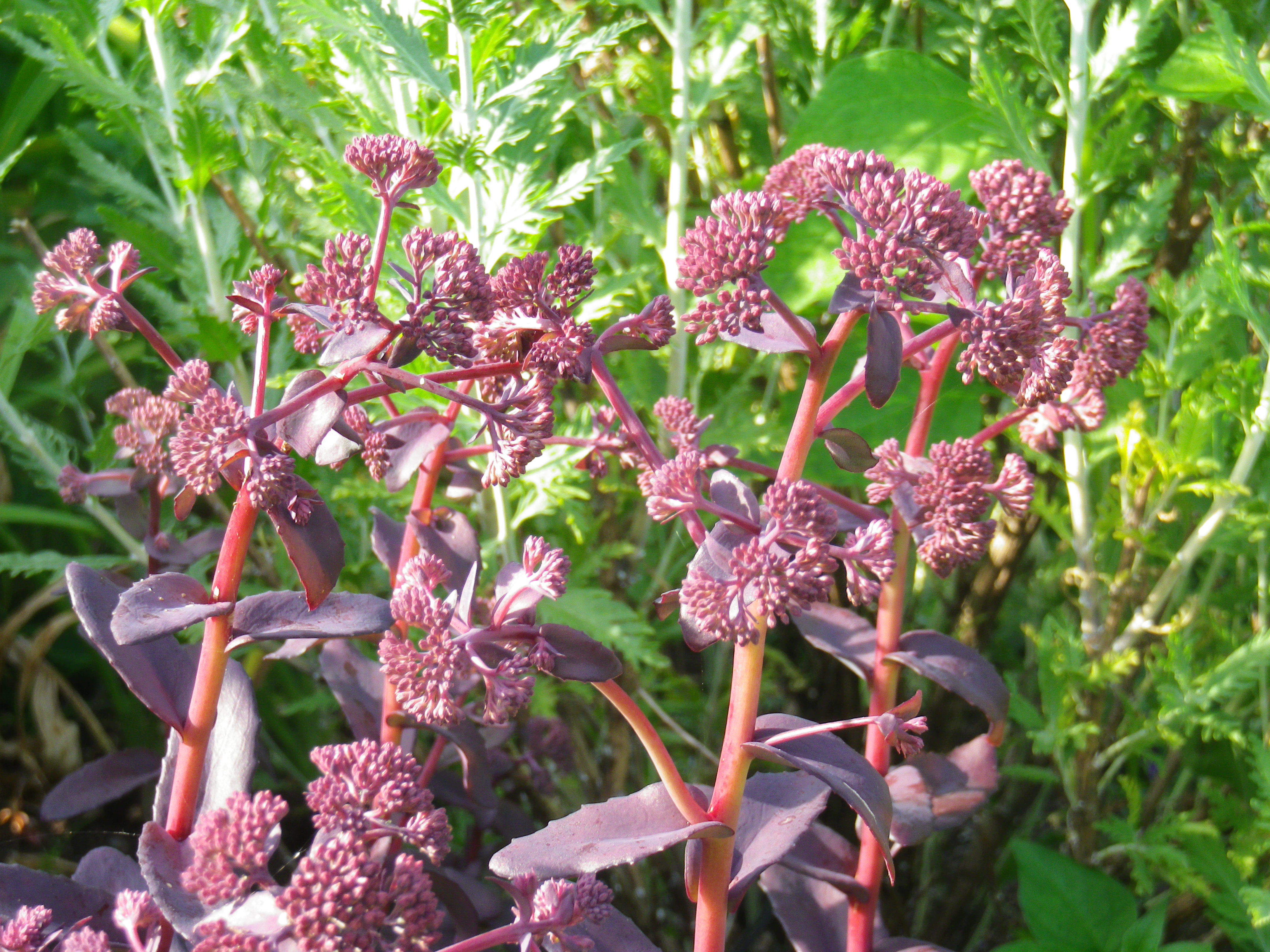
My new sedum obsession was fed by this purple-leaved variety that reminded me of my New Zealand gardening friend.


More sedums – this one along the path on Monhegan.


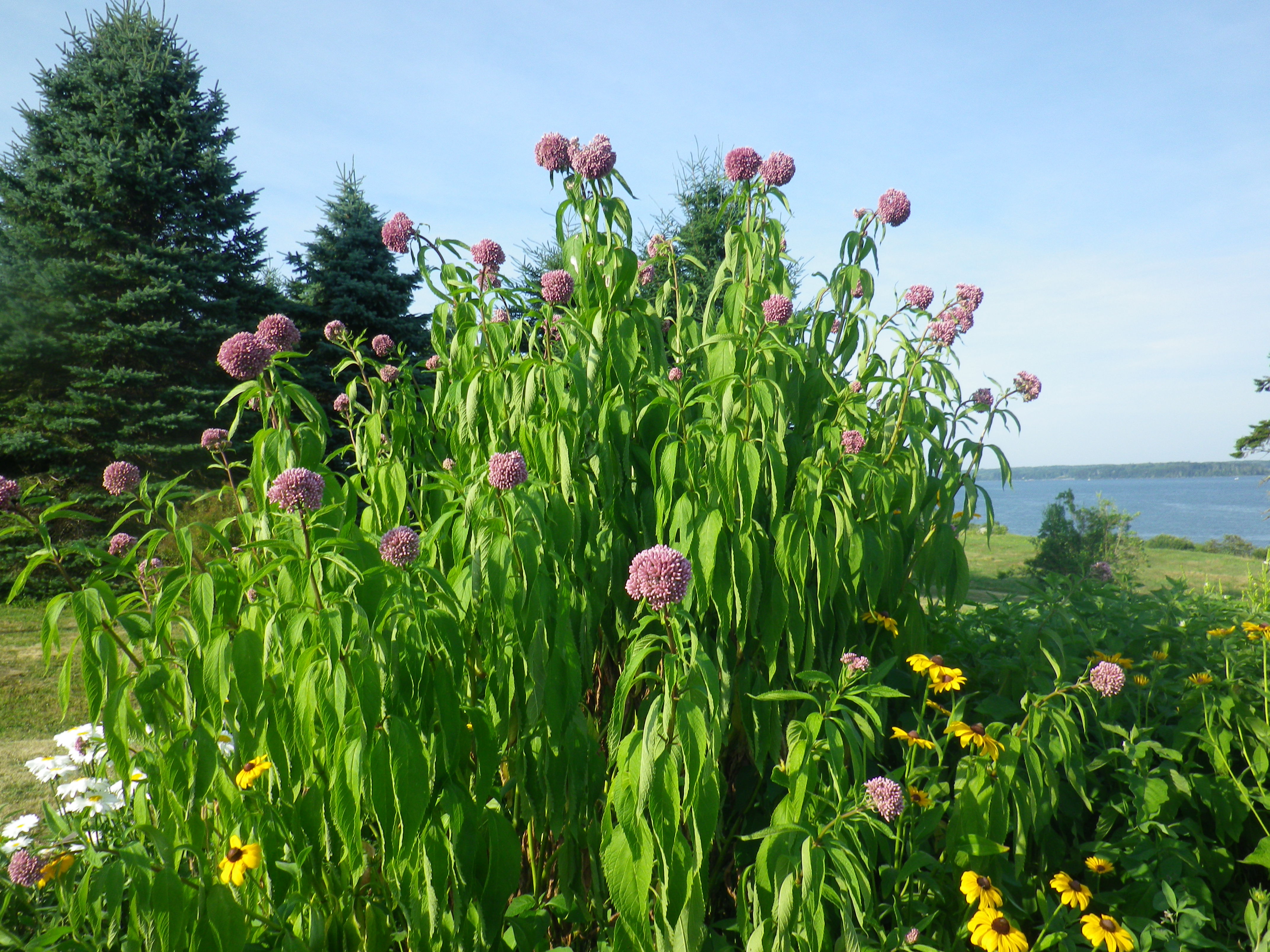
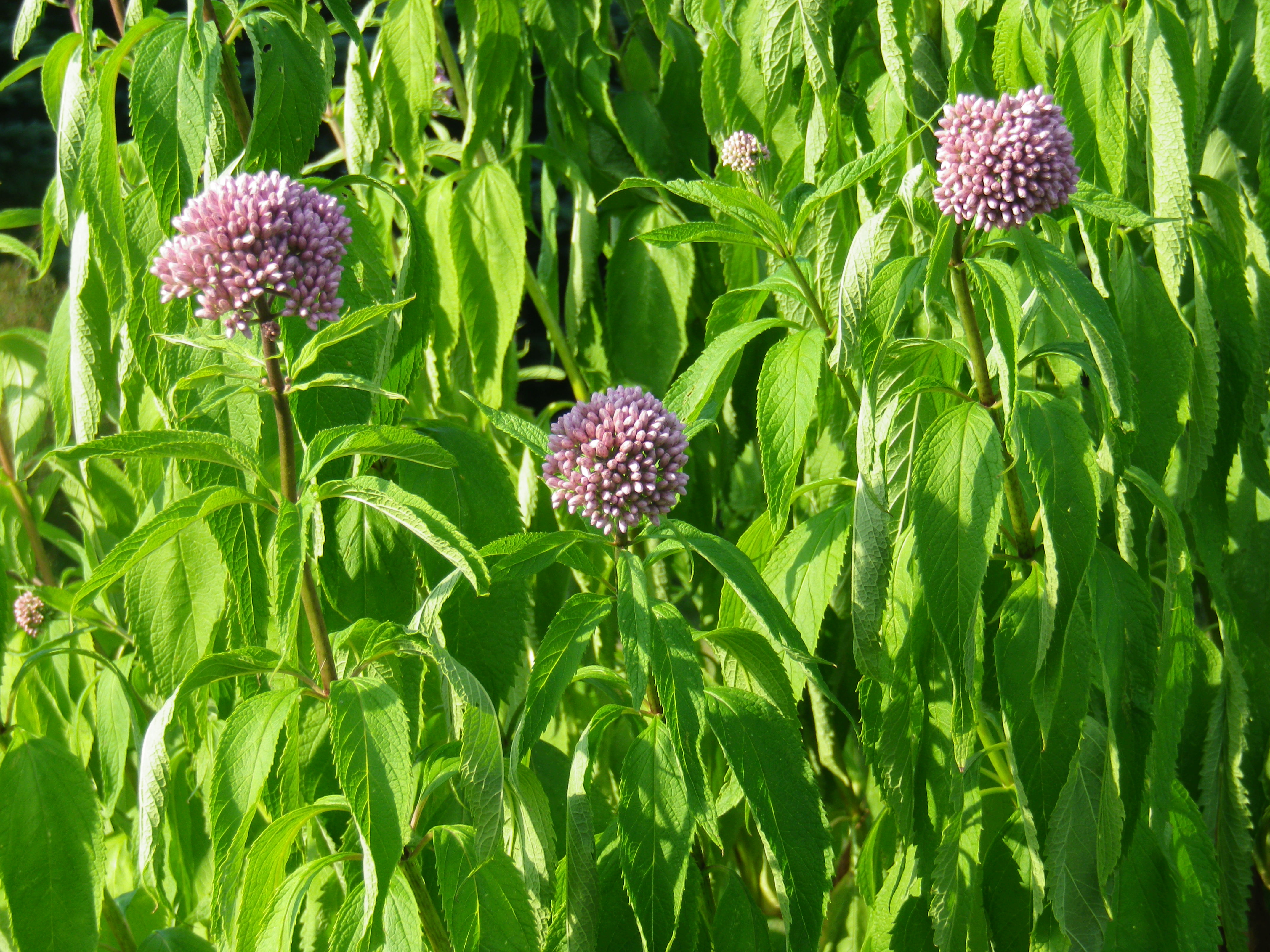
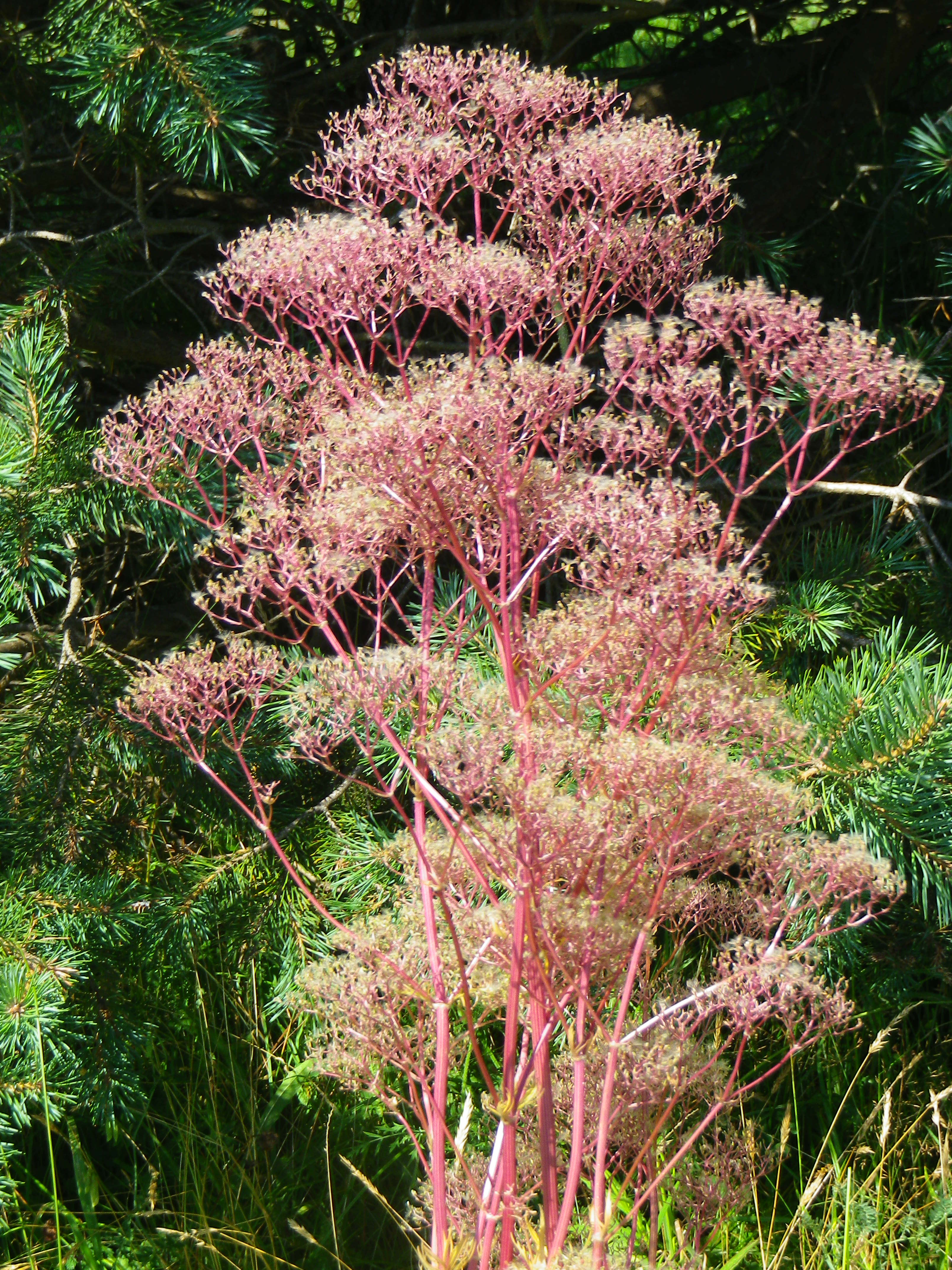
This was a bit of a mystery plant.  The gardeners guessed Joe-Pye weed, not yet in full bloom, and I think they were right.


You can see a little better in this closeup of the flowers.


A few other shots of classic Maine borders, the first down the road from us, the second on Monhegan Island.  Note the gorgeous delphiniums and poppies.


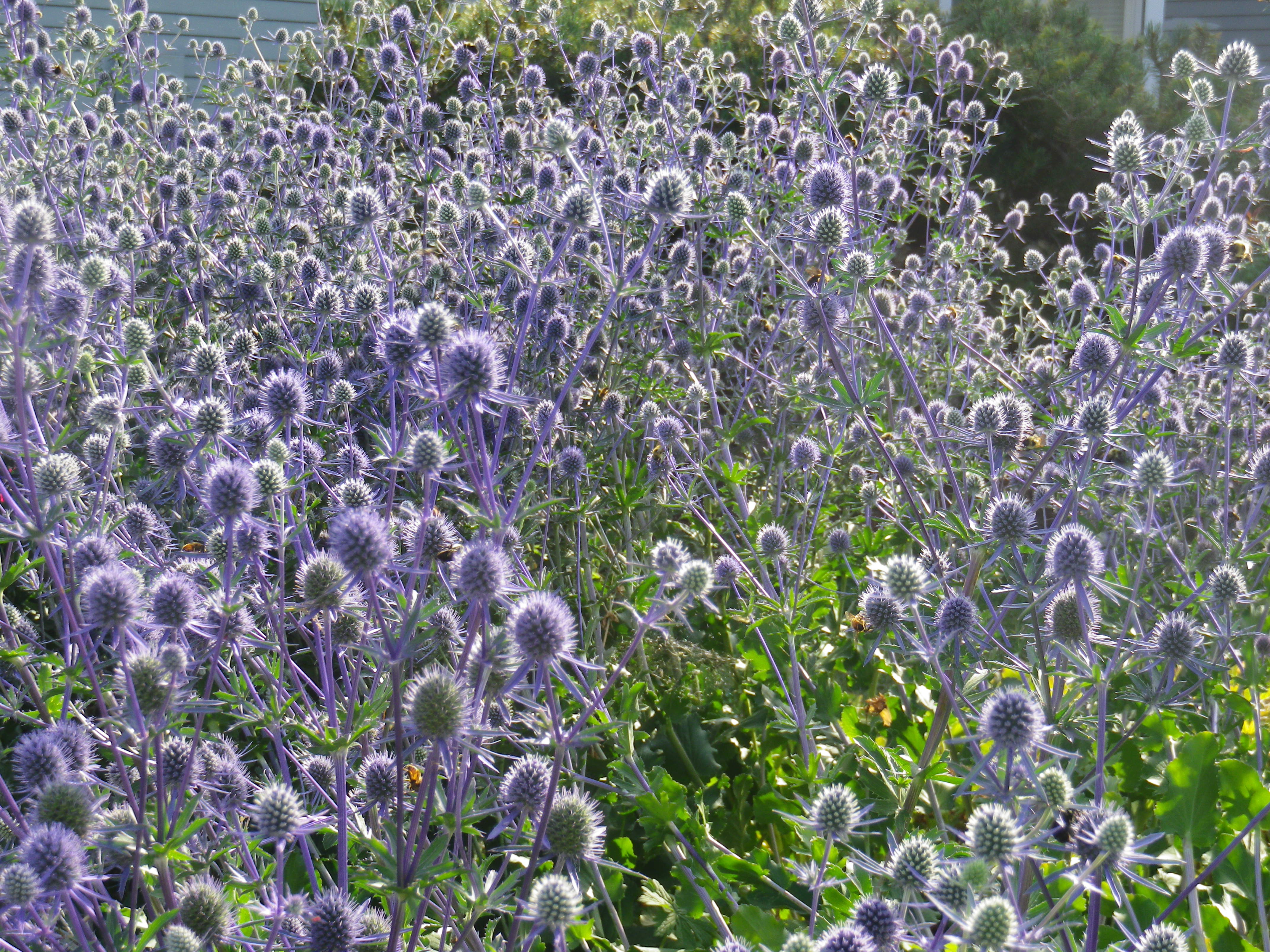
But the most gorgeous of all were the eryngium.  They had grown so prolifically that one of the gardeners’ major tasks was cutting them back and tying them up.  Here they are in the clear Maine light.


and here is a close-up of their purply-blue stems.

We saw lots of purple spiky flowers along the roadside.  Their form reminded us of lupines, but clearly it was too late for them, and these were the wrong color and leaf shape.  The gardeners told me they were purple loosestrife, a garden thug that actually seems fairly well-behaved here.

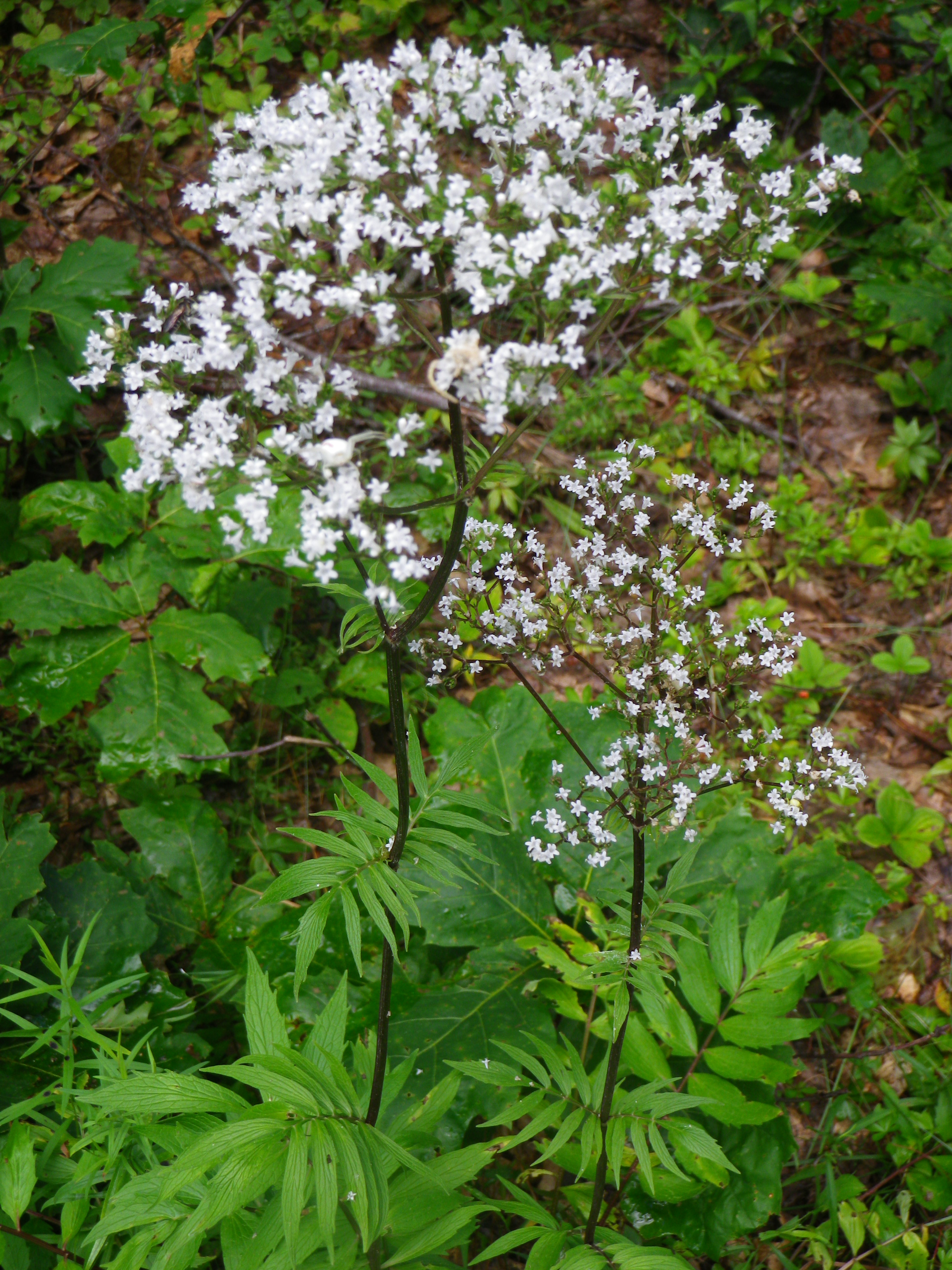
Several more beautiful wildflowers.  I think the first is spotted Joe Pye weed, the second may be water parsley,

and who knows about the third, with its antler-like bloom..  I bet Mom would have identified them right away.